
Resolving Family Fights for Better Emotional Wellbeing


Welcome to Mind Care Guide, a safe space for your mental well-being.
Struggling with family tensions? You're not alone. Discover powerful Family Conflict Resolution Strategies that can transform your home into a haven of understanding and support. We'll explore practical techniques to navigate disagreements, foster empathy, and build stronger, healthier relationships. Ready to unlock a more peaceful and connected family life? Let's begin.
Resolving Family Fights for Better Emotional Wellbeing: A Mind Care Guide
-
Understanding Family Conflict and Its Impact on Wellbeing
- The Prevalence of Family Conflicts: Studies on Frequency and Impact on Family Dynamics
- Negative Effects of Family Fights on Emotional Wellbeing: Increased Stress, Anxiety, and Risk of Depression
- Identifying the Root Causes of Family Conflicts: Communication Styles, Unmet Expectations, and Resource Allocation
- Effective Family Conflict Resolution Strategies for Wellbeing
- Practical Techniques for Managing Family Conflicts and Promoting Wellbeing
- Specific Family Conflict Scenarios and Resolution Approaches
- Building a Foundation for Long-Term Wellbeing Through Conflict Resolution
- Maintaining Wellbeing After Conflict Resolution: Self-Care and Ongoing Communication
- Resources for Family Conflict Resolution and Improved Wellbeing
-
Frequently Asked Questions
- What are some common causes of family conflicts that negatively impact wellbeing?
- How can active listening contribute to better family conflict resolution?
- What are some practical family conflict resolution strategies that promote wellbeing?
- How does unresolved family conflict affect an individual's mental health?
- Where can families find resources and support to improve their conflict resolution skills and overall wellbeing?
- Final Reflection: Weaving a Tapestry of Peace in Our Families
- Unleash Your Family's Inner Peace
Understanding Family Conflict and Its Impact on Wellbeing
The Prevalence of Family Conflicts: Studies on Frequency and Impact on Family Dynamics
Family conflicts are a near-universal experience, occurring in various forms across cultures and demographics. While the intensity and frequency differ, studies consistently show that disagreements, tensions, and arguments are common occurrences within households.
For instance, general surveys suggest that a significant majority of families, often cited as over 70% to 80%, report experiencing conflicts or arguments on a regular basis, ranging from minor daily irritations to more significant disputes occurring several times a year. These conflicts aren't just isolated events; their frequency and the way they are handled profoundly impact family dynamics, influencing communication patterns, trust levels, and overall cohesion.
The cumulative effect of unresolved or poorly managed family conflicts can erode the foundation of family relationships. Constant tension can lead to emotional distance between family members, making it harder to connect and support one another. Research indicates that families with high levels of unresolved conflict often report lower levels of satisfaction with family life and reduced emotional intimacy. Understanding the commonality and the pervasive nature of family disagreements is the first step towards implementing effective family conflict resolution strategies wellbeing. It normalizes the experience while highlighting the critical need for healthy approaches to manage these inevitable tensions.
Negative Effects of Family Fights on Emotional Wellbeing: Increased Stress, Anxiety, and Risk of Depression
Chronic exposure to family conflict significantly impacts individual emotional wellbeing. Persistent arguments or a tense home environment trigger the body's stress response, leading to elevated levels of stress hormones like cortisol. Over time, this physiological stress can contribute to a range of mental health challenges. Individuals living in high-conflict households often experience increased symptoms of anxiety, including excessive worry, restlessness, and difficulty concentrating. The unpredictable nature of conflict can create a constant state of hypervigilance, further fueling anxiety.
Beyond stress and anxiety, prolonged exposure to unresolved family fights is linked to a higher risk of depression. The feelings of helplessness, hopelessness, and isolation that can arise from being embroiled in ongoing family disputes can significantly impact mood and motivation. For children, exposure to chronic parental conflict is associated with various emotional and behavioral problems later in life. Effectively implementing family conflict resolution strategies wellbeing is not just about fixing arguments; it's a vital component of protecting and improving the mental health of every family member.
Identifying the Root Causes of Family Conflicts: Communication Styles, Unmet Expectations, and Resource Allocation
Understanding the underlying reasons for family conflicts is crucial for effective resolution. One primary driver is often poor communication. This can manifest as a lack of open and honest dialogue, passive-aggressive behavior, avoidance of difficult conversations, or aggressive and critical exchanges. When family members don't feel heard, understood, or safe to express their needs and feelings, misunderstandings escalate into full-blown arguments. For example, one person might feel constantly criticized, while the other feels their attempts to help are unappreciated, stemming from mismatched communication styles and interpretations.
Another significant source of conflict lies in unmet expectations. Family members often have implicit or explicit expectations about roles, responsibilities, support, and behavior within the family unit. When these expectations are not met, it can lead to feelings of disappointment, resentment, and betrayal.
This could be related to household chores, financial contributions, support during difficult times, or even expectations about how holidays are celebrated. Finally, disagreements over the allocation of resources – which can include money, time, attention, or even physical space – are frequent triggers for family fights. Disputes over inheritance, how family finances are managed, who spends time with elderly parents, or even sharing common areas in a home are common examples that require careful family conflict resolution strategies wellbeing.
Effective Family Conflict Resolution Strategies for Wellbeing
Active Listening: Paraphrasing, Reflecting, and Showing Understanding
Active listening is a foundational skill for resolving family conflicts and fostering better wellbeing. It involves fully concentrating on, understanding, responding to, and remembering what is being said. More than just hearing words, it means paying attention to the speaker's tone, body language, and underlying emotions. Techniques include paraphrasing what you've heard in your own words ("So, if I understand correctly, you're saying you feel..."), reflecting feelings ("It sounds like you're feeling frustrated about this situation"), and asking clarifying questions ("Can you tell me more about what happened? ").
By actively listening, you show the other person that you value their perspective and are genuinely trying to understand their point of view, even if you don't agree with it. This reduces defensiveness and creates a safer space for dialogue. When family members feel heard and validated, they are more likely to calm down and be open to finding solutions. Mastering active listening dramatically improves the effectiveness of family conflict resolution strategies wellbeing by shifting the focus from winning an argument to mutual understanding.
Empathy and Validation: Acknowledging Feelings to De-escalate Conflict
Empathy is the ability to understand and share the feelings of another person. In the context of family conflict, it means trying to see the situation from the other person's perspective and acknowledging their emotional experience. Validation is the act of confirming or supporting someone's feelings as legitimate or understandable, regardless of whether you agree with their perspective or actions. For example, saying "I can see why you would feel hurt when that happened" acknowledges their pain without necessarily admitting fault or agreeing that your action was wrong.
Empathy and validation are powerful de-escalation tools. When someone is upset, they often first need to feel understood. Acknowledging their feelings ("I hear that you're feeling overwhelmed by the workload") can immediately lower the emotional temperature, making constructive conversation possible. It doesn't mean you have to solve their problem or agree with their viewpoint, but simply recognizing their emotional state can bridge a significant gap during a disagreement, paving the way for more productive family conflict resolution strategies wellbeing.
Assertive Communication: Using "I" Statements and Setting Clear Boundaries
Assertive communication is key to expressing your needs, feelings, and boundaries respectfully and directly, without being aggressive or passive. It involves taking ownership of your emotions and experiences, often utilizing "I" statements. Instead of saying "You always make me feel guilty," an assertive statement would be "I feel guilty when you say X because I perceive it as criticism." This phrasing focuses on your own experience rather than blaming the other person, which is less likely to trigger defensiveness.
Setting clear boundaries is a crucial component of assertive communication within families. Boundaries define what is acceptable behavior towards you and what is not. This could involve setting limits on how often you can visit, what topics are off-limits for discussion if they consistently lead to fights, or how you expect to be spoken to. Clearly and calmly stating your boundaries helps manage expectations and protects your emotional energy, contributing positively to your overall wellbeing and improving the framework for family conflict resolution strategies wellbeing.
Practical Techniques for Managing Family Conflicts and Promoting Wellbeing

Setting Healthy Boundaries: Saying No and Protecting Personal Time
Establishing healthy boundaries is essential for maintaining individual wellbeing within the family unit and preventing conflict escalation. This involves recognizing your own limits – emotionally, physically, and mentally – and communicating them respectfully to family members. Learning to say "no" to requests that overextend you or infringe upon your personal time is not selfish; it is a necessary act of self-preservation. For example, if you need quiet time to decompress after work, setting a boundary might involve saying, "I need 30 minutes alone when I get home to relax before we talk about things."
Protecting personal time and space allows individuals to recharge, pursue personal interests, and maintain their own identity outside of family roles. Without these boundaries, individuals can feel drained, resentful, and overwhelmed, making them more susceptible to conflict and less equipped to handle it constructively. Clearly defined boundaries reduce ambiguity and can prevent common sources of frustration, thereby promoting a healthier environment for practicing family conflict resolution strategies wellbeing.
Negotiation and Compromise: Identifying Common Ground and Finding Solutions
Many family conflicts are not about one person being right and the other wrong, but about differing needs, desires, or perspectives that require finding a middle ground. Negotiation and compromise are vital skills in these situations. This process starts by identifying the core needs and interests of everyone involved in the conflict, rather than focusing solely on their stated positions. For instance, a conflict about holiday travel might stem from one person's need for tradition and the other's need for relaxation.
Once needs are identified, the family can brainstorm potential solutions that address as many of those needs as possible. Compromise involves each person giving a little to gain something else. This might mean alternating holiday locations year to year or finding a way to incorporate elements of tradition into a more relaxed setting. Successful negotiation and compromise require flexibility, a willingness to listen, and a focus on mutually acceptable outcomes, reinforcing positive family conflict resolution strategies wellbeing.
Seeking Professional Help: When to Consider Family Therapy
While many families can navigate conflicts using improved communication skills and strategies, some situations warrant professional intervention. Chronic, intense conflict that doesn't improve despite effort, conflicts involving abuse (physical, emotional, or substance), or situations where mental health issues are significantly exacerbated by family tension are clear indicators that professional help is needed. When communication has broken down completely, or family members are unwilling or unable to resolve issues constructively on their own, a therapist can provide invaluable guidance.
Family therapy provides a neutral space for discussion and offers specialized techniques to improve communication patterns, understand underlying dynamics, and develop healthier ways of interacting. A therapist trained in family systems can help identify entrenched patterns of behavior that contribute to conflict and guide the family towards breaking those cycles. Investing in family therapy can be a critical step in healing deep wounds and establishing sustainable family conflict resolution strategies wellbeing.
Specific Family Conflict Scenarios and Resolution Approaches
Resolving Sibling Rivalry: Promoting Fairness and Individual Attention
Sibling rivalry is a common source of family conflict across childhood, adolescence, and even adulthood. It often stems from perceived unfairness, competition for parental attention, or differing personalities and roles within the family structure. While some level of rivalry is normal, intense or prolonged conflict can damage sibling relationships and create stress for the entire family. Effective resolution involves promoting a sense of fairness, which doesn't always mean treating siblings identically, but rather equitably based on their individual needs.
Parents can help by avoiding comparisons between siblings, celebrating each child's unique strengths and achievements, and ensuring each child receives dedicated individual attention. Teaching siblings healthy ways to express frustration, negotiate disagreements, and compromise from a young age provides them with essential family conflict resolution strategies wellbeing skills they can use throughout life. Encouraging cooperation and mutual support over competition can help build stronger sibling bonds.
Addressing Parent-Adolescent Conflicts: Understanding Developmental Stages
Conflicts between parents and adolescents are often rooted in the adolescent's natural drive for independence, identity formation, and increased autonomy. As teenagers push boundaries and seek more control over their lives, clashes over rules, curfews, friends, and choices are common. Understanding that this period is a crucial developmental stage, rather than simple rebellion, can help parents approach conflicts with more empathy and patience.
Resolution strategies should focus on maintaining open lines of communication, even when disagreements are heated. This involves active listening to the adolescent's perspective, validating their feelings (even if you disagree with their position), and engaging in negotiation rather than simply imposing rules. Setting clear, consistent expectations while allowing for increasing levels of responsibility and freedom as the adolescent demonstrates maturity helps navigate this challenging phase and supports overall family wellbeing.
Managing Conflicts with Extended Family: Establishing Communication Guidelines
Conflicts involving extended family members (in-laws, grandparents, aunts, uncles, cousins) can add complexity because they involve multiple households and differing family cultures and expectations. Common issues might include unsolicited advice on parenting, interference in family decisions, or disagreements over holiday traditions and visits. Managing these conflicts often requires the core family unit (e.g., a couple) to present a united front and establish clear communication guidelines or boundaries with extended members.
Deciding together how to handle specific situations, agreeing on what information to share, and setting limits on involvement can help protect the immediate family's wellbeing. Communicating these boundaries respectfully but firmly, perhaps using "we" statements to emphasize the couple's unity ("We've decided that for our family..."), can be effective. While it's important to maintain relationships, the wellbeing of the immediate family unit should be prioritized when navigating complex dynamics with extended relatives, utilizing effective family conflict resolution strategies wellbeing tailored to the situation.
Building a Foundation for Long-Term Wellbeing Through Conflict Resolution
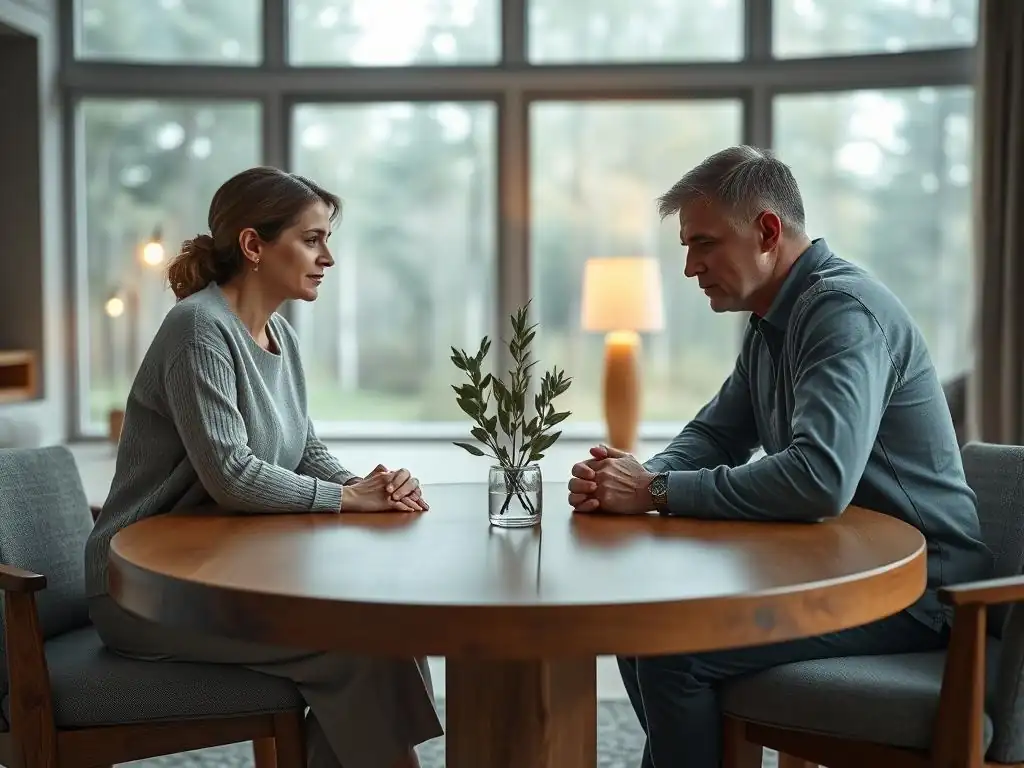
Creating a Culture of Open Communication and Understanding
Proactive efforts to foster a positive communication environment are just as important as reactive strategies for managing conflicts when they arise. Building a culture of open communication means creating a safe space where family members feel comfortable expressing their thoughts, feelings, needs, and concerns without fear of judgment or reprisal. This involves practicing active listening consistently, encouraging honest expression, and demonstrating empathy as a regular mode of interaction, not just during arguments.
This culture is built over time through consistent effort. It might involve scheduling regular family meetings to discuss how everyone is doing, setting aside time for one-on-one conversations, and modeling healthy communication behaviors as parents or partners. When open communication is the norm, minor issues are often addressed before they escalate into major conflicts, significantly contributing to the family's long-term emotional wellbeing and strengthening the foundation for family conflict resolution strategies wellbeing.
Practicing Forgiveness and Letting Go of Resentment
Holding onto anger, hurt, and resentment from past family conflicts can be a heavy burden that weighs down individual wellbeing and poisons future interactions. Practicing forgiveness, while often challenging, is a powerful step towards healing and moving forward. Forgiveness does not mean condoning harmful behavior or forgetting what happened; rather, it is a conscious decision to release the negative emotions associated with the hurt and free yourself from the grip of the past.
Letting go of resentment allows you to reclaim emotional energy that was tied up in anger and pain. It opens the door for reconciliation and improved relationships, although forgiveness is primarily a personal process that benefits the forgiver's mental health regardless of whether reconciliation occurs. Cultivating forgiveness within the family context can help heal rifts, rebuild trust, and create a more positive emotional climate conducive to effective family conflict resolution strategies wellbeing.
Prioritizing Family Wellbeing: Scheduling Quality Time Together
Beyond addressing conflicts, actively nurturing positive family relationships is fundamental to long-term wellbeing. Prioritizing family wellbeing means intentionally investing time and energy into building strong bonds and creating positive shared experiences. This involves scheduling regular quality time together, free from distractions like screens or outside obligations. This could be shared meals, family game nights, outings, or simply dedicated time to talk and connect.
These positive interactions build a reservoir of goodwill and strengthen the emotional connections between family members. A strong foundation of positive relationships makes the family unit more resilient when conflicts inevitably arise. It provides a sense of security and belonging that is crucial for individual emotional health and makes the application of family conflict resolution strategies wellbeing more effective because there is a strong motivation to preserve the positive aspects of the relationship.
Maintaining Wellbeing After Conflict Resolution: Self-Care and Ongoing Communication
Identifying and Managing Triggers: Recognizing Patterns and Developing Coping Mechanisms
Even after a conflict is resolved, understanding what triggered it is vital for preventing future occurrences and maintaining wellbeing. Reflecting on the circumstances, topics, or behaviors that tend to escalate disagreements for you or other family members can help identify patterns. For instance, certain topics (like money or past grievances), times of stress, or specific ways of speaking might act as triggers. Recognizing these triggers allows you to approach potentially difficult situations with more awareness and preparation.
Developing personal coping mechanisms for managing your own reactions to triggers is key. This might involve techniques like taking a short break during a heated discussion, practicing deep breathing exercises, or having a plan for how to respond calmly when a trigger is hit. Having strategies in place to manage your emotional responses during stressful family interactions significantly contributes to your personal wellbeing and improves your ability to engage in constructive family conflict resolution strategies wellbeing.
Practicing Self-Care: Prioritizing Sleep, Exercise, and Relaxation
Maintaining your physical and mental health through consistent self-care is foundational to managing stress, including the stress that arises from family conflicts. Ensuring adequate sleep (typically 7-9 hours for adults), engaging in regular physical activity, and incorporating relaxation techniques into your routine equips you with greater resilience. These practices help regulate mood, reduce anxiety, improve focus, and provide the energy needed to navigate challenging family dynamics constructively.
Self-care isn't a luxury; it's a necessity for emotional wellbeing. Whether it's through exercise, meditation, pursuing a hobby, spending time in nature, or simply allowing yourself moments of rest, prioritizing activities that recharge you helps you remain calm and centered, even when faced with family disagreements. A well-rested and less stressed individual is better equipped to apply effective family conflict resolution strategies wellbeing.
Regular Family Check-ins: Discussing Concerns and Strengthening Bonds
Preventing conflicts is often easier than resolving them. Instituting regular, low-pressure family check-ins can be an excellent way to maintain open communication and address minor concerns before they fester into major issues. These check-ins don't need to be formal; they could be a brief conversation during dinner, a quick chat over the weekend, or a scheduled time once a week to touch base.
The purpose is to create a consistent opportunity for family members to share how they are feeling, what's going on in their lives, and any small issues that might be bothering them. This proactive approach helps strengthen family bonds by fostering connection and mutual support. It also provides a natural context for practicing communication skills and reinforcing positive dynamics, making the family more resilient and better prepared to handle conflicts constructively when they do arise, thereby maintaining and improving family conflict resolution strategies wellbeing.
Resources for Family Conflict Resolution and Improved Wellbeing
Websites and Organizations Offering Conflict Resolution Support
Numerous resources are available to help families navigate conflicts and improve their interactions. Many non-profit organizations and community centers offer mediation services, which provide a neutral third party to help families communicate and find mutually agreeable solutions to disputes. Websites and national mental health associations often provide articles, guides, and workshops on improving communication skills, managing anger, and understanding family dynamics. These resources can offer valuable information and practical tools for implementing effective family conflict resolution strategies wellbeing.
Recommended Reading on Family Communication
Books written by therapists and communication experts can provide in-depth knowledge and actionable techniques for improving family relationships. Topics covered often include active listening, nonviolent communication, understanding different personality types within the family, and strategies for specific issues like parenting challenges or sibling relationships. Reading about these topics can equip family members with a better understanding of conflict dynamics and offer new approaches to try within their own families.
Local Mental Health Professionals Specializing in Family Therapy
For families facing significant or persistent conflicts, seeking help from a qualified mental health professional is highly recommended. Therapists specializing in family systems or marriage and family therapy are trained to work with multiple family members simultaneously, identifying complex patterns and guiding the family towards healthier communication and interaction. These professionals can provide tailored strategies and support specific to a family's unique challenges, offering a structured path towards healing and improved family conflict resolution strategies wellbeing.
Frequently Asked Questions
What are some common causes of family conflicts that negatively impact wellbeing?
Family conflicts often stem from communication breakdowns, differing values and expectations, and unresolved past traumas. These issues can lead to stress, anxiety, and a decline in overall wellbeing.
How can active listening contribute to better family conflict resolution?
Active listening involves truly hearing and understanding the other person's perspective. This technique fosters empathy and validation, which are crucial for de-escalating conflicts and promoting a sense of mutual respect.
What are some practical family conflict resolution strategies that promote wellbeing?
Implement strategies like establishing clear communication rules, practicing compromise and negotiation, and seeking professional help when needed. These steps can improve family dynamics and individual wellbeing.
How does unresolved family conflict affect an individual's mental health?
Unresolved conflict can lead to increased stress levels, feelings of anxiety and depression, and a negative impact on self-esteem and confidence. It can disrupt sleep, eating habits, and overall mental wellbeing.
Where can families find resources and support to improve their conflict resolution skills and overall wellbeing?
Families can access resources through mental health professionals, online support groups, and community centers offering family therapy or conflict resolution workshops. Websites like Mind Care Guide also offer valuable information.
Final Reflection: Weaving a Tapestry of Peace in Our Families
The strategies for resolving family conflict are not merely theoretical exercises; they are the bedrock upon which healthier, happier family lives are built. In a world increasingly fractured by division, the ability to navigate disagreements constructively within the family unit becomes not just desirable, but essential for individual and collective wellbeing. The impact of unresolved conflict ripples outwards, affecting everything from mental health to career success and even societal harmony.
The journey towards effective family conflict resolution is a deeply personal one, demanding self-awareness, empathy, and a willingness to understand perspectives different from our own. It's a journey I've personally witnessed transform families, fostering environments of mutual respect and understanding. The family is the first essential cell of human society.
This quote highlights the profound impact of healthy family dynamics on the broader societal fabric. The skills learned in resolving family disputes translate directly into improved communication and conflict management in all aspects of life.
Now, consider your own family dynamics. What small steps can you take today to foster a more peaceful and understanding environment? Perhaps it's practicing active listening, setting clear boundaries, or simply choosing to forgive. Remember, the pursuit of peace within the family is not a destination, but a continuous process of growth and learning. Embrace the challenges, celebrate the victories, and build a family legacy rooted in love, respect, and the unwavering commitment to resolving conflict constructively. The wellbeing of your family, and indeed yourself, depends on it.
Unleash Your Family's Inner Peace
Thanks for taking the time to explore ways to resolve family conflicts and boost everyone's emotional wellbeing! You've gained valuable insights into healthier communication and conflict resolution – now let's put them into action.
- Prioritize one small change: Identify one area of family interaction you want to improve (e.g., active listening during disagreements, expressing appreciation more often) and focus on implementing it this week. This focused approach creates momentum.
- Share your "aha" moment: What was the most impactful takeaway from this article? Share it with a family member – or even on social media – to spark a conversation and inspire others. You might be surprised by the connections you make.
- Explore further resources: Consider researching additional family therapy techniques or communication strategies online; building on this knowledge will deepen your understanding and strengthen family bonds.
Ready to start fostering a more harmonious family environment? What’s one small step you’ll take today to enhance your family's emotional wellbeing?