
Untangling Childhood Anxiety: A Parent's Guide to Recognizing and Responding

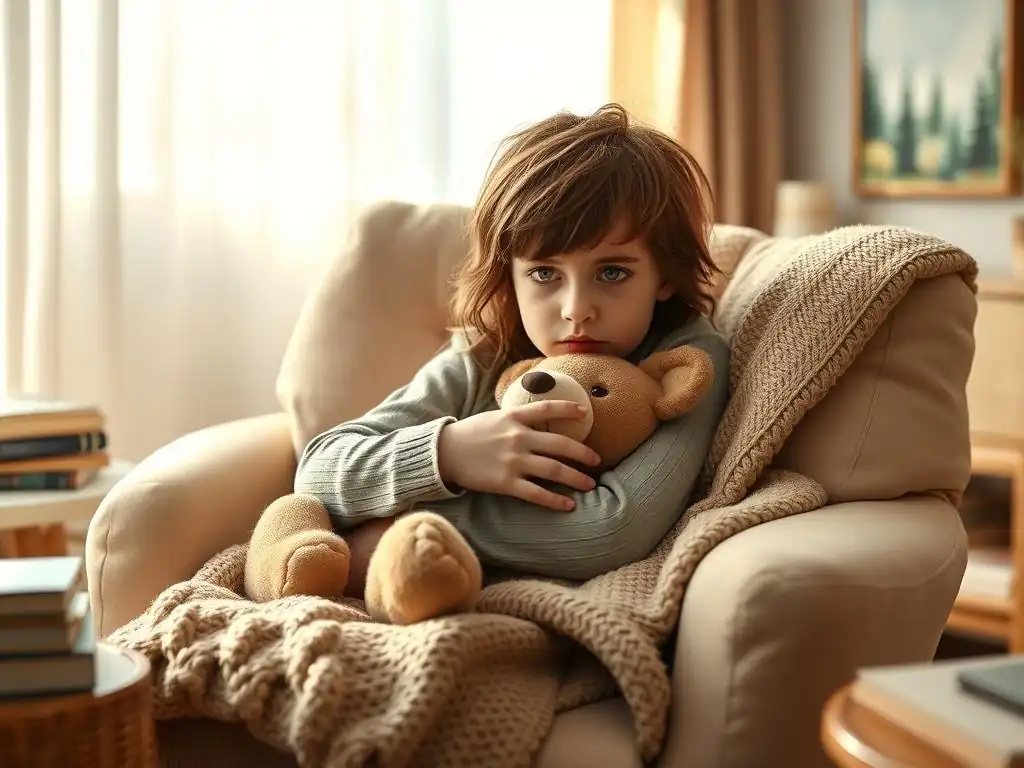
Welcome to Mind Care Guide, a sanctuary for your mental well-being.
Are you noticing subtle shifts in your child's behavior, a persistent worry that seems out of proportion? It's easy to miss the early signs of anxiety. This guide, " Untangling Childhood Anxiety: A Parent's Guide to Recognizing and Responding," provides compassionate and actionable Childhood anxiety recognition strategies to help you understand and support your child's emotional health. But understanding is just the first step. What practical tools can you use today to make a real difference? Let's explore together.
Untangling Childhood Anxiety: A Parent's Guide to Recognizing and Responding
- Understanding Childhood Anxiety: A Parent's First Step
- Childhood Anxiety Recognition Strategies: Identifying the Signs
-
Common Types of Childhood Anxiety Disorders
- Generalized Anxiety Disorder (GAD) in Children: Understanding Persistent Worry
- Social Anxiety Disorder (SAD) in Children: Navigating Social Situations
- Separation Anxiety Disorder: Addressing Fear of Separation from Caregivers
- Specific Phobias in Children: Overcoming Irrational Fears
- Panic Disorder in Children: Recognizing and Managing Panic Attacks
- Obsessive-Compulsive Disorder (OCD) in Children: Understanding Obsessions and Compulsions
-
Responding to Childhood Anxiety: Practical Strategies for Parents
- Creating a Supportive and Understanding Home Environment
- Communication is Key: Talking to Your Child About Their Anxiety
- Teaching Coping Mechanisms: Helping Your Child Manage Anxiety Symptoms
- Relaxation Techniques for Kids: Breathing Exercises and Mindfulness
- Age-Appropriate Coping Strategies: From Play to Problem-Solving
- When to Seek Professional Help for Childhood Anxiety
- Long-Term Management of Childhood Anxiety
- Supporting Your Child: A Parent's Role in Managing Childhood Anxiety
-
Frequently Asked Questions
- What are some common behavioral signs that might indicate childhood anxiety?
- How can parents differentiate between normal childhood worries and a potential anxiety disorder?
- What are some effective recognition strategies parents can use to identify anxiety in their children early on?
- What are some initial steps parents can take to support a child exhibiting signs of anxiety before seeking professional help?
- When is it crucial to seek professional help for a child struggling with anxiety?
- Final Reflection: Nurturing Resilience in the Face of Childhood Anxiety
- Unlock Your Child's Calm: Practical Steps to Support Their Wellbeing
Understanding Childhood Anxiety: A Parent's First Step
What is Childhood Anxiety? Defining Anxiety in Children
Childhood anxiety is a normal and often healthy emotion, a natural response to stress or perceived danger. It's the feeling of worry, nervousness, or unease, typically about an imminent event or something with an uncertain outcome. In children, this can manifest differently than in adults, often appearing as clinginess, irritability, difficulty sleeping, or physical complaints like stomach aches. Understanding that anxiety is a fundamental human experience is the first step for parents.
However, when this anxiety becomes excessive, persistent, and begins to interfere with a child's daily life – their ability to attend school, participate in activities, or interact with peers – it may indicate an anxiety disorder. It's not just a passing phase of shyness or nervousness; it's a pervasive pattern of worry that the child struggles to control. Recognizing the intensity and duration of these feelings is crucial for developing effective childhood anxiety recognition strategies.
Distinguishing Normal Worry from Problematic Anxiety in Kids
Normal worry in children is usually temporary and tied to specific situations, like test taking, starting a new school year, or visiting the doctor. It resolves once the situation passes or the child adapts. This kind of worry can even be beneficial, motivating a child to prepare or act cautiously. A child might express feeling nervous before a school play but still participate and feel better afterward.
Problematic anxiety, on the other hand, is disproportionate to the situation, persistent, and significantly impacts the child's functioning. It might involve intense fear about everyday occurrences, avoidance of situations that trigger the anxiety, or frequent physical symptoms with no medical cause. For instance, a child with problematic anxiety might not only worry about the school play but refuse to attend school for days leading up to it, experience panic symptoms, and continue to worry intensely about future performances long after the current one is over. Developing robust childhood anxiety recognition strategies helps parents spot this critical difference.
Prevalence of Anxiety Disorders in Children and Adolescents
Anxiety disorders are among the most common mental health conditions affecting children and adolescents. Estimates suggest that approximately 1 in 5 children and adolescents experience an anxiety disorder at some point. However, many cases go unrecognized and untreated, highlighting the importance of parent education on identifying anxiety in children.
The impact of untreated childhood anxiety can be significant, potentially leading to difficulties in school, social isolation, and an increased risk of developing other mental health issues later in life. For example, studies indicate that children with untreated anxiety are at a higher risk of developing depression or substance use disorders in adolescence or adulthood. Therefore, parents equipped with effective childhood anxiety recognition strategies play a vital role in early intervention and improving long-term outcomes for their children.
Childhood Anxiety Recognition Strategies: Identifying the Signs
Physical Symptoms of Anxiety in Children: What to Look For
Anxiety often manifests physically in children, as they may not have the vocabulary to express their internal feelings of worry or fear. Common physical signs include frequent stomach aches, headaches, nausea, or unexplained fatigue. These symptoms might appear particularly before or during situations that trigger their anxiety, such as school mornings or social events.
Parents might notice their child complaining of feeling sick without any clear medical explanation, or visiting the school nurse frequently for non-specific ailments. Other physical indicators can include muscle tension, trembling or shaking, sweating, rapid heartbeat, or difficulty breathing. Being attuned to these physical cues is a key part of effective childhood anxiety recognition strategies, as they often serve as the first observable signs that a child is struggling.
Behavioral Indicators of Anxiety in Kids: Observing Their Actions
A child's behavior can be a powerful indicator of underlying anxiety. Common behavioral signs include increased irritability, restlessness, or difficulty concentrating. Children might become more clingy than usual, especially in unfamiliar situations or when anticipating separation from caregivers. They might also exhibit excessive shyness or withdrawal in social settings.
Avoidance is a significant behavioral sign. A child might start refusing to go to school, avoid sleepovers, refuse to participate in activities they once enjoyed, or make excuses to skip social gatherings. Difficulty sleeping, including trouble falling asleep, staying asleep, or nightmares, can also be behavioral manifestations of anxiety. Observing these changes in a child's typical behavior is essential when implementing childhood anxiety recognition strategies.
Emotional Manifestations of Anxiety: Recognizing Feelings of Fear and Worry
While physical and behavioral signs are often easier to spot, recognizing the emotional manifestations of anxiety requires empathy and open communication. Children with anxiety frequently express excessive worry about future events, even minor ones. They might constantly seek reassurance, asking repetitive questions about "what if" scenarios.
They may also display intense fear that seems out of proportion to the situation, such as extreme fear of making a mistake, being judged, or experiencing failure. Crying spells, meltdowns, or tantrums, especially when faced with perceived challenges or transitions, can also be emotional releases of overwhelming anxiety. Learning to interpret these emotional signals, alongside physical and behavioral cues, is crucial for developing comprehensive childhood anxiety recognition strategies.
Identifying Triggers: What Causes Anxiety in Your Child?
Understanding when and why your child experiences anxiety is vital for effective support. Triggers can vary widely from child to child. Common triggers include transitions (like starting a new school or moving), social situations (meeting new people, public speaking), performance expectations (tests, sports, presentations), separation from caregivers, specific objects or situations (heights, spiders, storms), or even news events.
Sometimes, the trigger is less obvious and relates to internal worries about perfectionism, safety, or health. Keeping a journal or simply observing patterns can help parents identify specific situations, places, or thoughts that consistently precede or accompany their child's anxious responses. Pinpointing these triggers is a critical component of applying effective childhood anxiety recognition strategies and developing targeted coping plans.
Common Types of Childhood Anxiety Disorders
Generalized Anxiety Disorder (GAD) in Children: Understanding Persistent Worry
Generalized Anxiety Disorder (GAD) in children is characterized by excessive, uncontrollable, and often irrational worry about a variety of everyday things. Unlike normal worry about a specific event, children with GAD worry about multiple things simultaneously, such as school performance, their or their family's safety, future events, or even minor matters like being on time. This worry is pervasive and difficult for the child to turn off.
Children with GAD often seek constant reassurance, are restless, easily fatigued, have difficulty concentrating, are irritable, and experience muscle tension or sleep problems. The worry is typically disproportionate to the actual likelihood or impact of the feared event. Identifying this pattern of persistent, widespread worry is a key aspect of childhood anxiety recognition strategies related to GAD.
Social Anxiety Disorder (SAD), also known as social phobia, involves intense fear and avoidance of social situations where the child might be scrutinized, judged, or embarrassed. This isn't just shyness; it's a debilitating fear that significantly interferes with a child's ability to interact with peers, participate in class, or engage in activities outside the home.
Children with SAD might fear speaking in class, eating in front of others, joining group activities, or even starting conversations. They worry excessively about saying or doing something "wrong" and being negatively evaluated. This fear often leads to avoidance, causing social isolation and impacting their development of social skills. Recognizing significant distress and avoidance related to social interactions is a vital part of effective childhood anxiety recognition strategies.
Separation Anxiety Disorder: Addressing Fear of Separation from Caregivers
Separation Anxiety Disorder is characterized by excessive fear or anxiety concerning separation from home or from attachment figures. While some degree of separation anxiety is normal in infants and toddlers, it becomes a disorder when it is excessive for the child's developmental level and causes significant distress or impairment.
Children with Separation Anxiety Disorder may worry excessively about harm befalling their attachment figures or about getting lost or kidnapped, preventing reunion. They might refuse to go to school, sleep alone, or be in a room without a parent nearby. Physical symptoms like stomach aches or nausea are common before separation. Recognizing this intense distress related to separation is a specific focus for childhood anxiety recognition strategies.
Specific Phobias in Children: Overcoming Irrational Fears

Specific phobias involve intense, irrational fear of a particular object or situation that poses little to no actual danger. Common specific phobias in children include fear of animals (like dogs or spiders), natural phenomena (like storms or heights), blood/injections/injury, or situational fears (like elevators or flying).
The fear is typically immediate and intense upon exposure to the feared object or situation, leading to panic-like symptoms. Children with specific phobias will actively avoid the feared stimulus, and this avoidance can significantly restrict their activities. Identifying disproportionate fear and avoidance related to a specific trigger is crucial when applying childhood anxiety recognition strategies for phobias.
Panic Disorder in Children: Recognizing and Managing Panic Attacks
Panic Disorder is characterized by recurrent, unexpected panic attacks. A panic attack is a sudden surge of intense fear or discomfort that peaks within minutes and involves a cluster of physical and cognitive symptoms. These symptoms can include a pounding heart, sweating, trembling, shortness of breath, chest pain, nausea, dizziness, fear of losing control, or fear of dying.
Children experiencing panic attacks may genuinely believe they are having a medical emergency. While individual panic attacks can occur in other anxiety disorders, Panic Disorder is diagnosed when attacks are recurrent and the child worries persistently about having more attacks or changes their behavior significantly to avoid them. Recognizing the signs of a panic attack and the subsequent fear of future attacks is a critical, albeit less common, aspect of childhood anxiety recognition strategies.
Obsessive-Compulsive Disorder (OCD) in Children: Understanding Obsessions and Compulsions
While technically classified separately in the DSM-5, Obsessive-Compulsive Disorder (OCD) is closely related to anxiety disorders and often involves significant anxiety. OCD is characterized by the presence of obsessions, which are recurrent and persistent thoughts, urges, or images that are intrusive and unwanted, and compulsions, which are repetitive behaviors or mental acts that the individual feels driven to perform in response to an obsession or according to rigid rules.
In children, common obsessions might involve fears of contamination, harm coming to loved ones, or a need for symmetry/order. Compulsions can include excessive washing, checking, repeating actions, or arranging things. The child performs compulsions to reduce the distress caused by the obsessions or prevent a feared event, but these rituals are time-consuming and often ineffective in the long run. Identifying these patterns of intrusive thoughts and repetitive behaviors is an important, though sometimes complex, part of effective childhood anxiety recognition strategies.
Responding to Childhood Anxiety: Practical Strategies for Parents
Creating a Supportive and Understanding Home Environment
A home environment that is supportive and understanding is foundational for helping a child manage anxiety. This means validating their feelings without enabling avoidance. Let your child know that it's okay to feel scared or worried, but also communicate that they are capable of facing challenging situations. Avoid dismissing their fears or forcing them into situations without preparation.
Creating a predictable routine can also provide a sense of safety and reduce uncertainty, which often fuels anxiety. Ensure they get enough sleep, eat balanced meals, and have opportunities for physical activity, all of which can positively impact mood and stress levels. A calm and reassuring parental presence is one of the most effective tools in supporting a child's mental well-being and complementing childhood anxiety recognition strategies with compassionate responses.
Communication is Key: Talking to Your Child About Their Anxiety
Open and honest communication is crucial. Find calm, private moments to talk to your child about what they are feeling. Use age-appropriate language and listen actively without judgment. Instead of asking "Why are you so worried? ", try "I've noticed you seem scared about school lately. Can you tell me what's on your mind?"
Encourage them to express their feelings, whether through words, drawing, or play. Normalize anxiety by explaining that everyone feels worried sometimes, but that you can work together to make it feel less overwhelming. This dialogue helps children feel understood and less alone with their struggles, reinforcing the bridge between childhood anxiety recognition strategies and active support.
Teaching Coping Mechanisms: Helping Your Child Manage Anxiety Symptoms
Teaching children specific strategies to cope with anxiety gives them tools to manage difficult feelings. These strategies should be practiced regularly, not just during moments of high anxiety. Simple techniques can be incredibly empowering.
One effective approach is teaching them to identify their physical and emotional signs of anxiety early on – part of building their own internal childhood anxiety recognition strategies. Once they recognize these signals, they can employ a coping skill. This might involve deep breathing exercises, visualization, progressive muscle relaxation, or engaging in a distracting activity they enjoy, like drawing or playing. Providing these tools helps children feel more in control when anxiety flares up.
Relaxation Techniques for Kids: Breathing Exercises and Mindfulness
Relaxation techniques are powerful tools for calming the nervous system during moments of anxiety. Simple deep breathing exercises, like "balloon breathing" (imagine the belly filling like a balloon) or "square breathing" (inhaling, holding, exhaling, holding for counts of four), can be taught and practiced daily.
Mindfulness for kids involves bringing gentle attention to the present moment. This can be as simple as a "body scan" (noticing how different parts of the body feel) or a "five senses exercise" (naming five things you see, four things you hear, three things you feel, two things you smell, one thing you taste). These practices help ground the child and reduce the intensity of anxious thoughts, offering practical application of childhood anxiety recognition strategies by providing immediate relief methods.
Age-Appropriate Coping Strategies: From Play to Problem-Solving
Coping strategies need to be tailored to a child's developmental stage. For younger children, play is a natural way to process feelings. Role-playing anxious situations with toys or drawing their worries can be helpful. Sensory tools like stress balls, fidget toys, or weighted blankets can also provide comfort.
As children get older, problem-solving skills become more relevant. Help them break down anxious situations into smaller, manageable steps. Encourage them to brainstorm solutions to their worries, evaluating the pros and cons of each. For example, if a child is anxious about a test, the steps might involve studying for a specific time, asking the teacher questions, and practicing relaxation techniques before the test. Empowering children with varied, age-appropriate coping methods is a key outcome of effective childhood anxiety recognition strategies.
When to Seek Professional Help for Childhood Anxiety

Recognizing When Anxiety Requires Professional Intervention
While parents can implement many supportive strategies, there are times when professional help is necessary. Signs that indicate a need for professional intervention include anxiety that is:
- Persistent and doesn't improve with parental support.
- Intense and out of proportion to the situation.
- Causing significant distress or impairment in multiple areas of life (school, social, family).
- Accompanied by physical symptoms without a medical cause.
- Leading to significant avoidance behaviors.
- Associated with other concerns like depression, self-harm thoughts, or substance use.
If you've applied childhood anxiety recognition strategies and feel your child's anxiety is significantly impacting their well-being and daily functioning, consulting a mental health professional is a crucial next step.
Types of Therapy for Childhood Anxiety: Cognitive Behavioral Therapy (CBT), Play Therapy, and More
Several therapeutic approaches are highly effective for treating childhood anxiety. Cognitive Behavioral Therapy (CBT) is widely considered the gold standard. CBT helps children identify anxious thoughts (cognitions) and learn how they affect their feelings and behaviors. They then learn to challenge unhelpful thoughts and gradually face feared situations (behavioral exposure) in a safe and controlled manner. Studies show CBT can be effective for 60-80% of children with anxiety disorders.
Other helpful therapies include Play Therapy, particularly for younger children, which uses play as a medium to explore and process feelings. Exposure and Response Prevention (ERP), a specific type of CBT, is highly effective for OCD. Family therapy can also be beneficial, helping family members understand anxiety and learn how to support the child. Understanding these options is part of acting on childhood anxiety recognition strategies.
Finding a Qualified Mental Health Professional for Your Child
Finding the right therapist is key. Look for licensed mental health professionals who specialize in working with children and adolescents. This could include child psychologists, child psychiatrists, licensed clinical social workers (LCSW), or licensed professional counselors (LPC).
Consider their experience with specific anxiety disorders if your child's symptoms point towards a particular type. Ask about their therapeutic approach – do they primarily use CBT or other evidence-based practices for anxiety? Word-of-mouth referrals from pediatricians, school counselors, or other parents can be helpful, as can searching directories of professional organizations. Taking this step is a direct response to applying childhood anxiety recognition strategies and determining that professional support is needed.
Accessing Mental Health Resources: Insurance, Referrals, and Support Groups
Navigating the mental healthcare system can be challenging. Start by contacting your child's pediatrician, who can provide a referral to a specialist. Check your health insurance plan to understand coverage for mental health services and find in-network providers. Many insurance companies have online directories or member services lines to assist with this.
School counselors can also be valuable resources, often able to offer initial support, guidance, or referrals within the community. Additionally, national and local mental health organizations often provide resources, information, and sometimes support groups for parents dealing with childhood anxiety. Utilizing these resources is an important step after implementing childhood anxiety recognition strategies and deciding to seek external help.
Long-Term Management of Childhood Anxiety
Building Resilience in Children: Fostering Confidence and Independence
Long-term management of childhood anxiety involves not just reducing symptoms but also building resilience. Resilience is the ability to bounce back from challenges and adapt in the face of adversity. Encourage your child to face age-appropriate challenges and celebrate their efforts and successes, no matter how small. This helps them build confidence in their ability to cope.
Foster independence by allowing them to take on responsibilities and make choices appropriate for their age. Teach problem-solving skills rather than solving every problem for them. Encourage participation in activities they enjoy, which can boost self-esteem and provide a sense of accomplishment. Building resilience is a continuous process that strengthens a child's ability to manage anxiety throughout life, complementing initial childhood anxiety recognition strategies with ongoing developmental support.
Maintaining Open Communication: Ongoing Support for Your Child's Mental Health
Maintaining open and consistent communication remains vital for long-term management. As children grow, their anxieties and how they express them may change. Continue to create a safe space for them to talk about their feelings without fear of judgment. Regularly check in with them, not just when they seem anxious, but as part of normal conversation.
Be observant for recurring or new signs of anxiety, applying your childhood anxiety recognition strategies consistently over time. If your child is in therapy, stay involved in their treatment plan and communicate with their therapist as appropriate. Ongoing dialogue helps ensure that support is tailored to their evolving needs.
Preventing Relapse: Strategies for Sustained Well-being
Preventing relapse involves helping children continue to use the coping skills they've learned and being prepared to address anxiety if it resurfaces. Encourage the regular practice of relaxation techniques and mindfulness, even when they are feeling well. Review coping strategies together periodically.
Help your child identify their personal warning signs that anxiety might be increasing, empowering them with their own childhood anxiety recognition strategies. Have a plan in place for what to do if anxiety symptoms return or worsen, which might include scheduling a check-in with a therapist or revisiting specific coping exercises. Consistency and proactive planning are key to sustained well-being.
Supporting Your Child: A Parent's Role in Managing Childhood Anxiety
The Importance of Self-Care for Parents: Managing Your Own Stress
Supporting a child with anxiety can be emotionally demanding for parents. It's crucial for parents to prioritize their own well-being. Stress and anxiety can be contagious, and managing your own stress can help create a calmer environment for your child.
This might involve practicing your own stress-reduction techniques, seeking support from your partner, friends, or family, or even pursuing therapy for yourself if needed. Remember that taking care of yourself is not selfish; it makes you a more effective and resilient caregiver. Recognizing your own needs is an important parallel to applying childhood anxiety recognition strategies for your child.
Resources for Parents: Books, Websites, and Support Networks
Parents don't have to navigate childhood anxiety alone. Numerous resources are available to provide information, strategies, and support. Books written by child psychologists or experts in child anxiety offer practical guidance and insights. Reputable websites from mental health organizations provide articles, tips, and tools.
Joining parent support groups, either online or in person, can connect you with others who understand your challenges and can offer empathy and practical advice. These networks provide valuable emotional support and shared learning experiences, complementing your efforts in childhood anxiety recognition strategies and ongoing support.
Conclusion: Empowering Your Child to Overcome Anxiety
Untangling childhood anxiety is a journey that requires patience, understanding, and consistent effort. By learning effective childhood anxiety recognition strategies, parents are empowered to identify the signs early and respond in a way that helps their child feel safe and supported. Providing a nurturing environment, teaching coping skills, and knowing when to seek professional help are all vital components of this process. With the right support and strategies, children can learn to manage their anxiety, build resilience, and lead fulfilling lives.
Frequently Asked Questions
What are some common behavioral signs that might indicate childhood anxiety?
Children experiencing anxiety might exhibit increased irritability, restlessness, or difficulty concentrating. They may also display avoidance behaviors related to specific situations or objects.
How can parents differentiate between normal childhood worries and a potential anxiety disorder?
Normal worries are usually temporary and situation-specific, while anxiety disorders involve persistent, excessive worry that interferes with daily life and development. Look for patterns of significant distress and impairment.
What are some effective recognition strategies parents can use to identify anxiety in their children early on?
Parents can observe their child's behavior in different settings, actively listen to their concerns, and maintain open communication. Consider using age-appropriate anxiety questionnaires or checklists.
What are some initial steps parents can take to support a child exhibiting signs of anxiety before seeking professional help?
Parents can create a safe and supportive environment, validate their child's feelings, and teach coping mechanisms like deep breathing or mindfulness exercises.
When is it crucial to seek professional help for a child struggling with anxiety?
Seek professional help if the anxiety is severe, persistent, and significantly impacting the child's social, academic, or emotional well-being. Also, if coping strategies are ineffective.
Final Reflection: Nurturing Resilience in the Face of Childhood Anxiety
The pervasive nature of childhood anxiety is a stark reality in today's world, demanding our urgent attention and proactive strategies. Children are facing unprecedented pressures, and understanding the subtle signs of anxiety is crucial for fostering their emotional well-being and future resilience. Ignoring these early warning signs can have long-lasting consequences, impacting their academic success, social relationships, and overall mental health.
The journey of navigating childhood anxiety is a deeply personal one, both for the child and the parent. It requires patience, understanding, and a willingness to adapt our approaches. It's a constant learning process, filled with moments of both frustration and profound connection. As a parent, I've learned the importance of creating a safe space for open communication, where anxieties can be voiced without judgment. The most important thing a father can do for his children is to love their mother.
– Theodore Hesburgh. While not directly about anxiety, this quote highlights the foundational importance of a secure and loving environment, which is crucial in helping a child manage their anxieties. This secure base allows them to explore their feelings and develop coping mechanisms.
You, the reader, now hold the tools to begin this journey. Consider the strategies discussed within this guide – from active listening and validating your child's feelings to seeking professional help when needed. Take a moment to reflect on your own childhood experiences with anxiety, and how those experiences might shape your current parenting approach. Remember, you are not alone in this, and by fostering open communication, empathy, and a supportive environment, you can empower your child to navigate their anxieties and build a brighter, more resilient future.
Unlock Your Child's Calm: Practical Steps to Support Their Wellbeing
We appreciate you taking the time to learn more about supporting your child through anxiety. You've gained valuable insights into recognizing the signs and understanding effective responses. Now it's time to put that knowledge into action!
- Prioritize one small, manageable change: Choose just one strategy from the article – whether it's implementing a new bedtime routine, practicing mindful breathing together, or scheduling a family activity – and commit to it this week. Small steps make a big difference!
- Share your journey: Connect with other parents facing similar challenges. Sharing your experiences and learning from others can create a powerful sense of community and support.
- Explore additional resources: Dive deeper into specific techniques mentioned in the article by searching for relevant videos, books, or workshops online. You might be surprised by what you discover!
What small change will you implement this week to nurture your child's emotional wellbeing? Let's discuss in the comments below!