
Working Together for Change: What is Collaborative Family Therapy?

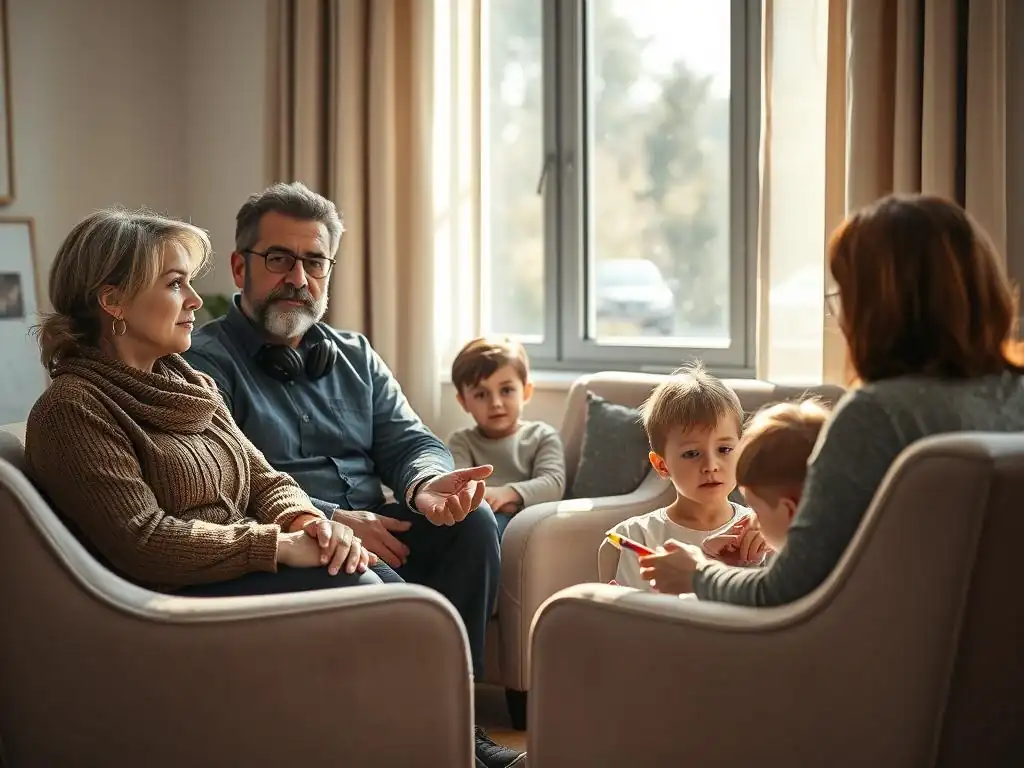
Welcome to Mind Care Guide, a place dedicated to nurturing your mental well-being.
Are you feeling the weight of family struggles and searching for a path toward healing? Perhaps you've heard whispers of a more unified approach. This is where collaborative family therapy benefits come into play. Discover how working together, rather than in isolation, can unlock lasting change and strengthen the bonds that matter most. Intrigued? Let's explore the power of connection and build a healthier, happier family dynamic, together.
Navigating Family Challenges: Understanding Collaborative Family Therapy
- Understanding Collaborative Family Therapy: An Introduction
- Exploring the Benefits of Collaborative Family Therapy
- Key Elements and Techniques in Collaborative Family Therapy
- Who Can Benefit from Collaborative Family Therapy?
- The Process of Collaborative Family Therapy: What to Expect
- Finding a Qualified Collaborative Family Therapist
- Maximizing the Effectiveness of Collaborative Family Therapy
- Conclusion: Fostering Resilience and Connection
-
Frequently Asked Questions
- What is Collaborative Family Therapy and how does it differ from other family therapy approaches?
- What are the primary benefits of Collaborative Family Therapy for families facing mental health challenges?
- How does Collaborative Family Therapy specifically address the individual needs of each family member?
- What types of family issues or challenges are best suited for Collaborative Family Therapy?
- How can a family find a qualified therapist who practices Collaborative Family Therapy?
- Final Reflection: The Ripple Effect of Collaborative Family Therapy
- Unlock Your Family's Potential: Start Collaborating Today!
Understanding Collaborative Family Therapy: An Introduction
Defining Collaborative Family Therapy: A Strengths-Based Approach
Collaborative Family Therapy is a post-modern approach rooted in social constructionist philosophy. It views problems not as inherent flaws within individuals or families, but as difficulties co-created and maintained through language and interaction. The therapist adopts a "not-knowing" stance, positioning themselves as a curious conversational partner rather than an expert providing solutions. This approach emphasizes the family's strengths and resources, believing they hold the keys to resolving their own challenges. It's a deeply respectful process that honors the unique experiences and knowledge of each family member.
Instead of diagnosing or pathologizing, the collaborative therapist engages in genuine dialogue, inviting family members to share their perspectives and stories. The focus is on fostering new conversations that can lead to new meanings and possibilities for action. This non-blaming stance is fundamental, creating a safe space where individuals feel heard and validated, which is crucial for exploring sensitive issues and paving the way for the many collaborative family therapy benefits that arise from this relational safety.
At the heart of Collaborative Family Therapy lie core principles that guide the entire process. Paramount among these is profound respect for the family and its members. Therapists genuinely believe that families are the experts on their own lives and possess the inherent capacity for change. This respect is demonstrated through careful listening, valuing diverse viewpoints, and avoiding assumptions or judgments about how things "should" be. The therapist joins the family in a journey of discovery, rather than leading them to a predetermined destination.
Collaboration is another cornerstone. Therapy is not something done to the family, but something done with the family. Decisions about goals, topics, and the direction of conversations are made jointly. This collaborative stance extends to the idea of shared meaning. Problems and solutions are seen as being constructed through dialogue. By engaging in new conversations, family members can co-create new understandings of their difficulties and, importantly, new narratives about their strengths and possibilities, unlocking significant collaborative family therapy benefits related to mutual understanding and agency.
Collaborative Family Therapy vs. Traditional Family Therapy
Traditional models of family therapy often operate from a more systemic or structural perspective, where the therapist might identify dysfunctional patterns or structures within the family and actively intervene to change them. The therapist is often seen as the expert who diagnoses the system and prescribes changes. While effective for many, this can sometimes inadvertently position family members as subjects of change rather than active participants in their own healing process. The therapist's knowledge is often prioritized in understanding the family dynamic.
In contrast, Collaborative Family Therapy deliberately moves away from the expert model. The therapist's expertise lies in facilitating dialogue and creating a space for new conversations, not in analyzing or fixing the family system. The focus shifts from identifying pathology or broken structures to exploring meanings, language, and different perspectives. This difference in stance fosters a sense of empowerment within the family, as they are positioned as the primary agents of change and the source of solutions. This fundamental shift in power dynamics contributes significantly to the unique collaborative family therapy benefits.
Exploring the Benefits of Collaborative Family Therapy
Strengthening Family Relationships Through Collaboration
One of the most profound collaborative family therapy benefits is its capacity to strengthen family relationships. The very process of engaging in open, respectful dialogue, facilitated by a neutral third party, provides families with a unique opportunity to connect on a deeper level. By creating a space where every voice is valued and heard, the therapy helps to bridge gaps that may have formed due to conflict, misunderstanding, or emotional distance. Families learn to listen to understand, rather than just to respond.
This shared experience of working through challenges together fosters a sense of unity and mutual support. When family members feel safe enough to be vulnerable and share their true feelings and experiences, it builds trust and reinforces their bonds. The collaborative journey itself becomes a positive shared narrative, replacing stories of conflict or alienation with stories of resilience and connection. Many families report feeling closer and more united after engaging in this process, highlighting the direct positive impact on their relational health.
Improving Communication and Understanding
Significant improvements in communication are another key advantage among the collaborative family therapy benefits. Often, families get stuck in rigid communication patterns – cycles of blaming, defensiveness, or withdrawal. Collaborative therapy disrupts these patterns by introducing new ways of talking and listening. The therapist models curious questioning and reflective listening, inviting family members to adopt similar practices. For example, instead of assuming they know what another person means, individuals are encouraged to ask clarifying questions like, "When you say X, do you mean Y?"
Furthermore, the therapy provides a safe environment to practice these new communication skills in real-time with the guidance of the therapist. Family members learn to express their needs and feelings more clearly and respectfully. They also develop a greater capacity to listen empathetically to others' perspectives, even when they disagree. This enhanced ability to communicate effectively and understand one another's viewpoints is foundational for resolving conflicts and navigating future challenges independently. A family might shift from arguments escalating quickly to pauses for clarification and active listening within just a few sessions.
Resolving Conflicts and Fostering Problem-Solving Skills
Collaborative Family Therapy offers powerful tools for resolving conflicts by shifting the focus from who is "right" or "wrong" to understanding the different perspectives and working together against the problem. Techniques like externalizing the problem (e.g., talking about "the anger" or "the worry" as something separate from the person) can help reduce blame and create a shared enemy that the family can unite against. This reframing allows family members to see each other as allies rather than adversaries in the face of a challenge.
Through the collaborative process, families also develop enhanced problem-solving skills. Instead of the therapist providing solutions, the family is guided to brainstorm and explore their own ideas for addressing difficulties. The therapist facilitates a process where different suggestions are heard, discussed, and evaluated collaboratively. This empowers the family to find solutions that fit their unique context and values, increasing the likelihood of successful implementation and building confidence in their ability to tackle future issues as a team. This development of internal problem-solving capacity is a significant long-term advantage.
Enhancing Empathy and Reducing Blame
A powerful outcome and one of the most impactful collaborative family therapy benefits is the enhancement of empathy among family members and a corresponding reduction in blame. When individuals hear the stories and experiences of others in the family from a place of safety and genuine curiosity, it becomes easier to understand their perspectives and the reasons behind their actions. The therapist actively invites the sharing of these different viewpoints, creating opportunities for empathy to grow. Hearing a parent describe their anxieties or a child explain their struggles in their own words can be incredibly moving and perspective-shifting.
The non-blaming stance of the therapist is contagious. By consistently focusing on shared meaning and working with the problem rather than identifying who is the problem, the therapy helps families move away from cycles of blame and resentment. Family members learn to see challenges as shared experiences rather than individual failings. This shift from blame to empathy is transformative, allowing for healing, forgiveness, and the rebuilding of trust within the family unit. Families often express surprise at how much they learn about each other, even after years of living together.
Key Elements and Techniques in Collaborative Family Therapy

The Therapist's Role: Facilitator and Co-Creator
In Collaborative Family Therapy, the therapist consciously adopts a stance of "not-knowing" or "one-down." This doesn't mean they lack expertise; rather, their expertise lies in facilitating a particular kind of conversation. They are a curious conversational partner, genuinely interested in understanding the family's world from their perspective. They act as a host, ensuring everyone feels welcome and has an opportunity to contribute to the dialogue. Their primary role is to create and maintain a safe, respectful, and generative conversational space.
The therapist is a co-creator of meaning alongside the family. They listen attentively, ask questions that invite new perspectives, and offer reflections that help family members hear themselves and each other in new ways. They are attuned to language and narrative, noticing the stories the family tells about themselves and looking for opportunities to co-construct new, more empowering stories. This active yet non-directive role empowers the family, placing them at the center of the therapeutic process and distinguishing this approach from more therapist-led modalities.
Creating a Safe and Non-Judgmental Environment
Establishing and maintaining a safe and non-judgmental environment is paramount in Collaborative Family Therapy. Families often come to therapy feeling vulnerable, perhaps having experienced conflict, hurt, or misunderstanding. The therapist's first task is to create a space where everyone feels psychologically safe to express themselves honestly without fear of criticism or judgment. This involves setting clear boundaries, ensuring confidentiality within legal and ethical limits, and consistently demonstrating respect for each individual's feelings and viewpoints, no matter how different they may be.
This safety is built through the therapist's stance – their genuine curiosity, empathy, and lack of blame. They validate feelings and experiences, even while gently challenging rigid thinking or unhelpful patterns. The physical space is also considered, ensuring comfort and a sense of ease. When family members feel truly safe, they are more likely to open up, share difficult emotions, and engage authentically in the collaborative process, which is essential for realizing the full collaborative family therapy benefits.
Techniques: Reflecting Teams and Externalizing Problems
Collaborative Family Therapy often utilizes specific techniques to enhance dialogue and shift perspectives. One notable technique is the use of Reflecting Teams. In this model, a team of therapists observes the conversation between the primary therapist and the family, often from behind a one-way mirror or in the same room.
At a designated point, the team engages in a conversation among themselves about what they heard and observed, sharing their reflections, questions, and thoughts with genuine curiosity and respect, not interpretation or analysis. The family listens to this conversation and then discusses what resonated with them. This process offers the family multiple perspectives and can spark new insights.
Another key technique is externalizing problems. Instead of saying "You are angry," the therapist might ask, "When does 'The Anger' visit your family?" or "How does 'The Worry' try to take control?" This linguistic shift positions the problem as something separate from the person, making it easier for the family to unite against the problem rather than fighting with each other. This technique is particularly helpful in reducing blame and shame associated with difficult emotions or behaviors, making it easier for families to collaborate on finding solutions.
Utilizing Language and Narrative to Shift Perspectives
Language is a primary tool in Collaborative Family Therapy. Therapists pay close attention to the words families use to describe their problems and their relationships. They use language to invite new possibilities and understandings. By asking carefully worded questions, the therapist encourages family members to think about their situations in different ways. For instance, instead of asking "Why are you always fighting? ", a therapist might ask "When are you not fighting? What's happening then?" or "What does 'The Fighting' try to tell you about your hopes?"
Narrative plays a crucial role as well. Families often come to therapy with dominant, problem-saturated narratives about themselves and their difficulties. The therapist helps the family explore these stories and look for "unique outcomes" or exceptions to the problem story – times when the problem was less influential or when they responded differently. By highlighting these exceptions and inviting the family to elaborate on them, new, more hopeful narratives can be co-constructed. These new stories emphasize the family's strengths, resilience, and capacity for agency, which is a powerful aspect of the collaborative family therapy benefits.
Who Can Benefit from Collaborative Family Therapy?
Collaborative Family Therapy for Families Facing Grief and Loss
Families navigating grief and loss can find significant support and healing through Collaborative Family Therapy. Grief is a complex process that is experienced differently by each individual, and these differences can sometimes lead to misunderstandings or feelings of isolation within the family unit. This approach provides a safe space for each family member to share their unique experience of loss, honoring their individual journey while also finding ways to connect and support each other in their collective grief.
By fostering open dialogue about the person who is gone and the impact of their absence, the therapy helps families to co-create shared memories and find ways to keep the connection alive in meaningful ways. The collaborative stance ensures that no single way of grieving is deemed "right" or "wrong," validating diverse emotional responses and coping styles. This shared exploration of loss can strengthen family bonds and help members navigate their grief together, rather than feeling alone in their pain, contributing to profound collaborative family therapy benefits during times of sorrow.
Collaborative Family Therapy for Families with Mental Health Concerns
Collaborative Family Therapy is particularly well-suited for families where a member is struggling with mental health concerns. Rather than viewing the mental health issue as solely an individual problem, this approach frames it as a challenge that the entire family faces together. This shift in perspective can significantly reduce stigma and blame, fostering a sense of shared responsibility and mutual support. The therapist works with the family to understand the impact of the concern on everyone and to collaboratively develop strategies for support and coping.
The therapy provides a platform for open conversation about the experience of living with a mental health condition, both for the individual affected and for their family members. It helps families communicate their needs and feelings related to the challenge, improving understanding and reducing conflict that may arise from stress or misunderstanding. By working together to address the mental health concern, families can build resilience, develop more effective support systems, and improve overall family well-being, demonstrating clear collaborative family therapy benefits in this context.
Families navigating cultural differences, whether intergenerational differences within an immigrant family, mixed-culture families, or families encountering new cultural contexts, can benefit greatly from this collaborative approach. Cultural values, beliefs, and communication styles can vary significantly, sometimes leading to misunderstandings or conflict within the family. Collaborative therapy provides a respectful space to explore these differences with curiosity rather than judgment.
The therapist honors the diverse cultural backgrounds and perspectives within the family, recognizing that there is no single "right" way to be a family. They facilitate dialogue that helps family members understand each other's cultural lens and how it shapes their experiences and viewpoints. This process can bridge gaps, increase empathy, and help families find ways to integrate different cultural elements in a way that feels authentic and respectful to everyone. It empowers families to co-create their own unique family culture that honors their diverse heritage, highlighting the adaptability and inclusivity among the collaborative family therapy benefits.
Assessing Family Readiness for Collaborative Therapy
While Collaborative Family Therapy offers numerous benefits, it's important to consider a family's readiness for this particular approach. The process relies heavily on open dialogue, a willingness to share perspectives, and a desire to work collaboratively towards change. Families experiencing acute crises that require immediate stabilization (such as active domestic violence or severe, unmanaged mental health crises posing immediate danger) may need a different, more structured intervention initially before collaborative therapy can be effective.
Readiness often involves a shared, or at least individual, willingness to attend therapy and engage in conversation. While not every member needs to be equally enthusiastic, a general openness to exploring difficulties through dialogue is helpful. A family where members are completely unwilling to communicate with each other or refuse to attend sessions may require alternative approaches first. Assessing readiness involves an initial consultation where the therapist can gauge the family's dynamic, goals, and willingness to engage in the collaborative process, ensuring a good fit for maximizing the collaborative family therapy benefits.
The Process of Collaborative Family Therapy: What to Expect
Initial Consultation and Collaborative Goal Development
The process of Collaborative Family Therapy typically begins with an initial consultation session. This first meeting is a crucial opportunity for the therapist and the family to get to know each other and determine if the collaborative approach feels like a good fit. The therapist will invite each family member present to share their perspective on what brings them to therapy and what they hope might be different as a result. There is no pressure to have a single, unified "family problem" or goal at this stage.
A key part of the initial phase is the collaborative development of goals. The therapist does not set goals for the family but helps the family articulate what changes they would like to see. This involves listening carefully to everyone's hopes and concerns and working together to frame these desires for change in a way that is shared and actionable. This co-creation of goals ensures that the therapy remains centered on what matters most to the family, making the process relevant and empowering.
The Structure of Collaborative Therapy Sessions
Collaborative therapy sessions are typically conversational in nature, but with a specific purpose. The therapist acts as a host, facilitating a dialogue among family members. Sessions often involve the therapist asking curious questions that invite family members to share their experiences, feelings, and perspectives on the challenges they are facing. The therapist also offers reflections, summarizing what they've heard or offering potential new ways of understanding the conversation, always checking with the family if their reflections resonate.
Sessions can vary in length, often ranging from 60 to 90 minutes, and the frequency is collaboratively decided, though weekly or bi-weekly is common initially. Some sessions might incorporate a reflecting team, where the family takes a break to listen to the team discuss their conversation, offering new angles for consideration. The structure is flexible, adapting to the family's needs and the flow of the conversation, always maintaining the core principle of dialogue and shared exploration.
Evaluating Progress and Adapting the Approach
Evaluating progress in Collaborative Family Therapy is a collaborative effort. It's not solely the therapist's role to assess whether the family is improving based on clinical criteria. Instead, the therapist regularly checks in with the family about what feels different, what's working, and what still feels stuck. They might ask questions like, "What changes have you noticed since our last session?" or "Are we talking about the things that feel most important to you?"
Based on the family's feedback, the goals and direction of the therapy can be adapted. If a particular line of conversation doesn't feel helpful, the therapist and family collaboratively shift focus. If new challenges arise, they become part of the conversation. This ongoing, shared evaluation ensures that the therapy remains relevant and responsive to the family's evolving needs and priorities, allowing them to actively shape their therapeutic journey and maximize the realized collaborative family therapy benefits.
Finding a Qualified Collaborative Family Therapist

Credentials and Experience: Key Considerations
When seeking a Collaborative Family Therapist, it's important to consider their credentials and experience. Look for licensed mental health professionals such as Licensed Marriage and Family Therapists (LMFTs), Licensed Clinical Social Workers (LCSWs), or Licensed Professional Counselors (LPCs) who have specific training in family therapy. While many therapists incorporate elements of collaboration, specialized training in Collaborative and Dialogic Practices indicates a deeper understanding and commitment to this particular model.
Inquire about their experience working with families similar to yours, whether it's related to the number of members, the specific challenges you face (e.g., blended family issues, adolescent behavior, grief), or cultural background. While the collaborative stance is adaptable, a therapist with relevant experience may bring helpful insights into facilitating dialogue around specific themes. Don't hesitate to ask about their training and approach; a good collaborative therapist will be open and transparent about their practice.
Questions to Ask When Choosing a Therapist
Choosing the right therapist is a personal process, and asking questions during an initial consultation is encouraged. Here are some questions you might consider:
- "What is your training and experience specifically in Collaborative Family Therapy?"
- "How do you see your role in working with our family?"
- "How do you ensure that everyone in the family has a voice in the sessions?"
- "How do you approach [mention your specific family challenge, e.g., conflict, communication issues, a specific life transition] from a collaborative perspective?"
- "How will we work together to set and evaluate goals?"
- "What is your fee structure and availability?"
Asking these questions can help you understand the therapist's approach and determine if their style aligns with what your family is looking for. Remember, the relationship with the therapist is a key component of successful therapy, and feeling comfortable and respected is essential.
Resources: Locating Collaborative Family Therapists
Finding a therapist who specializes in Collaborative Family Therapy may require specific searching. Professional organizations like the American Association for Marriage and Family Therapy (AAMFT) or local state licensing boards may have directories, although you might need to filter by specialization or inquire directly. University training centers that offer programs in family therapy, particularly those influenced by post-modern or narrative approaches, can also be good resources, sometimes offering therapy services at reduced rates through training clinics.
Searching online directories using keywords like "collaborative family therapy," "dialogic therapy," or "post-modern family therapy" in your geographic area can yield results. It can also be helpful to ask for referrals from trusted sources, such as your primary care physician, school counselors, or friends who have had positive experiences with family therapy, and then inquire about the therapist's specific approach. Taking the time to find a therapist with the right training is an investment in realizing the full collaborative family therapy benefits.
Maximizing the Effectiveness of Collaborative Family Therapy
Engaging Actively in the Therapeutic Process
To maximize the effectiveness of Collaborative Family Therapy, active engagement from all willing family members is crucial. This means more than just showing up to sessions; it involves being present, being open to sharing your thoughts and feelings, and genuinely listening to others. The collaborative process thrives on the contributions of everyone involved. The therapist facilitates the conversation, but the rich insights and potential for change come from the family's willingness to participate authentically.
Active engagement also involves reflecting on the conversations that happen in therapy. What resonated with you? What felt challenging? What new ideas emerged? Bringing these reflections to subsequent sessions helps deepen the work and ensures that the therapy remains relevant and impactful. Remember, you are a co-creator in this process, and your active participation is key to unlocking the full potential of the collaborative family therapy benefits.
Practicing New Skills and Communication Patterns at Home
Therapy sessions provide a safe space to explore new ways of interacting and communicating, but the real-world application happens outside the therapy room. To maximize the benefits, it's essential for family members to consciously practice the skills and communication patterns explored in therapy in their daily lives. This might involve setting aside dedicated time for family conversations using reflective listening, practicing externalizing language when discussing a problem, or simply trying to approach disagreements with more curiosity and less blame.
Change can feel awkward or uncomfortable at first, but consistent effort is key. Discussing in therapy what felt challenging or successful when trying new approaches at home can provide valuable insights and allow the therapist to offer support and refinement. For example, if a family is working on active listening, they might commit to practicing it during dinner conversations throughout the week and report back on their experiences. This practice solidifies the learning and helps integrate new ways of relating into the fabric of family life.
Integrating Collaborative Principles into Daily Family Life
Beyond specific techniques, integrating the underlying principles of collaboration, respect, and shared meaning into daily family life can have lasting positive effects. This means approaching family decisions, challenges, and even everyday interactions with a collaborative spirit. How can we make decisions together in a way that honors everyone's input? How can we respond to conflict from a place of curiosity rather than defensiveness? How can we regularly check in with each other to ensure everyone feels heard and valued?
This ongoing integration transforms the family dynamic, fostering a culture of mutual respect, understanding, and shared responsibility. It builds resilience, equipping the family to navigate future difficulties as a united team. By consistently applying the principles learned in therapy, families can continue to experience the profound and lasting collaborative family therapy benefits long after formal sessions have ended, creating a foundation for strong, connected relationships.
Conclusion: Fostering Resilience and Connection
Long-Term Benefits of Collaborative Family Therapy
The long-term benefits of Collaborative Family Therapy extend far beyond resolving the initial problems that brought a family to therapy. By equipping families with enhanced communication skills, improved conflict resolution strategies, and a deeper capacity for empathy and understanding, the therapy fosters enduring resilience. Families learn how to approach challenges collaboratively, drawing on their collective strengths and perspectives rather than being divided by difficulties. This builds a robust foundation for navigating life's inevitable ups and downs as a cohesive unit.
Moreover, the process strengthens family relationships by fostering a culture of respect and validation. Family members feel more connected, understood, and supported, leading to greater overall well-being for each individual and the family as a whole. The shift from a problem-focused, potentially blaming narrative to a strength-based, collaborative narrative empowers families to see themselves and their future in a more hopeful light. These lasting changes underscore the significant and sustained collaborative family therapy benefits.
Maintaining Collaborative Practices After Therapy
The end of formal therapy sessions doesn't mean the end of the collaborative journey. Families are encouraged to continue practicing the skills and principles they've learned. This might involve scheduling regular family meetings to discuss important issues collaboratively, consciously using reflective listening during difficult conversations, or making an effort to understand different perspectives before reacting. Integrating collaborative practices into the family's ongoing routine helps maintain the positive changes achieved in therapy.
Just as therapy involved collaborative evaluation, families can continue to check in with each other about how they are doing and if they are upholding their collaborative commitments. If new challenges arise or old patterns resurface, the family has the tools and shared understanding to approach them together. They can also consider returning for periodic "booster" sessions if needed. By making collaboration a way of life, families ensure that the collaborative family therapy benefits continue to enrich their relationships and support their collective well-being for years to come.
Frequently Asked Questions
What is Collaborative Family Therapy and how does it differ from other family therapy approaches?
Collaborative Family Therapy emphasizes shared decision-making and mutual respect among all family members. It differs by focusing on collaboration and joint effort rather than a therapist dictating solutions. The therapist acts as a facilitator rather than an expert.
What are the primary benefits of Collaborative Family Therapy for families facing mental health challenges?
The benefits include improved communication skills, enhanced emotional understanding, and stronger family bonds. It helps families develop coping strategies and resolve conflicts constructively. This leads to increased overall well-being.
How does Collaborative Family Therapy specifically address the individual needs of each family member?
While the focus is on the family system, individual needs are addressed through open dialogue and active listening. Each member's perspective is validated, and the therapy aims to find solutions that benefit everyone, not just one person.
What types of family issues or challenges are best suited for Collaborative Family Therapy?
It's well-suited for families dealing with communication breakdowns, conflict resolution difficulties, behavioral issues in children, and adjustment to life transitions. It can also be helpful for families affected by mental health conditions in one or more members.
How can a family find a qualified therapist who practices Collaborative Family Therapy?
Look for therapists specializing in family systems therapy who specifically mention "Collaborative Family Therapy" in their profiles or websites. Mind Care Guide's resource section may also provide listings of qualified professionals. Check credentials and experience to ensure a good fit.
Final Reflection: The Ripple Effect of Collaborative Family Therapy
The strength of the family unit is the bedrock of a thriving society, and collaborative family therapy offers a powerful tool for strengthening those bonds and fostering positive change. This approach, moving beyond individualistic models, recognizes the interconnectedness of family members and the systemic nature of challenges. Its effectiveness in addressing a wide range of issues, from addiction and trauma to communication breakdowns and intergenerational conflict, makes it increasingly relevant in our complex and often isolating modern world.
The impact of collaborative family therapy extends far beyond the immediate family system. It cultivates healthier communication patterns, promotes empathy and understanding, and empowers families to navigate challenges with resilience. This ripple effect touches every aspect of family life, from improved parent-child relationships and increased marital satisfaction to enhanced academic performance and reduced risk of future mental health issues. The family is the first and most important school of life.
This quote underscores the profound influence a healthy family dynamic has on individual well-being and societal progress.
Consider the ways in which collaborative family therapy can benefit your life and the lives of those around you. Are there strained relationships that could benefit from a more collaborative approach? Are you ready to invest in the growth and well-being of your family system? Take the first step towards creating a more connected, supportive, and resilient family environment. The journey towards healing and growth begins with a single, courageous decision.
Unlock Your Family's Potential: Start Collaborating Today!
Thanks for taking the time to explore the power of collaborative family therapy! You've now gained valuable insights into how this approach can strengthen family bonds and address challenges effectively. Ready to put this knowledge into action?
- Schedule a consultation: Take the first step towards a more connected and supportive family dynamic by contacting a therapist specializing in collaborative family therapy. This is the most impactful action you can take today.
- Share this article: Spread the word! Help others discover the transformative benefits of collaborative family therapy by sharing this article with friends and family who might benefit.
- Explore resources: Dive deeper into the world of collaborative family therapy by researching additional resources online or within your community.
What unique challenges is your family facing, and how could collaborative family therapy help address them?