
Early Brain Theories: Physical Roots of Mental Ills in the Ancient World

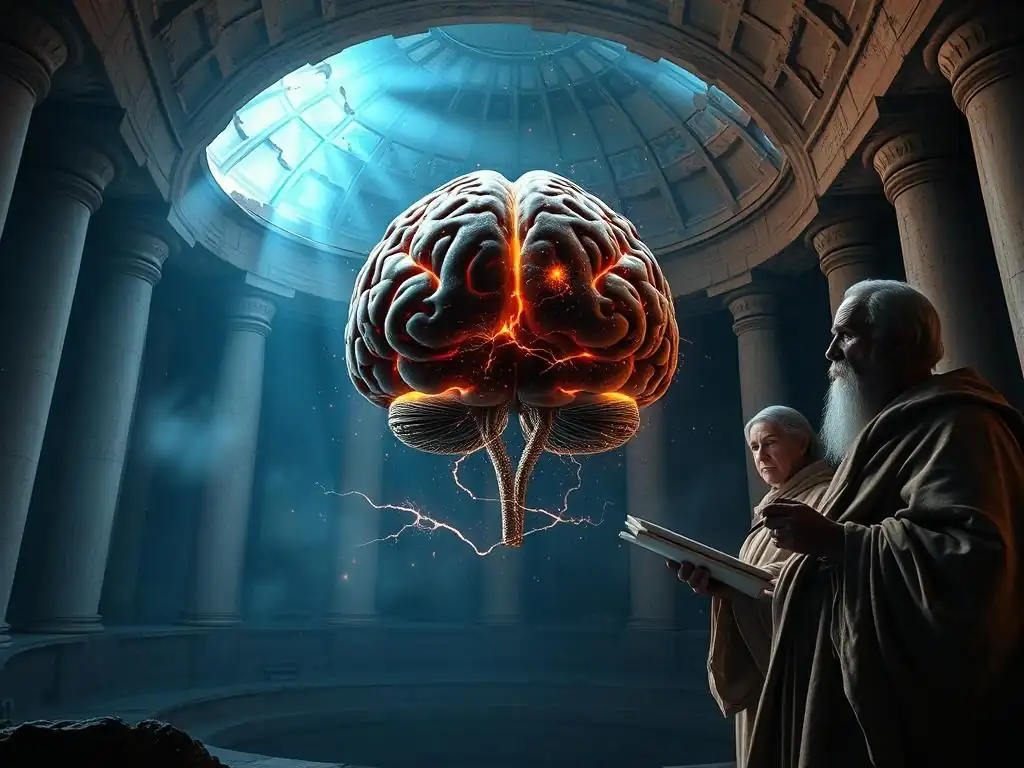
Welcome to Mind Care Guide, where we explore the fascinating journey of mental well-being.
Have you ever wondered how our understanding of the mind began? Delve into the captivating world of ancient brain theories and discover the surprising physical roots of mental illness as perceived by early civilizations. This journey through history offers a unique perspective on our modern approaches to mental health, and might just challenge what you think you know. Read on to uncover the intriguing connections!
- Ancient Brain Theories and the Physical Roots of Mental Illness: A Historical Perspective
- Prehistoric Perspectives on Mental Ailments: Trepanation and Early Beliefs
- Ancient Egyptian Understanding of the Brain and Mental Well-being
- Greek Philosophers and the Brain: Seeds of Modern Neurology
- Plato and Aristotle: Divergent Views on the Brain's Role in Mental Function
- Roman Contributions to Brain Theory and Mental Health
- Challenges to Early Brain Theories: Limitations and Misconceptions
- The Legacy of Ancient Brain Theories: Laying the Groundwork for Modern Neuroscience
- Conclusion: Reflecting on the Ancient Search for the Physical Basis of Mental Illness
-
Frequently Asked Questions
- How did ancient civilizations connect physical health to mental well-being?
- What role did the brain play in ancient theories regarding mental health?
- What were some common treatments for mental illnesses in the ancient world?
- How do "Ancient brain theories mental health" differ from modern neuroscience?
- Why is it important to study "Ancient brain theories mental health" in contemporary times?
- Final Reflection: Unearthing the Seeds of Modern Psychiatry
- Unearth the Ancient Wisdom: Discover the Roots of Mental Health
Ancient Brain Theories and the Physical Roots of Mental Illness: A Historical Perspective
Introduction: The Dawn of Neuroscience and Mental Health in Antiquity
The quest to understand the human mind and its ailments is as old as civilization itself. Long before the advent of modern neuroscience, ancient cultures grappled with the perplexing nature of mental illness, seeking explanations for conditions ranging from profound sadness to erratic behavior.
While many early explanations invoked supernatural forces, a crucial shift began to occur in certain ancient societies: the nascent idea that mental states might have physical origins, potentially rooted within the body itself, and, more specifically, the brain. This early exploration of ancient brain theories laid the foundational, albeit often speculative, groundwork for linking the physical structure within the skull to the complex landscape of human mental health.
Investigating ancient brain theories mental health provides a fascinating window into how our ancestors began to move beyond purely spiritual or mystical interpretations. Cultures across the globe, from prehistoric societies practicing rudimentary surgery to sophisticated civilizations developing written medical texts, made observations that hinted at the brain's importance.
These early inquiries, though limited by technology and anatomical knowledge, represent humanity's first hesitant steps towards understanding the biological underpinnings of thought, emotion, and, consequently, mental disturbance. It is in these ancient perspectives that we find the earliest inklings of a physical basis for conditions we now classify as mental illnesses, setting the stage for millennia of medical and scientific investigation into the brain's role in well-being.
Prehistoric Perspectives on Mental Ailments: Trepanation and Early Beliefs
Evidence of Trepanation: Surgical Interventions on the Ancient Skull
Among the most striking pieces of evidence suggesting ancient societies linked mental or neurological issues to the head is the widespread practice of trepanation. Archaeological finds across continents, including Europe, South America, and Africa, have unearthed skulls dating back thousands of years – some over 7,000 years old – bearing clear signs of surgical perforation. This procedure involved drilling, scraping, or cutting a hole into the living skull.
Crucially, many of these skulls show signs of healing around the trepanation site, indicating that the individuals survived the operation, sometimes for years. In some ancient populations, estimates suggest that up to 10% of discovered skulls exhibit evidence of trepanation, a remarkably high frequency for such a dangerous procedure without modern anesthesia or antisepsis.
The motivations behind prehistoric trepanation are debated, but prevailing theories often point towards attempts to treat conditions believed to originate within the head. These likely included physical ailments like severe headaches, epilepsy, and head injuries, but also potentially what we might now term mental or neurological disturbances.
It is plausible that erratic behavior, seizures, or symptoms of psychosis were interpreted as caused by internal pressure, evil spirits trapped within the skull, or other physical imbalances that could be relieved by creating an opening. While not a direct theory about the brain's function, it represents an early belief that the skull and its contents were involved in conditions affecting behavior and cognition, an initial step in connecting physical manipulation to mental state.
Animistic Explanations: Spirits, Demons, and Mental Disturbance
Alongside physical interventions like trepanation, prehistoric and early historical cultures predominantly explained mental ailments through animistic or supernatural frameworks. This perspective viewed the world, including human health and illness, as influenced by spiritual forces, spirits, or demons. Mental disturbances were often interpreted as possessions, curses, or the result of offending deities or ancestors. This was a global phenomenon, with variations found in early societies across the world.
In this view, the "cure" for mental illness involved spiritual interventions rather than physical ones aimed at the brain. Shamans, priests, or spiritual healers would perform rituals, exorcisms, incantations, or administer herbal remedies believed to appease spirits or expel malevolent entities.
While these practices did not directly address the physical brain, they reflect the dominant cosmological understanding of the time, where the physical body and the non-physical spirit/mind were deeply intertwined, and disruptions in the latter were often seen as caused by external, supernatural forces acting upon the individual. This animistic view coexisted with, and often overshadowed, the nascent physical theories about ancient brain theories mental health for millennia.
Ancient Egyptian Understanding of the Brain and Mental Well-being
The Edwin Smith Papyrus: Early Observations of Brain Trauma and its Effects
One of the most significant historical documents shedding light on ancient Egyptian understanding of the body, including the brain, is the Edwin Smith Papyrus. Dating back to around 1600 BCE, but believed to be a copy of texts originating as early as 3000-2500 BCE, this medical treatise details numerous case studies of injuries, primarily wounds sustained in battle or accidents, arranged head-to-toe.
It describes over 48 different cases, with 27 focused on head and neck injuries. For example, Case 6 describes a "gaping wound in his head, smashing the skull of his head," and notes specific symptoms like "he is unable to speak."
The papyrus is remarkable for its rational, empirical approach, largely devoid of magical incantations found in other Egyptian medical texts. It differentiates between treatable, contestable, and untreatable injuries. While the Egyptians did not fully grasp the brain's function as the center of thought or sensation, the papyrus clearly documents the observable effects of head trauma on physical and cognitive function.
Injuries to specific parts of the head were linked to paralysis, speech impediments, or loss of bodily control, demonstrating a practical, if not theoretical, understanding that damage to the head had profound physical and potentially behavioral consequences. This practical knowledge contributed to the early, indirect study of ancient brain theories mental health by observing how physical injury impacted perceived mental or functional states.
The Heart vs. The Brain: The Egyptian Debate on the Seat of Consciousness
Despite the detailed observations in the Edwin Smith Papyrus, the prevailing view in ancient Egypt regarding the seat of consciousness, emotion, and intellect was not the brain, but the heart. This belief is evident in their mummification practices.
While internal organs like the stomach, intestines, liver, and lungs were carefully preserved in canopic jars for the afterlife, the brain was typically removed through the nostrils and discarded, considered relatively unimportant. This stands in stark contrast to the heart, which was often left in place within the body, believed to be the organ that would be weighed against the feather of Ma'at (truth and justice) in the judgment of the dead.
This cardiocentric view meant that while Egyptians observed the effects of brain injury, they did not develop sophisticated ancient brain theories mental health based on the brain's internal workings or its role in generating thought or emotion. Mental states, personality, and cognitive abilities were primarily associated with the heart. This perspective dominated Egyptian thought for millennia and highlights that even when physical links between head injury and function were observed, the theoretical understanding of the brain's central role remained elusive, differing significantly from later Greek developments.
Greek Philosophers and the Brain: Seeds of Modern Neurology
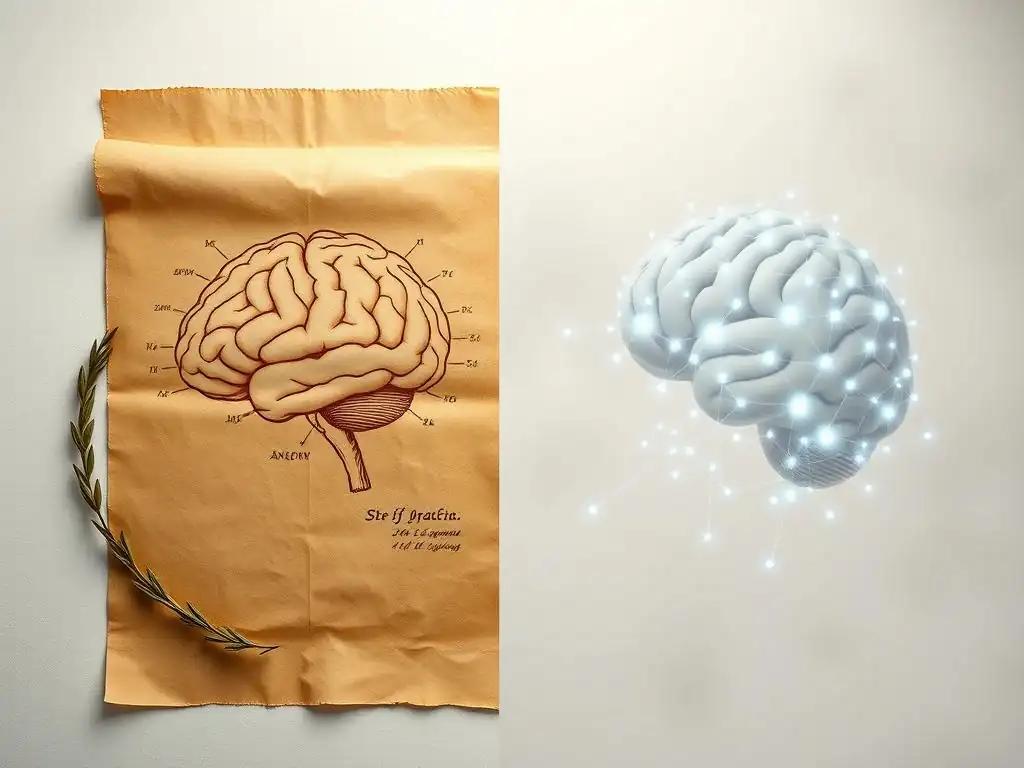
Alcmaeon of Croton: The Brain as the Center of Sensation and Thought
Around the 5th century BCE, a significant shift in thinking about the brain emerged in ancient Greece, particularly with figures like Alcmaeon of Croton. Alcmaeon, a physician and philosopher, is credited with being one of the first to propose that the brain, rather than the heart, was the seat of sensation and intellectual activity.
Through anatomical dissections (likely on animals, as human dissection was generally taboo), he observed the optic nerves connecting the eyes to the brain and theorized that the senses converged there. He also suggested that health was a state of balance (isonomia) between opposing forces or qualities within the body, while illness resulted from an imbalance (monarchia).
Alcmaeon's work marked a pivotal moment in the history of ancient brain theories mental health. By identifying the brain as the central organ for processing sensory information and generating thought, he laid the conceptual groundwork for understanding how physical processes within the skull could influence cognitive and potentially emotional states. Although his ideas were based on limited anatomical knowledge and philosophical speculation, his assertion that the brain was the command center for sensation and understanding directly challenged the prevailing cardiocentric views and paved the way for future investigations into the brain's complex functions and its connection to mental states.
Hippocrates and the Four Humors: A Biological Basis for Mental Disorders
Perhaps the most influential figure in ancient Western medicine concerning the physical basis of disease, including mental illness, was Hippocrates (c. 460–370 BCE) and the physicians of the Hippocratic school. While not solely focused on the brain, the Hippocratic Corpus proposed the theory of the four humors, which provided a biological, albeit incorrect, framework for understanding both physical and mental health. This theory suggested that the body contained four principal fluids: blood, phlegm, yellow bile (choler), and black bile (melancholy).
According to Hippocratic medicine, health depended on the proper balance and mixture (crasis) of these four humors. Illness, both physical and mental, was attributed to an imbalance or corruption of these humors. Specific mental conditions were linked to excesses or deficiencies of particular humors.
For instance, melancholia (severe depression) was thought to be caused by an excess of black bile, originating perhaps in the spleen or stomach and affecting the brain. Mania (states of agitation or excitement) was sometimes linked to an excess of yellow bile. This humoral theory represented a major step forward in ancient brain theories mental health by proposing a biological basis for these conditions, moving away from purely supernatural explanations, even if the specific biological mechanism (humors) was flawed.
The Balance of Humors: Blood, Phlegm, Yellow Bile, and Black Bile
The Hippocratic theory posited that each of the four humors was associated with specific organs, seasons, and temperaments. Blood was linked to the heart, spring, and a sanguine temperament (optimistic, social). Phlegm was associated with the brain and lungs, winter, and a phlegmatic temperament (calm, unemotional). Yellow bile was connected to the liver, summer, and a choleric temperament (irritable, ambitious). Black bile was linked to the spleen, autumn, and a melancholic temperament (analytical, but prone to sadness). The ideal state was a perfect blend of these humors.
Maintaining the balance of these humors was considered essential for both physical and mental health. Lifestyle factors such as diet, exercise, sleep, and even the air one breathed were believed to influence the humoral balance.
Treatment for illness involved restoring this balance, often through methods aimed at removing excess humors, such as bloodletting, purging (using laxatives or emetics), or sweating. This focus on humoral balance provided a comprehensive, albeit simplistic, model of internal bodily regulation that attempted to explain a wide range of conditions, including variations in mood and behavior, within a physical framework related to ancient brain theories mental health.
Hysteria and Melancholia: Early Diagnostic Categories
Within the humoral framework, the Hippocratic physicians described and attempted to categorize various forms of mental or behavioral disturbance. Two prominent categories were hysteria and melancholia. Hysteria, derived from the Greek word for uterus (hystera), was initially believed to be a condition unique to women, caused by the wandering of the uterus throughout the body, leading to a wide range of symptoms including anxiety, irritability, and even physical paralysis or seizures. Later Hippocratic texts began to explore other potential causes, but the link to the uterus persisted for centuries.
Melancholia, characterized by symptoms we now associate with severe depression – persistent sadness, loss of interest, changes in appetite and sleep, and sometimes delusions or hallucinations – was explicitly linked to an excess of black bile. The Hippocratic writings provided detailed descriptions of the symptoms of melancholia, distinguishing it from other forms of illness.
These early attempts at classification, based on observed symptom clusters and linked to a proposed physical (humoral) cause, represent a crucial step in the history of ancient brain theories mental health, moving towards a more systematic approach to understanding and potentially treating what were considered diseases of the mind.
Plato and Aristotle: Divergent Views on the Brain's Role in Mental Function
Plato's Tripartite Soul: Reason, Spirit, and Appetite in the Brain
The philosopher Plato (c. 428–348 or 347 BCE), a student of Socrates and teacher of Aristotle, also contributed to the philosophical discussions surrounding the mind and body, which indirectly touched upon ancient brain theories mental health. In his work The Republic and Timaeus, Plato proposed a tripartite theory of the soul, suggesting it was divided into three parts: the rational, the spirited, and the appetitive. The rational part was associated with reason, intellect, and logic; the spirited part with emotions like anger, courage, and honor; and the appetitive part with basic desires like hunger, thirst, and sex.
Crucially, Plato located these three parts of the soul in different parts of the body. He placed the rational soul in the head, specifically associating it with the brain. The spirited soul was located in the chest, near the heart, and the appetitive soul in the abdomen, below the diaphragm.
While this was a philosophical model rather than a medical one based on dissection, Plato's decision to place the highest, rational part of the soul in the brain further solidified the idea among intellectuals that the brain was the seat of higher cognitive functions. Mental health, from this perspective, could be seen as related to the proper functioning and balance of these three parts of the soul, with the rational part in the brain ideally controlling the lower parts.
Aristotle's Cardiocentric View: The Heart as the Seat of Intelligence and Emotion
In contrast to his teacher Plato and the physician Alcmaeon, Aristotle (384–322 BCE) maintained a cardiocentric view, believing the heart, not the brain, was the center of intelligence, sensation, and emotion. Aristotle conducted extensive anatomical studies, primarily on animals, and observed that the heart was central, warm, and vital for life, exhibiting movement and responsiveness. He noted that the brain, in contrast, was relatively inactive, cool, and lacked sensory receptors directly within its substance.
Aristotle viewed the brain primarily as a cooling organ, tempering the heat generated by the heart. He believed that while the senses might send information to the brain, the final processing and generation of thought and feeling occurred in the heart.
This influential perspective, coming from one of the most respected philosophers of antiquity, unfortunately, delayed the acceptance of the brain's true role for centuries. Aristotle's rejection of the brain as the seat of consciousness meant that his philosophical framework for understanding human behavior and mental states did not directly contribute to ancient brain theories mental health rooted in neurology, instead reinforcing the older idea of the heart's primacy.
Roman Contributions to Brain Theory and Mental Health
Galen's Anatomical Studies: Dissections and Understanding Brain Structure
The most significant figure in Roman medicine concerning ancient brain theories mental health was Galen of Pergamon (129–210 CE). A Greek physician who practiced in the Roman Empire, Galen was a prolific writer and experimenter. Although Roman law prohibited human dissection, Galen performed extensive anatomical studies on animals, particularly pigs and primates, extrapolating his findings to human anatomy. He meticulously described the structure of the brain, distinguishing between the cerebrum and cerebellum and tracing the cranial nerves.
Galen's detailed anatomical descriptions, though containing inaccuracies due to the extrapolation from animals to humans, were the most comprehensive available for over a thousand years. He recognized the brain's central role in controlling movement, sensation, and speech.
By observing the effects of injuries to different parts of the brain in gladiators and performing experiments on animals (such as demonstrating that severing the spinal cord at different levels resulted in paralysis below the cut), Galen provided strong empirical evidence for the brain and nervous system's control over the body. This anatomical work provided a much firmer physical basis for contemplating how the brain might influence mental states, advancing ancient brain theories mental health beyond pure speculation.
Ventricular Theory: The Flow of Animal Spirits and Mental Processes
Building upon the anatomical knowledge and earlier Greek ideas, Galen developed a sophisticated theory about brain function centered on the ventricles – the fluid-filled cavities within the brain. He proposed that the brain's ventricles were chambers through which vital substances, which he called "animal spirits" (pneuma psychikon), flowed. These animal spirits were refined from "vital spirits" in the rete mirabile (a network of blood vessels at the base of the brain, which is prominent in some animals but much less so in humans) and then entered the ventricles.
According to Galen's ventricular theory, different mental functions were located in different ventricles. Sensation and imagination were thought to reside in the anterior ventricles, intellect and judgment in the middle ventricle, and memory in the posterior ventricle. Animal spirits flowing through nerves (which he believed were hollow tubes) allowed the brain to control muscles and receive sensory information.
Disruptions in the flow or balance of these animal spirits within the ventricles were thought to cause neurological and mental disorders. This detailed model, linking specific brain structures (ventricles) to mental processes via a physical substance (animal spirits), became the dominant framework for understanding ancient brain theories mental health for centuries, influencing medical thought well into the Renaissance.
Challenges to Early Brain Theories: Limitations and Misconceptions

Lack of Empirical Evidence: Reliance on Observation and Speculation
A major challenge faced by ancient scholars attempting to develop ancient brain theories mental health was the profound lack of sophisticated empirical tools and techniques. Unlike modern neuroscience, which relies on advanced imaging, electrophysiology, and cellular analysis, ancient understanding was primarily based on gross anatomical observation (often from animal dissection or injury), philosophical reasoning, and clinical observation of the effects of head injuries or illnesses.
The limited opportunities for human dissection, coupled with the absence of microscopes or methods to study brain activity, meant that theories about the brain's function were largely speculative. Concepts like "animal spirits" or the precise location of functions within the ventricles were educated guesses based on visible structures and observed outcomes, rather than direct evidence of cellular activity or neural pathways. This reliance on limited observation and extensive speculation meant that many ancient brain theories, while groundbreaking for their time, contained significant misconceptions that persisted for centuries.
The Influence of Religious and Philosophical Beliefs: Shaping Interpretations
Ancient brain theories mental health were not developed in a vacuum; they were deeply intertwined with the prevailing religious, philosophical, and cultural beliefs of the time. As seen with the Egyptian focus on the heart or early animistic explanations, non-biological frameworks often shaped how physical observations were interpreted or even whether the brain was considered important at all.
Even in Greece and Rome, where more physically-oriented theories emerged, philosophical concepts about the soul, consciousness, and the relationship between mind and body influenced the development of brain theories. Plato's tripartite soul model, for instance, was a philosophical construct that influenced where the "rational" part was placed. Aristotle's philosophical reasoning about the brain's coolness contributed to his rejection of its central role. These influences highlight that ancient brain theories mental health were not purely scientific endeavors in the modern sense, but rather complex amalgams of observation, philosophy, and cultural belief.
Limited Understanding of Brain Anatomy and Physiology
Despite the efforts of anatomists like Galen, the overall understanding of brain anatomy and physiology in the ancient world remained severely limited. Gross anatomy was studied, but the intricate network of neurons, synapses, and the complex electrochemical processes that underlie brain function were entirely unknown. The distinction between different types of brain tissue, the function of glial cells, or the specific pathways involved in sensory processing, motor control, or cognitive functions were beyond the reach of ancient investigators.
This limited understanding meant that even correct observations, like the effects of head trauma, could not be explained by the underlying biological mechanisms. Theories like the humoral theory or the ventricular theory, while attempts to provide a physical explanation for mental states, were based on an inadequate understanding of the brain's true complexity. The lack of knowledge about how the brain actually works placed significant constraints on the accuracy and explanatory power of ancient brain theories mental health.
The Legacy of Ancient Brain Theories: Laying the Groundwork for Modern Neuroscience
The Persistence of Humoral Theory: Influencing Medical Practice for Centuries
Despite its eventual scientific refutation, the Hippocratic humoral theory had an incredibly long and influential life, impacting medical practice and the understanding of ancient brain theories mental health for over 2,000 years. Galen integrated humoral theory into his own system, and it remained the dominant medical paradigm throughout the Middle Ages and well into the Renaissance. Physicians continued to diagnose and treat illnesses, including mental disturbances, based on perceived imbalances of blood, phlegm, yellow bile, and black bile.
Treatments like bloodletting, purging, and dietary regimens aimed at altering the balance of humors were standard practice for centuries. This enduring legacy meant that while the idea of a biological basis for mental illness took root, the specific framework used to understand it remained static and incorrect for a vast period. The persistence of humoral theory demonstrates how ancient brain theories mental health, even flawed ones, could shape medical history for millennia before being replaced by more accurate models.
The Importance of Observation: Paving the Way for Scientific Inquiry
Despite the limitations and misconceptions, one of the most valuable legacies of ancient brain theories mental health was the emphasis on observation and empirical description. From the detailed case studies in the Edwin Smith Papyrus noting the effects of head injury, to Hippocrates' careful descriptions of melancholia, to Galen's meticulous anatomical dissections and clinical observations, ancient physicians and scholars laid the groundwork for a more scientific approach to understanding the body and mind.
This commitment to observing symptoms, linking them to potential physical causes (even if the causes were misunderstood), and documenting findings was crucial. It fostered a tradition of empirical inquiry that, over time, would lead to the development of more accurate anatomical knowledge and eventually the scientific method. The careful observations made by ancient practitioners, even within the confines of their limited theoretical frameworks, provided a foundation upon which future generations could build more accurate ancient brain theories mental health.
From Ancient Speculation to Modern Neuroscience: A Continuous Path
The journey from ancient brain theories mental health to modern neuroscience is a long and complex one, marked by periods of progress, stagnation, and radical shifts in understanding. The early ideas of the brain as the center of sensation (Alcmaeon), the concept of a biological basis for mental states (Hippocrates' humors), the detailed anatomical work (Galen), and the philosophical ponderings on the mind's location (Plato) were crucial early steps.
While many specific ancient theories were incorrect, they collectively represent humanity's enduring effort to locate and understand the physical basis of our thoughts, emotions, and behaviors, including mental illness. The questions posed by ancient thinkers – How does the physical body influence the mind? Where do thoughts and feelings originate?
Can we treat mental suffering by physical means? – are still central to neuroscience and psychiatry today. The ancient brain theories mental health, though rudimentary, initiated a path of inquiry that continues to evolve with the sophisticated tools and knowledge of the 21st century, demonstrating a continuous thread of investigation into the brain's profound connection to mental well-being.
Conclusion: Reflecting on the Ancient Search for the Physical Basis of Mental Illness
Exploring ancient brain theories mental health reveals a fascinating and complex history of human inquiry. From prehistoric trepanation aimed at releasing unknown pressures or spirits, to Egyptian observations of head trauma's effects, to Greek humoral theories and philosophical debates about the seat of the soul, and finally to Roman anatomical studies and ventricular models, ancient cultures made significant, albeit often flawed, attempts to understand the physical roots of mental illness.
These early efforts, though limited by technology, anatomical knowledge, and sometimes intertwined with supernatural beliefs, represent crucial steps away from purely mystical explanations for mental suffering. They established the foundational idea that the head, and specifically the brain, played a vital role in governing behavior, sensation, and thought.
While their specific theories like humoral balance or ventricular spirits were ultimately superseded, the ancient commitment to observation and the search for a biological basis for mental states paved the way for the empirical and scientific approaches that characterize modern neuroscience and psychiatry. Reflecting on these ancient brain theories mental health allows us to appreciate the long and challenging path taken to arrive at our current, ever-evolving understanding of the brain's intricate connection to the human mind and its well-being.
Frequently Asked Questions
How did ancient civilizations connect physical health to mental well-being?
Ancient civilizations, like those in Greece and Egypt, often attributed mental illnesses to imbalances in bodily fluids, such as humors or vital energies. They believed these imbalances directly affected the brain and thus, mental state.
What role did the brain play in ancient theories regarding mental health?
While understanding was limited, some ancient thinkers recognized the brain as the seat of consciousness and emotion. They believed physical ailments of the brain could lead to mental disturbances.
What were some common treatments for mental illnesses in the ancient world?
Treatments varied but frequently involved herbal remedies, dietary changes, bloodletting, and attempts to restore balance to the body's humors or energies. Religious and spiritual interventions were also common.
How do "Ancient brain theories mental health" differ from modern neuroscience?
Ancient theories relied on observation and philosophical reasoning, lacking the scientific rigor and neuroimaging technologies of modern neuroscience. Modern understanding focuses on complex brain structures and neurochemical processes.
Why is it important to study "Ancient brain theories mental health" in contemporary times?
Studying these historical perspectives provides context for the evolution of our understanding of mental health. It highlights the enduring quest to understand the mind-body connection and the development of treatment approaches.
Final Reflection: Unearthing the Seeds of Modern Psychiatry
The ancient world's attempts to understand mental illness, though rudimentary by today's standards, laid the crucial groundwork for our current understanding of the brain and its connection to mental health. Their struggles to explain the inexplicable, to find physical roots for seemingly spiritual afflictions, resonate powerfully with our ongoing quest to unravel the complexities of the mind. The enduring legacy of these early theories serves as a potent reminder of the long and challenging journey towards effective mental healthcare.
The enduring fascination with the mind-body connection, so evident in ancient medical texts and practices, continues to shape our modern approach to mental health. We've moved beyond attributing mental illness solely to supernatural forces, yet the search for biological explanations remains at the forefront of psychiatric research. The persistent challenge of understanding the intricate interplay between brain chemistry, genetics, and environment echoes the very questions posed by ancient healers. The body and mind are not separate entities, but rather two sides of the same coin.
This ancient wisdom, though expressed differently, still holds profound truth today.
Consider the implications of this historical journey. The next time you encounter someone struggling with a mental health challenge, remember the long and arduous path that has led us to our current understanding. Let this knowledge inspire empathy, understanding, and a commitment to continued research and progress.
Embrace the ongoing evolution of mental healthcare, and remember that the quest for effective treatment is a testament to humanity's enduring commitment to alleviating suffering and promoting well-being. Let us continue to build upon the foundations laid by those who came before us, striving towards a future where mental health is understood, treated, and valued as much as physical health.
Unearth the Ancient Wisdom: Discover the Roots of Mental Health
Thanks for exploring the fascinating history of early brain theories with us! We hope you gained a new appreciation for the enduring quest to understand the mind. Ready to delve deeper?
- Dive into further research: Explore reputable sources online to learn more about specific ancient figures and their contributions to understanding mental illness. Consider looking for scholarly articles or reputable historical texts.
- Share your thoughts: Discuss your key takeaways from the article with friends, family, or in online forums dedicated to history or mental health. Spark a conversation about how these early theories inform our understanding today!
- Uncover a surprising connection: Think about how a seemingly unrelated historical event or philosophical movement might have subtly influenced the development of early brain theories. Let us know your ideas in the comments below!
What unexpected connection between ancient history and modern mental healthcare has surprised you the most?