
Monasteries, Hospitals, and Homes: Care Settings for the Mentally Ill in the Middle Ages

Welcome to Mind Care Guide.
Ever wondered how those grappling with mental health challenges were treated centuries ago? Journey with us into the past as we explore the surprisingly diverse world of Medieval mental illness care settings. Uncover the roles of monasteries, hospitals, and even private homes in providing refuge and treatment, and perhaps find echoes of our own struggles within their stories. Prepare to be enlightened and perhaps even a little moved.
Monasteries, Hospitals, and Homes: Care Settings for the Mentally Ill in the Middle Ages
- Introduction: Understanding Medieval Mental Illness Care
- Monasteries as Sanctuaries: Mental Wellbeing in Religious Communities
- Hospitals and Asylums: Emerging Institutions for Mental Care
- Home and Community-Based Care: Family and Village Support Networks
- Comparing and Contrasting Care Settings: Strengths and Weaknesses
- Challenges and Limitations of Medieval Mental Illness Care
- The Legacy of Medieval Mental Illness Care: Lessons and Insights
- Conclusion: A Glimpse into the Past of Mental Healthcare
-
Frequently Asked Questions
- What were the primary institutions providing care for individuals with mental illness during the Middle Ages?
- How did the prevailing beliefs about mental illness influence the care provided in Medieval times?
- What role did monasteries play in caring for the mentally ill during the Middle Ages?
- What types of treatments were commonly employed in hospitals for individuals with mental health conditions?
- What options were available for individuals with mental illness who were not affiliated with monasteries or hospitals?
- Final Reflection: Echoes of the Past, Lessons for the Present
- Unlock the Secrets of Medieval Mental Healthcare
Introduction: Understanding Medieval Mental Illness Care
The Landscape of Mental Healthcare in the Medieval Era
The Middle Ages, spanning roughly from the 5th to the 15th century, presented a complex and varied landscape for individuals experiencing what we now understand as mental illness. Unlike modern healthcare systems, there was no unified approach or specialized field dedicated solely to mental health. Care for the mentally distressed was deeply intertwined with religious beliefs, folk practices, and the nascent development of charitable institutions.
The understanding of mental illness was often rooted in spiritual explanations, such as demonic possession or divine punishment, alongside humoral theories inherited from classical antiquity. This blend of spiritual and physical interpretations shaped the ways in which medieval mental illness care settings operated.
Access to care, and the nature of that care, varied significantly depending on social status, geographical location, and the specific manifestation of the illness. For many, particularly the poor or those in rural areas, the primary support network remained the family and local community. However, as medieval society evolved, institutions like monasteries and, later, hospitals began to play a more formal, though often rudimentary, role in providing care for the mentally ill.
These diverse settings reflected the era's limited scientific understanding but also its attempts, however imperfect, to manage conditions that were often frightening and disruptive to social order. Exploring these medieval mental illness care settings reveals much about the societal attitudes and resources available during this period.
Focus: Exploring Diverse Medieval Care Settings for the Mentally Ill
This article delves into the principal medieval mental illness care settings: monasteries, hospitals (including early asylums), and the home/community. Each setting offered distinct approaches, resources, and challenges for individuals experiencing mental distress. Monasteries often provided refuge, integrating the afflicted into a structured, prayerful life, though this was primarily available to those with connections or means.
Hospitals, initially founded for general poor and sick relief, gradually began to admit and manage the mentally ill, sometimes offering custodial care or rudimentary physical treatments. Meanwhile, the majority of people remained within family and community networks, relying on informal support, folk remedies, or local healers.
Examining these diverse medieval mental illness care settings allows us to appreciate the fragmented nature of care available. It highlights that there wasn't a single model but a spectrum of responses, ranging from compassionate inclusion within religious communities to potentially harsh confinement in early institutions.
Understanding these historical settings provides crucial context for the later development of mental healthcare systems and sheds light on the enduring challenges of stigma and effective treatment that originated centuries ago. By exploring these different environments, we gain insight into the daily realities faced by the mentally ill and those who cared for them in the Middle Ages.
Monasteries as Sanctuaries: Mental Wellbeing in Religious Communities
The Role of Monasteries in Medieval Society and Healthcare
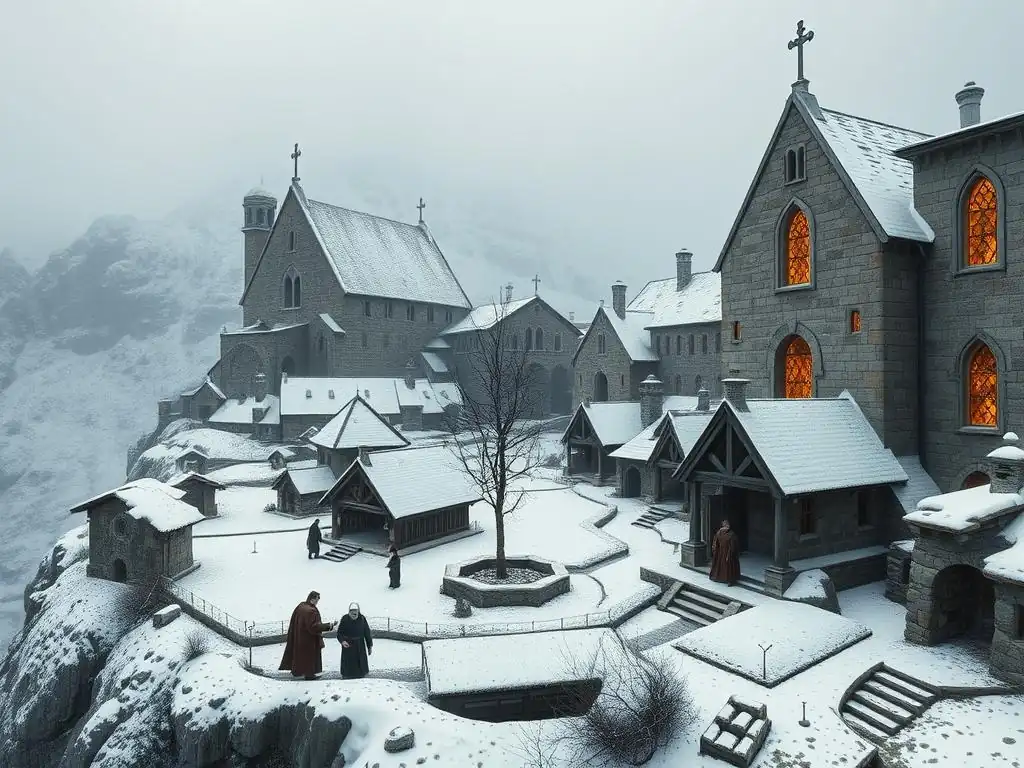
Monasteries were central pillars of medieval society, serving not only as centers of religious devotion but also as hubs of learning, agriculture, and charity. Monks and nuns dedicated their lives to prayer, work, and service, often extending their care to the wider community. Many monasteries maintained infirmaries to tend to their own sick members, and some also offered hospitality and medical aid to pilgrims, travelers, and the local poor.
While not primarily designed as mental health facilities, their charitable mission and structured environment made them potential havens for individuals exhibiting signs of mental distress. They represented one of the more potentially benevolent medieval mental illness care settings available.
The monastic ideal emphasized spiritual well-being, self-discipline, and communal living, which could, in some cases, provide a supportive framework for individuals struggling with certain forms of mental anguish or behavioral difficulties. The predictable routine of prayer, manual labor, and communal meals offered stability. The emphasis on confession and spiritual guidance provided an outlet for inner turmoil. For those whose symptoms were interpreted through a spiritual lens (e.g., as spiritual trials or temptations), the monastic environment offered specific religious practices intended to bring solace and order.
Monastic Approaches to Mental Distress: Prayer, Work, and Community
Monastic approaches to mental distress were fundamentally integrated with their spiritual and communal life. The belief was that many forms of suffering, including mental anguish, could be alleviated through spiritual means. Prayer was paramount; individuals might engage in intense personal prayer, participate in communal services, or seek intercessory prayers from the community. Manual labor, a core component of monastic life following rules like that of St. Benedict, was seen as vital for discipline and preventing idleness, which was sometimes associated with negative thoughts or behaviors. This structured activity provided routine and purpose.
Furthermore, the close-knit community offered a degree of social support and observation. Erratic or distressed behavior within the monastery would be noticed and addressed by the abbot or other senior members. While approaches varied, the initial response often involved spiritual counsel, attempts at reintegration into the community's rhythm, and sometimes, physical care within the infirmary. For some individuals whose symptoms were less disruptive, the predictable and purposeful life could be genuinely therapeutic, offering a sense of belonging and stability not always found in the outside world.
Evidence of Mental Health Support within Monastic Orders
Historical evidence, though scattered, suggests that monasteries did house and care for individuals with mental health issues. Records from various monastic orders mention monks or lay brothers who exhibited behaviors we might now classify as mental illness. For example, some monastic rules included provisions for dealing with members who were "disturbed in mind" or exhibited "melancholy." These provisions often focused on ensuring their physical safety, providing extra care in the infirmary, and continuing spiritual support. While formal diagnostic terms were absent, descriptions exist of individuals experiencing delusions, extreme melancholy, or agitated states.
Specific monasteries gained reputations for housing the mentally afflicted, though this was often part of their general charitable work rather than a specialized function. Some accounts describe individuals being brought to monasteries hoping for miraculous cures through prayer or relics. While miraculous cures were sought, the day-to-day reality often involved custodial care, providing food, shelter, and a structured environment. For instance, historical accounts mention individuals being cared for at institutions associated with monasteries, demonstrating their role as one of the operative medieval mental illness care settings.
Limitations of Monastic Care for Mental Illness
Despite the potential benefits of a structured, supportive environment, monastic care for mental illness had significant limitations. Firstly, it was not universally available; access often depended on social connections, the ability to contribute labor, or the specific charitable focus of a monastery. Secondly, the understanding of mental illness was limited by the era's knowledge. Care was often based on spiritual or humoral theories, meaning treatments might involve prayer, penance, herbal remedies based on humoral balance, or even physical restraint, rather than addressing underlying psychological or neurological factors.
Furthermore, individuals whose behavior was severely disruptive or violent posed significant challenges that monasteries were ill-equipped to handle. While some might be housed, there was little in the way of specialized treatment or long-term therapeutic intervention as understood today. The focus remained primarily on spiritual well-being and maintaining order within the community. For many forms of severe mental illness, the monastic setting provided shelter and basic care but lacked the medical knowledge or resources for effective treatment, highlighting the constraints of medieval mental illness care settings rooted in religious institutions.
Hospitals and Asylums: Emerging Institutions for Mental Care
The Development of Hospitals During the Medieval Period
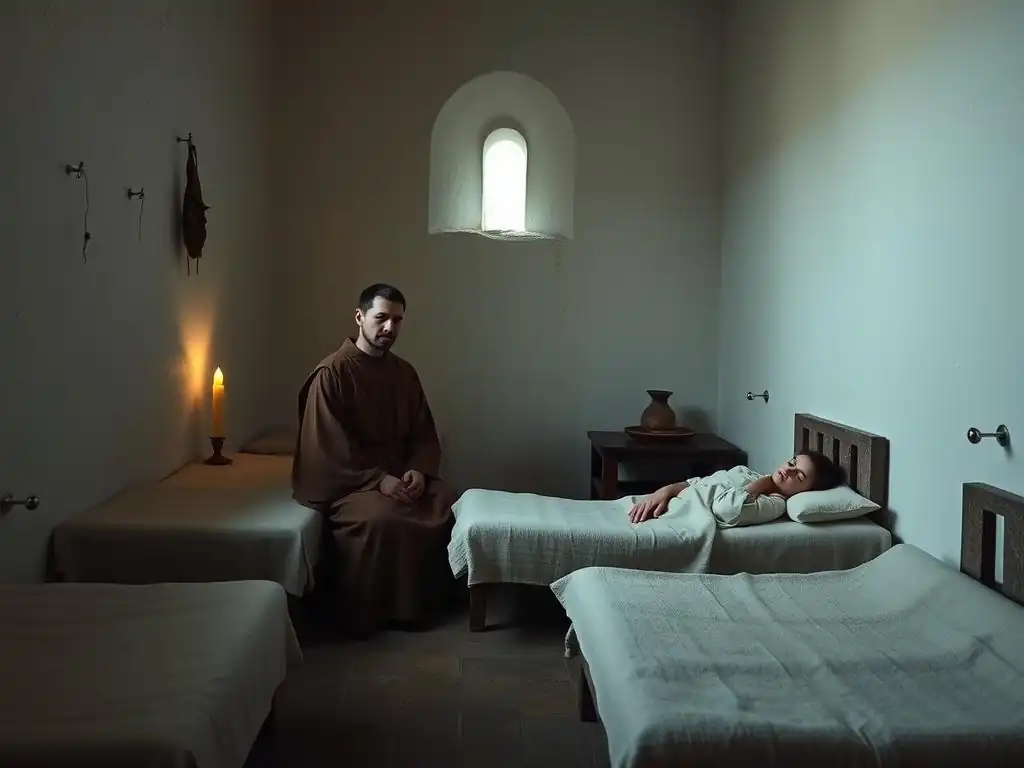
Medieval hospitals evolved significantly from their early origins, which were often linked to monasteries or cathedrals and focused on providing hospitality to pilgrims and the poor, including the sick. As towns grew, so did the need for more formalized institutions to care for the indigent, the elderly, and those suffering from physical ailments.
Hospitals like the Hôtel-Dieu in Paris (founded 651 AD, though its medieval form emerged later) or St. Bartholomew's in London (founded 1123 AD) became major charitable institutions. These hospitals provided basic shelter, food, and some level of medical attention, often delivered by clergy or lay staff with rudimentary medical knowledge based on humoral theory and herbal remedies.
Initially, mental illness was not a primary focus of these general hospitals. Individuals exhibiting signs of madness might be admitted if they were also poor or physically ill, but they were often housed alongside patients with diverse conditions. However, as the number of mentally ill individuals requiring care outside the family grew, and as their behavior could be disruptive or perceived as dangerous, some hospitals began to allocate specific areas or wards for them. This marked a slow, often unintentional, shift towards these institutions becoming medieval mental illness care settings, though their primary function remained general care.
Early Hospital Treatment of Mental Illness: A Mixed Bag of Approaches
Treatment for mental illness in medieval hospitals was a varied and often experimental affair, reflecting the lack of scientific understanding. Approaches ranged from relatively benign interventions to harsh physical methods. Based on humoral theory, treatments might include bleeding, purging (using laxatives or emetics), or administering herbal concoctions believed to rebalance the body's humors. Prayer and religious rites, including exorcism, were also commonly employed, particularly if the illness was attributed to demonic influence.
Physical restraint was a frequent practice, used to manage agitated or violent patients and maintain order within crowded wards. Patients might be chained or confined to prevent harm to themselves or others. While some caregivers undoubtedly acted with compassion within the limits of their knowledge, the environment could also be chaotic and lacking in specialized care. The focus was often more on containment and managing symptoms than on attempting a cure, illustrating the rudimentary nature of care within these medieval mental illness care settings.
Examining the Conditions and Practices in Medieval Hospitals for the Mentally Ill
Conditions in medieval hospitals varied widely depending on the institution's wealth, size, and management. Many were overcrowded, with patients sharing beds and sanitation being poor, which exacerbated physical ailments and offered little conducive environment for mental recovery. For the mentally ill, specific wards or rooms, if they existed, were often primarily for confinement. Patients might be chained to walls or beds, particularly those deemed dangerous or uncontrollable.
Daily life was often monotonous, lacking structured activity or therapeutic engagement. Food was basic, and clothing minimal. While some hospitals had chapels and offered spiritual solace, the overall focus for the mentally ill was often custodial.
Records sometimes mention specific treatments like cold baths, dietary restrictions, or the application of poultices, alongside the more invasive procedures like bleeding. The lack of trained staff specializing in mental conditions meant care was often delivered by general attendants or clergy, whose understanding and methods were limited by the prevailing beliefs of the time. These conditions paint a stark picture of some medieval mental illness care settings.
Bethlem Royal Hospital and Hôtel-Dieu: Contrasting Approaches to Care
Bethlem Royal Hospital in London, often cited as one of the earliest institutions specifically documented as housing the mentally ill (though it began as a general hospital), provides a complex example. By the late 14th century, records indicate Bethlem was primarily housing "lunatics." While initially intended for charitable care, by the 15th century, it began to gain a reputation for custodial confinement. Treatment methods were often harsh, including chains, restraints, and physical punishments, reflecting a focus on control rather than therapy. It eventually became notorious, embodying the more negative aspects of medieval mental illness care settings.
In contrast, the Hôtel-Dieu in Paris, a large and influential hospital, also housed the mentally ill but often integrated them more closely with other patients, particularly in earlier periods. While confinement was used, there are also accounts of attempts at more varied treatments, including baths, diets, and herbal remedies, within the context of general medical care.
However, overcrowding and lack of specialized knowledge remained significant challenges. These two institutions, though different in their specific histories and reputations, highlight the evolving and often stark realities of institutional care for the mentally ill in the later Middle Ages, showcasing varied approaches within medieval mental illness care settings.
Home and Community-Based Care: Family and Village Support Networks
The Significance of Family and Community in Medieval Life
For the vast majority of people in the Middle Ages, the primary unit of social and economic life was the family, extended family, and the local village or manor. These networks provided the fundamental framework for support, labor, and social identity. Without a widespread system of state welfare or specialized institutions, individuals relied heavily on their kin and neighbors during times of hardship, illness, or disability. This was particularly true for individuals experiencing mental distress, as institutional options were scarce or inaccessible for many.
Within this context, care for the mentally ill was often a private matter, managed within the confines of the household. The family bore the primary responsibility for providing food, shelter, and supervision. The community offered a layer of informal support, which could range from compassionate assistance to ostracism, depending on the nature of the illness and local attitudes. Understanding the strength and limitations of these family and community bonds is crucial to appreciating the most common form of medieval mental illness care settings.
Informal Caregiving for Mental Illness within the Household
Within the medieval household, informal caregiving for mental illness took many forms. Family members provided basic needs like food, shelter, and clothing. They also undertook the challenging task of supervision, especially for individuals whose behavior was unpredictable or potentially dangerous. This could involve simple oversight or, in more severe cases, physical restraint within the home to prevent the individual from wandering off or harming themselves or others.
The nature of care was heavily influenced by how the family interpreted the illness. If seen as a temporary affliction or a spiritual trial, care might focus on prayer, seeking blessings, or administering traditional remedies. If the behavior was perceived as disruptive or frightening, the focus might shift more towards containment and managing the immediate challenges.
The burden on families could be immense, particularly if resources were scarce or if the illness prevented the individual from contributing to household labor. There was little external support available, making the family home the most prevalent of medieval mental illness care settings by necessity.
Village Healers and Folk Remedies for Mental Distress
Beyond the immediate family, individuals might seek help from local healers, wise women, or cunning folk who practiced traditional medicine and magic. These village healers often combined knowledge of herbal remedies with folk beliefs and practices. For mental distress, remedies might include potions made from specific herbs believed to calm the mind, amulets worn for protection against evil influences, or rituals intended to appease spirits or break curses.
Exorcism, performed by clergy or sometimes by folk practitioners, was also a common response if the illness was attributed to demonic possession. These practices were deeply embedded in the cultural and religious beliefs of the time. While some herbal remedies might have had mild sedative or calming properties, the effectiveness of most folk treatments was likely limited, relying more on faith and suggestion. Nevertheless, these local resources represented an accessible form of care within the community-based medieval mental illness care settings.
Despite the importance of family and community networks, individuals with mental illness often faced significant stigma and social exclusion in the Middle Ages. Behavior that deviated from social norms, particularly if it was disruptive, aggressive, or incomprehensible, could evoke fear, suspicion, and even hostility. Attributing the illness to sin, divine punishment, or demonic influence further marginalized the individual.
While some communities might show compassion, others could resort to mockery, avoidance, or even banishment. Individuals might be driven out of villages or towns if their presence was deemed too disruptive or dangerous. This social exclusion added another layer of suffering to the experience of mental illness, limiting opportunities for social interaction, work, and support. The community, while a source of informal care, could also become a source of isolation, highlighting the complex and often harsh reality of medieval mental illness care settings outside of formal institutions.
Comparing and Contrasting Care Settings: Strengths and Weaknesses
Monasteries vs. Hospitals: A Comparative Analysis of Care Models
Comparing monasteries and hospitals as medieval mental illness care settings reveals distinct models of care, each with its own strengths and weaknesses. Monasteries, when they offered care, often provided a stable, structured, and potentially compassionate environment rooted in spiritual principles and community life. Their strength lay in offering refuge and a sense of belonging for those whose symptoms were manageable within the monastic routine. However, their care was not specialized, access was limited, and treatment was primarily spiritual or basic physical care based on general infirmary practices.
Hospitals, particularly as they evolved in towns, represented a move towards more formalized, though still rudimentary, institutional care. Their strength was in providing shelter and basic physical care to a larger number of indigent individuals, including the mentally ill. However, conditions were often poor, overcrowding was common, and the focus for the mentally ill increasingly shifted towards containment and control, particularly in later periods.
Treatment methods were a mix of physical interventions and religious practices, often lacking a coherent therapeutic approach. While hospitals could house more people, they often lacked the communal integration that a monastery might offer, presenting different challenges within medieval mental illness care settings.
The Role of Community Support Compared to Institutional Care
Community and home-based care was the most prevalent form of medieval mental illness care settings, relying on the fundamental bonds of family and neighborhood. Its strength lay in its accessibility and the potential for personalized care and integration into familiar social structures. For individuals with less severe or intermittent symptoms, family support could provide a vital lifeline. However, community care was highly variable, dependent on the family's resources, tolerance, and understanding.
Institutional care, whether monastic or hospital-based, offered a potential alternative when family support failed or when the illness was too severe or disruptive for home management. Institutions could provide basic needs and supervision on a larger scale. However, they often came with the cost of confinement, anonymity, and a lack of individualized, therapeutic care. Stigma could also be pronounced in both settings, but institutionalization could sometimes lead to complete separation from former social ties, a different form of exclusion than that experienced within the familiar medieval mental illness care settings of home and village.
Evaluating the Effectiveness of Different Medieval Approaches to Mental Illness
Evaluating the effectiveness of different medieval approaches to mental illness is challenging due to the lack of standardized records, diagnostic categories, and outcome measures. Effectiveness was often judged by the ability to manage behavior and maintain social order rather than achieving a cure or improving the individual's subjective well-being. Monastic life might have been effective for individuals whose distress was linked to spiritual turmoil or who benefited from structure and community.
Hospital care, particularly the early custodial models, was arguably more effective at containment than treatment, though basic physical care might have alleviated co-occurring physical ailments. Community care's effectiveness varied dramatically; supportive families could provide a nurturing environment, while neglectful or fearful communities could worsen the individual's suffering. Overall, medieval care settings for the mentally ill were limited by the era's understanding of the mind and body, lacking the medical, psychological, and pharmacological tools available today. Success was often measured by survival and containment rather than recovery, highlighting the profound limitations across all medieval mental illness care settings.
Challenges and Limitations of Medieval Mental Illness Care
Limited Medical Understanding of Mental Disorders
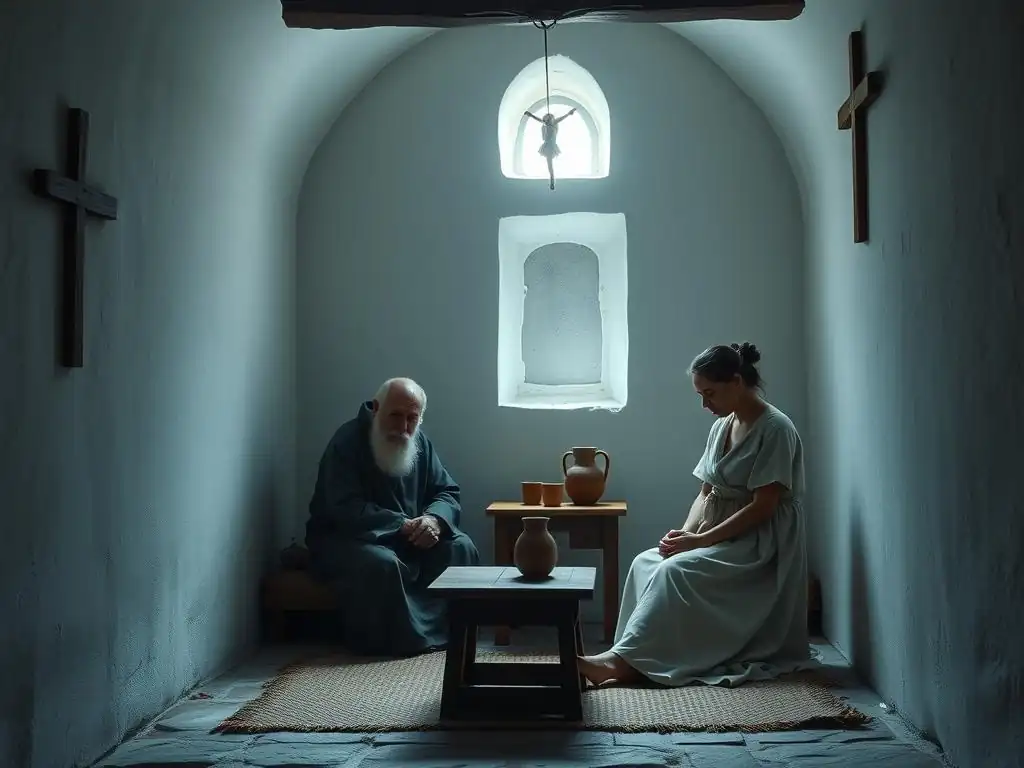
One of the most significant challenges facing medieval mental illness care settings was the profound lack of medical understanding of mental disorders. The prevailing medical model, based on Hippocratic humoral theory, attributed illness, including mental conditions, to an imbalance of the four humors: blood, phlegm, yellow bile, and black bile. Treatments like bleeding, purging, and dietary adjustments were aimed at restoring this balance, often with little regard for the actual psychological or neurological roots of the illness.
Beyond humoral theory, mental illness was frequently interpreted through a spiritual or moral lens. Madness might be seen as a punishment for sin, a test from God, or the result of demonic possession. This spiritual interpretation often led to religious interventions like prayer, penance, pilgrimages, or exorcism, rather than medical treatment. Without a scientific understanding of the brain or psychological processes, caregivers in all medieval mental illness care settings were essentially operating in the dark, relying on theories that bore little relation to the biological or psychological reality of the conditions they faced.
The Influence of Religious Beliefs on Treatment Approaches
Religious beliefs heavily influenced the understanding and treatment of mental illness in the Middle Ages. As mentioned, demonic possession was a common explanation for erratic or violent behavior. This belief led to the widespread practice of exorcism, performed by clergy, as a primary treatment. The ritual varied but often involved prayers, blessings, the use of holy water and relics, and sometimes, physically demanding or confrontational methods aimed at expelling the perceived demon.
Even when not attributed to possession, mental suffering was often viewed through a spiritual lens, as a trial or a consequence of spiritual failing. Treatment might involve intense prayer, confession, seeking divine intervention through saints or relics, or undertaking penitential acts. While faith and spiritual support could offer comfort to some, this religious framework often overshadowed any attempt at empirical observation or medical intervention, shaping the practices within all types of medieval mental illness care settings, particularly monasteries and those hospitals with strong religious affiliations.
Societal Attitudes and Stigma Surrounding Mental Illness
Societal attitudes towards mental illness in the Middle Ages were complex and often contradictory. While some individuals might inspire pity or be seen as innocents touched by God, many more evoked fear, suspicion, and ridicule. Behavior that was unpredictable, violent, or simply strange was often perceived as threatening to the social order and could lead to ostracism. The association with demonic influence or sin fueled deep-seated fear and prejudice.
This pervasive stigma significantly impacted the lives of the mentally ill and their families. It could lead to social isolation, loss of employment, and difficulty finding marriage partners. Within medieval mental illness care settings, stigma could manifest as harsh treatment, neglect, or being put on display for public amusement, as famously occurred at Bethlem in later centuries. The fear and lack of understanding created a challenging environment for anyone experiencing mental health difficulties, making compassion and effective support hard to come by.
Trepanning and Exorcism: Examples of Harsh and Misguided Practices
Some of the practices employed in medieval mental illness care settings, driven by limited understanding and prevailing beliefs, were particularly harsh or misguided. Trepanning, the practice of drilling a hole into the skull, was performed in various historical periods, including the Middle Ages. While sometimes used for physical ailments like head injuries, it was also occasionally applied to individuals with mental symptoms, based on the belief that it could release evil spirits or rebalance humors causing the disturbance. This invasive procedure carried significant risks of infection and death.
Exorcism, while a spiritual rite, could also be physically demanding or psychologically distressing for the individual. Some exorcism rituals involved restraint, fasting, or exposure to harsh conditions. These practices, whether surgical or spiritual, highlight the desperate attempts to treat conditions that were poorly understood and often feared. They stand as stark examples of the limitations and potential harms present within medieval mental illness care settings, reflecting the era's blend of medical ignorance and spiritual interpretations.
The Legacy of Medieval Mental Illness Care: Lessons and Insights
The Evolution of Mental Healthcare from Medieval Times to the Present
The history of medieval mental illness care settings provides a crucial backdrop for understanding the evolution of mental healthcare. The move from predominantly home and community-based care to the emergence of institutions like hospitals and later asylums marked a significant shift towards formalizing care, albeit often focused on custody rather than cure. While medieval institutions were rudimentary, they laid the groundwork for the asylum system that would dominate mental healthcare for centuries.
The medieval period also highlights the enduring influence of societal attitudes and beliefs on how mental illness is perceived and treated. The spiritual and moral interpretations of the Middle Ages, while different in form, share a common thread with later moral judgments and blame placed upon individuals with mental health conditions. Understanding this historical trajectory underscores how deeply ingrained stigma and misunderstanding have been in the history of mental healthcare, presenting ongoing challenges even in modern medieval mental illness care settings (though the term itself is anachronistic for modern care, the historical roots are clear).
Recognizing the Historical Roots of Modern Mental Health Challenges
Many challenges in modern mental health care have historical roots that can be traced back, in part, to the medieval period. The struggle between medical/scientific understanding and societal/moral interpretations of mental illness is a persistent theme throughout history. The medieval reliance on containment and control in institutions foreshadowed the long era of asylum-based care characterized by segregation and often inhumane conditions.
Furthermore, the medieval experience highlights the profound impact of stigma and social exclusion, issues that continue to affect individuals with mental illness today. The difficulty accessing effective, compassionate care, which was a stark reality across all medieval mental illness care settings, remains a challenge in many parts of the world. By recognizing these historical patterns, we can gain a deeper appreciation for the progress that has been made while also acknowledging the long-standing issues that still need to be addressed in achieving equitable and effective mental health support.
Development of Confinement and the Concept of Moral Treatment
The medieval period saw the beginnings of institutional confinement for the mentally ill, particularly in hospitals like Bethlem. This practice of isolating individuals deemed disruptive or dangerous became a defining feature of mental healthcare for centuries. While initially perhaps a pragmatic response to managing challenging behaviors, it evolved into a system of long-term segregation and often neglect, far removed from any therapeutic intent.
Later periods, particularly the late 18th and early 19th centuries, saw the emergence of the "Moral Treatment" movement, which reacted against the harshness of asylum conditions. Advocates like Philippe Pinel in France and William Tuke in England championed more humane approaches, emphasizing kindness, structured activity, and a therapeutic environment.
While a significant departure from medieval practices, the Moral Treatment movement can be seen, in part, as a response to the long history of custodial confinement that had roots in early medieval mental illness care settings. This historical progression highlights the slow, often reactive, development of more humane approaches to mental health.
Conclusion: A Glimpse into the Past of Mental Healthcare
Reflecting on the Complexities of Medieval Mental Illness Care Settings
Reflecting on medieval mental illness care settings reveals a complex picture shaped by limited knowledge, prevailing religious beliefs, and the rudimentary social structures of the time. Care was fragmented, ranging from informal family support and folk remedies to structured monastic life and the emerging, often harsh, environment of hospitals. There was no single, standardized approach, and the experience of the mentally ill varied dramatically based on their circumstances and the specific setting.
These settings were characterized by a blend of compassion and control, spiritual interpretation and basic physical intervention. While some individuals may have found solace or structure, many faced neglect, confinement, and social exclusion. Understanding these historical realities is essential for appreciating the difficult conditions faced by the mentally ill in the past and recognizing the long journey towards more humane and effective care. The diversity and limitations of medieval mental illness care settings underscore the challenges inherent in addressing conditions that were, and to some extent remain, poorly understood.
The Importance of Understanding Historical Context in Mental Health Studies
Studying the history of mental health, including the various medieval mental illness care settings, is crucial for a comprehensive understanding of mental health today. It helps us recognize that current challenges related to stigma, access to care, and the integration of biological, psychological, and social approaches have deep historical roots. The evolution from spiritual and humoral explanations to modern neuroscience and therapeutic modalities highlights the progress that has been made, but also the long periods of misunderstanding and ineffective treatment.
Furthermore, examining historical care settings reminds us that societal attitudes and institutional structures significantly impact the lives of individuals with mental illness. By understanding the past, we are better equipped to identify and address the systemic issues that continue to affect mental health care and work towards a future where compassionate, evidence-based support is accessible to all, building upon the lessons learned from the varied and often difficult experiences within medieval mental illness care settings.
Frequently Asked Questions
What were the primary institutions providing care for individuals with mental illness during the Middle Ages?
The main care settings included monasteries, hospitals, and private homes. These institutions offered varying levels of support and treatment based on prevailing beliefs about mental illness.
How did the prevailing beliefs about mental illness influence the care provided in Medieval times?
Mental illness was often attributed to spiritual causes or demonic possession. Treatment frequently involved religious rituals, exorcism, and confinement rather than medical intervention.
What role did monasteries play in caring for the mentally ill during the Middle Ages?
Monasteries served as places of refuge and offered basic care. They provided food, shelter, and spiritual guidance, sometimes incorporating prayer and religious rituals into their approach.
What types of treatments were commonly employed in hospitals for individuals with mental health conditions?
Hospitals, while often rudimentary, sometimes used physical restraints and isolation. Herbal remedies and bloodletting were occasionally employed based on prevailing humoral theories.
What options were available for individuals with mental illness who were not affiliated with monasteries or hospitals?
Many individuals relied on family support and home-based care. The quality of care varied greatly depending on the family's resources and understanding of the condition.
Final Reflection: Echoes of the Past, Lessons for the Present
The medieval approach to mental illness care, though vastly different from our own, offers a crucial lens through which to examine our contemporary systems. The stark realities of medieval care, ranging from monastic refuge to the harsh realities of confinement, highlight the enduring challenge of providing humane and effective mental healthcare. The lack of understanding and the often brutal methods employed serve as a sobering reminder of how far we've come, but also how far we still need to go.
The enduring legacy of the medieval period's approach to mental illness is not merely historical; it continues to shape our understanding of mental health and illness today. The stigma surrounding mental illness, the struggle for adequate resources, and the ongoing debate about the best approaches to care all resonate with the challenges faced centuries ago. The past is never dead. It's not even past.
– William Faulkner. This quote perfectly encapsulates the enduring relevance of understanding the historical context of mental health care. The societal attitudes and institutional structures of the Middle Ages continue to cast a long shadow, influencing how we perceive and treat mental illness in the 21st century.
Consider the stark contrasts between the medieval approaches and our own. Reflect on the advancements in understanding and treatment, but also on the persistent inequalities and challenges in accessing quality mental healthcare. You, the reader, are now equipped with a deeper understanding of this critical historical context. Use this knowledge to advocate for improved mental health services, to challenge stigma, and to foster a more compassionate and informed approach to caring for those struggling with mental illness. Let the echoes of the past inspire a more hopeful and effective future.
Unlock the Secrets of Medieval Mental Healthcare
Thanks for exploring the fascinating world of medieval mental health care with us! We hope you gained a new perspective on the diverse approaches used to care for individuals struggling with mental illness during this period. Now it's your turn to delve deeper!
- Dive into further research: Explore the history of asylums and their evolution from monastic settings to the modern day. Consider researching specific figures or locations mentioned in the article to expand your knowledge.
- Share your thoughts: What surprised you most about the methods and philosophies discussed? Leave a comment below and share your insights with fellow history enthusiasts!
- Challenge your assumptions: Reflect on the differences between medieval and modern approaches to mental health, and how this understanding might shape your view of contemporary care.
Ready to embark on your own historical journey into the evolution of mental healthcare? What aspect of medieval mental health practices intrigues you the most and why?