
Healing Dreams: Therapy and Sanctuary at Ancient Asklepieia

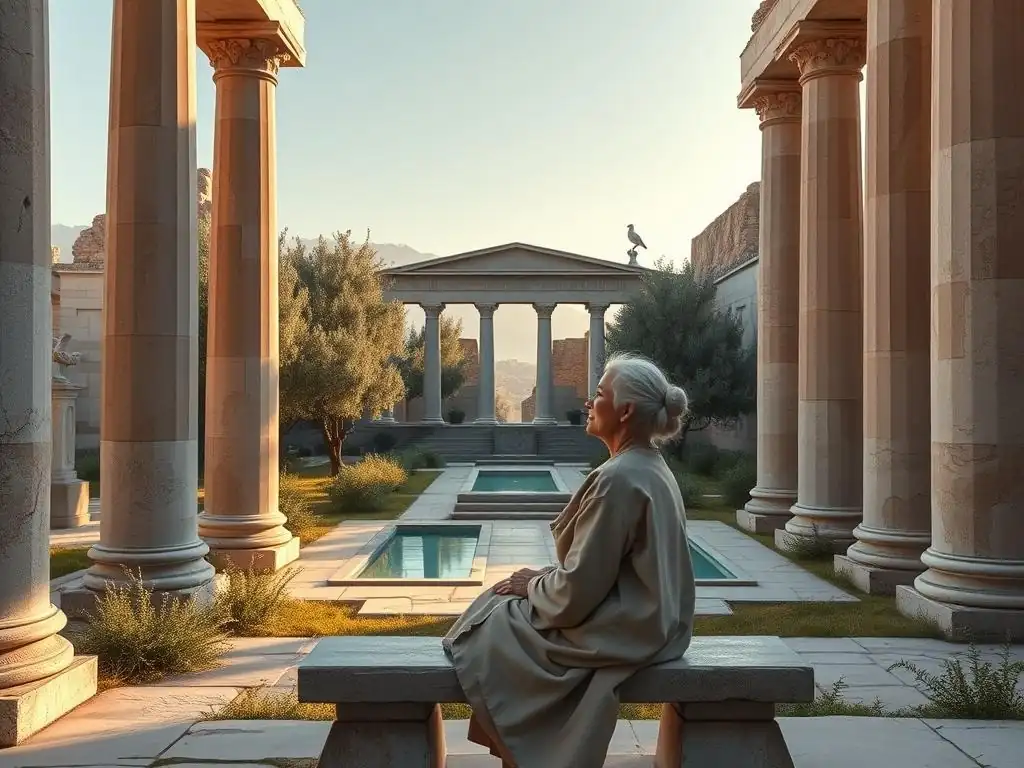
Welcome to Mind Care Guide, a place dedicated to nurturing your mental well-being.
Are you searching for solace, a path towards inner peace? Imagine a time when healing wasn't just a medical procedure, but a holistic experience rooted in sanctuary and dreams. In our latest article, we delve into the fascinating history of Ancient Asklepieia therapy benefits, uncovering how these ancient healing centers offered more than just medicine. What secrets did these sacred spaces hold, and how might their wisdom resonate with us today? Explore with us as we journey back in time, and discover how the past can illuminate our path to present-day well-being.
Healing Dreams: Therapy and Sanctuary at Ancient Asklepieia
- Introduction to Ancient Asklepieia and Holistic Healing
- The God of Healing: Asklepios and His Sanctuaries
- Therapeutic Practices at Ancient Asklepieia
- Ancient Asklepieia Therapy Benefits: A Detailed Look
- Comparing Asklepieia Therapy to Modern Mental Health Treatments
- The Legacy of Asklepieia: Influencing Modern Healthcare
- Visiting Asklepieia Today: Exploring the Archaeological Sites
- Conclusion: Reflections on Ancient Healing and Mental Well-being
-
Frequently Asked Questions
- What were Asklepieia, and what role did they play in ancient healing?
- How did "Healing Dreams" or Incubation therapy work at Asklepieia?
- What were some of the key therapies offered at Asklepieia, besides dream interpretation?
- How did the Asklepieia approach to healing differ from modern mental health practices?
- Can the principles of Asklepieia therapy, such as holistic well-being, be applied to modern mental health care?
- Final Reflection: Echoes of Healing from Ancient Asklepieia
- Unlock Your Inner Healer: Discover the Power of Ancient Wisdom
Introduction to Ancient Asklepieia and Holistic Healing
Mind Care Guide: Exploring Ancient Approaches to Mental Well-being
The pursuit of mental well-being is a timeless human endeavor, transcending cultures and epochs. While modern psychiatry and psychology offer sophisticated treatments, exploring historical perspectives can provide valuable insights into the diverse ways humanity has sought healing and peace of mind. The ancient Greek Asklepieia, sanctuaries dedicated to the god of medicine, Asklepios, represent a fascinating example of a holistic approach to health that encompassed physical, mental, and spiritual dimensions.
These sites were not merely hospitals in the modern sense but sacred spaces designed to facilitate healing through a combination of ritual, environmental factors, communal support, and therapeutic practices, including dream interpretation. Understanding the methods and perceived Ancient Asklepieia therapy benefits offers a unique lens through which to view the enduring human need for sanctuary and comprehensive care.
For visitors seeking solace and recovery from a wide range of ailments, from physical maladies to what we might now recognize as psychosomatic conditions or mental distress, the Asklepieia offered a structured, yet deeply personal, path to healing. The environment itself played a crucial role, often situated in serene natural settings away from the bustle of cities.
This deliberate choice of location underscores an ancient understanding of the therapeutic power of nature and tranquility. The journey to an Asklepieion, the rituals of purification upon arrival, and the communal life within the sanctuary all contributed to setting the stage for the healing process, emphasizing the interconnectedness of the body, mind, and spirit in achieving health, a concept central to the Ancient Asklepieia therapy benefits.
The Significance of Asklepieia in Ancient Greece
Asklepieia held a pivotal position in the religious and social fabric of ancient Greece, serving as major centers of healing and pilgrimage. Over 300 such sanctuaries are estimated to have existed across the Hellenic world and beyond, with prominent examples at Epidaurus, Kos, Pergamon, and Athens.
These were not just places for the sick; they were repositories of medical knowledge, training grounds for priests and healers, and vibrant community hubs where people from all walks of life gathered with a shared purpose: to seek health and divine favor. The scale of some of these sites, like Epidaurus with its large theatre capable of seating around 13,000 people, highlights their importance not just as healing centers but as places for communal gathering, religious festivals, and perhaps even therapeutic dramatic performances.
The significance of Asklepieia extended beyond individual healing. They were economic powerhouses, attracting pilgrims who brought offerings and contributed to the local economy. They were also centers of innovation, where empirical observation blended with religious belief.
While the core healing process involved divine intervention sought through dreams, priests and attendants also applied practical treatments, herbal remedies, and surgical procedures, suggesting a pragmatic approach alongside the spiritual one. The widespread presence and continued use of Asklepieia for centuries, roughly from the 6th century BCE well into the Roman period, attest to their perceived effectiveness and the deep trust people placed in the healing system they offered, reflecting the tangible Ancient Asklepieia therapy benefits experienced by countless individuals.
The God of Healing: Asklepios and His Sanctuaries
Asklepios: Myth and Healing Powers
Asklepios, the central figure of these sanctuaries, was a demigod in Greek mythology, son of Apollo, the god of light, music, and healing, and a mortal princess, Koronis. Raised by the wise centaur Chiron, Asklepios learned the art of healing, becoming so skilled that he could even raise the dead. This power angered Zeus, king of the gods, who struck Asklepios down with a thunderbolt, fearing the disruption of the natural order.
However, due to his benevolent nature and healing prowess, Asklepios was later elevated to divine status, becoming the god of medicine. His symbols, the snake-entwined staff (the Rod of Asclepius) and his sacred animal, the snake (symbolizing renewal and healing), are still recognized today in medical emblems.
The worship of Asklepios was deeply intertwined with the hope of recovery from illness and suffering. People believed that Asklepios, often appearing in dreams, could directly intervene to heal them or provide instructions for their cure. This belief in divine healing was not passive; it required the supplicant to actively participate in the process through purification rituals, prayers, offerings, and the crucial practice of incubation.
The priests of Asklepios, often hereditary or specially trained, acted as intermediaries, guiding pilgrims through the healing process and interpreting the divine messages received in dreams. The perceived effectiveness of Asklepios's healing powers, mediated through the sanctuary environment and rituals, formed the basis of the Ancient Asklepieia therapy benefits sought by pilgrims.
Architecture and Sacred Spaces within Asklepieia
The layout and architecture of Asklepieia were carefully designed to facilitate the healing process, blending religious awe with practical functionality. At the heart of every sanctuary was a temple dedicated to Asklepios, housing a statue of the god, often depicted as a kindly, bearded figure holding his staff. Near the temple was the abaton, also known as the enkoimeterion, the sacred sleeping hall where incubation took place.
This was the most crucial building for patients seeking dream-based healing. Often a stoa or colonnaded hall, the abaton provided a sheltered space where supplicants would sleep, hoping to receive a healing dream from Asklepios or his sacred animals.
Beyond the temple and abaton, Asklepieia typically included various structures supporting the pilgrims' stay and treatment. These often included:
- Altars for sacrifices and offerings.
- Treasuries to house votive offerings (gifts left by healed individuals, often depicting the body part that was cured).
- Baths and fountains for purification rituals, essential before entering the sacred areas.
- Gymnasia and palaestrae for physical exercise, reflecting the Greek emphasis on the interconnectedness of physical and mental health.
- A theatre, like the famous one at Epidaurus, used for dramatic performances and festivals, contributing to the communal and potentially cathartic aspects of the sanctuary experience.
- Living quarters for priests, attendants, and sometimes longer-staying patients.
The deliberate arrangement of these spaces created an environment conducive to spiritual reflection, communal interaction, and physical restoration, all contributing factors to the Ancient Asklepieia therapy benefits experienced by those who visited.
Therapeutic Practices at Ancient Asklepieia

Dream Interpretation and its Role in Asklepieia Therapy
Dream interpretation was perhaps the most distinctive and central therapeutic practice at the ancient Asklepieia. Patients would undergo purification rituals and psychological preparation before entering the abaton for incubation. The goal was to enter a receptive state where they might receive a direct visitation from Asklepios or his divine messengers (often snakes or dogs) in a dream. These dreams were believed to contain either the healing itself or instructions on how to achieve it. This focus on the subconscious and symbolic communication highlights a fascinating parallel with modern psychotherapeutic approaches that explore the meaning of dreams and unconscious processes.
Upon waking, the patient would recount their dream to a priest or attendant. The priests were skilled in interpreting these symbolic narratives, translating the divine message into actionable steps for the patient. This could involve prescribing specific remedies (herbs, diet), physical exercises, further rituals, or even simple lifestyle changes.
The interpretation process itself likely served a therapeutic function, helping the patient make sense of their experience and providing a narrative framework for their healing journey. The belief in the divine origin of the dream added immense power and authority to the prescribed treatment, likely enhancing patient compliance and expectancy, contributing significantly to the perceived Ancient Asklepieia therapy benefits.
Incubation: Seeking Divine Guidance Through Dreams
Incubation ( enkoimesis) was the core ritual practice undertaken by pilgrims seeking healing at the Asklepieia. After purification baths, fasting, and offerings, the supplicant would lie down to sleep within the abaton, a sacred area often considered particularly potent with the god's presence. This was more than just sleeping; it was a deliberate act of seeking divine communion in an altered state of consciousness. The atmosphere within the abaton would have been charged with anticipation and collective hope, as multiple patients slept in close proximity, each awaiting their healing dream.
Historical accounts and inscriptions on stelae found at sites like Epidaurus describe various types of healing dreams. Some depict Asklepios or his animals directly interacting with the patient's afflicted body part, performing a symbolic or actual healing act within the dream itself. Others show the god giving explicit instructions, such as recommending a particular exercise, diet, or visiting a specific spring.
The psychological impact of such vivid, divinely sanctioned dreams, combined with the expectant atmosphere and the patient's deep faith, would have been immense. This powerful suggestion and placebo effect, understood within the ancient framework of divine intervention, were undoubtedly key components of the Ancient Asklepieia therapy benefits.
The Healing Power of Nature and Rituals
The choice of location for many Asklepieia, often nestled in tranquil valleys or near natural springs, underscores an ancient appreciation for the therapeutic benefits of the natural environment. The serene landscape, clean air, and often access to healing waters played a significant role in the overall healing experience. Pilgrims would spend days or weeks at the sanctuary, engaging with the environment through walks, contemplation, and utilizing the natural resources like mineral springs for bathing and drinking. This connection with nature provided a calming backdrop to the potentially stressful experience of illness and the intensity of the healing rituals.
Beyond incubation, a variety of rituals were integral to the therapeutic process. These included:
- Purification baths: Cleansing the body before entering sacred spaces.
- Offerings and sacrifices: Presenting gifts to Asklepios and other deities to gain favor.
- Prayers and hymns: Invoking the god's presence and seeking his aid.
- Processions: Participating in communal movements and ceremonies.
- Votive Offerings: Leaving behind representations of healed body parts or other tokens of gratitude after recovery.
These rituals provided structure, fostered a sense of community among the pilgrims, and reinforced their faith in the healing power of the sanctuary and its god. They engaged the patient actively in their own healing journey, moving them from a passive state of suffering to an active participant in a sacred process. This blend of environmental therapy and ritual practice contributed significantly to the holistic Ancient Asklepieia therapy benefits.
Physical Therapies and Treatments Offered
While the divine dream-based healing was central, the Asklepieia were not solely reliant on supernatural intervention. Priests and attendants also employed practical medical knowledge and physical therapies. Archaeological evidence and historical texts suggest the use of herbal remedies, poultices, and dietary recommendations. The presence of gymnasia and palaestrae indicates that physical exercise was considered important for health, and prescribed movements or therapeutic exercises might have been part of the treatment plan derived from dream interpretations or priestly advice.
Furthermore, some accounts suggest that minor surgical procedures were occasionally performed within the sanctuaries, although the extent and nature of these are debated. The priests likely possessed a combination of religious knowledge, folk medicine, and possibly some empirical medical skills passed down through generations.
The votive offerings, often detailed stone carvings or terracotta models of specific body parts (eyes, limbs, internal organs), provide tangible evidence of the wide range of physical ailments for which people sought healing. This combination of spiritual, environmental, and physical approaches highlights the comprehensive nature of the care offered, contributing to the diverse Ancient Asklepieia therapy benefits.
Ancient Asklepieia Therapy Benefits: A Detailed Look
Reduced Anxiety and Stress Relief through Sanctuary
One of the most significant Ancient Asklepieia therapy benefits was undoubtedly the profound relief from anxiety and stress that the sanctuary environment provided. For individuals suffering from chronic illness, pain, or mental distress in ancient times, options for care were limited. The journey to an Asklepieion offered a sense of hope and purpose.
Upon arrival, the tranquil setting, the removal from the pressures of daily life, and the structured rituals created a calming atmosphere. The act of placing oneself under the protection of a benevolent god of healing, surrounded by others seeking similar solace, could significantly reduce feelings of isolation and despair.
The emphasis on purification, prayer, and the expectant waiting for a divine message redirected the patient's focus away from their suffering and onto a positive, hopeful outcome. The communal aspect, sharing the experience with fellow pilgrims, likely fostered a sense of belonging and mutual support.
This psychological shift, moving from a state of anxiety about their condition to one of hopeful anticipation within a supportive and sacred environment, was a powerful therapeutic force. The sanctuary served as a true refuge, offering not just potential physical cure but also significant mental and emotional respite, a core aspect of the Ancient Asklepieia therapy benefits.
Improved Sleep Quality and Dream Recall
A direct and intended outcome of the incubation practice was improved sleep quality and enhanced dream recall, which were seen as prerequisites for receiving the divine healing message. The rituals leading up to incubation – purification, potentially fasting, and entering a state of hopeful expectation – were designed to prepare the individual physically and mentally for a deep, receptive sleep. Sleeping within the sacred abaton, a place charged with religious significance and the collective intention of healing, likely influenced the psychological state of the supplicant, making them more attuned to their inner experiences.
While interpreted as divine communication, the vivid and memorable dreams reported by pilgrims could also be understood through a psychological lens. The focused intent on dreaming about healing, combined with the unusual sleeping environment and the emotional intensity of the situation, could naturally lead to more vivid and easily recalled dreams.
The requirement to recount the dream to a priest further reinforced the importance of dream recall. This practice, whether viewed as divine intervention or psychological priming, was central to the healing process and a key component of the Ancient Asklepieia therapy benefits, providing a structured way to access and work with subconscious material related to health and illness.
The Asklepieia were not solitary healing retreats; they were vibrant communities of seekers. Pilgrims often traveled together, stayed in shared accommodations, and participated in communal rituals and activities, including attending performances in the theatre. This shared experience of vulnerability, hope, and the pursuit of healing fostered strong bonds among patients. Witnessing the recovery of others, hearing their stories of healing, and participating in collective prayers and ceremonies could instill hope and reinforce faith in the process.
This aspect of social support is increasingly recognized in modern mental health care as crucial for recovery. The sense of belonging, validation, and shared purpose experienced within the Asklepieian community provided a powerful antidote to the isolation that often accompanies illness, particularly chronic conditions or mental distress. The opportunity to connect with others who understood their suffering created a supportive network that extended beyond the formal therapeutic practices. This communal aspect was an intrinsic part of the Ancient Asklepieia therapy benefits, addressing the human need for connection and shared experience in times of vulnerability.
Spiritual Connection and the Search for Meaning
For many, illness is not just a physical or mental breakdown but a crisis of meaning. It raises fundamental questions about life, suffering, and purpose. The Asklepieia offered a framework for understanding illness and healing within a spiritual context. Seeking help from a god provided a sense of agency and hope in the face of conditions that were often inexplicable and untreatable by other means. The rituals, the sacred space, and the belief in divine intervention offered a narrative that gave meaning to their suffering and a path towards restoration guided by a benevolent higher power.
The process of engaging with the divine, reflecting on one's life during the preparatory phase, and interpreting the symbolic language of dreams facilitated a deeper connection with oneself and the spiritual realm. For individuals grappling with despair, existential anxiety, or the psychological burden of chronic illness, this spiritual dimension provided profound comfort and a renewed sense of purpose. The search for meaning and the strengthening of spiritual connection were vital, albeit less quantifiable, Ancient Asklepieia therapy benefits that addressed the deeper human needs underlying the desire for healing.
Comparing Asklepieia Therapy to Modern Mental Health Treatments
Similarities and Differences in Approaches
Comparing ancient Asklepieian therapy to modern mental health treatments reveals intriguing similarities alongside significant differences. Both approaches recognize the impact of psychological factors on health and the importance of hope and belief in the healing process. Modern therapies like Cognitive Behavioral Therapy (CBT) or Psychodynamic Therapy explore inner thoughts, feelings, and experiences, much like Asklepieian priests interpreted dreams. The use of environment (therapeutic settings), community (group therapy), and structured activities (therapy sessions, homework) are common elements. Both systems also acknowledge the mind-body connection, with modern approaches using techniques like mindfulness, exercise prescriptions, and stress reduction alongside psychotherapy.
However, the fundamental difference lies in the explanatory model. Modern mental health care is based on scientific understanding of neurobiology, psychology, and environmental factors, employing evidence-based interventions. Asklepieian therapy was rooted in religious belief, attributing healing power primarily to divine intervention mediated through dreams and rituals.
While modern therapy aims to empower the individual through insight and coping skills, Asklepieian therapy emphasized divine grace and priestly guidance. The role of the therapist/healer also differs; modern therapists are trained professionals applying scientific principles, while Asklepieian priests were primarily religious figures interpreting divine will. Despite these differences, the focus on creating a safe space, fostering hope, and engaging the patient actively in their recovery process represents a notable similarity, contributing to the perceived Ancient Asklepieia therapy benefits in their historical context.
Lessons from Ancient Wisdom for Contemporary Practices
The Asklepieia, despite their reliance on a religious framework, offer several valuable lessons for contemporary mental health care. Firstly, the emphasis on holistic healing – treating the whole person (mind, body, spirit, and social context) – is a principle increasingly recognized in modern integrated healthcare models. Ancient Asklepieia therapy benefits stemmed from this comprehensive approach, not just a single intervention. Modern practice can benefit from further integrating physical health, mental health, social support, and attention to spiritual or existential needs.
Secondly, the power of environment and sanctuary is a significant lesson. Creating calming, safe, and aesthetically pleasing spaces for therapy and healing can enhance therapeutic outcomes. The importance of community and social support, so central to the Asklepieian experience, reinforces the value of group therapy, peer support networks, and family involvement in modern treatment.
Lastly, while not endorsing divine intervention, the Asklepieian focus on hope, expectancy, and the patient's active participation in rituals (or therapeutic tasks) highlights the crucial role of patient belief and engagement in the effectiveness of any treatment. Understanding the perceived Ancient Asklepieia therapy benefits reminds us that human connection, environment, and hope are powerful therapeutic agents, regardless of the specific theoretical framework.
The Legacy of Asklepieia: Influencing Modern Healthcare
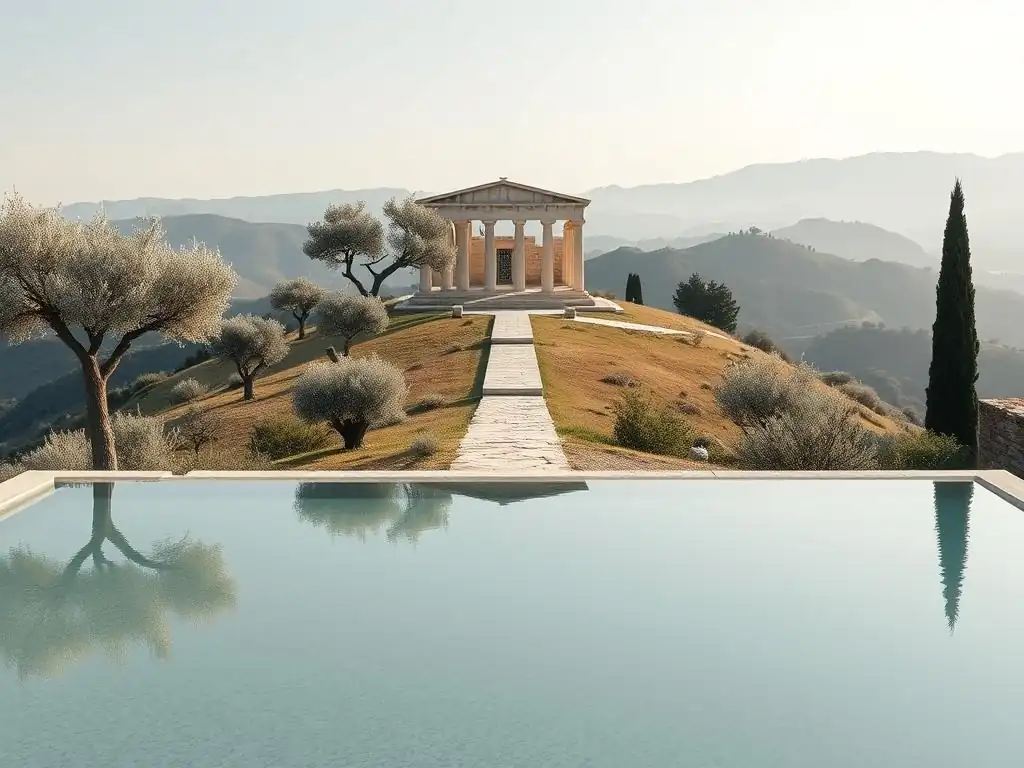
The Enduring Influence of Asklepian Principles
The principles embodied by the ancient Asklepieia have left an enduring, though sometimes indirect, mark on the development of healthcare. The concept of a dedicated healing space, a sanctuary where the sick could retreat and receive care, is a precursor to the modern hospital.
While the underlying philosophy shifted from divine intervention to scientific medicine, the idea of a specialized institution for the ill persists. The Asklepieia also contributed to the development of medical ethics; the Hippocratic Oath, traditionally attributed to Hippocrates of Kos (who practiced near a famous Asklepieion), reflects values such as patient confidentiality and beneficence, principles that may have been discussed and upheld within the medical communities associated with these sanctuaries.
Furthermore, the Asklepieian practice of collecting patient case histories and votive offerings served as early forms of medical record-keeping, providing data (albeit anecdotal and focused on successful outcomes) on different illnesses and treatments. While not scientific studies, these records contributed to a growing body of empirical observation alongside the religious practices.
The emphasis on the healing power of nature and environment is also gaining renewed appreciation in modern wellness and therapeutic practices, from ecotherapy to the design of healing gardens in hospitals. The holistic approach, encompassing mind, body, and spirit, which was central to the Ancient Asklepieia therapy benefits, remains a goal for many contemporary healthcare systems striving for patient-centered, comprehensive care.
The Connection Between Asclepius and Modern Medical Symbols
Perhaps the most visible legacy of Asklepios and his sanctuaries is the continued use of his symbol in modern medicine. The Rod of Asclepius, a serpent entwined around a staff, is widely recognized today as the emblem of medicine and healthcare organizations globally, including the World Health Organization (WHO) and the American Medical Association. This symbol's origin directly links back to the cult of Asklepios, where snakes were sacred animals, believed to embody the god's healing power and regeneration (due to shedding their skin).
It is important to distinguish the Rod of Asclepius (one snake, one staff) from the Caduceus (two snakes, wings, often associated with Hermes/Mercury), which is mistakenly used as a medical symbol by some organizations, particularly in the United States. The Caduceus is historically associated with commerce and negotiation, not healing.
The correct and historically relevant medical symbol is the simple Rod of Asclepius, a direct visual lineage connecting modern medical practice back to the ancient Greek god of healing and his sanctuaries. This enduring symbol serves as a constant reminder of the ancient roots of medicine and the long human history of seeking healing and the Ancient Asklepieia therapy benefits.
Visiting Asklepieia Today: Exploring the Archaeological Sites
Epidaurus: Experiencing the History and Atmosphere
The Asklepieion at Epidaurus, located in the Peloponnese region of Greece, is arguably the most famous and best-preserved of the ancient healing sanctuaries. Designated a UNESCO World Heritage site, it offers visitors a unique opportunity to step back in time and experience the atmosphere of these ancient healing centers. Key features of the site include the remarkably intact Theatre of Epidaurus, renowned for its perfect acoustics, which likely played a role in the sanctuary's activities, perhaps hosting performances with therapeutic or cathartic elements.
Visitors can explore the ruins of the abaton where incubation took place, the temple of Asklepios, the tholos (a mysterious circular building, possibly used for rituals or housing sacred snakes), the stadium, and various other administrative and residential buildings. Walking through the site, surrounded by the serene natural landscape, one can begin to appreciate the environment that was so crucial to the healing process.
Interpretive signs and a museum on site help visitors understand the history, rituals, and the daily life of pilgrims seeking the Ancient Asklepieia therapy benefits thousands of years ago. Standing in the abaton or sitting in the ancient theatre provides a tangible connection to the hopes, fears, and healing experiences of people in antiquity.
Kos: Preserved Remains and Interpretive Centers
The Asklepieion on the island of Kos is another significant archaeological site, offering a different perspective on these ancient healing sanctuaries. Located just outside Kos Town, this site was particularly important due to its association with Hippocrates, the "father of Western medicine," who was born and taught on the island. While Hippocrates himself reportedly emphasized empirical observation over divine intervention, his proximity to and potential interaction with the Asklepieion suggests a complex relationship between the emerging rational medicine and the established religious healing practices.
The Asklepieion at Kos is built on three terraces, connected by grand staircases. Visitors can see the remains of the temple of Asklepios, the abaton, altars, and other structures. The multi-level layout reflects the sanctuary's growth and importance over time.
While perhaps less dramatically preserved than Epidaurus in some aspects, the Kos site offers valuable insights into the architectural development and scale of an important Asklepieion. An archaeological museum in Kos Town houses artifacts from the site, including votive offerings and inscriptions, further illuminating the practices and the types of ailments for which people sought the Ancient Asklepieia therapy benefits at this historical location.
Conclusion: Reflections on Ancient Healing and Mental Well-being
The Enduring Relevance of Ancient Asklepieia Therapy Benefits
The study of ancient Asklepieia offers a compelling perspective on the enduring human quest for health and well-being, particularly concerning the mind. While the specific methods of incubation and divine dream interpretation belong to a distant past, the underlying principles that contributed to the Ancient Asklepieia therapy benefits remain remarkably relevant. These include the power of environment, the importance of hope and belief, the therapeutic value of ritual and structure, the crucial role of community support, and the acknowledgement of the spiritual dimension of healing.
In an age where mental health challenges are increasingly prevalent, revisiting these ancient models reminds us that healing is often a holistic process involving more than just medical intervention. It requires creating spaces of sanctuary, fostering connections, instilling hope, and addressing the individual's needs on multiple levels – physical, emotional, social, and spiritual. The perceived successes at the Asklepieia highlight the potent interplay between faith, environment, community, and internal psychological processes in facilitating recovery. The Ancient Asklepieia therapy benefits, understood in their historical context, underscore timeless truths about human vulnerability and resilience.
Integrating Ancient Wisdom into Modern Mental Health Care
Drawing lessons from the Asklepieia does not mean adopting ancient religious practices, but rather integrating the wisdom embedded in their successful elements into contemporary mental health care. This could involve designing therapeutic environments that are more calming and aesthetically pleasing, akin to the tranquil settings of the ancient sanctuaries. It could also mean placing greater emphasis on the therapeutic benefits of community and social connection, perhaps through expanding group therapy options, peer support programs, or creating more communal spaces within treatment centers.
Furthermore, recognizing the importance of hope and the patient's belief in the treatment process, central to the Ancient Asklepieia therapy benefits, encourages practitioners to cultivate therapeutic alliance and empower patients with a sense of agency. While not divine dreams, exploring personal narratives, symbols, and the meaning patients attribute to their experiences (as done through dream interpretation in antiquity) remains a valuable avenue in modern psychotherapy.
Ultimately, the legacy of the Asklepieia serves as a reminder that the most effective healing approaches often address the individual not as a collection of symptoms, but as a whole person seeking restoration in mind, body, and spirit.
Frequently Asked Questions
What were Asklepieia, and what role did they play in ancient healing?
Asklepieia were ancient Greek healing temples and sanctuaries dedicated to the god Asklepios. They offered a holistic approach to healing, focusing on both physical and mental well-being. They were centers of pilgrimage for those seeking cures.
How did "Healing Dreams" or Incubation therapy work at Asklepieia?
Incubation involved patients sleeping within the sanctuary, hoping to receive divine guidance or healing through their dreams. Priests then interpreted these dreams to prescribe treatments and therapies, often involving diet, exercise, and other rituals.
What were some of the key therapies offered at Asklepieia, besides dream interpretation?
Beyond dream interpretation, Asklepieia offered therapies like exercise, massage, hydrotherapy, and herbal remedies. They also emphasized the importance of a healthy diet and lifestyle for overall well-being.
How did the Asklepieia approach to healing differ from modern mental health practices?
While Asklepieia incorporated elements of mental and physical health, they heavily relied on religious beliefs and divine intervention. Modern mental health practices are grounded in scientific research and evidence-based therapies, focusing on psychological and neurological processes.
Can the principles of Asklepieia therapy, such as holistic well-being, be applied to modern mental health care?
Yes, the emphasis on holistic well-being, including mind-body connection and a supportive environment, remains relevant. Modern therapies can incorporate these principles by emphasizing lifestyle factors like diet, exercise, and social support alongside traditional treatment methods.
Final Reflection: Echoes of Healing from Ancient Asklepieia
The holistic approach to healing practiced at the ancient Asklepieia remains strikingly relevant today. In a world increasingly focused on quick fixes and technological solutions, the emphasis on mind-body connection, environmental serenity, and the power of dreams, as practiced in these ancient sanctuaries, offers a powerful counterpoint. The enduring legacy of the Asklepieia reminds us that true healing is a multifaceted process, demanding a holistic approach that addresses the individual's physical, mental, and spiritual well-being.
The influence of the Asklepieia extends far beyond the archaeological record; its principles continue to resonate in modern therapeutic practices. The integration of nature, ritual, and community support, so central to the Asklepieia experience, mirrors the growing interest in mindfulness, ecotherapy, and the therapeutic benefits of community engagement. The physician treats, but nature heals.
This ancient wisdom underscores the importance of fostering the body's inherent capacity for self-repair, a concept that remains at the heart of many contemporary healing modalities.
Consider the lessons of the Asklepieia. Reflect on the importance of creating space for rest, reflection, and connection with nature in your own life. Embrace the power of dreams and intuition as pathways to self-understanding and healing. By integrating these ancient wisdoms into our modern lives, we can cultivate a deeper understanding of well-being and create a more holistic approach to our own health and the health of our communities. Let the echoes of healing from Ancient Asklepieia inspire you to embark on your own journey towards wholeness.
Unlock Your Inner Healer: Discover the Power of Ancient Wisdom
Thank you for taking the time to explore the healing traditions of Ancient Asklepieia. We hope this journey into the past has inspired you to nurture your own well-being. Now, it's time to bring those insights into the present!
- Prioritize a self-care ritual inspired by Asklepieian practices: Perhaps a daily walk in nature, mindful breathing exercises, or a relaxing herbal bath. Find what resonates with you and make it a consistent part of your day.
- Share your reflections: What aspect of Asklepieian healing most impacted you? Share your thoughts in the comments below – let's build a community of mindful healing together!
- Explore further: Research local resources for holistic therapies or nature-based healing practices in your area. This is your opportunity to actively integrate these ancient wisdoms into your modern life.
What simple yet powerful step will you take today to cultivate your own sanctuary of healing?