
Aging Gracefully Outdoors: Nature's Benefits for Senior Mental Health

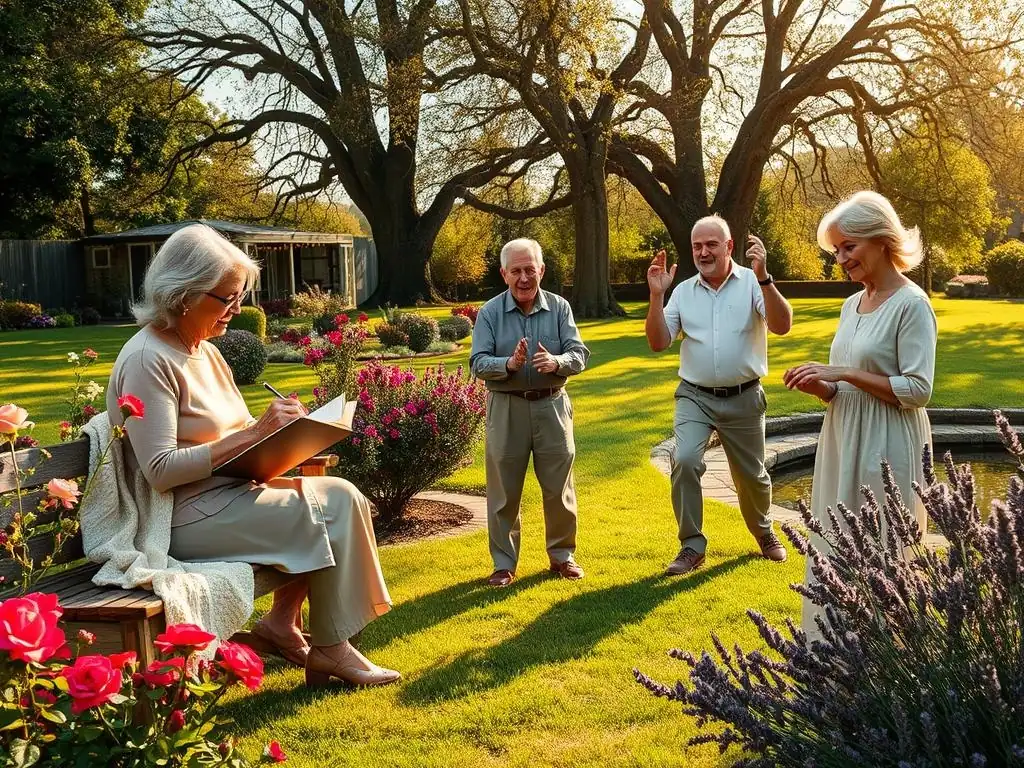
Welcome to Mind Care Guide, where we believe in nurturing your mental well-being.
Are you, or someone you care about, seeking gentle ways to enhance mental clarity and emotional balance? In a world that often rushes by, discover the profound impact of Outdoor Mental Health for Seniors. We understand the unique challenges and joys of aging, and we're here to guide you towards finding solace and rejuvenation in the natural world. Intrigued? Let's explore the revitalizing benefits of nature together and unlock a path to a happier, healthier you.
Aging Gracefully Outdoors: Nature's Benefits for Senior Mental Health
- Introduction: The Importance of Outdoor Mental Health for Seniors
- The Unique Challenges to Senior Mental Health and Well-being
- Nature's Therapeutic Power: How the Outdoors Benefits Senior Mental Health
- Specific Outdoor Activities for Enhancing Senior Mental Health
- Creating Accessible Outdoor Environments for Seniors
- Overcoming Barriers to Outdoor Access for Older Adults
- The Role of Caregivers and Families in Promoting Outdoor Mental Health
- Integrating Nature into Senior Living Facilities and Communities
- Outdoor Mental Health Programs and Resources for Seniors
- Conclusion: Embracing Nature for a Healthier and Happier Senior Life
-
Frequently Asked Questions
- What are the benefits of outdoor activities for senior mental health?
- How does nature impact cognitive function in seniors?
- What types of outdoor activities are recommended for seniors?
- Are there specific mental health challenges that outdoor activities can help address in seniors?
- How can caregivers encourage seniors to spend more time outdoors?
- Final Reflection: Embracing the Golden Years in Nature's Embrace
- Unlock Your Outdoor Potential: Embrace Nature's Rejuvenation
Introduction: The Importance of Outdoor Mental Health for Seniors
Understanding the Connection Between Nature and Senior Well-being
The golden years often bring unique challenges, but they can also be a time of profound connection and well-being. A growing body of evidence highlights the significant positive impact of nature on mental health across all age groups, and this is particularly true for older adults.
Spending time outdoors, whether in a bustling park, a quiet garden, or a serene natural landscape, offers a powerful antidote to many common senior challenges, fostering a sense of peace, revitalization, and connection to the world around them. This connection is vital for maintaining cognitive function, emotional balance, and overall quality of life as we age.
Prioritizing outdoor mental health for seniors means recognizing that access to green spaces is not just a recreational perk, but a therapeutic necessity. Studies have shown that even short periods spent in nature can lower cortisol levels, the body's primary stress hormone. For seniors, who may face increased stress due to health concerns, social changes, or mobility issues, this stress reduction is invaluable. Furthermore, exposure to natural light helps regulate circadian rhythms, improving sleep quality, which is another common concern for older adults. Embracing the outdoors is a holistic approach to supporting mental and physical health in later life.
Mind Care Guide: Supporting Senior Mental Health Through Nature
Mind Care Guide is dedicated to exploring comprehensive approaches to mental well-being, and we recognize the profound healing power of nature, especially for our senior population. Our goal is to provide accessible information and resources that empower older adults, their families, and caregivers to leverage the benefits of outdoor mental health. We believe that integrating nature into daily life can significantly enhance emotional resilience, cognitive vitality, and social connection for seniors, helping them to navigate the aging process with greater ease and joy.
Through articles like this, we aim to illuminate the specific ways nature impacts senior mental health and offer practical guidance on how to access and enjoy outdoor spaces safely and effectively. We explore everything from the scientific evidence supporting nature's benefits to specific activities and strategies for overcoming common barriers. Our commitment is to support seniors in discovering the therapeutic potential of the outdoors, fostering a lifestyle that promotes not just longevity, but also sustained mental and emotional flourishing in their later years.
The Unique Challenges to Senior Mental Health and Well-being
Social isolation is a prevalent and significant challenge facing older adults, often leading to feelings of loneliness, sadness, and a decline in overall mental well-being. Retirement, loss of a spouse or friends, and reduced mobility can all contribute to shrinking social circles.
Research indicates that chronic loneliness in older adults is associated with increased risk of depression, anxiety, and even physical health problems like heart disease and weakened immune function. For example, a study published in the Journal of Health and Social Behavior found that lonely seniors were significantly more likely to experience a decline in their physical and mental health over a six-year period compared to their more socially connected peers.
The impact of isolation goes beyond emotional distress; it can also accelerate cognitive decline. Lack of social engagement means fewer opportunities for stimulating conversations and interactions that keep the mind sharp. Estimates suggest that a substantial percentage of seniors, potentially ranging from 15% to 30%, report feeling lonely. This underscores the critical need for strategies that actively combat isolation and foster meaningful connections, making the promotion of outdoor mental health for seniors a vital component in building community and combating this widespread issue.
Physical Limitations and Reduced Mobility
As individuals age, physical changes and chronic health conditions can lead to reduced mobility, making it more challenging to engage in activities they once enjoyed. Conditions like arthritis, osteoporosis, balance issues, and cardiovascular problems can limit the ability to walk, stand for extended periods, or navigate uneven terrain.
This reduction in physical activity can have a cascading negative effect on both physical and mental health, contributing to weight gain, muscle loss, decreased energy levels, and an increased risk of falls. Furthermore, the inability to participate in activities can lead to feelings of frustration, dependence, and a loss of independence, impacting self-esteem and mood.
For many seniors, reduced mobility also restricts access to social events and community spaces, further exacerbating feelings of isolation. If getting out of the house or navigating public transportation becomes difficult, opportunities for social interaction diminish. While physical limitations are a reality for many older adults, adapting environments and activities can significantly mitigate their impact. Designing accessible outdoor spaces and finding modified ways to engage with nature are crucial steps in ensuring that physical challenges do not become insurmountable barriers to maintaining active, engaged, and mentally healthy lives.
Cognitive Decline and Mental Health
Cognitive decline is a significant concern for many older adults and their families, ranging from mild forgetfulness to more severe conditions like dementia. While not all cognitive changes are pathological, age-related shifts in memory, processing speed, and executive function can impact daily life and contribute to mental health challenges. The fear or reality of losing cognitive abilities can lead to anxiety, depression, and a sense of loss of control. Furthermore, conditions like Alzheimer's disease and other dementias directly affect mood, behavior, and emotional regulation, presenting complex mental health needs.
For individuals experiencing cognitive decline, maintaining routines, engaging in mentally stimulating activities, and reducing stress are paramount. Isolation and lack of engagement can accelerate cognitive decline, while stimulating environments and social interaction can help maintain function for longer. For example, studies have shown that regular participation in mentally engaging activities can potentially delay the onset of cognitive impairment. Addressing the mental health aspects intertwined with cognitive changes requires a holistic approach that includes cognitive stimulation, emotional support, and strategies to enhance overall well-being, such as promoting outdoor mental health for seniors.
Nature's Therapeutic Power: How the Outdoors Benefits Senior Mental Health
Reducing Stress and Anxiety Through Nature Exposure
Spending time in natural environments has a scientifically proven calming effect on the human nervous system, making it a potent tool for reducing stress and anxiety in older adults. Research indicates that just 20-30 minutes spent in nature can significantly lower levels of cortisol, the body's primary stress hormone, and decrease heart rate and blood pressure.
This physiological response helps to counteract the cumulative effects of chronic stress, which can be particularly taxing on the aging body and mind. For example, a study involving older adults found that those who regularly spent time in green spaces reported lower levels of perceived stress and greater emotional well-being compared to those with less nature exposure.
Beyond the physiological benefits, the sensory experience of nature—the sights, sounds, smells, and textures—can act as a powerful distraction from worries and negative thought patterns. The gentle rustling of leaves, the chirping of birds, or the warmth of the sun can evoke feelings of peace and mindfulness.
This shift in focus helps to interrupt the cycle of anxious rumination. By providing a tranquil escape from the demands and pressures of daily life, engagement with nature offers seniors a simple yet effective strategy for managing stress and cultivating a greater sense of calm and resilience, significantly contributing to their outdoor mental health.
Boosting Mood and Combating Depression with Outdoor Activities
Nature has a remarkable ability to uplift spirits and combat symptoms of depression, a common mental health challenge among older adults. Exposure to sunlight, often experienced during outdoor activities, helps regulate serotonin levels in the brain, a neurotransmitter associated with mood regulation. Low levels of serotonin are often linked to depression.
Furthermore, the physical activity often involved in outdoor pursuits, even gentle walking, releases endorphins, natural mood boosters that produce feelings of pleasure and well-being. A meta-analysis of studies found that spending time in nature was associated with reduced symptoms of depression and increased positive affect across various populations, including older adults.
Engaging with nature also provides opportunities for awe and wonder, experiences that can shift perspective and foster a sense of connection to something larger than oneself. Witnessing the beauty of a sunset, the intricate details of a flower, or the majesty of a large tree can evoke feelings of gratitude and appreciation, counteracting feelings of hopelessness or sadness that can accompany depression. Regular engagement in outdoor activities, even simple ones like sitting on a park bench, can become a consistent source of positive experiences, contributing significantly to improved mood and overall outdoor mental health for seniors.
Enhancing Cognitive Function and Memory with Green Spaces
Emerging research suggests that spending time in nature may have a positive impact on cognitive function and memory, areas of particular concern for older adults. The restorative properties of nature environments are thought to reduce mental fatigue and improve attention span. Unlike urban environments, which often demand directed attention to navigate traffic and avoid hazards, natural settings allow for more effortless, soft fascination, which can replenish cognitive resources. A study published in Environmental Health Perspectives found that exposure to green spaces was associated with better cognitive function in older adults, including improved memory and attention.
Furthermore, engaging in outdoor activities can provide opportunities for cognitive stimulation. Navigating a familiar trail, identifying different plants or birds, or simply observing the changing seasons can all engage different parts of the brain. For example, participating in a gardening project requires planning, problem-solving, and memory recall. The combination of physical activity, sensory engagement, and reduced mental fatigue in natural settings appears to create an environment conducive to maintaining and potentially improving cognitive vitality in older age, highlighting another key benefit of promoting outdoor mental health for seniors.
Specific Outdoor Activities for Enhancing Senior Mental Health
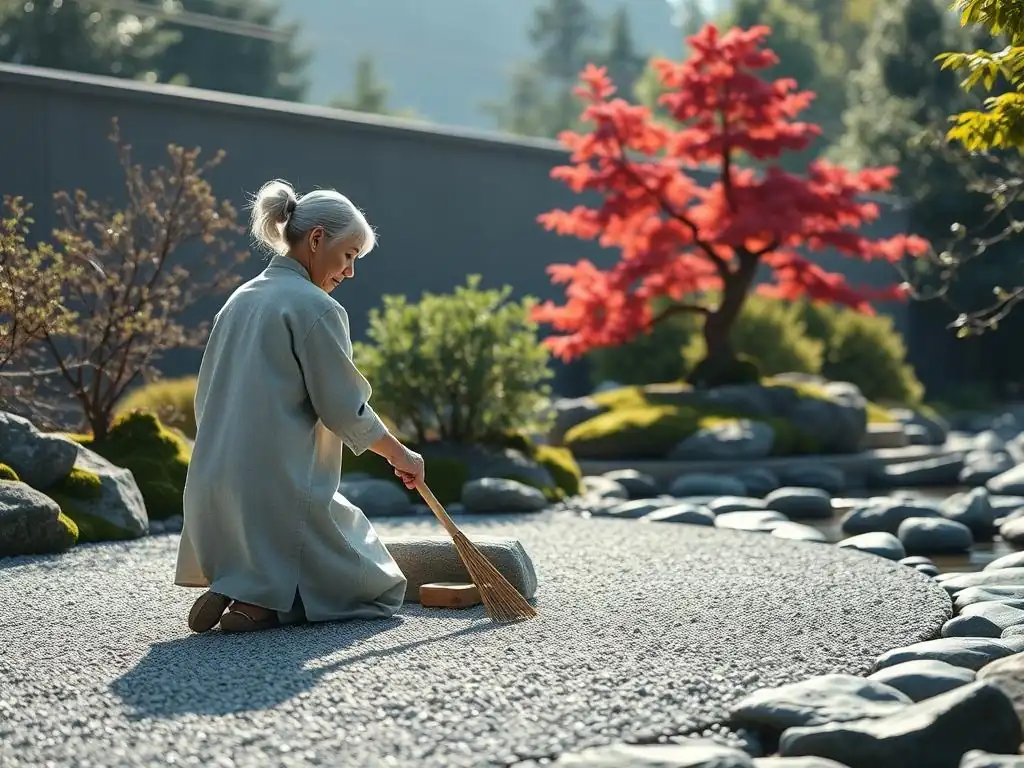
Gentle Walking and Hiking in Nature Trails
Walking is one of the most accessible and beneficial forms of exercise for seniors, and doing so in a natural setting amplifies its positive effects on mental health. Gentle walks on well-maintained nature trails offer a safe way to engage in physical activity while simultaneously immersing oneself in a calming environment. The rhythm of walking can be meditative, and the changing scenery provides gentle stimulation without being overwhelming.
Studies have shown that walking in nature can reduce rumination (repetitive negative thoughts), a common symptom of depression and anxiety. For instance, research from Stanford University found that a 90-minute walk in nature decreased activity in a region of the brain associated with depression compared to walking in an urban environment.
Choosing trails that are relatively flat, wide, and have places to rest is crucial for ensuring safety and enjoyment for older adults. Many parks and nature preserves offer trails specifically designed with accessibility in mind. Walking with a companion, whether a friend, family member, or part of a walking group, also adds a valuable social component, combating isolation and increasing motivation. Regular gentle walks in nature not only improve cardiovascular health and balance but also provide a consistent opportunity to boost mood, reduce stress, and connect with the natural world, significantly contributing to outdoor mental health for seniors.
Gardening and Horticulture Therapy for Seniors
Gardening is a highly therapeutic activity that offers numerous benefits for senior mental health. The act of nurturing plants provides a sense of purpose and accomplishment, which can be particularly meaningful for individuals who may feel less productive in other areas of their lives. Working with soil and plants is also a sensory experience, engaging touch, smell, and sight in a calming and grounding way.
Horticulture therapy programs, which use gardening activities to achieve specific therapeutic goals, have been shown to reduce symptoms of depression and anxiety, improve social interaction, and enhance cognitive function in older adults. For example, a program at a senior living facility found that residents participating in gardening therapy reported a significant decrease in feelings of loneliness and an increase in feelings of happiness over a six-month period.
Gardening can be adapted to various physical abilities, from tending raised beds or container gardens to simply caring for houseplants. It encourages gentle physical activity, improves fine motor skills, and provides exposure to sunlight and fresh air. The cyclical nature of gardening—planting, growing, and harvesting—offers a connection to natural rhythms and a sense of continuity. Whether in a community garden, a backyard plot, or a small balcony space, gardening provides a rewarding and therapeutic way for seniors to engage with nature and cultivate their outdoor mental health.
Birdwatching and Wildlife Observation for Mental Stimulation
Birdwatching and observing other wildlife offer a peaceful yet mentally stimulating way for seniors to connect with the outdoors. This activity encourages patience, observation skills, and curiosity. Learning to identify different species of birds or animals requires focus and memory, providing a gentle cognitive workout.
It can be enjoyed from a park bench, a backyard window, or during a gentle walk. The element of discovery and the beauty of observing animals in their natural habitat can evoke feelings of wonder and joy. According to the National Audubon Society, birdwatching is a popular pastime for seniors, and its accessible nature makes it suitable for varying levels of mobility.
Beyond cognitive benefits, birdwatching and wildlife observation can also foster a sense of connection to the local environment and the broader natural world. Joining local birdwatching groups can provide social opportunities and a sense of community around a shared interest. Even simply noticing the birds at a feeder or the squirrels in a park can provide moments of mindfulness and positive engagement with the present moment. This quiet form of nature engagement is a wonderful way to enhance outdoor mental health for seniors, offering relaxation, stimulation, and a deeper appreciation for the living world around them.
Combining the benefits of social interaction with the therapeutic effects of nature is a powerful strategy for enhancing senior mental health. Organizing or participating in outdoor social gatherings, such as picnics in the park, group walks, or coffee meetups in a garden setting, provides opportunities for connection in a relaxed and uplifting environment. Being in nature can facilitate conversation and reduce social anxiety for some individuals. For instance, a study published in Ecopsychology found that group walks in nature were associated with significantly lower levels of depression and stress compared to indoor group activities.
Community gardens offer another excellent opportunity for social engagement outdoors. Working alongside others on a shared plot fosters camaraderie and provides a sense of shared purpose. Many senior centers and community organizations host outdoor events specifically for older adults, ranging from outdoor exercise classes to nature photography groups. These activities not only combat loneliness but also encourage physical activity and provide exposure to nature, creating a synergistic effect that strongly supports outdoor mental health for seniors.
Creating Accessible Outdoor Environments for Seniors
Designing Senior-Friendly Gardens and Parks
Creating outdoor spaces that are specifically designed with the needs of older adults in mind is crucial for promoting their access and enjoyment. Senior-friendly gardens and parks prioritize safety, comfort, and ease of use. This includes features like wide, smooth, and non-slip pathways that can accommodate walkers or wheelchairs, with gradual slopes rather than steep inclines. Ample seating areas with sturdy benches and backrests are essential, placed strategically in both sunny and shaded spots. Raised garden beds or vertical gardens can make gardening activities accessible for those with limited mobility or difficulty bending.
Good lighting, especially along pathways, is important for safety during early morning or late evening hours. Clear signage with large print helps with navigation. Incorporating sensory elements like fragrant plants, textured surfaces, and features that attract birds or butterflies can enhance the experience. Designing these spaces thoughtfully ensures that physical limitations are not barriers, allowing seniors to fully benefit from the therapeutic qualities of outdoor environments and improving their outdoor mental health.
Ensuring Safety and Accessibility in Outdoor Spaces
Beyond design features, maintaining safety and accessibility in all outdoor spaces frequented by seniors is paramount. This involves regular inspection and maintenance of pathways, removing tripping hazards like loose paving stones or overgrown roots. Handrails should be installed on ramps and stairs where present. Adequate security measures, such as emergency call buttons or visible staff presence in larger parks, can provide peace of mind. Ensuring accessible restrooms are available is also a practical necessity.
Transportation to and from outdoor locations is another critical aspect of accessibility. Providing shuttle services or coordinating carpools can help seniors who do not drive or have limited access to public transportation. Information about the accessibility features of different parks and trails should be readily available. Prioritizing safety and removing logistical barriers are essential steps in ensuring that older adults feel confident and able to access and enjoy the outdoors, thereby supporting their outdoor mental health.
Adaptive Equipment and Assistive Technologies for Outdoor Activities
Adaptive equipment and assistive technologies can significantly empower seniors with physical limitations to participate more fully in outdoor activities. For walking and hiking, trekking poles or specialized canes can provide stability and support. Lightweight, foldable seating options allow individuals to rest whenever needed. For gardening, adaptive tools with ergonomic handles, long reaches, or kneeling pads can make tasks easier and more comfortable. Scooters or wheelchairs designed for outdoor terrain can open up access to trails and parks that might otherwise be inaccessible.
Wearable devices that can detect falls or provide GPS tracking can offer an extra layer of safety, both for the senior and their caregivers. Assistive technologies like voice-activated apps can help with identifying plants or birds. Providing information about where to find and how to use such equipment is vital. By leveraging these tools, seniors can overcome physical challenges and engage more independently and safely with the natural world, enhancing their ability to benefit from outdoor mental health initiatives.
Overcoming Barriers to Outdoor Access for Older Adults
Addressing Transportation Issues for Seniors
Transportation is one of the most significant barriers preventing seniors from accessing outdoor spaces and participating in community activities. Many older adults either do not drive or find it increasingly difficult or unsafe to do so. Public transportation may not be accessible or convenient, particularly in suburban or rural areas. Lack of affordable and reliable transport options limits their ability to get to parks, gardens, or nature trails. A survey by the AARP Foundation found that transportation was a major barrier for many seniors trying to access essential services and community resources.
Solutions to transportation challenges can include expanding or subsidizing senior-specific transportation services, coordinating volunteer driver programs, or partnering with ride-sharing services to offer discounted fares for seniors. Encouraging family members and caregivers to provide transportation is also crucial. Community initiatives that bring nature experiences closer to where seniors live, such as developing pocket parks or community gardens within walking distance of senior housing, can also help circumvent transportation needs, directly supporting access to outdoor mental health benefits.
Combating Fear of Falling and Outdoor Safety Concerns
Fear of falling is a very real and limiting concern for many older adults, often leading them to avoid activities outside the home, including spending time outdoors. Uneven surfaces, slippery paths after rain, or poor lighting can all contribute to this fear. Beyond falling, concerns about personal safety, such as crime or getting lost, can also deter seniors from venturing out. These fears, whether based on past experiences or general anxiety, can lead to significant social isolation and a decline in physical activity, negatively impacting outdoor mental health for seniors.
Addressing the fear of falling involves several strategies. Promoting balance exercises and strength training can improve confidence and reduce the actual risk of falls. Using assistive devices like canes or walkers can provide stability. Choosing well-maintained, flat, and familiar outdoor spaces initially can help build confidence. Education about fall prevention and outdoor safety tips is also important. For safety concerns, encouraging seniors to go out with a companion, providing information about safe times and locations, and ensuring adequate lighting and security in public spaces can help alleviate anxieties and encourage greater outdoor engagement.
Weather conditions can pose significant challenges for seniors wanting to spend time outdoors. Extreme heat, cold, humidity, rain, or snow can make outdoor activities uncomfortable or even unsafe, particularly for those with certain health conditions. This means that access to outdoor mental health benefits can become highly seasonal in many climates, limiting consistent engagement throughout the year. For example, seniors with respiratory issues may struggle with poor air quality during hot, humid summers, while icy conditions in winter pose a high risk of falls.
Strategies for managing weather-related barriers include planning outdoor activities for the most favorable times of day (e.g., early morning or late afternoon in summer). Dressing appropriately for the weather is essential, with layers in cooler months and sun protection in warmer months.
Having alternative indoor nature experiences available, such as conservatories, botanical gardens, or even indoor gardening projects, can provide continuity during inclement weather. Adapting activities – shorter walks on hot days, or focusing on birdwatching from a sheltered spot during light rain – allows for continued, albeit modified, engagement with nature regardless of the season, supporting year-round outdoor mental health for seniors.
The Role of Caregivers and Families in Promoting Outdoor Mental Health
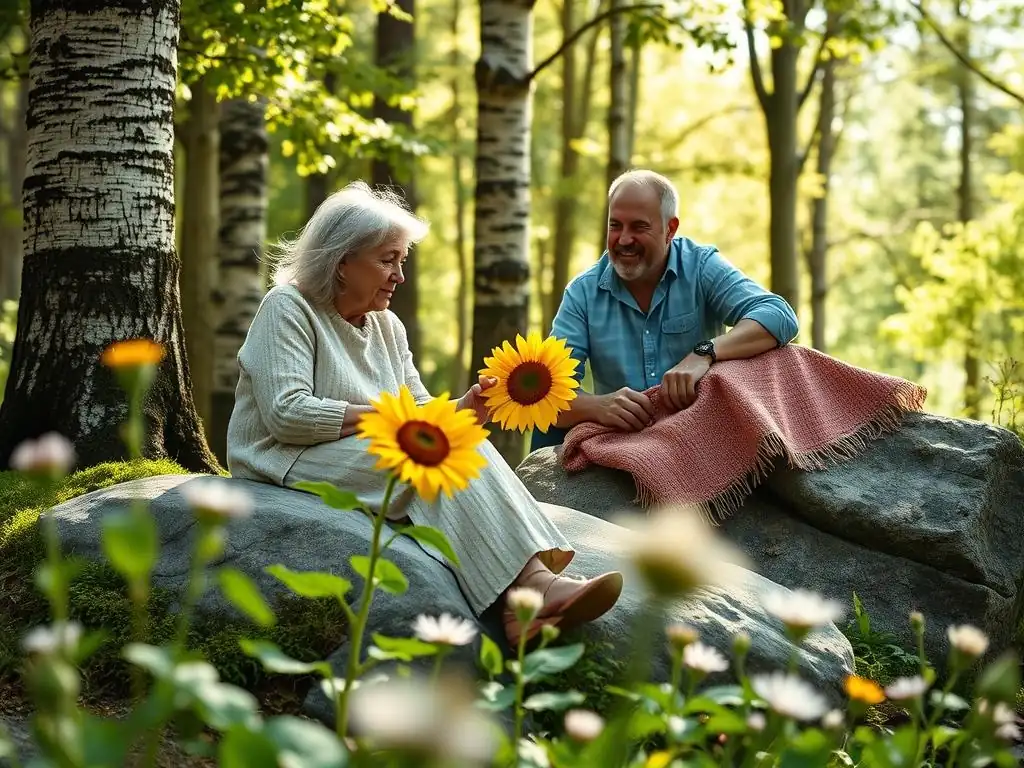
Encouraging Outdoor Activities and Providing Support
Caregivers and family members play a vital role in facilitating seniors' access to and engagement with the outdoors. Their encouragement can be the crucial factor that motivates an older adult to leave the house. Simply suggesting a walk in the park, helping with gardening tasks, or planning an outdoor picnic can make a significant difference. Providing practical support, such as helping with dressing appropriately for the weather, ensuring necessary medications are taken, or packing snacks and water, removes potential barriers.
Offering companionship during outdoor activities is also incredibly valuable. Walking together, sitting and chatting on a bench, or simply sharing the experience of being in nature strengthens bonds and makes the activity more enjoyable and less intimidating. Caregivers can also research and identify accessible local parks and programs suitable for the senior's abilities and interests. Their active participation and support are fundamental to helping seniors overcome reluctance or physical limitations and consistently benefit from outdoor mental health opportunities.
Adapting Activities to Meet Individual Needs and Abilities
Recognizing that each senior has unique needs, abilities, and preferences is key to successfully promoting outdoor engagement. Caregivers and families should work with the senior to identify activities that are both enjoyable and physically feasible. This might mean starting with very short periods outdoors, perhaps just sitting on a patio or porch, and gradually increasing the duration. For those with limited mobility, activities like birdwatching from a window or tending to indoor plants can still offer a connection to nature.
Adapting activities also involves being flexible and creative. If walking is difficult, perhaps a scenic drive to a park with accessible viewing points is an option. If gardening is too strenuous, maybe simply watering plants or harvesting is manageable. Using adaptive equipment as discussed earlier is also part of this process. The goal is to find ways for the senior to interact with nature in a manner that is safe, comfortable, and personally meaningful, ensuring they can experience the benefits of outdoor mental health regardless of their limitations.
Recognizing and Addressing Resistance to Outdoor Engagement
Sometimes seniors may express resistance to going outdoors, stemming from various reasons such as fear of falling, feeling unwell, lack of motivation, or simply being set in their routine. Caregivers and families need to approach this resistance with empathy and patience, trying to understand the underlying cause. Pushing too hard can be counterproductive. Open communication is essential; ask about their concerns and validate their feelings.
Addressing resistance might involve starting with very small, low-pressure steps, like just opening a window or sitting by a door with a view of nature. Offering choices and involving the senior in planning the activity can give them a sense of control. Highlighting the specific benefits they might enjoy, such as seeing favorite birds or feeling the sun on their skin, can be persuasive.
For example, sharing a positive memory of a past outdoor experience might spark interest. If fear of falling is the issue, focusing on highly accessible, safe spaces and offering steady support can help build confidence. Persistence, combined with understanding and flexibility, is often necessary to help seniors overcome reluctance and embrace the benefits of outdoor mental health.
Integrating Nature into Senior Living Facilities and Communities
Creating Outdoor Spaces within Retirement Communities
Senior living facilities and retirement communities have a unique opportunity and responsibility to integrate nature into their environments, making outdoor mental health easily accessible to residents. Designing and maintaining inviting and functional outdoor spaces is paramount. This includes creating landscaped gardens with walking paths, comfortable seating areas, and perhaps features like fountains or bird feeders. Courtyards and patios attached to common areas or individual units provide convenient access to fresh air and natural light.
These outdoor spaces should be designed with universal accessibility in mind, featuring smooth, level surfaces, handrails, and ample lighting. Incorporating raised garden beds allows residents to participate in gardening activities regardless of mobility. Creating shaded areas is essential for comfort during warmer months. By making nature an integral part of the living environment, these facilities can significantly enhance residents' quality of life, providing daily opportunities to connect with the outdoors and support their outdoor mental health.
Implementing Nature-Based Programs and Activities
Beyond simply providing the spaces, senior living facilities can actively promote outdoor mental health by implementing structured nature-based programs and activities. This could include guided nature walks, outdoor exercise classes (like tai chi or gentle yoga in the garden), birdwatching groups, or gardening clubs. Art therapy or mindfulness sessions can be conducted outdoors when weather permits. Bringing live plants or natural elements indoors, such as seasonal decorations made from natural materials, can also help connect residents with nature.
These programs offer not only the direct benefits of nature exposure but also provide valuable opportunities for social interaction and cognitive stimulation. For example, a weekly gardening club can foster friendships and provide a sense of shared purpose. A nature photography group can encourage residents to observe their surroundings closely. By offering a variety of engaging, nature-focused activities, facilities can cater to diverse interests and abilities, making outdoor mental health a vibrant and accessible part of community life.
The Benefits of Green Walls and Indoor Plants
Even when outdoor access is limited by weather, mobility, or health, incorporating nature elements indoors can still provide significant mental health benefits for seniors. Green walls, or vertical gardens, in common areas or dining rooms bring the calming presence of plants into indoor spaces. Studies have shown that even viewing images of nature can have a positive impact on mood and stress levels, so having actual plants present is even more beneficial. Indoor plants help improve air quality, which can be particularly important in enclosed environments.
Encouraging residents to care for individual houseplants in their rooms also provides a sense of responsibility and connection to living things. The simple act of watering a plant or watching it grow can be therapeutic. Facilities can offer plant care workshops or provide small plants to residents. While not a replacement for outdoor time, integrating green elements into indoor spaces provides a continuous, accessible connection to nature's restorative power, contributing to residents' overall well-being and supporting their outdoor mental health even when they are inside.
Outdoor Mental Health Programs and Resources for Seniors
Local Parks and Recreation Programs
Local parks and recreation departments are excellent resources for promoting outdoor mental health for seniors. Many offer programs specifically designed for older adults, such as guided walks, senior fitness classes held in parks, or nature appreciation groups. These programs often take place in easily accessible locations and are tailored to varying levels of physical ability. Checking the website or calling the local parks department can reveal a wealth of opportunities, often at low or no cost.
These programs not only provide structured ways to engage with nature but also offer valuable social opportunities. Participating in a group activity can make going outdoors feel safer and more enjoyable. Park facilities often include accessible trails, benches, and restrooms, making them senior-friendly destinations. Utilizing these local resources is a practical and effective way for seniors to access the benefits of outdoor mental health and stay active and connected within their community.
Senior Centers and Community Organizations
Senior centers and various community organizations frequently offer programs and activities that involve spending time outdoors. This might include group outings to botanical gardens, nature preserves, or local farms. Many centers organize walking groups or have garden plots available for residents. Some may partner with local environmental groups to offer nature education programs. These organizations often provide transportation, removing a significant barrier for many seniors.
Joining activities offered by senior centers or community groups provides a built-in social network, making outdoor experiences more engaging and less isolating. These groups often cater specifically to the interests and physical capabilities of older adults. Exploring the offerings of local senior centers or community organizations is a great way to find structured, supported opportunities to connect with nature and enhance outdoor mental health.
Online Resources and Support Groups
While the focus is on being outdoors, online resources and support groups can play a supportive role in promoting outdoor mental health for seniors. Websites and blogs dedicated to senior health and wellness often feature articles, tips, and guides on enjoying nature safely and effectively. Online communities or forums can connect seniors with others who share an interest in outdoor activities, providing motivation and sharing experiences. For instance, groups focused on birdwatching or gardening often have online components where members share sightings or tips.
Online platforms can also provide information about accessible trails, local nature programs, and weather forecasts. Virtual nature experiences, such as live webcams of nature scenes or virtual tours of national parks, can offer a connection to the outdoors when physical access is not possible. While not a substitute for real-world nature exposure, these online resources can educate, inspire, and connect seniors, complementing their efforts to engage with the outdoors and support their outdoor mental health.
Conclusion: Embracing Nature for a Healthier and Happier Senior Life
The Long-Term Benefits of Outdoor Mental Health for Seniors
Embracing outdoor mental health is not just about enjoying a sunny afternoon; it's an investment in long-term well-being during the senior years. Consistent engagement with nature offers cumulative benefits that can profoundly impact quality of life. Over time, regular exposure to green spaces can lead to sustained reductions in stress and anxiety, more stable moods, and potentially slower rates of cognitive decline. The physical activity associated with outdoor pursuits, even gentle ones, contributes to better physical health, which in turn supports mental resilience.
Moreover, prioritizing outdoor time fosters a deeper connection to the environment and the community. Participation in outdoor groups or activities can combat loneliness and build a strong social network. As seniors navigate the challenges of aging, having access to the restorative power of nature provides a constant source of comfort, joy, and vitality. Making outdoor engagement a regular part of life contributes significantly to aging gracefully, fostering a sense of purpose, peace, and continued growth.
Mind Care Guide: Your Partner in Promoting Senior Well-being Through Nature
Mind Care Guide is committed to being a valuable resource for seniors, their families, and caregivers seeking to understand and harness the power of nature for mental well-being. We aim to provide reliable information, practical tips, and inspiration to help older adults connect with the outdoors in ways that are safe, accessible, and enriching. We believe that every senior deserves the opportunity to experience the therapeutic benefits that nature offers.
Whether you are a senior looking for new ways to stay active and engaged, a family member seeking ways to support a loved one, or a caregiver in a senior living setting, Mind Care Guide is here to help you explore the possibilities of outdoor mental health for seniors. By embracing the healing power of nature, we can work together to ensure that the senior years are filled with greater peace, happiness, and connection to the world around us.
Frequently Asked Questions
What are the benefits of outdoor activities for senior mental health?
Engaging in outdoor activities can significantly enhance mood, reduce stress, and promote social connections among seniors, leading to improved overall mental well-being.
How does nature impact cognitive function in seniors?
Exposure to nature has been shown to boost cognitive function, enhance memory, and improve attention span, making it a valuable aspect of mental health for seniors.
What types of outdoor activities are recommended for seniors?
Seniors can benefit from a variety of outdoor activities such as walking, gardening, or participating in nature walks, which all promote physical health alongside mental wellness.
Are there specific mental health challenges that outdoor activities can help address in seniors?
Yes, outdoor activities can effectively help combat depression, anxiety, and feelings of isolation, which are common mental health challenges faced by seniors.
How can caregivers encourage seniors to spend more time outdoors?
Caregivers can motivate seniors by organizing group outings, suggesting nature-based hobbies, or simply accompanying them on walks, making the experience enjoyable and supportive.
Final Reflection: Embracing the Golden Years in Nature's Embrace
The undeniable link between outdoor activity and improved mental well-being in seniors is not merely a trend; it's a vital pathway to a richer, more fulfilling later life. Our exploration of nature's therapeutic benefits for older adults reveals a powerful antidote to the often-overlooked mental health challenges associated with aging. This isn't just about physical exercise; it's about fostering a deeper connection with the world, promoting cognitive sharpness, and cultivating a sense of peace and purpose.
The impact of nature on our mental state, particularly as we age, is profound and far-reaching. It's a subtle yet pervasive influence, shaping our moods, fostering resilience, and even impacting our social connections. We've seen how simple activities like gardening, birdwatching, or even a gentle stroll through a park can significantly improve mood, reduce stress, and combat feelings of isolation. As the poet Mary Oliver so eloquently put it: To pay attention, this is our endless and proper work.
This attentiveness to the natural world, this mindful engagement, is a gift we can offer ourselves, and especially to our aging loved ones.
Now, consider your own relationship with the outdoors. How can you integrate more nature into your life, or the lives of the seniors you care about? Perhaps it's a daily walk in a local park, a weekend gardening project, or simply taking a moment to appreciate the beauty of a sunrise. Embrace the transformative power of nature; let it nurture your spirit, sharpen your mind, and enrich your golden years. The journey towards aging gracefully begins with a single step—a step taken outdoors, into the embrace of nature's healing touch.
Unlock Your Outdoor Potential: Embrace Nature's Rejuvenation
Thanks for taking the time to explore the incredible ways nature can boost your mental well-being as you age! We hope you gained valuable insights into the power of the outdoors. Now it's time to put that knowledge into action.
- Prioritize one outdoor activity this week: Whether it's a gentle walk in the park, tending a small garden, or simply sitting under a tree, dedicate time to connecting with nature. This is your primary step towards a more vibrant, fulfilling life.
- Share your favorite outdoor spot: Inspire others by sharing a photo or description of your happy place in the comments below! Let's build a supportive community of nature-lovers.
- Explore a new nature trail near you: Expand your horizons and discover the hidden gems in your local area. You might find your next favorite spot for relaxation and rejuvenation.
Ready to embrace the transformative power of nature? What small step will you take today to nurture your mind and spirit outdoors?