
Boost Your Mood Naturally: Relaxation and Mindfulness for Emotional Wellbeing

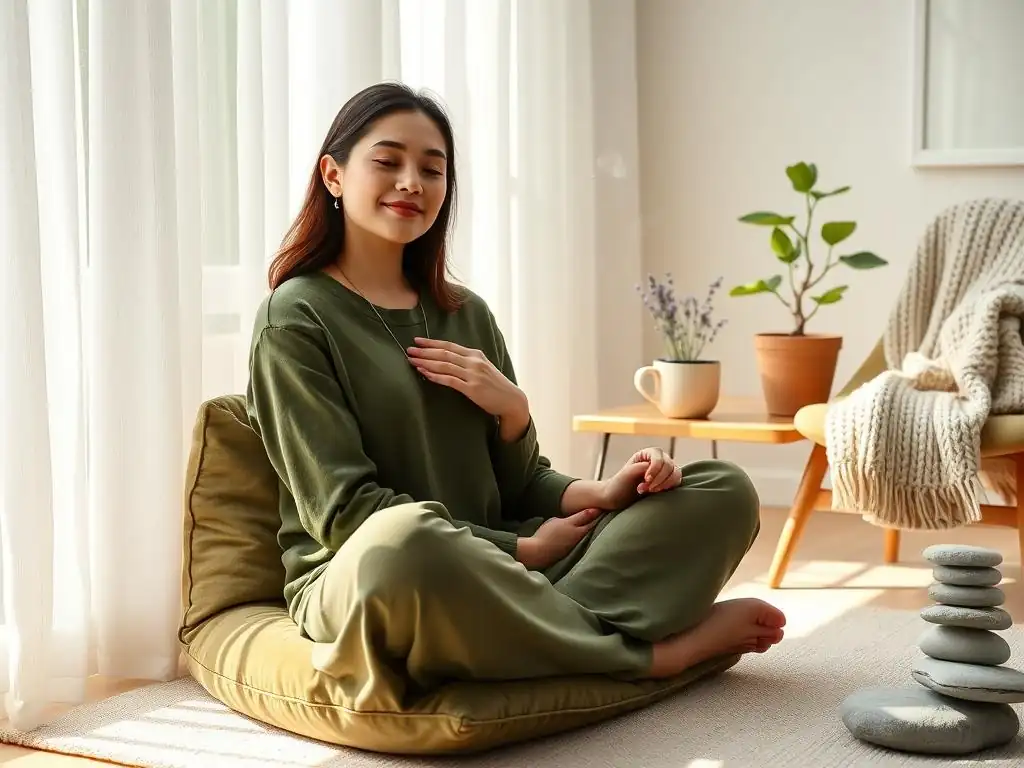
Welcome to Mind Care Guide, a safe space dedicated to nurturing your mental well-being. Feeling overwhelmed? Know that you're not alone. This week, we delve into natural mood boosting techniques – simple, yet powerful strategies to reclaim your inner peace. Curious how relaxation and mindfulness can transform your emotional landscape? Read on to discover practical ways to lift your spirits and cultivate a brighter outlook.
Boost Your Mood Naturally: Relaxation and Mindfulness for Emotional Wellbeing
- Introduction: The Power of Natural Mood Boosting Techniques
- Relaxation Techniques for Immediate Mood Improvement
- Mindfulness Practices for Long-Term Emotional Wellbeing
- Combining Relaxation and Mindfulness for Optimal Results
- The Science Behind Natural Mood Enhancement
- Overcoming Challenges in Practicing Relaxation and Mindfulness
- Additional Resources for Natural Mood Boosting
- Conclusion: Embracing Natural Mood Boosting Techniques for a Happier, Healthier You
-
Frequently Asked Questions
- How can relaxation techniques help improve my mood?
- What is mindfulness, and how does it relate to mood boosting?
- Are there specific relaxation exercises recommended for quick mood improvement?
- How often should I practice relaxation and mindfulness for sustained mood benefits?
- Can relaxation and mindfulness replace professional mental health treatment?
- Final Reflection: Cultivating Inner Peace for a Brighter Tomorrow
- Unlock Your Inner Calm: Start Your Journey to Wellbeing Today!
Introduction: The Power of Natural Mood Boosting Techniques
Understanding Emotional Wellbeing and its Importance
Emotional wellbeing is a vital component of overall health, encompassing our ability to manage feelings, cope with challenges, build strong relationships, and make sound decisions. It's not merely the absence of negative emotions but the presence of positive ones and the resilience to navigate life's ups and downs effectively. Prioritizing emotional health through natural mood boosting techniques can lead to greater life satisfaction, improved physical health, and enhanced cognitive function. When our emotional state is balanced, we are better equipped to handle stress, maintain focus, and engage meaningfully with the world around us.
Investing time and effort in understanding and nurturing our emotional state is crucial. Poor emotional wellbeing can manifest in various ways, including increased anxiety, persistent sadness, irritability, and difficulty concentrating. Research consistently shows a strong link between emotional health and physical health; chronic stress and negative emotional states can contribute to issues like heart disease, weakened immune function, and digestive problems. Therefore, exploring natural mood boosting techniques is not just about feeling better in the moment, but about building a foundation for long-term health and resilience.
Why Choose Natural Methods for Mood Enhancement?
Choosing natural methods for mood enhancement offers a gentle yet powerful approach to improving emotional wellbeing without relying on external substances or pharmaceuticals. These techniques, rooted in practices like relaxation and mindfulness, empower individuals to tap into their body's innate ability to regulate emotions and reduce stress. They provide sustainable strategies for managing daily pressures and cultivating a more positive outlook, making them excellent natural mood boosting techniques accessible to almost anyone.
Moreover, natural methods often come with fewer side effects compared to pharmacological interventions and can be integrated into daily life as preventative measures or coping tools. Techniques such as deep breathing or mindful movement can be practiced anytime, anywhere, offering immediate relief when needed. Embracing these natural mood boosting techniques fosters a sense of self-efficacy, giving individuals agency over their emotional state and promoting a deeper connection with themselves.
Relaxation Techniques for Immediate Mood Improvement
Deep Breathing Exercises: Your First Step to Calmness
Deep breathing exercises are among the most accessible and effective natural mood boosting techniques available. By consciously controlling your breath, you activate the body's relaxation response, counteracting the fight-or-flight response triggered by stress. This simple act can quickly lower your heart rate, reduce blood pressure, and calm a racing mind, offering immediate relief from feelings of anxiety or overwhelm. Practicing deep breathing regularly can also improve your body's stress tolerance over time.
The physiological impact of deep breathing is well-documented. When you breathe deeply and slowly, you increase oxygen supply to your brain and stimulate the parasympathetic nervous system, which promotes relaxation. This shift in your nervous system helps interrupt the cycle of stress-induced negative thoughts and physical tension, making it a fundamental practice for boosting mood naturally. Even just a few minutes of focused deep breathing can make a noticeable difference in your emotional state.
How to Perform Box Breathing for Anxiety Relief
Box breathing, also known as square breathing, is a simple yet powerful technique for anxiety relief and a prime example of natural mood boosting techniques. It involves inhaling for a count of four, holding the breath for a count of four, exhaling for a count of four, and holding the breath out for a count of four, creating a "box" pattern with your breath cycle. To perform it, find a comfortable seated or lying position.
Begin by slowly exhaling all the air from your lungs. Then, inhale deeply and slowly through your nose for a count of four, feeling your belly rise. Hold your breath gently for a count of four. Exhale slowly through your mouth for a count of four, pushing the air out completely. Hold your breath out for a count of four before inhaling again. Repeat this cycle for several minutes, focusing solely on your breath and the counts. This structured rhythm helps to quiet mental chatter and anchor you in the present moment, effectively reducing anxiety and boosting mood naturally.
Benefits of Regular Deep Breathing Practice
Regular deep breathing practice offers a wide array of benefits for both mental and physical health, solidifying its place among effective natural mood boosting techniques. Consistent practice can lead to reduced levels of stress hormones like cortisol, which in turn can alleviate symptoms of anxiety and depression. For example, a study involving adults with generalized anxiety disorder showed that breathing exercises significantly reduced self-reported anxiety scores over several weeks. Beyond stress reduction, deep breathing improves focus and concentration by calming the nervous system and clearing the mind.
Furthermore, incorporating deep breathing into your routine can enhance your body's ability to manage stress proactively. It can lower resting heart rate and blood pressure over time, contributing to cardiovascular health. People who regularly practice deep breathing often report better sleep quality, improved digestion, and a greater sense of calm and control in their daily lives. These cumulative benefits make deep breathing an indispensable tool for anyone seeking natural mood boosting techniques.
Progressive Muscle Relaxation: Releasing Tension and Boosting Mood
Progressive Muscle Relaxation (PMR) is a technique that involves tensing and then releasing different muscle groups in the body. This systematic process helps you become more aware of physical tension and learn how to release it, which in turn can alleviate mental stress and improve your mood. Our bodies often hold stress in the form of muscle tension, and by consciously releasing this tension, we send a signal of relaxation to the brain, making it a powerful natural mood boosting technique.
PMR is particularly effective because it addresses the physical manifestation of stress directly. By focusing sequentially on different parts of the body, from your feet up to your head, you gain a deeper understanding of where you hold tension and how to consciously let it go. This practice not only reduces physical discomfort but also calms the mind, as focusing on the physical sensations distracts from worry and negative thoughts, contributing significantly to boosting mood naturally.
Step-by-Step Guide to Progressive Muscle Relaxation
To practice Progressive Muscle Relaxation, find a quiet place where you can sit or lie down comfortably without interruption. Close your eyes if you wish. Start by focusing on your feet. Tense the muscles in your feet as tightly as you can for about 5-10 seconds, then release the tension completely, noticing the sensation of relaxation. Rest for 15-20 seconds before moving to the next muscle group.
Work your way up the body, tensing and releasing each major muscle group: calves, thighs, buttocks, abdomen, chest, back, hands, arms, shoulders, neck, and face (forehead, eyes, jaw). For each group, tense for 5-10 seconds, release, and rest for 15-20 seconds. Pay close attention to the contrast between the feeling of tension and the feeling of relaxation. This systematic approach helps you identify and release stored stress, serving as an effective method for boosting mood naturally.
Combining Progressive Muscle Relaxation with Mindfulness
Combining Progressive Muscle Relaxation with mindfulness enhances its effectiveness as a natural mood boosting technique. While PMR focuses on the physical release of tension, mindfulness adds an element of present-moment awareness. As you tense and release each muscle group, bring your full attention to the physical sensations – the feeling of tightness, the warmth, the tingling, and the eventual release.
Instead of just going through the motions, mindfully observe the sensations without judgment. Notice how the tension feels, how the release feels, and how the body responds. This combination deepens the relaxation experience and helps cultivate a stronger mind-body connection. Integrating mindfulness into PMR allows you to not only release physical tension but also to quiet mental chatter and fully immerse yourself in the experience of relaxation, further supporting your goal of boosting mood naturally.
Visualization: Harnessing the Power of Your Imagination for a Positive Mood
Visualization, or guided imagery, is a powerful natural mood boosting technique that uses your imagination to create calming and positive mental images. By mentally transporting yourself to a peaceful place or imagining a desired outcome, you can influence your emotional state and reduce stress. This technique taps into the strong connection between the mind and body, showing how simply imagining a relaxing scene can trigger physiological responses associated with calmness.
The effectiveness of visualization lies in the brain's inability to distinguish fully between a vivid imagination and reality. When you vividly imagine a peaceful scene, your brain and body respond as if you are actually there, leading to a decrease in stress hormones and an increase in feelings of wellbeing. This makes visualization an accessible and versatile tool for boosting mood naturally, whether you need a quick escape from stress or a way to cultivate a more positive mindset.
Creating a Relaxing Beach Scene Mental Image
A classic and effective visualization involves creating a relaxing beach scene. Find a comfortable position, close your eyes, and take a few deep breaths to relax your body. Begin to imagine yourself standing on a beautiful, secluded beach. Engage all your senses in the imagery. Feel the warm sand between your toes. Hear the gentle rhythm of the waves lapping against the shore. Smell the salty air and maybe the scent of nearby tropical flowers. See the vibrant blue of the ocean meeting the clear sky, the fluffy white clouds drifting by.
Imagine the warmth of the sun on your skin, the gentle breeze against your face. As you walk along the shoreline, notice the details – the colorful seashells, the footprints in the sand, the distant cry of a seagull. Allow yourself to fully immerse in this peaceful environment.
Imagine your worries and tensions being carried away by the tide or dissolving into the vastness of the ocean. Stay in this scene for as long as you need, breathing deeply and allowing the tranquility of the beach to wash over you. This vivid mental escape is a potent method for boosting mood naturally.
Using Visualization to Reduce Stress and Anxiety
Beyond creating peaceful scenes, visualization can be used actively to address specific stressors and reduce anxiety, making it a versatile natural mood boosting technique. For instance, if you're feeling anxious about an upcoming event, you can visualize yourself successfully navigating the situation with confidence and ease. Imagine yourself feeling calm, speaking clearly, and achieving a positive outcome.
Alternatively, you can visualize stress and anxiety as physical objects or colors within your body and then imagine them dissolving, flowing away, or being released with each exhale. For example, you might imagine stress as a dark cloud in your chest and visualize it breaking apart and dissipating with every breath. This technique helps externalize negative feelings and gives you a sense of control over them, effectively reducing their intensity and supporting your efforts in boosting mood naturally.
Mindfulness Practices for Long-Term Emotional Wellbeing
What is Mindfulness and How Can it Improve Your Mood?
Mindfulness is the practice of paying attention to the present moment without judgment. It involves intentionally noticing your thoughts, feelings, bodily sensations, and the world around you with curiosity and acceptance. Unlike relaxation techniques which often aim to reduce immediate tension, mindfulness cultivates a sustained awareness that can profoundly impact long-term emotional wellbeing. By practicing mindfulness, you learn to observe your internal and external experiences without getting swept away by them, which is key to managing challenging emotions and boosting mood naturally over time.
Regular mindfulness practice helps to create space between you and your reactions. Instead of automatically reacting to stress or negative thoughts with anxiety or sadness, you learn to pause, observe the feeling, and choose a more skillful response. This increased self-awareness and emotional regulation capacity makes mindfulness a cornerstone among natural mood boosting techniques for building resilience, reducing rumination, and fostering a greater sense of peace and contentment in daily life.
Mindfulness Meditation: Cultivating Present Moment Awareness
Mindfulness meditation is a formal practice where you intentionally bring your attention to a single point of focus, such as your breath, bodily sensations, or sounds, and gently guide your attention back whenever your mind wanders. This practice is specifically designed to cultivate present moment awareness and is a core component of many natural mood boosting techniques. It trains your mind to be less reactive and more present, which is invaluable for managing stress and improving emotional regulation.
Even short periods of mindfulness meditation, say 5-10 minutes daily, can have significant effects. Consistent practice has been shown in numerous studies to alter brain structure and function in ways that enhance emotional regulation, reduce activity in the amygdala (the brain's fear center), and increase activity in prefrontal cortex areas associated with focus and decision-making. This neurological evidence underscores the power of mindfulness meditation for boosting mood naturally and sustainably.
Guided Body Scan Meditation for Beginners
A Body Scan meditation is an excellent entry point into mindfulness meditation for beginners and a soothing natural mood boosting technique. It involves systematically bringing your attention to different parts of your body, noticing any sensations present without trying to change them. Find a comfortable position, lying down or sitting upright. Close your eyes or soften your gaze.
Begin by bringing your awareness to your feet. Notice any sensations there – warmth, tingling, pressure, coolness. Simply observe whatever is present. Then, gently move your awareness up to your ankles, calves, knees, thighs, and so on, moving through your entire body, including your torso, arms, hands, neck, and head. As you scan each area, breathe naturally and simply notice the sensations. If your mind wanders, gently guide it back to the body part you were focusing on. This practice helps you become more attuned to your body's signals and can release physical tension, contributing to boosting mood naturally.
Benefits of Regular Mindfulness Meditation Practice
Regular mindfulness meditation practice offers a wide range of psychological and physical benefits, making it a cornerstone of natural mood boosting techniques. Studies have demonstrated that consistent meditation can lead to significant reductions in symptoms of depression and anxiety. For example, a meta-analysis of over 47 trials found that mindfulness meditation programs were effective in improving symptoms of anxiety, depression, and stress.
Beyond symptom reduction, regular practice enhances self-awareness, improves focus and attention span, and increases emotional resilience. It can also lead to better sleep, lower blood pressure, and a stronger immune system. By training the mind to be more present and less reactive, mindfulness meditation helps individuals navigate challenges with greater ease and cultivate a more positive and stable emotional state, truly boosting mood naturally over the long term.
Mindful Movement: Connecting with Your Body and Enhancing Mood
Mindful movement involves bringing conscious awareness to the physical sensations of movement. This can range from gentle stretching or yoga to simply walking with attention to your steps and surroundings. Unlike exercising purely for physical fitness, mindful movement emphasizes the experience of moving, connecting your mind and body in a way that can be deeply calming and invigorating. It's a dynamic approach among natural mood boosting techniques that integrates physical activity with present-moment awareness.
Engaging in mindful movement helps release physical tension stored in the body, which is often linked to stress and negative emotions. By focusing on the sensations of movement, you distract the mind from worries and bring your attention to the present, promoting a sense of flow and ease. Activities like mindful walking or gentle yoga can increase endorphins, the body's natural mood elevators, making them effective ways to boost mood naturally.
Gentle Stretching for Stress Reduction and Emotional Balance
Gentle stretching, when performed mindfully, is an excellent way to reduce physical tension and promote emotional balance. As you stretch, pay close attention to the sensations in your muscles – the feeling of elongation, the areas of tightness, and the gradual release. Breathe deeply into the stretch, using your breath to deepen the sensation and facilitate relaxation. Hold each stretch for 20-30 seconds, allowing your body time to release tension.
Mindful stretching can be practiced anywhere and requires no special equipment. Focus on areas where you typically hold stress, such as your neck, shoulders, and hips. As you move through different stretches, notice how your body feels and any shifts in sensation. This practice not only improves flexibility and reduces physical discomfort but also calms the nervous system and brings a sense of grounding, contributing significantly to boosting mood naturally.
Mindful Walking: A Simple Way to Boost Your Mood
Mindful walking transforms an everyday activity into a powerful natural mood boosting technique. Instead of rushing from one place to another or letting your mind wander, bring your full attention to the experience of walking. Notice the sensation of your feet touching the ground, the rhythm of your steps, and the movement of your legs and arms. Pay attention to your posture and how your body feels as you move.
Expand your awareness to include your surroundings. Notice the sights, sounds, and smells around you without judgment. Feel the air on your skin, the sunlight, or the breeze. If your mind starts to plan, worry, or drift, gently guide your attention back to the physical sensations of walking or your environment. Even a 10-15 minute mindful walk can clear your head, reduce stress, and elevate your mood, demonstrating the simplicity and effectiveness of natural mood boosting techniques.
Mindful Eating: Savoring Each Bite and Improving Emotional Wellbeing
Mindful eating is the practice of bringing full attention to the experience of eating and drinking, both internally and externally. It involves noticing the colors, smells, textures, and flavors of your food, as well as paying attention to your body's hunger and fullness cues. This practice can transform your relationship with food and significantly improve emotional wellbeing, serving as a subtle yet powerful natural mood boosting technique.
By slowing down and paying attention while eating, you become more aware of why you are eating (is it hunger, boredom, stress?) and how the food makes you feel physically and emotionally. This awareness can help you make healthier choices, avoid overeating driven by stress or emotions, and cultivate a more positive and less guilt-ridden relationship with food. Engaging your senses during a meal can also be a deeply grounding and pleasurable experience, directly contributing to boosting mood naturally.
Paying Attention to Your Body's Hunger Cues
A key aspect of mindful eating is becoming attuned to your body's physical hunger and fullness cues. In our busy lives, it's easy to eat out of habit, stress, or external cues (like the time of day) rather than true physical hunger. Learn to recognize the subtle signs of hunger, such as a gentle rumbling in your stomach or a slight dip in energy, before you become ravenously hungry.
Similarly, pay attention to the signals that indicate you are comfortably full, not stuffed. This might be a feeling of satisfaction, a lessening of hunger pangs, or a slight shift in the taste of the food. By honoring these internal cues, you nourish your body appropriately and avoid the discomfort and emotional distress that can come from ignoring your body's signals. This practice fosters a sense of self-care and respect for your body, reinforcing natural mood boosting techniques.
Creating a Mindful Eating Routine
Creating a mindful eating routine involves making conscious choices about how and when you eat, integrating it as a regular natural mood boosting technique. Start by dedicating specific, uninterrupted time for meals whenever possible. Turn off distractions like the TV, phone, or computer. Before you begin eating, take a moment to pause and appreciate the food – its appearance, smell, and the effort that went into preparing it.
As you eat, chew slowly and thoroughly, savoring each bite. Put your fork or spoon down between bites. Pay attention to the flavors, textures, and temperatures of the food. Notice how your body feels as you eat – are you feeling satisfied? Still hungry? By making these simple adjustments, you transform eating from a rushed, often unconscious act into a deliberate, nourishing experience that supports both physical health and emotional wellbeing, truly boosting mood naturally.
Combining Relaxation and Mindfulness for Optimal Results
Creating a Personalized Mood Boosting Routine
The most effective approach to boosting mood naturally often involves combining various relaxation and mindfulness techniques into a personalized routine. There's no one-size-fits-all solution; what works best for you depends on your preferences, lifestyle, and the specific challenges you face. Start by experimenting with different techniques discussed – deep breathing, PMR, visualization, body scans, mindful walking, mindful eating – to see which ones resonate most with you and provide the greatest sense of relief or calm.
Once you've identified a few techniques you enjoy, try integrating them into your daily or weekly schedule. Perhaps a 5-minute deep breathing exercise in the morning, a mindful walk during your lunch break, and a 10-minute body scan before bed. The key is consistency and making the routine sustainable. Tailor the duration and frequency of practices to fit your life, recognizing that even short bursts of these natural mood boosting techniques can be beneficial.
Integrating Relaxation and Mindfulness into Your Daily Life
Integrating relaxation and mindfulness into your daily life doesn't require hours of dedicated practice; it's about finding small opportunities to be present and release tension throughout your day. You can practice mindful breathing while waiting in line, do a quick body scan while sitting at your desk, or engage in mindful walking during your commute. These micro-practices add up and help create a continuous thread of awareness and calm.
Think about your daily routine and identify moments where you can intentionally pause and practice one of these natural mood boosting techniques. For example, before starting a challenging task, take three deep breaths. While washing dishes, focus on the feel of the water and the soap. During your commute, practice mindful listening to the sounds around you. By weaving these practices into the fabric of your day, you build resilience and make boosting mood naturally a continuous process rather than an occasional event.
Tracking Your Progress and Adjusting Your Techniques
Tracking your progress is a helpful way to stay motivated and ensure your natural mood boosting techniques are effective. You don't need a complicated system; a simple journal or a note on your phone can suffice. Note down which techniques you practiced, for how long, and how you felt before and after. Over time, you'll start to see patterns and understand which practices have the most significant positive impact on your mood and stress levels.
Regularly review your notes and adjust your routine as needed. Perhaps you find that morning meditation is more beneficial than evening, or that mindful walking helps more with anxiety than deep breathing. Life circumstances also change, and your mood boosting needs might shift. Be flexible and willing to adapt your techniques to best support your emotional wellbeing. This iterative process ensures you are consistently using the most effective natural mood boosting techniques for you at any given time.
The Science Behind Natural Mood Enhancement
How Relaxation Techniques Affect Your Brain and Body
Relaxation techniques like deep breathing and Progressive Muscle Relaxation have a profound impact on your brain and body, providing scientific backing for their role as natural mood boosting techniques. When you engage in these practices, you activate the parasympathetic nervous system, often called the "rest and digest" system. This system counteracts the sympathetic nervous system's "fight or flight" response, which is triggered by stress.
Physiologically, activating the parasympathetic system leads to a decrease in heart rate, lower blood pressure, slower breathing, and reduced levels of stress hormones like cortisol and adrenaline. In the brain, relaxation techniques can decrease activity in areas associated with fear and anxiety, such as the amygdala, while potentially increasing activity in regions related to calm and focus, like the prefrontal cortex. This shift in physiological and neurological activity directly contributes to alleviating stress, reducing anxiety, and boosting mood naturally.
The Role of Mindfulness in Regulating Emotions
Mindfulness plays a crucial role in regulating emotions by changing how we relate to our internal experiences. Through consistent practice, mindfulness trains the brain to be less reactive to negative thoughts and feelings. Instead of immediately identifying with or being overwhelmed by an emotion like sadness or anger, you learn to observe it as a temporary state passing through, like clouds in the sky.
Neuroimaging studies have shown that mindfulness meditation can lead to structural and functional changes in the brain areas involved in emotional regulation, self-awareness, and perspective-taking. For instance, research suggests increased gray matter density in areas like the hippocampus (involved in memory and emotion) and reduced gray matter in the amygdala. This neurological rewiring enhances your ability to manage difficult emotions more effectively, reducing their intensity and duration, and thereby significantly contributing to long-term natural mood boosting techniques.
Overcoming Challenges in Practicing Relaxation and Mindfulness
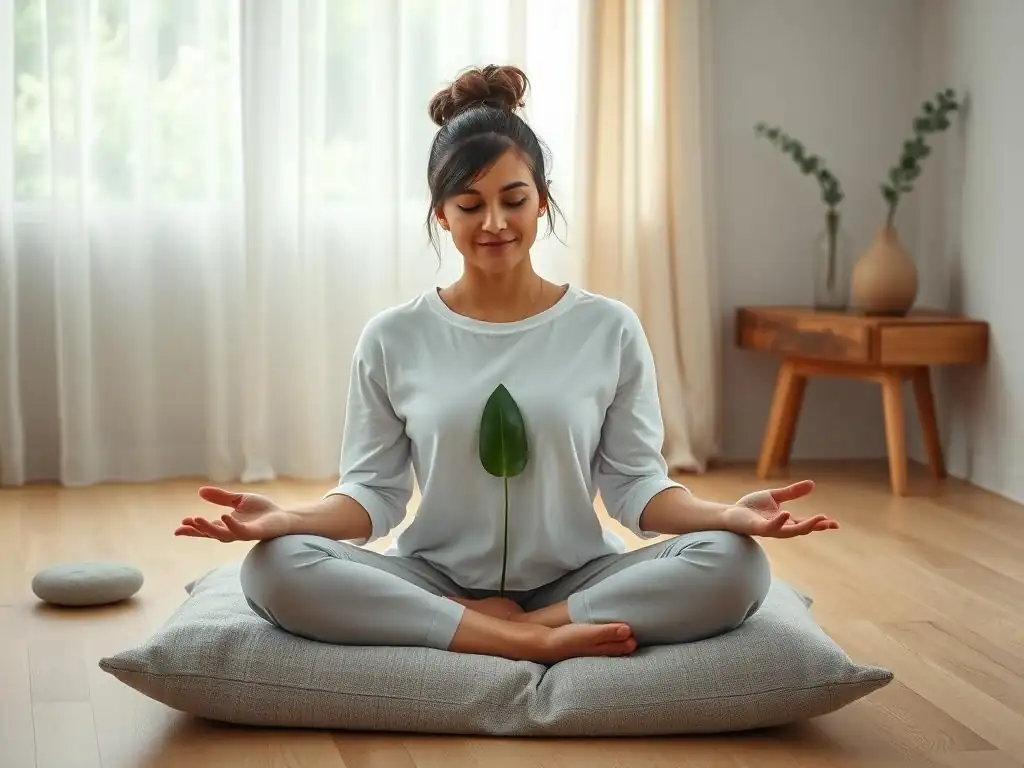
Common Obstacles and Solutions
Embarking on a journey with natural mood boosting techniques like relaxation and mindfulness can present challenges. One common obstacle is finding the time in a busy schedule. Solution: Start small. Even 5-10 minutes a day can make a difference. Integrate practices into existing routines, like a mindful minute before eating or during your commute.
Another challenge is the wandering mind during meditation. Solution: This is completely normal! The practice isn't about stopping thoughts, but noticing when your mind wanders and gently bringing it back. Be patient and non-judgmental with yourself; each time you notice your mind has strayed and return to your focus, you're strengthening your mindfulness muscle.
Feeling like you're "not doing it right" is another frequent barrier. Solution: There's no perfect way to relax or be mindful. The goal is practice, not perfection. Focus on the intention – to be present or to relax – rather than achieving a specific state.
If a technique doesn't feel right, try another. Finding a comfortable position, dealing with distractions, or feeling restless are also common. Solution: Experiment with different positions, use earplugs or find a quiet space, and acknowledge restlessness without letting it derail your practice. Consistency, even imperfect consistency, is key to benefiting from these natural mood boosting techniques.
Staying Consistent with Your Practice
Staying consistent with natural mood boosting techniques is often the biggest hurdle. Life happens, and practice can easily fall by the wayside when stress is high or schedules are packed. To foster consistency, try linking your practice to an existing habit, like brushing your teeth or drinking your morning coffee. For example, commit to two minutes of deep breathing immediately after you finish your coffee.
Setting realistic goals is also crucial. Aiming for daily 30-minute meditations might be unsustainable initially. Start with 5 or 10 minutes and gradually increase the duration as it feels comfortable. Find an accountability partner or join a group. Use apps or guided practices that offer reminders and structure. Most importantly, cultivate self-compassion. If you miss a day or a week, don't view it as a failure. Simply acknowledge it and gently return to your practice when you can. Consistency, even with short durations, builds momentum and reinforces the benefits of these natural mood boosting techniques.
Additional Resources for Natural Mood Boosting
Books, Apps, and Websites for Relaxation and Mindfulness
Numerous resources are available to support your exploration of natural mood boosting techniques. Books offer in-depth knowledge and guidance; popular titles include "Wherever You Go, There You Are" by Jon Kabat-Zinn or "Full Catastrophe Living" which details the Mindfulness-Based Stress Reduction (MBSR) program. These texts provide foundational understanding and practical exercises.
Mobile applications are incredibly convenient tools for guided practices. Apps like Calm, Headspace, Insight Timer, and Ten Percent Happier offer guided meditations, body scans, breathing exercises, and even mindful movement sessions ranging from a few minutes to longer durations. Many offer free content to get you started. Websites from reputable organizations like the Greater Good Science Center at UC Berkeley or Mindful.org provide articles, research findings, and free guided practices that can further support your journey in boosting mood naturally.
Finding Support Groups and Communities
Connecting with others who are also practicing relaxation and mindfulness can provide valuable support, motivation, and a sense of community. Look for local meditation centers, yoga studios, or community centers that offer classes or drop-in sessions focused on these practices. Participating in a group setting can deepen your understanding, provide an opportunity to ask questions, and reinforce your commitment to natural mood boosting techniques.
Online communities and forums dedicated to mindfulness and meditation can also be a great source of support. Sharing experiences, challenges, and successes with others can normalize your struggles and celebrate your progress. Many meditation apps and websites also have community features. Finding a support network, whether in-person or online, adds an extra layer of encouragement and shared wisdom to your path towards boosting mood naturally.
Conclusion: Embracing Natural Mood Boosting Techniques for a Happier, Healthier You
Embracing natural mood boosting techniques like relaxation and mindfulness offers a powerful, sustainable path towards enhanced emotional wellbeing. These practices are not just temporary fixes but tools that cultivate resilience, self-awareness, and a greater capacity to navigate life's inevitable challenges. By integrating techniques such as deep breathing, progressive muscle relaxation, visualization, mindful meditation, and mindful movement into your daily life, you actively participate in nurturing your mental and emotional health.
The science supports the effectiveness of these methods, showing measurable changes in the brain and body that reduce stress and promote calm. While consistency can be challenging, starting small, being patient, and utilizing available resources like apps and communities can help you build a lasting practice. By committing to these natural mood boosting techniques, you invest in a happier, healthier, and more fulfilling life, equipped to face the world with greater presence, ease, and emotional balance.
Frequently Asked Questions
How can relaxation techniques help improve my mood?
Relaxation techniques, like deep breathing and progressive muscle relaxation, can reduce stress hormones and promote a sense of calm and well-being, directly impacting your mood. They help shift your nervous system from "fight or flight" to "rest and digest".
What is mindfulness, and how does it relate to mood boosting?
Mindfulness involves paying attention to the present moment without judgment. Practicing mindfulness can help you become more aware of your thoughts and feelings, allowing you to manage negative emotions and appreciate positive experiences, thereby boosting mood.
Are there specific relaxation exercises recommended for quick mood improvement?
Yes, simple exercises like box breathing (inhaling for 4, holding for 4, exhaling for 4, holding for 4) and guided imagery can provide almost immediate relief from stress and negative emotions, leading to a noticeable mood lift.
How often should I practice relaxation and mindfulness for sustained mood benefits?
Consistency is key. Aim for at least 10-15 minutes daily of relaxation or mindfulness practice. Regular practice helps build resilience to stress and promotes a more stable, positive mood over time.
Can relaxation and mindfulness replace professional mental health treatment?
No, while relaxation and mindfulness are valuable tools, they are not a replacement for professional help. If you're experiencing significant mental health challenges, it's crucial to seek professional evaluation and treatment. They are complementary strategies, not replacements.
Final Reflection: Cultivating Inner Peace for a Brighter Tomorrow
The pursuit of natural mood boosting techniques is no longer a niche interest; it's a vital necessity in our increasingly demanding world. The overwhelming pressures of modern life often leave us feeling depleted and overwhelmed, highlighting the urgent need for accessible and effective strategies to nurture our emotional wellbeing. This article explored the power of relaxation and mindfulness as cornerstones of a naturally balanced mood, offering practical tools to navigate the complexities of daily life with greater ease and resilience.
The impact of incorporating mindfulness and relaxation techniques into my own life has been profound. I've witnessed firsthand how these practices can shift perspective, reduce stress, and foster a sense of calm amidst chaos. It's a journey of self-discovery, a continuous process of learning to listen to the subtle whispers of my inner self. The mind is everything. What you think you become.
– Buddha. This quote encapsulates the transformative power of cultivating a mindful approach to life, recognizing the direct correlation between our thoughts and our emotional state.
Now, consider your own journey. What small steps can you take today to integrate relaxation and mindfulness into your daily routine? Perhaps it's a five-minute meditation before bed, a mindful walk in nature, or simply taking a few deep breaths when feeling overwhelmed. Remember, the path to emotional wellbeing is a personal one, and every small act of self-care contributes to a more balanced and joyful life. Embrace the opportunity to nurture your inner peace; your future self will thank you for it.
Unlock Your Inner Calm: Start Your Journey to Wellbeing Today!
Thanks for taking the time to explore natural ways to boost your mood! We hope you found practical strategies to enhance your emotional wellbeing. Now it's time to put them into action.
Here's how to start experiencing the benefits:
- Prioritize a daily mindfulness practice: Even 5 minutes a day can make a significant difference. Try a guided meditation or simply focus on your breath. This is your key to unlocking lasting calm.
- Incorporate a relaxing activity into your evening routine: This could be a warm bath, reading a book, or listening to calming music – anything that helps you unwind before bed.
- Share your experience! Tell us what relaxation techniques work best for you in the comments below – your insights might inspire others on their journey.
What simple change will you make today to nurture your emotional wellbeing?