
Bring the Outdoors In: Plants, Views, and Your Home's Mental Health Boost

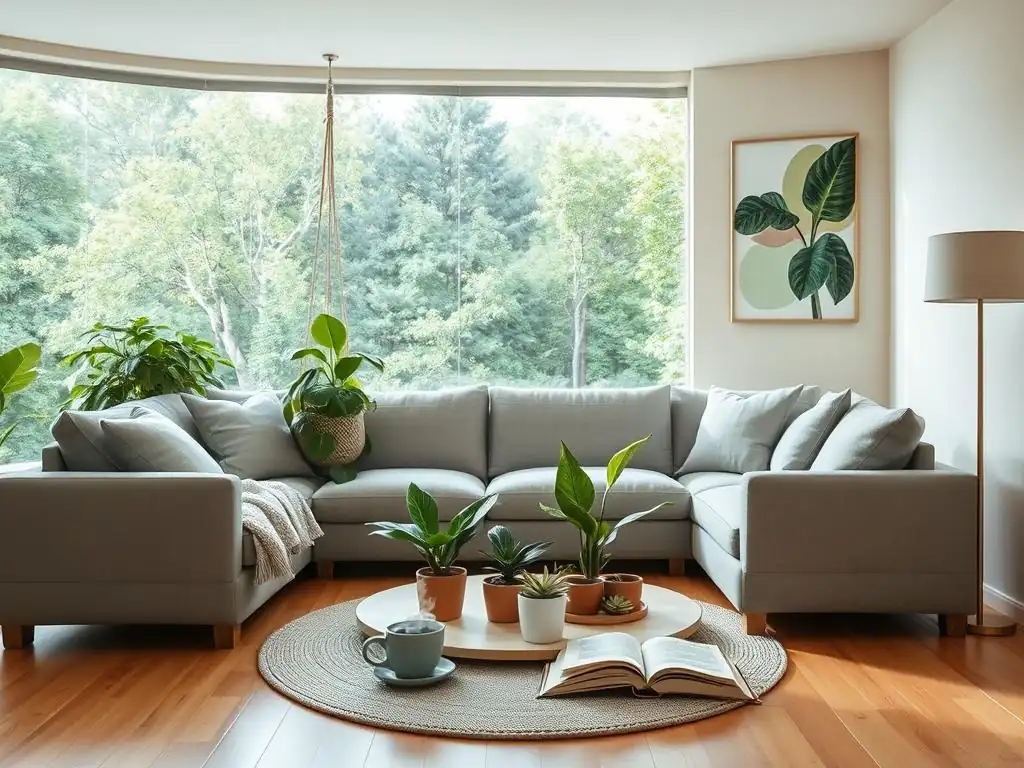
Welcome to Mind Care Guide, a sanctuary for your well-being.
Feeling overwhelmed? You're not alone. At Mind Care Guide, we understand the journey toward mental wellness can feel daunting. But what if simple changes in your environment could make a real difference? Dive into our latest article and discover how bringing the outdoors in can transform your space – and your state of mind. Explore the surprising connection between indoor plants and mental health and unlock practical tips to cultivate a happier, healthier you, one leaf at a time. Ready to breathe a little easier?
Bring the Outdoors In: Plants, Views, and Your Home's Mental Health Boost
- Introduction: Connecting with Nature Indoors for Enhanced Well-being
- The Science Behind Indoor Plants and Mental Health
- Indoor Plants Boost Mental Health: Proven Benefits
- Creating a Green Oasis: Choosing the Right Indoor Plants
- Maximizing the Mental Health Benefits of Indoor Views
- Beyond Plants: Other Ways to Bring Nature Indoors
- Maintaining Your Indoor Green Space for Lasting Mental Wellness
- Integrating Indoor Nature into Your Daily Routine
- Conclusion: Nurturing Your Mental Health with Nature's Embrace Indoors
-
Frequently Asked Questions
- How do indoor plants specifically contribute to improved mental well-being?
- What types of indoor plants are considered most effective for boosting mental health?
- Besides plants, how else can I incorporate nature into my home to improve mental health?
- How much time should I spend tending to my indoor plants to reap the mental health benefits?
- Are there any potential downsides to having indoor plants for mental health, such as allergies or maintenance concerns?
- Final Reflection: Cultivating Inner Peace Through Green Spaces
- Unleash Your Home's Healing Power!
Introduction: Connecting with Nature Indoors for Enhanced Well-being
Our connection with the natural world is deeply ingrained in our biology. For millennia, humans lived in close harmony with nature, and this bond continues to influence our physical and psychological well-being. However, modern life often keeps us indoors, separated from the calming and restorative effects of green spaces and natural light. This separation can contribute to stress, fatigue, and a general sense of disconnection.
Fortunately, we can bridge this gap by intentionally bringing elements of the outdoors into our homes. Simple additions like houseplants, maximizing natural light, and optimizing views of nature can have a profound impact on our mental state. This article explores the science and practical ways that integrating nature into your living space can significantly boost your mental health, transforming your home into a sanctuary of calm and vitality. Discover how indoor plants boost mental health and how other natural elements can enhance your well-being.
The Science Behind Indoor Plants and Mental Health
How Indoor Plants Improve Air Quality and Reduce Stress
One of the most tangible ways indoor plants contribute to a healthier home environment is by improving air quality. While the effect in a typical home setting might be less dramatic than in sealed lab conditions, common houseplants are known to filter certain volatile organic compounds (VOCs) like formaldehyde, benzene, and xylene from the air.
These pollutants are emitted by everyday items such as furniture, cleaning products, and synthetic materials, and can contribute to headaches, fatigue, and respiratory irritation. By absorbing these compounds through their leaves and roots, plants help create cleaner air, which in turn can reduce physical stressors on the body.
Beyond air purification, the mere presence of plants has been shown to have a calming effect on the nervous system. Studies have indicated that interacting with plants or simply being in their presence can lower cortisol levels, the body's primary stress hormone. For example, participants in one study experienced lower blood pressure and heart rate when performing a stressful task in a room with plants compared to a room without them. This physiological response underscores how indoor plants boost mental health by creating a more tranquil atmosphere.
The Psychological Impact of Green Spaces: A Deeper Look
The positive psychological impact of green spaces, even small indoor ones, is well-documented. This phenomenon is often linked to the concept of Attention Restoration Theory (ART), which suggests that exposure to nature can restore our ability to direct attention and focus after mental fatigue. Unlike demanding tasks that require directed attention and can deplete cognitive resources, engaging with nature allows for 'soft fascination' – effortless attention that is inherently enjoyable and restorative.
Furthermore, the presence of plants can evoke feelings of peace, comfort, and hope. The act of caring for a living thing provides a sense of purpose and connection, which can be particularly beneficial for individuals experiencing loneliness or isolation. Observing growth and change in plants can also foster a sense of optimism and continuity. These subtle but powerful psychological shifts demonstrate how bringing the outdoors in, particularly through indoor plants, can significantly support mental well-being.
Biophilic Design: Integrating Nature into Your Living Space
Biophilic design is an architectural and interior design philosophy that seeks to connect building occupants more closely to nature. It recognizes that humans have an innate need to affiliate with nature and that incorporating natural elements into built environments can enhance health, productivity, and well-being. This goes beyond just adding a few potted plants; it involves thoughtful integration of natural materials, patterns, light, and views of nature.
Implementing biophilic design principles in your home can transform your living space into a restorative environment. This might involve using wood or stone finishes, incorporating water features, maximizing natural light through large windows or skylights, and strategically placing plants to create lush pockets of green. Research suggests that offices and schools designed with biophilic elements see improvements in occupant satisfaction, reduced stress, and enhanced cognitive function. Applying these principles at home is a powerful way to leverage the inherent benefits of nature to boost your mental health.
Indoor Plants Boost Mental Health: Proven Benefits
Reducing Anxiety and Promoting Relaxation with Houseplants
The calming presence of houseplants has a measurable effect on anxiety levels. Simply being in a room with plants can create a sense of tranquility, helping to lower the physiological markers associated with stress and anxiety, such as elevated heart rate and blood pressure. The visual appeal of greenery is inherently soothing, providing a gentle break for the eyes and mind from the often harsh lines and artificial environments of indoor spaces.
Moreover, the act of caring for plants can be a form of mindfulness practice. Focusing on the simple tasks of watering, misting, or pruning allows you to be present in the moment, diverting attention away from anxious thoughts. This nurturing activity provides a positive outlet and a sense of accomplishment, contributing to reduced feelings of stress and promoting a state of relaxation. Numerous anecdotes and preliminary studies support the idea that indoor plants boost mental health by fostering a more peaceful living environment.
Enhancing Focus and Productivity Through Indoor Greenery
Incorporating indoor plants into workspaces, whether a home office or even just a desk corner, has been shown to improve concentration and productivity. Studies have found that employees in offices with plants were more productive and reported better concentration than those in sterile environments. One study reported a 15% increase in productivity among workers whose offices had plants.
The presence of greenery can act as a micro-break for the brain, helping to alleviate mental fatigue that accumulates during tasks requiring sustained attention. Looking at plants provides a form of 'soft fascination,' allowing the directed attention system to rest and recover. This restoration makes it easier to return to tasks with renewed focus and efficiency. Therefore, placing indoor plants in areas where you need to concentrate can be a simple yet effective strategy for enhancing cognitive performance.
Improving Mood and Combating Depression with Plants
The vibrant life and color that indoor plants bring can significantly lift spirits and contribute to a more positive mood. Exposure to nature, even indoors, has been linked to increased feelings of happiness and decreased symptoms of depression. The simple act of seeing living, growing things can evoke feelings of vitality and hope.
For individuals struggling with depression, the responsibility of caring for plants can provide a much-needed sense of purpose and routine. Nurturing a plant and watching it thrive can be incredibly rewarding, offering tangible evidence of growth and life even when personal feelings are low. This connection to something outside oneself, combined with the aesthetic and air quality benefits, demonstrates the powerful way indoor plants boost mental health and act as gentle allies in the journey towards improved emotional well-being.
Creating a Green Oasis: Choosing the Right Indoor Plants
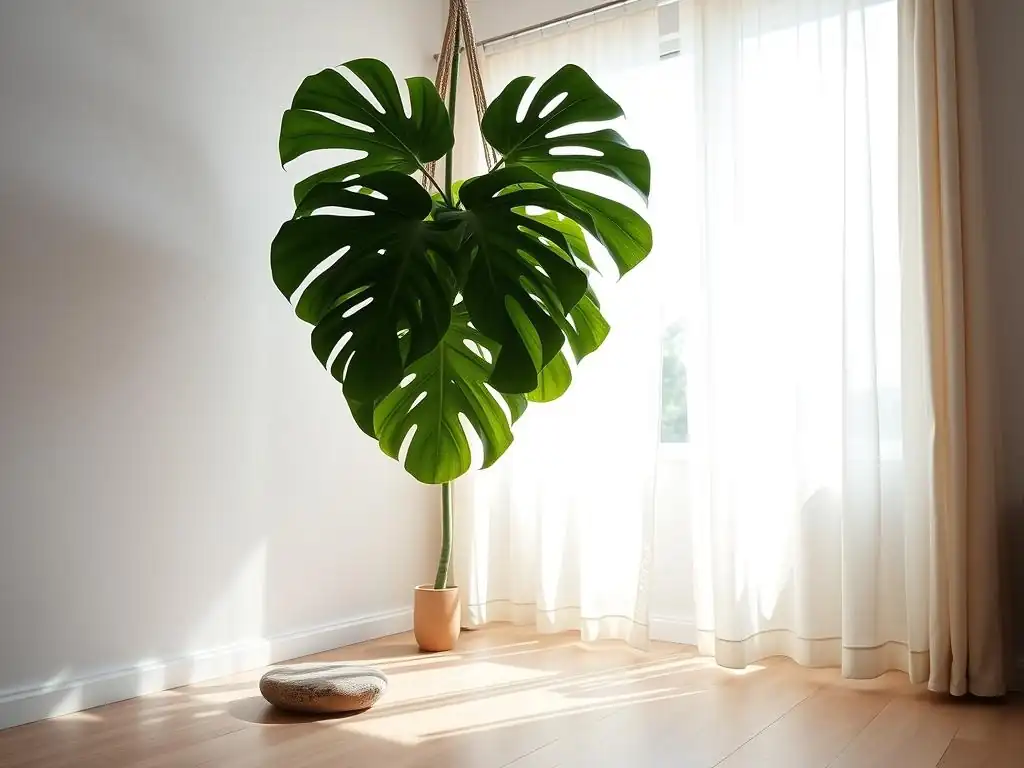
Low-Maintenance Plants for Beginners: Snake Plant, ZZ Plant, Pothos
Starting your indoor plant journey doesn't require a green thumb. Many varieties are incredibly forgiving and require minimal attention, making them perfect for beginners or those with busy schedules. The Snake Plant ( Sansevieria trifasciata) is a prime example; it tolerates low light and infrequent watering, making it nearly indestructible. It's also known for its air-purifying qualities.
Another resilient option is the ZZ Plant ( Zamioculcas zamiifolia). It stores water in its rhizomes, allowing it to go for weeks without watering, and thrives in a variety of light conditions, including very low light. Pothos ( Epipremnum aureum), often called Devil's Ivy, is a fast-growing vine that is very tolerant of neglect and can handle various light levels. These plants prove that you don't need to be an expert gardener to experience how indoor plants boost mental health.
Air-Purifying Plants for a Healthier Home: Peace Lily, Spider Plant, Boston Fern
While all plants contribute to air quality to some degree, certain species are particularly effective at filtering common indoor pollutants. The Peace Lily ( Spathiphyllum) is renowned for its ability to filter benzene, formaldehyde, trichloroethylene, and xylene. It thrives in medium to low light but requires consistent watering.
The Spider Plant ( Chlorophytum comosum) is another excellent air purifier, tackling formaldehyde and xylene. It's also easy to care for and produces 'spiderettes' that can be propagated into new plants, adding a rewarding element to plant care. The Boston Fern ( Nephrolepis exaltata) is effective at removing formaldehyde and also helps to humidify the air, which can be beneficial in dry indoor environments. These plants not only add beauty but also contribute to a healthier physical space, supporting your mental health indirectly.
Plants for Different Lighting Conditions: Calathea (low light), Succulents (bright light), Fiddle Leaf Fig (indirect light)
Understanding the light requirements of plants is crucial for their survival and your success as a plant parent. For spaces with low natural light, plants like the Calathea are good choices, known for their striking foliage and tolerance for dimmer conditions, though they appreciate humidity.
At the other end of the spectrum, succulents and cacti thrive in bright, direct sunlight. Placing them on a sunny windowsill ensures they get the intense light they need to flourish. For bright, but indirect light – away from the direct glare of the sun but still well-lit – the popular Fiddle Leaf Fig ( Ficus lyrata) is a statement plant, though it can be a bit more finicky. Choosing plants suited to your home's specific light conditions increases the likelihood they will thrive, providing consistent greenery that helps indoor plants boost mental health.
Maximizing the Mental Health Benefits of Indoor Views
The Importance of Natural Light and Sunlight Exposure
Natural light is a powerful mood enhancer. Exposure to sunlight helps regulate our circadian rhythm, the body's internal clock, which influences sleep patterns, energy levels, and mood. Lack of natural light, especially during winter months, can contribute to Seasonal Affective Disorder (SAD) in some individuals. Maximizing natural light indoors can help alleviate symptoms of depression and improve overall well-being.
Positioning workspaces and living areas near windows allows you to benefit from sunlight throughout the day. Keeping windows clean and unobstructed by heavy curtains or blinds also helps. Even on cloudy days, natural light provides a connection to the outside world and is significantly brighter and more beneficial than artificial light for regulating mood and energy.
Framing Nature: Optimizing Window Views for Mental Well-being
The view from your window can be a significant source of natural connection and mental restoration. Studies have shown that patients recovering in hospitals with views of nature heal faster and require less pain medication than those with views of walls or urban scenes. This principle applies just as powerfully in the home environment.
Positioning furniture to face windows with views of trees, gardens, or even just the sky can provide regular micro-breaks for the mind. If your view is less than ideal, consider adding a window box or hanging plants outside the window to create your own small patch of nature to observe. Even a view of distant greenery can be beneficial. Consciously appreciating the natural elements visible from your windows is a simple way to invite nature's calming influence indoors.
Creating a Balcony or Patio Retreat for Outdoor Connection
If you have access to a balcony, patio, or small yard, transforming it into a comfortable retreat can provide a vital link to the outdoors. Even a small space can become an extension of your living area, offering a place to sit, breathe fresh air, and enjoy natural light and sounds.
Furnish the space with comfortable seating, add potted plants or herbs, and perhaps include a small table. This provides a dedicated area to enjoy your morning coffee, read a book, practice mindfulness, or simply observe the weather and passing birds. Regularly spending time in this outdoor extension of your home can significantly reduce stress and enhance your connection with the natural world, complementing the benefits gained from bringing indoor plants boost mental health within your main living space.
Beyond Plants: Other Ways to Bring Nature Indoors
Natural Materials and Textures: Wood, Stone, and Cotton
Incorporating natural materials into your home decor adds tactile and visual elements that evoke the outdoors. Materials like wood, stone, bamboo, cotton, wool, and linen have a warmth and authenticity that synthetic materials often lack. Using these in furniture, flooring, textiles, or decorative objects can create a grounding and calming atmosphere.
Consider a wooden coffee table, stone coasters, cotton throw blankets, or a jute rug. These materials not only look good but also connect us to the earth and natural processes. The varying textures provide sensory interest and contribute to a more organic, less sterile environment, subtly enhancing the feeling of being connected to nature within your home.
Nature-Inspired Art and Photography: Landscapes and Wildlife
Visual representations of nature can also contribute to a more biophilic home. Hanging art or photography that depicts landscapes, forests, oceans, mountains, or wildlife can evoke feelings of peace, wonder, and escape. Looking at these images can transport you mentally to natural settings, triggering similar restorative benefits as actual exposure to nature.
Choose pieces that resonate with you and depict environments you find calming or inspiring. A large print of a serene forest scene in a living room or a series of wildlife photos in a hallway can serve as visual anchors to the natural world. This form of passive engagement with nature through art is a simple yet effective way to boost your mental health indoors.
Soundscapes and Aromatherapy: Nature Sounds and Essential Oils
Engaging other senses can further enhance the feeling of being connected to nature indoors. Playing nature sounds, such as gentle rain, ocean waves, or birdsong, can create a calming auditory environment that masks distracting household noises and promotes relaxation. There are many apps and devices available that offer high-quality nature soundscapes.
Aromatherapy using natural essential oils derived from plants can also evoke the scents of nature and have therapeutic effects. Lavender, chamomile, and bergamot are known for their calming properties, while citrus scents can be uplifting. Diffusing oils like pine or cedarwood can bring the scent of a forest indoors. Combining calming sounds with natural scents creates a multi-sensory experience that deepens the connection to nature and supports mental well-being.
Maintaining Your Indoor Green Space for Lasting Mental Wellness
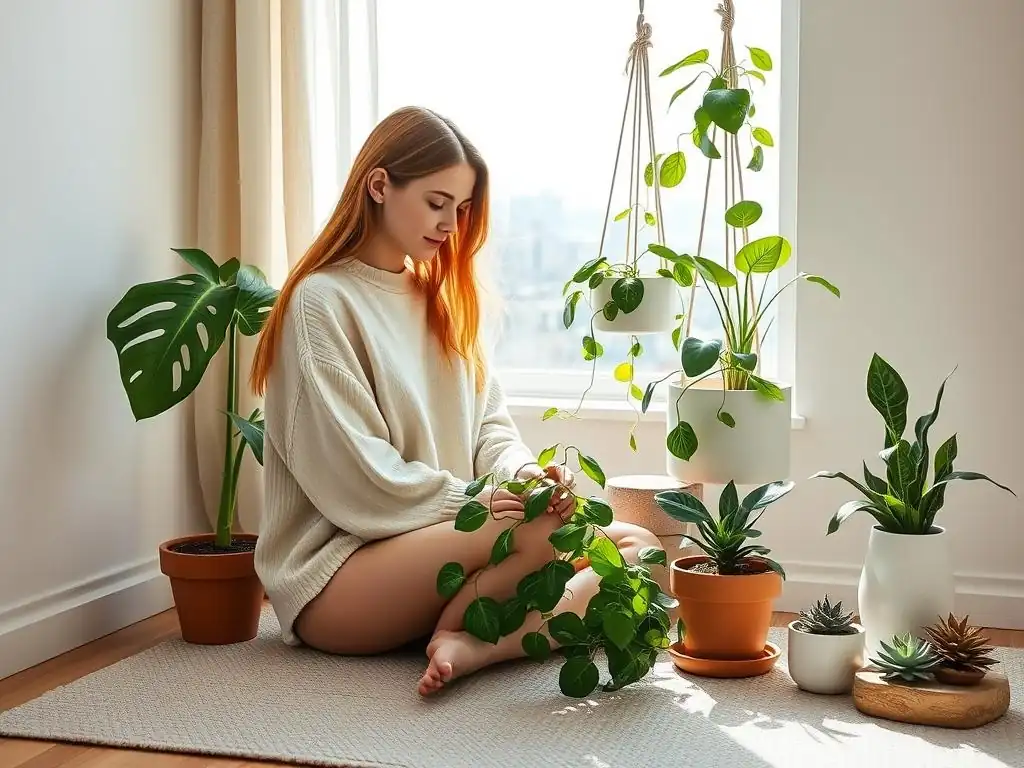
Watering, Fertilizing, and Pruning: A Simple Plant Care Guide
Consistent care is key to keeping your indoor plants healthy and thriving, which in turn maintains the positive effects they have on your mental health. Plant care doesn't have to be complicated.
- Watering: The most common mistake is overwatering. Check the soil moisture by sticking your finger about an inch deep. Water only when the top inch or two feels dry. Drainage is crucial; ensure pots have holes and remove excess water from saucers.
- Fertilizing: Most indoor plants benefit from feeding during their active growing season (typically spring and summer). Use a balanced liquid fertilizer diluted to half strength about once a month. Avoid fertilizing in fall and winter when growth slows.
- Pruning: Regularly remove dead or yellowing leaves and trim back leggy growth to encourage bushier, healthier plants. Use clean scissors or pruners. Pruning also helps maintain the desired shape and size.
Developing a simple routine for these tasks makes plant care manageable and enjoyable.
Protecting Your Plants from Pests and Diseases
Healthy plants are less susceptible to pests and diseases, but issues can still arise. Common indoor plant pests include spider mites, mealybugs, and fungus gnats. Inspect your plants regularly, especially the undersides of leaves and where leaves meet stems.
- If you spot pests, isolate the affected plant immediately to prevent spread.
- Treat with insecticidal soap, neem oil, or rubbing alcohol applied with a cotton swab for spot treatments. Repeat treatments may be necessary.
- Ensure good air circulation and avoid overwatering, as these conditions can attract pests and fungal diseases.
Addressing problems promptly helps your plants recover quickly, ensuring they continue to contribute positively to your environment and demonstrating that consistent effort yields rewarding results, a principle applicable to mental wellness too.
While indoor plants boost mental health for many, some individuals may experience allergies. Plant pollen is a common allergen, though most indoor plants produce less pollen than outdoor varieties. Mold growing in damp soil can also be an issue for allergy sufferers.
If you suspect plant allergies:
- Choose plants known for low pollen production (e.g., Peace Lily, Snake Plant, Pothos).
- Avoid plants with visible pollen or strong fragrances if those are triggers.
- Ensure good drainage and avoid letting plants sit in standing water to prevent mold growth.
- Cover the top layer of soil with gravel or sand to deter mold spores from becoming airborne.
- Wipe down leaves regularly to remove dust and potential allergens.
If symptoms persist, consult an allergist. With careful plant selection and maintenance, most people can enjoy the benefits of indoor greenery without significant allergic reactions.
Integrating Indoor Nature into Your Daily Routine
Mindful Moments with Plants: Meditation and Observation
Your indoor plants can serve as anchors for mindfulness practices. Set aside a few minutes each day to simply observe your plants. Notice the color and texture of the leaves, the way they reach towards the light, or any new growth. This focused observation brings you into the present moment, reducing rumination on past worries or future anxieties.
You can also incorporate plants into meditation. Sit near a plant and focus on your breath, allowing the plant's quiet presence to ground you. Gently run your fingers over a leaf, paying attention to the tactile sensation. This simple practice leverages the calming energy of living greenery to enhance your mindfulness and meditation experience, reinforcing how indoor plants boost mental health through quiet presence.
Creating a Plant-Based Workspace for Improved Focus
Designing your workspace with plants can significantly impact your productivity and mental state during work hours. Position a few plants on your desk, windowsill, or nearby shelving. Choose varieties known for improving air quality or enhancing focus, like the Snake Plant or Pothos.
Ensure the plants are visible from your main working area so you can easily glance at them for a visual break. This green presence can help reduce eye strain from screens and provide a calming focal point, making it easier to maintain concentration during demanding tasks. A plant-filled workspace is a tangible investment in your daily mental performance and well-being.
Using Plants as a Reminder to Connect with Nature
Let your indoor plants serve as gentle reminders to connect with nature in other ways too. Their presence can prompt you to open a window for fresh air, step outside for a short walk, or plan a visit to a local park or garden.
Caring for your plants can also be a ritual that connects you to the cycles of nature – growth, rest, and renewal. This regular interaction, even on a small scale, helps maintain a continuous thread between your indoor life and the wider natural world. Viewing indoor plants boost mental health not just through their direct effects, but also as catalysts for deeper engagement with nature overall.
Conclusion: Nurturing Your Mental Health with Nature's Embrace Indoors
Embrace the Power of Nature for a Happier, Healthier You
Bringing the outdoors in is far more than just a decor trend; it's a powerful strategy for enhancing mental health and overall well-being. From the air-purifying qualities of common houseplants to the profound psychological benefits of simply being around greenery, the evidence is clear: indoor plants boost mental health in numerous ways.
By incorporating plants, maximizing natural light and views, utilizing natural materials, and engaging with nature-inspired elements, you can transform your home into a sanctuary that actively supports your emotional and cognitive health. Start small with a few easy-care plants, or embark on a larger project to integrate biophilic principles throughout your space.
The effort invested in creating a greener indoor environment will yield significant returns in terms of reduced stress, improved mood, enhanced focus, and a deeper sense of connection to the life-affirming power of nature. Embrace this connection and nurture your mental health with nature's gentle embrace, right within the comfort of your home.
Frequently Asked Questions
How do indoor plants specifically contribute to improved mental well-being?
Indoor plants are known to improve mental well-being by reducing stress levels and increasing feelings of calm and positivity. They also help purify the air, creating a healthier and more pleasant environment.
What types of indoor plants are considered most effective for boosting mental health?
While personal preference matters, some top choices include Snake Plants, Peace Lilies, and Spider Plants. These are known for their air-purifying qualities and are generally easy to care for, making them ideal for beginners.
Besides plants, how else can I incorporate nature into my home to improve mental health?
Beyond plants, consider adding natural light sources, using natural materials like wood and stone in your decor, and creating a view of nature if possible – even a small window overlooking a garden can help.
How much time should I spend tending to my indoor plants to reap the mental health benefits?
Even a few minutes a day can be beneficial. The act of caring for something living can be therapeutic. Aim for 15-30 minutes a few times a week for watering, pruning, and general plant care.
Are there any potential downsides to having indoor plants for mental health, such as allergies or maintenance concerns?
Yes, allergies are a potential concern, so choose hypoallergenic plant varieties. Also, ensure you have time to properly care for your plants, as neglected plants can actually increase stress.
Final Reflection: Cultivating Inner Peace Through Green Spaces
The connection between our indoor environments and our mental wellbeing is undeniable, and the simple act of incorporating plants and natural views into our homes offers a powerful, readily accessible path to improved mental health. The research is clear: surrounding ourselves with greenery, even in small doses, significantly reduces stress and boosts mood. This isn't just a fleeting trend; it's a fundamental shift in how we understand the relationship between our physical spaces and our inner selves.
The impact of this simple act of bringing the outdoors in extends far beyond the individual. It's a quiet revolution, a subtle rebellion against the sterile, often isolating environments of modern life. We are rediscovering the inherent human need for connection with nature, a connection that has been increasingly eroded by urbanization and technology. Nature is not a place to visit. It is home.
- Gary Snyder. This quote encapsulates the profound truth that our well-being is intrinsically linked to our relationship with the natural world, and bringing elements of that world into our homes is a powerful step towards reclaiming that connection.
Consider the potential. Imagine a world where homes are not just shelters, but sanctuaries – spaces designed to nurture both body and mind. You have the power to create this sanctuary for yourself. Start small: a single potted plant on your desk, a framed photograph of a calming landscape, or even simply opening a window to let in the fresh air. Embrace the transformative power of nature, and watch as it cultivates a sense of peace and well-being within your own four walls. Begin today, and nurture the growth of both your plants and your inner landscape.
Unleash Your Home's Healing Power!
Thanks for taking the time to explore how nature can boost your home's – and your own – mental well-being! We hope you found practical ways to invite the calming influence of the outdoors inside. Ready to transform your space?
- Begin your indoor garden journey! Start small – a single herb pot, a low-maintenance succulent, or even a vibrant bouquet – and watch your mood blossom.
- Share your green haven: Post a picture of your favorite plant or your newly designed space on social media using #MindCareGarden and inspire others to embrace the healing power of nature.
- Consider adding a natural element you haven't tried before – a water feature, a nature-inspired artwork, or even a calming nature sounds app.
What's one small change you can make today to bring more nature into your home and enhance your mental well-being?