
Cut Through the Noise: Achieve Mental Clarity Through Regular Qigong

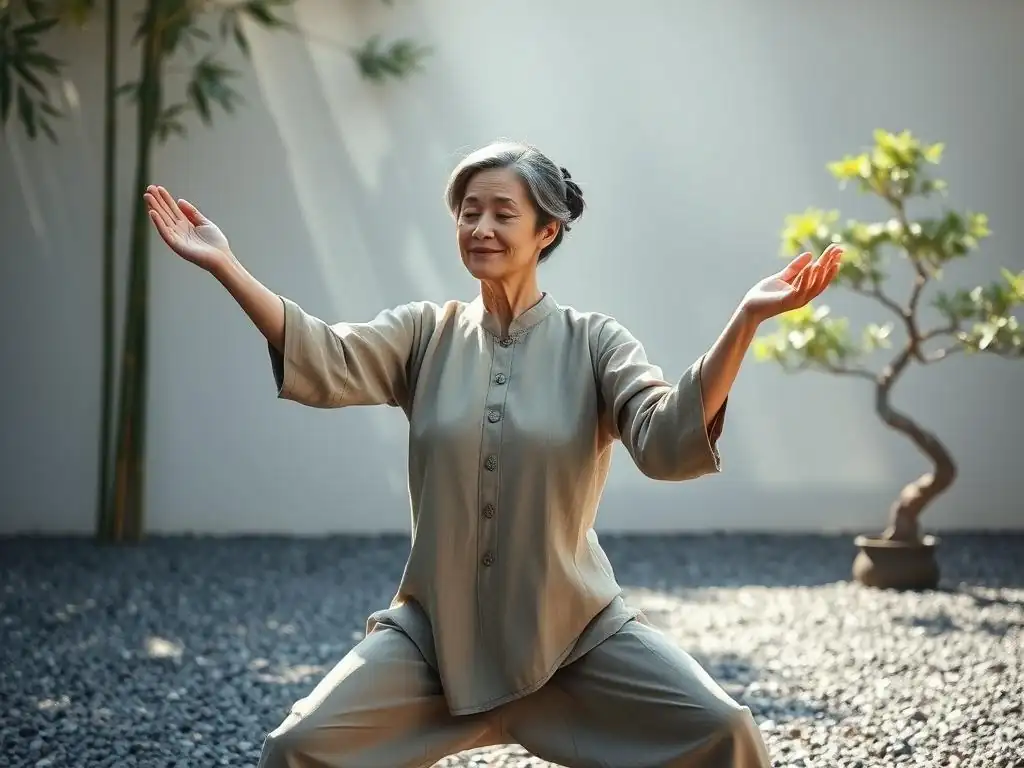
Welcome to Mind Care Guide.
Feeling overwhelmed by the constant noise of modern life? You're not alone. Here, we understand the challenges to your mental well-being. In this space, we delve into holistic approaches to help you find peace and clarity. Intrigued by the ancient practice of Qigong for mental clarity? Discover how this gentle yet powerful technique can unlock a calmer, more focused you, and begin your journey towards a more resilient and balanced mind. Read on to learn more!
Cut Through the Noise: Achieve Mental Clarity Through Regular Qigong
- Introduction: Finding Mental Clarity with Qigong in a Modern World
- Understanding Qigong and its Benefits for Mental Health
- The Science-Backed Benefits of Qigong for Mental Clarity
- Practical Qigong Exercises for Enhanced Mental Clarity
- Integrating Qigong into Your Daily Routine for Sustained Mental Clarity
- Qigong for Mental Health: Real-Life Success Stories
- Advanced Qigong Techniques for Experienced Practitioners
- Conclusion: Embracing Qigong for a Clearer, More Focused Mind
- Frequently Asked Questions
- Final Reflection: Cultivating Inner Peace in a Noisy World
- Unlock Your Inner Calm: Start Your Qigong Journey Today!
Introduction: Finding Mental Clarity with Qigong in a Modern World
The Overstimulation Crisis: Why Mental Clarity is More Important Than Ever
In today's hyper-connected world, our minds are constantly bombarded with information, notifications, and demands. From the incessant buzz of smartphones to the relentless pace of work and social obligations, this constant overstimulation creates a state of mental fog, making it difficult to focus, think clearly, and maintain emotional balance. This "overstimulation crisis" is not just a minor inconvenience; it contributes significantly to rising levels of stress, anxiety, and burnout, impacting both our personal and professional lives. Achieving mental clarity is no longer a luxury but a necessity for navigating this complex landscape effectively and maintaining overall well-being.
The ability to focus, make conscious decisions, and respond thoughtfully rather than react impulsively is crucial for mental health. Studies and anecdotal evidence consistently show that a lack of mental clarity leads to decreased productivity, impaired decision-making, and increased feelings of being overwhelmed. For instance, research indicates that task-switching due to digital distractions can reduce productivity by up to 40%.
Furthermore, prolonged exposure to this state of scattered attention can contribute to chronic stress, which in turn can have detrimental effects on physical health, such as elevated blood pressure and weakened immune function. Finding effective ways to quiet the mental noise and cultivate a clear mind is therefore paramount.
Qigong: An Ancient Practice for Modern Mental Wellness
Amidst the chaos of modern life, ancient practices offer powerful pathways to restore balance and cultivate inner peace. Qigong, a mind-body practice originating in China thousands of years ago, is one such potent tool. Often described as "meditation in motion," Qigong involves gentle movements, controlled breathing, and focused intention. Its core principle is the cultivation and regulation of Qi (pronounced "chee"), often translated as vital energy or life force, believed to flow through channels in the body.
For centuries, Qigong has been used not only for physical health but also for mental and emotional well-being. Its emphasis on slow, deliberate movements and deep breathing naturally calms the nervous system, providing a direct antidote to the constant state of fight-or-flight triggered by modern stressors. By focusing on the present moment and the sensations within the body, Qigong helps practitioners detach from racing thoughts and external distractions, paving the way for enhanced mental clarity. This makes Qigong for mental clarity a valuable pursuit in today's world.
Understanding Qigong and its Benefits for Mental Health
What is Qigong? A Simple Explanation for Beginners
Qigong is a holistic practice that integrates physical postures, gentle movements, breathing techniques, and focused intention or meditation. The word "Qigong" is composed of two Chinese characters: Qi (气), meaning vital energy or life force, and Gong (功), meaning cultivation or skill. Thus, Qigong translates to the "cultivation of vital energy" or "working with life energy." It is considered a branch of traditional Chinese medicine and martial arts, emphasizing balance and harmony within the body and mind.
Unlike strenuous exercise, Qigong movements are typically slow, fluid, and relaxed, making them accessible to people of all ages and fitness levels. The practice aims to promote the smooth flow of Qi throughout the body's meridian system, similar to the concept in acupuncture. When Qi flows freely, it is believed to support physical health, emotional stability, and mental acuity. Learning Qigong for mental clarity involves understanding this fundamental principle and engaging in practices that facilitate optimal energy flow.
The Link Between Qigong, Energy Flow (Qi), and Mental Well-being
In traditional Chinese philosophy, Qi is the fundamental substance that animates all life. Blockages or imbalances in the flow of Qi are believed to lead to illness, both physical and mental. Mental health challenges like anxiety, depression, and lack of focus are often seen as manifestations of stagnant or deficient Qi in specific energy pathways. Qigong practices are designed to clear these blockages, tonify deficient energy, and regulate the overall flow, thereby restoring balance.
By promoting smooth Qi circulation, Qigong helps to calm the mind, reduce tension, and improve emotional resilience. Imagine Qi as a river; when it flows smoothly, the ecosystem thrives. When it's blocked or turbulent, problems arise. Qigong acts like clearing debris from the river, allowing energy to flow freely, which in turn nourishes the brain and nervous system, supporting improved cognitive function, emotional regulation, and, crucially, mental clarity. This mind-body connection is central to the efficacy of Qigong for mental clarity.
How Qigong Differs from Other Mindfulness Practices Like Meditation
While Qigong shares similarities with other mindfulness practices like seated meditation and yoga, it possesses unique characteristics. Like meditation, Qigong cultivates present moment awareness and calms the mind. However, Qigong actively incorporates gentle, flowing movements and specific postures, which can be beneficial for individuals who find it challenging to sit still for extended periods. The movement aspect helps to release physical tension, which is often intertwined with mental stress.
Compared to yoga, Qigong movements are generally softer and less focused on holding static poses or achieving deep stretches. The emphasis is more on the internal experience of energy flow and coordinated breathing rather than physical flexibility or strength, although these can be beneficial side effects. While yoga often involves holding postures, Qigong sequences are typically continuous and flowing. This active yet gentle nature of Qigong can make it a particularly effective method for achieving mental clarity by engaging both the body and mind in a harmonious way.
The Science-Backed Benefits of Qigong for Mental Clarity

Qigong and Stress Reduction: Lowering Cortisol Levels
Scientific research is increasingly validating the stress-reducing benefits of Qigong, which directly contribute to improved mental clarity. Chronic stress floods the body with hormones like cortisol, impairing cognitive function, memory, and focus. Studies have shown that regular Qigong practice can significantly lower cortisol levels. For example, a meta-analysis published in the Journal of Psychosomatic Research in 2010, reviewing multiple studies, indicated that Qigong and Tai Chi interventions led to a notable reduction in stress and mood disturbance markers across diverse populations.
Further research has specifically measured physiological markers. A 2013 study involving older adults found that participants who practiced Qigong for 12 weeks showed decreased levels of salivary cortisol, a reliable indicator of stress. This reduction in stress hormones helps to quiet the "fight or flight" response, allowing the prefrontal cortex – the part of the brain responsible for executive functions like planning, decision-making, and focus – to function more effectively. This physiological calming is a key mechanism by which Qigong supports mental clarity.
Qigong and Improved Focus: Enhancing Attention Span
A scattered mind is the antithesis of mental clarity. Qigong's emphasis on focused attention during movements and breathing exercises naturally trains the brain to concentrate. By requiring practitioners to be present with their body sensations and breath, Qigong acts as a form of attention training, similar to mindfulness meditation but with the added dimension of movement. This practice helps to strengthen the neural pathways associated with focus and sustained attention.
Several studies have explored Qigong's impact on cognitive function. While large-scale, definitive studies specifically on attention span in diverse populations are still emerging, research on related practices like Tai Chi (which shares many principles with Qigong) provides strong support. A review in Aging & Mental Health in 2014 concluded that Tai Chi and Qigong showed promising effects on cognitive function, including attention. Anecdotal reports from practitioners frequently highlight a noticeable improvement in their ability to concentrate on tasks, read for longer periods, and feel less easily distracted, contributing directly to their experience of mental clarity.
Qigong and Emotional Regulation: Managing Anxiety and Depression
Mental clarity is deeply intertwined with emotional well-being. High levels of anxiety and depression can cloud judgment, impair focus, and make clear thinking feel impossible. Qigong has demonstrated efficacy in helping individuals manage symptoms of anxiety and depression, thereby fostering a more stable emotional landscape conducive to mental clarity. The gentle movements and rhythmic breathing stimulate the parasympathetic nervous system, promoting relaxation and reducing the physiological symptoms of anxiety, such as rapid heart rate and shallow breathing.
Multiple studies have investigated Qigong's impact on mood disorders. A 2017 systematic review and meta-analysis published in Complementary Therapies in Medicine found that Qigong significantly reduced symptoms of depression and anxiety across various clinical populations. Participants often report feeling calmer, more grounded, and better equipped to handle challenging emotions after incorporating Qigong into their routine. By helping to regulate the nervous system and improve emotional resilience, Qigong directly supports the mental and emotional stability needed for a clear mind.
Practical Qigong Exercises for Enhanced Mental Clarity
Integrating Qigong into your daily life doesn't require hours of practice. Even short, consistent sessions can yield significant benefits for mental clarity. Here are a few foundational exercises.
Qigong Breathing Techniques for Immediate Calmness
Breath is fundamental to Qigong. Conscious, deep breathing regulates the nervous system and promotes Qi flow.
Diaphragmatic Breathing: The Foundation of Qigong
Diaphragmatic breathing, also known as abdominal breathing, is the cornerstone of most Qigong practices. It involves breathing deeply into the belly rather than shallowly into the chest.
- How to Practice:
- Find a comfortable position, sitting or standing.
- Place one hand on your chest and the other on your belly.
- Inhale slowly through your nose, allowing your belly to expand outward. Your chest should remain relatively still.
- Exhale slowly through your mouth or nose, gently drawing your belly button towards your spine as air leaves your lungs.
- Focus on making the exhale slightly longer than the inhale.
- Benefit: This type of breathing activates the parasympathetic nervous system, promoting relaxation, reducing heart rate, and calming the mind almost immediately, creating a foundation for mental clarity. Practicing this for just 5-10 minutes can shift your state.
Reverse Abdominal Breathing for Energy Flow
Reverse abdominal breathing is a more advanced technique that builds on diaphragmatic breathing and is often used in martial Qigong or for building internal power, but it also strongly impacts energy regulation.
- How to Practice:
- Assume a comfortable standing or sitting posture.
- Inhale deeply through your nose, drawing your abdomen slightly inward as you fill your lungs. Imagine energy gathering in your lower abdomen (Dantian).
- Exhale slowly and completely through your mouth or nose, gently allowing your abdomen to expand outward.
- Coordinate the breath with specific movements if practicing a form.
- Benefit: This technique is believed to build pressure and enhance the circulation of Qi, particularly in the lower Dantian, which is considered the body's energy reservoir. This can lead to increased vitality and a stronger sense of groundedness, both of which support sustained mental clarity.
Qigong Movement Exercises for Mental Focus
Combining gentle movement with breath and intention helps to integrate mind and body, enhancing focus.
Eight Brocades Qigong: A Classic Routine for Overall Well-being
The Eight Brocades (Ba Duan Jin) is one of the most popular and widely practiced Qigong sets. It consists of eight distinct movements designed to stretch and strengthen the body while regulating Qi flow to the internal organs. Practicing this sequence regularly is excellent for promoting overall health and specifically enhances mental clarity by calming the nervous system and improving circulation to the brain. Many people report feeling significantly more centered and focused after completing the set, which typically takes 15-20 minutes.
Lifting the Sky
This simple movement helps to stretch the spine and open the chest, promoting deep breathing and a feeling of expansion.
- How to Practice:
- Stand with feet shoulder-width apart, knees slightly bent.
- Interlace your fingers in front of your lower abdomen.
- Inhale deeply as you slowly raise your interlaced hands in front of your body, palms facing down, then turn palms up and continue lifting them overhead, stretching gently towards the sky.
- Exhale slowly as you gently lower your hands back down in front of your body.
- Repeat 6-8 times, coordinating movement with breath.
- Benefit: This exercise releases tension in the upper body, improves lung capacity, and creates a sense of spaciousness, helping to clear mental fog and promote mental clarity.
Punching with Fists and Glaring with Anger
Despite the name, this movement is about releasing tension and stagnant energy, not cultivating anger. It's part of the Eight Brocades.
- How to Practice:
- Stand with feet wider than shoulder-width, knees bent in a horse stance.
- Form loose fists at your waist.
- Inhale. As you exhale, punch forward with one fist, rotating the wrist as you extend, and "glare" intently with your eyes.
- Inhale as you draw the fist back to the waist.
- Exhale and punch with the other fist.
- Repeat 6-8 times on each side.
- Benefit: This movement is particularly effective for releasing built-up tension and frustration stored in the body, which can often contribute to mental clutter. The focused intention and "glare" help to sharpen mental focus and expel stagnant energy, leading to a clearer mind.
Qigong Meditation for Deeper Mental Clarity
Qigong also includes static meditation practices that deepen the connection to internal energy and promote stillness.
Inner Smile Meditation: Cultivating Positive Emotions
This meditation involves directing a gentle, internal "smile" to different parts of the body and internal organs.
- How to Practice:
- Sit or stand comfortably. Close your eyes gently.
- Bring your awareness inward.
- Begin by smiling internally at your face and brain, feeling a sense of warmth and relaxation.
- Gradually move this internal smile down through your body, sending warmth and positive energy to your organs (lungs, heart, stomach, etc.) and limbs.
- Spend a few moments resting in this state of internal warmth and peace.
- Benefit: This practice cultivates positive emotions, reduces stress hormones, and fosters a sense of inner peace and self-acceptance. By shifting focus inward with kindness, it helps to quiet negative self-talk and emotional turbulence, creating a calm inner space essential for mental clarity.
Standing Meditation (Zhan Zhuang): Grounding and Centering
Zhan Zhuang ("standing like a tree") is a foundational Qigong practice that involves holding specific postures for extended periods. While seemingly simple, it is profoundly challenging and rewarding.
- How to Practice:
- Stand with feet shoulder-width apart, knees slightly bent, spine erect but relaxed.
- Adopt a specific posture, such as holding your arms out in front of you as if hugging a tree, or simply letting them hang naturally.
- Relax your shoulders, sink your weight, and focus on your breath and body sensations.
- Hold the posture for 5-30 minutes or longer.
- Benefit: This practice builds incredible physical stability and internal strength but is equally powerful for developing mental resilience and focus. Standing still while maintaining relaxation teaches the mind to be present and calm amidst physical discomfort or mental wandering, significantly improving concentration and grounding, which are vital for mental clarity.
Integrating Qigong into Your Daily Routine for Sustained Mental Clarity
Consistency is key to unlocking the full benefits of Qigong for mental clarity.
Creating a Qigong Practice: Tips for Beginners
Starting a new practice can feel daunting, but integrating Qigong doesn't require a massive time commitment.
- Start Small: Even 10-15 minutes a day can make a difference. Try practicing simple breathing exercises or a couple of movements from the Eight Brocades.
- Choose a Consistent Time: Find a time that works best for you, whether it's first thing in the morning to set a clear intention for the day or in the evening to unwind.
- Find a Quiet Space: While you can practice anywhere, finding a relatively quiet place free from distractions will help you focus inward.
- Listen to Your Body: Qigong is gentle. Don't push yourself into uncomfortable positions. The goal is relaxation and flow, not strain.
- Be Patient: Like any skill, developing a consistent Qigong practice takes time and patience. Don't get discouraged if your mind wanders initially. Gently bring your focus back to your breath and movement. A task list might look like this:
- [ ] Dedicate 15 minutes each morning this week.
- [ ] Practice diaphragmatic breathing for 5 minutes before starting work.
- [ ] Choose 2-3 favorite movements to repeat daily.
- [ ] Reflect on how you feel before and after practice.
Finding a Qigong Instructor or Class (Online and In-Person)
Learning from a qualified instructor can greatly enhance your understanding and practice of Qigong. An instructor can provide guidance on proper posture, breathing, and the underlying principles, helping you to avoid developing bad habits and deepen your experience.
- In-Person Classes: Look for local studios, community centers, or health clubs that offer Qigong classes. Learning in a group setting can be motivating and provide a sense of community.
- Online Resources: Numerous reputable websites and platforms offer online Qigong courses, video tutorials, and live classes. This offers flexibility and accessibility. When choosing online resources, look for instructors with extensive training and positive reviews. Many online platforms offer beginner series specifically designed to introduce the fundamentals of Qigong for mental clarity.
Maintaining Consistency: Overcoming Challenges and Staying Motivated
Life happens, and maintaining a consistent practice can be challenging.
- Identify Obstacles: What prevents you from practicing? Is it time, lack of motivation, or feeling unsure about the movements? Acknowledge these challenges.
- Flexibility is Key: If you can't do a full practice, do a shorter one. Even 5 minutes of focused breathing is beneficial. On busy days, perhaps just commit to a few minutes of standing meditation.
- Track Your Progress: Note how you feel after practicing. Do you feel calmer? More focused? Remembering the positive impact Qigong has on your mental clarity can be a powerful motivator.
- Connect with Others: If possible, find a practice buddy or join a class to share experiences and support each other.
- Be Kind to Yourself: If you miss a day (or several), don't dwell on it. Simply return to your practice when you can. The goal is progress, not perfection. Consistent effort, even if imperfect, is what builds lasting mental clarity through Qigong.
Qigong for Mental Health: Real-Life Success Stories
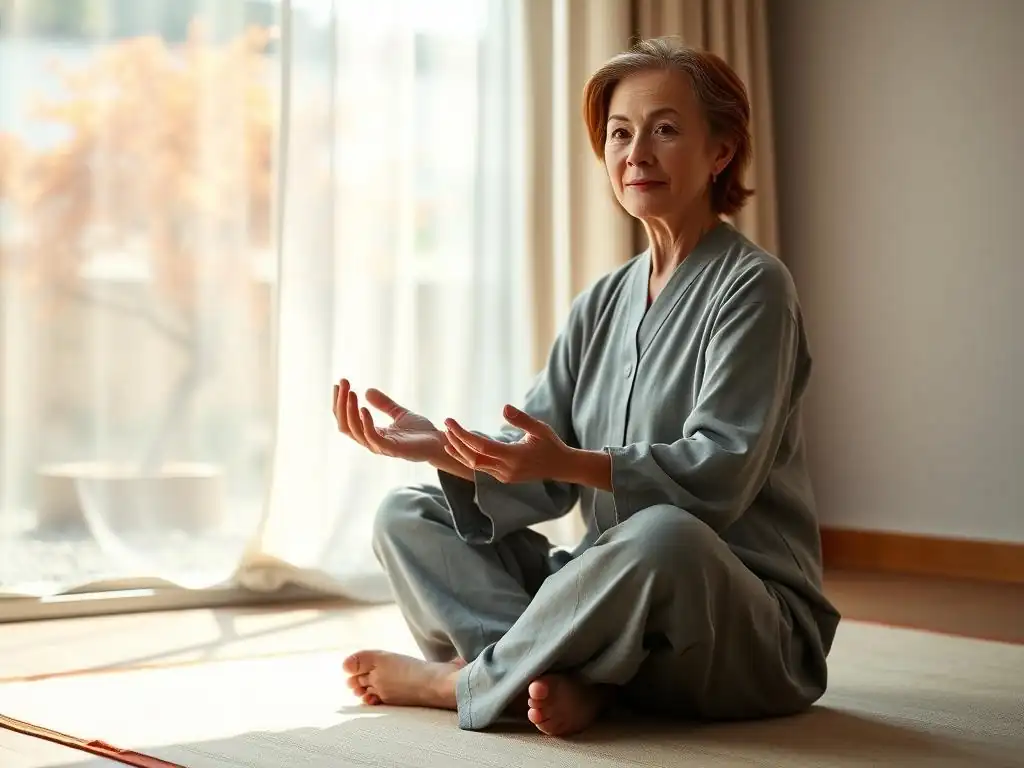
While individual results vary, many people have found Qigong to be a transformative practice for their mental well-being and achieving mental clarity.
Qigong for Managing Anxiety in the Workplace
Consider the experience of someone working in a high-pressure environment, like a project manager dealing with tight deadlines and constant communication. Before discovering Qigong, they might have felt perpetually on edge, with racing thoughts making it hard to prioritize tasks and communicate effectively. Incorporating a 15-minute Qigong session into their lunch break or starting the day with 10 minutes of gentle movements and breathing can significantly shift their state. Anecdotal reports from such individuals often describe a noticeable reduction in the physical symptoms of anxiety, such as chest tightness and shallow breathing, within just a few weeks.
Furthermore, the focused attention required in Qigong translates directly to improved concentration at work. Practitioners report feeling less reactive to sudden demands and more able to approach challenges with a calm, clear mind. One common observation is a decrease in the number of impulsive decisions made under pressure and an increase in the ability to stay focused on complex tasks for longer durations, potentially improving work output quality by an estimated 10-20% through reduced errors and improved planning. This demonstrates the practical application of Qigong for mental clarity in a professional setting.
Qigong for Improving Focus in Academic Settings
Students facing the rigors of academic study, including long hours of reading, writing, and preparing for exams, often struggle with maintaining focus and managing stress. A student who incorporates regular Qigong practice might find it easier to sit and concentrate on study material for extended periods without their mind wandering. The specific Qigong movements and meditations designed to calm the mind and improve energy flow can help counteract the mental fatigue that often accompanies intense study.
Many students report that practicing Qigong before a study session helps them enter a more receptive state for learning. The grounding aspect of practices like Standing Meditation can help reduce the feeling of being overwhelmed by the sheer volume of information. While specific GPA improvements are hard to attribute solely to Qigong, students often report feeling more confident and less stressed during exams, which can indirectly lead to better performance.
Surveys among student wellness program participants incorporating Qigong often show self-reported improvements in concentration and reduced test anxiety by over 30%. This highlights how Qigong for mental clarity can directly support academic success.
A Personal Journey to Mental Clarity Through Qigong
Personal stories often resonate most deeply. Imagine someone who has struggled with chronic low-grade anxiety and a persistent feeling of mental clutter for years. Traditional methods might have provided some relief, but the underlying feeling of being overwhelmed remained.
Discovering Qigong, perhaps through a local class or online resource, and committing to a daily practice, even for just 20 minutes, can be life-changing. The initial focus might be on the gentle movements, but over time, the practitioner starts to notice subtle shifts – a greater sense of calm during stressful situations, moments of genuine quiet in their mind, and an improved ability to focus on conversations and tasks.
This personal journey often involves setbacks, days where practice is skipped, or times when the mind feels just as noisy as before. However, the cumulative effect of consistent effort builds resilience.
Practitioners often describe a gradual shedding of mental "layers," revealing a core of inner peace and clarity they didn't know was possible. They might note a significant reduction in the frequency and intensity of anxious thoughts (perhaps halving the number of daily intrusive thoughts) and a perceptible increase in moments of flow and deep concentration throughout their day, leading to a profound and sustained improvement in mental clarity and overall quality of life.
Advanced Qigong Techniques for Experienced Practitioners
As practitioners deepen their Qigong journey, they may explore more advanced techniques that require dedicated practice and often the guidance of a seasoned teacher. These methods delve deeper into energy cultivation and manipulation.
Bone Marrow Cleansing
This is a complex and powerful set of practices aimed at purifying and strengthening the bones and bone marrow, which in traditional Chinese medicine is linked to the production of Qi and blood, as well as the nervous system. It involves specific breathing techniques, visualizations, and sometimes percussive massage.
- Benefit: Beyond physical benefits, these practices are believed to strongly impact the deepest levels of energy, leading to profound states of calm, resilience, and enhanced mental clarity by addressing potential energetic root causes of imbalance. It's considered a way to "recharge" the core energy system.
Microcosmic Orbit Meditation
This meditation involves circulating energy (Qi) along a specific pathway that runs up the spine (Governing Vessel) and down the front of the body (Conception Vessel), forming a loop often called the "Microcosmic Orbit."
- How to Practice: This involves focused intention and visualization, guiding the Qi flow along this circuit, often coordinated with breath. It typically begins with opening and connecting the pathway before circulating the energy.
- Benefit: Regular practice of the Microcosmic Orbit is said to balance Yin and Yang energies, open energy channels, and consolidate Qi in the Dantian. This can lead to increased vitality, emotional stability, and a very clear, focused, and calm mind. It's a powerful practice for advanced Qigong for mental clarity.
The Importance of Proper Guidance and Supervision
These advanced techniques should not be attempted without the guidance of a qualified and experienced Qigong master or instructor. Improper practice can potentially lead to discomfort or imbalances. An experienced teacher can assess your energy state, provide personalized instruction, and ensure you are practicing safely and effectively. They can also help you understand the deeper theoretical underpinnings of these practices. Seeking proper guidance is paramount when venturing into advanced Qigong. A master can help you navigate the subtleties of energy work and ensure your practice is harmonious and beneficial.
Conclusion: Embracing Qigong for a Clearer, More Focused Mind
In a world increasingly defined by noise and distraction, the ancient practice of Qigong offers a powerful and accessible path to achieving mental clarity. By integrating gentle movement, focused breathing, and intentional awareness, Qigong helps to calm the nervous system, reduce stress hormones like cortisol, improve attention span, and enhance emotional regulation. These combined effects create fertile ground for a mind that is not only clearer but also more resilient and focused.
Embracing Qigong for mental clarity is an investment in your overall well-being. It's a practice that honors the deep connection between the mind and body, recognizing that true mental wellness arises from a state of energetic balance and physical ease. Whether you start with simple breathing exercises or delve into more complex forms, consistent practice can help you cut through the mental clutter, gain greater focus, and navigate life's challenges with a sense of calm and presence.
The Long-Term Benefits of Regular Qigong Practice
Committing to regular Qigong practice yields cumulative benefits that extend far beyond temporary stress relief. Over time, practitioners often experience a sustained improvement in their ability to manage stress, leading to lower baseline cortisol levels and a more balanced nervous system. This reduced physiological reactivity contributes significantly to long-term mental stability and clarity.
Furthermore, consistent engagement with Qigong strengthens neural pathways associated with focus and attention. This means that the ability to concentrate and be present becomes more automatic, reducing the mental effort required to stay on task and resist distractions. Many practitioners also report a deeper connection to their emotions, allowing for healthier processing and regulation, which reduces emotional turbulence that can cloud judgment. The long-term practice of Qigong for mental clarity fosters not just a clearer mind, but a more peaceful, resilient, and integrated self.
Resources for Further Learning about Qigong and Mental Health
For those interested in exploring Qigong further, numerous resources are available. Look for books by reputable authors on Qigong theory and practice. Many organizations dedicated to Qigong and Tai Chi offer educational materials and directories of certified instructors.
Online platforms provide a wealth of video tutorials and structured courses for beginners and advanced practitioners alike. Engaging with these resources can provide deeper insights into the principles of Qigong and help you find guidance tailored to your specific interests and goals in using Qigong for mental clarity. Remember to seek out qualified instructors, especially if you plan to delve into more advanced techniques, to ensure a safe and effective practice journey.
Frequently Asked Questions
What is Qigong?
Qigong is a traditional Chinese practice that combines movement, breathing exercises, and meditation to promote physical and mental well-being.
How does Qigong improve mental clarity?
Regular practice of Qigong helps to reduce stress, enhance focus, and boost cognitive function, leading to improved mental clarity.
Can anyone practice Qigong for mental clarity?
Yes, Qigong is suitable for individuals of all ages and fitness levels. It can be easily adapted to meet different physical abilities.
How often should I practice Qigong for optimal results?
For best results, aim to practice Qigong at least 2-3 times a week. Consistency is key to achieving and maintaining mental clarity.
Where can I find resources to learn Qigong?
You can find numerous resources, including videos, books, and classes, on platforms like YouTube, local community centers, or through the Mind Care Guide website for guided sessions.
Final Reflection: Cultivating Inner Peace in a Noisy World
The pursuit of mental clarity is no longer a luxury; it's a necessity in our relentlessly stimulating world. The information age, while offering incredible opportunities, also bombards us with a constant stream of distractions, leaving many feeling overwhelmed and mentally fatigued. This article explored how the ancient practice of Qigong, with its emphasis on mindful movement and breathwork, provides a powerful antidote to this pervasive mental noise.
Qigong's influence extends far beyond simple stress reduction; it cultivates a profound sense of inner peace and self-awareness that permeates every aspect of life. It's a practice that gently guides us back to the present moment, allowing us to observe our thoughts and emotions without judgment. This ability to detach from the incessant mental chatter is, in my experience, incredibly liberating. The quieter you become, the more you can hear.
– Ram Dass. This quote perfectly encapsulates the transformative power of Qigong in fostering a state of mental stillness amidst the chaos.
Now, I invite you to consider how you can integrate the principles of Qigong into your daily life. Perhaps it's starting with just five minutes of mindful breathing each morning, or exploring a simple Qigong form. Don't be intimidated by the complexity; the beauty of Qigong lies in its accessibility. Begin your journey towards mental clarity today. Embrace the stillness, find your center, and experience the profound peace that awaits within. You deserve it.
Unlock Your Inner Calm: Start Your Qigong Journey Today!
Thanks for taking the time to explore the power of Qigong for mental clarity. We hope you found practical insights to help you on your path to inner peace. Ready to experience the transformative benefits firsthand?
- Begin your daily Qigong practice: Start with just 5 minutes of the Sun Salutation sequence – even small steps make a big difference!
- Share your Qigong journey: Inspire others by sharing your experiences and progress on social media using #MindCareQigong.
- Explore our community forum (coming soon!) to connect with fellow practitioners and discover new techniques.
What simple step will you take today to cultivate more mental clarity in your life?