
Finding Joy and Purpose: Essential Ingredients for Emotional Health


Welcome to Mind Care Guide, a space dedicated to nurturing your mental well-being.
Feeling lost or disconnected from what truly matters? This journey towards better emotional health often begins with rediscovering what sparks joy and gives your life purpose. In this article, we'll delve into the essential ingredients for finding joy, purpose, and emotional health, offering practical strategies and insights to help you cultivate a more fulfilling and balanced life. Ready to explore how these powerful elements can transform your well-being?
Cultivating Emotional Well-being: The Power of Connection, Contribution, and Growth
- Understanding Emotional Well-being
- Identifying Your Avenues for Connection, Contribution, and Growth
- Cultivating Connection, Contribution, and Growth: Practical Strategies
- Overcoming Obstacles to Connection, Contribution, and Growth
- The Importance of Self-Care in Maintaining Emotional Well-being
- The Benefits of Connection, Contribution, and Growth for Long-Term Well-being
- Resources and Support for Your Emotional Well-being Journey
-
Frequently Asked Questions
- How does finding joy and purpose contribute to my overall emotional health?
- What are some practical steps I can take to identify and cultivate joy in my life?
- How can I discover my purpose, and what if my purpose feels unclear?
- What resources does Mind Care Guide offer to help me improve my emotional health?
- What are some common barriers to finding joy and purpose, and how can I overcome them?
- Final Reflection: The Enduring Power of Joy and Purpose
- Ignite Your Inner Spark: Unlock Lasting Joy Today!
Understanding Emotional Well-being
Defining Emotional Well-being: A Holistic Perspective
Emotional well-being is far more than simply the absence of negative emotions; it is a dynamic state characterized by positive mood, resilience, and the ability to navigate life's challenges effectively. It encompasses feeling content, having a sense of purpose, and maintaining healthy relationships. Finding joy purpose emotional health involves recognizing that these elements are interconnected and actively working to cultivate them. It's about understanding your emotions, both positive and negative, and developing healthy ways to respond to them, contributing to a stable and fulfilling inner life.
This holistic view considers how various aspects of life influence our emotional state. Our physical health, social connections, sense of achievement, and personal values all play a significant role. For example, studies consistently show a strong correlation between physical activity and improved mood, with moderate exercise often reducing symptoms of depression and anxiety by noticeable margins, sometimes reported as comparable to certain therapeutic interventions for mild to moderate cases. Furthermore, feeling a sense of autonomy and competence in daily tasks contributes significantly to positive emotional health, highlighting the multi-faceted nature of well-being.
The Impact of Isolation and Stagnation on Emotional Health
Conversely, isolation and stagnation can have profound negative impacts on emotional well-being. When individuals feel disconnected from others, they are at a higher risk of experiencing loneliness, which is not merely being alone but feeling a painful lack of connection. Research indicates that chronic loneliness is associated with increased rates of depression and anxiety, and some studies even suggest it can increase the risk of physical health problems, potentially elevating the risk of premature mortality by a significant percentage, perhaps around 26%, similar to the risk associated with smoking.
Stagnation, the feeling of being stuck without personal growth or forward movement, can also erode emotional health. Without opportunities to learn, contribute, or pursue meaningful goals, individuals may experience feelings of boredom, apathy, and a lack of purpose. This can lead to a decline in self-esteem and a diminished sense of finding joy and purpose, making it harder to maintain positive emotional health. A lack of engagement in life's processes can dampen spirits and make navigating difficulties feel overwhelming.
The Interplay of Connection, Contribution, Growth, and Overall Well-being
The journey of finding joy purpose emotional health is deeply intertwined with the concepts of connection, contribution, and growth. Connection provides a sense of belonging and support, acting as a buffer against stress and adversity. When we feel connected to others, we are more likely to share our burdens, receive encouragement, and experience empathy, all of which are vital for emotional resilience. Strong social ties are often cited as a key predictor of longevity and happiness across various populations and age groups.
Contribution offers a sense of meaning and value, allowing us to feel that we are making a positive impact beyond ourselves. Whether through work, volunteering, or helping loved ones, contributing fosters a sense of purpose that combat feelings of futility and despair. Growth, both personal and professional, provides a sense of progress and competence, boosting self-confidence and adaptability. Actively pursuing learning and new experiences keeps life interesting and provides new perspectives, essential components for sustained emotional well-being. These three pillars work synergistically, each reinforcing the others to create a robust foundation for a fulfilling life.
Identifying Your Avenues for Connection, Contribution, and Growth
Building Stronger Relationships for Enhanced Connection
Building and nurturing strong relationships is fundamental to enhanced connection and, consequently, to finding joy purpose emotional health. This involves investing time and energy in relationships with family, friends, partners, and even colleagues. It's not about having a vast network, but rather cultivating deep, meaningful connections where you feel seen, heard, and valued. Consider dedicating specific time each week to connect with loved ones, whether through a phone call, a shared meal, or an activity you both enjoy.
Strategies for strengthening relationships include active listening, expressing gratitude, offering support during difficult times, and being vulnerable. Sharing your authentic self fosters deeper bonds. For instance, research suggests that acts of kindness and expressing appreciation not only benefit the recipient but also significantly boost the well-being of the giver. Making a conscious effort to appreciate the people in your life and communicate that appreciation can profoundly enhance your sense of connection.
Discovering Opportunities for Meaningful Contribution
Discovering meaningful ways to contribute is a powerful pathway to finding joy and purpose, which are essential for emotional health. Contribution can take many forms, from formal volunteering to informal acts of kindness in your community or within your family. The key is to find activities that resonate with your values and interests, allowing you to feel that your efforts are making a real difference. This might involve using your professional skills for a cause you believe in, or simply dedicating time to help a neighbor.
Think about what issues matter most to you or where your unique skills could be most valuable. This self-reflection can guide you towards opportunities that feel genuinely meaningful. For example, someone passionate about literacy might volunteer at a local library, while someone skilled in gardening might help maintain a community plot. Studies have shown that individuals who volunteer regularly often report higher levels of life satisfaction and lower rates of depression compared to non-volunteers, demonstrating the tangible benefits of contribution.
Pursuing Personal and Professional Development for Growth
Pursuing personal and professional development is a continuous process of growth that fuels emotional well-being. This involves actively seeking opportunities to learn new skills, expand your knowledge, and challenge yourself. Growth isn't limited to formal education; it can include learning a new language, mastering a craft, developing a new hobby, or taking on a challenging project at work. The act of learning itself stimulates the brain and creates a sense of accomplishment.
Setting goals for development provides direction and a sense of purpose. Whether it's aiming to read a certain number of books per month, enrolling in an online course related to your field, or practicing a new skill for a set amount of time daily, structured learning fosters progress. Embracing a growth mindset – the belief that your abilities can be developed through dedication and hard work – is crucial. This perspective helps you view challenges as opportunities for learning, rather than insurmountable obstacles, significantly impacting your resilience and overall emotional health.
Cultivating Connection, Contribution, and Growth: Practical Strategies

Engaging in Active Listening to Strengthen Relationships
Engaging in active listening is a cornerstone strategy for strengthening relationships and fostering deeper connection. Active listening goes beyond simply hearing words; it involves fully concentrating, understanding, responding, and remembering what is being said. This means putting away distractions, making eye contact, nodding, and providing verbal cues like "I see" or "Tell me more." It shows the speaker that you value their thoughts and feelings.
Practicing active listening involves asking clarifying questions and summarizing what you've heard to ensure understanding. For example, you might say, "So, if I understand correctly, you're feeling frustrated because..." This not only helps you grasp their perspective accurately but also makes the other person feel truly heard and validated. Consistent active listening builds trust and intimacy, essential components for robust relationships that support finding joy purpose emotional health.
Volunteering Your Time and Skills to Make a Difference
Volunteering your time and skills is a powerful practical strategy for meaningful contribution. It provides a structured way to give back to your community and connect with others who share similar values. Start by identifying causes or organizations that align with your interests, whether it's environmental protection, supporting children, assisting the elderly, or animal welfare. Many organizations welcome diverse skills, from administrative tasks to hands-on work.
Consider how much time you can realistically commit and look for opportunities that fit your schedule. Even a few hours a month can make a significant difference. For instance, volunteering at a local food bank for just three hours weekly can help distribute hundreds of pounds of food to families in need over a year. Beyond the impact on others, studies consistently show that volunteers report reduced stress, improved mood, and a stronger sense of community, all contributing positively to emotional well-being and the feeling of finding joy and purpose.
Setting Learning Goals to Facilitate Personal Development
Setting specific, measurable, achievable, relevant, and time-bound (SMART) learning goals is a practical approach to facilitating personal development and growth. Instead of vaguely wanting to "learn something new," define exactly what you want to learn, how you will learn it, and by when. For example, a goal might be: "Complete an introductory online course in digital photography by the end of the next three months."
Break down larger goals into smaller, manageable steps. If your goal is to learn a new language, start with mastering basic vocabulary and grammar rules in the first month. Track your progress to stay motivated and adjust your plan as needed. The process of setting and achieving learning goals provides a tangible sense of accomplishment, boosts confidence, and keeps your mind engaged, all vital for maintaining positive emotional health. This continuous pursuit of knowledge is key to finding joy purpose emotional health through personal evolution.
Overcoming Obstacles to Connection, Contribution, and Growth
Addressing Feelings of Loneliness and Disconnection
Addressing feelings of loneliness and disconnection is a crucial step in the path towards finding joy purpose emotional health. It's important to first acknowledge these feelings without judgment. Loneliness is a common human experience, and recognizing it is the first step to overcoming it. Actively seek out opportunities for social interaction, even if it feels difficult at first. This could involve joining a club or group based on your interests, attending community events, or simply reaching out to an old friend.
Building connection is a process, not an overnight fix. Start small; perhaps commit to one social activity per week. Focus on quality over quantity in your interactions. Engaging in shared activities, like joining a book club or a walking group, can provide natural opportunities for connection based on common ground. Remember that vulnerability is key to deep connection; sharing your thoughts and feelings with trusted individuals can foster intimacy and reduce feelings of isolation.
Managing Time Constraints to Prioritize Contribution
Managing time constraints is a common obstacle to prioritizing contribution, but it's essential for finding joy and purpose. Many people feel overwhelmed by existing commitments, making it seem impossible to add volunteering or other forms of contribution. Start by evaluating how you currently spend your time. Are there activities you could reduce or eliminate to free up even a small amount of time? Prioritization is key.
Look for flexible contribution opportunities that fit your schedule. Some organizations need help with short-term projects, virtual assistance, or one-off events. Even dedicating just one hour per week to a cause you care about can make a difference and provide the benefits of contribution. For example, offering pro bono professional skills for an hour a week or helping a neighbor with groceries takes limited time but yields significant positive impact on both giver and receiver, enhancing your sense of purpose and emotional well-being.
Breaking Free from Limiting Beliefs to Embrace Growth
Breaking free from limiting beliefs is vital for embracing growth and achieving emotional health. Limiting beliefs are negative thoughts we hold about ourselves or the world that restrict our potential, such as "I'm not smart enough to learn that" or "It's too late for me to change." These beliefs can prevent us from pursuing new skills, taking on challenges, or stepping outside our comfort zones.
Identify your own limiting beliefs by paying attention to self-critical thoughts or reasons you give for not pursuing growth opportunities. Challenge these beliefs by asking: Is this belief truly accurate? What evidence contradicts it? What would I do if I didn't believe this? Replacing limiting beliefs with empowering ones, like "I am capable of learning anything I set my mind to" or "Every day is an opportunity for growth," can fundamentally change your approach to personal development and open doors to new possibilities for finding joy purpose emotional health.
The Importance of Self-Care in Maintaining Emotional Well-being
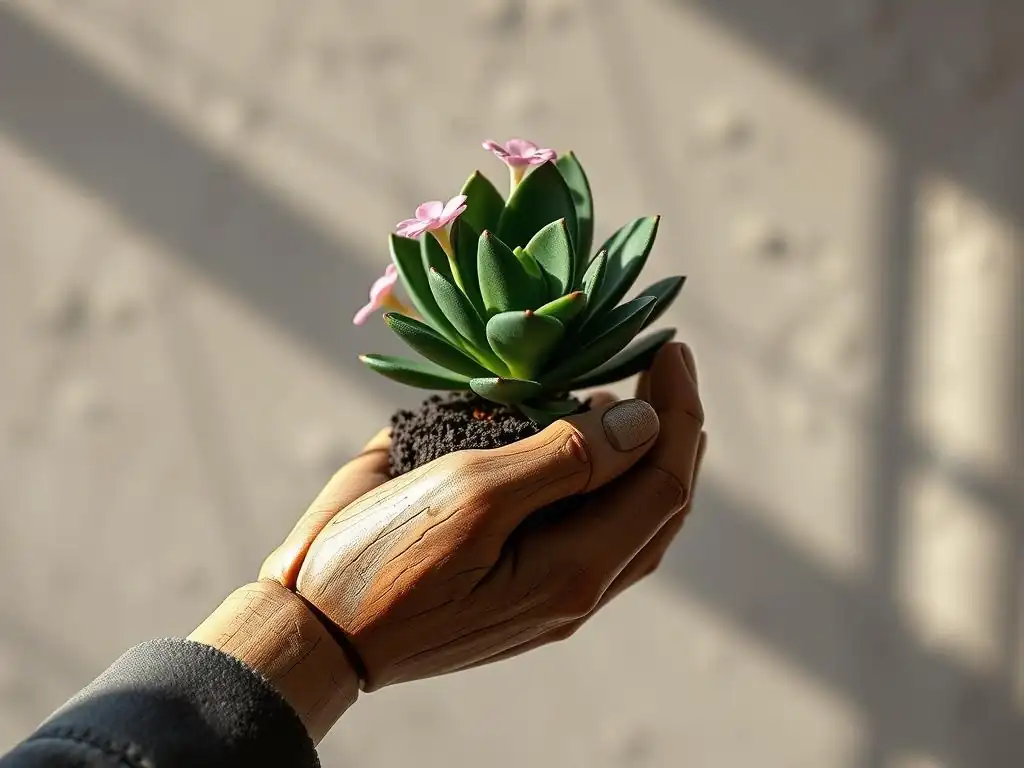
Prioritizing Physical Health for a Stronger Foundation
Prioritizing physical health is foundational for maintaining robust emotional well-being. The mind and body are deeply connected, and neglecting one impacts the other. Regular physical activity, a balanced diet, and adequate sleep are not just good for your body; they significantly influence your mood, energy levels, and ability to manage stress. For example, getting 7-9 hours of quality sleep per night is crucial for cognitive function and emotional regulation; chronic sleep deprivation is strongly linked to increased irritability, anxiety, and depression.
Making conscious choices to support your physical health provides a stronger base for finding joy purpose emotional health. Aim for at least 150 minutes of moderate-intensity aerobic exercise per week, as recommended by health organizations, and incorporate strength training. Fuel your body with nutrient-dense foods and stay hydrated. These habits provide the physical resilience needed to engage fully in connection, contribution, and growth, and to better cope with life's inevitable challenges.
Practicing Mindfulness to Reduce Stress and Enhance Self-Awareness
Practicing mindfulness is a powerful tool for reducing stress and enhancing self-awareness, both critical for maintaining emotional health. Mindfulness involves paying attention to the present moment without judgment. This can be as simple as focusing on your breath for a few minutes each day, or mindfully engaging in everyday activities like eating or walking. Regular practice helps train your mind to stay grounded rather than getting swept away by worries about the past or future.
Studies have shown that consistent mindfulness practice can lead to measurable reductions in stress hormones like cortisol and can even change brain structure over time, enhancing areas associated with self-awareness and emotional regulation. Start with just 5-10 minutes of mindfulness meditation daily and gradually increase the duration. This practice helps you become more aware of your emotional states and thought patterns, enabling you to respond to challenges with greater calm and clarity, supporting your journey of finding joy and purpose.
Setting Boundaries to Protect Your Time and Energy
Setting boundaries is an essential self-care practice that protects your time and energy, directly impacting your emotional well-being. Boundaries are limits you set in relationships and commitments to ensure you have the time and space needed for your own needs and priorities. This might involve saying no to requests that overextend you, limiting time spent on draining activities, or establishing clear expectations in your relationships.
Learning to set and maintain healthy boundaries prevents burnout and resentment, allowing you to preserve your energy for activities that truly nourish you, including those related to connection, contribution, and growth. It communicates your needs and values to others and reinforces your self-worth. While it can feel challenging initially, especially if you're used to people-pleasing, setting boundaries is an act of self-respect that is fundamental for sustained finding joy purpose emotional health.
The Benefits of Connection, Contribution, and Growth for Long-Term Well-being
Increased Resilience and Improved Coping Skills
Actively cultivating connection, contribution, and growth leads to increased resilience and improved coping skills, vital for long-term emotional health. When faced with adversity, strong social connections provide a support network to lean on. Sharing challenges with trusted friends or family can reduce the feeling of being overwhelmed and offer new perspectives or practical assistance. This social support acts as a significant protective factor against the negative impacts of stress.
Furthermore, engaging in contribution and pursuing growth builds confidence and competence. Successfully navigating challenges in these areas teaches you that you are capable of overcoming difficulties. Learning new skills or contributing to a cause builds a sense of agency and problem-solving ability. This cumulative experience enhances your belief in your capacity to handle future stressors, making you more resilient and better equipped to maintain your emotional well-being even when circumstances are tough.
Enhanced Self-Worth and a Sense of Belonging
Finding joy purpose emotional health is intrinsically linked to enhanced self-worth and a strong sense of belonging. Connection provides the feeling of being accepted and valued for who you are within a community or relationship. This sense of belonging is a fundamental human need, and its fulfillment significantly boosts self-esteem and reduces feelings of isolation or inadequacy. Being part of something larger than yourself combats feelings of insignificance.
Contribution reinforces your value by allowing you to see the positive impact you can make on the world or in the lives of others. Whether it's a small act of kindness or a significant project, contributing demonstrates your capabilities and worth. Growth, through learning and development, increases your competence and confidence in your abilities, further reinforcing positive self-regard. The combination of feeling connected, capable, and impactful profoundly enhances self-worth and fuels a deeper sense of finding joy and purpose.
A More Purposeful and Fulfilling Life
Ultimately, the pursuit of connection, contribution, and growth culminates in a more purposeful and fulfilling life, which is the essence of finding joy purpose emotional health. When you are deeply connected to others, actively contributing your skills and energy, and continuously growing as an individual, life takes on richer meaning. These elements provide direction and motivation, moving beyond mere existence to a life lived with intention.
A purposeful life is not necessarily one free of challenges, but one where you feel your efforts matter and are aligned with your values. Connection provides the shared experiences that make life meaningful. Contribution gives you a reason to get up in the morning, knowing you are making a difference. Growth ensures that life remains interesting and that you are continuously evolving. Embracing these three pillars is perhaps the most reliable path to sustained happiness and profound emotional well-being.
Resources and Support for Your Emotional Well-being Journey
Books on Building Relationships and Finding Purpose
Exploring literature can provide valuable insights and practical guidance for enhancing connection and discovering purpose. Many authors have delved into the psychology of relationships and the philosophy of finding meaning in life.
- Books focusing on communication skills often provide techniques for active listening, empathy, and conflict resolution, essential for strengthening bonds. For example, works discussing nonviolent communication principles offer structured approaches to expressing yourself honestly and listening to others with compassion.
- Books on purpose and meaning often explore philosophical concepts, psychological research on motivation, and personal narratives of individuals who have found their calling. These resources can help you reflect on your values, identify your passions, and explore ways to align your actions with what matters most to you, supporting your journey of finding joy and purpose.
Organizations Offering Volunteer Opportunities
Numerous organizations offer diverse opportunities to contribute your time and skills, supporting your path to emotional well-being. Finding the right fit depends on your interests, location, and available time.
- Local community centers and non-profits often have volunteer needs ranging from administrative support to program assistance. Visiting their websites or calling them directly can reveal current opportunities.
- Large national or international organizations focused on areas like disaster relief, environmental conservation, or health research also rely heavily on volunteers. Many offer flexible roles, including virtual volunteering, which can help manage time constraints while still making a significant contribution.
Online Courses and Workshops for Personal Development
Online platforms offer a wealth of resources for personal and professional growth, facilitating your journey towards finding joy purpose emotional health. These resources provide flexible and accessible ways to acquire new knowledge and skills.
- Platforms like Coursera, edX, and Khan Academy offer courses from universities and institutions covering a vast range of subjects, from coding and data science to humanities and personal development topics like mindfulness or emotional intelligence.
- Websites like Skillshare or Udemy focus more on creative and practical skills, such as photography, writing, graphic design, or business skills. Many offer short workshops or longer courses that you can complete at your own pace, making growth attainable alongside other commitments.
Frequently Asked Questions
How does finding joy and purpose contribute to my overall emotional health?
Finding joy and purpose provides a sense of meaning and fulfillment, which significantly impacts emotional well-being. This leads to increased resilience to stress and a stronger sense of self-worth.
What are some practical steps I can take to identify and cultivate joy in my life?
Start by exploring activities that bring you genuine pleasure and satisfaction. Consider hobbies, spending time with loved ones, or engaging in creative pursuits. Remember to be patient and persistent in your search.
How can I discover my purpose, and what if my purpose feels unclear?
Reflect on your values, passions, and strengths. Consider how you can use them to make a positive impact on the world. If your purpose feels unclear, experiment with different activities and seek guidance from others.
What resources does Mind Care Guide offer to help me improve my emotional health?
Mind Care Guide provides a wealth of information, support, and resources related to mental well-being. This includes articles, guides, and links to professional mental health services.
What are some common barriers to finding joy and purpose, and how can I overcome them?
Common barriers include fear of failure, negative self-talk, and lack of time. Overcome these by practicing self-compassion, challenging negative thoughts, and prioritizing activities that align with your values.
Final Reflection: The Enduring Power of Joy and Purpose
The pursuit of joy and purpose isn't a fleeting trend; it's the bedrock of lasting emotional health in a world increasingly demanding of our mental well-being. Finding genuine happiness and a sense of meaning isn't a luxury, but a necessity for navigating the complexities of modern life and building resilience against adversity. This pursuit, as explored throughout this article, is more crucial now than ever before.
The interwoven threads of joy and purpose have profoundly shaped my own understanding of emotional well-being, and I've witnessed their transformative power in countless lives. The journey towards a fulfilling life isn't always linear; it's a continuous process of self-discovery and adaptation. The purpose of life, after all, is to live it, to taste experience to the utmost, to reach out eagerly and without fear for newer and richer experience.
– Eleanor Roosevelt. This quote perfectly encapsulates the active and courageous approach needed to cultivate both joy and purpose, embracing the unknown with open arms.
Now, I invite you to reflect on your own life. What brings you joy? What gives your life meaning? Don't wait for external validation or grand gestures; start small. Identify one activity that sparks a flicker of joy, one small act that aligns with your values. Nurture these seeds, and watch as they blossom into a life brimming with both purpose and the enduring power of happiness. Your journey to emotional health begins with a single, intentional step.
Ignite Your Inner Spark: Unlock Lasting Joy Today!
Thank you for taking the time to explore the essential ingredients for emotional well-being. We hope you found valuable insights into cultivating joy and purpose in your life. Now it's time to put that knowledge into action!
- Prioritize one small act of self-care today: This could be anything from a 10-minute meditation to a long, relaxing bath. Focus on nurturing yourself, even in small ways.
- Share your biggest takeaway: Inspire others by sharing the most impactful part of this article with someone who could benefit. A simple conversation can make a big difference.
- Try a new, joyful activity this week: Step outside your comfort zone and experiment with something that sparks your curiosity – perhaps a new hobby, class, or even a conversation with a stranger.
What small step will you take today to cultivate more joy and purpose in your life?