
Tai Chi and Breathwork: Unlocking Deeper Mental Relaxation

Welcome to Mind Care Guide, your sanctuary for nurturing inner peace. Feeling overwhelmed by anxiety? You're not alone. Discover how the ancient practices of Tai Chi and breathwork can be powerful tools in your journey towards calm. Dive in to learn more about " Tai Chi breathwork anxiety relief" and unlock a path to deeper mental relaxation. Curious about how these techniques can soothe your mind? Let's explore together...
Tai Chi and Breathwork: Unlocking Deeper Mental Relaxation
- Introduction: Finding Calm with Tai Chi Breathwork for Anxiety Relief
- Understanding Tai Chi and Its Benefits for Mental Wellbeing
- The Power of Breathwork: Connecting Mind and Body
- Tai Chi Breathwork for Anxiety Relief: A Synergistic Approach
- Step-by-Step Guide: Practicing Tai Chi Breathwork at Home
- Benefits of Regular Tai Chi Breathwork Practice
- Tips for Maximizing the Benefits of Tai Chi Breathwork
- Integrating Tai Chi Breathwork into Your Daily Life
- Conclusion: Embracing the Path to Inner Peace with Tai Chi and Breathwork
-
Frequently Asked Questions
- How can Tai Chi breathwork specifically help with anxiety relief?
- What is the core principle behind using Tai Chi breathwork for mental well-being?
- How often should I practice Tai Chi breathwork to experience noticeable anxiety reduction?
- Are there any potential side effects or precautions to consider when starting Tai Chi breathwork for anxiety relief?
- Where can I find reliable resources or guidance to learn Tai Chi breathwork techniques for managing anxiety?
- Final Reflection: Breathing Your Way to Serenity
- Unlock Your Inner Calm: Take the Next Step
Introduction: Finding Calm with Tai Chi Breathwork for Anxiety Relief
In our fast-paced world, finding moments of true calm can feel like a distant dream, especially when grappling with anxiety. The constant demands of modern life often leave us feeling overwhelmed, stressed, and disconnected from our inner peace. Anxiety, in particular, can manifest as persistent worry, restlessness, and even physical symptoms like a racing heart or shallow breathing. While various approaches exist for managing these challenges, many people are seeking gentle yet effective holistic methods that address both the mind and body.
One such powerful combination gaining recognition is the practice of Tai Chi integrated with conscious breathwork. Tai Chi, an ancient Chinese martial art, is renowned for its slow, deliberate movements and meditative quality. When paired with focused breathing techniques, often referred to as Tai chi breathwork, it creates a synergistic approach that can significantly aid in achieving deeper mental relaxation and offering tangible relief from anxiety. This article explores how this gentle practice can become a cornerstone in your journey towards greater emotional balance and inner tranquility.
Understanding Tai Chi and Its Benefits for Mental Wellbeing
The Gentle Art of Tai Chi: A Holistic Approach to Stress Reduction
Tai Chi, often described as "meditation in motion," is a practice rooted in traditional Chinese philosophy and martial arts. It involves a series of fluid, slow-motion movements designed to promote circulation, balance, and inner harmony. Unlike high-impact exercises, Tai Chi is accessible to people of almost any age and physical condition, making it a versatile tool for well-being. Its holistic nature means it addresses not just physical health but also mental and emotional states, making it particularly effective for stress reduction.
Studies have consistently shown the positive impact of Tai Chi on stress levels. For example, research published in journals like the Journal of the American Medical Association (JAMA) has indicated that regular Tai Chi practice can lead to measurable reductions in stress hormones like cortisol. One study involving older adults found that participants who practiced Tai Chi for 12 weeks reported significantly lower levels of perceived stress compared to a control group. This suggests that the gentle, flowing movements, combined with mental focus, create a calming effect that helps the body and mind release tension.
How Tai Chi Promotes Mindfulness and Emotional Balance
Mindfulness is a key component of Tai Chi practice. By focusing intently on the body's movements, posture, and breath, practitioners cultivate present-moment awareness. This deliberate attention shifts focus away from anxious thoughts about the past or future, anchoring the mind in the here and now. The slow pace allows for deep concentration, training the mind to stay focused and resist the pull of distractions, which is a common challenge for those experiencing anxiety.
This enhanced mindfulness directly contributes to improved emotional balance. As practitioners become more aware of their physical sensations and mental states without judgment, they develop a greater capacity to observe their emotions rather than being consumed by them. Research from institutions like Harvard Medical School highlights Tai Chi's role in enhancing mood and reducing symptoms of depression and anxiety. A meta-analysis of multiple studies found that Tai Chi interventions led to moderate improvements in emotional well-being, suggesting that the practice helps individuals regulate their emotional responses more effectively.
Tai Chi's Impact on the Nervous System and Anxiety
The calming effect of Tai Chi is deeply rooted in its influence on the autonomic nervous system. This system controls involuntary bodily functions like heart rate, digestion, and breathing. It has two main branches: the sympathetic (responsible for the "fight or flight" response) and the parasympathetic (responsible for the "rest and digest" response). Chronic stress and anxiety often lead to an overactive sympathetic nervous system.
Tai Chi practice encourages a shift towards increased parasympathetic activity. The slow, controlled movements and emphasis on deep, relaxed breathing help to lower heart rate, reduce blood pressure, and promote a state of calm. This physiological shift counteracts the body's stress response, directly mitigating the physical symptoms associated with anxiety. Studies using physiological measures, such as heart rate variability (HRV), have shown that Tai Chi practitioners exhibit higher HRV, an indicator of a more flexible and resilient nervous system, better equipped to handle stress and reduce the impact of anxiety.
The Power of Breathwork: Connecting Mind and Body
Diaphragmatic Breathing: The Foundation of Relaxing Breathwork Techniques
Breathwork, the conscious control of breathing, is a fundamental practice for influencing physiological and psychological states. At its core lies diaphragmatic breathing, also known as abdominal or belly breathing. This technique involves engaging the diaphragm, a large muscle located beneath the lungs, to draw air deep into the abdomen, rather than relying on shallow chest breaths. Shallow breathing, often associated with stress and anxiety, can perpetuate the body's fight-or-flight response.
Learning to breathe deeply and slowly from the diaphragm is crucial for activating the parasympathetic nervous system, which promotes relaxation. When you inhale, your belly should expand, and as you exhale, it should gently contract. Practicing this simple technique for just a few minutes can significantly lower heart rate, reduce blood pressure, and calm the nervous system. It is the foundational breath technique used in many relaxation practices, including integrated Tai chi breathwork for anxiety relief.
The Science Behind Breathwork: Reducing Stress Hormones
The scientific community has extensively studied the physiological effects of breathwork. Controlled breathing techniques have been shown to directly impact the levels of stress hormones circulating in the body. When you practice deep, slow breathing, it signals to your brain that you are safe and relaxed, counteracting the stress response.
Research indicates that consistent breathwork can lead to a reduction in cortisol, often dubbed the "stress hormone," and adrenaline. For instance, a study published in the Journal of Alternative and Complementary Medicine found that participants engaging in regular breathwork exercises showed decreased cortisol levels and reported lower levels of perceived stress. This hormonal regulation is a key mechanism by which breathwork helps to alleviate the physical and mental symptoms of anxiety, promoting a state of physiological calm.
Different Breathwork Exercises for Calming the Mind
While diaphragmatic breathing is fundamental, various breathwork exercises can be employed to calm the mind. One popular technique is the 4-7-8 method, developed by Dr. Andrew Weil, which involves inhaling for a count of four, holding the breath for a count of seven, and exhaling slowly for a count of eight. This pattern is believed to act as a natural tranquilizer for the nervous system.
Another effective technique is Box Breathing, or square breathing, used by Navy SEALs for maintaining calm under pressure. It involves inhaling, holding the breath, exhaling, and holding the breath again, all for equal counts (e.g., four seconds each). These structured breathing patterns provide a focal point for the mind, interrupting anxious thought loops and promoting a sense of control and tranquility. Integrating such focused breathing into movement, as done in Tai chi breathwork for anxiety relief, amplifies these calming effects.
Tai Chi Breathwork for Anxiety Relief: A Synergistic Approach
Combining Tai Chi Movements with Conscious Breathing
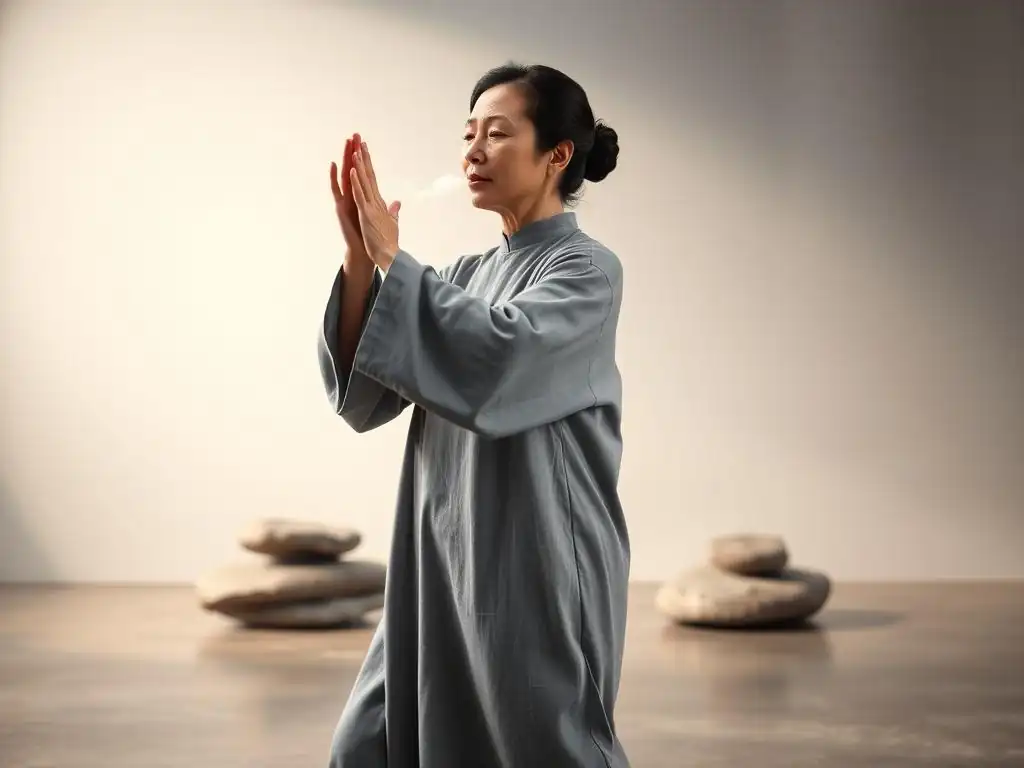
The true power of Tai chi breathwork for anxiety relief lies in the seamless integration of slow, deliberate movements with conscious, controlled breathing. Instead of performing the movements mechanically, practitioners synchronize each posture and transition with their breath. For example, an expansive movement might be paired with an inhalation, while a contracting or grounding movement aligns with an exhalation. This synchronicity creates a moving meditation that deepens the mind-body connection.
This combined practice enhances the benefits of both components. The gentle movements guide the breath, making it easier to maintain a slow, deep rhythm. Conversely, the focus on breath brings greater awareness and intention to the movements, preventing the mind from wandering. This integrated approach fosters a state of flow, reducing mental chatter and providing a respite from anxious thoughts, making it a potent form of Tai chi breathwork for anxiety relief.
Enhancing Mental Clarity and Focus Through Integrated Practice
The combined focus required for Tai chi breathwork significantly enhances mental clarity and concentration. By simultaneously paying attention to physical alignment, movement flow, and breath rhythm, the mind is fully engaged in the present moment. This intense yet gentle focus acts as a powerful antidote to the scattered thinking and difficulty concentrating often associated with anxiety.
Regular practice trains the brain to maintain attention and filter out distractions. Studies on the cognitive benefits of Tai Chi have shown improvements in executive function, attention span, and working memory, particularly in older adults. When breathwork is consciously integrated, this cognitive enhancement is further amplified. The deliberate control over breath and movement strengthens neural pathways related to focus and self-regulation, leading to clearer thinking and improved mental resilience.
Regulating Emotions with Tai Chi and Breath Control
The synergy of Tai Chi movements and breath control provides a powerful mechanism for emotional regulation. Anxiety often involves intense, sometimes overwhelming, emotional states. By grounding the practitioner in physical sensation and breath, Tai chi breathwork offers a way to process and manage these emotions without being overwhelmed by them.
The slow, rhythmic nature of the practice helps to soothe the nervous system, reducing the intensity of emotional responses. Paired with mindful awareness cultivated through the movements and breath, individuals learn to observe their emotions with greater distance and less reactivity. This allows for a healthier processing of feelings like fear, worry, and frustration. The physical release of tension through movement, combined with the calming effect of controlled breathing, creates an internal environment more conducive to emotional balance and peace.
Step-by-Step Guide: Practicing Tai Chi Breathwork at Home
Preparing Your Space for a Mindful Tai Chi Session
Creating a dedicated space for your Tai chi breathwork practice is essential for minimizing distractions and fostering a sense of calm. Choose a quiet area where you have enough room to move freely without bumping into furniture. Ensure the space is well-ventilated and at a comfortable temperature. You might dim the lights slightly or light a calming candle (safely, of course) if that enhances your sense of peace. Wear comfortable, loose-fitting clothing that doesn't restrict your movement or breathing.
Before you begin the movements, take a moment to stand or sit quietly in your space. Close your eyes or soften your gaze. Take a few slow, deep breaths, allowing yourself to arrive fully in the present moment. This preparation helps transition your mind from daily activities to the focused, meditative state required for effective Tai chi breathwork for anxiety relief.
Warm-up Exercises and Gentle Stretches
Just as with any physical activity, it's beneficial to prepare your body with gentle warm-up exercises and stretches before starting the Tai Chi form. These movements help loosen muscles, increase flexibility, and improve circulation, reducing the risk of strain and enhancing your ability to move fluidly. Start with gentle neck rolls, shoulder circles, and torso twists.
Follow these with light stretches for the legs and arms. For example, you could perform gentle hamstring stretches or arm circles. The goal is not intensity but rather to awaken the body and prepare it for the slow, deliberate movements of Tai Chi. Pay attention to how your body feels during these warm-ups, incorporating gentle breathwork by exhaling on stretches and inhaling on release.
Guided Tai Chi Form with Breathwork Integration
Begin your Tai Chi form slowly, paying close attention to the coordination of your movements with your breath. If you are new to Tai Chi, start with a simplified form or even just a few basic movements. The key is to move with intention and synchronize each part of the movement with either an inhalation or an exhalation. Focus on keeping your movements fluid and continuous, avoiding abrupt stops or starts.
As you flow through the form, maintain your diaphragmatic breathing – slow, deep, and relaxed. Allow the breath to guide the pace of your movements. If you feel your mind wandering, gently bring your attention back to your breath and the physical sensations of your body moving. This integrated practice is the core of using Tai chi breathwork for anxiety relief.
The "Wave Hands Like Clouds" Movement and Breath Synchronization
One fundamental Tai Chi movement ideal for breath synchronization is "Wave Hands Like Clouds." This movement involves shifting weight from side to side while the hands move in gentle, circular patterns in front of the body. As you shift your weight and your hands move outwards or upwards, inhale deeply, allowing your belly to expand.
As you shift your weight back and bring your hands inwards or downwards, exhale slowly and completely, drawing your belly slightly in. The continuous, flowing nature of this movement, paired with the rhythmic breath, creates a deeply calming effect. Focus on the sensation of air moving in and out and the gentle, cloud-like motion of your hands.
The "Single Whip" Posture and Extended Exhalation
The "Single Whip" is another classic Tai Chi posture that involves extending one arm outward like a whip while the other hand forms a hook. This posture offers an excellent opportunity to practice extended exhalations, which are particularly effective for activating the parasympathetic nervous system and promoting relaxation.
As you settle into the "Single Whip" posture, take a full inhale. Then, as you hold the posture or slowly transition out of it, practice a long, slow exhalation, making it slightly longer than your inhale if comfortable. This extended exhale helps to release tension and deepen the sense of calm, enhancing the Tai chi breathwork anxiety relief effect.
The "Embrace the Tiger, Return to Mountain" Movement and Mindful Inhalation
The movement "Embrace the Tiger, Return to Mountain" often involves gathering energy inwards before releasing it. This section of the form provides a perfect opportunity to focus on mindful inhalation – drawing in calm energy and oxygen. As you bring your hands in towards your body in the "Embrace the Tiger" phase, inhale deeply and consciously, imagining you are drawing peaceful, calming energy into your core.
Then, as you transition into "Return to Mountain," settling and grounding yourself, exhale slowly. The focus here is on the quality of the inhalation, ensuring it is full, deep, and nurturing. This mindful attention to the breath during specific movements reinforces the connection between physical action, breath, and intention.
Cool-down and Reflection: Grounding Your Energy
After completing your Tai Chi form, take a few minutes for a cool-down and reflection. Stand quietly with your feet shoulder-width apart, hands resting gently at your sides or placed on your lower abdomen. Close your eyes or soften your gaze.
Focus on your breath, allowing it to return to its natural rhythm without conscious control. Notice the sensations in your body – any warmth, tingling, or sense of relaxation. Reflect briefly on your practice, acknowledging the effort you made. This cool-down period helps to ground your energy and integrate the calming effects of the Tai chi breathwork session.
Benefits of Regular Tai Chi Breathwork Practice
Reduced Anxiety and Stress Levels
One of the most significant benefits of consistent Tai chi breathwork is its profound impact on reducing anxiety and stress. By combining gentle movement with conscious breathing, the practice directly counteracts the body's stress response. The slow, rhythmic nature calms the nervous system, lowering cortisol and adrenaline levels.
Numerous studies support this. For instance, a review of 40 studies on Tai Chi published in the British Journal of Sports Medicine concluded that Tai Chi is effective in reducing anxiety symptoms. Participants in various trials reported feeling less worried, more relaxed, and better equipped to handle stressful situations after incorporating Tai chi breathwork into their routines.
Improved Sleep Quality and Emotional Regulation
Anxiety often disrupts sleep patterns, leading to insomnia or poor sleep quality. Tai chi breathwork helps address this by promoting relaxation and reducing the mental rumination that keeps people awake. The practice prepares the body and mind for rest, making it easier to fall asleep and stay asleep.
Furthermore, the practice enhances emotional regulation. As individuals become more mindful of their thoughts and feelings through Tai chi breathwork, they develop a greater capacity to manage difficult emotions. This leads to fewer emotional outbursts, increased patience, and a more stable mood throughout the day. Research has shown that Tai Chi can significantly improve sleep quality and reduce symptoms of depression and anxiety, contributing to overall emotional well-being.
Increased Body Awareness and Mind-Body Connection
Tai chi breathwork cultivates a deep connection between the mind and body. The slow, deliberate movements require focused attention on physical sensations, posture, and balance. This heightened awareness of the body helps individuals identify areas of tension and learn to release them.
Over time, practitioners develop a stronger sense of proprioception (awareness of the body's position in space) and interoception (awareness of internal bodily states like breathing and heart rate). This increased body awareness is invaluable for managing anxiety, as it allows individuals to recognize the early signs of stress or panic in their physical body and apply calming techniques like focused Tai chi breathwork before symptoms escalate.
Enhanced Cognitive Function and Mental Clarity
Beyond its direct impact on anxiety, regular Tai chi breathwork practice has been linked to improved cognitive function. The practice requires concentration, memory (to recall forms), and spatial awareness, providing a gentle workout for the brain.
Studies, including those from the Journal of Alzheimer's Disease, have suggested that Tai Chi can enhance cognitive abilities, particularly in areas like attention, memory, and executive function. The combination of physical movement and mental focus, particularly when integrated with breathwork, appears to stimulate neural activity and improve overall brain health. This can lead to greater mental clarity, improved focus, and reduced mental fatigue, which are often compromised by chronic anxiety.
Tips for Maximizing the Benefits of Tai Chi Breathwork
Consistency is Key: Establishing a Daily Practice
To truly unlock the deeper mental relaxation benefits of Tai chi breathwork for anxiety relief, consistency is paramount. Practicing for short periods regularly is far more effective than infrequent, long sessions. Aim for at least 15-20 minutes daily, ideally at the same time each day, to establish a routine.
Even practicing for 5-10 minutes when you feel particularly stressed or anxious can make a significant difference. Think of it like building a muscle – consistent effort over time yields the strongest results. Finding a time that works best for you, whether first thing in the morning or before bed, and sticking to it will help solidify the habit and maximize the calming effects.
Listening to Your Body: Modifications and Adaptations
Tai chi breathwork is a gentle practice, but it's crucial to listen to your body and make modifications as needed. Do not push yourself into uncomfortable positions or movements. If a posture feels painful or causes strain, adapt it or skip it. Tai Chi can be practiced standing, seated, or even in a chair if mobility is limited.
For instance, if you have knee issues, avoid deep stances. If balance is a concern, practice near a wall or chair for support. The goal is relaxation and flow, not perfect form. Paying attention to your body's signals ensures the practice remains accessible and enjoyable, preventing injury and fostering a positive relationship with the movements and breath.
Finding a Qualified Instructor or Online Resources
While you can begin exploring Tai chi breathwork on your own using guides, learning from a qualified instructor can significantly deepen your practice. An experienced teacher can provide personalized guidance on posture, alignment, and breath synchronization, helping you avoid common mistakes and understand the subtle nuances of the movements.
If in-person classes aren't feasible, numerous reputable online resources offer guided Tai chi and breathwork sessions. Look for instructors with certifications and experience teaching Tai Chi for health or therapeutic purposes. Online videos and courses can provide visual demonstrations and verbal cues that are helpful when learning the forms and integrating the breath effectively.
Precautions for Individuals with Cardiovascular Issues
Tai chi breathwork is generally safe and low-impact, making it suitable for many individuals, including those with certain health conditions. However, individuals with pre-existing cardiovascular issues, severe balance problems, or other significant health concerns should consult with their doctor before starting a new exercise program, including Tai Chi.
While the practice is gentle, it's important to ensure it's appropriate for your specific health status. Your doctor can advise on any necessary precautions or modifications. Once cleared, Tai Chi can be a beneficial complementary practice, but medical advice should always be sought for specific health conditions.
Integrating Tai Chi Breathwork into Your Daily Life
Using Tai Chi Breathwork for Anxiety Relief in Everyday Situations
The principles learned in formal Tai chi breathwork practice can be applied throughout your day to manage anxiety in real-time. You don't need a full session to benefit. When you feel stress or anxiety rising during a challenging situation, take a moment to pause.
Even a few conscious, deep diaphragmatic breaths can help interrupt the stress response. Combine this with a simple, mindful movement, like a gentle arm swing or a shift of weight from one foot to the other, synchronized with your breath. This mini-practice of Tai chi breathwork for anxiety relief can provide immediate calm and help you respond to the situation more effectively.
Mindful Breathing Techniques for Managing Stressful Moments
Apart from integrating movement, simply using the mindful breathing techniques learned in Tai chi breathwork can be incredibly effective for managing stressful moments. Whether you're stuck in traffic, facing a deadline, or having a difficult conversation, pause and focus on your breath.
Practice slow, deep inhalations and long, gentle exhalations. Count your breaths if it helps maintain focus (e.g., inhale for 4, exhale for 6). This simple act of conscious breathing helps to ground you in the present, reduce physiological arousal, and create space between you and the stressful event, preventing overwhelm.
Seated Tai Chi Breathwork for the Workplace
For those who spend much of their day seated, incorporating seated Tai chi breathwork is an excellent way to integrate the practice into the workday. You can perform modified Tai Chi movements while sitting in a chair, focusing on gentle torso twists, arm movements, and leg raises, all synchronized with deep, controlled breathing.
Even without movement, simply sitting with good posture and practicing diaphragmatic breathing for a few minutes can alleviate stress and improve focus. This seated practice of Tai chi breathwork for anxiety relief is discreet and can be done at your desk, providing a quick reset during a busy day.
Conclusion: Embracing the Path to Inner Peace with Tai Chi and Breathwork
Tai Chi and breathwork, when combined, offer a powerful, accessible, and holistic approach to unlocking deeper mental relaxation and providing significant Tai chi breathwork anxiety relief. This gentle practice transcends mere exercise; it is a moving meditation that nurtures the connection between mind, body, and spirit. By slowing down, focusing on deliberate movements, and synchronizing them with conscious breath, practitioners cultivate mindfulness, regulate their nervous system, and build resilience against the pressures of modern life.
Embracing Tai chi breathwork means committing to a path of self-care that fosters calm, clarity, and emotional balance. It is a journey towards greater body awareness, improved sleep, enhanced cognitive function, and ultimately, a more peaceful state of being. Whether practiced in a class or quietly at home, integrating Tai Chi and breathwork into your routine offers a profound way to navigate anxiety and step closer to inner peace. Start small, be consistent, listen to your body, and discover the transformative power of this ancient practice.
Frequently Asked Questions
How can Tai Chi breathwork specifically help with anxiety relief?
Tai Chi breathwork combines slow, deliberate movements with focused breathing techniques, helping to regulate the nervous system and reduce feelings of anxiety. This practice encourages mindfulness and provides a sense of calm.
What is the core principle behind using Tai Chi breathwork for mental well-being?
The core principle involves synchronizing movement and breath to cultivate a state of present moment awareness. This mind-body connection helps to reduce stress and promote emotional regulation.
How often should I practice Tai Chi breathwork to experience noticeable anxiety reduction?
Consistency is key. Aim for at least 15-20 minutes of practice several times a week. With regular practice, you'll likely experience a gradual reduction in anxiety symptoms.
Are there any potential side effects or precautions to consider when starting Tai Chi breathwork for anxiety relief?
Generally, Tai Chi breathwork is safe. However, if you have pre-existing health conditions, it’s wise to consult your doctor before starting. Listen to your body and avoid pushing yourself too hard.
Where can I find reliable resources or guidance to learn Tai Chi breathwork techniques for managing anxiety?
Resources like the Mind Care Guide offer articles and information. You can also find qualified Tai Chi instructors or online courses that specialize in breathwork for anxiety relief.
Final Reflection: Breathing Your Way to Serenity
The ancient practice of Tai Chi, interwoven with conscious breathwork, offers a powerful antidote to the pervasive anxiety of modern life. In a world increasingly characterized by relentless pressure and information overload, the simple yet profound techniques explored in this article provide a readily accessible path towards inner peace and resilience. This isn't just a fleeting trend; it's a rediscovery of an age-old wisdom perfectly suited to address the challenges of our time.
The impact of mindful movement and breath control on our mental well-being is undeniable. It's not merely about reducing stress; it's about cultivating a deeper connection with ourselves and fostering a sense of groundedness that permeates every aspect of our lives. The breath is the bridge between the body and the mind.
This quote perfectly encapsulates the transformative power of integrating breathwork into our daily routines, allowing us to navigate the complexities of life with greater clarity and composure. The ongoing influence of Tai Chi and breathwork extends beyond individual well-being; it fosters a culture of self-care and mindful living, encouraging a more holistic approach to health and happiness.
Consider the profound impact of incorporating even a few minutes of Tai Chi and breathwork into your daily routine. You have the power to cultivate a sanctuary of calm within yourself, a space where you can reconnect with your inner strength and resilience. Begin today. Experiment with the techniques discussed, find what resonates with you, and allow the gentle flow of movement and breath to wash away the anxieties that weigh you down. Embrace the journey towards a more peaceful, centered, and fulfilling life – one breath at a time.
Unlock Your Inner Calm: Take the Next Step
Thanks for taking the time to explore the power of Tai Chi and breathwork for deeper relaxation! We hope you found valuable insights into how these practices can transform your mental well-being. Now, it's time to put this knowledge into action.
- Begin your Tai Chi journey: Start with a simple, guided beginner's routine. Even 10 minutes a day can make a significant difference in reducing stress and enhancing focus.
- Share your experience: Tell us (and others!) about your journey into breathwork and Tai Chi. What resonated most with you? What challenges did you encounter? Sharing your progress inspires others!
- Explore mindful breathing exercises: Experiment with different breathing techniques mentioned in the article – Box Breathing or Alternate Nostril Breathing are great places to start.
Ready to cultivate a deeper sense of calm and presence in your life? What small step will you take today to prioritize your mental well-being?