
Beyond Stigma: Navigating Mental Health Challenges in Diverse Cultural Backgrounds


Welcome to Mind Care Guide, a space dedicated to nurturing your mental well-being.
Have you ever felt like mental health support wasn't quite tailored to your unique cultural background? In "Beyond Stigma: Navigating Mental Health Challenges in Diverse Cultural Backgrounds," we delve into the critical need for cultural mental health support resources. Discover how to access culturally sensitive care and break down barriers to healing. Your journey to understanding and accessing appropriate support starts here – keep reading to find valuable resources and perspectives.
- Beyond Stigma: Navigating Mental Health Challenges in Diverse Cultural Backgrounds | Mind Care Guide
- Key Mental Health Challenges Faced by Diverse Communities
- Accessing Culturally Sensitive Mental Health Support Resources
- Overcoming Barriers to Mental Health Care in Minority Populations
- Culturally Adapted Mental Health Interventions and Therapies
- Finding Cultural Mental Health Support Resources: A Practical Guide
- Building Resilience and Promoting Mental Well-being in Diverse Communities
- The Future of Culturally Competent Mental Health Care
- Conclusion: Embracing Cultural Diversity in Mental Health Care
-
Frequently Asked Questions
- What is the primary focus of Cultural Mental Health Support Resources?
- Why is it important to offer Cultural Mental Health Support Resources?
- What types of resources are typically included in Cultural Mental Health Support Resources?
- How can I find Cultural Mental Health Support Resources in my community?
- What is the role of Cultural Mental Health Support Resources in reducing stigma?
- Final Reflection: Embracing Cultural Nuances in Mental Wellness
- Unlock Your Well-being: Take the Next Step Towards Mental Wellness
The Influence of Culture on Mental Health Perceptions
Culture profoundly shapes how individuals understand, express, and respond to mental health challenges. Beliefs about the causes of mental illness vary widely; some cultures may attribute distress to spiritual factors, imbalances in the body, or social disharmony rather than biological or psychological origins.
This foundational difference in perception can significantly impact whether someone recognizes symptoms as a health issue requiring professional intervention or views them through a non-medical lens, such as a personal weakness, a moral failing, or a natural part of life's struggles. For example, in some East Asian cultures, mental illness may be seen as bringing shame upon the family, leading individuals to conceal symptoms rather than seek help.
Furthermore, cultural norms dictate acceptable ways of expressing distress. While Western cultures often encourage verbal articulation of feelings like sadness or anxiety, other cultures may express psychological pain through physical symptoms (somatic complaints) or behavioral changes. A person experiencing depression might complain of headaches or fatigue rather than explicitly stating feelings of hopelessness. Clinicians unfamiliar with these cultural variations in symptom presentation may misdiagnose or fail to recognize the underlying mental health condition, highlighting the critical need for culturally informed assessment and understanding when providing mental health support resources.
Cultural Stigma and Barriers to Mental Health Care
Cultural stigma surrounding mental illness remains a significant barrier to seeking and receiving care across many diverse communities. This stigma can manifest as fear of judgment, discrimination, or social exclusion from family, friends, or the wider community. The potential consequences of being labeled with a mental health condition can feel more daunting than the symptoms themselves, leading individuals to suffer in silence. For instance, within certain immigrant communities, the fear that seeking mental health services could negatively impact immigration status or future opportunities for family members can act as a powerful deterrent.
Beyond internal and social stigma, systemic barriers rooted in cultural insensitivity or lack of awareness also impede access to effective cultural mental health support resources. These can include a lack of culturally competent mental health professionals who understand the specific historical context, values, and communication styles of a particular group.
Language barriers are also critical, as accessing therapeutic services requires clear and nuanced communication. A 2021 report by the American Psychological Association noted that racial and ethnic minorities are less likely to receive mental health treatment compared to white individuals, with factors like mistrust of the healthcare system, historical trauma, and culturally insensitive care contributing to this disparity.
Recognizing Culturally Specific Mental Health Symptoms
Recognizing culturally specific mental health symptoms is crucial for accurate diagnosis and effective treatment. Some cultures have unique expressions of distress or culture-bound syndromes that are not directly mapped onto standard Western diagnostic categories like the DSM-5. Examples include ataque de nervios in some Latinx cultures, characterized by symptoms like uncontrollable crying, trembling, and dissociation, often triggered by stressful family events, which differs from a panic attack although it shares some features.
Another example is Hwa-byung (anger syndrome) recognized in Korean culture, often linked to the suppression of anger and frustration in response to perceived injustice or suffering, manifesting as physical symptoms like palpitations, headaches, and digestive problems, alongside psychological distress. Mental health professionals providing cultural mental health support resources must be trained to inquire about and understand these culturally specific presentations. Relying solely on Western symptom checklists can lead to underdiagnosis or misdiagnosis, preventing individuals from receiving appropriate care tailored to their unique experiences and cultural context.
Key Mental Health Challenges Faced by Diverse Communities
Mental Health Issues in the Black Community: Challenges and Resources
The Black community faces unique mental health challenges shaped by systemic racism, historical trauma, socioeconomic disparities, and cultural factors. Experiences of discrimination and racial trauma contribute significantly to higher rates of depression, anxiety, and PTSD in this population compared to the general U.S. population.
For example, a study published around 2018 indicated that Black adults are more likely to report feelings of sadness, hopelessness, and worthlessness than white adults. Despite facing these elevated risks, Black individuals often encounter significant barriers to accessing quality mental healthcare, including stigma within the community, lack of insurance, and a shortage of culturally responsive providers.
Finding cultural mental health support resources within the Black community often involves seeking out faith-based organizations, community centers, and mental health professionals who understand the specific nuances of Black identity and experience. Organizations like the Black Emotional and Mental Health Collective (BEAM) or Therapy for Black Girls/Therapy for Black Men are examples of initiatives focused on connecting individuals with culturally competent care and reducing stigma. These resources often incorporate elements like the importance of community support, resilience, and addressing the impact of racism and historical trauma in therapeutic approaches.
The Latinx community is diverse, encompassing many nationalities and cultural backgrounds, yet faces common mental health challenges, including high rates of depression and anxiety. Factors such as acculturative stress (the stress of adapting to a new culture), language barriers, immigration challenges, and socioeconomic insecurity significantly impact mental well-being.
Stigma surrounding mental health is also prevalent, often leading individuals to turn to family or religious leaders before seeking professional help. Data suggests that Latinx adults report lower rates of utilizing mental health services compared to non-Latinx white adults, with only about one-third of Latinx adults with mental illness receiving treatment in a given year, based on figures around 2019-2020.
Accessing effective cultural mental health support resources for the Latinx community requires addressing language access and cultural competence. There is a significant shortage of bilingual and bicultural mental health professionals capable of providing therapy in Spanish or other relevant languages while understanding cultural concepts like familismo (the importance of family) or personalismo (preference for warm, personal relationships).
Community health centers, non-profit organizations focused on immigrant support, and national groups like the National Alliance for Hispanic Health offer valuable cultural mental health support resources, often providing services on a sliding scale or integrating mental health care with primary health services to reduce stigma and improve accessibility.
Mental Health Issues in the Asian American and Pacific Islander Community: Challenges and Resources
The Asian American and Pacific Islander (AAPI) community is incredibly diverse, representing dozens of ethnic groups, languages, and cultural traditions. Despite the "model minority" myth, this community experiences significant mental health challenges, including high rates of suicidal ideation among young adults, particularly women. Factors contributing to distress include intergenerational conflict, academic and professional pressure, experiences of racism and discrimination (exacerbated by recent events), and the trauma faced by refugees and immigrants.
Stigma regarding mental health is particularly strong in many Asian cultures, often leading to the suppression of emotions and avoidance of seeking help. Studies around 2018-2020 indicated that AAPI individuals are less likely to seek mental health services than white individuals and are less likely to receive antidepressant medication or therapy.
Finding cultural mental health support resources for the AAPI community requires acknowledging this diversity and providing services tailored to specific ethnic groups where possible. Resources that offer services in various Asian languages and understand specific cultural nuances, such as the concept of "saving face" or the impact of historical trauma from specific countries, are vital.
Organizations like the Asian American Psychological Association (AAPA) or the National Asian American Pacific Islander Mental Health Association (NAAPIMHA) work to promote culturally competent care and provide cultural mental health support resources, including directories of providers and educational materials aimed at reducing stigma and increasing mental health literacy within AAPI communities.
Accessing Culturally Sensitive Mental Health Support Resources

Identifying Culturally Competent Mental Health Professionals
Identifying culturally competent mental health professionals is a critical step in accessing effective care for diverse populations. A culturally competent therapist possesses not only clinical skills but also an understanding of how culture, race, ethnicity, gender identity, sexual orientation, socioeconomic status, religion, and other factors influence a person's experience of mental health and their interaction with the healthcare system.
This involves humility, ongoing learning, and the ability to adapt therapeutic approaches to fit a client's cultural background and values. Simply sharing a similar background with a client is not sufficient; cultural competence is an active process of self-reflection and skill development.
To find such professionals, individuals can look for therapists who explicitly state their commitment to cultural competence on their websites or profiles. Professional organizations, such as divisions within the American Psychological Association focused on ethnic minority issues or specific cultural groups, often maintain directories of members who specialize in culturally sensitive care.
Asking potential therapists specific questions during an initial consultation, such as their experience working with individuals from your specific cultural background or how they incorporate cultural factors into their practice, can also help determine if they are a good fit for providing appropriate cultural mental health support resources.
Exploring Community-Based Mental Health Support Programs
Community-based mental health support programs offer valuable cultural mental health support resources, often providing accessible and culturally relevant services outside traditional clinical settings. These programs are frequently embedded within the communities they serve, hosted by local community centers, faith-based organizations, or non-profit associations dedicated to specific cultural or ethnic groups. They can offer a range of services, including support groups, peer counseling, educational workshops on mental health, and connections to local resources, often delivered by individuals who share cultural backgrounds with participants.
These programs often succeed because they leverage existing community strengths and trust networks. For example, a program run through a local mosque might offer mental health education sessions after prayer services, or a program in a predominantly Latinx neighborhood might host support groups facilitated in Spanish by community health workers. This approach reduces barriers related to stigma, transportation, and unfamiliarity with formal healthcare settings. Exploring local cultural centers, community health initiatives, and ethnic-specific organizations can uncover these vital cultural mental health support resources.
Utilizing Language-Specific Mental Health Services
Language is a fundamental aspect of culture and a significant barrier to accessing mental health care. Effective therapy relies heavily on nuanced communication, making it difficult or impossible when a language barrier exists. Utilizing language-specific mental health services ensures that individuals can express their thoughts, feelings, and experiences accurately and fully, and that they can understand the therapist's responses and treatment plans without relying on potentially inaccurate translation. While interpreters can be helpful in some medical settings, the depth required for therapeutic work often necessitates a provider who is fluent in the client's preferred language.
Finding language-specific mental health services can be challenging due to the shortage of bilingual and multilingual mental health professionals. However, some organizations and directories specialize in connecting individuals with therapists who speak specific languages. Community mental health centers serving areas with high concentrations of non-English speakers are often mandated or strive to provide services in common local languages. Online directories or networks focused on specific cultural groups may also list providers who offer services in relevant languages, significantly enhancing access to essential cultural mental health support resources.
Overcoming Barriers to Mental Health Care in Minority Populations
Addressing Financial Constraints in Accessing Mental Healthcare
Financial constraints represent a major barrier to accessing mental healthcare for many individuals in minority populations, who are disproportionately affected by poverty and lack of adequate health insurance. The cost of therapy sessions, particularly with specialists in culturally sensitive care, can be prohibitive. Even with insurance, high deductibles, co-pays, or limited mental health coverage can make consistent care unaffordable. This financial strain forces many to forgo necessary treatment, leading to worsening mental health conditions.
Addressing this requires multifaceted approaches. Advocacy for expanded mental health coverage in insurance plans, including Medicaid and Medicare, is crucial. Community mental health centers often operate on sliding scale fees based on income, making services more accessible. Non-profit organizations and universities with training clinics may offer low-cost or free therapy options. Furthermore, exploring cultural mental health support resources provided by community groups or peer support networks can offer valuable assistance and connection without the high costs associated with formal therapy, serving as important complementary resources.
Combating Mistrust and Misinformation About Mental Health Treatment
Historical mistreatment, discrimination within healthcare systems, and cultural beliefs have fostered significant mistrust towards formal mental health treatment within many minority communities. Past abuses, such as unethical research practices or forced sterilization, particularly impacting African Americans and Native Americans, have created a legacy of suspicion that persists today. Furthermore, misinformation about mental illness and treatment, sometimes rooted in cultural beliefs or lack of accurate information, can lead individuals to fear medication, therapy, or institutionalization.
Combating this requires building trust through culturally humble and transparent practices. Mental health providers must acknowledge historical injustices and demonstrate genuine respect for cultural beliefs and values. Community-based mental health literacy programs, delivered by trusted community members or culturally competent professionals, are essential for providing accurate information about mental health conditions and evidence-based treatments in a way that resonates culturally. Promoting positive stories of recovery within the community and highlighting successful cultural mental health support resources can also help counter negative stereotypes and build confidence in seeking help.
Promoting Mental Health Literacy Within Diverse Communities
Promoting mental health literacy involves educating communities about mental health conditions, their symptoms, the importance of seeking help, and available cultural mental health support resources. Low mental health literacy is a significant barrier, as individuals may not recognize symptoms in themselves or loved ones, may not know where to find help, or may hold stigmatizing beliefs that prevent them from seeking care. This is often compounded in diverse communities where information may not be available in relevant languages or presented in a culturally understandable manner.
Effective mental health literacy programs for diverse communities should be tailored to specific cultural contexts, using culturally relevant examples, metaphors, and communication styles. Engaging trusted community leaders, such as religious figures, elders, or respected community organizers, as messengers can enhance the program's reach and credibility. Workshops, informational materials, and public awareness campaigns should be provided in multiple languages and disseminated through channels frequently used by the target community, such as ethnic media outlets, community centers, and places of worship. Increasing mental health literacy empowers individuals to identify issues, challenge stigma, and actively seek out cultural mental health support resources.
Culturally Adapted Mental Health Interventions and Therapies
The Role of Cultural Values in Mental Health Treatment
Cultural values play a fundamental role in shaping individuals' worldviews, coping mechanisms, and relationships, all of which are integral to mental health and the therapeutic process. Values like familismo (collectivism and family obligation in Latinx cultures), filial piety (respect for elders and ancestors in many Asian cultures), or the emphasis on community resilience in some African American communities significantly influence how individuals perceive problems, their willingness to discuss personal issues outside the family, and their expectations of therapy. A therapeutic approach that clashes with core cultural values is unlikely to be effective and may even be harmful.
For instance, an overly individualistic therapeutic approach that encourages prioritizing personal needs above family obligations might be counterproductive for someone from a culture that deeply values collectivism. Similarly, direct confrontation or self-disclosure, common in some therapeutic modalities, might be uncomfortable or inappropriate in cultures that emphasize indirect communication or privacy. Effective cultural mental health support resources integrate an understanding of these values, adapting interventions to align with a client's cultural framework, fostering trust and rapport.
Adapting Therapeutic Approaches for Different Cultural Backgrounds
Adapting therapeutic approaches for different cultural backgrounds involves modifying standard therapeutic techniques and interventions to make them more relevant, acceptable, and effective for clients from diverse groups. This is not about applying stereotypes but about understanding general cultural tendencies and being flexible and responsive to the individual client's unique intersection of cultural identities and personal experiences. For example, Cognitive Behavioral Therapy (CBT), a widely used approach, can be adapted by incorporating culturally relevant examples, reframing cognitive distortions in a cultural context, or involving family members in sessions where culturally appropriate and desired by the client.
Another adaptation involves considering different communication styles. Some cultures prioritize indirect communication or storytelling over direct questioning. Therapists providing cultural mental health support resources might need to adjust their communication style, pace, and the types of questions they ask. Narrative therapy, which focuses on helping individuals re-author their life stories, can be particularly effective as it respects cultural narratives and can help address the impact of historical and intergenerational trauma. The goal is to make therapy feel like a collaborative process that respects and utilizes the client's cultural strengths and resources.
Integrating Traditional Healing Practices with Modern Mental Healthcare
Integrating traditional healing practices with modern mental healthcare offers a holistic approach that respects cultural beliefs and can enhance engagement in treatment. Many cultures have long-standing traditions, rituals, and healers who address physical, emotional, and spiritual well-being. These practices are often deeply embedded in community and family life and hold significant meaning and trust for individuals who may be hesitant to access Western-style mental health services. Examples include traditional healers, spiritual advisors, herbal remedies, acupuncture, meditation, and various ceremonial practices.
Collaboration between traditional healers and modern mental health professionals can provide a more comprehensive system of cultural mental health support resources. While not all traditional practices are appropriate or safe for integration, respectful dialogue and understanding can lead to complementary approaches. For instance, a therapist might work alongside a client's spiritual advisor, or incorporate culturally relevant spiritual or mindfulness practices into therapy sessions, with the client's consent. This integration validates the client's cultural identity and beliefs, potentially reducing stigma and making the overall healing process more acceptable and effective.
Finding Cultural Mental Health Support Resources: A Practical Guide
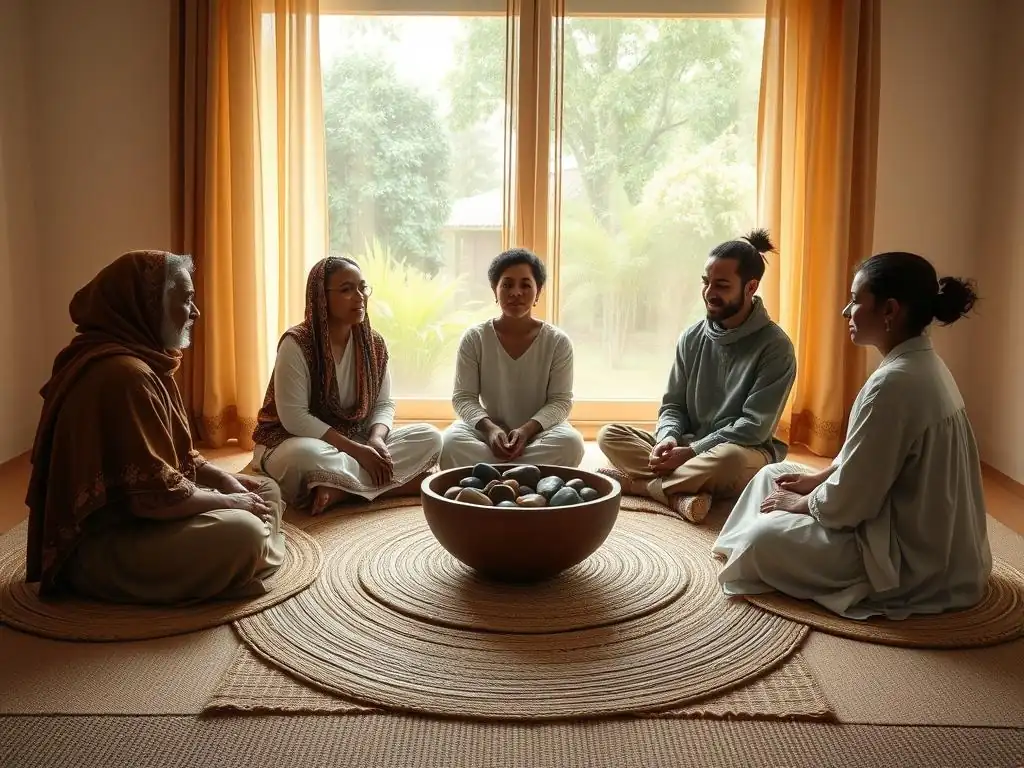
Online Mental Health Resources for Diverse Communities
The internet offers a growing number of online mental health resources specifically designed for diverse communities, providing accessible cultural mental health support resources. These platforms often host directories of culturally competent therapists, online support groups, educational materials, and self-help tools tailored to specific cultural or ethnic groups. Websites and organizations like Psychology Today's Find a Therapist tool allow filtering by ethnicity, language spoken, and areas of expertise, which can help locate culturally informed providers.
Furthermore, many non-profit organizations focused on the mental health of specific minority groups maintain their own online portals with valuable resources. For instance, the Loveland Foundation provides therapy funds for Black women and girls, while the Steve Fund focuses on the mental health of young people of color. These online resources can be particularly helpful for individuals in rural areas or those who face significant barriers to accessing in-person care. They provide a starting point for finding cultural mental health support resources and can offer immediate access to information and support networks.
Local Mental Health Organizations Offering Culturally Sensitive Services
Local mental health organizations are often key providers of cultural mental health support resources within specific geographic areas. Community mental health centers, local chapters of national mental health associations, and non-profit organizations serving particular ethnic or cultural communities frequently offer services designed to be accessible and relevant to diverse populations. These organizations may employ staff who reflect the community's demographics, offer services in multiple languages, and integrate cultural values into their programs.
To find these local resources, individuals can contact their county or city health department, which often has information on public mental health services. Searching online for mental health organizations in a specific city or region, combined with keywords related to cultural groups (e.g., "Latinx mental health services Chicago," "Asian American counseling Seattle"), can yield relevant results. Community leaders, religious institutions, and cultural centers are also excellent sources of information about trusted local cultural mental health support resources.
National Organizations Providing Cultural Mental Health Support
Several national organizations are dedicated to promoting mental health and providing cultural mental health support resources for specific diverse communities. These organizations often conduct research, advocate for policy changes, develop culturally relevant educational materials, and provide directories or referral services to help individuals find appropriate care. They play a vital role in raising awareness, reducing stigma on a larger scale, and building capacity within communities.
Examples include the National Alliance on Mental Illness (NAMI), which has resources tailored for various cultural groups and provides support groups, and Mental Health America (MHA), which offers culturally specific online screens and information. Organizations like the Association of Black Psychologists, the National Latinx Psychological Association, and the Asian American Psychological Association are professional bodies that can often provide referrals to culturally competent therapists. Utilizing the resources and networks offered by these national organizations can be instrumental in connecting individuals with effective cultural mental health support resources.
Building Resilience and Promoting Mental Well-being in Diverse Communities
Cultivating Cultural Identity and Connection
Cultivating a strong sense of cultural identity and connection is a powerful protective factor for mental well-being, particularly for individuals from diverse backgrounds who may face discrimination or acculturative stress. Connecting with one's cultural heritage provides a sense of belonging, roots, and continuity. Participating in cultural traditions, celebrations, and community events reinforces identity and provides a supportive social network. For example, studies have shown that maintaining strong ties to cultural heritage can buffer the negative impacts of discrimination on mental health among adolescents from minority groups.
This connection can be fostered through various means: learning about one's history and traditions, participating in cultural arts or language classes, joining cultural organizations, and spending time with family and community members who share similar backgrounds. These activities provide opportunities for positive self-affirmation, shared experiences, and mutual support, all of which contribute to resilience. Promoting and supporting spaces where cultural identity can be freely expressed and celebrated is a key component of building mental well-being within diverse communities and complements formal cultural mental health support resources.
Practicing Self-Care Strategies Tailored to Cultural Needs
Effective self-care is essential for mental well-being, but what constitutes self-care can be influenced by cultural background. Strategies that resonate culturally are more likely to be adopted and sustained. For instance, while individualistic self-care like taking a solitary bath might be popular in some Western contexts, self-care in cultures that prioritize collectivism might involve spending time with family, participating in community rituals, or engaging in activities that benefit the group. Incorporating traditional healing practices, mindfulness techniques rooted in specific spiritual traditions, or culturally relevant forms of exercise or relaxation can be particularly effective.
Understanding and validating culturally specific ways of coping with stress and promoting well-being is crucial. Promoting self-care within diverse communities means offering a range of options that align with different cultural values and practices. This might involve encouraging practices like communal meals, storytelling, specific forms of prayer or meditation, or engaging in traditional arts and crafts. Cultural mental health support resources should acknowledge and integrate these diverse forms of self-care into their recommendations and programs.
Fostering Supportive Relationships Within Cultural Communities
Supportive relationships within one's cultural community provide a vital buffer against stress and adversity. Family, friends, elders, and community members who share similar cultural experiences can offer empathy, understanding, and practical support in ways that individuals outside the community may not be able to. These relationships provide a sense of belonging and validation, reducing feelings of isolation that can exacerbate mental health challenges. In many cultures, family and community networks are the primary source of support during times of distress.
Fostering these relationships involves actively participating in community life, building strong intergenerational ties, and creating spaces for open communication and mutual support. Community organizations, faith-based groups, and cultural centers can play a significant role in facilitating these connections. Encouraging open dialogue about mental health within these trusted circles, while respecting cultural norms around privacy, can also help reduce stigma and facilitate access to help, including connecting individuals with formal cultural mental health support resources when needed.
The Future of Culturally Competent Mental Health Care
Advocating for Increased Cultural Sensitivity in Mental Health Services
Advocating for increased cultural sensitivity is crucial for improving the quality and accessibility of mental health services for diverse populations. This involves pushing for systemic changes within healthcare institutions, professional training programs, and public health initiatives. Advocacy efforts can focus on promoting policies that mandate cultural competency training for all mental health professionals, increasing funding for services in underserved communities, and ensuring language access is prioritized.
Community members, mental health advocates, and professional organizations can work together to raise awareness among policymakers and healthcare administrators about the unique needs and challenges faced by diverse groups. Sharing personal stories, presenting data on disparities in care, and highlighting the effectiveness of culturally adapted interventions can drive change. Advocating for the inclusion of diverse voices in the planning and delivery of mental health services is essential to ensure that cultural mental health support resources are truly responsive to community needs.
Training Mental Health Professionals in Cultural Competency
Comprehensive training in cultural competency is fundamental for equipping mental health professionals to work effectively with diverse clients. This training should go beyond simply learning about different cultures; it must foster self-awareness regarding one's own biases and cultural assumptions, develop skills in cross-cultural communication, and teach how to adapt therapeutic approaches respectfully and effectively. Training should be ongoing, not a one-time event, reflecting the dynamic nature of cultures and evolving understanding of cultural factors in mental health.
Training programs should incorporate diverse perspectives, potentially including input from community members and individuals with lived experience. Case studies, experiential exercises, and supervision focused on cultural dynamics are valuable components. Increasing the diversity of the mental health workforce itself is also a critical aspect of this, ensuring that more professionals share cultural backgrounds with the populations they serve, although cultural competency is required of all practitioners providing cultural mental health support resources.
Promoting Research on Cultural Factors in Mental Health
Promoting research on cultural factors in mental health is essential for developing an evidence base for culturally adapted interventions and understanding the unique mental health experiences of diverse communities. Much of the existing mental health research has historically focused on dominant cultural groups, limiting its applicability to others. Research is needed to identify culturally specific risk and protective factors, understand how symptoms are expressed in different cultural contexts, and evaluate the effectiveness of various cultural mental health support resources and interventions.
This research should ideally involve collaboration with community members and utilize research methodologies that are culturally appropriate and respectful. Funding for research focusing on minority mental health disparities and cultural influences needs to be increased. The findings from this research can inform the development of more effective prevention programs, culturally tailored treatments, and policies that improve access to and quality of cultural mental health support resources for all.
Conclusion: Embracing Cultural Diversity in Mental Health Care
Navigating mental health challenges in diverse cultural backgrounds requires moving beyond a one-size-fits-all approach and embracing the richness and complexity of cultural diversity. Understanding the profound influence of culture on mental health perceptions, recognizing culturally specific symptoms, and acknowledging the unique challenges faced by different communities are crucial first steps. Accessing effective care depends heavily on the availability of culturally sensitive mental health support resources, including competent professionals, community-based programs, and language-specific services.
Overcoming systemic barriers like financial constraints, mistrust, and low mental health literacy requires targeted efforts within and outside communities. The integration of culturally adapted interventions and traditional healing practices holds promise for more effective treatment.
Ultimately, building resilience and promoting well-being involves cultivating cultural identity, practicing culturally relevant self-care, and fostering supportive community relationships. The future of mental health care lies in advocating for increased cultural sensitivity, prioritizing cultural competency training, and investing in research that illuminates the intricate relationship between culture and mental health, ensuring that everyone, regardless of background, can access the support they need.
Frequently Asked Questions
What is the primary focus of Cultural Mental Health Support Resources?
The primary focus is on providing information, support, and resources tailored to address mental health challenges within diverse cultural backgrounds. It aims to move beyond stigma and promote well-being.
Why is it important to offer Cultural Mental Health Support Resources?
Cultural factors significantly influence mental health experiences, including how symptoms are expressed and how help is sought. Providing culturally sensitive resources ensures access to appropriate and effective support.
What types of resources are typically included in Cultural Mental Health Support Resources?
These resources often include bilingual therapists, community organizations offering culturally specific programs, and educational materials addressing mental health within different cultural contexts.
How can I find Cultural Mental Health Support Resources in my community?
Start by contacting local community centers, searching online directories for culturally competent therapists, or reaching out to national mental health organizations with specific cultural programs.
What is the role of Cultural Mental Health Support Resources in reducing stigma?
By providing accessible and culturally relevant information, these resources help normalize discussions about mental health, encourage help-seeking behaviors, and challenge negative stereotypes prevalent within specific cultural groups.
Final Reflection: Embracing Cultural Nuances in Mental Wellness
The urgent need for culturally sensitive mental health support is no longer a niche concern; it's a fundamental pillar of equitable healthcare. Ignoring the diverse ways cultures understand and experience mental illness leaves countless individuals struggling in silence, hindering their access to vital resources and ultimately, their well-being. This disparity demands immediate and sustained attention.
The exploration of cultural influences on mental health has profoundly impacted my understanding of the complexities surrounding mental wellness. It's not simply about providing treatment; it's about fostering trust and understanding within a framework that respects individual beliefs and traditions. As the saying goes, The greatest barrier to mental health care is not the lack of services, but the lack of access.
This resonates deeply, highlighting the crucial role of cultural competency in bridging the gap between those who need help and the resources designed to provide it. The journey towards true mental wellness requires a holistic approach that acknowledges and celebrates the richness of human experience.
You, the reader, now hold the power to become an agent of change. Consider how you can contribute to a more inclusive and understanding environment for those navigating mental health challenges within their unique cultural contexts. Seek out resources, educate yourself, and advocate for policies that prioritize culturally sensitive care. Let us collectively work towards a future where mental wellness is accessible and celebrated for everyone, regardless of their background.
Unlock Your Well-being: Take the Next Step Towards Mental Wellness
Thanks for taking the time to explore the complexities of mental health within diverse cultural contexts. We hope you gained valuable insights and a deeper understanding of the challenges and opportunities ahead. Now, let's turn that knowledge into action!
- Prioritize self-care: Identify one small, manageable step towards improving your mental well-being this week – whether it's a mindful walk, a chat with a trusted friend, or exploring a new relaxation technique. This is your starting point.
- Share this article with someone who might benefit from its insights. Open a conversation – you never know the impact you might have.
- Explore Mind Care Guide's resources for further support and information on culturally sensitive mental health practices.
What small step will you take today to prioritize your mental well-being?