
Mental Health in the Caribbean Community: Cultural Perspectives on Wellbeing


Welcome to Mind Care Guide, a space dedicated to nurturing your mental well-being.
Feeling lost navigating mental health resources, especially within the Caribbean community? We understand. That's why we're diving deep into the unique landscape of Caribbean mental health support resources in our latest article. Discover culturally sensitive approaches, invaluable organizations, and pathways to healing that resonate with your experiences. Ready to uncover the support you deserve and explore Mental Health in the Caribbean Community: Cultural Perspectives on Wellbeing? Let's begin.
Mental Health in the Caribbean Community: Cultural Perspectives on Wellbeing
- Understanding Mental Health in the Caribbean Context
- Cultural Beliefs and Mental Health in the Caribbean
- Addressing Mental Health Needs in Caribbean Communities
- Caribbean Mental Health Support Resources: A Comprehensive Overview
- Strategies for Promoting Mental Wellbeing within Caribbean Communities
- Overcoming Barriers to Mental Health Care in the Caribbean Community
- Conclusion: Empowering Caribbean Mental Health Through Cultural Understanding
-
Frequently Asked Questions
- What are some unique cultural factors that influence mental health in the Caribbean?
- Where can I find Caribbean mental health support resources?
- How does the stigma surrounding mental health impact individuals in the Caribbean community?
- What types of mental health challenges are particularly prevalent in the Caribbean?
- What strategies can be used to promote mental well-being within the Caribbean community?
- Final Reflection: Reclaiming Wellbeing in the Caribbean
- Unlock Your Caribbean Wellbeing: Steps to Flourishing
Understanding Mental Health in the Caribbean Context
Mental health within the diverse Caribbean community is a complex tapestry woven from historical experiences, cultural values, socio-economic factors, and the unique challenges faced by island nations and their diasporas. Unlike Western paradigms that often prioritize individualistic approaches, mental wellbeing in the Caribbean is frequently viewed through a collective lens, deeply intertwined with family, community, and spiritual beliefs. Understanding this context is the first step towards providing effective support.
Addressing mental health effectively requires acknowledging the region's history, including the lasting impacts of slavery and colonialism, which have shaped societal structures, economic realities, and intergenerational trauma. Furthermore, the Caribbean experiences unique environmental vulnerabilities, such as frequent natural disasters like hurricanes, which can significantly impact psychological wellbeing and community resilience. These factors create a distinct landscape for mental health challenges and the need for culturally sensitive interventions.
The Importance of Culturally Sensitive Mental Health Care for Caribbean Individuals
Culturally sensitive mental health care is not merely a preference but a necessity when working with individuals from Caribbean backgrounds. Approaches developed in Western contexts may fail to resonate or may even alienate clients if they do not acknowledge and respect Caribbean cultural norms, communication styles, and beliefs about illness and healing. Providers must be aware of potential differences in how distress is expressed, the role of family in decision-making, and the influence of religious or spiritual practices.
Implementing culturally sensitive care involves training mental health professionals in cultural competence specific to the Caribbean. This includes understanding the nuances of language (including various Creole dialects), family structures (which can be matriarchal or involve extended networks), and the historical context that shapes current experiences. Without this sensitivity, therapeutic relationships may not form effectively, leading to poor engagement, misdiagnosis, and underutilization of vital Caribbean mental health support resources.
Key Cultural Values Influencing Mental Wellbeing in the Caribbean
Several core cultural values significantly influence mental wellbeing and how mental health issues are perceived and addressed within Caribbean communities. Strong family ties and community solidarity are paramount, often serving as primary sources of support and resilience. There is frequently a collective orientation, where the welfare of the family or community is prioritized over individual desires, which can impact how personal struggles are shared or concealed.
Another significant value is resilience, often born from generations of overcoming adversity. This strength can be a protective factor, but it can also lead to a stoic attitude towards suffering, making it difficult for individuals to admit vulnerability or seek formal help. Faith and spirituality are also central to many Caribbean cultures, with churches or spiritual leaders often being the first point of contact during times of crisis, sometimes even before considering professional mental health support resources.
Challenges in Accessing Mental Health Services in Caribbean Communities
Accessing formal mental health services presents numerous challenges for individuals in Caribbean communities, both within the islands and in the diaspora. Geographic isolation and limited infrastructure in some island nations mean that services, particularly specialized care, may be scarce or require significant travel. Economic constraints also play a major role; mental health care can be expensive, and many individuals lack adequate insurance coverage or the financial means to pay for services.
Beyond structural barriers, cultural factors significantly impede access. Stigma surrounding mental illness is pervasive, leading to fear of judgment, shame, and discrimination. This fear often prevents individuals from seeking help, even when they recognize they are struggling. Furthermore, a lack of awareness about what mental health services entail, coupled with a preference for traditional or informal support systems, means that formal Caribbean mental health support resources are often underutilized.
Cultural Beliefs and Mental Health in the Caribbean
Cultural beliefs deeply shape how mental health is understood, experienced, and treated in the Caribbean. These beliefs often blend indigenous practices, African retentions, European influences, and various religious doctrines, creating unique perspectives on the causes of distress and pathways to healing. Understanding these belief systems is crucial for effective engagement and support.
Traditional explanations for mental distress may include spiritual causes, such as curses, "bad mind," or interference from spirits, as well as physical imbalances or social stressors. These beliefs coexist alongside, and sometimes supersede, biomedical understandings of mental illness. This complex interplay means that individuals may seek help from multiple sources – doctors, pastors, traditional healers – simultaneously or sequentially, influencing their openness to conventional treatments and the types of Caribbean mental health support resources they trust.
Traditional Healing Practices and Mental Wellbeing in the Caribbean
Traditional healing practices hold significant cultural importance and continue to be sought after for various ailments, including those perceived as mental or spiritual distress. Practices vary across the region but may include herbal remedies, spiritual cleansing rituals, prayer, or consultations with traditional healers (sometimes referred to by terms like obeah practitioner, bush doctor, or spiritualist, depending on the location and specific tradition).
These practices often provide a sense of cultural continuity, community support, and a framework for understanding suffering that resonates more deeply for some individuals than Western medical models. While not always a substitute for clinical care, these practices can be integral to an individual's coping mechanisms and belief system. Integrating an understanding of these practices into formal mental health care, or at least respecting their role, is vital for building trust and ensuring that Caribbean mental health support resources are seen as complementary rather than conflicting.
The Role of Religion and Spirituality in Caribbean Mental Health
Religion and spirituality are cornerstones of life for many people in the Caribbean, playing a profound role in mental health. Churches, particularly Pentecostal, Baptist, and Catholic denominations, are often central community hubs and primary sources of social and emotional support. Pastors and church elders are frequently the first people individuals turn to when experiencing personal or family difficulties, including signs of mental distress.
Faith provides a coping framework for many, offering hope, community, and a sense of purpose. Prayer, scripture, and church fellowship are powerful resilience factors. However, religious beliefs can also sometimes contribute to stigma, with mental illness occasionally being attributed to lack of faith or spiritual weakness. Recognizing the dual potential of religion as both a support system and a source of potential stigma is important when discussing mental health and connecting people with appropriate Caribbean mental health support resources.
Stigma Surrounding Mental Illness in Caribbean Cultures: Breaking Down Barriers
Stigma is arguably one of the most significant barriers to accessing mental health care in Caribbean communities. Mental illness is often misunderstood, feared, and associated with shame or weakness. This leads to individuals suffering in silence, fearing judgment from family, friends, and the wider community if their struggles become known. The desire to maintain a strong, resilient appearance in the face of adversity further contributes to this reluctance to disclose mental health challenges.
Breaking down this pervasive stigma requires multifaceted approaches. Public awareness campaigns that utilize culturally relevant messaging and trusted community figures (like religious leaders, artists, or athletes) can help normalize conversations around mental health. Education within schools and workplaces is also crucial. Furthermore, showcasing stories of recovery and emphasizing that mental health challenges are treatable conditions, not moral failures, can help shift perceptions and encourage individuals to seek available Caribbean mental health support resources without fear.
Addressing Mental Health Needs in Caribbean Communities

Effectively addressing the mental health needs of Caribbean communities requires moving beyond one-size-fits-all approaches and developing strategies that are tailored to the specific cultural, social, and economic realities of the region and its diaspora. This involves adapting existing interventions, acknowledging the unique challenges of migration, and focusing on prevalent mental health concerns within these populations.
Successful initiatives often involve collaboration between formal health systems, community organizations, religious institutions, and traditional healers. Building trust within communities is paramount, which is often achieved through consistent presence, active listening, and demonstrating genuine respect for cultural beliefs and practices. These efforts are essential for making Caribbean mental health support resources accessible and acceptable.
Culturally Adapted Mental Health Interventions for Caribbean Populations
Developing and implementing culturally adapted mental health interventions is key to improving engagement and effectiveness. This involves modifying therapeutic approaches to align with Caribbean communication styles, family dynamics, and worldviews. For example, group therapy models might incorporate storytelling or collective problem-solving methods that resonate with community-oriented values.
Therapeutic materials can be translated into local languages or dialects and feature culturally relevant imagery and examples. Therapy itself might involve family members more directly, reflecting the central role of family in many Caribbean cultures. Pilot programs in various Caribbean islands and diaspora communities have shown promising results when interventions are adapted to be culturally congruent, leading to higher participation rates and improved outcomes compared to unmodified approaches. These adapted approaches are crucial components of effective Caribbean mental health support resources.
The Impact of Migration on Caribbean Mental Health
Migration significantly impacts the mental health of individuals from the Caribbean. Moving to a new country, even within the Caribbean or to nations with existing Caribbean populations, often involves navigating complex challenges such as acculturation stress, discrimination, economic hardship, and separation from family and familiar support systems. These stressors can exacerbate existing vulnerabilities or trigger new mental health issues.
The experience of migration is not uniform; factors like reasons for migrating (e.g., economic opportunity, fleeing disaster), legal status, and the receiving community's support structures all play a role. Migrants may face difficulties accessing health services due to language barriers, lack of understanding of the healthcare system, or fear related to their immigration status. Providing accessible and culturally informed Caribbean mental health support resources in destination countries is therefore critical.
Specific Mental Health Concerns within the Caribbean Community: Suicide Prevention, Substance Abuse, and PTSD
While the full spectrum of mental health conditions affects Caribbean communities, certain issues warrant specific attention. Suicide rates, particularly among young people, are a significant concern in some Caribbean nations, though data collection and reporting can be challenging. Factors contributing may include economic stress, social isolation, and lack of accessible mental health services. Prevention efforts require destigmatizing help-seeking and improving access to crisis support.
Substance abuse, including alcohol and illicit drugs, is another major public health issue with significant mental health implications. It is often linked to economic hardship, unemployment, and social determinants of health. Trauma is also prevalent, stemming from historical factors, community violence, and frequent exposure to natural disasters. Post-traumatic stress disorder (PTSD) and complex trauma responses require culturally sensitive interventions that acknowledge these unique sources of distress. Addressing these specific concerns requires targeted Caribbean mental health support resources.
Caribbean Mental Health Support Resources: A Comprehensive Overview
Finding appropriate mental health support can be challenging, but various resources exist for individuals in Caribbean communities. These include formal clinical services, community-based programs, and online platforms. The key is often knowing where to look and finding resources that are culturally competent and accessible.
Navigating the healthcare system, whether in a Caribbean nation or a diaspora country, can be difficult. Understanding the types of professionals available, the services offered, and how to initiate contact is vital. This section aims to provide an overview of the types of Caribbean mental health support resources available and how they can be accessed.
Finding Culturally Competent Mental Health Professionals Specializing in Caribbean Mental Health
One of the most effective ways to ensure positive outcomes is to connect with mental health professionals who have experience and training in working with Caribbean populations. These professionals understand the cultural nuances, communication styles, and specific challenges faced by individuals from the region. They are often more attuned to the influence of family, religion, and traditional beliefs on mental health.
Identifying such professionals can involve searching directories that list therapists by cultural specialization, asking for referrals from trusted community leaders or organizations, or contacting mental health agencies that specifically serve diverse populations. While not every professional will be of Caribbean heritage, cultural competence is key. Seeking out practitioners who are open to incorporating cultural practices or involving family members can significantly improve the effectiveness of Caribbean mental health support resources.
Community-Based Mental Health Programs for Caribbean Individuals
Community-based programs play a crucial role in providing accessible and culturally relevant mental health support within Caribbean communities. These programs are often run by local non-profits, faith-based organizations, or community centers. They may offer a range of services, including support groups, psychoeducation workshops, counseling services, and referrals to other resources.
These programs often have the advantage of being embedded within the community, making them more trusted and easier to access for individuals who may be hesitant to seek help from formal clinical settings. They can also tailor their services to the specific needs and cultural context of the local population. Examples might include peer support groups for specific conditions, workshops on coping with migration stress, or culturally specific grief counseling. Exploring local community centers is a great way to find these invaluable Caribbean mental health support resources.
Online Mental Health Resources and Support Groups for the Caribbean Diaspora
For the Caribbean diaspora living outside the region, online mental health resources offer a convenient and often anonymous way to access support. Numerous websites, apps, and online platforms provide information about mental health conditions, coping strategies, and directories of mental health professionals. Some platforms may specifically cater to Black or Caribbean populations, offering content and support tailored to these experiences.
Online support groups provide a space for individuals to connect with others who share similar cultural backgrounds and experiences with mental health challenges. These groups can offer a sense of community, reduce feelings of isolation, and provide peer support. While online resources cannot replace professional clinical care, they can serve as valuable supplementary Caribbean mental health support resources, particularly for those facing geographical barriers or seeking initial information and connection.
Strategies for Promoting Mental Wellbeing within Caribbean Communities
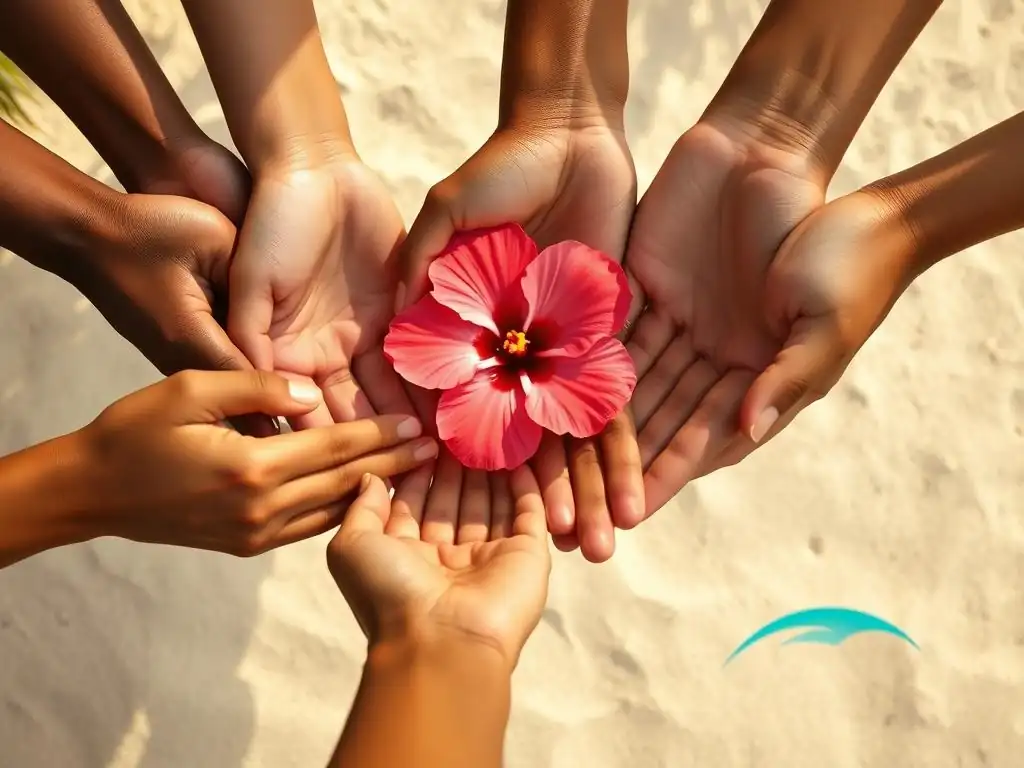
Promoting mental wellbeing within Caribbean communities requires proactive strategies that build on existing strengths and address specific vulnerabilities. These strategies should be community-led and culturally informed, involving families, community leaders, and local institutions. The focus should be on building resilience, increasing awareness, and leveraging cultural identity as a source of strength.
Effective promotion efforts go beyond simply treating illness; they aim to create environments where individuals feel supported, connected, and empowered to manage stress and pursue fulfilling lives. This involves fostering open conversations about emotions, teaching healthy coping skills, and celebrating the rich cultural heritage that provides a foundation for resilience.
Fostering Resilience and Coping Mechanisms in Caribbean Families
Caribbean families often possess inherent resilience, developed over generations of navigating challenges. Promoting mental wellbeing involves identifying and strengthening these existing coping mechanisms. This can include encouraging open communication within families, promoting strong intergenerational bonds, and valuing the role of elders in transmitting wisdom and coping strategies.
Psychoeducation programs tailored for families can teach healthy ways to manage stress, resolve conflict, and support family members experiencing distress. Emphasizing culturally relevant coping strategies, such as prayer, spending time in nature, engaging in creative arts, or connecting with community, can reinforce positive practices. Building family resilience is a fundamental step in ensuring a strong foundation for mental wellbeing and utilizing informal Caribbean mental health support resources.
Promoting Mental Health Awareness and Education within Caribbean Communities
Increasing mental health literacy is crucial for reducing stigma and encouraging help-seeking. Awareness campaigns should be designed to resonate with Caribbean audiences, using accessible language and trusted messengers. These campaigns can explain what mental health is, common signs of distress, and where to find help, including specific Caribbean mental health support resources.
Educational initiatives can be integrated into schools, workplaces, community centers, and places of worship. Workshops and presentations can cover topics like stress management, self-care, and how to support someone struggling with mental health. Providing accurate information helps demystify mental illness and replaces fear and misinformation with understanding and empathy.
The Role of Caribbean Cultural Identity in Mental Health Recovery
Cultural identity can be a powerful asset in mental health recovery. Connecting with one's cultural heritage provides a sense of belonging, pride, and continuity. Engaging in cultural practices, such as music, dance, storytelling, or traditional crafts, can be therapeutic and grounding. Celebrating cultural identity can reinforce positive self-image and resilience.
For individuals in the diaspora, maintaining connections to their Caribbean roots through community events, cultural organizations, and intergenerational activities can mitigate feelings of isolation and loss of identity, which are significant stressors. Mental health interventions can incorporate elements of Caribbean culture to make therapy more relevant and engaging, leveraging cultural strengths as part of the healing process and integrating them with formal Caribbean mental health support resources.
Overcoming Barriers to Mental Health Care in the Caribbean Community
Overcoming the significant barriers to mental health care in Caribbean communities requires targeted and sustained efforts. These barriers are multifaceted, encompassing issues of language, stigma, discrimination, and access to affordable, quality services. Addressing them effectively necessitates collaboration among governments, healthcare providers, community organizations, and individuals.
Strategies must be culturally informed and community-driven to ensure they are acceptable and effective. Focusing on improving infrastructure, increasing the mental health workforce, and implementing policies that prioritize mental health equity are essential steps towards ensuring that all individuals can access the Caribbean mental health support resources they need.
Addressing Language Barriers in Mental Health Services
Language can be a significant barrier to accessing mental health care, particularly for individuals who speak Creole dialects or other languages not commonly spoken by mental health professionals. Miscommunication can lead to inaccurate assessments, ineffective treatment, and frustration for both the client and the provider.
Addressing this requires providing language access services, such as professional interpreters trained in mental health terminology and cultural nuances. Hiring mental health professionals who are fluent in relevant languages or dialects is ideal. Training existing staff in basic cultural competence and the use of interpretation services is also vital to ensure that language does not prevent individuals from accessing crucial Caribbean mental health support resources.
Reducing the pervasive stigma and discrimination associated with mental illness in Caribbean cultures is a long-term but essential goal. This involves challenging negative stereotypes and promoting understanding and acceptance. Public figures sharing their own mental health journeys can be powerful in normalizing these conversations.
Anti-stigma campaigns should be ongoing and integrated into various community settings. Education about mental health conditions, emphasizing that they are treatable medical conditions, not character flaws, is key. Creating safe spaces within communities where individuals feel comfortable discussing their mental health struggles without fear of judgment is paramount for fostering a culture of support and encouraging the use of Caribbean mental health support resources.
Improving Access to Affordable and Quality Mental Health Care
Access to affordable and quality mental health care remains a major challenge. Many individuals cannot afford private therapy, and public mental health services may be underfunded, understaffed, and have long waiting lists. Improving access requires increased investment in mental health infrastructure and services across the Caribbean region and in diaspora communities.
This includes training more mental health professionals (psychologists, psychiatrists, social workers, counselors) and ensuring they are distributed equitably, particularly in underserved rural or remote areas. Integrating mental health care into primary healthcare settings can make services more accessible and reduce the perceived stigma of visiting a specialized mental health clinic. Advocating for policies that expand insurance coverage for mental health services is also crucial for ensuring that Caribbean mental health support resources are within reach for everyone who needs them.
Conclusion: Empowering Caribbean Mental Health Through Cultural Understanding
Empowering mental health within the Caribbean community is fundamentally about recognizing and valuing the unique cultural context that shapes experiences of wellbeing and distress. It requires moving beyond Western-centric models and embracing approaches that are culturally sensitive, accessible, and integrated into existing community structures and belief systems.
The journey towards better mental health outcomes in the Caribbean involves addressing historical trauma, mitigating socio-economic stressors, reducing pervasive stigma, and building on the inherent resilience and strong community ties that characterize the region. It is a collaborative effort that requires the involvement of individuals, families, communities, healthcare providers, and policymakers.
The Future of Mental Health Care in the Caribbean Community
The future of mental health care in the Caribbean community lies in developing integrated, culturally responsive, and sustainable systems of care. This includes investing in local mental health workforces, leveraging technology for tele-mental health services in remote areas, and integrating traditional healing practices and faith-based support into formal care pathways where appropriate and desired by the client.
Increased research focused specifically on Caribbean populations is needed to better understand the prevalence of mental health conditions, risk factors, and effective interventions within this unique cultural context. Policy changes that prioritize mental health funding and reduce barriers to access, such as cost and location, are also essential for building a stronger mental health system for the future of Caribbean communities.
Call to Action: Supporting Caribbean Mental Health Initiatives
Supporting Caribbean mental health initiatives is vital for improving wellbeing across the region and its diaspora. This can involve advocating for increased funding and resources for mental health services, supporting community-based organizations providing culturally sensitive care, and participating in efforts to reduce stigma through education and open dialogue.
Individuals can contribute by prioritizing their own mental wellbeing, seeking help when needed, and supporting friends and family members who are struggling. Communities can create safe spaces for discussion and mutual support. By working together, we can ensure that comprehensive, culturally appropriate Caribbean mental health support resources are available to everyone who needs them, fostering resilience and healing throughout the Caribbean community.
Frequently Asked Questions
What are some unique cultural factors that influence mental health in the Caribbean?
Caribbean mental health is significantly shaped by cultural beliefs, historical experiences like colonialism and slavery, and community support systems. Understanding these nuances is crucial for effective care.
Where can I find Caribbean mental health support resources?
Mind Care Guide offers a directory of resources specifically tailored to the Caribbean community, including online platforms and local organizations. Search for "Caribbean mental health support resources" on our site.
How does the stigma surrounding mental health impact individuals in the Caribbean community?
Stigma often prevents individuals from seeking help due to fear of judgment or cultural norms that discourage open discussion about mental health. This can lead to delayed treatment and poorer outcomes.
What types of mental health challenges are particularly prevalent in the Caribbean?
While mental health challenges are diverse, anxiety, depression, and trauma-related disorders are often observed, sometimes linked to economic hardship and historical factors.
What strategies can be used to promote mental well-being within the Caribbean community?
Promoting well-being includes culturally sensitive interventions, community-based programs, and increased awareness to reduce stigma and encourage help-seeking behavior.
Final Reflection: Reclaiming Wellbeing in the Caribbean
The pervasive stigma surrounding mental health in the Caribbean continues to hinder access to vital support, leaving countless individuals struggling in silence. This reality, despite the rich cultural tapestry and resilience of Caribbean communities, demands immediate and sustained attention. The lack of readily available and culturally sensitive resources directly impacts the well-being of individuals and families across the region.
The exploration of cultural perspectives on wellbeing, as undertaken in this article, reveals a complex interplay between traditional practices, societal norms, and the impact of colonialism on mental health understanding. This journey of understanding has profoundly impacted my own perspective, highlighting the urgent need for a more holistic approach. The greatest barrier to mental health care is not the lack of resources, but the lack of understanding.
This quote resonates deeply, emphasizing the critical role of education and cultural sensitivity in bridging the gap between need and access.
Now, it's your turn. Consider the information presented and reflect on your own community. What steps can you take, however small, to contribute to a more supportive and understanding environment for those struggling with their mental health? Perhaps it's starting a conversation, advocating for better resources in your area, or simply offering a listening ear. Let us collectively work towards a Caribbean where wellbeing is not just a concept, but a lived reality for all.
Unlock Your Caribbean Wellbeing: Steps to Flourishing
Thanks for taking the time to explore the unique landscape of mental wellbeing within the Caribbean community. We hope you gained valuable insights into cultural perspectives and how they impact your mental health journey. Now, let's turn those insights into action!
- Prioritize a self-care practice that resonates with your culture. Consider incorporating traditional practices or adapting modern techniques to fit your unique needs and beliefs. This could be anything from spending time in nature to engaging in mindful movement.
- Share this article with someone who might benefit from understanding the intersection of culture and mental health in the Caribbean. Let’s start a conversation and build stronger support networks together.
- Explore local resources and community support groups. Find a space where you can connect with others who share similar experiences and find strength in shared understanding.
What small step will you take today to nurture your mental wellbeing, inspired by the rich cultural tapestry of the Caribbean?