
The Art of Being Alone: How Solo Travel Cultivates Peace

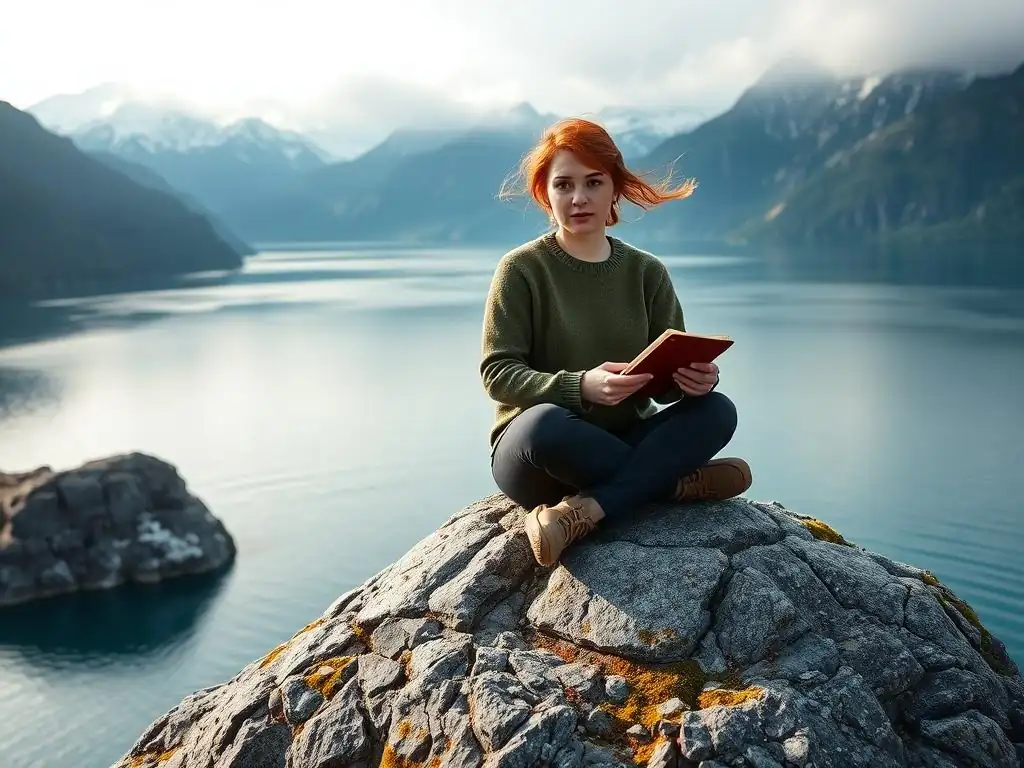
Welcome to Mind Care Guide, a safe space dedicated to nurturing your mental well-being. Feeling lost or overwhelmed? You're not alone. Have you ever wondered if escaping the everyday could unlock a deeper sense of inner peace? Dive into "The Art of Being Alone: How Solo Travel Cultivates Peace," and discover how venturing out on your own can foster a Solo travel peace mindset and pave the way for profound self-discovery and lasting tranquility. Your journey to a calmer, more centered you starts here.
The Art of Being Alone: How Solo Travel Cultivates Peace
- Finding Inner Peace Through Solo Travel: A Mindset Shift
- Overcoming Challenges to Embrace the Solo Travel Peace Mindset
- Cultivating Your "Solo Travel Peace Mindset": Practical Steps & Techniques
- Maintaining Your Peace of Mind After Your Solo Trip
- Transformative Journeys: Real-Life Examples of Solo Travel and Mental Wellness
-
Frequently Asked Questions
- How can solo travel contribute to a peace mindset, according to Mind Care Guide?
- What types of mental health challenges can solo travel potentially help address, as suggested by the article?
- What resources does Mind Care Guide offer to support mental well-being for solo travelers?
- How does the "Art of Being Alone" relate to cultivating a "Solo travel peace mindset?"
- Is solo travel recommended for everyone seeking a "Solo travel peace mindset," according to Mind Care Guide?
- Final Reflection: Finding Peace in the Solitude of the Open Road
- Unlock Your Inner Peace: Start Your Solo Journey Today!
Finding Inner Peace Through Solo Travel: A Mindset Shift
Unlocking the Power of Solitude: Why Solo Travel Boosts Mental Wellness
Stepping out on your own, away from the familiar rhythms and expectations of daily life, offers a unique pathway to self-discovery and enhanced mental well-being. Solitude, in the context of solo travel, isn't about being lonely; it's about being alone with yourself. This deliberate choice allows the mental noise of external demands and social obligations to quieten, creating space for introspection.
Without constant interaction or the need to compromise on plans, you gain the freedom to listen to your own thoughts, feelings, and needs, which can be profoundly clarifying. This dedicated time away, even for a short trip of a week, can lead to a significant reduction in stress levels, with some studies indicating a potential decrease in cortisol (the stress hormone) by up to 20% after engaging in relaxing activities like mindful exploration.
Furthermore, navigating new environments independently builds resilience and self-reliance. When you successfully manage logistics, overcome small challenges like finding your way in a foreign city, or simply decide where and what to eat entirely based on your own preference, you build confidence in your abilities. This sense of accomplishment reinforces a positive self-image, which is crucial for mental health.
The absence of a travel companion means you are solely responsible for your experiences, fostering a deeper connection with your choices and their outcomes. This process is fundamental to developing a strong solo travel peace mindset, enabling you to handle future challenges with greater equanimity and self-assuredness, recognizing your inherent capability to thrive even when outside your comfort zone.
The "Solo Travel Peace Mindset": Defining and Achieving It
The "solo travel peace mindset" is more than just feeling relaxed on vacation; it's a deliberate internal state cultivated through the experience of traveling alone, characterized by heightened self-awareness, acceptance of uncertainty, and a profound sense of inner calm and contentment. It involves embracing the journey not just as a physical movement through space, but as an opportunity for emotional and psychological growth. This mindset shifts the focus from external validation or shared experiences to internal exploration and self-discovery.
It's about finding peace not despite being alone, but because of it, leveraging the solitude to foster personal growth and a deeper connection with oneself and the present moment. Achieving this mindset requires intentionality, moving beyond simply being physically present in a new place to actively engaging with the experience on a mental and emotional level.
Cultivating this mindset involves several key components. Firstly, it requires letting go of the need for constant external stimulation or validation, finding comfort in one's own company. Secondly, it means practicing mindfulness, fully immersing oneself in the sights, sounds, and feelings of the travel experience without judgment. This could involve taking time to simply sit and observe a bustling marketplace or quietly appreciate a natural landscape.
Finally, it necessitates embracing vulnerability and trusting one's intuition when navigating unfamiliar situations. Developing this solo travel peace mindset is a process, not a destination, often unfolding gradually throughout a solo journey and continuing to provide benefits long after returning home. It's a powerful tool for enhancing overall mental wellness and building a resilient inner core.
Overcoming Challenges to Embrace the Solo Travel Peace Mindset
Problem: Loneliness and Isolation on the Road
- Solution: Combatting loneliness with mindful activities and digital connection.
While solitude is sought after, loneliness can sometimes creep in, especially during longer trips or in moments of vulnerability. This feeling is distinct from choosing to be alone; it's the discomfort or sadness stemming from a lack of connection. Solo travelers might feel this most acutely during meals, evenings, or when witnessing group activities.
It's important to acknowledge these feelings without letting them derail the entire experience. Engaging in activities that connect you to the local culture or other people, even superficially, can help. For instance, joining a local cooking class, attending a free walking tour (often attracting other solo travelers), or simply striking up a conversation with a barista can provide brief, meaningful human interaction.
Beyond physical interactions, mindful engagement with your surroundings can transform potential loneliness into enriching solitude. Spending time journaling about your experiences, sketching the scenery, or simply sitting in a park and observing the world go by can deepen your connection with the present moment and yourself. For necessary social connection, judicious use of digital tools can be helpful.
Scheduling video calls with friends or family back home can provide emotional support. However, the key is balance; excessive scrolling or constant messaging can pull you out of the present experience and hinder the development of the solo travel peace mindset you are seeking. The goal is to use digital tools for connection when needed, not as a constant escape from being alone.
Problem: Anxiety and Fear in Unfamiliar Environments
- Solution: Preparing for potential anxieties with pre-trip planning and mindfulness techniques.
Stepping into the unknown can naturally trigger anxiety. Concerns about safety, navigation, language barriers, or simply feeling out of place are common fears for solo travelers. This anxiety can manifest physically, leading to disrupted sleep, increased heart rate, or digestive issues, potentially overshadowing the intended peaceful experience. Acknowledging these fears is the first step. Many solo travelers report experiencing significant anxiety before their first trip, but finding effective coping mechanisms is crucial for cultivating the solo travel peace mindset. Preparing thoroughly can significantly mitigate these worries.
Pre-trip planning should include researching your destination's safety profile, understanding local customs, learning a few basic phrases in the local language, and having a clear idea of your transportation and accommodation upon arrival. Having emergency contacts readily accessible and sharing your itinerary with someone you trust provides a safety net that can ease anxiety. During the trip, mindfulness techniques can be invaluable.
Simple practices like deep breathing exercises when feeling overwhelmed, or body scans to ground yourself in the present moment, can help manage rising anxiety. Focusing on sensory details – the smell of local food, the texture of an ancient wall, the sound of a foreign language – can pull you out of anxious thought loops and back into the rich reality of your journey, reinforcing the present-focused solo travel peace mindset.
Problem: Overwhelm and Decision Fatigue
- Solution: Simplifying travel plans and embracing spontaneity strategically.
Traveling solo means you are the sole decision-maker for everything, from booking flights and accommodation to choosing what to do each hour of the day. This constant stream of decisions, especially in a new and stimulating environment, can lead to significant overwhelm and decision fatigue, counteracting the goal of achieving a solo travel peace mindset.
The pressure to make the "right" choices, or to see and do everything, can become exhausting, turning the pursuit of peace into a source of stress. It's easy to get caught up in trying to optimize every moment, losing sight of the simple joy of being present.
To combat this, simplifying your travel plans is key. Instead of packing your itinerary full, choose a few key experiences or areas you want to focus on. Leave ample unstructured time each day. This allows for spontaneous exploration without the pressure of missing a scheduled activity.
Embrace the idea that you don't need to see or do everything. Sometimes, spending an afternoon sitting in a cafe, simply observing local life, can be more enriching and restorative than rushing between multiple landmarks. Consider pre-booking essential elements like your first few nights' accommodation and transportation from the airport, but leave daily activities flexible. This strategic spontaneity reduces decision fatigue while still allowing for the freedom and discovery that solo travel offers, fostering a more relaxed and peaceful state of mind.
Cultivating Your "Solo Travel Peace Mindset": Practical Steps & Techniques
Step 1: Planning a Mindful Solo Trip
The foundation of a successful solo trip aimed at cultivating peace lies in mindful planning. This goes beyond just booking flights and hotels; it involves setting intentions and choosing a destination and activities that align with your goals for mental wellness. Consider why you are traveling alone and what kind of peace you seek. Are you looking for quiet reflection in nature, cultural immersion to broaden your perspective, or perhaps the simple freedom of unstructured time? Choosing a destination that resonates with these intentions is crucial. For example, if peace for you means escaping urban noise, a bustling metropolis might not be the best choice, whereas a rural retreat or coastal town known for tranquility might be ideal. Research shows that spending time in natural environments can significantly reduce stress and improve mood, so incorporating nature into your trip planning can be highly beneficial for the solo travel peace mindset.
Detailed but flexible planning is also part of this mindful approach. Having a rough itinerary can reduce anxiety, but building in plenty of buffer time and opportunities for spontaneity is vital. Research practicalities like transportation options, typical costs (e.g., estimating daily expenses around $50-$100 depending on location and style), and safety considerations.
Pack items that support your well-being, such as a journal, a book, comfortable walking shoes, and perhaps a small item from home that brings comfort. This level of preparation, coupled with a clear intention for peace and self-discovery, sets the stage for a journey that is not just a vacation, but a dedicated practice in cultivating your solo travel peace mindset.
Step 2: Embracing Solitude and Self-Reflection
Once on your solo journey, actively embracing solitude is paramount to cultivating the solo travel peace mindset. This means consciously choosing activities where you are comfortable being alone and creating space for internal processing. Instead of filling every moment with sightseeing or trying to meet new people, schedule dedicated time for quiet reflection.
This could be spending an hour each morning journaling your thoughts and feelings, meditating in a peaceful park, or simply sitting by a window and observing the world without distraction. These moments of intentional solitude allow your mind to process experiences, gain clarity on personal issues, and connect with your deeper self away from external influences. Research suggests that regular periods of solitude can enhance creativity and problem-solving skills, further enriching the solo travel experience.
Self-reflection during solo travel can be a powerful tool for personal growth. Use the uninterrupted time to ask yourself questions about your values, goals, and emotional patterns. How do you feel in this moment? What have you learned about yourself today?
What truly brings you joy? Pay attention to your reactions to new situations and how you navigate challenges independently. This introspective practice, facilitated by the absence of constant social interaction, provides valuable insights into your inner landscape. By actively engaging in self-reflection, you transform the physical journey into an inner one, solidifying the benefits of the solo travel peace mindset and gaining a clearer understanding of who you are and what you need to thrive.
Step 3: Connecting with Yourself and Your Surroundings
True peace in solo travel comes from fostering a deep connection – both internally and externally. Connecting with yourself involves listening to your body's needs, honoring your energy levels, and making choices that genuinely nurture you. Are you tired? Rest. Are you hungry?
Find nourishing food. Are you drawn to a quiet street instead of a crowded museum? Follow that impulse. This attunement to your inner state, free from the need to compromise with others, is a profound act of self-care and central to the solo travel peace mindset. It's about trusting your intuition and allowing yourself to simply be without external pressure.
Simultaneously, connect deeply with your surroundings. This means engaging your senses fully in the environment you are in. Taste the local food mindfully, noticing its flavors and textures. Listen to the unique soundscape of the place, from market chatter to natural sounds.
Observe the details of architecture, the colors of the landscape, the expressions on people's faces. Touch the textures of materials, feel the temperature of the air. This sensory immersion grounds you in the present moment and fosters a sense of belonging and appreciation for the place. By connecting with both your inner world and the external world around you, you create a harmonious experience that cultivates a profound sense of peace and presence, embodying the essence of the solo travel peace mindset.
Maintaining Your Peace of Mind After Your Solo Trip
Integrating the "Solo Travel Peace Mindset" into Daily Life
The true measure of a transformative solo journey is how the insights and peace gained are carried back into daily life. Integrating the "solo travel peace mindset" requires conscious effort. It means identifying the practices and perspectives that were most beneficial during your trip and finding ways to incorporate them into your routine. Was it the morning journaling? Continue it for 10-15 minutes each day.
Was it the mindful walking? Try to incorporate short, technology-free walks into your week, focusing on your surroundings. Did you enjoy the freedom of making choices based purely on your needs? Practice setting boundaries and making time for self-care activities at home, even if it's just 30 minutes of quiet time each evening. A survey of solo travelers found that approximately 60% reported feeling more confident and independent upon returning home, suggesting that these shifts are tangible and can be built upon.
Furthermore, cultivate the same sense of presence and appreciation for your everyday environment that you experienced while traveling. Notice the beauty in your local park, the interesting architecture in your town, or the simple pleasure of a home-cooked meal. The solo travel peace mindset is not confined to exotic locations; it's an internal state that can be accessed anywhere. Reflect regularly on the lessons learned about yourself during your solitude.
What did you discover about your resilience, your preferences, or your capacity for self-reliance? Keep a travel journal handy to revisit insights when needed. By consciously practicing these elements, you ensure that the peace found on your solo journey becomes a sustainable part of your mental wellness routine.
Resources for Continued Mental Wellness
Maintaining the peace of mind cultivated through solo travel can be supported by ongoing engagement with mental wellness resources. While the solo trip itself provides a powerful boost, continued growth often benefits from external support and tools. This doesn't mean replicating the travel experience, but rather building a sustainable practice of self-care and personal development.
Exploring mindfulness and meditation apps or local classes can help maintain the sense of presence and calm learned on the road. Many apps offer guided meditations as short as 5 minutes, making it easy to fit into a busy schedule. Engaging with therapeutic practices, such as journaling prompts specifically designed for self-reflection or cognitive behavioral techniques, can help process thoughts and feelings that arise.
Additionally, connecting with communities focused on mental well-being or solo travel can provide valuable support and shared experiences. Online forums or local meet-up groups allow you to share challenges and successes, reinforcing the lessons learned. Reading books or articles on mindfulness, self-compassion, or the psychology of solitude can deepen your understanding of the solo travel peace mindset and provide new strategies for maintaining it.
While a solo trip is a unique opportunity for intensive focus on self, incorporating these regular resources into your life ensures that the journey towards inner peace continues long after you've unpacked your bags. Accessing these tools is a proactive step in preserving the profound benefits gained from your time alone.
Transformative Journeys: Real-Life Examples of Solo Travel and Mental Wellness
Case Study 1: Sarah Finds Serenity in the Japanese Countryside
Sarah, a 35-year-old marketing manager from London, was experiencing significant burnout and a feeling of disconnect from herself. She decided to take a two-week solo trip to the Japanese countryside, specifically focusing on areas known for their tranquil temples and natural beauty, like Kyoto's Arashiyama bamboo grove and the pilgrimage routes of Kumano Kodo. Her intention was to escape the relentless pace of city life and find a sense of inner calm.
She chose to stay in small, traditional guesthouses (ryokans), often spending evenings quietly reading or soaking in hot springs, which cost her approximately $100-$150 per night. During the day, she spent hours walking through forests and temple grounds, deliberately slowing down her pace.
Initially, Sarah felt a strong urge to constantly check her work emails and felt restless without a packed itinerary. However, by committing to her intention of finding peace, she practiced leaving her phone in her room for extended periods. She focused on the sensory experience of her surroundings: the rustling of bamboo leaves, the scent of incense at temples, the taste of simple, fresh Japanese food. She spent one afternoon simply sitting by a river, observing the water flow, without feeling the need to do anything.
By the end of her trip, Sarah reported a significant reduction in her anxiety levels and a renewed sense of clarity. She felt more present and less defined by her professional identity, a clear step towards cultivating a lasting solo travel peace mindset. She estimated she walked an average of 15,000 steps per day, finding the physical movement grounding and meditative.
Case Study 2: David Discovers Self-Love in the Italian Alps
David, a 42-year-old artist from New York, struggled with self-doubt and a tendency towards negative self-talk. He decided on a solo hiking trip in the Italian Alps, near the Dolomites, hoping the physical challenge and stunning natural environment would provide a different perspective. He planned a roughly 10-day itinerary, hiking sections of trails like the Alta Via 1, staying in mountain huts (rifugios) that cost around $60-$80 per night including meals. His goal was not just physical achievement but to confront his inner critic in the solitude of the mountains.
Hiking alone for hours each day forced David to confront his thoughts. Without distractions, the negative inner voice that often plagued him became louder initially. However, the sheer effort of hiking, the breathtaking views (like the Tre Cime di Lavaredo), and the simple routine of walking, eating, and sleeping in nature began to shift his focus.
He started appreciating his body's strength and resilience with each pass conquered (some reaching altitudes of over 2,500 meters). He journaled each evening about his struggles and small victories. He realized that the same determination he applied to climbing mountains could be applied to challenging his negative thoughts.
By the end of his trip, David didn't claim to have eradicated his self-doubt entirely, but he had developed a profound respect for his own capabilities and a newfound sense of self-compassion. This journey was a powerful example of how physical challenge in solitude can forge a stronger solo travel peace mindset, rooted in self-acceptance.
Case Study 3: Maria Overcomes Burnout in the Costa Rican Rainforest
Maria, a 29-year-old non-profit program manager, was experiencing severe burnout, feeling emotionally drained and disconnected from her passion. She sought a solo retreat focused on nature and mindfulness in the Costa Rican rainforest. She booked a 7-day stay at an eco-lodge offering yoga, meditation, and guided nature walks, costing approximately $200 per day, all-inclusive. Her intention was to disconnect from technology, reconnect with herself, and find rejuvenation.
The dense, vibrant environment of the rainforest provided a complete sensory reset. Maria participated in daily sunrise yoga sessions, which helped her reconnect with her body. Guided meditations amidst the sounds of wildlife (estimated at over 50 bird species audible from the lodge) helped quiet her racing thoughts.
She spent afternoons walking the forest trails, paying close attention to the biodiversity – spotting sloths, monkeys, and countless insects and plants. This deep immersion in nature, away from the pressures of her demanding job, allowed her nervous system to settle. She realized how much her burnout was linked to feeling constantly "on" and disconnected from her own energy needs.
By the end of her week, Maria felt significantly more energized and emotionally balanced. She left with practical mindfulness techniques she could integrate into her daily life and a renewed commitment to prioritizing her well-being, demonstrating how a focused solo trip can effectively cultivate a sustainable solo travel peace mindset and aid recovery from exhaustion.
Frequently Asked Questions
How can solo travel contribute to a peace mindset, according to Mind Care Guide?
Solo travel provides opportunities for self-reflection and introspection, allowing individuals to disconnect from external pressures. This can lead to a deeper understanding of oneself and a greater sense of inner peace.
What types of mental health challenges can solo travel potentially help address, as suggested by the article?
While not a cure, solo travel can help manage stress and anxiety by providing a break from routine and demanding environments. It can also boost self-esteem and confidence through navigating new situations independently.
What resources does Mind Care Guide offer to support mental well-being for solo travelers?
Mind Care Guide provides articles and information on techniques like mindfulness and meditation, which can be practiced during solo trips. They also offer a directory of mental health professionals for continued support.
How does the "Art of Being Alone" relate to cultivating a "Solo travel peace mindset?"
The ability to be comfortable and content in one's own company is essential for enjoying solo travel. Embracing solitude allows for deeper engagement with the experience and fosters a sense of peace and tranquility.
Is solo travel recommended for everyone seeking a "Solo travel peace mindset," according to Mind Care Guide?
No, solo travel isn't a one-size-fits-all solution. It's important to consider your individual needs and comfort levels. It's also wise to consult with a mental health professional if you have existing mental health concerns.
Final Reflection: Finding Peace in the Solitude of the Open Road
The art of being alone, once considered a deficiency, is now recognized as a powerful tool for self-discovery and inner peace. In a world increasingly obsessed with connection, the ability to cultivate solitude, particularly through solo travel, offers a profound antidote to the anxieties of modern life. This journey inward, away from the familiar comforts and demands of everyday existence, is not about escaping life, but about enriching it.
The transformative power of solo travel lies not just in the breathtaking landscapes or unique cultural experiences, but in the quiet moments of introspection it affords. It's in these moments, free from the expectations and distractions of others, that we truly connect with ourselves. This journey of self-discovery often reveals hidden strengths, unexpected passions, and a deeper understanding of our own values. As the poet Mary Oliver so eloquently put it: Tell me, what is it you plan to do with your one wild and precious life?
Solo travel provides the space to honestly answer that question.
Now, consider your own life. What unexplored paths are calling to you? What quiet corners of your heart yearn for attention? I invite you to embrace the possibility of solo travel, not as an escape, but as a conscious act of self-care and personal growth.
Begin small, perhaps with a weekend getaway to a nearby town, or a day spent exploring a new part of your own city. The journey to inner peace begins with a single step, a single moment of quiet reflection, and the courage to be truly alone. Let the art of being alone become your greatest adventure.
Unlock Your Inner Peace: Start Your Solo Journey Today!
Thanks for taking the time to explore the art of solo travel and discover the profound peace it can offer. We hope you gained valuable insights into finding tranquility and self-discovery through independent adventures. Now it’s time to put your newfound knowledge into practice!
- Plan your first solo trip: Start small – a weekend getaway to a nearby city or a longer trip to a destination that's always called to you. Research potential locations and book your flight or train ticket this week. This is your chance to cultivate peace and adventure.
- Share your travel aspirations: Tell your friends and family about your plans. Their support and excitement can fuel your journey. Consider creating a travel blog or social media account to document your experiences and inspire others.
- Embrace the unexpected: Remember, the beauty of solo travel lies in spontaneity. Be open to changing your plans and embracing unforeseen opportunities that arise along the way.
Ready to embark on your solo adventure? What's the first step you'll take to find your own inner peace through travel?