
Advanced SelfCompassion: Befriending Your Inner World with Mindfulness


Welcome to Mind Care Guide, a sanctuary for your mental well-being.
Are you ready to embrace yourself with kindness, even amidst life's challenges? This guide delves into Selfcompassion Mindfulness Techniques, offering a practical path to befriending your inner world and cultivating profound self-acceptance. Uncover how mindfulness can transform your relationship with yourself and navigate difficult emotions with greater ease. Explore the journey to a more compassionate you, starting now.
- Advanced Self-Compassion: Befriending Your Inner World with Mindfulness
- Understanding Self-Compassion and Mindfulness
- Deepening Your Practice: Advanced Self-Compassion Mindfulness Techniques Guide
- Overcoming Obstacles in Your Self-Compassion Practice
- Integrating Self-Compassion Mindfulness Techniques Into Daily Life
- The Benefits of Advanced Self-Compassion
- Resources for Further Exploration of Self-Compassion and Mindfulness
-
Frequently Asked Questions
- What are self-compassion mindfulness techniques, and how do they relate to mental well-being?
- How does Advanced Self-Compassion differ from basic self-compassion practices?
- How can this Selfcompassion Mindfulness Techniques Guide help me with my mental health challenges?
- What are some specific mindfulness techniques that can enhance self-compassion?
- How often should I practice self-compassion mindfulness techniques to see noticeable benefits?
- Final Reflection: Cultivating a Kinder Inner Dialogue
- Unleash Your Inner Peace: Cultivate Self-Compassion Today
Advanced Self-Compassion: Befriending Your Inner World with Mindfulness
Mind Care Guide's Approach to Deep Self-Compassion
At Mind Care Guide, we understand that navigating the complexities of the inner world requires more than just coping mechanisms; it demands a fundamental shift in how we relate to ourselves. Our approach to deep self-compassion is rooted in the integration of ancient wisdom traditions with modern psychological insights, emphasizing that true healing and growth come from cultivating a gentle, understanding presence towards our own experiences.
We view self-compassion not as a luxury, but as an essential skill for building resilience, managing emotional distress, and fostering genuine well-being. This journey involves actively practicing kindness towards oneself, especially during moments of suffering, failure, or perceived inadequacy.
We believe that an advanced self-compassion mindfulness techniques guide is crucial for anyone seeking to move beyond basic mindfulness and truly embody compassionate living. This involves moving from simply observing thoughts and feelings to actively responding to them with warmth and care.
Our methodology encourages readers to explore the nuances of their inner dialogue, challenge harsh self-criticism, and build a foundation of inner security that is independent of external validation or performance. It's about creating a safe internal space where all parts of oneself are welcomed and accepted, paving the way for profound emotional regulation and a deeper connection with one's core values.
Understanding Self-Compassion and Mindfulness
Defining Self-Compassion: A Core Element of Mental Well-being
Self-compassion, as defined by leading researchers like Dr. Kristin Neff, involves three core components: self-kindness, a sense of common humanity, and mindfulness. Self-kindness is about being warm and understanding toward ourselves when we suffer, fail, or feel inadequate, rather than ignoring our pain or flagellating ourselves with self-criticism. It's treating yourself with the same care and concern you would show a good friend in a similar situation.
This contrasts sharply with harsh self-judgment, which often exacerbates emotional pain. Studies suggest that individuals with higher levels of self-compassion report significantly lower levels of depression and anxiety. For instance, research involving thousands of participants consistently shows a strong inverse correlation, with self-compassion scores often correlating negatively around -0.5 to -0.6 with depression and anxiety scores.
The second component, common humanity, recognizes that suffering and personal inadequacy are part of the shared human experience. It acknowledges that everyone makes mistakes, experiences setbacks, and feels pain. This realization counters the feeling of isolation that often accompanies difficult moments, reminding us that we are not alone in our struggles.
The third component, mindfulness, involves observing our thoughts and feelings with openness and clarity, without judgment. It means being aware of our suffering in the present moment without suppressing or exaggerating it. Together, these three elements form a powerful framework for responding to life's inevitable challenges with greater emotional equanimity and resilience.
The Role of Mindfulness in Cultivating Self-Compassion
Mindfulness serves as the foundation upon which self-compassion is built. By training our attention to be present with our experiences, mindfulness allows us to first recognize when we are suffering. Without this awareness, it's impossible to offer ourselves kindness or connect with our common humanity.
Mindfulness helps us to step back from automatic negative reactions and observe our thoughts and feelings from a more detached perspective. It provides the 'space' needed to choose a compassionate response rather than being swept away by self-criticism or emotional overwhelm. For example, a mindful pause when feeling overwhelmed by a mistake allows you to notice the feeling ("I feel stressed and disappointed") instead of immediately diving into self-attack ("I'm such an idiot for doing that").
Furthermore, mindfulness helps us to stay present with difficult emotions without getting lost in rumination or avoidance. It teaches us to allow feelings to be there, observing their physical sensations and mental stories without getting entangled. This non-judgmental awareness is critical for self-compassion, as it prevents us from adding layers of judgment or resistance to our primary suffering.
A study published in the Journal of Personality and Social Psychology found that mindfulness predicted increases in self-compassion over time, suggesting a causal link where developing mindful awareness facilitates the ability to be kinder to oneself. This underscores why an effective self-compassion mindfulness techniques guide must integrate both practices deeply.
Distinguishing Self-Compassion from Self-Pity and Self-Esteem
It's important to differentiate self-compassion from related but distinct concepts like self-pity and self-esteem. Self-pity often involves getting lost in one's own suffering, feeling that one is the only person experiencing such difficulties, and exaggerating the extent of the hardship. While self-compassion acknowledges suffering with kindness and recognizes it as part of the shared human experience, self-pity tends towards isolation and a sense of being victimized.
For instance, someone practicing self-compassion might say, "This is really hard, and it's okay to feel this way; many people struggle with similar things," whereas someone experiencing self-pity might think, "Why does this always happen to me? No one else has it this bad." Research indicates that self-pity is often associated with lower levels of personal responsibility and difficulty coping, whereas self-compassion is linked to increased motivation and resilience.
Self-esteem, on the other hand, often involves evaluating oneself based on successes, achievements, and perceived strengths, often in comparison to others. While high self-esteem can be beneficial, it can also be fragile, dependent on external validation, and prone to fluctuating based on performance or social standing. Self-compassion, conversely, is not based on positive self-evaluations or superiority.
It is a constant source of inner worth that accepts oneself regardless of successes or failures. A person with high self-esteem might feel good about themselves because they aced a test, while a self-compassionate person feels worthy even if they failed the test, offering themselves understanding and encouragement. Studies show that while self-esteem can be linked to narcissism and social comparison, self-compassion is consistently associated with psychological health, including greater emotional stability and less fear of failure.
Deepening Your Practice: Advanced Self-Compassion Mindfulness Techniques Guide
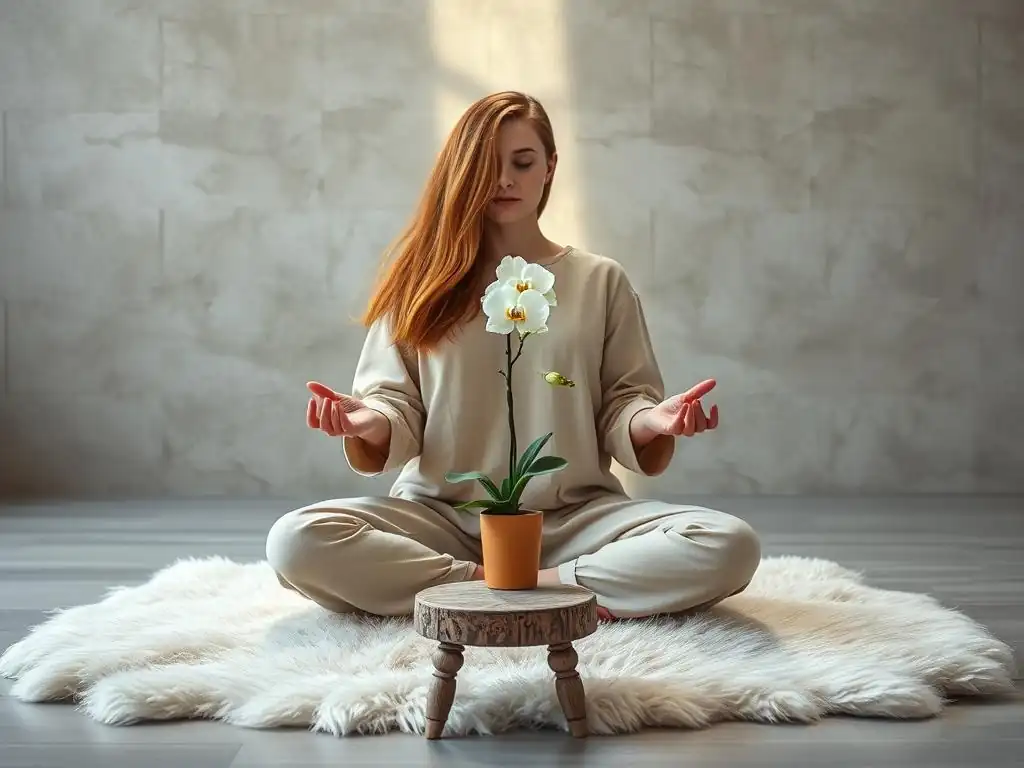
Technique 1: The RAIN Method for Self-Compassion
The RAIN method, popularized by meditation teacher Michele McDonald and expanded upon by Tara Brach, is a powerful mindfulness practice for navigating difficult emotions and cultivating self-compassion. It provides a structured way to approach challenging inner experiences with presence and kindness. This method moves beyond simple observation to actively engaging with your inner world in a supportive way. Implementing this technique regularly can significantly shift your relationship with emotional pain, transforming it from something to be feared or avoided into an opportunity for self-understanding and healing.
Applying the RAIN method requires dedicated practice, particularly when faced with intense emotions. It's about pausing and consciously choosing to meet your experience with the four steps. While initially challenging, especially when dealing with long-held patterns of self-criticism or fear, consistent application builds emotional literacy and resilience. Many individuals report feeling a sense of relief and spaciousness after working through difficult feelings using RAIN, finding that the intensity often diminishes when met with awareness and compassion rather than resistance. This step-by-step approach makes it an invaluable part of any comprehensive self-compassion mindfulness techniques guide.
Recognizing Emotions with Awareness
The first step in the RAIN method is Recognizing what is happening in the present moment. This involves mindfully acknowledging the thoughts, feelings, and physical sensations that are arising without trying to change them. It's about naming your experience internally, perhaps labeling the emotion ("I'm feeling anger," "This is anxiety," "There is sadness"). This step requires basic mindfulness skills – the ability to pay attention to your inner landscape. Without recognition, the other steps are impossible.
For example, if you've just received critical feedback at work, you might notice a tightening in your chest, a racing heart, and thoughts like "I'm not good enough" or "They think I'm incompetent." Recognition is simply observing these phenomena: "Okay, there's tension in my chest, my heart is racing, and I'm having thoughts of inadequacy." A study from 2019 on emotion labeling found that simply naming an emotion can decrease activity in the amygdala, the brain's fear center, suggesting that recognition itself can begin to diffuse emotional intensity.
Allowing Emotions to Be Present
The second step, Allowing, means letting the experience be there exactly as it is, without resistance, judgment, or trying to push it away. This is often the most challenging step, as our natural inclination is to avoid or suppress pain. Allowing doesn't mean you approve of the situation or emotion, but rather that you give it permission to exist in your present awareness. It's an act of radical acceptance of your current reality, however uncomfortable.
You might gently say to yourself, "Yes, this is here," or "I allow this feeling of anxiety to be present." This step involves dropping the struggle against the emotion. Instead of fighting the rising panic after a stressful interaction, you consciously allow the feeling to wash over you, trusting that you can handle it. Research indicates that suppressing emotions actually increases their intensity and duration, whereas allowing them to be present facilitates their natural processing and eventual release.
Investigating Emotions with Curiosity
The third step, Investigating, involves bringing a gentle, curious attention to the experience. Ask yourself, "What does this feel like in my body? ", "What thoughts are associated with this feeling? ", "What is this emotion needing?" This is not about analyzing or figuring things out intellectually, but rather exploring the felt sense of the emotion with an attitude of kindness and non-judgment, like a compassionate scientist observing a phenomenon.
For instance, when feeling shame, you might notice where it resides in your body (perhaps a knot in the stomach or slumped shoulders), what thoughts accompany it ("I should be better," "I'm a failure"), and what it seems to be asking for (perhaps comfort or acceptance). Investigation deepens your understanding of your inner world and allows you to connect with the underlying vulnerability. Studies on interoception (the awareness of internal bodily states) suggest that increased ability to notice and describe bodily sensations is linked to better emotional regulation.
Nurturing with Self-Compassion
The final step, Nurturing, involves actively offering yourself kindness and care. This is the explicit self-compassion component. What does this part of you, experiencing this difficulty, need? It might be a kind phrase ("May I be free from this suffering," "It's okay, you're doing your best"), a gentle hand on your heart, or simply a warm, understanding presence directed towards yourself. This is where you consciously counteract the inner critic and offer the support you would give a dear friend.
If you are feeling overwhelmed by sadness, nurturing might involve placing your hand on your chest and whispering inwardly, "This is painful, sweetheart. I'm here with you. May you find some ease." This step is about actively soothing and comforting yourself in the face of pain. Research consistently shows that self-compassion practices like this activate the brain's soothing system, releasing oxytocin and promoting feelings of safety and connection, counteracting the threat response associated with self-criticism.
Technique 2: Compassionate Body Scan for Emotional Release
The traditional body scan meditation involves bringing mindful awareness to different parts of the body, noticing sensations without judgment. A compassionate body scan adds an layer of kindness and acceptance to this process, specifically focusing on areas where tension or difficult emotions are held and offering them warmth and care. This technique is particularly effective as an advanced self-compassion mindfulness techniques guide because it grounds emotional processing in the physical body, where many difficult feelings manifest.
This practice helps to release stored tension and process emotions that might be difficult to access through purely cognitive methods. By directing compassionate attention to physical discomfort or emotional 'hot spots' in the body, you create a space for healing and release. Regular practice can increase body awareness, reduce chronic pain associated with stress, and improve emotional resilience by helping you process feelings held in the body rather than intellectualizing or avoiding them.
Focusing on Physical Sensations and Emotions
Begin the compassionate body scan by lying down or sitting comfortably. Bring your awareness to your breath for a few moments to anchor yourself in the present. Then, slowly guide your attention through different parts of your body, starting perhaps with your feet and moving upwards. As you do so, notice any physical sensations – tingling, warmth, coolness, tension, pain. Crucially, also notice if any emotions seem to be held in specific areas. Perhaps you feel anxiety as tightness in your stomach, or sadness as heaviness in your chest.
For example, as you scan your shoulders, you might notice significant tension. Instead of judging it ("My shoulders are always so tense, I need to relax"), simply observe the sensation. Then, bring a gentle curiosity: "What does this tension feel like? Is there an emotion associated with it?"
You might realize this tension is linked to stress from work. The focus is on feeling the sensation and associated emotion, not analyzing its cause, with an attitude of open awareness. Studies show that chronic stress often manifests as physical tension, and mindful body awareness can help identify and alleviate these somatic symptoms.
Cultivating Acceptance and Kindness Towards Your Body
As you notice physical sensations and emotions in different body parts, consciously cultivate an attitude of acceptance and kindness towards that area and the feelings held within it. Imagine sending warm, soothing breath or gentle light to the tense or painful spots. Mentally offer phrases of kindness, such as "It's okay to feel this tension," or "May this part of my body be at ease," or "Thank you for holding this for me."
If you encounter significant pain or discomfort, approach it with the same tenderness you would offer a friend who is suffering. Instead of wishing the pain would go away, acknowledge its presence with compassion. For instance, if your lower back aches, instead of thinking, "Ugh, my back hurts again," you might gently place your hand there and think, "Ah, my back is hurting. It's okay, body, you're carrying a lot.
May you find some relief." This practice shifts from fighting the body to befriending it, fostering a sense of safety and allowing for potential release of physical and emotional blockages. Research suggests that self-compassion towards physical pain can reduce its perceived intensity and improve coping mechanisms.
Technique 3: The "Inner Critic" Transformation Exercise
Most people have an inner critic – a voice that judges, blames, and finds fault. This voice can be incredibly harsh and undermining to well-being. The "Inner Critic" Transformation Exercise is a powerful advanced self-compassion mindfulness techniques guide step that involves identifying this critical voice, understanding its origins and motivations, and consciously transforming its message through compassionate awareness and rewriting the narrative.
This technique is not about eliminating the inner critic entirely, which is often impossible, but about changing your relationship with it. By recognizing it as a separate entity (though still a part of you) and understanding its often misguided attempts to protect you (e.g., by pushing you to be perfect to avoid rejection), you can lessen its power and replace its harsh judgments with kinder, more accurate self-talk. Successfully transforming the inner critic is a cornerstone of building robust self-compassion.
Identifying Your Inner Critic's Voice
The first step is becoming acutely aware of when and how your inner critic speaks. Pay attention to your internal dialogue, especially after mistakes, setbacks, or when you feel vulnerable. What phrases does it use? Is it harsh, shaming, dismissive? Does it sound like anyone from your past? Journaling about moments when you feel criticized can be very revealing. Try to give your critic a name or imagine it as a character separate from your core self.
For example, after giving a presentation that didn't go perfectly, your inner critic might say, "You sounded like an idiot. Everyone thinks you're incompetent. You should just give up." Identifying this voice means noticing these specific thoughts and recognizing them as the critic's commentary, not necessarily objective truth. You might notice it uses extreme language ("idiot," "everyone," "just give up"). Research indicates that identifying and externalizing the inner critic ("That's my critic talking") can help create psychological distance and reduce its emotional impact.
Challenging Negative Self-Talk with Compassion
Once you've identified the critic's voice, the next step is to challenge its message, not with equally harsh counter-arguments, but with compassionate truth. Ask yourself: Is what the critic is saying 100% true? Would I say this to a friend? What is a kinder, more balanced perspective? This involves consciously offering yourself the understanding and acceptance that the critic withholds.
Using the presentation example, instead of accepting "Everyone thinks you're incompetent," you might challenge it with compassion: "Is it true that everyone thinks that? Probably not. Some parts didn't go as planned, but other parts were fine. It's okay; everyone makes mistakes. What did I learn from this?" This response acknowledges reality (parts didn't go well) but reframes it with kindness and a focus on growth, directly counteracting the critic's shaming message. Studies show that replacing negative self-talk with compassionate self-talk can improve mood and increase motivation.
Rewriting Your Inner Narrative
The final stage is actively rewriting the dominant inner narrative. Instead of letting the critic's story define you ("I'm a failure," "I'm not worthy"), consciously cultivate a new story based on self-compassion, acceptance, and inherent worthiness. This involves repeatedly affirming kinder, more supportive truths about yourself, especially during difficult times. This is an ongoing practice that requires patience and persistence.
This could involve creating compassionate affirmations that resonate with you, such as "I am enough, just as I am," or "I am worthy of kindness and belonging," or "My best is always enough." You might also reflect on your strengths, moments of resilience, and inherent value, independent of external achievements. Over time, by consistently choosing the compassionate narrative, you weaken the critic's hold and strengthen your inner voice of kindness and acceptance. Neuroplasticity research suggests that repeatedly practicing new ways of thinking and feeling can literally reshape neural pathways in the brain, making compassionate responses more automatic.
Technique 4: Self-Compassionate Letter Writing
Writing a letter to yourself from a place of self-compassion is a tangible and deeply moving practice. It allows you to express feelings, acknowledge pain, and offer comfort and understanding from the perspective of a wise and kind friend. This technique is a powerful component of an advanced self-compassion mindfulness techniques guide because it externalizes the compassionate voice and allows for a focused, deliberate act of self-kindness.
This method can be particularly helpful when processing past hurts, navigating current difficulties, or simply acknowledging the challenges of being human. It provides a safe space to articulate feelings you might suppress and to offer yourself the validation and empathy you might crave from others but can cultivate internally. The act of writing itself can be therapeutic, providing clarity and emotional release.
Writing to Yourself from a Place of Kindness
To begin, identify a difficult situation, emotion, or aspect of yourself that you struggle with (e.g., a recent failure, a persistent insecurity, a past trauma). Imagine a friend who is unconditionally loving, accepting, and wise. Now, write a letter to yourself from the perspective of that friend. What would they say to you about this difficulty? How would they express understanding, empathy, and support? Use warm, gentle language.
For example, if you're writing about feeling like a failure after losing a job, the letter might start: "My dearest [Your Name], I heard about the job loss, and my heart goes out to you. That must be incredibly painful and disappointing. Please know that it's completely understandable to feel hurt and scared right now. You are not alone in this..." The key is to adopt the voice of pure, unconditional kindness, free from judgment or expectation. Reading this letter aloud to yourself can further enhance its impact.
Addressing Past Hurts and Offering Forgiveness
Self-compassionate letter writing can also be used specifically to address past hurts, whether inflicted by others or caused by your own mistakes. Write to yourself about a specific event or period of suffering. Acknowledge the pain you experienced and validate your feelings. Then, from the perspective of the compassionate friend, offer understanding and forgiveness – both to yourself (if applicable) and potentially to others involved, not for their sake, but for your own healing.
For instance, if writing about a time you made a significant mistake you still regret, the letter might include: "...I know you carry a lot of guilt about what happened back then. It was a difficult time, and you were doing the best you could with the resources you had. Everyone makes mistakes, and those mistakes don't define your worth. I forgive you for that, completely.
You deserve to be free from that burden." This practice helps to release shame and move towards acceptance, integrating difficult past experiences into a narrative of resilience and growth. Studies on forgiveness highlight its strong links to improved mental and physical health outcomes.
Technique 5: Mindful Movement for Self-Compassion
Mindful movement practices like gentle yoga, Tai Chi, or even conscious walking can be powerful tools for cultivating self-compassion. They bridge the gap between the mind and body, allowing you to connect with physical sensations and emotions in a non-judgmental way while moving with kindness and awareness. Integrating movement into an advanced self-compassion mindfulness techniques guide acknowledges the embodied nature of our emotional lives.
These practices encourage listening to your body's signals, respecting its limits, and moving in a way that feels nourishing rather than forceful or critical. They provide an opportunity to practice acceptance of your body as it is, fostering a healthier relationship with yourself physically and emotionally. The gentle flow and focused attention inherent in mindful movement can also help to release stored tension and process difficult emotions held within the musculature.
Gentle Yoga and Tai Chi for Emotional Release
Practices like gentle yoga or Tai Chi emphasize slow, deliberate movements coordinated with the breath. They are not about achieving perfect poses or pushing your physical limits, but about being present with the sensations that arise during movement and treating your body with care. As you move through poses or forms, pay attention to areas of tightness or discomfort and approach them with curiosity and kindness rather than frustration.
For example, during a gentle yoga stretch, if you feel tightness in your hamstrings, instead of forcing the stretch or criticizing your flexibility, simply notice the sensation. Breathe into the area and offer a silent message like, "Okay, hamstrings, I feel you working. Thank you for supporting me. May you find ease." Tai Chi's flowing movements can be particularly effective for cultivating a sense of grace and acceptance in motion, reducing the tendency to judge physical performance. Research shows that mindful movement practices can significantly reduce stress hormones like cortisol and improve mood states.
Connecting with Your Body Through Compassionate Movement
Beyond structured practices, simply moving your body with compassionate awareness can be beneficial. This could be a mindful walk where you pay attention to the sensation of your feet on the ground and the rhythm of your breath, or dancing freely in your living room without worrying about how you look. The key is to move from a place of kindness towards your body, appreciating what it can do rather than focusing on perceived flaws or limitations.
This type of movement fosters a deeper connection with your physical self, helping you to inhabit your body more fully and comfortably. It counters the tendency to view the body as an object to be judged or controlled and instead treats it as a living, feeling entity deserving of care. For instance, instead of thinking during a walk, "I should be walking faster to burn more calories," a compassionate approach would be, "My legs are strong and carrying me forward.
I appreciate this feeling of movement and fresh air." This shift in perspective cultivates gratitude and acceptance for your physical form.
Overcoming Obstacles in Your Self-Compassion Practice
Addressing Resistance and Self-Judgment
One of the most common obstacles to practicing self-compassion is resistance, often stemming from deeply ingrained habits of self-judgment. We might believe we don't deserve kindness, that self-compassion is self-indulgent or weak, or that being hard on ourselves is necessary for motivation. These beliefs can create significant internal friction when we try to be kind to ourselves, leading to feelings of awkwardness, skepticism, or even increased self-criticism ("I'm doing this wrong," "This feels stupid").
Addressing this resistance requires bringing mindful awareness to these thoughts and feelings without judging the resistance itself. Notice the belief that self-compassion is weak, and gently question its validity. Would you tell a struggling friend they are weak for being kind to themselves? Understand that self-judgment is often an old, misguided coping mechanism learned early in life, intended to protect you from external criticism by internalizing it.
Recognizing this historical context can foster empathy for the part of you that judges. Studies suggest that acknowledging resistance with kindness, rather than fighting it, is a key step in overcoming it. Practicing short moments of self-compassion, even when feeling resistant, can gradually build a new habit.
Managing Difficult Emotions and Triggers
Practicing self-compassion can sometimes bring difficult emotions to the surface, especially if we are used to suppressing or avoiding them. Encountering intense feelings like shame, grief, or anger can be triggering and might make you want to abandon the practice. It's also common to have specific situations or interactions that reliably trigger your inner critic or feelings of inadequacy.
When difficult emotions or triggers arise, approach them using techniques like the RAIN method. Remember that self-compassion is most needed precisely when you are suffering. Instead of trying to make the feelings go away, practice being present with them with kindness. If a specific situation triggers intense self-criticism, pause and apply the RAIN steps. Recognize the critical thoughts and painful feelings, Allow them to be there, Investigate them gently (What does the critic fear?
What is the core pain? ), and Nurture yourself with the kindness you need in that moment ("This is hard. It's okay to feel overwhelmed"). Having a plan for how to respond to triggers using your self-compassion mindfulness techniques guide can make them less overwhelming.
Building Resilience and Sustaining Your Practice
Building resilience in your self-compassion practice means accepting that it won't always be easy, and there will be days when you struggle to feel or offer kindness to yourself. Life throws challenges, and old habits of self-criticism are deeply ingrained. Sustaining the practice involves committing to showing up for yourself consistently, even when it's difficult, and treating setbacks with the same compassion you are trying to cultivate.
This might involve setting aside dedicated time for formal practices like compassionate body scans or RAIN meditations, even if only for 5-10 minutes daily. It also involves integrating informal moments of self-compassion throughout your day – pausing to offer yourself kindness after a mistake, taking a mindful breath when feeling stressed, or noticing moments of self-judgment and gently reframing them. Think of it less like a chore and more like building a supportive relationship with yourself.
Research indicates that consistency, even in small doses, is more effective than infrequent, long practices for developing lasting change in emotional habits. Consider creating a simple checklist for daily or weekly practices to help maintain momentum:
- [ ] 5-minute morning RAIN check-in
- [ ] Mindful breath with self-compassion when stressed
- [ ] Notice and reframe one critical thought today
- [ ] Compassionate body scan before bed
Integrating Self-Compassion Mindfulness Techniques Into Daily Life

Integrating self-compassion mindfulness techniques into the fabric of your daily life is where the most profound and lasting transformation occurs. It moves the practice from a formal exercise on the cushion to a way of being in the world and with yourself. This requires intentionality and creativity in finding moments throughout your day to pause, connect, and offer kindness.
The goal is to make self-compassion your default response to difficulty, replacing automatic self-criticism or avoidance. This integration process strengthens your inner resources, making you more resilient to stress and better equipped to navigate challenges with grace. It's about weaving the principles from your self-compassion mindfulness techniques guide into the mundane and the significant moments of your day.
Incorporating Self-Compassion into Your Morning Routine
Starting your day with an act of self-compassion can set a positive tone. This doesn't require a lengthy meditation session. It could be as simple as taking a few mindful breaths upon waking and gently placing a hand on your heart, offering yourself a simple phrase like, "May I be kind to myself today," or "May I meet this day with ease."
Another approach is a brief compassionate body scan to check in with how you are feeling physically and emotionally before the demands of the day begin. For example, notice any stiffness or tiredness, and offer a gentle message: "Okay, body, you're a bit stiff today. Let's move gently." This moment of acknowledgment and kindness towards yourself before engaging with external tasks helps ground you in self-acceptance. Even 2-3 minutes dedicated to this can make a difference in your mindset.
Practicing Self-Compassion During Challenging Situations
Difficult situations are prime opportunities to practice self-compassion. When you make a mistake, face criticism, experience a setback, or feel overwhelmed, this is when the principles you've learned in your self-compassion mindfulness techniques guide are most needed. Instead of defaulting to self-blame or despair, pause and apply the RAIN method or offer yourself a compassionate phrase.
For instance, if you spill coffee on your shirt right before an important meeting, your automatic thought might be "I'm so clumsy!" A self-compassionate response would be to pause, notice the frustration and embarrassment (Recognize, Allow), perhaps notice the physical tension (Investigate), and then offer kindness: "Okay, this is frustrating and messy. It's just coffee, and accidents happen. It's okay." This small act of self-kindness in the moment prevents the situation from escalating into a full-blown self-attack. Practicing this repeatedly builds resilience.
Cultivating Self-Compassion in Relationships
Our relationships often trigger our deepest insecurities and fears, making them fertile ground for practicing self-compassion. When conflicts arise, when you feel misunderstood, or when you perceive rejection, the inner critic can become particularly loud. Practicing self-compassion in these moments involves acknowledging your own pain and vulnerability with kindness, rather than getting lost in blame (of self or others) or defensiveness.
This could mean offering yourself compassion when you feel hurt by a loved one's words ("It's okay that I feel hurt by that; my feelings are valid"), or when you make a mistake in a relationship ("I messed up, and that feels bad. I'm learning, and I can offer myself forgiveness"). It also involves setting compassionate boundaries, understanding that it's okay to protect your well-being even if it disappoints someone else.
By being kinder to yourself, you also become more emotionally stable and present in your interactions, which can ultimately lead to healthier, more authentic connections with others. Research shows a strong correlation between self-compassion and relationship satisfaction, as it reduces reactivity and increases empathy towards oneself and others.
The Benefits of Advanced Self-Compassion
Engaging deeply with self-compassion mindfulness techniques guide practices yields a wide array of psychological and emotional benefits that extend far beyond simply feeling a little better. It fundamentally changes your relationship with yourself and, consequently, with the world around you. These benefits are supported by a growing body of scientific evidence highlighting the transformative power of self-compassion.
Cultivating advanced self-compassion builds an inner reservoir of strength and kindness that is always accessible, regardless of external circumstances. It shifts your primary source of validation from the external to the internal, fostering a stable sense of worth. The long-term advantages of this practice are profound, impacting everything from your emotional health to your interpersonal relationships.
Improved Emotional Regulation and Resilience
One of the most significant benefits of advanced self-compassion is enhanced emotional regulation. By meeting difficult emotions with kindness and understanding rather than resistance or judgment, you learn to process them more effectively. The RAIN method, for instance, provides a concrete pathway for moving through intense feelings without being overwhelmed.
Studies consistently show that individuals with higher levels of self-compassion are better able to cope with stress and adversity. They experience less emotional reactivity and recover more quickly from setbacks. For example, research on college students found that self-compassion predicted greater emotional stability and less rumination following academic stress. This increased resilience means you are better equipped to navigate life's inevitable challenges without being derailed by emotional storms.
Reduced Stress, Anxiety, and Depression
Self-compassion acts as a powerful antidote to common mental health challenges like stress, anxiety, and depression. These conditions are often fueled by self-criticism, fear of failure, and feelings of isolation. By actively counteracting these with kindness, common humanity, and mindful acceptance, self-compassion directly targets their root causes.
Meta-analyses of numerous studies consistently demonstrate a strong negative correlation between self-compassion and symptoms of depression and anxiety. One large review pooling data from dozens of studies found that self-compassion accounted for approximately 20% of the variance in reported depression and anxiety levels, suggesting it is a significant protective factor. By providing a stable source of inner support and reducing the pressure to be perfect, self-compassion helps to quiet the anxious mind and lift the heavy burden of depression.
Enhanced Self-Acceptance and Well-being
Moving beyond self-criticism towards self-acceptance is a core outcome of practicing self-compassion. Instead of constantly striving to be different or better, you learn to embrace yourself, flaws and all, with warmth and understanding. This doesn't mean complacency, but rather a radical acceptance of your current reality as the starting point for growth.
This enhanced self-acceptance is strongly linked to overall psychological well-being. Individuals who are more self-compassionate report higher levels of happiness, life satisfaction, and optimism. They are less prone to perfectionism and fear of failure, allowing them to engage more fully and authentically with life. The process outlined in this self-compassion mindfulness techniques guide directly facilitates this shift towards a more accepting and joyful relationship with oneself.
Fostering Healthier Relationships
While self-compassion is an internal practice, its effects ripple outwards into our relationships with others. By being kinder and more accepting of ourselves, we become more patient, empathetic, and forgiving towards those around us. We are less likely to project our own insecurities onto others or engage in defensive behaviors driven by fear of judgment.
Furthermore, self-compassion helps us navigate interpersonal conflicts and disappointments with greater emotional stability. We can acknowledge our own pain without becoming overwhelmed, and we are better able to communicate our needs and boundaries from a place of strength rather than reactivity. Research indicates that self-compassionate individuals report more satisfying relationships and are more likely to offer compassion to others, creating a positive feedback loop of kindness and connection.
Resources for Further Exploration of Self-Compassion and Mindfulness
Continuing your journey with self-compassion and mindfulness is a lifelong endeavor. To deepen your understanding and practice beyond this self-compassion mindfulness techniques guide, exploring additional resources can be incredibly beneficial. These resources offer different perspectives, guided practices, and in-depth information to support your growth.
Engaging with books, articles, and guided meditations from reputable sources can provide ongoing inspiration, practical tools, and a sense of community in your practice. They can help you navigate challenges, refine your techniques, and integrate self-compassion even more deeply into your life.
Books and Articles on Self-Compassion
There are many excellent books and articles available that delve deeper into the science and practice of self-compassion. Works by pioneers in the field, such as Kristin Neff's "Self-Compassion: The Proven Power of Being Kind to Yourself" or Tara Brach's "Radical Acceptance: Embracing Your Life With the Heart of a Buddha," offer comprehensive insights and practical exercises.
Exploring articles from academic journals or reputable mental health websites can also provide valuable information on specific applications of self-compassion for different challenges, such as dealing with trauma, chronic pain, or body image issues. Reading about the research behind self-compassion can also strengthen your motivation and commitment to the practice by highlighting its evidence-based benefits.
Guided Meditations and Online Courses
Guided meditations are a fantastic way to experience self-compassion and mindfulness directly. Numerous free and paid resources offer guided practices specifically focused on self-compassion, body scans, working with the inner critic, and more. Listening to a compassionate voice guiding you through these techniques can make them more accessible and effective, especially when you are first starting or feeling challenged.
Online courses provide a more structured and in-depth way to learn advanced self-compassion mindfulness techniques guide. Programs like Mindful Self-Compassion (MSC), developed by Kristin Neff and Christopher Germer, offer multi-week curricula that combine teachings, meditation practices, and group exercises to cultivate self-compassion skills. These courses provide a supportive environment and comprehensive training that can significantly accelerate your progress and deepen your practice.
Frequently Asked Questions
What are self-compassion mindfulness techniques, and how do they relate to mental well-being?
Self-compassion mindfulness techniques involve treating yourself with kindness during moments of suffering, combined with mindful awareness of your thoughts and feelings. This cultivates emotional resilience and reduces self-criticism, leading to improved mental well-being.
How does Advanced Self-Compassion differ from basic self-compassion practices?
Advanced Self-Compassion delves deeper into understanding the roots of self-criticism and develops more sophisticated mindfulness tools for navigating challenging emotions. It often involves exploring past experiences that shape your self-perception.
How can this Selfcompassion Mindfulness Techniques Guide help me with my mental health challenges?
This guide offers practical exercises and step-by-step instructions for implementing self-compassion and mindfulness. It provides resources and support to help you navigate various mental health challenges with greater self-acceptance.
What are some specific mindfulness techniques that can enhance self-compassion?
Specific techniques include mindful breathing exercises, body scan meditations, and loving-kindness meditations. These practices help you observe your thoughts without judgment and cultivate feelings of warmth and acceptance towards yourself.
How often should I practice self-compassion mindfulness techniques to see noticeable benefits?
Consistency is key. Aim for daily practice, even if it's just for a few minutes. Regular practice helps strengthen neural pathways associated with self-compassion, leading to lasting improvements in mood and self-esteem.
Final Reflection: Cultivating a Kinder Inner Dialogue
The practice of self-compassion, interwoven with mindfulness, isn't merely a trendy wellness technique; it's a revolutionary approach to navigating the complexities of human experience. In a world that often prioritizes external validation and relentless self-criticism, embracing our inner world with kindness and understanding is a radical act of self-care, profoundly impacting our mental and emotional well-being. This is especially crucial in today's fast-paced, demanding society where burnout and mental health challenges are increasingly prevalent.
The journey towards advanced self-compassion is a deeply personal one, a continuous process of unlearning ingrained negative self-talk and cultivating a more nurturing inner dialogue. This shift in perspective has profoundly impacted my own life, allowing me to approach challenges with greater resilience and self-acceptance. As Kristin Neff, a leading researcher on self-compassion, eloquently states: Self-compassion involves treating yourself with the same kindness, concern, and understanding that you would offer a good friend.
This simple yet powerful concept has the potential to transform our relationships with ourselves and others.
Now, consider your own inner landscape. What limiting beliefs or harsh self-criticisms are you holding onto? I invite you to take a moment to reflect on this, to practice the mindfulness techniques discussed throughout this guide, and to begin cultivating a kinder, more compassionate relationship with yourself. Start small, perhaps with a single act of self-kindness each day. Remember, the journey towards self-compassion is a marathon, not a sprint, and every step you take towards befriending your inner world is a step towards a more fulfilling and meaningful life.
Unleash Your Inner Peace: Cultivate Self-Compassion Today
Thanks for taking the time to explore the power of self-compassion! We hope you gained valuable insights into nurturing your inner world. Ready to integrate these practices into your daily life?
- Prioritize a daily self-compassion practice: Even five minutes of mindful self-reflection can make a difference. Try focusing on a difficult emotion with kindness.
- Share your experiences: Connect with others on their journey by sharing your reflections – whether with friends, family, or in an online community. Let's build support together!
- Try a guided meditation: Many free resources are available online; experiment to find what resonates with you. Discovering this practice can be transformative!
What small act of self-compassion will you prioritize today to nurture your inner peace?