
The Core Skill for Wellbeing: Introducing Mindfulness

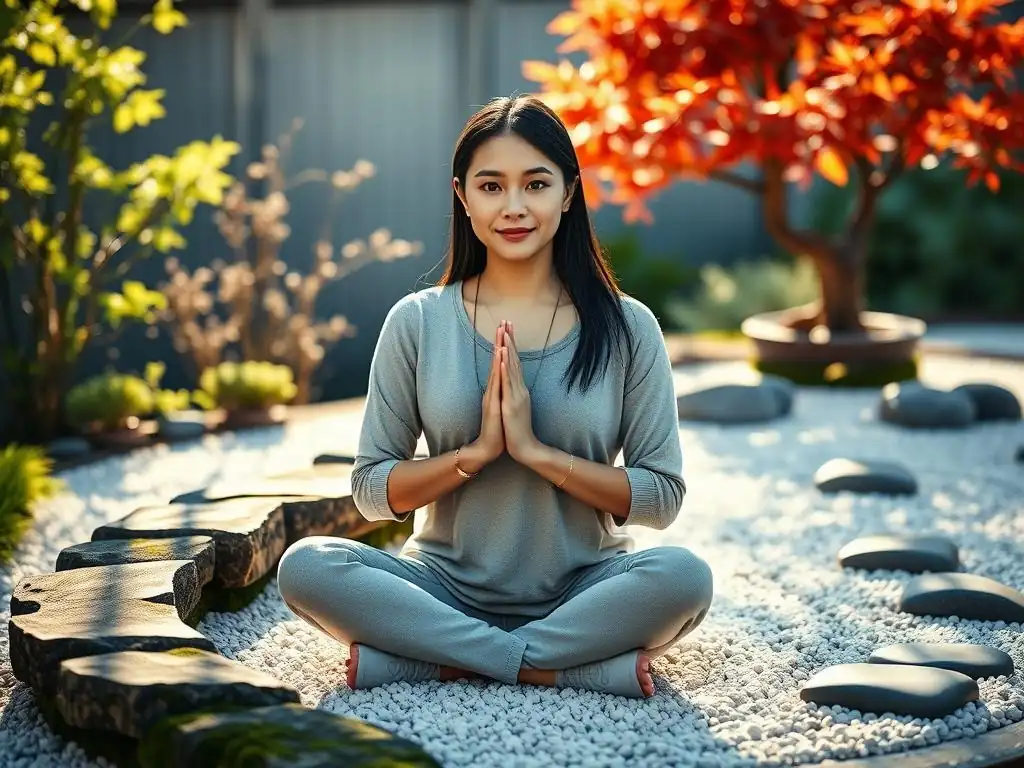
Welcome to Mind Care Guide, a space dedicated to nurturing your inner peace.
Feeling overwhelmed? You're not alone. We understand the challenges life throws our way, and we're here to guide you towards a calmer, more centered you. In this article, we'll delve into a powerful tool that can transform your mental landscape: mindfulness. Discover how Mindfulness for mental wellbeing can be your core skill for navigating stress, enhancing focus, and cultivating lasting happiness. Are you ready to begin your journey to a more mindful life?
Cultivating Inner Peace: An Introduction to Mindfulness
- Understanding Mindfulness for Emotional Wellbeing
- Benefits of Practicing Mindfulness Regularly
- How to Practice Mindfulness: A Beginner's Guide
- Mindfulness Meditation vs. Other Meditation Techniques
- Common Misconceptions About Mindfulness
- Integrating Mindfulness into Daily Life for Enhanced Wellbeing
- Resources for Continued Learning in Mindfulness
-
Frequently Asked Questions
- What exactly is mindfulness and how does it relate to mental wellbeing?
- How can practicing mindfulness improve my mental health?
- Is mindfulness a difficult skill to learn, and how long before I see benefits for my wellbeing?
- What are some practical ways I can incorporate mindfulness into my daily routine to boost my mental well-being?
- What resources does Mind Care Guide offer to help me learn and practice mindfulness for better mental wellbeing?
- Final Reflection: Cultivating Inner Peace in a Frantic World
- Unveil Your Inner Calm: Start Your Mindfulness Journey Today
Understanding Mindfulness for Emotional Wellbeing
What is Mindfulness? A Present-Moment Awareness
Mindfulness for mental wellbeing is fundamentally about bringing one's attention to the present moment, without judgment. It involves noticing thoughts, feelings, bodily sensations, and the surrounding environment as they arise, accepting them for what they are rather than trying to change or ignore them. This practice is not about emptying the mind or achieving a state of perpetual calm, but rather about developing a greater awareness of one's internal and external experiences from moment to moment.
Originating from ancient contemplative traditions, particularly Buddhism, mindfulness has been adapted into secular practices and therapies, most notably Mindfulness-Based Stress Reduction (MBSR) and Mindfulness-Based Cognitive Therapy (MBCT). These programs have been extensively researched, demonstrating the tangible benefits of cultivating this non-judgmental awareness for managing stress, reducing anxiety, and improving overall psychological flexibility. The core principle remains consistent: anchoring oneself in the here and now to navigate life's complexities with greater clarity and ease.
The Importance of Mindfulness in Emotional Regulation
Emotional regulation is a crucial component of mental wellbeing, and mindfulness plays a significant role in enhancing this skill. By practicing mindfulness, individuals learn to observe their emotions without immediately reacting to them. This creates a space between the emotional trigger and the response, allowing for a more considered and less impulsive reaction. Instead of being swept away by intense feelings like anger, fear, or sadness, mindfulness helps one acknowledge the emotion, understand its transient nature, and choose how to respond constructively.
Research consistently shows that regular mindfulness practice can lead to structural and functional changes in the brain areas associated with emotional processing, such as the amygdala (often linked to the fear response) and the prefrontal cortex (involved in planning and decision-making). For instance, studies using fMRI scans have observed reduced amygdala activity in response to negative stimuli among experienced mindfulness practitioners compared to novices. This neurological basis supports the subjective reports of individuals who feel better equipped to handle challenging emotions and stressful situations, fostering greater emotional resilience and stability.
Benefits of Practicing Mindfulness Regularly
Reducing Anxiety and Promoting Relaxation with Mindfulness
Integrating mindfulness for mental wellbeing is widely recognized for its effectiveness in mitigating symptoms of anxiety. The practice helps individuals detach from anxious thought patterns, which often involve worrying about the future or ruminating on the past. By gently bringing attention back to the present moment – focusing on the breath, bodily sensations, or external sounds – the mind is pulled away from the cycle of worry that fuels anxiety. This present-moment focus interrupts the cascade of stress hormones and activates the body's relaxation response.
Numerous studies and clinical trials have documented the positive impact of mindfulness on anxiety levels. For example, meta-analyses pooling data from multiple studies often indicate a significant reduction in self-reported anxiety scores among participants who engage in mindfulness programs. While individual results vary, it's common for participants to report feeling calmer, less overwhelmed by stressful situations, and better able to manage panic or anxious episodes. The consistent return to the breath and body anchors the individual, providing a stable point of reference amidst internal turbulence.
Enhancing Focus and Cognitive Function Through Mindfulness Practices
Mindfulness practice is not only beneficial for emotional states but also significantly impacts cognitive abilities, particularly focus and attention. In our increasingly distracting world, the ability to concentrate is a valuable asset for mental wellbeing and productivity. Mindfulness training helps to strengthen the 'attention muscle' by repeatedly bringing a wandering mind back to the intended object of focus, whether it's the breath during meditation or a task at hand. This deliberate practice improves sustained attention and reduces distractibility.
Beyond just focus, mindfulness has been linked to improvements in other areas of cognitive function, including working memory and cognitive flexibility. Research has shown that individuals who practice mindfulness regularly often perform better on tasks requiring sustained attention and the ability to switch between different mental sets. For instance, some studies have reported improvements in working memory capacity and reduced mind-wandering during cognitive tasks after just a few weeks of consistent practice. This enhanced cognitive function contributes positively to mental wellbeing by improving problem-solving skills and reducing the mental clutter that can contribute to stress.
Cultivating Emotional Resilience and Self-Awareness with Mindfulness
Emotional resilience – the capacity to bounce back from adversity – is a cornerstone of robust mental wellbeing. Mindfulness practice cultivates this resilience by fostering a non-reactive stance towards difficult emotions and experiences. Instead of avoiding or suppressing painful feelings, mindfulness teaches individuals to acknowledge them with curiosity and acceptance. This allows for a deeper understanding of one's emotional landscape and a reduced tendency to be overwhelmed by negative states, enabling a more adaptive response to challenges.
Furthermore, mindfulness significantly deepens self-awareness. By regularly paying attention to internal states, individuals become more attuned to their thoughts, feelings, and physical sensations. This heightened awareness helps in recognizing early signs of stress, anxiety, or other emotional difficulties before they escalate. It also fosters a clearer understanding of one's patterns of reaction and behavior. This self-knowledge is empowering, allowing individuals to make conscious choices that support their mental health rather than operating on autopilot driven by unconscious triggers. This cultivation of inner knowing is a vital aspect of using mindfulness for mental wellbeing.
How to Practice Mindfulness: A Beginner's Guide

Simple Mindfulness Exercises for Daily Integration
Practicing mindfulness for mental wellbeing doesn't require hours of sitting meditation. Simple exercises can be woven into your daily routine. Starting small is key to building a sustainable habit. These exercises help train your attention and bring you into the present moment, reducing stress and increasing awareness.
- [ ] Choose a quiet time and space.
- [ ] Commit to a short duration, even just 5-10 minutes.
- [ ] Be patient and kind to yourself; your mind will wander.
Diaphragmatic Breathing for Calmness
Diaphragmatic breathing, also known as belly breathing, is a fundamental mindfulness technique that can quickly induce a sense of calm. It involves breathing deeply into the abdomen rather than shallowly into the chest. This simple act can slow your heart rate and activate the body's relaxation response, making it an excellent tool for managing stress and anxiety in the moment.
To practice: Find a comfortable seated or lying position. Place one hand on your chest and the other on your belly, just below your rib cage. Inhale slowly through your nose, feeling your belly rise. Your chest should remain relatively still. Exhale slowly through your mouth, gently pressing your belly inward. Repeat this for several minutes, focusing solely on the sensation of your breath moving in and out of your body. If your mind wanders, gently guide it back to the breath without judgment.
Body Scan Meditation for Stress Reduction
The body scan is a practice that involves systematically bringing your attention to different parts of your body, noticing any sensations present without trying to change them. This exercise helps to increase body awareness and can highlight areas where you hold tension, allowing for release. It's particularly effective for grounding yourself and reducing physical stress associated with anxiety.
To practice: Lie down comfortably on your back with your arms at your sides and legs extended (or sit upright if preferred). Close your eyes if comfortable. Bring your awareness to your feet. Notice any sensations – warmth, coolness, tingling, pressure – without judgment. After a minute or two, gently move your attention up to your ankles, then your lower legs, knees, and so on, slowly scanning your entire body up to the crown of your head. Simply observe what is there, acknowledging any discomfort or pleasant sensations with acceptance.
Mindful Observation: Engaging with Sensory Experiences
Mindful observation involves paying close, non-judgmental attention to the sensory details of your environment. This can be done anywhere, anytime, and helps to anchor you firmly in the present moment, pulling your mind away from abstract worries or distractions. It cultivates curiosity and can make mundane experiences feel more vibrant and engaging.
To practice: Choose an object, a sound, a smell, or even a simple activity like washing dishes. For instance, if observing an object like a piece of fruit, examine its color, texture, shape, and weight. If observing a sound, simply listen without labeling or judging it. If engaging in an activity, pay attention to the physical sensations involved – the temperature of the water, the feel of the soap, the texture of the plate. The goal is simply to notice with heightened awareness, engaging one sense at a time or multiple senses simultaneously.
Establishing a Consistent Mindfulness Practice: Practical Tips
Consistency is more important than duration when it comes to reaping the benefits of mindfulness for mental wellbeing. Aiming for short, regular practice sessions is more effective than sporadic long ones. Finding a time that works for you, whether it's first thing in the morning, during a lunch break, or before bed, helps integrate it into your routine.
Consider using guided meditations, available through numerous apps and websites, especially when starting out. These can provide structure and support, making it easier to stay focused. Be prepared for your mind to wander – it's a natural part of the process. The practice isn't about stopping thoughts, but about noticing when your mind has drifted and gently bringing it back. Patience, self-compassion, and persistence are your greatest allies in establishing a lasting and beneficial mindfulness practice.
Mindfulness Meditation vs. Other Meditation Techniques
While often used interchangeably, mindfulness meditation is a specific type of meditation practice. Its distinguishing characteristic lies in its emphasis on open, non-judgmental awareness of the present moment. The focus is typically on observing whatever arises in experience – thoughts, feelings, sensations, external stimuli – without trying to control or evaluate them. It cultivates a curious and accepting attitude towards one's internal landscape.
Many other meditation techniques, such as concentration meditation (focusing on a single object like a mantra or candle flame) or transcendental meditation (using a specific mantra to reach a state of deep rest), differ in their primary aim. Concentration practices typically seek to narrow the focus and quiet the mind by excluding distractions, whereas mindfulness embraces the full range of present experience.
However, they share the common principle of training the mind and developing greater self-awareness and control over attention, contributing to overall mental wellbeing. Both approaches aim to reduce the impact of distracting thoughts and cultivate inner peace, though the path taken differs.
Selecting a Suitable Meditation Style for Personal Goals
Choosing the right meditation style depends largely on individual preferences and goals for enhancing mental wellbeing. If your primary goal is to improve focus, quiet mental chatter, or achieve deep states of relaxation, concentration techniques might be appealing. These methods can be very effective for training the mind to stay fixed on a single point, reducing distractibility.
If, however, your goal is to better understand your emotional patterns, manage difficult thoughts and feelings without being overwhelmed, or cultivate greater self-awareness and acceptance, mindfulness meditation is often recommended. The practice of observing thoughts and emotions without judgment can be particularly beneficial for individuals dealing with anxiety, depression, or stress. Many people find that exploring different styles through introductory courses or apps helps them discover which approach resonates most deeply with their personal needs and supports their journey towards improved mental wellbeing.
Common Misconceptions About Mindfulness

Addressing Misunderstandings About Mindfulness and its Impact
One prevalent misconception about mindfulness is that it's about emptying the mind of all thoughts. This is inaccurate. The human mind naturally thinks, and trying to force it into silence is often frustrating and counterproductive. Mindfulness is not about stopping thoughts but about changing your relationship with them – observing them as temporary mental events rather than getting caught up in their content or believing they are absolute truths. It's about noticing thoughts without judgment and gently returning attention to the present anchor, like the breath.
Another misunderstanding is that mindfulness is a passive practice or a way to avoid problems. On the contrary, mindfulness is an active process of engaging with present experience, including discomfort or difficulty. It equips individuals with the tools to face challenges with greater clarity and less reactivity. By cultivating awareness, people can identify unhelpful patterns of thought and behavior and choose more adaptive responses. It's a practice of courageous presence, not avoidance, and actively supports navigating life's difficulties for improved mental wellbeing.
Emphasizing the Core Principles of Mindfulness Practice
To counter these misconceptions, it's essential to reiterate the core principles of mindfulness for mental wellbeing. Foremost among these is non-judgment. Approaching internal and external experiences with curiosity and acceptance, without labeling them as good or bad, is fundamental. This non-judgmental stance reduces self-criticism and fosters a more compassionate relationship with oneself.
Another key principle is intentionality. Mindfulness is a deliberate practice; it requires conscious effort to bring attention to the present moment. This intentionality is what builds the mental muscle of awareness. Finally, patience is crucial. Cultivating mindfulness is a skill that develops over time with consistent practice. There will be days when the mind feels restless and distracted, and days when it feels more settled. Embracing this variability with patience, rather than expecting immediate perfection, is vital for a sustainable and beneficial mindfulness practice.
Integrating Mindfulness into Daily Life for Enhanced Wellbeing
Mindfulness in Professional Settings: Improving Performance and Reducing Burnout
Incorporating mindfulness for mental wellbeing into the workplace can yield significant benefits for both individuals and organizations. Stress and burnout are common issues in professional environments, negatively impacting productivity and job satisfaction. Simple mindfulness techniques, such as taking a few mindful breaths before a meeting, walking mindfully during a break, or paying full attention to a single task, can help reduce stress levels in the moment and improve focus.
Beyond immediate stress reduction, regular mindfulness practice can enhance cognitive function vital for professional performance. Studies suggest that mindfulness training can improve attention span, decision-making abilities, and emotional regulation, which are crucial for effective leadership and teamwork. For instance, some research indicates that employees who participate in mindfulness programs report reduced emotional exhaustion and increased feelings of personal accomplishment, key indicators of reduced burnout risk. Integrating mindfulness into the professional routine can foster a calmer, more focused, and resilient workforce, contributing to overall mental wellbeing and productivity.
Mindful Eating: Fostering a Conscious Connection with Food
Mindful eating is a practical application of mindfulness for mental wellbeing that involves bringing full awareness to the experience of eating. In our fast-paced lives, meals are often rushed, eaten while distracted by screens or work. Mindful eating encourages slowing down, paying attention to the sensory details of food – its appearance, aroma, texture, and taste – and noticing bodily cues of hunger and fullness.
This practice can transform the relationship with food from a mindless habit into a nourishing experience. It helps individuals become more attuned to their body's needs, potentially leading to healthier food choices and preventing overeating driven by stress or distraction. For example, studies on mindful eating interventions have shown positive outcomes in managing binge eating and promoting a more balanced approach to nutrition. By fostering a conscious connection with food, mindful eating supports both physical and mental wellbeing.
Mindfulness in Interpersonal Relationships: Strengthening Bonds and Empathy
Mindfulness practice also extends its benefits to interpersonal relationships, enhancing connection and communication. Bringing a mindful presence to interactions involves truly listening to others without formulating a response while they are speaking, paying attention to non-verbal cues, and being aware of one's own emotional reactions during a conversation. This attentive presence demonstrates respect and can deepen understanding and empathy.
Furthermore, mindfulness helps in recognizing and managing emotional reactivity within relationships. Instead of reacting impulsively during disagreements, mindfulness allows for a pause, enabling a more thoughtful and constructive response. By cultivating self-awareness through mindfulness for mental wellbeing, individuals can better understand their own triggers and communication patterns, leading to healthier and more fulfilling interactions. This mindful approach fosters stronger bonds, reduces conflict, and enhances the quality of relationships, which are vital for overall happiness and wellbeing.
Resources for Continued Learning in Mindfulness
Insightful Books on Mindfulness and Meditation Practices
For those interested in deepening their understanding of mindfulness for mental wellbeing, numerous insightful books offer guidance and perspective. These resources often provide historical context, scientific explanations of how mindfulness affects the brain and body, and practical instructions for various meditation techniques. Many authors share personal anecdotes and philosophical insights that can enrich one's practice.
Exploring different authors and approaches can help individuals find a perspective that resonates with them. Look for books that are well-regarded in the field and offer clear, accessible explanations of both the theory and practice of mindfulness. These books can serve as foundational texts for building a solid understanding and supporting a dedicated practice journey.
Reputable Online Mindfulness Platforms and Guided Meditations
The digital age offers an abundance of online resources for learning and practicing mindfulness. Reputable websites and mobile applications provide access to guided meditations, instructional videos, talks, and courses. These platforms often feature meditations of various lengths and themes, catering to different needs, such as reducing anxiety, improving sleep, or increasing self-compassion.
Using guided meditations can be particularly helpful for beginners, as the instructor guides the practitioner through the steps, making it easier to stay focused. Many platforms offer structured programs, such as introductions to mindfulness or courses based on MBSR principles. When choosing an online resource, look for platforms developed by experienced mindfulness teachers or organizations with a strong reputation in the field to ensure quality and authenticity in your pursuit of mindfulness for mental wellbeing.
Locating Qualified Mindfulness Instructors or Therapists
While self-guided learning is valuable, working with a qualified mindfulness instructor or a therapist who incorporates mindfulness into their practice can provide personalized support and deeper insight. An experienced instructor can offer guidance on specific techniques, help troubleshoot challenges in practice, and provide motivation and accountability. They can also tailor instructions to individual needs and experiences.
For individuals dealing with specific mental health challenges, such as chronic anxiety, depression, or trauma, working with a therapist trained in mindfulness-based therapies (like MBCT or MBSR) can be particularly beneficial. These therapists integrate mindfulness practices within a therapeutic framework to address underlying psychological issues. Seeking out certified instructors or licensed therapists with specific training in mindfulness ensures that you receive guidance based on established principles and ethical standards, further supporting your journey towards enhanced mental wellbeing through mindfulness.
Frequently Asked Questions
What exactly is mindfulness and how does it relate to mental wellbeing?
Mindfulness is the practice of paying attention to the present moment without judgment. It's crucial for mental wellbeing because it helps reduce stress and improve emotional regulation.
How can practicing mindfulness improve my mental health?
Mindfulness reduces stress by focusing on the present, preventing rumination on past worries or future anxieties. This leads to improved mood, focus, and overall mental health.
Is mindfulness a difficult skill to learn, and how long before I see benefits for my wellbeing?
Mindfulness is simple, but not always easy. Consistent practice is key. Benefits for wellbeing, such as reduced anxiety and improved focus, can often be seen within a few weeks of regular practice.
What are some practical ways I can incorporate mindfulness into my daily routine to boost my mental well-being?
You can incorporate mindfulness through activities like mindful breathing, body scans, or simply paying attention to everyday tasks like eating or walking. These practices support your mental well-being.
What resources does Mind Care Guide offer to help me learn and practice mindfulness for better mental wellbeing?
Mind Care Guide offers articles, guided meditations, and other resources to support your mindfulness journey. We provide information and support to help you achieve better mental wellbeing through mindfulness techniques.
Final Reflection: Cultivating Inner Peace in a Frantic World
The pervasive stress of modern life demands a powerful antidote, and mindfulness offers precisely that. It's no longer a niche practice; it's a vital skill for navigating the complexities of the 21st century, a cornerstone for building resilience and fostering genuine wellbeing. The increasing recognition of mindfulness's benefits underscores its crucial role in our collective mental health journey.
The impact of mindfulness extends far beyond individual stress reduction; it's reshaping our understanding of mental wellbeing itself. It's influencing educational systems, workplaces, and even healthcare approaches, shifting the focus from merely treating symptoms to proactively cultivating inner peace. As Jon Kabat-Zinn eloquently stated, Mindfulness means paying attention in a particular way: on purpose, in the present moment, and non-judgmentally.
This simple yet profound definition encapsulates the transformative power of this practice, its ability to ground us in the present and alleviate the anxieties of the future and regrets of the past.
Now, consider how you can integrate mindfulness into your daily life. Perhaps it's through a few minutes of mindful breathing each morning, a conscious awareness of your senses during your lunch break, or simply pausing to appreciate the beauty of your surroundings. Don't underestimate the power of small, consistent actions. Embrace the journey of self-discovery that mindfulness offers, and watch as it cultivates not only a calmer mind, but a more fulfilling and meaningful life. The path to wellbeing begins with a single, mindful breath.
Unveil Your Inner Calm: Start Your Mindfulness Journey Today
Thanks for taking the time to explore the world of mindfulness with us! We hope you've gained valuable insights into its power to enhance your wellbeing. Now it's time to put those insights into practice.
Here's how you can deepen your mindfulness journey:
- Begin a daily mindfulness practice: Even 5 minutes a day can make a difference. Try focusing on your breath, body sensations, or surrounding sounds. This is the key step to unlocking the benefits.
- Share your experiences: Tell a friend or family member about what you've learned, and encourage them to join you on this path. Sharing your journey can strengthen your commitment.
- Explore MindCareGuide.org for further resources: We've created a wealth of guides and exercises to support your continued growth. Discover more tools and techniques to enhance your daily mindfulness practice.
What simple mindfulness technique will you try first, and why?