
Creating a Mindful Space: Tips for Designing Your Classroom Environment

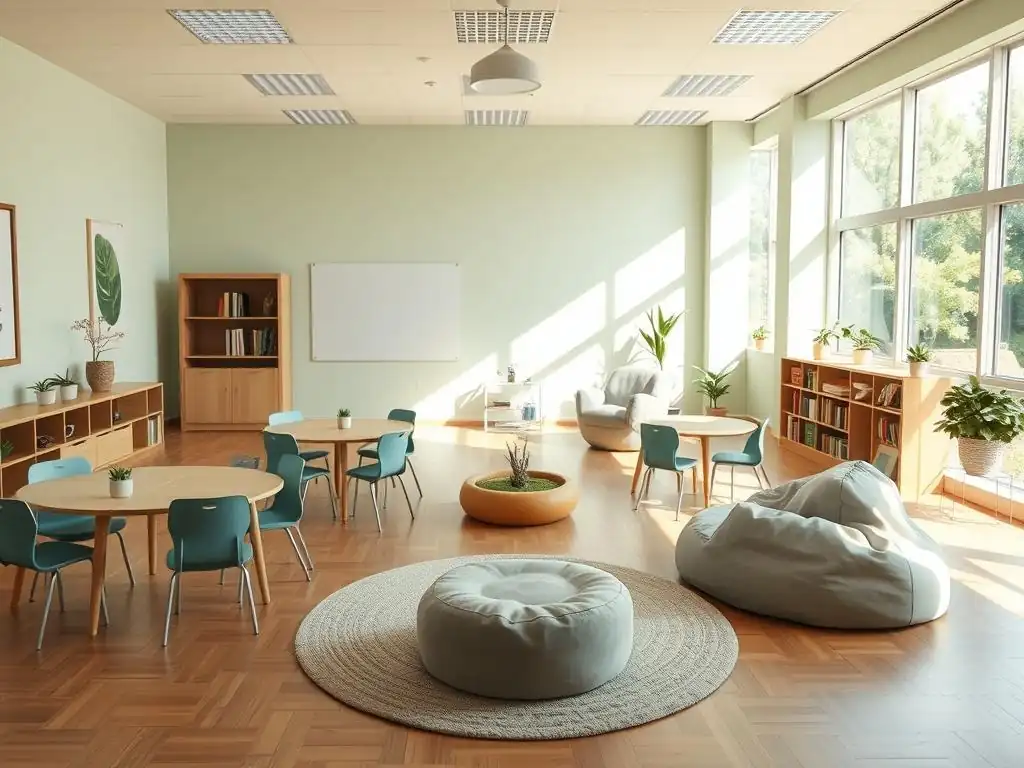
Welcome to Mind Care Guide, a place dedicated to nurturing your mental well-being.
Feeling overwhelmed by the constant demands of teaching? Discover how small changes to your learning environment can make a big difference. Dive into our article on Mindful Classroom Design Tips and learn how to create a space that fosters calm, focus, and a sense of well-being for both you and your students. What if the key to a more peaceful classroom was simply a shift in perspective and a thoughtfully designed space? Let's explore together!
- Introduction: Fostering Well-being Through Mindful Classroom Design
- Why Mindful Classroom Design Matters: The Impact on Learning and Well-being
-
Key Elements of a Mindful Classroom: Design Principles
- 1. Color Psychology: Choosing Calming and Inspiring Hues
- 2. Natural Light and Ventilation: Optimizing Air Quality and Illumination
- 3. Biophilic Design: Bringing Nature Indoors
- 4. Creating Designated Zones: Defining Areas for Different Activities
- 5. Minimizing Clutter and Distractions: Creating a Serene Environment
- 6. Incorporating Sensory Elements: Engaging the Senses
- Practical Tips for Implementing Mindful Classroom Design
- Addressing Specific Needs: Designing for Neurodiversity and Inclusion
- Examples of Mindful Classroom Design in Action
- Maintaining a Mindful Classroom: Ongoing Practices and Considerations
- Conclusion: Cultivating a Culture of Mindfulness Through Intentional Design.
-
Frequently Asked Questions
- What are the key benefits of implementing mindful classroom design?
- How can I incorporate natural elements into my classroom design?
- What role does color play in a mindful classroom?
- How can I create dedicated spaces for relaxation and mindfulness activities within the classroom?
- What are some simple, cost-effective ways to implement mindful classroom design principles?
- Final Reflection: Cultivating Calm in the Classroom
- Unleash Your Classroom's Potential: Create a Haven for Learning
Introduction: Fostering Well-being Through Mindful Classroom Design
Creating a nurturing and supportive learning environment is paramount to student success, and one powerful approach gaining traction is mindful classroom design. Beyond just arranging desks and hanging posters, designing a classroom with mindfulness in mind involves intentionally shaping the physical space to promote calm, focus, and emotional well-being for both students and educators. This holistic approach recognizes that the physical environment profoundly impacts our mental and emotional states, directly influencing learning outcomes and overall classroom dynamics.
Implementing mindful classroom design tips can transform a potentially chaotic or stressful space into a sanctuary for learning. It's about considering sensory input, accessibility, comfort, and opportunities for quiet reflection alongside dynamic collaboration. By paying attention to elements like color, light, sound, and organization, educators can cultivate an atmosphere where students feel safe, engaged, and better equipped to manage their emotions and attention, ultimately enhancing academic performance and fostering a positive school experience.
Why Mindful Classroom Design Matters: The Impact on Learning and Well-being
The physical environment of a classroom is far more than just a backdrop for teaching and learning; it's an active participant that can significantly influence student behavior, emotional states, and cognitive functions. Research consistently shows a strong correlation between well-designed learning spaces and improved educational outcomes. Mindful classroom design tips focus specifically on leveraging this connection to support not just academic achievement but also the crucial aspects of mental and emotional well-being.
An intentional, mindful approach to setting up a classroom can mitigate common stressors faced by students, such as overstimulation or lack of personal space. When the environment is calming and organized, students are better able to regulate their nervous systems, leading to reduced anxiety and improved focus. This creates a foundation where learning can thrive, making mindful classroom design an essential consideration for any educator aiming to create a truly supportive and effective learning space.
Reducing Stress and Anxiety
The constant demands of the school day, coupled with external pressures, can contribute significantly to stress and anxiety in students of all ages. A poorly designed classroom, with harsh lighting, excessive noise, or clutter, can exacerbate these feelings, making it difficult for students to feel secure and calm. Incorporating mindful classroom design tips, such as using soft lighting, creating quiet corners, or organizing materials neatly, provides visual and auditory cues that signal safety and order, helping to lower stress levels.
For instance, a study published in the journal Environment and Behavior found that classroom environments with more natural light and views of nature were associated with lower stress levels in students. Similarly, reducing auditory distractions through strategic layout or sound-absorbing materials can decrease anxiety, particularly for students sensitive to noise. By proactively designing spaces that minimize sensory overload and offer opportunities for quiet retreat, educators can significantly contribute to reducing student stress and fostering a more relaxed learning atmosphere.
Enhancing Focus and Concentration
In an age of constant digital distraction, maintaining student focus and concentration is a significant challenge. The classroom environment plays a critical role in either aiding or hindering attention spans. Chaotic or visually overwhelming spaces can fragment attention, making it harder for students to engage deeply with lessons and tasks. Applying mindful classroom design principles helps to create an environment conducive to sustained focus.
Simple mindful classroom design tips, like minimizing wall clutter to reduce visual distractions or arranging seating to support different learning activities, can make a tangible difference. Research from educational psychology suggests that organized and aesthetically pleasing environments can improve cognitive function and attention. For example, providing clearly defined zones for different tasks helps students transition mentally and physically, signaling when it's time for quiet work versus collaborative discussion, thereby improving concentration during specific activities.
Promoting Emotional Regulation
Emotional regulation is a key skill for academic success and overall well-being. Classrooms can be emotionally charged environments, and students need strategies and spaces to help them process feelings. Mindful classroom design actively supports the development of emotional regulation skills by providing designated areas and sensory tools that students can use when feeling overwhelmed or dysregulated.
Creating a "calm corner" with comfortable seating, soft textures, and perhaps some sensory tools like stress balls or weighted lap pads is a practical mindful classroom design tip. Students can be taught to use this space when they feel frustrated, anxious, or angry, providing them with a safe and non-punitive way to regain composure. Educators can also incorporate elements like soft lighting or soothing background music during certain activities to create a generally calming atmosphere that supports emotional balance throughout the day.
Key Elements of a Mindful Classroom: Design Principles
Implementing mindful classroom design tips involves paying attention to several key environmental factors. These principles are grounded in research about how physical spaces impact human psychology and behavior, particularly in learning contexts. Focusing on these elements can help create a classroom that is not only functional but also promotes peace, focus, and emotional health.
From the colors on the walls to the arrangement of furniture and the inclusion of natural elements, each design choice contributes to the overall feeling of the space. The goal is to create an environment that feels safe, predictable, and inviting, reducing potential stressors and enhancing the positive aspects of the learning experience.
1. Color Psychology: Choosing Calming and Inspiring Hues
The colors used in a classroom have a significant, albeit often subconscious, impact on mood, energy levels, and even cognitive function. Bright, overly stimulating colors can contribute to restlessness and distraction, while dull or monotonous palettes might lead to boredom or lethargy. Applying mindful classroom design tips related to color psychology involves selecting hues that promote a sense of calm, focus, and positive energy.
Understanding the emotional effects of different colors allows educators to make intentional choices for walls, furniture, and decor. While pops of bright color can be used strategically for emphasis or creativity zones, the primary palette should support a peaceful and focused atmosphere.
The Impact of Color
Different colors are associated with distinct psychological effects. For instance, blues and greens are widely recognized for their calming properties, evoking feelings of peace and tranquility, similar to nature. Yellows can promote feelings of happiness and optimism, though excessive or very bright yellow can sometimes lead to anxiety. Reds are stimulating and can increase energy but may also increase tension or aggression if used predominantly.
Research in educational settings suggests that classroom color schemes can influence student performance and behavior. For example, using calming blues or greens in areas designated for quiet work or reading can help students relax and concentrate. Conversely, incorporating warmer, more stimulating colors like orange in creative or collaborative zones might encourage interaction and energy.
Best Color Palettes
For a mindful classroom design, recommended color palettes often lean towards soft, muted tones of blues, greens, and earth tones. These colors create a serene backdrop that is less likely to cause sensory overload. For example, a classroom might use a soft sage green on the walls, paired with natural wood tones for furniture.
Accent colors can be introduced strategically to add interest and define different areas. A splash of calming blue could highlight a quiet reading nook, or a warm, inviting yellow could be used in a small group collaboration area. The key mindful classroom design tip here is balance: use calming colors as the foundation and introduce brighter colors sparingly and intentionally to support specific activities or moods.
2. Natural Light and Ventilation: Optimizing Air Quality and Illumination
Access to natural light and fresh air are fundamental components of a healthy and mindful environment. Poor lighting can cause eye strain and fatigue, while inadequate ventilation can lead to drowsiness, headaches, and reduced cognitive function due to poor air quality. Prioritizing these elements is a crucial mindful classroom design tip.
Maximizing natural light involves keeping windows unobstructed and using light-colored paint on walls and ceilings to reflect light. Good ventilation means ensuring fresh air circulation, whether through open windows when possible or well-maintained HVAC systems. These simple environmental factors have a profound impact on student alertness, mood, and overall health.
3. Biophilic Design: Bringing Nature Indoors
Biophilic design incorporates natural elements and processes into the built environment, recognizing humans' innate connection to nature. Bringing nature into the classroom through plants, natural materials, and natural light has been shown to reduce stress, improve focus, and enhance overall well-being. It's a powerful mindful classroom design tip that connects students to the calming influence of the natural world.
Simple additions like potted plants or using furniture made from natural wood can make a significant difference. Even incorporating images of nature or using natural patterns in textiles can contribute to a biophilic effect.
Incorporating Plants and Natural Elements
Adding live plants is one of the most direct ways to implement biophilic design. Plants not only add visual appeal but also improve air quality by filtering pollutants. Low-maintenance plants like snake plants, spider plants, or Pothos are excellent choices for classrooms. Consider placing plants near windows where they can thrive, but also distribute them throughout the room.
Beyond plants, incorporating natural materials like wood, stone, or cork into furniture, flooring, or decorative elements can enhance the connection to nature. Features like a small indoor water fountain (if feasible and safe) can add calming sounds, while natural light maximization (discussed earlier) is a key biophilic principle.
Benefits of Nature-Inspired Design
The benefits of biophilic design in educational settings are well-documented. Studies have shown that exposure to nature, or elements of nature, can reduce stress, improve attention restoration, and enhance creativity. For students who spend many hours indoors, bringing nature into the classroom environment provides essential sensory input that supports cognitive function and emotional balance.
For example, research in schools has linked views of nature outside classroom windows to improved test scores and reduced instances of ADHD symptoms. While not all classrooms have such views, integrating indoor plants and natural materials offers similar, albeit perhaps less potent, benefits. These mindful classroom design tips leverage nature's inherent ability to soothe and revitalize.
4. Creating Designated Zones: Defining Areas for Different Activities
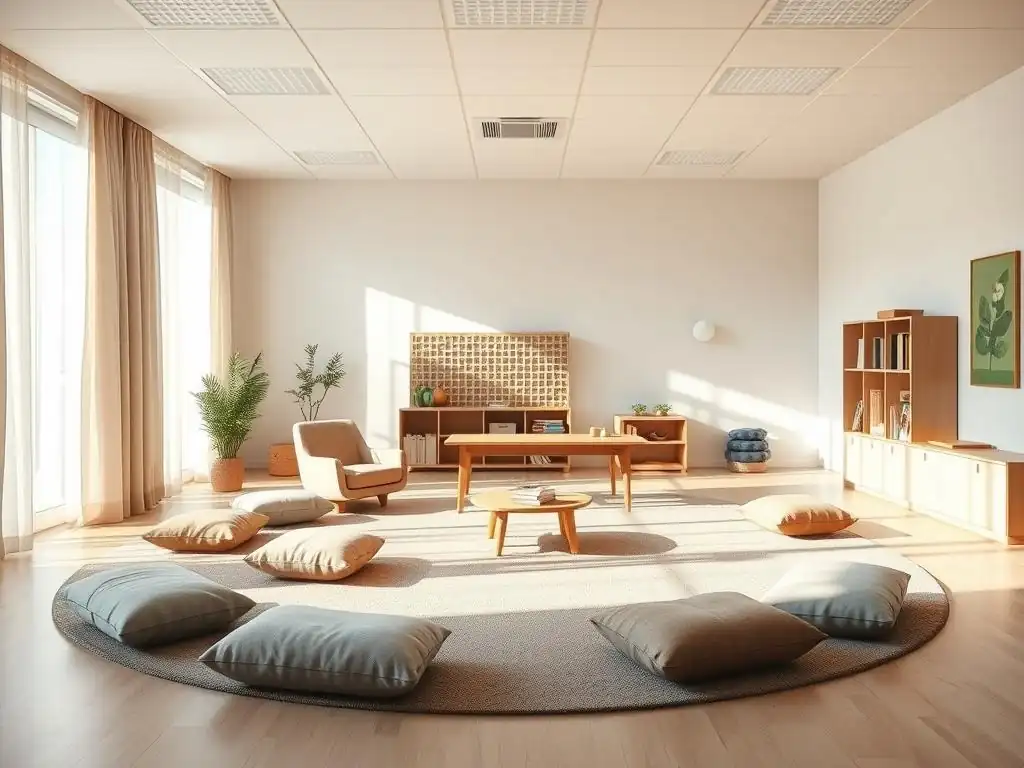
A mindful classroom is not a monolithic space but rather a collection of zones designed to support different learning needs and activities. Clearly defining areas for quiet work, collaboration, reading, and movement helps students understand behavioral expectations for each space and allows them to choose an environment that best suits their current task or emotional state. This is a fundamental mindful classroom design tip for promoting autonomy and structure.
Using furniture arrangement, rugs, shelving, or even color changes to delineate these zones provides visual cues that help students navigate the space intentionally. This organization reduces confusion and potential conflict, contributing to a more harmonious and focused environment.
Quiet Zones
Every mindful classroom should include a designated quiet zone. This area is specifically for individual work, reading, or simply taking a break when feeling overstimulated. It should be located away from high-traffic areas and potential noise sources.
Furnish this zone with comfortable seating like bean bags, cushions, or a small armchair. Shelves can hold books or quiet activities. The lighting should be soft, perhaps using a small lamp instead of harsh overhead lights. This space serves as a sanctuary where students can retreat to regain focus or regulate emotions, embodying key mindful classroom design tips for supporting individual needs.
Collaborative Spaces
Collaboration is essential for learning, and a mindful classroom should provide spaces that facilitate group work effectively. These areas should be designed to encourage interaction and discussion without disrupting quieter activities.
Arrange desks or tables to accommodate small groups. Whiteboards or large paper pads can be accessible for brainstorming. The seating can be more flexible, allowing students to easily rearrange themselves. While these zones are designed for interaction, they should still be organized and free from excessive clutter to maintain a sense of calm energy.
Active Learning Areas
Some learning activities require movement and hands-on engagement. Designing specific areas for these activities prevents them from spilling over and disrupting other parts of the classroom. This might include a space for building, experimenting, or engaging in kinesthetic learning.
Ensure these areas have appropriate storage for materials and are easy to clean. The flooring might be different (e.g., a rug over hard floor) to define the space and potentially absorb some sound. Providing designated active zones acknowledges the need for movement and varied learning styles within a mindful environment.
5. Minimizing Clutter and Distractions: Creating a Serene Environment
Visual clutter is a significant source of distraction and can contribute to feelings of overwhelm and anxiety. A mindful classroom design prioritizes organization and simplicity to create a calm and focused atmosphere. This doesn't mean the classroom has to be bare, but rather that everything has a place and is neatly stored.
Invest in sufficient storage solutions – shelves, bins, drawers – and label them clearly. Keep surfaces clear of unnecessary items. Display student work and educational posters thoughtfully, avoiding overwhelming the walls with too much visual information. Regularly decluttering and involving students in the process reinforces the importance of maintaining an organized space, a key aspect of mindful classroom design tips.
6. Incorporating Sensory Elements: Engaging the Senses
A mindful classroom engages the senses in a way that is calming and supportive, rather than overwhelming. Thoughtful inclusion of sensory elements can help students feel more grounded, focused, and comfortable. This involves considering smell, touch, and sound in addition to sight.
Sensory input can be used to help students regulate their emotions or energy levels. Providing access to different textures, incorporating pleasant scents, and managing auditory input are all mindful classroom design tips that contribute to a multi-sensory, supportive environment.
Using Aromatherapy
Certain scents have been shown to impact mood and cognitive function. Calming scents like lavender or chamomile can help reduce anxiety, while scents like peppermint or citrus might promote alertness and focus. Using diffusers with essential oils (checking for allergies and sensitivities first) or incorporating scented elements can subtly influence the classroom atmosphere.
A simple approach is to have small diffusers in specific areas, like the quiet corner, or to use scented playdough or art supplies. The key is to use subtle, natural scents and ensure they are not overpowering.
Incorporating Textures and Tactile Elements
Providing varied textures offers opportunities for sensory exploration and self-soothing. This can be as simple as having different types of seating (soft cushions, firm chairs), using rugs with different piles, or incorporating tactile materials into learning activities.
A mindful classroom might include a basket of fidget tools with different textures, a wall display with various fabrics, or furniture with interesting tactile surfaces. These elements provide students with options for sensory input that can help with focus and regulation.
Calming Sounds and Music
The auditory environment of a classroom is crucial. Constant noise can be highly distracting and stressful. While complete silence is often unrealistic, managing sound is a vital mindful classroom design tip. This might involve using rugs or acoustic panels to absorb sound, arranging furniture to minimize echoes, or establishing clear expectations for noise levels during different activities.
Incorporating calming sounds or music can also be beneficial. Soft instrumental music during independent work time or guided meditations with soothing sounds can help students relax and focus. Nature sounds or gentle ambient noise can also create a peaceful backdrop.
Practical Tips for Implementing Mindful Classroom Design
Transforming a classroom into a mindful space doesn't necessarily require a massive budget or complete overhaul. Many effective mindful classroom design tips can be implemented gradually and affordably. The key is to be intentional about the changes and consider the impact on student well-being.
Starting small and making incremental changes can be less overwhelming and allows you to see what works best for your specific students and space. Involving students in the process can also increase their ownership and appreciation for the environment.
Budget-Friendly Ideas
Creating a mindful space doesn't have to break the bank. Many mindful classroom design tips are low-cost or free. For example, rearranging existing furniture to create zones costs nothing but can significantly impact flow and function. Bringing in potted plants can be relatively inexpensive, especially if propagated or purchased from local nurseries.
Utilize second-hand finds for comfortable seating or storage. DIY projects, like painting old shelves or creating a "calm down kit" with inexpensive sensory items, are also budget-friendly ways to enhance the mindful environment. Focus on decluttering and organization, which are free and highly effective.
DIY Projects
Getting creative with DIY projects is a great way to implement mindful classroom design tips on a budget. Simple projects include creating a designated "calm corner" using a rug, cushions, and a DIY privacy screen made from fabric or cardboard.
You could also paint existing furniture in calming colors, build simple shelves or benches from inexpensive materials, or create sensory bottles by filling plastic bottles with water, glitter, and small objects. These projects not only save money but also allow for customization to fit the specific needs and aesthetics of your classroom.
Involving Students in the Design Process
Students are the primary users of the classroom space, so involving them in the design process is incredibly valuable. Asking for their input on color choices, furniture arrangement, or what makes them feel calm or focused empowers them and helps create a sense of ownership over the shared environment.
Students can participate in simple tasks like helping to organize materials, decorating bulletin boards mindfully (avoiding clutter), or caring for classroom plants. This collaboration teaches responsibility and helps them understand the intention behind the mindful classroom design tips being implemented.
Addressing Specific Needs: Designing for Neurodiversity and Inclusion
A truly mindful classroom is an inclusive classroom that considers the diverse sensory and learning needs of all students, particularly those with neurodevelopmental differences such as ADHD, autism, or dyslexia. Mindful classroom design tips should explicitly address how the environment can support students who may be more sensitive to sensory input or require specific structures to thrive.
Designing with neurodiversity in mind benefits all students by creating a more flexible and adaptable learning space. It acknowledges that what is calming or helpful for one student might be different for another and aims to provide options and reduce potential environmental barriers.
Creating Sensory-Friendly Spaces
For students with sensory sensitivities, typical classroom environments can be overwhelming. Harsh fluorescent lighting, loud noises, strong smells, and visual clutter can make it difficult to focus and regulate emotions. Creating sensory-friendly spaces is a critical mindful classroom design tip for inclusion.
This might involve providing alternative lighting options (like lamps or natural light), offering noise-reducing headphones, creating quiet "break spots" with minimal visual stimulation, and using calming color palettes. Providing access to various sensory tools, such as fidget toys, weighted lap pads, or textured objects, allows students to manage their sensory input as needed.
Adapting the Classroom for Students with Learning Differences
Students with learning differences may benefit from specific environmental adaptations that support their cognitive processes and attention. For example, students with dyslexia might benefit from clear, uncluttered visual displays and consistent organization. Students with ADHD may thrive in structured environments with minimized distractions and opportunities for movement.
Mindful classroom design tips for learning differences include using clear visual schedules, providing individual workspaces or carrels for focused work, organizing materials logically and consistently, and incorporating flexible seating options that allow for movement or different postures. Understanding the specific needs of your students and making intentional environmental adjustments can significantly enhance their ability to learn and succeed.
Examples of Mindful Classroom Design in Action
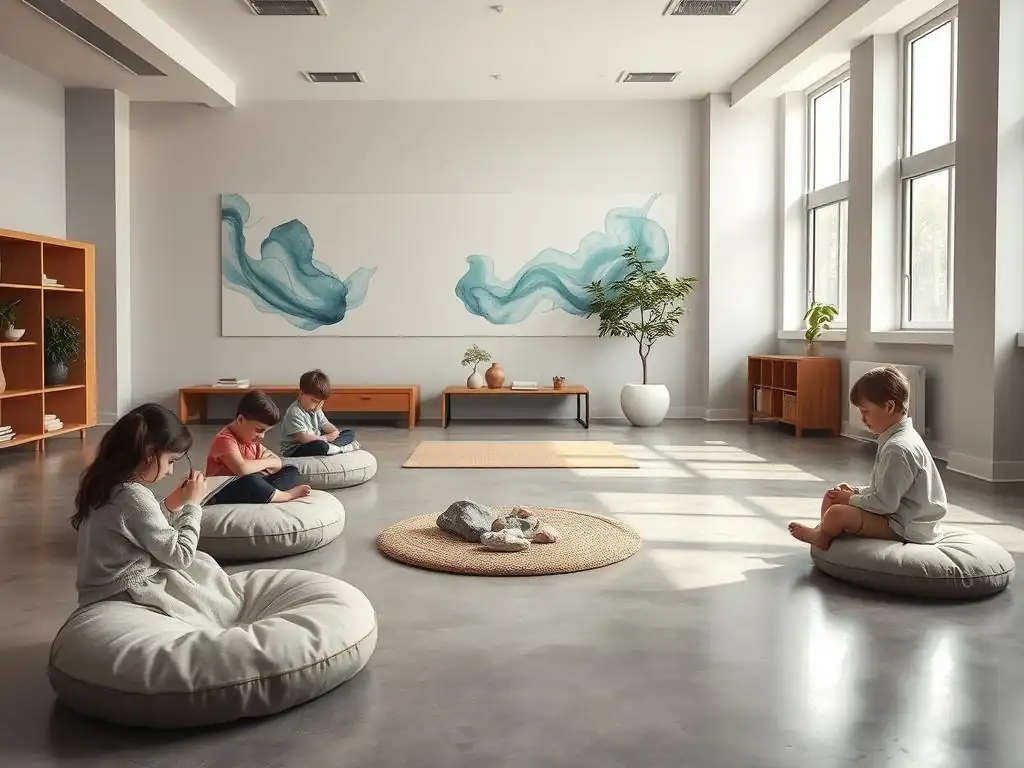
Seeing mindful classroom design tips implemented in real settings can provide inspiration and practical ideas. While every classroom is unique, these examples illustrate how intentional design can positively impact the learning environment.
These case studies highlight different approaches and contexts, demonstrating that mindful design principles can be adapted to various age groups and school settings.
Case Study 1: Elementary School Implementation
At an elementary school in Oregon, a third-grade teacher transformed her classroom using mindful design principles. She replaced harsh overhead lights with softer LED bulbs and added several floor and desk lamps. A large rug defined a central gathering area, and comfortable cushions and bean bags created a dedicated reading nook. Plants were placed throughout the room, and walls were painted a calming light blue, with one wall designated for vibrant, but organized, student artwork displays.
The teacher reported a noticeable decrease in disruptive behavior and an increase in student engagement during quiet reading and individual work times. Students frequently utilized the calm corner, which was equipped with noise-canceling headphones and sensory bottles. The principal noted that this classroom felt "visibly calmer" than others on the same hall, illustrating the tangible impact of these mindful classroom design tips.
Case Study 2: High School Implementation
A high school English teacher in California redesigned her classroom to better support the focus and emotional regulation of her teenage students. Recognizing the stress many students face, she incorporated elements to make the space feel less institutional. Desks were arranged in flexible pods and rows, allowing for quick transitions between group work and individual tasks. A small section of the room was partitioned off with shelving and comfortable chairs, creating a quiet zone for students who needed to decompress or focus intensely.
She used soft, indirect lighting where possible and added string lights for ambient illumination. Students were allowed to bring in small plants for their desk areas. The teacher also incorporated a "sensory station" with fidget tools and stress balls accessible to all students. Feedback from students indicated they appreciated the calmer atmosphere and felt they had more control over their environment, contributing to improved focus during lessons and independent study, showcasing effective mindful classroom design tips for older students.
Maintaining a Mindful Classroom: Ongoing Practices and Considerations
Designing a mindful classroom is not a one-time project but an ongoing practice. Maintaining the environment requires consistent effort and attention. It involves establishing routines, encouraging student responsibility, and regularly evaluating whether the design is still meeting the needs of the students. These ongoing practices are just as important as the initial setup for sustaining the benefits of mindful classroom design tips.
A mindful classroom is a living space that evolves with the needs of its occupants. Regular maintenance and adaptation ensure that it remains a supportive and effective environment for learning and well-being throughout the school year.
Encouraging Student Responsibility
For the mindful classroom design to be sustainable, students must be involved in its upkeep. Teach students how to care for the space, including organizing materials, tidying up their areas, and respecting the designated zones. Assigning classroom jobs related to organization and cleanliness empowers students and reinforces the idea that the space is a shared resource that everyone is responsible for.
When students feel a sense of ownership over their environment, they are more likely to maintain it and benefit from its calming effects. This collaborative approach to maintaining order is a practical application of mindful classroom design tips.
Regularly Evaluating and Adapting the Design
The needs of students and the dynamics of the classroom change throughout the year. It's important to regularly evaluate whether the current mindful classroom design is still effective. Observe how students use the different zones, listen to their feedback, and be prepared to make adjustments.
Perhaps a quiet corner isn't being used effectively, or a collaborative space is becoming too noisy. Don't be afraid to rearrange furniture, add or remove sensory items, or change the organization system based on what you observe and learn. Flexibility is key to ensuring the environment continues to support mindfulness and learning.
Integrating Mindfulness Practices
While the physical design provides a supportive backdrop, integrating explicit mindfulness practices into the daily routine enhances the impact. Simple practices like a few minutes of guided breathing, a body scan, or mindful listening can help students connect with themselves and their environment.
These practices reinforce the purpose of the mindful space and help students develop the internal skills needed to utilize the calming environment effectively. Combining the physical mindful classroom design tips with regular mindfulness exercises creates a powerful synergy that fosters well-being and supports learning.
Conclusion: Cultivating a Culture of Mindfulness Through Intentional Design.
Creating a mindful classroom environment through intentional design is a powerful strategy for enhancing student well-being, focus, and overall learning experiences. By paying attention to elements like color, light, nature, organization, and sensory input, educators can transform a standard classroom into a nurturing sanctuary. Implementing these mindful classroom design tips is not merely about aesthetics; it's about creating a physical space that actively supports the emotional and cognitive needs of every student.
From reducing anxiety with calming colors and quiet zones to enhancing focus with organized spaces and natural light, the impact of a thoughtfully designed environment is profound. It fosters a sense of safety, predictability, and peace, allowing students to feel more comfortable, engaged, and ready to learn. Ultimately, mindful classroom design is about cultivating a culture of mindfulness where students and educators alike can thrive.
Frequently Asked Questions
What are the key benefits of implementing mindful classroom design?
A mindful classroom design can significantly reduce stress and anxiety in students, improve focus and concentration, and foster a more positive and supportive learning environment.
How can I incorporate natural elements into my classroom design?
Introduce plants, utilize natural light whenever possible, and incorporate natural textures like wood or stone. These elements help create a calming and grounding atmosphere, promoting emotional regulation and stress reduction.
What role does color play in a mindful classroom?
Opt for calming and muted colors like blues, greens, and grays. Avoid overly stimulating or bright colors, which can contribute to overstimulation and difficulty focusing. Consider using color psychology to enhance mood and concentration.
How can I create dedicated spaces for relaxation and mindfulness activities within the classroom?
Designate a quiet corner with comfortable seating, soft lighting, and calming visuals. This area provides students with a space to de-stress, practice mindfulness exercises, and regulate their emotions.
What are some simple, cost-effective ways to implement mindful classroom design principles?
Rearrange existing furniture to create a more open and organized space, declutter the classroom to minimize distractions, and incorporate mindfulness prompts or affirmations on the walls. These small changes can have a significant impact on the classroom environment.
Final Reflection: Cultivating Calm in the Classroom
The mindful classroom isn't just a trend; it's a necessity. In today's fast-paced, over-stimulated world, creating a learning environment that fosters calm, focus, and emotional regulation is paramount to student success and teacher well-being. The principles of mindful design, explored throughout this article, offer a powerful pathway to achieving this crucial balance.
The impact of a thoughtfully designed classroom extends far beyond aesthetics; it shapes the very fabric of the learning experience. It influences student behavior, academic performance, and even emotional development. A space that prioritizes natural light, calming colors, and organized zones directly contributes to a more peaceful and productive atmosphere. As educator and author, L.R. Knost, wisely stated: The most important thing a teacher can do for a child is to help them develop a love of learning.
And a mindful classroom design is a significant step towards nurturing that love.
Now, consider your own learning space – whether it's a classroom, home office, or even a quiet corner. What elements could you incorporate to create a more mindful environment? Perhaps it's adding a plant, rearranging furniture for better flow, or simply incorporating more natural light.
Take this opportunity to reflect on your surroundings and make conscious choices to cultivate a space that supports your well-being and enhances your focus. The journey towards a mindful classroom, or any mindful space, is a continuous process of observation, adjustment, and intention. Let's create spaces that nurture the minds and spirits of both students and educators.
Unleash Your Classroom's Potential: Create a Haven for Learning
Thanks for taking the time to explore the power of mindful classroom design! You've now learned practical ways to create a learning environment that supports focus, creativity, and well-being. Ready to transform your space?
- Prioritize one small change: Choose just one of the design tips from the article – rearranging furniture, adding natural elements, or incorporating calming colors – and implement it this week. See the immediate impact!
- Share your progress: Tell us about your chosen change and how it's affecting your classroom. Share a photo on social media using #MindfulClassroom.
- Dive deeper: Explore other resources on our website for even more classroom design inspiration and mindfulness techniques for educators.
What small adjustment will you make today to bring more mindfulness into your classroom?