
Cultivating Gratitude Through Mindfulness to Counteract Depression's Grip


Welcome to Mind Care Guide, your haven for navigating the complexities of mental well-being. Feeling overwhelmed by the weight of depression? Imagine finding a gentle, yet powerful tool to lift the shadows, one mindful moment at a time. Dive into our article on Gratitude Mindfulness Depression Relief and discover how cultivating gratitude through mindfulness can offer a path towards lasting relief. Could a simple shift in perspective unlock a brighter tomorrow? Let's explore together.
Cultivating Gratitude Through Mindfulness to Counteract Depression's Grip
- Understanding Depression and the Power of Gratitude
- What is Gratitude Mindfulness and How Does it Work?
- Practical Techniques for Cultivating Gratitude Mindfulness for Depression Relief
- Overcoming Challenges in Practicing Gratitude Mindfulness When Depressed
- The Benefits of Gratitude Mindfulness for Depression Management
- Combining Gratitude Mindfulness with Other Depression Treatments
- Resources for Learning More About Gratitude Mindfulness and Depression
-
Frequently Asked Questions
- How can practicing gratitude help with depression?
- What is the connection between gratitude and mindfulness?
- How often should I practice gratitude mindfulness to see a difference?
- What are some simple gratitude mindfulness exercises I can try?
- Is gratitude mindfulness a replacement for professional treatment for depression?
- Final Reflection: The Enduring Power of Gratitude in the Face of Depression
- Unlock Your Inner Peace: Cultivate Gratitude Today
Understanding Depression and the Power of Gratitude
The Impact of Depression on Mental Well-being
Depression is a complex mood disorder that significantly impacts how a person feels, thinks, and handles daily activities. It's far more than just feeling sad; it's a persistent feeling of emptiness, hopelessness, and loss of interest in activities once enjoyed. This can manifest physically through changes in appetite and sleep patterns, fatigue, and a general sense of sluggishness. Mentally, it often involves difficulty concentrating, remembering details, and making decisions, alongside feelings of worthlessness, guilt, and even thoughts of death or suicide.
The World Health Organization estimates that hundreds of millions of people worldwide suffer from depression, making it a leading cause of disability globally. Its pervasive nature affects relationships, work or school performance, and overall physical health. The negative thought patterns associated with depression, often characterized by rumination on past failures or worries about the future, create a cycle that can feel impossible to break. This is where exploring strategies like gratitude mindfulness for depression relief becomes crucial, offering potential pathways to shift perspective and foster emotional well-being.
Why Gratitude Can Be a Powerful Antidote to Depression
Gratitude, defined as the quality of being thankful and a readiness to show appreciation for and return kindness, can serve as a potent counterforce to the negative thought spirals often present in depression. While it may seem counterintuitive to focus on thankfulness when experiencing profound sadness or emptiness, the practice of acknowledging positive aspects of life, no matter how small, can begin to shift the brain's focus away from deficits and towards abundance.
It encourages a recognition that even amidst difficulty, there are things to be grateful for, whether it's the support of a loved one, a moment of peace, or simply the ability to breathe.
Practicing gratitude doesn't mean ignoring the pain or challenges of depression. Instead, it's about expanding one's perspective to include the good alongside the bad. This broader view can help dilute the intensity of negative emotions and create space for more positive feelings to emerge. For someone seeking gratitude mindfulness depression relief, integrating a focus on thankfulness can be a gentle yet powerful step in reclaiming a sense of hope and connection to the world around them.
The Science Behind Gratitude and its Effects on the Brain
Research into the neurological effects of gratitude suggests it can have tangible impacts on brain function. Studies using fMRI scans have shown that when people feel and express gratitude, there is increased activity in areas of the brain associated with morality, reward, and social bonding, such as the medial prefrontal cortex. Regularly practicing gratitude seems to strengthen these neural pathways, potentially making it easier to access positive emotional states over time.
Furthermore, the consistent practice of gratitude has been linked to changes in neurotransmitter levels. For instance, expressing gratitude can stimulate the release of dopamine and serotonin, two key neurotransmitters involved in regulating mood and promoting feelings of happiness and well-being. While not a substitute for medical treatment, cultivating gratitude mindfulness for depression relief leverages these biological mechanisms, offering a complementary approach that can help re-wire the brain towards more positive processing and emotional regulation.
What is Gratitude Mindfulness and How Does it Work?
Defining Gratitude Mindfulness: A Focused Approach
Gratitude mindfulness is the intentional practice of paying attention to the present moment with an attitude of thankfulness. It combines the core principles of mindfulness – non-judgmental awareness of thoughts, feelings, bodily sensations, and the surrounding environment – with a deliberate focus on identifying and appreciating aspects of life for which one feels grateful. It’s not simply listing things you're thankful for; it's about truly feeling and experiencing that gratitude in the here and now.
This focused approach differs from a casual acknowledgment of good things. It requires slowing down, observing the details, and allowing the feeling of gratitude to fully register.
For someone navigating the heavy fog of depression, this practice offers a structured way to gently redirect attention away from pervasive negativity and towards moments of light, cultivating gratitude mindfulness depression relief one mindful moment at a time. It's about noticing the warmth of the sun, the taste of a comforting drink, or a kind word from a friend, and allowing oneself to fully appreciate it without judgment or the intrusion of depressive thoughts.
The Connection Between Mindfulness, Gratitude, and Emotional Regulation
Mindfulness and gratitude share a symbiotic relationship that is particularly beneficial for emotional regulation, a key challenge in depression. Mindfulness trains the mind to observe thoughts and feelings without getting swept away by them. This distance allows for a more objective perspective on negative thought patterns, like rumination or self-criticism, which are hallmarks of depression. By becoming aware of these patterns without judgment, individuals can begin to interrupt them.
Introducing gratitude into this mindful awareness provides a positive alternative focus. Instead of getting caught in a loop of negative thoughts, the mind is gently guided to notice and appreciate positive aspects. This dual practice helps to build emotional resilience. Mindfulness allows one to recognize difficult emotions without suppression, while gratitude offers a pathway to access and cultivate positive emotions, thereby improving overall emotional balance and providing significant support for gratitude mindfulness depression relief.
How Gratitude Mindfulness Differs from Traditional Gratitude Practices
While traditional gratitude practices, such as keeping a gratitude list, are valuable, gratitude mindfulness adds a crucial layer of depth and present-moment awareness. Traditional practices might involve a quick mental note or a written list, which can sometimes become routine or feel superficial, especially when battling depression. The mind might list items without truly connecting with the feeling of thankfulness.
Gratitude mindfulness, however, emphasizes the experience of gratitude in the present moment. It involves engaging the senses and emotions, fully immersing oneself in the feeling of appreciation for something specific. For example, instead of just writing "thankful for my coffee," gratitude mindfulness involves mindfully smelling the aroma, feeling the warmth of the cup, tasting the flavor, and truly appreciating the comfort and energy it provides in that specific moment. This deeper engagement makes the practice more impactful and potentially more effective for cultivating gratitude mindfulness depression relief by fostering a more profound shift in perspective and emotional state.
Practical Techniques for Cultivating Gratitude Mindfulness for Depression Relief

Starting a Gratitude Journal for Mindful Reflection
A gratitude journal is a powerful tool for cultivating gratitude mindfulness, especially when dealing with depression. It provides a tangible space to record moments of appreciation, prompting daily reflection. The act of writing itself can be therapeutic, helping to slow down racing thoughts and focus the mind. By committing to writing down specific things you are grateful for each day, you train your brain to actively look for the positive, gradually counteracting the negativity bias often present in depression.
The key is consistency and specificity. Instead of broad statements, focus on the details. For example, rather than "I'm grateful for my friend," write about a specific kind gesture they made that day. This practice helps anchor your gratitude in real-life experiences, making it more meaningful and impactful. Over time, reviewing past entries can serve as a powerful reminder of the good things in your life, even during difficult periods, reinforcing the benefits of gratitude mindfulness depression relief.
Tips for Effective Gratitude Journaling
- Be Specific: Instead of writing "I'm grateful for nature," write "I'm grateful for the way the sunlight filtered through the leaves on my walk today."
- Focus on People: Think about specific interactions or qualities of people you appreciate.
- Include Small Things: Don't overlook the simple pleasures – a comfortable chair, a good song, a moment of quiet.
- Use Your Senses: Describe why you're grateful using sensory details (what you saw, heard, smelled, felt, tasted).
- Write Regularly: Aim for daily entries, even just one or two sentences. Consistency is more important than quantity.
- Reflect on Challenges: Sometimes, reflecting on how you overcame a challenge can foster gratitude for your resilience or the support you received.
- Review Past Entries: Occasionally re-read what you've written to remind yourself of the positives.
Practicing Gratitude Meditations for Depression
Guided gratitude meditations combine the principles of mindfulness meditation with a focus on cultivating feelings of thankfulness. These meditations typically involve settling into a comfortable position, focusing on the breath to ground oneself in the present moment, and then being guided to reflect on things one is grateful for. The guidance often prompts you to bring specific people, experiences, or things to mind and to truly feel the sense of appreciation in your body and mind.
There are many guided gratitude meditations available online or through mindfulness apps, varying in length and focus. Some might focus on self-compassion and gratitude for one's own being, while others might focus on gratitude for the natural world or specific relationships. Engaging in this practice regularly can help rewire neural pathways, making it easier to access states of gratitude and peace, offering a direct route to experiencing gratitude mindfulness depression relief. Even just 5-10 minutes a day can make a difference.
Incorporating Gratitude into Daily Life: Simple Exercises
Integrating gratitude into daily life doesn't always require formal meditation or journaling. Simple, mindful exercises can be woven into your routine to cultivate appreciation throughout the day. These small moments of recognition can add up, shifting your perspective and providing consistent doses of gratitude mindfulness depression relief. The key is to be present and intentional when performing these exercises.
For instance, take a moment before eating to appreciate the food, where it came from, and the effort involved in preparing it. While walking, mindfully notice and appreciate the sights, sounds, or smells around you that you might typically overlook. Upon waking, before getting out of bed, think of one small thing you are grateful for in that moment. These brief practices help train the mind to seek out and appreciate the positive, making gratitude a more natural and accessible emotion.
Gratitude Prompts to Combat Negative Thought Patterns
When negative thoughts feel overwhelming, using specific prompts can help redirect your focus towards gratitude:
- What is one simple pleasure I experienced today?
- Who is someone who made my life a little better today, and how?
- What is one thing about my body I can appreciate right now?
- What challenge did I face, and what did I learn or how did I cope?
- What is one thing in my immediate surroundings that I can be grateful for (e.g., warmth, shelter, a comfortable chair)?
- What is something I take for granted but am actually very lucky to have?
- What is one small act of kindness I witnessed or received?
Overcoming Challenges in Practicing Gratitude Mindfulness When Depressed
Addressing Negative Self-Talk and Cognitive Distortions
One of the most significant hurdles in practicing gratitude mindfulness when depressed is the pervasive presence of negative self-talk and cognitive distortions. Depression often warps thinking patterns, leading to beliefs like "I have nothing to be grateful for," "I don't deserve good things," or magnifying negative aspects while minimizing positive ones. These internal narratives can make the idea of feeling grateful feel impossible or even like a lie.
Addressing this requires acknowledging the thoughts without judgment, a core principle of mindfulness. Instead of trying to force away the negative thought, notice it ("Ah, there's the thought 'I have nothing to be grateful for'"), and then gently redirect your attention to the gratitude practice. It's like watching clouds pass by – you see the negative cloud, but you don't have to get in it. Over time, consistently choosing to focus on gratitude, even for tiny things, can help weaken the hold of these negative thought patterns and support the journey towards gratitude mindfulness depression relief.
Dealing with Feelings of Unworthiness and Ingratitude
Depression often brings profound feelings of unworthiness and guilt, which can manifest as a belief that one is undeserving of good things or incapable of genuine gratitude. This can make the practice feel hollow or even like a burden. When you feel fundamentally 'bad' or 'broken,' acknowledging positive aspects of life can trigger feelings of guilt or shame, as if you shouldn't be able to find anything good in your state.
It's important to approach gratitude practice with self-compassion. Understand that these feelings are symptoms of depression, not a reflection of your true worth or capacity for gratitude. Start incredibly small.
Be grateful for your breath, the ground beneath your feet, the fact that you made it through another hour. Frame the practice not as a test of your worthiness, but as a gentle act of self-care and a tool for healing. Acknowledging these feelings mindfully ("I notice I feel unworthy as I try to feel grateful") can itself be a form of self-compassion, paving the way for more authentic gratitude mindfulness depression relief.
Strategies for Staying Consistent with Gratitude Practices
Consistency is key to reaping the benefits of gratitude mindfulness for depression relief, but maintaining consistency when energy and motivation are low is challenging. Depression saps willpower and makes routines difficult to follow. Setting unrealistic goals (like writing five pages in a journal daily) can lead to feelings of failure, exacerbating depressive symptoms.
- Start Small: Aim for one mindful moment of gratitude or one sentence in a journal. Even the smallest step counts.
- Link to Existing Habits: Tie your gratitude practice to something you already do daily, like brushing your teeth (think of one thing while brushing) or having your first drink of water (be grateful for the water).
- Use Reminders: Set gentle alarms or leave notes for yourself.
- Be Flexible: If you miss a day, don't dwell on it. Just start again the next day without judgment.
- Find a Buddy (Optional): If comfortable, share your intention with a supportive friend or family member who can offer gentle encouragement.
- Focus on the Feeling: Remember why you are practicing – for potential relief and a shift in perspective. Focus on the feeling of gratitude itself, not just the act of doing the practice.
The Benefits of Gratitude Mindfulness for Depression Management
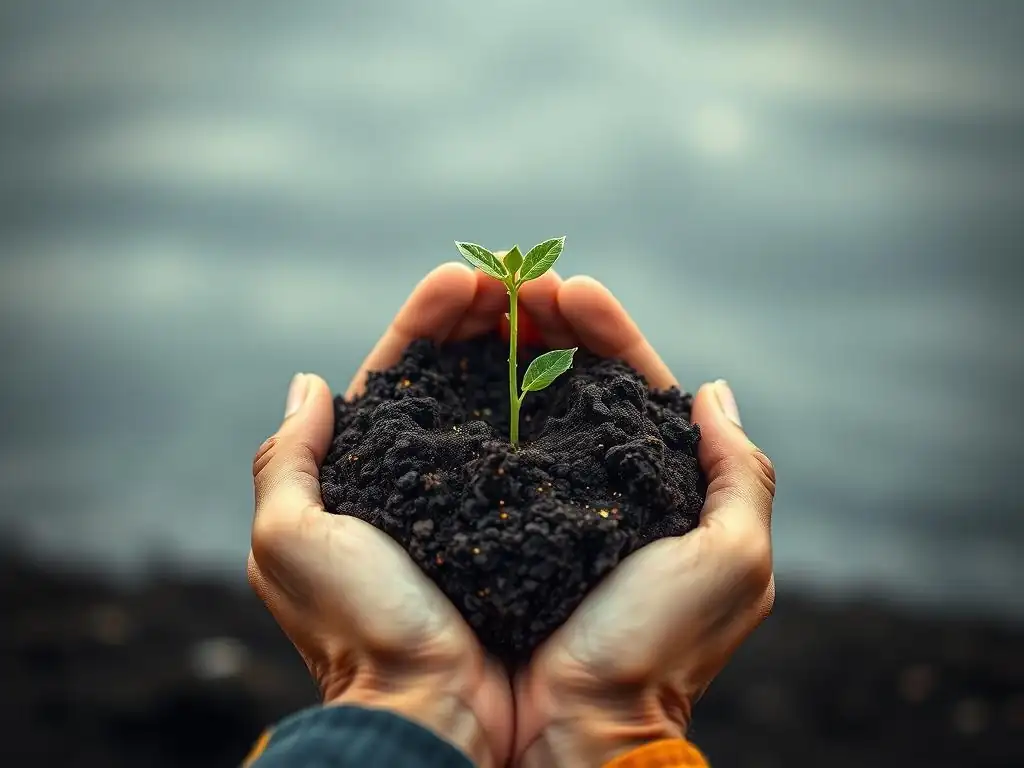
Reducing Symptoms of Depression and Anxiety
Numerous studies and anecdotal evidence suggest that regularly practicing gratitude mindfulness can contribute to a reduction in the severity of depression and anxiety symptoms. By shifting focus away from negative rumination and towards positive aspects of life, the practice helps to disrupt cycles of worry and despair. It can decrease feelings of hopelessness and increase the capacity for experiencing joy or contentment, even in small doses.
Research published in journals like the Journal of Personality and Social Psychology has indicated that people who regularly practice gratitude report lower levels of depression and anxiety. This is attributed, in part, to the cognitive shift that occurs – actively looking for the good helps reframe challenges and builds a more balanced perspective. For those seeking gratitude mindfulness depression relief, this reduction in symptom severity can lead to improved mood, energy levels, and overall functioning.
Enhancing Positive Emotions and Overall Well-being
Beyond reducing negative symptoms, cultivating gratitude mindfulness actively increases positive emotions. Regularly acknowledging sources of gratitude fosters feelings of joy, contentment, hope, and peace. These positive emotions are not just fleeting feelings; they contribute to a broader sense of well-being and life satisfaction.
This practice helps individuals savor positive experiences, making them more salient and memorable. Instead of positive moments being overshadowed by the weight of depression, gratitude mindfulness allows them to be fully received and appreciated. This enhancement of positive affect is a crucial component of building resilience and improving overall mental health, providing a powerful boost in the pursuit of gratitude mindfulness depression relief.
Building Resilience and Coping Mechanisms
Gratitude mindfulness helps build psychological resilience – the ability to bounce back from adversity. By regularly focusing on the positive aspects of life, even during difficult times, individuals develop a stronger sense of perspective and the capacity to see challenges within a broader context. This practice helps cultivate an appreciation for one's inner strengths and external support systems, both of which are vital for coping with stress and setbacks.
When faced with a difficult situation, a mind trained in gratitude is better equipped to find silver linings, appreciate lessons learned, or be grateful for the support received. This doesn't negate the pain of the challenge but provides a more balanced view that prevents spiraling into despair. Developing this resilient mindset through gratitude mindfulness is a long-term benefit that extends well beyond immediate depression relief, equipping individuals with valuable coping mechanisms for life's inevitable difficulties.
Combining Gratitude Mindfulness with Other Depression Treatments
The Role of Therapy in Conjunction with Mindfulness
Gratitude mindfulness is a powerful complementary practice but is not typically a standalone treatment for clinical depression. It works exceptionally well when integrated into therapeutic approaches. Cognitive Behavioral Therapy (CBT), for example, focuses on identifying and changing negative thought patterns; gratitude mindfulness directly supports this by offering a positive alternative focus. Acceptance and Commitment Therapy (ACT) emphasizes acceptance of difficult emotions and values-based action; mindfulness is a core component of ACT, and gratitude can align with values related to connection and appreciation.
Therapists can guide individuals on how to effectively incorporate gratitude mindfulness into their personal journeys, addressing specific challenges and tailoring practices to their needs. They can help navigate the resistance or feelings of unworthiness that may arise and provide a supportive environment for exploring these practices. Combining professional therapy with consistent gratitude mindfulness practice offers a holistic approach that can significantly enhance the journey towards depression relief.
Medication and its Interaction with Gratitude Practices
For many individuals, antidepressant medication is a necessary component of managing depression, particularly moderate to severe cases. Medication can help regulate brain chemistry, making it easier to engage in therapeutic activities and lifestyle changes. Gratitude mindfulness does not interfere with the pharmacological effects of medication and can, in fact, enhance their effectiveness by contributing to overall mental well-being and potentially improving treatment outcomes.
Medication can sometimes lift the heaviest fog of depression, providing the energy and cognitive clarity needed to consistently engage in practices like gratitude mindfulness. While medication addresses the biological component, gratitude mindfulness works on the cognitive and emotional aspects, creating a synergistic effect. It's crucial for individuals to discuss their treatment plan, including any complementary practices like gratitude mindfulness, with their prescribing physician to ensure a coordinated approach to depression relief.
Lifestyle Changes to Support Gratitude and Mindfulness
Integrating gratitude mindfulness effectively is often supported by broader lifestyle changes that promote overall mental and physical health. Consistent sleep patterns, regular physical activity, and a balanced diet all play a significant role in mood regulation and can make it easier to engage in mindfulness and gratitude practices. For instance, exercise has been shown to release endorphins, which can improve mood and energy levels, making it less challenging to find the motivation for gratitude journaling or meditation.
Limiting substance use, managing stress through healthy coping mechanisms, and nurturing supportive social connections also create fertile ground for gratitude and mindfulness to flourish. When the body and mind are better supported through healthy habits, the capacity to notice and appreciate the positive aspects of life increases. These lifestyle factors, combined with gratitude mindfulness, form a robust foundation for managing depression and fostering long-term well-being.
Resources for Learning More About Gratitude Mindfulness and Depression
Recommended Books and Articles on Gratitude and Mindfulness
For those interested in deepening their understanding of gratitude mindfulness and its application for depression relief, numerous valuable resources are available. Books by pioneering figures in mindfulness, such as Jon Kabat-Zinn, offer foundational knowledge on present-moment awareness. Authors focusing specifically on gratitude, like Robert Emmons, provide in-depth explorations of the science and practice of thankfulness.
Numerous articles in psychological journals and reputable health websites delve into the research supporting gratitude mindfulness for mental health conditions. Searching for terms like "mindfulness-based cognitive therapy," "gratitude interventions," and "mindfulness for depression" can yield informative results. These resources offer practical exercises, scientific backing, and inspiring perspectives on cultivating gratitude and mindfulness.
Mindfulness Apps and Online Programs for Depression
Technology has made mindfulness and gratitude practices more accessible than ever. Numerous smartphone apps offer guided meditations, gratitude prompts, and tools for tracking progress. Apps like Headspace, Calm, and Insight Timer feature specific programs or meditations focused on gratitude, managing difficult emotions, and mindfulness for depression.
Online programs and courses, often developed by mental health professionals or mindfulness experts, provide structured learning experiences. These programs can guide users through the principles and practices of gratitude mindfulness at their own pace. While apps and online programs are not substitutes for professional treatment, they can be excellent tools for building a consistent practice and accessing guidance whenever needed, supporting the journey towards gratitude mindfulness depression relief.
Finding a Qualified Mindfulness Teacher or Therapist
For personalized guidance and support, especially when dealing with depression, working with a qualified mindfulness teacher or therapist is highly recommended. A therapist trained in mindfulness-based approaches, such as MBCT (Mindfulness-Based Cognitive Therapy), can help you understand how depression impacts your thought patterns and emotions and guide you in using mindfulness and gratitude as therapeutic tools.
A certified mindfulness teacher can provide instruction on formal meditation techniques and help you integrate mindful awareness and gratitude into your daily life. They can offer support in navigating challenges that arise during the practice. Seeking guidance from a professional ensures that you are practicing safely and effectively, tailoring the techniques to your specific needs and circumstances as you work towards gratitude mindfulness depression relief.
Frequently Asked Questions
How can practicing gratitude help with depression?
Practicing gratitude shifts your focus away from negative thoughts and feelings, which are common in depression. It promotes positive emotions and a sense of well-being, acting as a counterweight to depressive symptoms.
What is the connection between gratitude and mindfulness?
Mindfulness allows you to be present and fully appreciate the good things in your life, even small ones. This mindful awareness enhances the experience of gratitude, making it more profound and impactful for depression relief.
How often should I practice gratitude mindfulness to see a difference?
Consistency is key. Aim for daily practice, even if it's just for a few minutes. Over time, this habit will help rewire your brain to focus on positivity, leading to noticeable improvements in mood and well-being.
What are some simple gratitude mindfulness exercises I can try?
Try keeping a gratitude journal, where you list things you're thankful for each day. Alternatively, practice mindful breathing while focusing on positive thoughts, or express gratitude to someone directly.
Is gratitude mindfulness a replacement for professional treatment for depression?
No, it's not a replacement. Gratitude mindfulness can be a valuable complementary tool, but it shouldn't replace professional therapy or medication. Seek help from a mental health professional for comprehensive treatment for depression.
Final Reflection: The Enduring Power of Gratitude in the Face of Depression
The pervasive shadow of depression continues to darken lives globally, yet within its gloom, a potent antidote exists: the conscious cultivation of gratitude. This article has explored the powerful synergy between mindfulness practices and the fostering of gratitude as a tangible path towards alleviating the symptoms of depression and fostering lasting well-being. The evidence is clear: a shift in perspective, a conscious choice to appreciate the positive aspects of life, can significantly impact mental health.
The journey from despair to hope is rarely linear, and the integration of gratitude into daily life requires consistent effort and self-compassion. It's a practice that has profoundly impacted my own understanding of mental well-being, reminding me of the importance of finding joy in the small moments, even amidst significant challenges. Gratitude unlocks the fullness of life. It turns what we have into enough, and more. It turns denial into acceptance, chaos to order, confusion to clarity.
– Melody Beattie. This quote encapsulates the transformative power of gratitude, a power that extends far beyond the individual, shaping our relationships and our communities.
Now, consider your own life. What small things bring you joy? What aspects of your life, however seemingly insignificant, deserve your appreciation? I invite you to begin a daily practice of gratitude, however small.
Start a gratitude journal, reflect on three positive things each day, or simply take a moment to appreciate the warmth of the sun on your skin. This is not a quick fix, but a journey of self-discovery and empowerment. Embrace the process, be kind to yourself, and allow the transformative power of gratitude to illuminate your path towards a more fulfilling and joyful life, free from the debilitating grip of depression.
Unlock Your Inner Peace: Cultivate Gratitude Today
Thanks for taking the time to explore the powerful connection between gratitude and overcoming depression. We hope you gained valuable insights into how mindfulness can help you shift your perspective and find more joy in your daily life. Now it's time to put these insights into action!
- Start a gratitude journal: Write down three things you're thankful for each day. This simple practice can significantly impact your mood and outlook.
- Share your gratitude: Tell someone you appreciate them – a friend, family member, or even a stranger. Spreading gratitude is incredibly rewarding.
- Try a guided meditation: Explore online resources or apps that offer mindfulness exercises focused on gratitude. This can deepen your practice and provide additional support.
Ready to experience the transformative power of gratitude? What's one small act of gratitude you'll practice today?