
Experiencing Profound Inner Peace Through TM Practice

Welcome to Mind Care Guide.
Are you yearning for a deeper sense of calm amidst the chaos of daily life? We understand. Discover how TM practice for inner peace can unlock a path to profound well-being. Explore the transformative potential of this ancient technique and begin your journey towards a more centered and peaceful you. What if lasting serenity was more accessible than you imagined? Read on to find out how...
Experiencing Profound Inner Peace Through TM Practice
- Understanding TM Practice: A Path to Inner Peace
- The Benefits of TM Practice for Inner Peace and Well-being
- How TM Practice Cultivates Inner Peace
- Getting Started with Transcendental Meditation: A Step-by-Step Guide
- TM Practice Techniques: Deepening Your Meditation Experience
- Overcoming Challenges in TM Practice and Maintaining Inner Peace
- TM Practice vs. Other Meditation Techniques: A Comparison
- Scientific Research Supporting TM Practice for Inner Peace
- Long-Term Benefits of TM Practice for Sustained Inner Peace
- TM Practice: A Powerful Tool for Mental Well-being
-
Frequently Asked Questions
- What is TM practice and how does it relate to inner peace?
- How does TM practice differ from other meditation techniques?
- What are the potential benefits of incorporating TM practice into my routine for mental well-being?
- How long does it typically take to experience the benefits of TM practice on my journey to inner peace?
- Where can I learn more about TM practice and find resources to begin my journey toward inner peace?
- Final Reflection: Cultivating Inner Peace in a Turbulent World
- Unlock Your Inner Calm: Start Your TM Journey Today
Understanding TM Practice: A Path to Inner Peace
What is Transcendental Meditation (TM)? An Introduction
Transcendental Meditation, often referred to as TM, is a specific form of mantra meditation that originated in India and was popularized globally by Maharishi Mahesh Yogi. Unlike some meditation techniques that emphasize focused attention or open awareness, TM involves using a specific, personal mantra (a sound or word) and allowing the mind to effortlessly settle inward to a state of deep rest and relaxation.
This allows the meditator to transcend or go beyond the level of active thinking, accessing a quieter, more peaceful state of consciousness. The goal is not to empty the mind of thoughts, but rather to experience a state of restful alertness, distinct from both waking and sleeping.
The technique is taught through a structured, standardized course by certified instructors. This ensures consistency and effectiveness across practitioners. The effortless nature of the TM practice is a key characteristic; participants are guided to meditate without concentration, control, or contemplation. This unique approach distinguishes it from many other meditation methods and is said to be particularly effective in allowing the nervous system to settle down and release accumulated stress. For many, this practice becomes a reliable method for cultivating a profound sense of inner peace.
The Core Principles of TM Practice
At its heart, TM practice operates on the principle that the mind naturally seeks a state of greater happiness and peace. The technique provides a simple, natural way for the mind to move inward, towards its own silent, restful state. The mantra used in TM is specifically chosen for its sound vibration and is not meant to have any meaning or be focused upon intently. It acts as a vehicle for the mind to easily and spontaneously settle down, bypassing the usual busy thought processes.
Another core principle is effortlessness. Unlike techniques that require concentration or striving, TM encourages a passive, allowing attitude. The meditator sits comfortably and uses the mantra as instructed, letting thoughts come and go without judgment or effort to control them. This effortless approach is believed to be crucial for allowing the nervous system to achieve a state of deep rest, which is physiologically distinct from regular rest or sleep. This unique state facilitates the release of deep-seated stress and tension, paving the way for enhanced mental clarity and a greater capacity for inner peace.
TM as a Mantra-Based Meditation Technique
TM is fundamentally a mantra-based technique, but it differs significantly from some other mantra practices. The mantra used in TM is a specific, meaningless sound selected for the individual by a certified teacher. It is not chanted aloud or focused on intently, but rather used silently and effortlessly within the mind. The sound quality of the mantra is believed to help the mind settle down naturally, like a boat finding its way to the calm depths of a lake.
The personal nature of the mantra and the specific way it is used in TM practice are considered essential to its effectiveness. The certified instructor provides the mantra and teaches the precise technique in a structured setting. This ensures the meditator learns the effortless approach required for the technique to work optimally. The mantra serves as a tool to facilitate the inward journey of the mind, leading to the experience of the most silent and peaceful level of consciousness – a state often described as pure consciousness or transcendental consciousness, which is the source of profound inner peace.
The Benefits of TM Practice for Inner Peace and Well-being
Reducing Stress and Anxiety with TM Meditation
One of the most widely reported benefits of TM practice is its significant impact on stress and anxiety levels. When the mind settles down during TM, the body enters a state of deep relaxation, often deeper than sleep. This physiological state triggers a cascade of positive changes, including a reduction in stress hormones like cortisol. Numerous studies have documented this effect, showing that consistent TM meditation can lead to a measurable decrease in physiological markers of stress.
Beyond the biochemical changes, the regular experience of deep rest and quiet during TM helps to re-regulate the nervous system. This makes individuals less reactive to stressors in their daily lives. People who practice TM regularly often report feeling calmer, less overwhelmed, and more equipped to handle challenging situations without becoming overly anxious. This sustained reduction in stress and anxiety is a direct contributor to cultivating a lasting sense of inner peace.
Enhancing Mental Clarity and Focus Through TM
TM practice has been shown to improve cognitive function, including mental clarity and focus. As stress and fatigue are reduced through the deep rest provided by TM, the mind becomes less cluttered and more organized. This allows for clearer thinking and improved concentration. Research, including studies using EEG, has indicated changes in brainwave patterns associated with TM, suggesting increased coherence and integrated brain functioning.
Practitioners often find that after their 20-minute TM session, they feel more alert, focused, and productive. The regular practice seems to train the brain to operate more efficiently, reducing mind-wandering and increasing the ability to pay attention. This enhanced mental clarity is not just about productivity; it also allows for a greater appreciation of the present moment and a clearer perspective on life, which supports the development of inner peace.
Achieving Emotional Stability and Resilience with TM Practice
Emotional stability and resilience are natural outcomes of consistent TM practice. By regularly accessing a state of deep inner calm, individuals develop a stronger inner foundation. The practice helps to dissolve accumulated stress and tension, which are often at the root of emotional reactivity and volatility. As stress is released, the nervous system becomes more balanced, leading to a greater capacity to handle emotional challenges without being easily overwhelmed.
This increased resilience means that while negative emotions may still arise, they tend to be less intense and pass more quickly. The individual develops a greater ability to observe their emotions without being swept away by them. This detachment fosters a sense of inner strength and equilibrium, allowing for a more stable emotional life and contributing significantly to a state of enduring inner peace.
TM and Improved Sleep Quality: A Connection
The deep relaxation experienced during TM practice has a profound positive effect on sleep quality. Stress and anxiety are major contributors to insomnia and poor sleep. By effectively reducing these factors, TM meditation helps the body and mind relax more deeply, making it easier to fall asleep and stay asleep. The state achieved during TM is physiologically distinct from sleep, but the restful state it provides prepares the ground for more restorative sleep.
Many individuals who incorporate TM practice into their daily routine report improvements in sleep patterns, feeling more rested upon waking. While TM is not a substitute for sleep, its ability to lower stress and calm the nervous system directly addresses some of the primary causes of sleep disturbances. Better sleep, in turn, supports overall mental and physical health, creating a virtuous cycle that reinforces the benefits of TM practice for inner peace and well-being.
How TM Practice Cultivates Inner Peace
The Role of the Mantra in TM for Calming the Mind
In Transcendental Meditation, the mantra serves as a specific, vehicle for the mind to settle inward. It is a simple sound or word, without meaning or association, given by a certified teacher. Unlike mantras used in some other traditions for chanting or concentration, the TM mantra is used silently and effortlessly. The instruction is to simply think the mantra easily, and if the mind wanders (which it naturally will), gently bring it back to the mantra.
This effortless use of the mantra allows the thinking process to become progressively finer until the mind transcends thought altogether and experiences the state of pure consciousness. The specific quality of the mantra and the effortless technique are key to allowing the mind to bypass its usual busy activity and access deeper levels of rest and silence. This process directly facilitates the calming of the mind, which is fundamental to cultivating inner peace.
Quieting the Mind: TM's Approach to Thought Management
TM practice does not aim to stop thoughts, which is often a frustrating and difficult endeavor. Instead, it provides a natural mechanism for the mind to settle down despite the presence of thoughts. The technique is compared to a wave on the surface of the ocean settling down to the calm depth below. The mantra acts as the 'vehicle' for this settling process.
During TM, thoughts may arise, and this is considered perfectly normal. The instruction is simply to notice the thought and then effortlessly return to using the mantra. This effortless approach prevents the meditator from engaging with or trying to control the thoughts, allowing them to pass naturally. Over time, with regular practice, the mind spends more time in the settled, quiet state between thoughts, leading to a sustained reduction in mental chatter and a greater sense of inner quiet and peace.
Deep Relaxation and the Release of Tension Through TM
The physiological state achieved during TM practice is one of profound rest. Research indicates that during TM, metabolic rate decreases significantly, oxygen consumption drops, and the body enters a state of deep relaxation often deeper than during sleep. This state allows the body to release accumulated stress and tension, both physical and mental.
Chronic stress leads to muscle tension, fatigue, and a constant state of physiological arousal. The deep rest facilitated by TM reverses this process. As the nervous system settles down, muscles relax, and the body's natural healing mechanisms are enhanced. This release of deep-seated tension is crucial for both physical health and mental well-being, creating a sense of lightness and ease that is essential for experiencing inner peace.
TM's Impact on Brainwave Patterns and Inner Harmony
Scientific studies using electroencephalography (EEG) have shown that TM practice is associated with unique changes in brainwave activity. Specifically, TM often leads to increased coherence between brainwaves in different parts of the brain, particularly in the alpha frequency range. This increased alpha coherence is associated with a state of restful alertness, integrated brain functioning, and a sense of inner harmony.
This pattern of brain activity is distinct from that observed during other states like sleep, concentration, or simple relaxation. It suggests that TM is accessing a unique state of consciousness. The enhanced communication and coordination between different brain regions fostered by TM practice are believed to support improved cognitive function, emotional regulation, and a greater sense of overall balance and harmony within the individual, directly contributing to a deeper and more stable inner peace.
Getting Started with Transcendental Meditation: A Step-by-Step Guide
Finding a Certified TM Instructor
The first and most crucial step in learning TM practice is to find a certified teacher. Transcendental Meditation is taught in a standardized way across the globe to ensure the purity and effectiveness of the technique. It cannot be learned effectively from books, apps, or online videos alone, as the personal instruction and guidance are essential. Certified TM teachers undergo rigorous training to ensure they can teach the technique correctly and provide personalized support.
You can find certified TM instructors through the official Transcendental Meditation organizations in your region or country. Their websites typically have a directory or contact information to locate a teacher or center near you. Engaging with a certified instructor ensures you learn the authentic technique and receive the necessary follow-up and support to establish a successful TM practice for inner peace.
The Initial TM Training Process
Learning TM involves a structured course, typically spread over several days. The first step is a personal instruction session with a certified teacher, where you receive your personal mantra and are taught the basic technique. This is followed by several group sessions where the teacher checks your practice, refines the technique, and provides deeper understanding of the principles and benefits of TM.
The course is designed to ensure you can practice the technique correctly and effortlessly on your own. Follow-up sessions and refresher courses are usually available after the initial training to help you maintain consistency and deepen your understanding and experience of TM. This structured learning environment is vital for mastering the effortless approach that makes TM practice so effective for cultivating inner peace.
Integrating TM Practice into Your Daily Routine
Consistency is key to experiencing the full benefits of TM practice for inner peace. The standard recommendation is to meditate for 20 minutes, twice a day, typically in the morning before breakfast and in the late afternoon or early evening before dinner. Finding a quiet place where you won't be disturbed is helpful, but the technique can be practiced almost anywhere once learned.
Many practitioners find it helpful to schedule their TM sessions like any other important appointment. Choosing specific times each day helps make it a regular habit. It's also beneficial to transition gently before and after your meditation, perhaps sitting quietly for a few minutes rather than rushing immediately into or out of activity. Making TM a non-negotiable part of your daily schedule is the most effective way to unlock its transformative potential for achieving lasting inner peace.
TM Practice Techniques: Deepening Your Meditation Experience
Proper Posture and Environment for TM Meditation
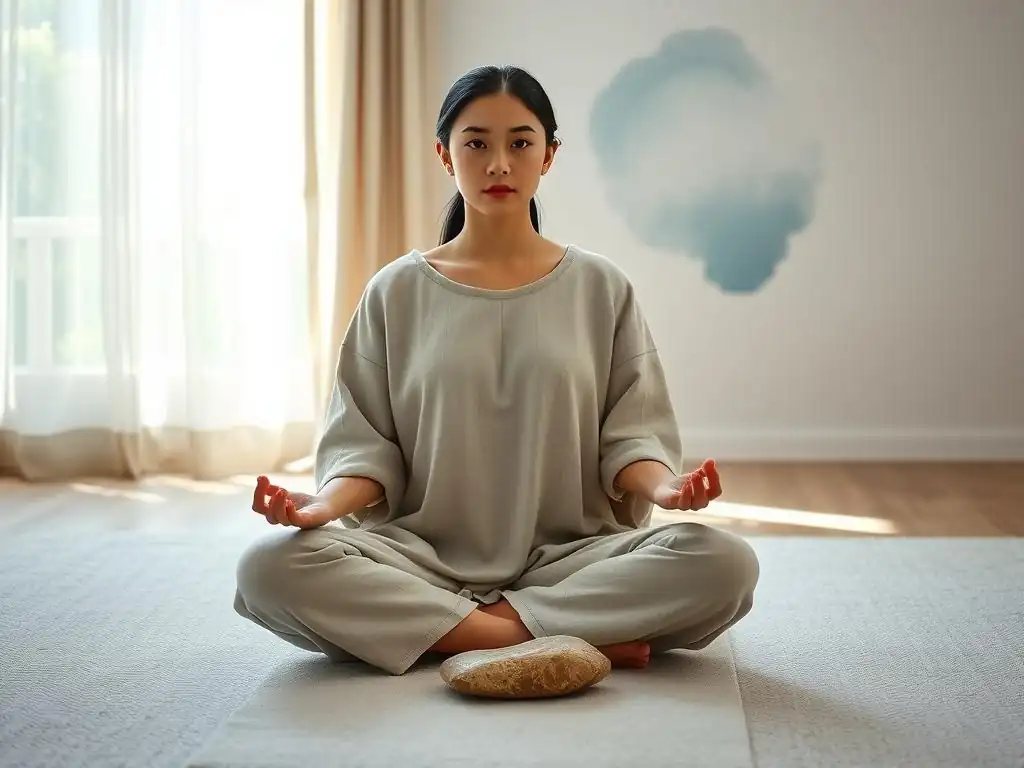
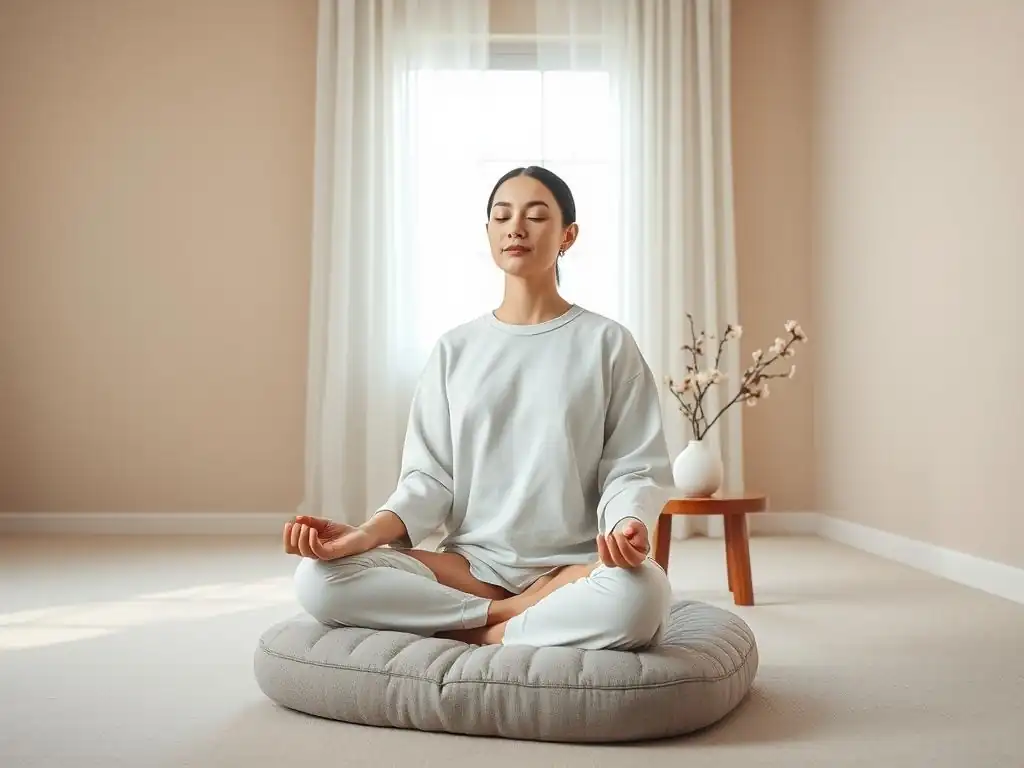
While TM practice is effortless and can be done in various settings, optimizing your posture and environment can enhance the experience. The recommended posture is simply sitting comfortably with your eyes closed. You can sit on a chair, sofa, or cushion, as long as your back is supported and you feel relaxed. There is no need for specific yoga postures or difficult positions. Comfort is key to allowing the body to relax deeply.
Choosing a quiet place where you are unlikely to be interrupted is also beneficial, especially when starting out. This minimizes external distractions and helps the mind settle more easily. While TM can be practiced in noisier environments once you are experienced, a peaceful setting supports the deep rest and inward settling that characterizes the technique and facilitates the cultivation of inner peace.
The Use of Your Personal Mantra in TM
The personal mantra is central to the TM practice. It is a specific sound given to you by your certified teacher, chosen based on ancient tradition. The instruction is to use the mantra silently and effortlessly in your mind. It is not meant to be concentrated upon, analyzed, or chanted aloud. The mantra serves as a tool to allow the mind to settle down naturally.
The key is the effortless nature of using the mantra. If you notice your mind has wandered to thoughts, simply and gently return to using the mantra. There's no need to struggle or try hard. The mantra itself is said to have a specific vibration that helps the mind transcend. Using your personal mantra as instructed is fundamental to accessing the deep state of rest and expanded awareness that TM practice provides, which underpins the experience of inner peace.
Maintaining Consistency in Your TM Practice
Consistency is arguably the most important "technique" for reaping the full benefits of TM practice for inner peace. The recommended schedule of 20 minutes, twice a day, allows the nervous system to regularly experience the deep rest and release stress. Skipping days or meditating irregularly diminishes the cumulative effect of the practice.
Think of it like exercise or healthy eating; regular application yields the best results. Even on busy days, finding 20 minutes twice is crucial. Practitioners who maintain a consistent TM practice report deeper experiences, more significant reductions in stress, and a more stable sense of inner calm over time. Making TM a non-negotiable part of your daily rhythm is the most effective way to ensure you continuously cultivate and maintain a profound level of inner peace.
Overcoming Challenges in TM Practice and Maintaining Inner Peace
Addressing Common Obstacles in TM Meditation
While TM is described as effortless, practitioners may still encounter challenges. One common obstacle is the presence of many thoughts during meditation. It's important to remember that thinking is natural, and the goal isn't to stop thoughts, but to allow the mind to settle despite them. Simply noticing the thoughts and effortlessly returning to the mantra is the correct approach. Feeling like you're "doing it wrong" because thoughts are present is a misunderstanding of the technique.
Another challenge can be finding the time or motivation to practice consistently. Life gets busy, and it's easy to let meditation slide. Recognizing TM as a priority for your well-being is key. Even on days when you feel you don't have time, remember that the 20 minutes of TM practice can make the rest of your day more productive and peaceful. Persistence and a gentle attitude towards yourself are important when facing these common hurdles in your TM practice for inner peace.
Staying Motivated and Committed to Your TM Journey
Maintaining long-term motivation for TM practice often comes from experiencing its benefits firsthand. As you notice reductions in stress, improved clarity, and a greater sense of inner peace, you become more naturally inclined to continue. However, there may be periods where the benefits feel less pronounced or motivation wanes. During these times, it can be helpful to reflect on why you started TM practice in the first place and the positive changes you have experienced.
Connecting with other TM practitioners or attending refresher sessions offered by your certified teacher can also provide renewed inspiration and support. Remembering that meditation is a lifelong journey, not a quick fix, helps set realistic expectations. Committing to the simple routine, even when you don't feel like it, reinforces the habit and ensures you continue to build upon the foundation of inner peace that TM practice provides.
Seeking Support and Guidance for Your TM Practice
The support system available through certified TM organizations is a valuable resource for overcoming challenges and deepening your practice. If you have questions about your meditation experience, encounter difficulties, or feel your practice isn't as effective as it used to be, reaching out to your certified TM instructor is highly recommended. They can check your technique, provide clarification, and offer guidance based on their expertise.
Many TM centers also offer group meditations, advanced lectures, and refresher courses. Participating in these activities can provide valuable insights, reinforce your understanding of the technique, and connect you with a community of practitioners. Utilizing these resources ensures you receive ongoing support, helping you navigate any obstacles and maintain a strong and effective TM practice for sustained inner peace.
TM Practice vs. Other Meditation Techniques: A Comparison
TM vs. Mindfulness Meditation: Key Differences
Transcendental Meditation and Mindfulness Meditation are two prominent forms of meditation, but they differ significantly in their approach and mechanics. Mindfulness typically involves focusing attention on the present moment, observing thoughts, feelings, and sensations without judgment. It's an active process of paying attention to what is happening here and now.
TM, on the other hand, is an effortless technique that uses a mantra to allow the mind to settle inward and transcend the level of active thought. It's not about observing thoughts or focusing attention, but about allowing the mind to spontaneously move towards a state of deep rest and silence. While both practices can lead to reduced stress and increased self-awareness, their paths to these outcomes are distinct.
TM aims for a state of 'transcending' thought, while mindfulness focuses on 'observing' thought and present experience. Both TM practice and mindfulness meditation can contribute to inner peace, but they utilize different mechanisms to do so.
TM vs. Guided Meditation: Which is Right for You?
Guided meditation involves being led through a meditation practice by an instructor, either in person or via audio/video recordings. The guidance can involve visualizations, body scans, or instructions on focusing attention or cultivating specific states like compassion. It relies on external direction throughout the session.
TM practice, once learned, is a self-sufficient technique performed independently. While it is taught by a certified instructor initially, the daily practice itself does not require external guidance. The technique is standardized and relies on the specific use of the personal mantra. The choice between TM and guided meditation often depends on individual preference and goals. Some prefer the structure and variety of guided meditations, while others find the effortless, self-directed nature of TM practice more suitable for achieving deep rest and inner peace.
Exploring Different Meditation Styles for Inner Peace
The landscape of meditation is diverse, with numerous techniques available, including concentration practices, walking meditation, loving-kindness meditation, and more. Each style offers a different path and may appeal to different individuals or be suitable for different purposes. Concentration meditation, for example, involves focusing intently on a single object like the breath or a candle flame, whereas TM allows the mind to settle effortlessly.
Exploring different styles can be beneficial to find what resonates most with you. However, it's important to understand the specific aims and mechanics of each technique. While many forms of meditation can contribute to reducing stress and fostering calmness, TM practice is specifically designed to access a state of transcendental consciousness for deep rest and integration. Finding the right approach that fits your needs and lifestyle is key to successfully cultivating inner peace through meditation.
Scientific Research Supporting TM Practice for Inner Peace
Studies on TM and Stress Reduction
Extensive scientific research has investigated the effects of TM practice on stress reduction. Numerous studies have shown that regular TM meditation can lead to significant decreases in physiological markers of stress, such as cortisol levels and blood pressure. For instance, research published in peer-reviewed journals has indicated that TM practitioners often exhibit lower levels of anxiety and depression compared to non-meditators.
One meta-analysis, combining findings from multiple studies, concluded that TM was more effective at reducing anxiety than other forms of relaxation or meditation studied. The deep state of rest achieved during TM is credited with allowing the nervous system to reset and become less reactive to daily stressors. This robust body of evidence highlights the efficacy of TM practice as a powerful tool for managing stress and promoting inner peace.
Research on TM and Improved Mental Health
Beyond stress reduction, research supports the benefits of TM practice for broader aspects of mental health. Studies have explored its impact on conditions such as PTSD, depression, and substance abuse, often showing positive outcomes. For example, research on veterans with PTSD has indicated that TM can significantly reduce symptoms like anxiety, depression, and insomnia.
Improvements in overall psychological well-being are also commonly reported and studied. Practitioners often show increased self-esteem, greater emotional stability, and a more positive outlook on life. While TM is not presented as a cure for mental illness, the research suggests it can be a valuable complementary tool for improving mental health and fostering a sense of stability and inner peace.
The Science Behind TM's Effects on the Brain
Neuroscientific research has provided insights into how TM practice affects the brain. Studies using fMRI and EEG have observed unique patterns of brain activity during TM, characterized by increased alpha power and coherence, particularly in the frontal regions. This pattern is associated with a state of restful alertness and integrated brain functioning.
Research also suggests that regular TM practice can lead to structural changes in the brain, such as increased gray matter in areas associated with attention, self-awareness, and emotional regulation. These findings provide a biological basis for the reported benefits of TM, demonstrating that the practice facilitates neural changes that support reduced stress, enhanced cognitive function, and a greater capacity for achieving and maintaining inner peace.
Long-Term Benefits of TM Practice for Sustained Inner Peace
Cultivating a Deeper Sense of Self-Awareness Through TM
Consistent TM practice over the long term fosters a profound increase in self-awareness. By regularly accessing the silent, settled state of the mind, practitioners become more attuned to their inner landscape – their thoughts, feelings, and physical sensations – without getting caught up in them. This detached observation allows for a clearer understanding of one's own patterns and reactions.
This enhanced self-awareness extends beyond the meditation session, influencing daily life. It provides the ability to recognize stress earlier, understand emotional triggers, and make more conscious choices rather than reacting habitually. This deeper connection with oneself is a fundamental aspect of the journey towards sustained inner peace, enabling a more authentic and fulfilling life.
Fostering Compassion and Empathy with Regular TM Practice
As stress dissolves and self-awareness grows through regular TM practice, individuals often experience an expansion of their capacity for compassion and empathy, both towards themselves and others. The settled state of mind reduces irritability and increases patience. The experience of inner peace naturally extends outwards, influencing interactions with the world.
Research and anecdotal reports suggest that long-term TM practitioners tend to exhibit increased positive emotions and a greater sense of connection with others. This isn't a forced effort but a natural unfolding as the nervous system becomes more balanced and the individual experiences a deeper sense of inner fulfillment. This increased capacity for compassion is a beautiful long-term benefit of TM practice, contributing to both personal inner peace and more harmonious relationships.
Living a More Peaceful and Purposeful Life with TM
Ultimately, the long-term benefit of consistent TM practice is the ability to live a more peaceful and purposeful life. The reduction in stress and anxiety, coupled with increased mental clarity and emotional resilience, allows individuals to navigate life's challenges with greater ease and grace. The cultivated sense of inner peace becomes a stable foundation, less dependent on external circumstances.
With a quieter mind and a clearer perspective, practitioners often gain greater insight into their values and aspirations, leading to a life lived with more intention and purpose. The sustained state of inner peace fostered by TM practice doesn't mean the absence of challenges, but rather the presence of an inner reservoir of calm and strength from which to meet them. This makes TM practice a powerful tool not just for momentary relaxation, but for truly transforming the quality of one's life.
TM Practice: A Powerful Tool for Mental Well-being
Transcendental Meditation practice offers a unique and scientifically supported approach to cultivating profound inner peace and enhancing overall mental well-being. Through its effortless technique, utilizing a personal mantra, TM allows the mind to settle to its quietest state, releasing deep-seated stress and promoting a state of restful alertness. The benefits extend across reducing stress and anxiety, improving mental clarity, enhancing emotional resilience, and even positively impacting sleep quality.
The journey with TM begins with learning from a certified instructor and integrating the simple 20-minute, twice-daily practice into one's routine. While challenges may arise, the support structure and the cumulative benefits of consistency help practitioners stay committed. Compared to other meditation styles, TM offers a distinct path to transcendence and deep physiological rest. Supported by a growing body of scientific research, TM practice stands out as a powerful, evidence-based tool for anyone seeking a reliable method to access deeper levels of inner peace and live a more balanced, fulfilling life.
Frequently Asked Questions
What is TM practice and how does it relate to inner peace?
TM or Transcendental Meditation is a specific form of mantra meditation that promotes relaxation and stress reduction, leading to a greater sense of inner peace and tranquility. It involves using a personalized mantra to quiet the mind.
How does TM practice differ from other meditation techniques?
Unlike some meditation techniques that require focused attention or mindful observation, TM practice involves using a mantra to allow the mind to settle beyond active thinking, promoting a state of effortless awareness and inner peace.
What are the potential benefits of incorporating TM practice into my routine for mental well-being?
Regular TM practice has been shown to reduce anxiety and stress, improve sleep quality, enhance focus and concentration, and cultivate a deeper sense of inner peace and overall well-being.
How long does it typically take to experience the benefits of TM practice on my journey to inner peace?
While individual experiences vary, many practitioners report experiencing noticeable improvements in their stress levels and sense of inner peace within a few weeks of consistent TM practice. However, long-term commitment enhances the benefits.
Where can I learn more about TM practice and find resources to begin my journey toward inner peace?
You can find certified TM instructors and resources through organizations dedicated to teaching Transcendental Meditation. Websites like Mind Care Guide can offer further insights and support for your mental well-being journey.
Final Reflection: Cultivating Inner Peace in a Turbulent World
The pursuit of inner peace is not a luxury; it's a necessity in today's fast-paced, often chaotic world. The techniques explored in this article, centered around the practice of Transcendental Meditation (TM), offer a powerful pathway to finding that elusive calm amidst the storm. This isn't just about stress reduction; it's about accessing a deeper, more resilient sense of self, capable of navigating life's challenges with grace and equanimity.
The impact of TM, and mindfulness practices in general, on our cultural landscape is undeniable. We are increasingly recognizing the importance of mental well-being, moving beyond a purely physical approach to health. The mind is everything. What you think you become.
– Buddha. This ancient wisdom resonates deeply today as we grapple with the pervasive effects of stress and anxiety on our collective consciousness. The simple yet profound practice of TM offers a tangible tool to counteract these pervasive pressures, fostering a more peaceful and compassionate society.
Consider the profound shift that could occur if more individuals embraced the transformative power of TM. Imagine a world where stress levels are lower, empathy is higher, and individuals are better equipped to navigate the complexities of modern life. This isn't a utopian fantasy; it's a tangible possibility. I invite you to explore the practice of TM, to discover the quiet strength and inner peace that lies within you, waiting to be awakened. Begin your journey today; your future self will thank you.
Unlock Your Inner Calm: Start Your TM Journey Today
Thanks for taking the time to explore the profound benefits of Transcendental Meditation. We hope this article has given you a clearer understanding of how TM can transform your life. Now, it's time to take the next step towards inner peace.
- Begin your free introductory session: This is the most important step to discovering if TM is right for you. It's a chance to experience the technique firsthand and ask any questions you may have.
- Share your thoughts and experiences: Connect with our community by sharing your reflections on TM practice in the comments section below. Let's build a supportive space for shared learning and growth.
- Explore our resources: Dive deeper into the science and practice of TM by browsing our other articles and guides on Mind Care Guide.
Ready to embark on your journey to inner peace? What's the first step you'll take to incorporate TM into your daily life?