
Find Joy in the Present: Escaping the Past and Future Through Mindfulness


Welcome to Mind Care Guide, a space dedicated to nurturing your mental well-being.
Feeling overwhelmed by the past or anxious about the future? You're not alone. In this article, we'll delve into Mindfulness for Present Moment Joy, exploring how this powerful practice can help you escape the mental chatter and rediscover the simple pleasures of right now. Curious to learn how mindfulness can transform your daily life? Let's begin...
Find Joy in the Present: Escaping the Past and Future Through Mindfulness
- Introduction: Discovering Present Moment Joy Through Mindfulness
- What is Mindfulness? Understanding the Core Principles
- The Benefits of Mindfulness for Present Moment Joy
- Practical Techniques for Cultivating Mindfulness in Daily Life
- Overcoming Common Challenges in Mindfulness Practice
- Mindfulness Exercises for Present Moment Awareness
- Mindfulness and Mental Well-being: A Deeper Connection
- Integrating Mindfulness into Your Daily Routine for Lasting Joy
- Conclusion: Embracing the Present Moment and Finding Lasting Joy Through Mindfulness
-
Frequently Asked Questions
- What is mindfulness and how does it relate to finding joy?
- How can mindfulness help me escape dwelling on the past?
- Is mindfulness a quick fix for mental health challenges?
- What are some simple mindfulness exercises I can start with today?
- How does mindfulness support overall mental well-being, according to Mind Care Guide?
- Final Reflection: Cultivating Present Moment Joy Through Mindfulness
- Unleash Your Present Moment Power!
Introduction: Discovering Present Moment Joy Through Mindfulness
The Struggle with Past Regrets and Future Anxieties
Many people find themselves caught in a constant cycle of dwelling on the past or worrying about the future. Past regrets can manifest as rumination, replaying difficult moments, or feeling burdened by mistakes made. This focus on what has already happened can lead to feelings of sadness, guilt, or even depression, pulling individuals away from the reality of the current moment. The weight of history can be immense, often overshadowing any potential for happiness or contentment in the here and now.
Similarly, anxieties about the future consume significant mental energy. Thoughts jump ahead to potential problems, uncertainties, or worst-case scenarios. This forward-looking stress can trigger physical symptoms like restlessness, difficulty sleeping, and increased heart rate, creating a persistent state of unease. Whether it's anticipating work deadlines, financial worries, or health concerns, this preoccupation with what might happen prevents individuals from experiencing the richness and peace available in the present, hindering their ability to find mindfulness for present moment joy.
How Mindfulness Cultivates Presence and Reduces Stress
Mindfulness offers a powerful antidote to this struggle by training the mind to focus on the present moment without judgment. It's about consciously bringing your attention to the sensations, thoughts, and feelings arising right now, without getting swept away by them. By practicing mindfulness, individuals learn to observe their mental chatter about the past or future from a detached perspective, recognizing these thoughts as temporary mental events rather than absolute truths.
This deliberate shift in attention helps to interrupt the cycles of rumination and worry. As you become more attuned to the present, the grip of past regrets and future anxieties naturally weakens. This increased presence not only reduces stress and anxiety but also opens the door to experiencing life more fully. Simple moments, often overlooked when the mind is elsewhere, become opportunities for connection, appreciation, and ultimately, discovering mindfulness for present moment joy.
What is Mindfulness? Understanding the Core Principles
Defining Mindfulness: Paying Attention with Intention
Mindfulness, at its core, is the practice of intentionally bringing one's attention to the present moment, without judgment. It's not about emptying the mind or achieving a state of blissful calm (though those can be side effects), but rather about cultivating a specific way of relating to your experience as it unfolds, moment by moment. This involves deliberately noticing sensory input – what you see, hear, smell, taste, and touch – as well as internal experiences like thoughts and emotions, simply as they are.
This definition highlights the two key aspects: intention and non-judgment. Intention means you are actively choosing to pay attention, often to something specific like your breath or the sounds around you. Non-judgment means observing these experiences without labeling them as "good" or "bad," "right" or "wrong." It's about developing a curious, open, and accepting stance towards whatever arises, which is fundamental to unlocking the potential of mindfulness for present moment joy.
Key Elements of Mindfulness Practice: Awareness, Acceptance, and Non-Judgment
Mindfulness practice is built upon several foundational elements. Awareness is the ability to notice what is happening in the present moment, both internally and externally. This involves sharpening your senses and becoming more sensitive to the subtle shifts in your body, emotions, and thoughts, as well as your environment. It's like turning up the volume on your lived experience.
Acceptance is equally crucial. It doesn't mean approving of difficult situations or emotions, but rather acknowledging that they are present without resisting them. Resistance often amplifies suffering. By accepting what is, you create space to respond more skillfully. Coupled with non-judgment, which involves observing thoughts and feelings without criticism or attachment, these elements work together to foster a sense of inner peace and pave the way for experiencing mindfulness for present moment joy regardless of external circumstances.
Mindfulness vs. Meditation: Clarifying the Differences
While often used interchangeably, mindfulness and meditation are related but distinct concepts. Mindfulness is a quality of awareness – a state of being present and non-judgmental that can be cultivated and practiced throughout your day. It's the goal or the outcome of certain practices. You can be mindful while washing dishes, listening to a friend, or walking in the park.
Meditation, on the other hand, is a formal practice used to cultivate mindfulness. It typically involves setting aside dedicated time to focus attention in a specific way, such as focusing on the breath, a mantra, or bodily sensations. Meditation is a tool or technique used to strengthen the "muscle" of mindfulness. Regular meditation practice helps develop the capacity for mindfulness, making it easier to bring that quality of presence and non-judgment into everyday life, thereby enhancing mindfulness for present moment joy.
The Benefits of Mindfulness for Present Moment Joy
Enhanced Awareness of Sensory Experiences
One of the immediate benefits of practicing mindfulness is a heightened awareness of sensory experiences. As you train your attention to the present moment, you begin to notice details you previously overlooked – the warmth of the sun on your skin, the intricate patterns of leaves, the subtle flavors in your food, or the unique quality of different sounds. This increased sensory perception makes everyday life richer and more vibrant.
This enhanced awareness allows you to fully engage with the world around you, transforming mundane tasks into opportunities for discovery and appreciation. For example, simply taking a few moments to truly see the colors and textures of your surroundings during a walk can shift your mood and bring a sense of wonder. This deeper connection to your physical reality is a direct pathway to experiencing mindfulness for present moment joy.
Emotional Regulation Through Mindfulness: Managing Difficult Emotions
Mindfulness significantly improves the ability to regulate emotions. Instead of being overwhelmed by strong feelings or reacting impulsively, mindfulness teaches you to observe emotions as temporary states passing through. By creating space between yourself and your emotions, you can acknowledge their presence without being consumed by them, learning to respond thoughtfully rather than reactively.
Studies have shown that regular mindfulness practice can lead to observable changes in brain regions associated with emotional regulation, such as the prefrontal cortex. This allows individuals to navigate challenging emotions like anger, sadness, or fear with greater ease and resilience. This capacity to manage your internal landscape is crucial for maintaining a sense of peace and accessing mindfulness for present moment joy, even amidst life's inevitable difficulties.
Reduced Rumination and Worry: Letting Go of the Past and Future
A core mechanism by which mindfulness fosters present moment joy is by reducing the tendency to ruminate on the past or worry about the future. Mindfulness trains the mind to gently return to the present whenever it wanders, interrupting the repetitive loops of negative thinking. By consistently bringing attention back to the breath or current sensory input, you weaken the neural pathways associated with excessive past or future thinking.
Consider someone who constantly rehashes a past mistake. Mindfulness practice helps them notice the thought ("I shouldn't have done that") without getting lost in the associated guilt or regret. They can observe the thought, acknowledge it, and then choose to redirect their attention to the present moment, perhaps by focusing on the feeling of their feet on the ground. This skill is vital for freeing up mental space and enabling mindfulness for present moment joy.
Increased Self-Compassion and Acceptance
Mindfulness cultivates a more compassionate relationship with oneself. As you observe your thoughts and feelings without judgment, you naturally extend this non-critical attitude towards your own perceived flaws and imperfections. This involves recognizing that suffering and imperfection are part of the human experience and treating yourself with the same kindness and understanding you would offer a friend.
Practicing self-compassion involves acknowledging your struggles ("This is a difficult moment") and offering yourself comfort ("May I be kind to myself in this moment"). This reduces self-criticism, which is a significant barrier to happiness. By embracing self-compassion and acceptance, individuals build a stronger foundation of inner peace, making it much easier to experience mindfulness for present moment joy authentically.
Practical Techniques for Cultivating Mindfulness in Daily Life
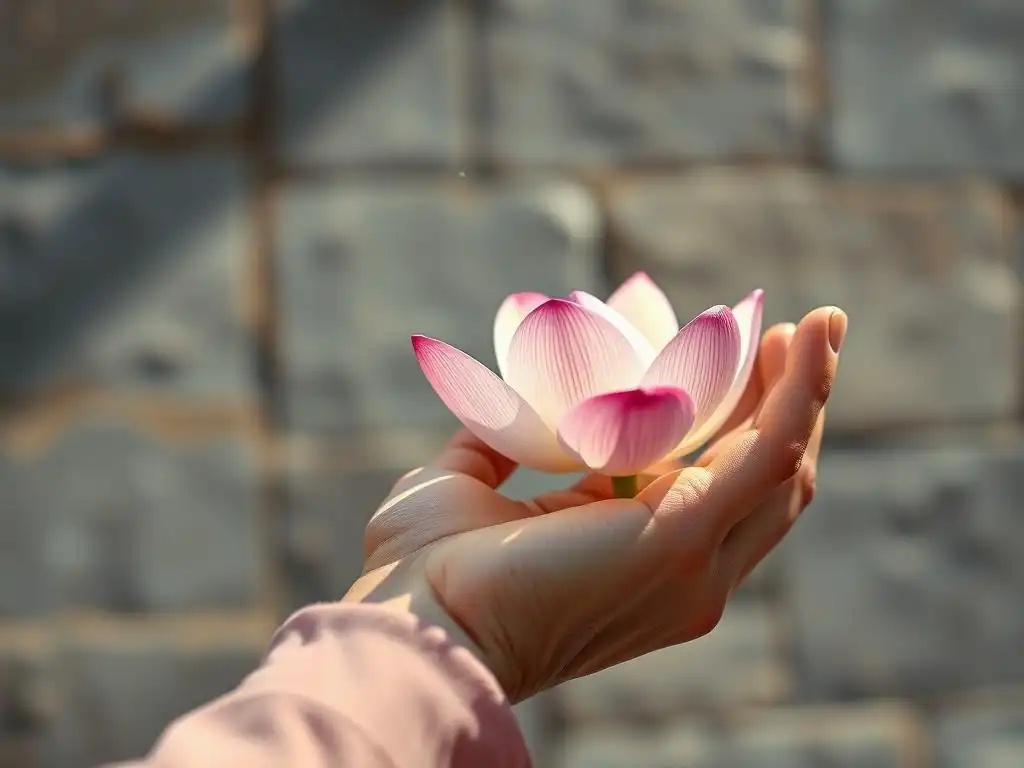
Mindfulness Meditation for Beginners: A Step-by-Step Guide
Mindfulness meditation is a foundational practice for cultivating present moment awareness. For beginners, starting with just a few minutes a day can be highly effective. The goal isn't to stop thinking, but to notice when your mind wanders and gently bring it back to your chosen anchor, typically the breath. This simple act of returning your attention is the core exercise.
Finding a Quiet Space and Comfortable Posture
Begin by finding a quiet place where you won't be disturbed for your chosen duration (e.g., 5-10 minutes). Sit comfortably on a cushion, chair, or bench, with your spine relatively straight but not rigid. Your hands can rest gently in your lap or on your knees. Allow your shoulders to relax. You can close your eyes gently or soften your gaze towards the floor a few feet in front of you. This posture helps the mind stay alert while the body is at ease, setting the stage for mindfulness for present moment joy practice.
Focusing on Your Breath: The Anchor to the Present
Once settled, bring your attention to your breath. You don't need to change your breathing in any way; simply notice the sensation of air entering and leaving your body. You might focus on the feeling of the breath at your nostrils, in your chest rising and falling, or in your belly expanding and contracting. This sensation of the breath serves as your anchor, a reliable point of focus that is always happening in the present moment. Stay with the sensation of each inhale and exhale for its entire duration.
Observing Thoughts and Feelings Without Judgment
Inevitably, your mind will wander. Thoughts about the past, future, or random things will arise. This is completely normal and not a sign of failure.
The practice is simply to notice when your mind has wandered, without judgment or frustration, and gently guide your attention back to your breath. Treat your thoughts and feelings like clouds drifting across the sky – observe them without getting on the cloud and riding it away. Each time you notice your mind has wandered and return to the breath, you are strengthening your capacity for present moment awareness and building the foundation for mindfulness for present moment joy.
Mindful Walking: Connecting with Your Body and Surroundings
Mindful walking is a wonderful way to integrate mindfulness into physical activity and connect with your environment. It can be done indoors or outdoors, slowly or at your normal pace. The key is to bring conscious awareness to the experience of walking itself.
Begin by noticing the sensations in your feet and legs as you walk. Feel the contact of your feet with the ground, the shifting of weight, the movement of your muscles and joints. Expand your awareness to include the sensations of your entire body moving.
Then, gently broaden your awareness to include your surroundings – notice the sights, sounds, and smells without getting lost in thinking about them. For example, hear the birds singing without analyzing what kind of birds they are. This practice grounds you physically and mentally, enhancing mindfulness for present moment joy as you move through your day.
Mindful Eating: Savoring Each Bite and Engaging Your Senses
Mindful eating transforms the simple act of eating into a rich sensory experience, helping you become more present and appreciate your food. Often, we eat quickly and distractedly, missing out on the pleasure and nourishment.
Before eating, take a moment to pause and observe the food. Notice its colors, textures, and smells. As you eat, chew slowly and pay attention to the flavors, the temperature, and the textures in your mouth. Notice the sensations in your body as you swallow and digest. This practice helps you become more aware of your hunger and fullness cues, improves digestion, and allows you to fully savor the experience, cultivating mindfulness for present moment joy with every meal.
Body Scan Meditation: Increasing Awareness of Physical Sensations
The body scan meditation is a practice that systematically brings awareness to different parts of the body, helping to cultivate a deeper connection with physical sensations. It's an excellent way to notice tension and release it, and to become more aware of how emotions manifest physically.
Lie down comfortably or sit in a relaxed posture. Begin by bringing your attention to your feet. Notice any sensations there – tingling, warmth, pressure, absence of sensation. Without judgment, simply observe what you find. Then, slowly move your attention up through your body – legs, hips, torso, arms, hands, neck, head – pausing to notice sensations in each area. If you encounter discomfort, simply notice it with curiosity and kindness. This practice helps you become more embodied and present, contributing to mindfulness for present moment joy.
Overcoming Common Challenges in Mindfulness Practice
Dealing with Wandering Minds: Strategies for Re-Focusing
A wandering mind is perhaps the most common challenge in mindfulness practice, and it can be frustrating. It's important to remember that the mind's job is to think, and thoughts will always arise. The practice isn't about stopping thoughts, but about developing the skill of noticing when the mind has wandered and gently bringing it back to the present anchor, like the breath.
One effective strategy is to treat the wandering mind with kindness rather than self-criticism. When you notice your mind has drifted, simply acknowledge it – "Ah, thinking." – and then gently redirect your attention back to your chosen focus, like the feeling of your breath. You can visualize your thoughts as clouds drifting by or leaves floating down a stream. Each time you notice and return, you are successfully practicing. Consistency, even for short periods, is more important than achieving a "clear" mind immediately for cultivating mindfulness for present moment joy.
Addressing Resistance and Frustration: Cultivating Patience
It's natural to encounter resistance or frustration when starting a mindfulness practice. You might feel like you're "doing it wrong," get annoyed by distractions, or feel impatient for results. These feelings are normal parts of the process. The key is to bring the principles of mindfulness – awareness, acceptance, and non-judgment – to these challenging experiences themselves.
When frustration arises, notice it. Where do you feel it in your body? What thoughts are associated with it? Simply acknowledge its presence without getting caught up in the story around it. Cultivate patience, recognizing that mindfulness is a skill that develops over time, like learning any new skill. Be gentle with yourself and celebrate small moments of presence. Embracing these challenges with patience is crucial for a sustainable practice and finding mindfulness for present moment joy over time.
Integrating Mindfulness into a Busy Lifestyle
Finding time for mindfulness in a busy life can feel daunting. The good news is that mindfulness isn't just about formal meditation; it's a way of being that can be woven into everyday activities. Look for "mindful moments" throughout your day.
This could be taking three mindful breaths before opening an email, paying full attention to the taste of your coffee, feeling your feet on the ground as you walk to your car, or fully listening to a colleague without formulating your response. Even 30-second or one-minute pauses can make a difference. Scheduling short, regular formal practice sessions (e.g., 5-10 minutes daily) can also help build consistency. The goal is progress, not perfection, in integrating mindfulness for present moment joy into your routine.
Mindfulness Exercises for Present Moment Awareness
The RAIN Technique: Recognize, Accept, Investigate, Nurture
The RAIN technique is a powerful four-step process for working with difficult emotions or experiences with mindfulness and self-compassion. It provides a structured way to process challenging internal states without being overwhelmed by them, fostering mindfulness for present moment joy even when things are tough.
- R - Recognize: Notice what is happening. Identify the emotion, thought, or sensation that is present. For example, "I am feeling anxious" or "There is a knot in my stomach."
- A - Accept: Acknowledge and allow the experience to be there. This isn't about liking it, but recognizing its presence without resistance. You might say to yourself, "Yes, this is here."
- I - Investigate: Explore the experience with curiosity and kindness. Where do you feel it in your body? What thoughts are associated with it? What does this feeling need? Approach it with a gentle, non-judgmental inquiry.
- N - Nurture: Offer yourself kindness and compassion. This could be a self-compassionate phrase ("May I be free from this suffering"), a gentle hand on your heart, or simply acknowledging the difficulty of the experience.
The 5-4-3-2-1 Grounding Exercise for Anxiety
The 5-4-3-2-1 technique is a simple yet effective grounding exercise that uses your senses to bring you back to the present moment when feeling overwhelmed by anxiety or intrusive thoughts. It's a quick way to redirect your attention outward and anchor yourself in your immediate environment, supporting mindfulness for present moment joy.
Start by taking a few deep breaths. Then, look around and notice:
- 5 things you can see. Name them silently or aloud (e.g., "I see my computer, the wall, a plant, my hands, the sky").
- 4 things you can touch. Reach out and feel them (e.g., "I feel the texture of my shirt, the smooth desk, my hair, my chair").
- 3 things you can hear. Listen carefully (e.g., "I hear the clock ticking, traffic outside, my own breathing").
- 2 things you can smell. Take a sniff (e.g., "I smell coffee, the scent of rain"). If you can't smell two distinct things, name two smells you like.
- 1 thing you can taste. Notice the taste in your mouth (e.g., "I taste toothpaste," or take a sip of water and notice its taste).
Mindful Breathing Exercises for Stress Reduction
Simple mindful breathing exercises are a cornerstone of stress reduction and cultivating presence. Focusing on the breath activates the body's relaxation response and shifts attention away from stress-inducing thoughts, promoting mindfulness for present moment joy.
One basic exercise is 4-7-8 breathing: Inhale deeply through your nose for a count of 4, hold your breath for a count of 7, and exhale slowly through your mouth for a count of 8. Repeat this cycle a few times. Another simple method is box breathing: Inhale for a count of 4, hold for 4, exhale for 4, hold empty for 4, and repeat. Even just noticing the natural rhythm of your breath for a minute or two can significantly calm the nervous system and anchor you in the present.
Mindfulness and Mental Well-being: A Deeper Connection
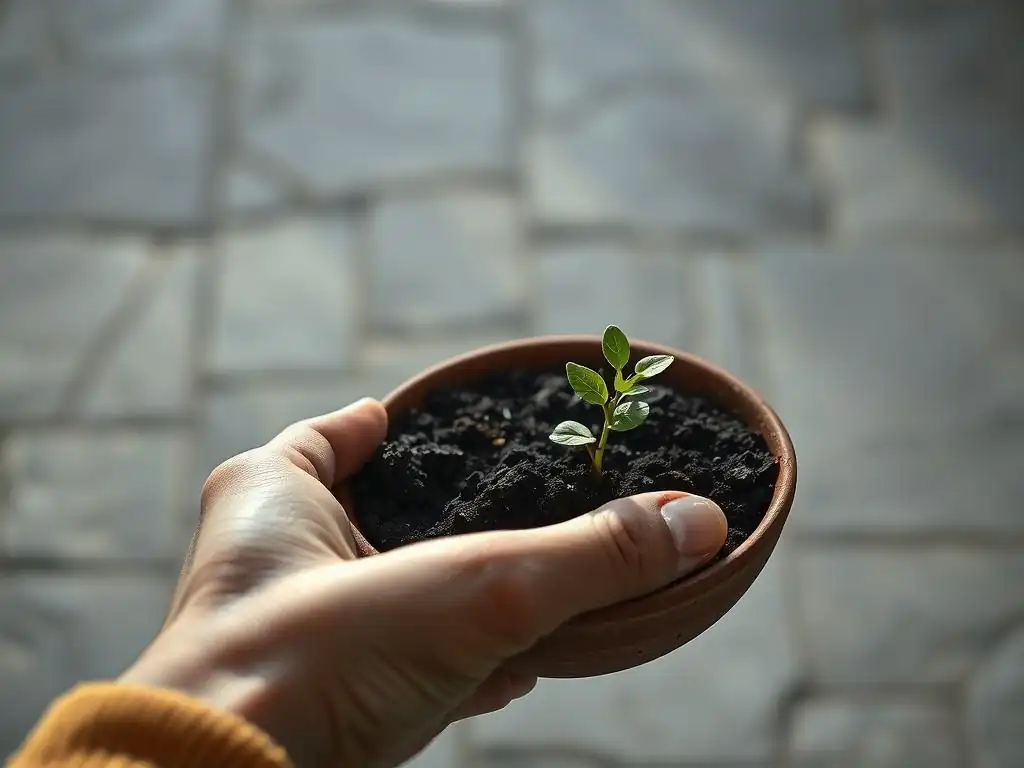
Mindfulness for Anxiety Relief: Calming the Nervous System
Mindfulness is widely recognized as an effective tool for managing anxiety. Anxiety often involves excessive worry about future events, triggering the "fight or flight" response. Mindfulness helps by interrupting this cycle of worry and activating the body's parasympathetic nervous system, promoting relaxation.
By bringing attention to the present moment, mindfulness helps individuals observe anxious thoughts and physical sensations (like a racing heart or shallow breath) without identifying with them or being swept away. Techniques like mindful breathing and body scans help calm the nervous system directly. Regular practice has been shown in studies to reduce anxiety symptoms and improve overall emotional regulation, making mindfulness for present moment joy more accessible even for those prone to worry.
Mindfulness for Depression: Breaking Negative Thought Patterns
Depression is often characterized by rumination on past events, negative self-talk, and a feeling of being stuck. Mindfulness helps by creating distance from these habitual negative thought patterns and increasing awareness of the present, including potential sources of joy or connection.
Mindfulness encourages individuals to notice depressive thoughts ("I'm worthless," "Nothing will get better") as just thoughts, rather than absolute truths. This non-judgmental observation weakens the power these thoughts hold. By gently redirecting attention to present sensory experiences or simple activities, mindfulness helps break the cycle of rumination and increases engagement with life, fostering small moments of mindfulness for present moment joy that can accumulate over time.
Mindfulness for Stress Management: Building Resilience
Chronic stress is a major contributor to both physical and mental health problems. Mindfulness equips individuals with tools to manage stress more effectively by changing their relationship with stressors. Instead of being overwhelmed by demanding situations, mindfulness helps you observe your reactions (thoughts, feelings, physical sensations) with greater clarity and less reactivity.
This practice builds resilience by increasing your capacity to tolerate discomfort and navigate challenges without being consumed by them. By regularly practicing present moment awareness, you become better equipped to handle stressful situations as they arise, responding more skillfully rather than reacting automatically. This improved stress management is fundamental to maintaining well-being and sustaining mindfulness for present moment joy in the long term.
Integrating Mindfulness into Your Daily Routine for Lasting Joy
Creating a Mindfulness Schedule: Setting Intentions
To make mindfulness a consistent part of your life, it helps to create a schedule and set clear intentions. Even dedicating just 5-10 minutes each morning or evening for formal practice can establish a valuable habit. Think about when you are most likely to stick to it – first thing in the morning before distractions arise, or before bed to wind down.
Beyond formal practice, set intentions to bring mindfulness to specific daily activities. You could intend to practice mindful eating at one meal, mindful walking during your commute, or take a mindful pause before responding to emails. Writing down these intentions can increase accountability. This intentional integration helps weave mindfulness for present moment joy throughout your day, making it a living practice rather than just something you do occasionally.
Using Mindfulness Apps and Resources: Guided Meditations
Many excellent resources are available to support your mindfulness journey, particularly mindfulness apps and guided meditations. Apps like Calm, Headspace, and Insight Timer offer libraries of guided meditations of varying lengths and themes, suitable for beginners and experienced practitioners alike.
Guided meditations can be particularly helpful when starting out, as the instructor's voice helps keep you focused and provides gentle reminders to return to the present. Websites and books also offer valuable information and exercises. Utilizing these resources can make practice more accessible and engaging, providing structure and support as you cultivate mindfulness for present moment joy.
The Importance of Consistency and Self-Care
Consistency is key to experiencing the full benefits of mindfulness. Like any skill, it improves with regular practice. It's better to practice for a few minutes every day than for a long session sporadically. Don't be discouraged by missed days; simply start again.
View mindfulness practice as an essential form of self-care, not another chore. It's an investment in your mental and emotional well-being, providing you with the tools to navigate life's challenges with greater ease and presence. Prioritizing this practice, even when you feel too busy, is crucial for cultivating lasting mindfulness for present moment joy.
Conclusion: Embracing the Present Moment and Finding Lasting Joy Through Mindfulness
Mindfulness offers a profound path to escaping the mental traps of past regrets and future anxieties, guiding us back to the only moment we ever truly inhabit: the present. By cultivating present moment awareness without judgment, we unlock a rich tapestry of sensory experiences, gain greater control over our emotional responses, and reduce the mental clutter of rumination and worry.
The journey towards mindfulness for present moment joy is not about achieving a perfect state of calm, but about developing a compassionate and accepting relationship with ourselves and our experiences, whatever they may be. Through practical techniques like meditation, mindful walking, and conscious breathing, we build the capacity to anchor ourselves in the here and now. Integrating these practices consistently into daily life fosters resilience, enhances mental well-being, and reveals the simple yet profound joy available in each passing moment. Embracing mindfulness is embracing life itself, fully and vibrantly.
Frequently Asked Questions
What is mindfulness and how does it relate to finding joy?
Mindfulness is the practice of paying attention to the present moment without judgment. By focusing on the now, we can appreciate simple joys and escape the anxieties of the past and future.
How can mindfulness help me escape dwelling on the past?
Mindfulness teaches you to observe thoughts and feelings about the past without getting caught up in them. This helps you accept the past and focus on the present reality.
Is mindfulness a quick fix for mental health challenges?
No, mindfulness is not a quick fix. It is a skill that requires practice and patience. Consistent practice can lead to improved mental well-being over time.
What are some simple mindfulness exercises I can start with today?
Begin with mindful breathing, focusing on your breath as it enters and leaves your body. You can also try mindful walking, paying attention to the sensations in your feet. Another option is body scan meditation, feeling the sensations in different parts of your body.
How does mindfulness support overall mental well-being, according to Mind Care Guide?
Mind Care Guide emphasizes that mindfulness is a powerful tool for reducing stress and anxiety. It promotes self-awareness and emotional regulation, contributing to a more balanced and joyful life.
Final Reflection: Cultivating Present Moment Joy Through Mindfulness
The relentless pursuit of a better tomorrow often overshadows the beauty and potential of today. This constant striving, fueled by anxieties about the future and regrets about the past, prevents us from experiencing the profound joy that is readily available in the present moment. Mindfulness, as explored throughout this article, offers a powerful antidote to this pervasive struggle, providing a pathway to a richer, more fulfilling life grounded in the here and now.
The impact of mindfulness on our cultural landscape is undeniable, a quiet revolution shifting our focus from external validation to internal peace. We are increasingly recognizing the limitations of chasing fleeting pleasures and the importance of cultivating inner contentment. This shift is reflected in the growing popularity of mindfulness practices, from meditation apps to corporate wellness programs. The present moment is filled with joy and happiness. If you are attentive, you will see it.
– Thich Nhat Hanh. This quote perfectly encapsulates the core message of this article: joy is not a destination, but a state of being accessible through mindful awareness.
Now, consider your own life. Where do you find yourself most often – lost in the anxieties of the future or the regrets of the past? I invite you to take a deep breath, right now, and consciously bring your attention to the present. Notice the sensations in your body, the sounds around you, the feeling of your breath. This simple act, repeated throughout your day, can be a transformative practice. Embrace the power of the present moment; it holds the key to unlocking a deeper, more joyful existence. Let the journey of mindful living begin.
Unleash Your Present Moment Power!
Thanks for taking the time to explore the joy of mindfulness with us! We hope you gained valuable insights into freeing yourself from the weight of the past and future. Now it's time to put that knowledge into action.
Here's how you can deepen your mindfulness practice:
- Begin a daily mindfulness meditation: Even 5 minutes a day can make a world of difference. Focus on your breath, your senses, and the present moment.
- Share your mindfulness journey: Connect with others on social media using #MindfulMoments and inspire others to find joy in the present.
- Try a guided meditation: Explore different meditation techniques to find what resonates most with you. Experiment and see what feels best!
What small step will you take today to cultivate more present moment awareness?