
Finding Stillness in the Storm: Mindfulness for Intense Anxiety

Welcome to Mind Care Guide.
Feeling overwhelmed by intense anxiety? You're not alone. We understand the storm raging within. This space is dedicated to helping you navigate those turbulent waters and find moments of peace. In this article, we'll explore how mindfulness can reduce intense anxiety, offering practical techniques and insights to help you reclaim your calm. Curious to discover how focusing on the present can change your experience? Let's begin.
Finding Stillness in the Storm: Mindfulness for Intense Anxiety
- Understanding Intense Anxiety and Its Impact
- Mindfulness: A Powerful Tool to Reduce Intense Anxiety
- Practical Mindfulness Exercises for Intense Anxiety Relief
- Integrating Mindfulness into Your Daily Life to Manage Anxiety
- Overcoming Challenges in Mindfulness Practice for Intense Anxiety
- Advanced Mindfulness Techniques for Long-Term Anxiety Reduction
- The Benefits of Consistent Mindfulness Practice for Anxiety
- Maintaining Mindfulness as a Lifestyle for Sustained Anxiety Relief
-
Frequently Asked Questions
- What is mindfulness, and how does it relate to anxiety?
- How can mindfulness specifically reduce intense anxiety?
- What are some practical mindfulness exercises I can try to manage my anxiety?
- How often should I practice mindfulness to see a noticeable reduction in my anxiety levels?
- Where can I find more resources and support for learning and practicing mindfulness techniques for anxiety?
- Final Reflection: Cultivating Calm Amidst the Chaos
- Uncover Your Inner Calm: Start Your Mindfulness Journey Now
Understanding Intense Anxiety and Its Impact
What is Intense Anxiety? Recognizing the Symptoms
Intense anxiety is more than just feeling stressed or worried about a specific event. It's a pervasive state of heightened arousal and fear that can feel overwhelming and uncontrollable. Individuals experiencing intense anxiety often report a constellation of physical, emotional, and cognitive symptoms that significantly disrupt their lives. Physically, this can manifest as a racing heart, shortness of breath, trembling, sweating, dizziness, nausea, and muscle tension. These bodily sensations can be so severe they mimic symptoms of serious medical conditions, leading to further distress and fear.
Emotionally, intense anxiety is characterized by feelings of dread, panic, irritability, restlessness, and a sense of impending doom. Cognitively, the mind becomes flooded with persistent, intrusive worries, catastrophic thinking, difficulty concentrating, and a constant feeling of being on edge or hypervigilant. Recognizing these symptoms is the first crucial step towards finding effective strategies, like using mindfulness to reduce intense anxiety. It's important to understand that these aren't just "in your head"; they are real, impactful experiences driven by complex physiological and psychological processes.
The Destructive Impact of Severe Anxiety on Daily Life
Severe anxiety can cast a long shadow over nearly every aspect of a person's life, severely limiting their ability to function and find joy. Socially, it can lead to avoidance of interactions, isolation, and difficulty maintaining relationships due to fear of judgment or panic in public settings. Professionally or academically, intense anxiety impairs concentration, decision-making, and performance, potentially leading to missed opportunities, difficulty meeting deadlines, and even job loss or academic failure.
Beyond specific domains, chronic severe anxiety erodes overall quality of life. Sleep disturbances are common, leaving individuals feeling exhausted and less able to cope. The constant state of alert puts immense strain on the body, potentially contributing to long-term health issues. Furthermore, the emotional toll can be profound, leading to feelings of hopelessness and despair. For many, the relentless nature of severe anxiety makes simple daily tasks feel insurmountable, creating a cycle of fear and avoidance that is difficult to break without effective interventions.
Why Traditional Anxiety Management Techniques May Fall Short
While traditional approaches like talk therapy (e.g., Cognitive Behavioral Therapy) and medication are highly effective for many people in managing anxiety, they don't always provide sufficient relief for those experiencing intense, debilitating symptoms, or they may not be the preferred first-line approach for everyone. Medication can offer significant relief but may come with side effects and doesn't teach coping skills. Traditional therapy helps identify and challenge thought patterns, which is vital, but sometimes the sheer intensity of physical and emotional distress makes it difficult to engage with cognitive work in the moment of panic.
Moreover, some conventional relaxation techniques, while helpful for mild to moderate stress, can feel inaccessible or even counterproductive during intense anxiety episodes. Simply being told to "relax" can be frustrating when the body and mind are in a state of extreme fight-or-flight. This is where approaches like mindfulness offer a complementary pathway, focusing not necessarily on eliminating anxiety immediately, but on changing one's relationship with the anxious experience itself. Learning mindfulness to reduce intense anxiety provides tools to navigate the storm from within, rather than solely trying to make the storm disappear.
Mindfulness: A Powerful Tool to Reduce Intense Anxiety
What is Mindfulness? A Beginner's Guide to Present Moment Awareness
Mindfulness is essentially the practice of paying deliberate attention to the present moment, without judgment. It involves noticing your thoughts, feelings, bodily sensations, and the surrounding environment as they arise, without getting swept away by them or labeling them as "good" or "bad." It's about cultivating a state of gentle, curious awareness of what is happening right now, rather than dwelling on the past or worrying about the future. This seemingly simple practice has profound implications for managing intense emotional states.
For a beginner, mindfulness might start with focusing on the breath – the simple in-and-out flow of air. When the mind inevitably wanders (as it will), the practice isn't to get frustrated, but gently guide attention back to the breath. It's not about emptying the mind or achieving a state of perfect calm, but about training the mind to be present and less reactive. This foundational skill is key in using mindfulness reduce intense anxiety, as it helps create space between the anxious feeling and your reaction to it.
How Mindfulness Differs from Traditional Relaxation Techniques
While mindfulness can certainly lead to relaxation, its primary goal is not relaxation itself, but rather awareness. Traditional relaxation techniques, like progressive muscle relaxation or guided imagery focused on peaceful scenes, aim to induce a state of calm by actively trying to release tension or distract the mind from stressors. These are valuable tools, but they often rely on changing the immediate physical or mental state.
Mindfulness, conversely, encourages you to be with whatever state you are in, including discomfort or anxiety, without trying to change it or push it away. Instead of distracting from anxious thoughts or sensations, mindfulness teaches you to observe them with a detached curiosity. This subtle but significant difference allows individuals to build tolerance for difficult feelings and learn that they can experience anxiety without being consumed by it. This non-avoidant approach is particularly effective for those seeking mindfulness reduce intense anxiety in a sustainable way.
The Science Behind Mindfulness: Brain Changes and Anxiety Reduction
Research into the neurological effects of mindfulness has provided compelling evidence for its efficacy in managing anxiety. Studies using fMRI (functional magnetic resonance imaging) have shown that regular mindfulness practice can lead to changes in brain structure and function, particularly in areas associated with stress regulation and emotional processing. For instance, the amygdala, the brain region often referred to as the "fear center," tends to show reduced activity in experienced meditators when exposed to stressful stimuli.
Simultaneously, the prefrontal cortex, responsible for higher-level functions like planning, decision-making, and emotional regulation, shows increased activity and connectivity. This suggests that mindfulness helps shift the brain's default response from automatic reactivity (driven by the amygdala) to more deliberate, regulated processing (guided by the prefrontal cortex). This neurological shift underlies the ability of mindfulness reduce intense anxiety by enhancing emotional regulation and reducing the automatic fight-or-flight response.
Practical Mindfulness Exercises for Intense Anxiety Relief
Mindful Breathing for Anxiety: A Step-by-Step Guide
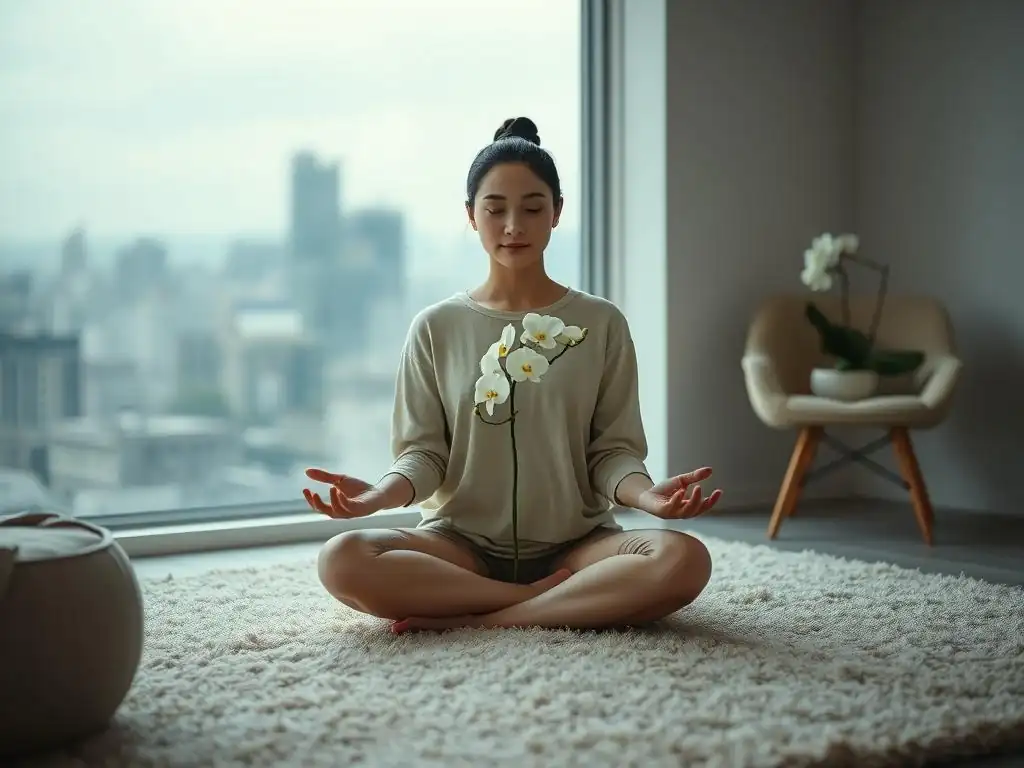
Mindful breathing is one of the most accessible and powerful tools for immediate anxiety relief. It anchors you to the present moment and can help regulate the physiological symptoms of anxiety.
Here's a simple guide:
- Find a comfortable position: Sit or lie down. If sitting, keep your spine relatively straight but not stiff. Rest your hands comfortably.
- Close your eyes gently or soften your gaze: If keeping them open, look slightly downwards without focusing on anything specific.
- Bring your attention to your breath: Notice the physical sensations of breathing – the air entering and leaving your nostrils or mouth, the rise and fall of your chest or abdomen.
- Breathe naturally: There's no need to try and change your breath. Just observe it as it is. Notice the length of each inhale and exhale.
- When your mind wanders (and it will): Simply notice where it went without judgment. Gently guide your attention back to the sensations of your breath. This is the core practice – returning again and again.
- Continue for a few minutes: Start with 2-3 minutes and gradually increase the time as you feel comfortable.
Practicing mindful breathing regularly trains your nervous system and provides a reliable tool to use when intense anxiety arises, helping mindfulness reduce intense anxiety in the moment.
Body Scan Meditation: Reconnecting with Your Body to Calm Anxiety
Intense anxiety often manifests strongly in the body, causing tension, pain, and discomfort. A body scan meditation helps you become aware of these sensations in a non-judgmental way, which can paradoxically help to release tension and ground you in the present.
Here's a basic approach:
- Lie down comfortably: On your back, perhaps with a pillow under your knees. Let your arms rest loosely by your sides.
- Close your eyes: Or soften your gaze as with mindful breathing.
- Bring attention to your body: Start by noticing the points where your body makes contact with the surface you are lying on.
- Systematically move your awareness: Begin with your toes. Wiggle them, notice any sensations (warmth, coolness, tingling, pressure). Then move your awareness up through your feet, ankles, lower legs, knees, upper legs, hips, and pelvis.
- Continue scanning upwards: Move through your lower back, abdomen, upper back, chest, shoulders, arms, hands, neck, and finally your head and face.
- Notice sensations without judgment: As you focus on each area, simply observe whatever sensations are present – tension, ease, numbness, tingling, pain, etc. There's no need to try and change or fix anything. Just notice.
- If you encounter intense discomfort: Gently breathe into that area, acknowledging the sensation, and then gently move your awareness to the next part of the body if needed.
- Finish by noticing the whole body: Spend a moment feeling the entire body as a whole.
Regular body scans increase your interoceptive awareness (awareness of internal bodily states) and can help you catch the early signs of anxiety building, allowing you to apply mindfulness reduce intense anxiety before it becomes overwhelming.
Mindful Walking: Finding Peace in Movement
Mindfulness isn't limited to seated meditation. Mindful walking is an excellent way to integrate present moment awareness into physical activity, which is also beneficial for anxiety.
Steps for mindful walking:
- Find a suitable place: A park, garden, quiet street, or even just a hallway.
- Start walking at a natural pace: Not too fast or too slow.
- Bring attention to the sensations of walking: Focus on the feeling of your feet touching the ground, the movement of your legs, the swing of your arms, the rhythm of your steps.
- Notice your surroundings: Gently observe sights, sounds, and smells without getting lost in thought about them. Just notice their presence.
- Pay attention to your breath: Notice how your breath changes with the pace of your walk.
- When your mind wanders: Acknowledge the thought and gently bring your attention back to the physical sensations of walking.
Mindful walking can be a moving meditation that helps ground you when anxiety makes sitting still difficult. It shows that you can practice mindfulness reduce intense anxiety even while engaged in daily activities.
The Power of Observation: Detaching from Anxious Thoughts
Intense anxiety is often fueled by getting caught up in a whirlwind of anxious thoughts – worrying about the future, replaying past events, or imagining worst-case scenarios. Mindfulness teaches you to observe these thoughts as just thoughts, not necessarily as reality.
This practice involves:
- Noticing the thought: Become aware that you are having a thought, e.g., "I'm thinking about what might go wrong tomorrow."
- Labeling the thought: Mentally note it as "thinking" or "worrying." You can even imagine the thought written on a leaf floating down a stream or a cloud drifting across the sky.
- Noticing the feeling associated with the thought: Observe the anxiety or discomfort that the thought triggers in your body.
- Returning to the present: Gently bring your attention back to your breath or sensory experience.
The goal isn't to stop the thoughts, which is often impossible, but to create distance from them. By practicing this detachment, you learn that thoughts are transient mental events, not absolute truths, and you don't have to automatically believe or react to every anxious thought. This skill is fundamental in using mindfulness reduce intense anxiety by breaking the cycle of ruminating worry.
Integrating Mindfulness into Your Daily Life to Manage Anxiety
Creating a Daily Mindfulness Practice: Tips and Strategies
Consistency is key when using mindfulness reduce intense anxiety. A daily practice, even a short one, builds the mental muscle needed to navigate difficult emotions. Start small – perhaps 5-10 minutes each morning or evening. Choose a specific time and location to make it a routine. It could be mindful breathing, a short body scan, or even just mindfully drinking your morning tea.
Be patient and compassionate with yourself. Some days your mind will feel busy and distracted; other days it might feel calmer. Both are okay. The practice is simply showing up. You can also integrate "micro-mindfulness" moments throughout the day – mindfully washing your hands, walking between meetings, or eating a meal. These small moments add up and reinforce your ability to be present when anxiety strikes.
Using Mindfulness During Anxiety-Triggering Situations
One of the most powerful applications of mindfulness is using it in the midst of an anxiety-triggering situation. When you feel the first signs of intense anxiety – perhaps your heart starts racing or your thoughts spiral – pause if possible. Instead of immediately reacting or trying to escape, bring your attention to your breath. Notice the physical sensations of anxiety in your body without judgment.
Acknowledge the anxious thoughts, perhaps labeling them as "worrying," but gently redirect your attention back to your immediate sensory experience – the feeling of your feet on the ground, the sounds around you, the rhythm of your breath. This act of turning towards the experience with awareness, rather than fighting it, can interrupt the escalation of panic and help you ride the wave of intense anxiety more effectively. This is active mindfulness reduce intense anxiety in real-time.
Mindfulness Apps and Resources for Anxiety Management
In today's digital age, numerous resources can support your mindfulness journey. Many smartphone apps offer guided meditations, body scans, mindful breathing exercises, and programs specifically designed for anxiety. Popular apps often include timers, progress trackers, and reminders to help you stay consistent.
While apps are helpful tools, they are supplements, not replacements, for the core practice of bringing awareness to your own experience. Look for resources that resonate with you and offer clear, simple guidance. Many websites, including mental health organizations, also offer free guided meditations and introductory materials on how mindfulness reduce intense anxiety. Exploring different resources can help you find approaches that best suit your needs and preferences.
Overcoming Challenges in Mindfulness Practice for Intense Anxiety
Common Obstacles to Mindfulness and How to Overcome Them
Starting a mindfulness practice, especially when dealing with intense anxiety, comes with its own set of challenges. A common obstacle is the expectation of immediate calm or the feeling that you're "doing it wrong" because your mind is busy. Remember, the goal isn't to stop thinking, but to notice thinking. The practice is in gently returning your attention when it wanders.
Another hurdle is finding the time and motivation. Schedule mindfulness like any other important appointment. If sitting still feels impossible due to restlessness from anxiety, start with mindful walking or movement. Be patient; like any skill, building mindfulness takes time and consistent effort. Don't let perfect be the enemy of good; even a few minutes of mindful awareness is beneficial.
Dealing with Restlessness and Distractions During Meditation
Restlessness, both mental and physical, is particularly common when practicing mindfulness for intense anxiety. If your body feels agitated, try a walking meditation or a gentle movement practice before sitting. If sitting, allow yourself small, gentle movements if absolutely necessary, bringing awareness to the sensation of movement itself.
When your mind is racing or easily distracted, acknowledge the thoughts or distractions without getting caught up in them. You can mentally label them ("planning," "remembering," "sound") and then gently return to your anchor (like the breath). Treat your wandering mind with kindness, not frustration. Each time you notice your mind has strayed and gently bring it back, you are strengthening your mindfulness muscle. This persistent, gentle effort is how mindfulness reduce intense anxiety over time.
Seeking Professional Guidance: When to Consult a Therapist or Counselor
While mindfulness is a powerful tool, it is not a substitute for professional mental health care, especially when dealing with intense or debilitating anxiety. If your anxiety is significantly impacting your daily functioning, causing panic attacks, or if you're experiencing suicidal thoughts, it is crucial to seek help from a qualified therapist, counselor, psychiatrist, or doctor.
Mindfulness practices can be a valuable adjunct to therapy and other treatments. A therapist can help you understand the root causes of your anxiety, provide tailored coping strategies (including integrating mindfulness), and offer support. In some cases, medication may also be necessary to manage severe symptoms. Professional guidance ensures you receive the comprehensive care needed to navigate intense anxiety safely and effectively.
Advanced Mindfulness Techniques for Long-Term Anxiety Reduction
Loving-Kindness Meditation: Cultivating Compassion for Yourself and Others
Loving-Kindness Meditation (Metta) is a practice that cultivates feelings of warmth, compassion, and acceptance towards oneself and others. While it might seem counterintuitive for anxiety, self-criticism and fear of judgment often fuel intense anxiety. Cultivating kindness towards oneself can be profoundly healing.
The practice typically involves silently repeating phrases like:
- "May I be safe."
- "May I be healthy."
- "May I be happy."
- "May I live with ease."
You extend these phrases first to yourself, then to loved ones, neutral persons, difficult persons, and finally to all beings. Practicing Metta helps to soften the inner critic and build a sense of connection and warmth, counteracting the isolation and fear often associated with intense anxiety. This practice complements skills learned in using mindfulness reduce intense anxiety by fostering a more compassionate internal environment.
Acceptance and Commitment Therapy (ACT) and Mindfulness for Anxiety
Acceptance and Commitment Therapy (ACT) is a form of behavioral therapy that heavily incorporates mindfulness principles. Instead of trying to control or eliminate anxious thoughts and feelings, ACT encourages individuals to accept them as normal human experiences. It teaches mindfulness skills to help people observe their thoughts and feelings without getting entangled in them (cognitive defusion) and to stay present (acceptance).
ACT also focuses on identifying personal values and committing to taking action aligned with those values, even in the presence of anxiety. By focusing on living a rich and meaningful life while accepting the reality of difficult internal experiences, ACT helps individuals reduce the struggle against anxiety, which paradoxically can reduce its power. This therapeutic approach provides a structured way to apply mindfulness reduce intense anxiety within a broader framework of psychological flexibility.
Mindfulness-Based Cognitive Therapy (MBCT) for Preventing Anxiety Relapse
Mindfulness-Based Cognitive Therapy (MBCT) is an eight-week program designed to help people who have suffered from recurrent depression, but it has also shown effectiveness for anxiety. MBCT combines elements of Cognitive Behavioral Therapy (CBT) with mindfulness practices. It teaches participants to become aware of their thought patterns and moods, particularly the automatic negative thinking that can trigger relapse into depression or anxiety.
Through guided meditations, gentle yoga, and group discussions, participants learn to observe their thoughts and feelings from a detached perspective, recognizing them as transient events rather than facts. This helps interrupt the cycle of rumination that often fuels intense anxiety. By teaching individuals to relate differently to their internal experiences, MBCT provides a robust skill set for using mindfulness reduce intense anxiety and prevent future episodes.
The Benefits of Consistent Mindfulness Practice for Anxiety
Reduced Anxiety Symptoms and Improved Emotional Regulation
The most significant benefit of consistent mindfulness practice for individuals with intense anxiety is a tangible reduction in the frequency and intensity of their symptoms. By regularly practicing present moment awareness, individuals become less reactive to anxious thoughts and physical sensations. They learn to observe the rise of anxiety without being immediately overwhelmed, creating a crucial space to choose a response rather than being driven by panic.
This leads to improved emotional regulation – the ability to manage and respond to emotional experiences in a flexible and adaptive way. Instead of being hijacked by intense fear, individuals develop the capacity to acknowledge the emotion, understand its transient nature, and navigate it with greater ease. This doesn't mean anxiety disappears entirely, but its grip weakens, allowing for a greater sense of control and stability.
Enhanced Self-Awareness and Resilience to Stress
Mindfulness cultivates a deeper understanding of one's internal landscape. Through practice, individuals become more attuned to their physical sensations, emotional states, and thought patterns. This enhanced self-awareness allows them to recognize the early warning signs of building anxiety or stress before it escalates to an intense level. This proactive recognition is a powerful tool in managing symptoms.
Furthermore, regular mindfulness builds psychological resilience. By repeatedly facing difficult thoughts and feelings during meditation and practicing non-judgmental observation, individuals develop the capacity to tolerate discomfort. They learn that they can weather internal storms without breaking. This resilience makes them better equipped to handle life's inevitable stressors and reduces the likelihood that stress will trigger intense anxiety episodes. Learning mindfulness reduce intense anxiety fundamentally changes how you relate to stress itself.
Improved Sleep Quality and Overall Well-being
Intense anxiety is a major disruptor of sleep. The racing thoughts and physical tension make it difficult to fall asleep and stay asleep, leading to a vicious cycle where lack of sleep exacerbates anxiety. Mindfulness practices, particularly body scans and mindful breathing, can be very effective tools for calming the nervous system before bed. By focusing on the present moment and releasing physical tension, mindfulness helps quiet the mind and body, promoting relaxation conducive to sleep.
Beyond sleep, the cumulative effect of reduced anxiety, enhanced emotional regulation, and increased resilience contributes significantly to overall well-being. Individuals report feeling more present in their lives, experiencing greater calm, improved concentration, and a stronger sense of connection with themselves and others. This holistic improvement highlights the transformative potential of integrating mindfulness reduce intense anxiety as a core life skill.
Maintaining Mindfulness as a Lifestyle for Sustained Anxiety Relief
Staying Motivated with Your Mindfulness Practice
Sustaining a mindfulness practice requires ongoing motivation, especially when faced with the demands of daily life or periods of increased stress. Connect your practice directly to your goal of managing intense anxiety. Remind yourself why you started and the benefits you've experienced, no matter how small. Track your progress, perhaps in a journal, noting shifts in your anxiety levels or your ability to cope.
Find a mindfulness community, either online or in person, for support and shared experience. Explore different types of mindfulness practices to keep things interesting. Be flexible with your routine; if you miss a day, don't let it derail you – just start again the next day. Viewing mindfulness not as a chore but as a form of self-care essential for managing intense anxiety can help maintain motivation.
Exploring Different Mindfulness Traditions and Techniques
Mindfulness is practiced in many forms and traditions, from ancient contemplative practices to modern secular approaches like MBSR (Mindfulness-Based Stress Reduction). Exploring different techniques can enrich your practice and help you find what resonates most deeply with you. Try different guided meditations, investigate walking meditation further, explore mindful eating, or look into mindful movement practices like gentle yoga or Tai Chi.
Each approach offers a slightly different flavor of present moment awareness. Some might find formal sitting meditation most helpful, while others benefit more from integrating mindfulness into daily activities. Don't feel limited to one method; experimentation can keep your practice fresh and deepen your understanding of how mindfulness reduce intense anxiety in various contexts.
The Journey to Inner Peace: Embracing Mindfulness for a Calmer Life
Embracing mindfulness for sustained anxiety relief is a journey, not a destination. There will be ups and downs, periods where practice feels easy and periods where it feels challenging. The key is persistent, gentle effort and a commitment to showing up for yourself. Mindfulness isn't about eliminating all difficulty but about learning to navigate it with greater awareness, acceptance, and compassion.
By integrating mindfulness into your lifestyle, you build a foundation of inner resilience that can help you weather the storms of intense anxiety more effectively. It's a path towards cultivating a calmer mind, a more regulated nervous system, and a richer, more present life. The commitment to using mindfulness reduce intense anxiety is a powerful step towards finding lasting inner peace amidst the challenges of life.
Frequently Asked Questions
What is mindfulness, and how does it relate to anxiety?
Mindfulness is the practice of paying attention to the present moment without judgment. It helps you become more aware of your thoughts and feelings, which can be especially helpful in managing intense anxiety.
How can mindfulness specifically reduce intense anxiety?
Mindfulness helps reduce anxiety by interrupting negative thought patterns and promoting a sense of calm. By focusing on the present, you can avoid dwelling on future worries or past regrets that often fuel anxiety.
What are some practical mindfulness exercises I can try to manage my anxiety?
Simple exercises include focused breathing, body scan meditations, and mindful walking. These techniques help you anchor yourself in the present moment and reduce the intensity of anxious thoughts.
How often should I practice mindfulness to see a noticeable reduction in my anxiety levels?
Consistency is key. Aim for at least 10-15 minutes daily to begin experiencing the benefits. Over time, regular practice can lead to a significant reduction in anxiety.
Where can I find more resources and support for learning and practicing mindfulness techniques for anxiety?
Mind Care Guide offers comprehensive information, support, and resources for various mental health challenges. You can also explore guided meditations and mindfulness apps online.
Final Reflection: Cultivating Calm Amidst the Chaos
The relentless pace of modern life, coupled with pervasive societal pressures, leaves many grappling with intense anxiety. This pervasive feeling of unease isn't just a personal struggle; it's a widespread epidemic demanding innovative solutions. Mindfulness, often presented as a simple practice, offers a powerful antidote, a pathway to reclaiming inner peace and navigating the storms of anxiety with greater resilience.
The journey towards mindful living is not a destination, but a continuous process of self-discovery and acceptance. It's a journey I've personally embarked on, and one that has profoundly shaped my understanding of both anxiety and inner peace. The ability to observe thoughts and feelings without judgment, to simply be in the present moment, has been transformative. As Thich Nhat Hanh eloquently stated, Peace is every step. Every breath is a step toward peace.
This simple yet profound truth underscores the power of consistent mindfulness practice in reducing the grip of intense anxiety.
Now, it's your turn. Consider how you might integrate mindfulness into your daily life. Start small – perhaps with just five minutes of focused breathing each day. Notice the sensations in your body, the rhythm of your breath, the sounds around you. Don't judge your thoughts; simply observe them as they arise and pass. By cultivating this awareness, you'll not only reduce the intensity of your anxiety but also discover a deeper connection to yourself and the world around you. Embrace the journey towards stillness; it's a journey worth taking.
Uncover Your Inner Calm: Start Your Mindfulness Journey Now
Thanks for taking the time to explore the power of mindfulness in managing anxiety. We hope you gained valuable insights into finding peace amidst the storm. Ready to take the next step?
Here's how you can continue your journey towards a calmer, more centered you:
- Begin a daily mindfulness practice: Even 5 minutes a day can make a significant difference. Start small, focus on your breath, and notice your thoughts and feelings without judgment. This is the key step to unlocking lasting inner peace.
- Share your experiences: Connect with others on our Mind Care Guide community forum and share your thoughts on your mindfulness practice. This can be an invaluable support system as you grow and navigate your journey.
- Explore different mindfulness techniques: Try guided meditations, mindful movement, or even mindful eating – find what resonates best with you and makes you feel calm and connected.
What small step will you take today to cultivate more stillness in your life?