
Healing Trauma Through the Practice of Vipassana

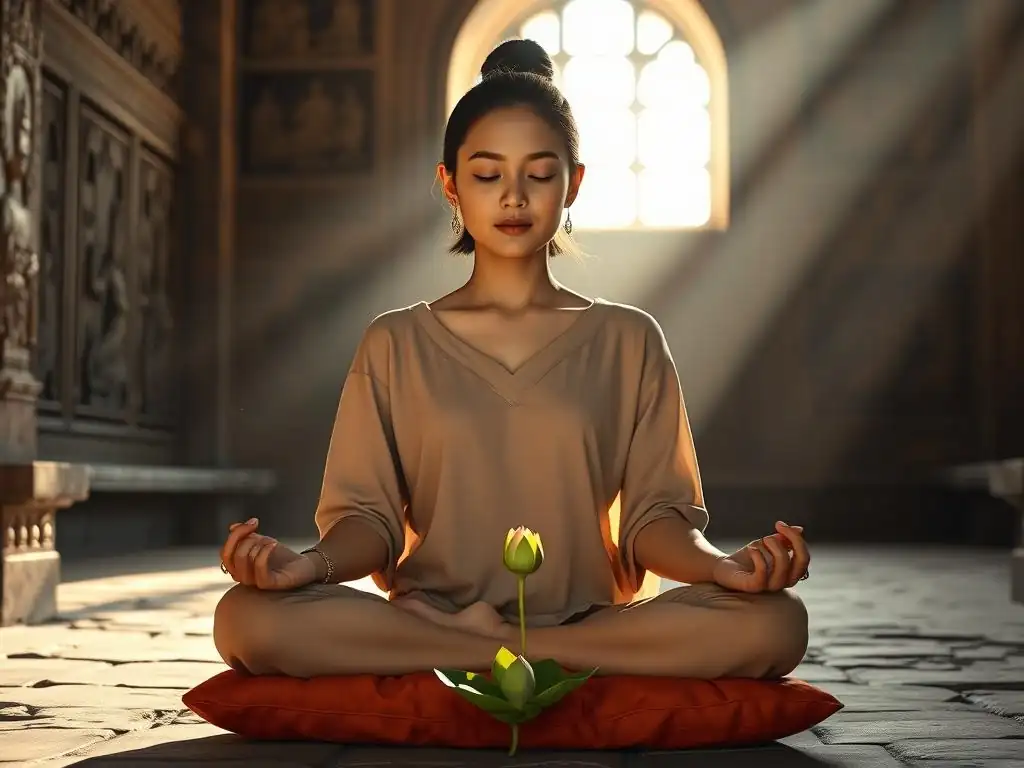
Welcome to Mind Care Guide.
Feeling overwhelmed by the weight of past traumas? You're not alone. We understand. This space is dedicated to helping you navigate your journey towards healing. Dive in to explore Vipassana trauma healing techniques, a powerful path towards inner peace and lasting well-being. Could this ancient practice be the key to unlocking your resilience? Let's find out together...
Healing Trauma Through Vipassana Meditation: A Mind Care Guide
- Introduction to Vipassana Meditation for Trauma Recovery
- How Vipassana Works: A Path to Trauma Resolution
- Vipassana Techniques for Trauma: Practical Applications
- Benefits of Vipassana for Trauma Survivors
- Integrating Vipassana into Your Trauma Recovery Journey
- Addressing Potential Challenges and Considerations
- Conclusion: Vipassana as a Path to Healing
-
Frequently Asked Questions
- What is Vipassana and how does it relate to trauma healing?
- How does Vipassana differ from other meditation techniques when addressing trauma?
- Can Vipassana be used as a standalone treatment for trauma, or should it be combined with other therapies?
- Are there any specific risks or precautions to consider when using Vipassana for trauma healing?
- Where can I find resources or qualified instructors for Vipassana trauma healing techniques?
- Final Reflection: The Unfolding Path of Trauma Healing Through Vipassana
- Unlock Your Inner Peace: Start Your Healing Journey Today
Introduction to Vipassana Meditation for Trauma Recovery
Understanding Trauma and Its Impact on Mental Well-being
Trauma is a deeply distressing or disturbing experience that can have profound and lasting effects on a person's mental, emotional, and physical health. It's not just the event itself, but the individual's response to it, which can overwhelm their ability to cope. The impact of trauma can manifest in various ways, including persistent feelings of fear, helplessness, and hypervigilance.
For instance, a study published in JAMA Psychiatry in 2017 estimated that about 70% of adults in the United States have experienced at least one traumatic event, and approximately 20% of these individuals will develop post-traumatic stress disorder (PTSD). These statistics underscore the widespread nature of trauma and the critical need for effective healing modalities.
The effects of trauma can significantly disrupt daily life, leading to difficulties in relationships, work, and overall functioning. Common symptoms include flashbacks, nightmares, severe anxiety, uncontrollable thoughts about the event, avoidance of situations that trigger memories, and difficulty concentrating. Physically, trauma can contribute to chronic pain, digestive issues, and heightened sensitivity to stimuli. While traditional therapies like Cognitive Behavioral Therapy (CBT) and Eye Movement Desensitization and Reprocessing (EMDR) are well-established for trauma recovery, many individuals explore complementary practices like meditation, specifically seeking Vipassana trauma healing techniques, to address the complex layers of their experience.
What is Vipassana Meditation? An Overview for Beginners
Vipassana, meaning "to see things as they really are," is one of India's most ancient techniques of meditation. It is a way of self-transformation through self-observation. Practiced for over 2,500 years, it was rediscovered by Gotama Buddha and taught by him as a universal remedy for universal ills. The technique involves observing the natural breath to concentrate the mind, and then with this sharpened awareness, observing the changing nature of body and mind and experiencing the universal truths of impermanence, suffering, and non-self.
The practice typically begins with focusing on the breath at the nostrils, a technique called Anapana meditation, which helps calm and focus the mind. Once the mind is sufficiently concentrated, the practice shifts to observing physical sensations throughout the body in a systematic way, without reacting to them. This non-judgmental observation is central to Vipassana. Unlike some other forms of meditation that might involve visualization or chanting, Vipassana is purely observational, aiming to purify the mind by eradicating mental defilements like craving and aversion through the direct experience of reality.
The Potential of Vipassana for Trauma Recovery
Vipassana holds significant potential as a complementary approach for trauma recovery, particularly for those seeking Vipassana trauma healing techniques. The core practice of observing sensations and emotions without reaction can help individuals develop a different relationship with traumatic memories and their associated physical and emotional responses. Trauma often leaves individuals feeling overwhelmed and controlled by their past experiences; Vipassana offers a pathway to reclaiming agency by teaching the mind to simply witness, rather than be consumed by, difficult internal states.
By systematically observing bodily sensations that are often linked to traumatic memories (e.g., tightness in the chest, knot in the stomach), individuals can begin to understand these sensations as transient phenomena rather than overwhelming threats. A study published in the Journal of Traumatic Stress in 2013 examined the effects of an intensive Vipassana retreat on incarcerated individuals with a history of trauma.
While the study highlighted the need for careful application and support, it indicated potential benefits in terms of reduced psychological distress and improved emotional regulation for some participants, suggesting that with appropriate guidance, Vipassana can be a valuable tool in the healing process.
How Vipassana Works: A Path to Trauma Resolution
The Core Principles of Vipassana Meditation
Vipassana meditation is built upon a few fundamental principles that guide the practice and contribute to its therapeutic effects, especially when applied as Vipassana trauma healing techniques. These principles are not just theoretical concepts but are meant to be experienced directly through consistent practice. The first principle is sila, or morality, which involves abstaining from harmful actions like killing, stealing, and lying. This ethical foundation helps to calm the mind and prepare it for deeper meditative work.
The second principle is samadhi, or concentration, developed through the practice of Anapana meditation (observing the breath). A concentrated mind is essential for the third principle, panna, or wisdom/insight. This insight arises from the direct, non-judgmental observation of the impermanent nature of reality – the constant arising and passing away of physical sensations and mental phenomena. It is this insight into impermanence ( anicca), suffering ( dukkha), and non-self ( anatta) that is believed to lead to the purification of the mind and the dissolution of deep-seated suffering, including that caused by trauma.
Mindfulness of Breath: The Foundation of Vipassana
Mindfulness of breath, or Anapana, serves as the initial anchor in Vipassana practice. The breath is always present, neutral, and serves as a reliable point of focus. By paying attention to the subtle sensations of the breath entering and leaving the nostrils, the meditator trains the mind to stay in the present moment. This is particularly crucial for trauma survivors, whose minds often cycle through past traumatic events or future anxieties.
Developing concentration through breath awareness provides a stable base from which to observe the more challenging aspects of the mind and body. It helps to quiet the internal chatter and develop the capacity for sustained attention, which is necessary for the later stages of observing sensations. Regular Anapana practice can itself be calming for the nervous system, offering a simple yet powerful tool for managing anxiety and grounding oneself during moments of distress.
Observing Sensations: Developing Awareness of the Body
Once the mind is reasonably concentrated, the Vipassana meditator moves to observing physical sensations throughout the body. This systematic scanning involves moving attention from the top of the head down to the tips of the toes, and then back up again, noticing whatever sensations are present – heat, cold, tingling, pressure, pain, vibration, etc. The key is to observe these sensations objectively, without labeling them as good or bad, pleasant or unpleasant, or reacting with craving or aversion.
Trauma is often stored in the body, manifesting as chronic tension, pain, or specific physical responses linked to traumatic memories. By observing these bodily sensations with equanimity, individuals can begin to process and release the stored trauma. This practice teaches that even intense or uncomfortable sensations are impermanent; they arise and pass away. This direct experience can gradually change the individual's relationship with their bodily responses to trauma, reducing automatic fight-or-flight reactions.
Non-Judgmental Observation: Cultivating Acceptance
Perhaps the most challenging, yet crucial, principle in Vipassana is non-judgmental observation, also known as equanimity. This involves witnessing whatever arises in the mind and body – thoughts, emotions, sensations – without evaluating, reacting, or getting caught up in them. For trauma survivors, this means observing feelings of fear, anger, shame, or physical pain associated with trauma without pushing them away or becoming overwhelmed by them.
Cultivating equanimity does not mean suppressing emotions or pretending they don't exist. Instead, it is about developing the capacity to be with difficult experiences without being controlled by them. This practice gradually weakens the habit of reacting with aversion to unpleasant sensations or craving for pleasant ones, which are seen in Vipassana as the root causes of suffering. By repeatedly observing the impermanent nature of even the most intense sensations and emotions, the individual learns that suffering is not permanent and that healing is possible. This principle is fundamental to effective Vipassana trauma healing techniques.
Vipassana and the Nervous System: Calming the Body's Response to Trauma
Trauma often dysregulates the nervous system, leaving individuals in a state of hyperarousal (fight/flight) or hypoarousal (freeze). The practice of Vipassana can help to calm and re-regulate the nervous system. By focusing on the breath and observing bodily sensations, the meditator activates the parasympathetic nervous system, which is responsible for the "rest and digest" response. This counteracts the sympathetic nervous system's "fight or flight" response, which is often stuck in overdrive in trauma survivors.
Regular Vipassana practice can increase vagal tone, a key indicator of nervous system resilience and the ability to move between states of arousal and calm. A higher vagal tone is associated with better emotional regulation and reduced inflammation. By systematically observing and staying present with uncomfortable sensations without reacting, individuals learn to tolerate distress and build their window of tolerance. This process, central to Vipassana trauma healing techniques, allows the nervous system to gradually return to a more balanced and regulated state, reducing chronic stress and anxiety.
Vipassana Techniques for Trauma: Practical Applications
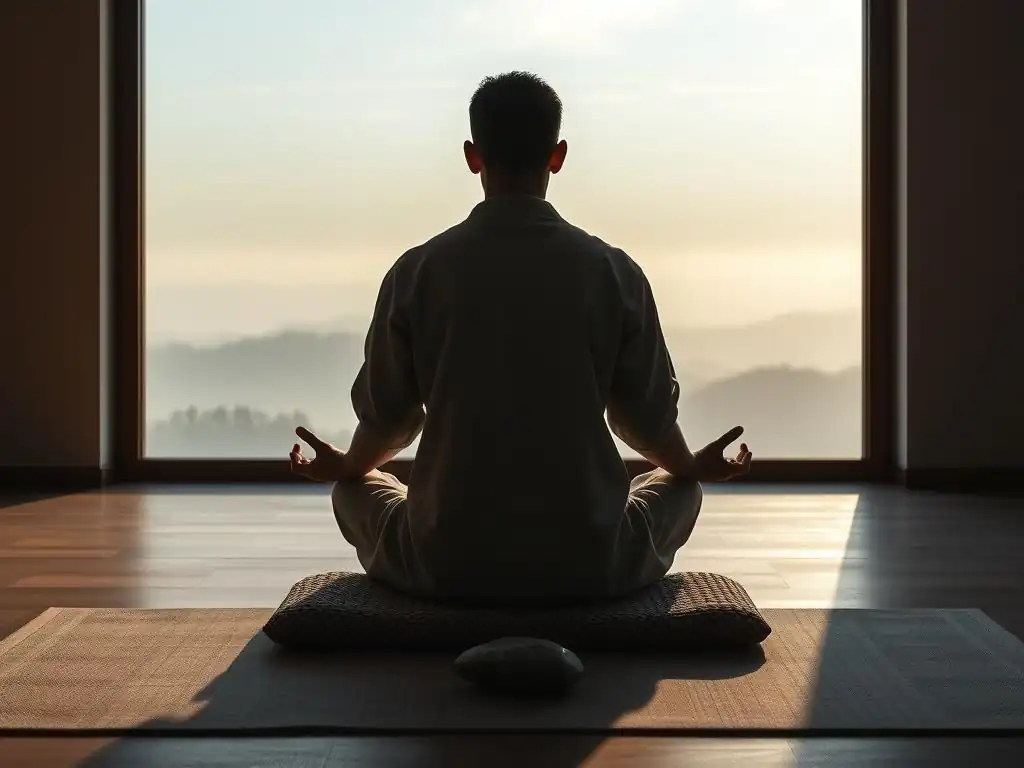
Guided Vipassana Meditation for Trauma: A Step-by-Step Approach
Engaging in guided Vipassana meditation can be particularly helpful for trauma survivors, as the presence of a teacher or guide can provide a sense of safety and structure. While the core technique is simple, navigating the internal landscape that may arise during meditation, especially when dealing with trauma, requires careful guidance. Many centers and online platforms offer guided sessions specifically tailored for beginners or those with sensitive histories.
A typical guided session might involve initial instructions to find a comfortable posture and gentle reminders to focus on the breath. The guide will then lead the meditator through the process of observing sensations, often starting with a localized area (like the abdomen where the breath is felt) before moving to a systematic scan of the entire body. The guide emphasizes observing sensations as they are, without judgment or reaction, and returning gently to the observation whenever the mind wanders. This structured approach helps build familiarity and confidence with the technique.
Preparing for Your Vipassana Meditation Session
Preparation is key to creating a supportive environment for Vipassana practice, especially when addressing trauma. Find a quiet space where you won't be disturbed. Ensure you are comfortable, whether sitting on a cushion on the floor or on a chair, with your back straight but relaxed. Wear loose, comfortable clothing. It's helpful to set a specific amount of time for your session, even if it's just 10 or 15 minutes initially.
Before starting, take a few deep breaths to settle yourself. Gently set the intention to simply observe your experience with kindness and curiosity, without any goal other than to be present. If you are using a guided meditation, have it ready. It's also advisable, particularly for trauma survivors, to have a plan for after the meditation, perhaps gentle stretching, journaling, or connecting with a supportive person, to help transition back into daily life.
Focusing on the Breath to Anchor Yourself in the Present
The first step in formal Vipassana practice is focusing on the natural breath. This is not about controlling the breath, but simply observing it as it is. Notice the sensation of air entering and leaving the nostrils or the subtle movement of the abdomen or chest. The breath serves as an anchor to the present moment, pulling the mind away from ruminating on the past or worrying about the future.
When the mind inevitably wanders – which it will – the practice is to gently notice that it has wandered and, without self-recrimination, guide the attention back to the breath. This repeated act of bringing the mind back trains the muscle of attention and presence. For trauma survivors, the breath can be a reliable refuge when difficult thoughts or sensations arise, providing a stable point of focus amidst internal turbulence. This is a foundational Vipassana trauma healing technique.
Observing Sensations Without Reacting: A Key to Emotional Regulation
Once a degree of concentration is established, the practice shifts to observing physical sensations throughout the body. Begin by scanning your body methodically, from head to toe, noticing any sensations present. These could be subtle (tingling, warmth) or gross (pain, tension). The crucial element is to observe these sensations objectively, without labeling them as good or bad, and without reacting with aversion (pushing them away) or craving (holding onto pleasant ones).
This practice directly addresses how trauma manifests in the body and contributes to dysregulation. By observing sensations associated with traumatic memories – perhaps tightness in the throat or a knot in the stomach – without reacting, you begin to break the automatic link between sensation and distress. You learn that the sensation itself is impermanent and that your reaction is what perpetuates suffering. This cultivation of equanimity towards bodily sensations is a powerful Vipassana trauma healing technique for improving emotional regulation.
Dealing with Difficult Emotions and Memories During Meditation
It is common for difficult emotions, thoughts, and memories, especially those related to trauma, to arise during meditation. The Vipassana approach is to meet these experiences with the same principle of non-judgmental observation. See the emotion (e.g., fear, sadness) as a phenomenon arising in the mind, perhaps accompanied by specific physical sensations. Observe it as you would observe any other sensation, without getting lost in the narrative or being overwhelmed by the feeling.
If a memory arises, try to observe it as a mental phenomenon rather than reliving it. Acknowledge its presence, perhaps noting "thinking" or "memory," and gently return your attention to the breath or the systematic body scan. If the experience becomes too intense, it is acceptable to open your eyes, take a break, or engage in self-soothing techniques. It is vital not to push through overwhelming distress. Vipassana is about developing sensitivity and wisdom, not enduring unnecessary suffering. This highlights the importance of approaching Vipassana trauma healing techniques with caution and support.
Cultivating Self-Compassion and Acceptance Through Vipassana
While equanimity is a core principle, it is not synonymous with being cold or indifferent. True equanimity in Vipassana is rooted in wisdom and compassion, both for oneself and others. The practice of observing one's own suffering without judgment naturally fosters self-compassion. By witnessing the constant struggle caused by craving and aversion, and seeing the impermanent nature of even painful experiences, a sense of acceptance towards oneself and one's journey can develop.
Acceptance in this context is not about condoning past events or passively accepting ongoing harm. It is about acknowledging the reality of the present moment – including difficult feelings or physical sensations – without fighting against it. This radical acceptance, cultivated through Vipassana, reduces the secondary suffering caused by resisting what is. For trauma survivors, this can be incredibly liberating, allowing them to move from a place of self-blame or resistance to one of gentle acceptance and a willingness to engage in the healing process.
Benefits of Vipassana for Trauma Survivors
Reducing Anxiety and Depression Symptoms
Studies and anecdotal evidence suggest that Vipassana meditation can significantly reduce symptoms of anxiety and depression, which are common co-occurrences with trauma. By training the mind to stay in the present moment and observe thoughts and emotions without getting entangled in them, individuals can break the cycle of ruminative thinking that fuels anxiety and the negative thought patterns associated with depression.
For example, a meta-analysis published in JAMA Internal Medicine in 2014 reviewed studies on mindfulness meditation programs (including elements similar to Vipassana) and found moderate evidence of improvement in symptoms of anxiety and depression. While not specific to trauma, these findings support the potential of present-moment awareness and non-judgmental observation to alleviate psychological distress. By learning to observe anxious thoughts or depressive moods as temporary mental formations rather than absolute truths, trauma survivors can experience a reduction in their intensity and frequency.
Improving Emotional Regulation and Resilience
A key benefit of Vipassana for trauma survivors is the improvement in emotional regulation. The practice of observing sensations and emotions without reaction builds the capacity to tolerate difficult feelings. Instead of being overwhelmed by intense emotions triggered by traumatic memories, individuals learn to recognize the emotion as it arises, observe its physical manifestations, and allow it to pass without being swept away.
This cultivation of equanimity increases emotional resilience – the ability to bounce back from adversity. By understanding the impermanent nature of all phenomena, including intense emotional states, trauma survivors develop confidence in their ability to navigate difficult feelings. They learn that even the most painful emotions will eventually subside if they are not fueled by resistance or reaction. This is a core outcome of effective Vipassana trauma healing techniques.
Fostering Self-Awareness and Empowerment
Vipassana is fundamentally a practice of self-observation, leading to increased self-awareness. Through consistent practice, individuals gain insight into their own minds, their habitual reactions, and the patterns of suffering they perpetuate. For trauma survivors, this can mean recognizing triggers, understanding their typical responses (e.g., freezing, lashing out), and becoming aware of the physical sensations linked to their trauma.
This increased self-awareness is empowering. It shifts the individual from feeling like a passive victim of their past to becoming an active participant in their healing. By understanding how their mind and body react, they gain the ability to choose a different response. The practice teaches that the power to change lies within, through the cultivation of awareness and wisdom. This journey of self-discovery through Vipassana is a powerful aspect of trauma recovery.
Personal Accounts of Vipassana in Trauma Recovery
Many individuals have shared personal accounts of how Vipassana meditation has supported their trauma recovery. For instance, some individuals who have completed intensive 10-day Vipassana retreats report experiencing a significant shift in their relationship with traumatic memories. They describe being able to recall events without the overwhelming emotional charge they previously carried, viewing the memories more like old films rather than present realities.
One account from a survivor of complex trauma described how the practice of observing physical sensations helped her connect with her body in a safe way after years of dissociation. By noticing subtle vibrations or areas of tension without judgment, she gradually rebuilt a sense of safety and presence within herself. These personal stories, while not clinical data, highlight the profound subjective impact that dedicated Vipassana trauma healing techniques can have on an individual's journey towards healing and wholeness.
Integrating Vipassana into Your Trauma Recovery Journey
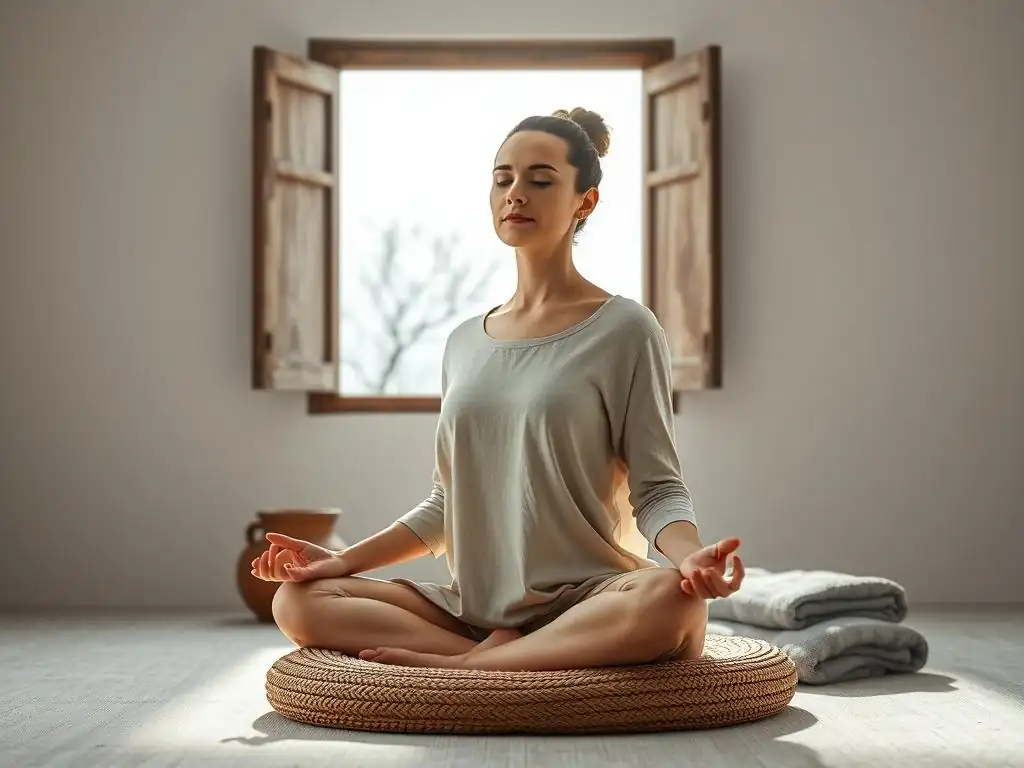
Combining Vipassana with Trauma-Informed Therapy
Vipassana meditation should generally be considered a complementary practice rather than a standalone treatment for complex trauma. Integrating Vipassana trauma healing techniques with trauma-informed therapy, such as EMDR, Somatic Experiencing (SE), or Trauma-Focused CBT, is often the most effective approach. Therapy can provide a safe container to process the narrative of the trauma, develop coping skills, and work through specific traumatic memories with the guidance of a trained professional.
Vipassana can support this process by building the individual's capacity for self-awareness, emotional regulation, and tolerance of difficult bodily sensations – skills that are highly beneficial in therapeutic work. For example, the ability to observe intense physical sensations during an EMDR session without becoming overwhelmed, or to stay present with bodily responses in SE, can deepen the therapeutic process. It is crucial to discuss your meditation practice with your therapist to ensure it is supportive of your overall treatment plan.
Finding a Qualified Vipassana Teacher or Meditation Group
Learning Vipassana, especially as a trauma survivor, is best done under the guidance of a qualified teacher. Traditional Vipassana is taught in intensive residential retreats (often 10 days or longer) led by teachers trained in the lineage of S.N. Goenka, though other lineages exist. Attending such a retreat, while potentially very beneficial, requires careful consideration for trauma survivors due to the intensity and introspective nature of the experience.
Alternatively, finding a local meditation group or center that offers Vipassana instruction can provide ongoing support and guidance. Some centers may offer shorter courses or drop-in sessions. It is important to find a teacher or group that is trauma-aware and can offer appropriate support if difficult experiences arise during practice. Seeking out resources that specifically address Vipassana trauma healing techniques can also be helpful.
Creating a Sustainable Vipassana Practice
Consistency is key to realizing the benefits of Vipassana. While intensive retreats can provide a strong foundation, integrating a sustainable daily practice is essential for ongoing healing and well-being. Start small, perhaps with just 10-15 minutes of meditation each day. Find a regular time and place that works for you.
Consider joining a local meditation group or finding an online community for support and accountability. Listening to recorded discourses or guided meditations from reputable sources can also help maintain motivation and deepen understanding. Remember that practice is not about achieving a state of perfect calm, but about consistently applying the technique of non-judgmental observation to whatever arises. Some days will be easier than others, and that is part of the process.
Resources for Vipassana Meditation Centers and Online Courses
For those interested in exploring Vipassana trauma healing techniques further, several resources are available. The Vipassana Research Institute (VRI) website provides information about the tradition of S.N. Goenka and a schedule of upcoming 10-day residential courses offered worldwide on a donation basis. These courses are rigorous but provide comprehensive instruction.
Many mindfulness centers and organizations also offer Vipassana-style courses and retreats, often adapted to be more accessible or shorter in duration. Websites like Insight Timer or Headspace (while not purely Vipassana, they offer similar mindfulness techniques) provide guided meditations. When seeking resources, especially as a trauma survivor, look for those that emphasize a gentle, non-forceful approach and ideally have some awareness of trauma-informed principles.
Addressing Potential Challenges and Considerations
Managing Difficult Emotions and Memories During Meditation
It is highly likely that difficult emotions, physical sensations, and memories related to trauma will arise during Vipassana meditation. This is not a sign that you are doing something wrong; rather, it is the mind bringing deep-seated material to the surface. The practice teaches you to observe these phenomena with equanimity, but for trauma survivors, this can be challenging and potentially overwhelming.
If you experience intense distress, flashbacks, or feel overwhelmed during meditation, it is crucial to stop. Do not force yourself to continue. Grounding techniques, such as focusing on the feeling of your feet on the floor or the sensation of your hands, can help bring you back to the present. Having a plan for self-care after meditation, as mentioned earlier, is vital. This might include gentle movement, connecting with a supportive person, or engaging in a comforting activity.
Recognizing the Importance of Professional Support
Vipassana meditation is a powerful tool for self-exploration and healing, but it is not a substitute for professional mental health treatment, especially for complex trauma or PTSD. A qualified therapist can provide a safe and structured environment to process traumatic experiences, develop coping mechanisms, and address underlying psychological issues.
Integrating Vipassana into a treatment plan overseen by a trauma-informed therapist ensures that you have the necessary support to navigate any challenges that arise during your meditation practice. Your therapist can help you understand how your meditation experiences relate to your trauma history and guide you on how to approach difficult moments that may emerge during Vipassana trauma healing techniques.
Precautions for Trauma Survivors
Trauma survivors should approach Vipassana meditation with caution and awareness. Intense, silent retreats may not be suitable for everyone, particularly those with complex trauma, dissociative disorders, or acute symptoms. The introspective nature and lack of external distractions can sometimes intensify distress if not approached carefully and with adequate support.
Consider starting with shorter, guided meditations or attending courses specifically designed for individuals with a history of trauma. Ensure the teacher or center is aware of your history and can provide appropriate guidance or resources. Listen to your body and mind, and prioritize your safety and well-being above adhering strictly to the technique. It is always okay to modify the practice or take a break if needed. The goal is healing, not adherence to rigidity.
Conclusion: Vipassana as a Path to Healing
Vipassana: A Tool for Trauma Recovery and Mental Well-being
Vipassana meditation offers a profound pathway for healing and enhanced mental well-being, particularly as a complementary approach for trauma recovery. By cultivating mindfulness of breath, observing bodily sensations without reaction, and developing equanimity towards all internal phenomena, individuals can learn to regulate their nervous system, process stored trauma in the body, and change their relationship with difficult memories and emotions. The core Vipassana trauma healing techniques empower individuals by fostering self-awareness, emotional resilience, and a deep understanding of the impermanent nature of suffering.
While not a panacea, and requiring careful application and support, especially for trauma survivors, Vipassana provides practical tools for navigating the complex aftermath of traumatic experiences. It encourages a journey inward, towards understanding oneself and finding peace not by escaping reality, but by seeing it clearly, as it is.
The Ongoing Journey of Self-Discovery Through Vipassana
Healing from trauma is often an ongoing journey, not a destination. Vipassana meditation is a practice for life, offering continuous opportunities for self-discovery and purification of the mind. The insights gained on the meditation cushion translate into daily life, enabling individuals to meet challenges with greater awareness, compassion, and equanimity.
By integrating Vipassana trauma healing techniques into their lives, alongside professional support, trauma survivors can cultivate inner strength and peace. The path requires patience, persistence, and kindness towards oneself, acknowledging that progress may not be linear. Ultimately, Vipassana offers a means to move from a state of suffering caused by reaction and aversion to one of freedom and well-being rooted in wisdom and acceptance, transforming the relationship with the past and building a more resilient future.
Frequently Asked Questions
What is Vipassana and how does it relate to trauma healing?
Vipassana is an ancient Indian meditation technique focusing on observing reality as it is. It can aid trauma healing by fostering self-awareness and emotional regulation, allowing individuals to process difficult experiences.
How does Vipassana differ from other meditation techniques when addressing trauma?
Unlike some techniques that focus on visualization or affirmations, Vipassana centers on direct observation of sensations. This can be particularly helpful in trauma, as it allows individuals to gradually connect with their bodies and emotions without judgment.
Can Vipassana be used as a standalone treatment for trauma, or should it be combined with other therapies?
Vipassana is often most effective when integrated with other therapies, such as psychotherapy. It can serve as a complementary practice, enhancing the benefits of traditional trauma treatment.
Are there any specific risks or precautions to consider when using Vipassana for trauma healing?
Yes, individuals with trauma should approach Vipassana with caution and guidance. It's crucial to work with a qualified instructor experienced in trauma-sensitive mindfulness to avoid re-traumatization.
Where can I find resources or qualified instructors for Vipassana trauma healing techniques?
Mind Care Guide offers resources, information, and connections to qualified professionals. Look for instructors with expertise in both Vipassana and trauma-informed care to ensure a safe and supportive practice.
Final Reflection: The Unfolding Path of Trauma Healing Through Vipassana
The ancient practice of Vipassana offers a potent antidote to the pervasive effects of trauma, providing a tangible path towards healing and lasting peace in a world increasingly burdened by suffering. Its efficacy lies not just in theoretical understanding, but in the direct experience of cultivating mindful awareness, gently unraveling the knots of past pain and fostering a resilient present. This is not a quick fix, but a profound journey of self-discovery and liberation.
The impact of trauma extends far beyond the initial event, shaping our perceptions, relationships, and overall well-being. Vipassana, with its emphasis on self-observation without judgment, creates space for the healing process to unfold naturally. The wound is where the Light enters you.
– Rumi. This quote beautifully encapsulates the transformative power of facing our pain directly, allowing the light of self-awareness to illuminate the shadowed corners of our being. The practice isn't about erasing the past, but about integrating it into a more complete and compassionate understanding of ourselves.
You, the reader, now hold the key to unlocking your own potential for healing. Consider how the principles of Vipassana – mindful awareness, self-compassion, and the cultivation of equanimity – can be woven into your daily life. Begin with small steps, perhaps just a few minutes of mindful breathing each day. Allow yourself to feel, to observe, and to accept without judgment. The journey may be challenging, but the rewards – a deeper connection to yourself and a life lived with greater peace and freedom – are immeasurable. Embrace the unfolding path, and discover the transformative power within.
Unlock Your Inner Peace: Start Your Healing Journey Today
Thanks for taking the time to explore the powerful healing potential of Vipassana meditation! We hope you gained valuable insights into how this practice can transform your life. Now it's time to put these insights into action.
- Begin your Vipassana practice: Even 10 minutes a day can make a significant difference. Find a quiet space, sit comfortably, and focus on your breath. Let the teachings guide you.
- Share your experience: Connect with others on their healing journeys. Discuss your insights and challenges in the comments below—your reflections might inspire others!
- Explore guided meditations: Many free resources are available online to support your practice. Try different styles to find what resonates with you.
Ready to embark on this transformative journey? What small step will you take today to cultivate inner peace?