
Your Mindful Journey Starts Here: Understanding the Fundamentals

Welcome!
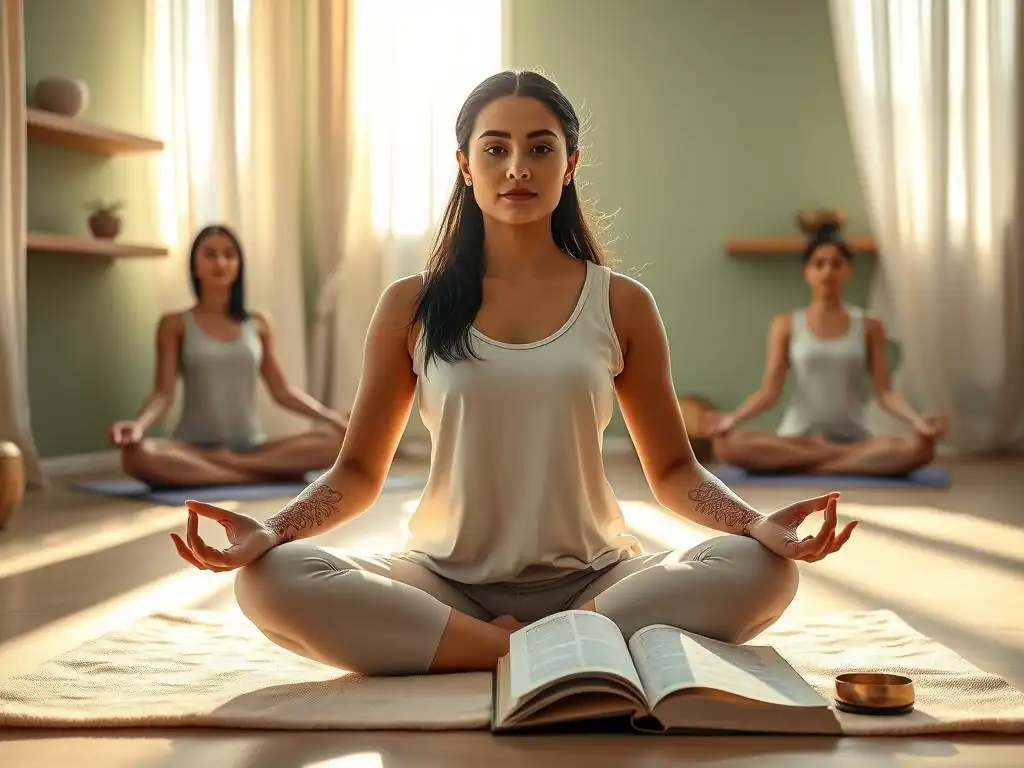
Feeling overwhelmed or simply seeking a deeper connection with yourself? At Mind Care Guide, we understand the challenges life throws your way. Embark on a journey to inner peace and resilience with our Mindful Mental Wellbeing Techniques Guide. This guide is your starting point for cultivating a more balanced and fulfilling life. Curious about how mindfulness can transform your mental health? Let's explore the fundamentals together and unlock the power within you.
Cultivating Inner Peace: A Guide to Mindfulness for Mental Wellbeing
- Introduction to Mindfulness: A Path to Mental Wellbeing
- Preparing for Your Mindfulness Journey
- Core Mindfulness Techniques for Daily Life
- Navigating Challenges in Mindfulness Practice
- Integrating Mindfulness into Everyday Activities
- Resources for Deepening Your Mindfulness Practice
- Sustaining Your Mindfulness Practice and Measuring Growth
- Conclusion: Embracing Mindfulness for Lasting Mental Wellbeing and Resilience
-
Frequently Asked Questions
- How does practicing mindfulness contribute to mental wellbeing?
- What are some basic techniques for cultivating mindfulness in daily life?
- How can I integrate mindfulness into my routine when I have a busy schedule?
- Is mindfulness a replacement for traditional therapy or medication?
- Where can I find additional resources and support for my mental health journey?
- Final Reflection: Cultivating Inner Peace in a Frantic World
- Unlock Your Inner Calm: Take the Next Step
Introduction to Mindfulness: A Path to Mental Wellbeing
Defining Mindfulness: Presence and Acceptance
Mindfulness is fundamentally about paying attention, in a particular way: on purpose, in the present moment, and non-judgmentally. It is the practice of intentionally bringing one's attention to experiences occurring in the present moment without judgment. This means observing thoughts, feelings, bodily sensations, and the surrounding environment with curiosity and acceptance, rather than getting caught up in them or trying to push them away. It's not about emptying the mind, but rather about learning to relate to our thoughts and feelings in a different way, recognizing them as temporary mental events rather than absolute truths.
Research into the effects of mindfulness practice has shown tangible impacts on brain function and structure. Studies utilizing fMRI scans have indicated that regular mindfulness meditation can lead to increased gray matter density in areas associated with learning, memory, emotion regulation, and empathy, such as the hippocampus and the temporoparietal junction.
Conversely, decreases have been observed in the amygdala, the brain's "fear center," suggesting a reduction in stress reactivity. For instance, a study published in Psychiatry Research: Neuroimaging highlighted measurable changes in brain regions after just eight weeks of a structured mindfulness program, demonstrating the neuroplasticity enhanced by this practice.
The Transformative Benefits of Mindfulness Practice
Engaging in mindful mental wellbeing techniques offers a wide array of scientifically supported benefits that significantly enhance overall mental and emotional health. One of the most well-documented advantages is stress reduction. By learning to observe stressful thoughts and situations without immediate reactivity, individuals can lower their physiological stress response, including reduced levels of cortisol, the primary stress hormone. This leads to a greater sense of calm and resilience in the face of daily challenges, which is a core component of a mindful approach to wellbeing.
Beyond stress, regular mindfulness practice has demonstrated effectiveness in alleviating symptoms associated with anxiety and depression. A meta-analysis of over 200 studies indicated that mindfulness-based therapies were moderately effective in reducing symptoms of anxiety and depression, comparable in some cases to the effects of antidepressant medication for certain individuals. Furthermore, cultivating mindfulness can improve focus and concentration, enhance self-awareness, boost emotional regulation skills, and even improve sleep quality. These multifaceted benefits underscore why mindful mental wellbeing techniques are increasingly recommended as foundational practices for fostering psychological resilience and a greater sense of peace.
Preparing for Your Mindfulness Journey
Creating a Dedicated Space for Practice
Establishing a specific area, however small, for your mindfulness practice can significantly support consistency and focus. This space doesn't need to be elaborate; it could be a corner of a room, a comfortable cushion by a window, or even just a designated chair. The key is to choose a spot that feels calm, is relatively free from distractions, and is accessible when you plan to practice. Clearing away clutter and perhaps adding a simple element like a plant or a candle can help signal to your mind that this is a place for quiet introspection and presence.
The environment plays a crucial role in setting the stage for effective mindfulness. While formal meditation can be done anywhere, having a consistent space helps build a routine and reduces the mental effort required to start. Consider the factors that might disrupt your practice – noise, interruptions, or visual clutter – and try to minimize them in your chosen area.
For example, if afternoon sunlight is too bright, choose a spot that avoids direct glare or use a light curtain. Making this small commitment to creating a dedicated physical space reinforces your intention to prioritize your mindful mental wellbeing techniques.
Setting Intentions for Mindful Living
Before beginning a formal mindfulness session or even starting your day mindfully, setting a clear intention can provide direction and purpose. An intention is not a rigid goal to be achieved, but rather a quality or state of being that you wish to cultivate during your practice or throughout your day. Examples might include "to be present with my breath," "to approach challenges with patience," or "to listen with kindness." This simple act helps to focus your mind and align your actions with your desired state of being, making your mindful mental wellbeing techniques more effective.
Articulating your intention, whether silently or by writing it down, brings conscious awareness to what you hope to gain or how you wish to show up. It moves the practice beyond mere technique to a deeper exploration of your inner landscape and your relationship with the world.
For instance, if you often find yourself rushing, an intention might be "to move through my day with ease and awareness." This intention doesn't demand perfection but serves as a gentle reminder to check in with yourself and return to a more mindful state whenever you notice yourself slipping back into old patterns.
Core Mindfulness Techniques for Daily Life
Breath Awareness Meditation: Anchoring Yourself in the Present
Breath awareness is one of the most fundamental and accessible mindful mental wellbeing techniques. It involves directing your attention to the sensation of breathing as it naturally occurs in your body. You might notice the feeling of air entering and leaving your nostrils, the rise and fall of your abdomen or chest, or the subtle temperature difference between the inhale and exhale. The breath serves as an anchor, a constant physical sensation that is always happening in the present moment, providing a reliable point of focus.
When practicing breath awareness, the goal is not to control or change your breath, but simply to observe it with gentle curiosity. As thoughts inevitably arise – about the past, future, or unrelated matters – the practice is to gently notice that your mind has wandered and, without judgment, guide your attention back to the sensation of breathing.
This repetitive act of noticing wandering and returning is the core training of attention in mindfulness. Even just a few minutes of focused breath awareness can help calm the nervous system, reduce mental chatter, and bring a greater sense of groundedness, making it a powerful tool in your mindful mental wellbeing techniques guide.
Body Scan Meditation: Cultivating Body Awareness and Reducing Tension
The body scan meditation is a practice that systematically brings awareness to different parts of the body, noticing any sensations present without judgment. Beginning typically at the toes, you slowly move your attention upward through the body – feet, ankles, legs, pelvis, torso, arms, neck, and head – pausing to observe feelings like tingling, warmth, coolness, tightness, or ease. This technique helps to reconnect the mind with the physical body, which can often be overlooked in our busy lives, fostering a greater sense of embodiment.
This mindful mental wellbeing technique is particularly effective for releasing physical tension that we often hold unknowingly. By bringing conscious awareness to areas of tightness, such as clenched shoulders or a furrowed brow, we create the possibility of letting go. The body scan also enhances interoception, which is the ability to perceive sensations from inside the body. Improved interoception is linked to better emotional regulation and self-awareness. Regular practice can help individuals recognize the physical manifestations of stress or emotion earlier, allowing them to respond more skillfully rather than reacting impulsively.
Mindful Movement: Gentle Yoga and Stretching
Mindful movement integrates the principles of mindfulness with physical activity, transforming exercise into a practice of present moment awareness. Gentle forms like yoga, stretching, or even conscious walking are excellent examples. The focus is not on performance or achieving a specific physical outcome, but on paying attention to the sensations within the body as it moves. This includes noticing the feeling of muscles stretching, joints articulating, the rhythm of your breath coordinating with movement, and the connection between mind and body.
Engaging in mindful movement can help release physical tension, improve flexibility, and cultivate a deeper appreciation for the body's capabilities. It encourages a non-judgmental attitude towards physical sensations, whether they are pleasant, unpleasant, or neutral. This mindful approach to physical activity complements other mindful mental wellbeing techniques by reinforcing the connection between physical and mental states. For example, noticing how stress manifests as tightness in the shoulders during a stretch can provide valuable insight into your body's response to mental states, fostering a more holistic approach to wellbeing.
Overcoming Distractions and Wandering Thoughts
One of the most common challenges encountered when practicing mindful mental wellbeing techniques is the wandering mind. It is a natural function of the brain to think, plan, remember, and fantasize, so thoughts will inevitably arise and pull your attention away from the present moment anchor, such as the breath or body sensations. Beginners often feel frustrated by this, believing they are "failing" at mindfulness. However, the practice is not about stopping thoughts, but about recognizing when your mind has wandered and gently bringing your attention back, again and again.
Think of the mind like a puppy – it will naturally run off and explore. Your job isn't to punish it or tie it down, but to gently leash it and guide it back. Each time you notice your mind has wandered and you return your attention to your chosen focus, you are strengthening the neural pathways associated with attention and focus.
This act of returning is the core exercise of mindful mental wellbeing techniques. It is estimated that the mind wanders around 47% of our waking hours, according to research from Harvard psychologists Matthew A. Killingsworth and Daniel T. Gilbert. Recognizing this commonality can help alleviate self-criticism and foster patience with the process.
Working with Difficult Emotions: Acceptance and Non-Judgment
Mindfulness practice can sometimes bring difficult emotions to the surface. When we stop distracting ourselves, feelings like sadness, anger, fear, or anxiety may become more apparent. The instinct is often to push these feelings away, analyze them excessively, or become overwhelmed by them. Mindful mental wellbeing techniques offer an alternative approach: working with difficult emotions by observing them with acceptance and non-judgment. This means acknowledging the emotion is present without getting lost in the story surrounding it.
To practice this, you might gently turn your attention towards the physical sensations associated with the emotion in your body. Where do you feel the tightness, the heat, the hollowness? Can you simply allow the sensation to be there without trying to change it? This doesn't mean condoning harmful behavior or suppressing feelings, but rather creating space to experience the emotion without being consumed by it. Research suggests that this non-judgmental acceptance can actually reduce the intensity and duration of difficult emotional states over time, building emotional resilience and deepening your mindful mental wellbeing techniques.
Cultivating Self-Compassion: Kindness Towards Yourself
Self-compassion is a vital component of mindful mental wellbeing techniques, particularly when facing challenges or setbacks in practice or life. It involves treating yourself with the same kindness, understanding, and acceptance you would offer a friend who is suffering or struggling. This includes recognizing that imperfection, failure, and difficult experiences are part of the shared human condition, not personal failings that isolate you.
Practicing self-compassion involves three core elements: self-kindness (being gentle with yourself rather than harshly critical), common humanity (recognizing that suffering and imperfection are universal experiences), and mindfulness (observing your thoughts and feelings with balanced awareness, without getting swept away by negative self-talk). When you notice self-criticism arising, you can gently acknowledge it and consciously offer yourself words of kindness or a comforting gesture, like placing a hand over your heart.
Dr. Kristin Neff, a leading researcher in the field, has found that higher levels of self-compassion are strongly correlated with greater emotional resilience, less anxiety and depression, and improved coping skills, highlighting its importance in a comprehensive mindful mental wellbeing techniques guide.
Integrating Mindfulness into Everyday Activities
Mindful Eating: Nourishing Your Body and Mind
Mindful eating is a practice that involves bringing full awareness to the experience of eating and drinking. Instead of rushing through meals or eating while distracted by screens or other tasks, mindful eating encourages you to pay attention to the sensory details of your food: its appearance, smell, texture, and taste. It also involves noticing physical hunger and fullness cues, and recognizing the thoughts and emotions that arise before, during, and after eating.
This mindful mental wellbeing technique can transform your relationship with food, moving away from automatic or emotional eating towards a more conscious and nourishing experience. By slowing down and paying attention, you may discover new flavors, feel more satisfied with smaller portions, and develop a greater appreciation for the process of nourishing your body. Studies have shown that mindful eating practices can help individuals manage weight, reduce binge eating episodes, and improve overall dietary habits by fostering a stronger connection between mind and body signals related to hunger and satiety.
Mindful Communication: Enhancing Relationships Through Attentive Listening
Bringing mindfulness to how we communicate can profoundly improve our relationships and interactions. Mindful communication involves being fully present and attentive when listening to others, without formulating your response while they are still speaking. It also means speaking intentionally and truthfully, considering the impact of your words and tone. This practice encourages empathy, understanding, and genuine connection, making it a powerful addition to your mindful mental wellbeing techniques.
When you practice mindful listening, you are not just hearing the words but also observing body language, tone of voice, and the emotions being conveyed. This requires setting aside your own agenda, judgments, and distractions to truly be present with the other person. Similarly, mindful speaking involves pausing before responding, choosing words carefully, and expressing yourself clearly and respectfully. This reduces misunderstandings and conflicts, fostering deeper trust and connection. Integrating this into daily interactions enhances not just personal wellbeing but also the health of your relationships.
Mindful Technology Use: Setting Boundaries and Staying Present
In today's digital age, mindful technology use is an increasingly important aspect of mindful mental wellbeing techniques. Our devices and online platforms are designed to capture our attention, often leading to distraction, comparison, and a constant state of being "on." Mindful technology use involves becoming aware of how you interact with technology and making conscious choices about when, why, and how you use it, rather than defaulting to habitual or reactive patterns.
Practicing mindful technology use might involve setting specific times for checking email or social media, turning off notifications that aren't essential, creating technology-free zones or times (like during meals or before bed), and engaging with content intentionally rather than scrolling aimlessly. It also means bringing awareness to the feelings and thoughts that arise when using technology – do you feel anxious, envious, or calm? By setting boundaries and cultivating awareness, you can reclaim your attention and reduce the negative impacts of excessive or unconscious technology use, allowing more space for presence and connection in your life.
Resources for Deepening Your Mindfulness Practice
Insight Timer: A Free Meditation App
For those seeking accessible tools to support their mindful mental wellbeing techniques, the Insight Timer app is a widely used and highly recommended resource. It offers a vast library of guided meditations, talks, and music from thousands of teachers around the world, many of which are available for free. The app also includes a customizable timer for silent meditation, tracking features to monitor your practice consistency, and community groups for connection.
With over 100,000 free guided meditations, covering topics from stress and anxiety to sleep and focus, Insight Timer provides options for beginners and experienced practitioners alike. Users can filter content by duration, specific themes, or teacher. The availability of such a comprehensive free platform lowers the barrier to entry for anyone interested in exploring mindful mental wellbeing techniques, making it easier to find practices that resonate and fit into daily life.
Wherever You Go, There You Are by Jon Kabat-Zinn: A Foundational Mindfulness Book
Jon Kabat-Zinn is widely credited with bringing mindfulness into mainstream Western medicine and psychology, primarily through the development of the Mindfulness-Based Stress Reduction (MBSR) program. His book, Wherever You Go, There You Are: Mindfulness Meditation in Everyday Life, is considered a classic introduction to the practice. Written in accessible, short chapters, the book offers practical guidance on integrating mindfulness into all aspects of life, not just formal meditation sessions.
The book avoids complex jargon and instead provides simple, relatable insights and exercises that readers can immediately apply. It emphasizes that mindfulness is not about achieving a special state but about being fully present with life as it is, moment by moment. For anyone starting their mindful mental wellbeing techniques journey or looking for a deeper understanding of the philosophy behind the practice, this book serves as an excellent and enduring guide.
Local Mindfulness Meditation Groups: Connecting with a Community
Practicing mindfulness doesn't have to be a solitary endeavor. Connecting with local mindfulness meditation groups or centers can provide valuable support, guidance, and a sense of community. These groups often offer guided sits, discussions, and workshops led by experienced teachers. Practicing with others can be motivating and provides an opportunity to share experiences and learn from the collective wisdom of the group.
Finding a local group allows you to engage with mindful mental wellbeing techniques in a structured environment and receive in-person instruction and feedback. Many centers offer introductory courses, such as MBSR or MBCT (Mindfulness-Based Cognitive Therapy), which provide a comprehensive foundation in the practice. Websites like Meetup or directories from organizations like the Center for Mindfulness can help locate groups in your area, offering a tangible way to connect and deepen your practice within a supportive network.
Sustaining Your Mindfulness Practice and Measuring Growth
Journaling: Reflecting on Your Experiences and Insights
Journaling is a powerful complementary practice to formal mindful mental wellbeing techniques. Taking a few minutes after meditation or at the end of the day to write down your observations can deepen your understanding of your inner landscape. You might note what you focused on during practice, challenges that arose, insights gained, or how mindfulness influenced your interactions and experiences throughout the day.
This reflection process helps to track your progress and identify patterns in your thoughts, emotions, and physical sensations. It provides a tangible record of your journey and can highlight the subtle shifts that occur over time. For example, you might notice through journaling that difficult emotions are becoming less overwhelming, or that you are catching yourself before reacting impulsively more often. This conscious reflection reinforces the learning from your mindful mental wellbeing techniques and makes the benefits more apparent.
Regular Practice: Consistency is Key
The effectiveness of mindful mental wellbeing techniques is cumulative; consistent practice, even in short durations, is generally more beneficial than infrequent, long sessions. Just like building physical strength requires regular exercise, cultivating mindfulness requires consistent training of attention and awareness. Aiming for daily practice, even if it's just 5-10 minutes of focused breathing or mindful movement, helps to build the habit and strengthen the underlying neural pathways over time.
Studies on the impact of mindfulness interventions, such as the eight-week MBSR program, demonstrate measurable psychological and neurological changes resulting from regular engagement. For example, participants often report significant reductions in perceived stress levels and improvements in overall emotional regulation after consistent daily practice over several weeks. Committing to a regular schedule, perhaps using a reminder or integrating it into an existing routine, is crucial for weaving mindful mental wellbeing techniques into the fabric of your life and experiencing their full transformative potential.
Seeking Guidance from a Qualified Mindfulness Teacher
While many resources are available for self-guided learning, receiving instruction from a qualified mindfulness teacher can significantly enhance your practice and understanding. A teacher can provide personalized guidance, clarify doubts, offer support in navigating challenges, and introduce a wider range of techniques and perspectives. They can also help ensure you are practicing safely and effectively, especially if you are working with specific mental health challenges.
Qualified teachers often have undergone extensive training and personal practice themselves. They can offer insights that are difficult to gain solely from books or apps, such as how to work with specific distractions, deepen concentration, or apply mindfulness to challenging life situations. Engaging with a teacher, whether through classes, workshops, or individual sessions, provides a structured path for deepening your mindful mental wellbeing techniques and fostering sustainable growth.
Conclusion: Embracing Mindfulness for Lasting Mental Wellbeing and Resilience
Frequently Asked Questions
How does practicing mindfulness contribute to mental wellbeing?
Mindfulness allows you to focus on the present moment, reducing stress and anxiety. This increased awareness can lead to a greater sense of calm and emotional regulation, fostering overall mental wellbeing. It's a core component of our approach to mindful mental wellbeing techniques.
What are some basic techniques for cultivating mindfulness in daily life?
Simple techniques include mindful breathing exercises, focusing on your senses during everyday activities (like eating), and practicing body scan meditations. These techniques help you become more aware of your thoughts and feelings without judgment. This is detailed within our mindful mental wellbeing techniques guide.
How can I integrate mindfulness into my routine when I have a busy schedule?
Even short bursts of mindfulness can be beneficial. Try a 5-minute meditation in the morning, practice mindful walking during your lunch break, or take a few deep breaths before starting a task. Small, consistent efforts contribute significantly to mindful mental wellbeing.
Is mindfulness a replacement for traditional therapy or medication?
Mindfulness is a valuable tool, but it's not a replacement for professional help. It can be used alongside therapy and medication to enhance treatment outcomes. Always consult with a mental health professional for personalized guidance on mindful mental wellbeing techniques.
Where can I find additional resources and support for my mental health journey?
Mind Care Guide offers a comprehensive range of resources, including articles, support groups, and links to mental health professionals. We aim to provide information and guidance to help you navigate various mental health challenges and explore mindful mental wellbeing techniques.
Final Reflection: Cultivating Inner Peace in a Frantic World
The pursuit of mindful mental wellbeing is not a fleeting trend; it's a fundamental necessity in our increasingly fast-paced and demanding world. The techniques explored in this guide – from mindful breathing to cultivating self-compassion – are not merely suggestions, but powerful tools for navigating the complexities of modern life and building resilience against stress and anxiety. They offer a pathway to a more balanced and fulfilling existence, one that prioritizes inner peace amidst the external chaos.
The impact of mindfulness on our cultural landscape is undeniable, slowly shifting the focus from solely external achievements to a deeper understanding of our internal world. We are increasingly recognizing the interconnectedness of mind and body, and the profound impact our mental state has on our overall health and well-being. This shift is vital, as it allows us to address the root causes of suffering rather than simply masking the symptoms. The greatest weapon against stress is our ability to choose one thought over another.
– William James. This quote highlights the power we hold within ourselves to shape our experiences through conscious awareness and mindful choices.
Now, consider your own journey. What resonates most with you from the techniques discussed? Which practices feel most accessible and empowering? I invite you to take one small step today towards integrating mindfulness into your daily life. Start with a few minutes of mindful breathing, or dedicate some time to self-reflection. Remember, the journey towards mindful mental wellbeing is a personal one, a continuous process of growth and self-discovery. Embrace the process, be patient with yourself, and allow the transformative power of mindfulness to unfold within you.
Unlock Your Inner Calm: Take the Next Step
Thanks for taking the time to explore the fundamentals of mindfulness with us! We hope you've gained valuable insights into how to cultivate a more peaceful and present state of mind. Now it's time to put your newfound knowledge into practice.
- Begin your daily mindfulness practice: Start with just 5 minutes of meditation each day. Even short sessions can significantly impact your well-being.
- Share this knowledge: Inspire others to embrace mindfulness by sharing this article with a friend who might benefit from these techniques.
- Explore our community: Connect with like-minded individuals and find support on your mindfulness journey by visiting our online forum (not a real link; conceptual only).
Ready to embark on a journey towards greater inner peace? What's the first small step you'll take today?