
Mindfulness for Teens with Anxiety: Simple & Effective Approaches


Welcome to Mind Care Guide, your sanctuary for nurturing a healthy mind.
Feeling overwhelmed? Know you're not alone. Many teens grapple with anxiety, and finding effective coping mechanisms is crucial. This guide offers a pathway to calm through mindfulness teens anxiety relief. Discover simple yet powerful approaches to navigate those anxious moments and reclaim your peace. Intrigued? Let's explore how mindfulness can transform your experience.
Mindfulness for Teens with Anxiety: Simple & Effective Approaches
- Understanding Anxiety in Teens and the Power of Mindfulness
- Practical Mindfulness Exercises for Teenagers with Anxiety
- Integrating Mindfulness into Daily Life for Teenagers
- Resources and Support for Teens and Parents
- Conclusion: Embracing Mindfulness for Long-Term Anxiety Management in Teens
-
Frequently Asked Questions
- What is mindfulness, and how can it help teens with anxiety?
- What are some simple mindfulness exercises that teens can easily incorporate into their daily routines?
- How often should teens practice mindfulness to experience its benefits for anxiety relief?
- Are there any potential drawbacks or challenges to using mindfulness for anxiety in teens?
- Where can teens find additional resources and support for learning and practicing mindfulness for anxiety?
- Final Reflection: Cultivating Calm in a Chaotic World
- Unlock Your Calm: Start Practicing Mindfulness Today!
Understanding Anxiety in Teens and the Power of Mindfulness
Anxiety is a common experience, but for teenagers, it can feel particularly overwhelming, impacting everything from school performance to social life and overall well-being. Finding effective strategies for managing this distress is crucial. Mindfulness offers a powerful, accessible approach that can equip teens with the tools they need to navigate anxious feelings and build resilience. This guide explores how mindfulness can provide significant anxiety relief for teens, offering simple yet effective techniques they can integrate into their daily lives.
What is Anxiety and How Does it Affect Teenagers?
Anxiety is a natural response to stress, characterized by feelings of worry, nervousness, or unease. While occasional anxiety is normal, persistent or excessive anxiety can become a significant problem, especially during the turbulent teenage years. For teens, anxiety can manifest in various ways, including excessive worry about school, social situations, future events, or personal safety.
The impact of anxiety on teenagers is profound and multifaceted. It can lead to physical symptoms such as headaches, stomachaches, and difficulty sleeping. Emotionally, teens might experience irritability, restlessness, or a constant sense of dread.
Behaviorally, anxiety can cause avoidance of school or social activities, difficulty concentrating, and changes in eating habits. Statistics highlight the prevalence: according to the CDC, in 2019, approximately 9.4% (5.8 million) of children and adolescents aged 3-17 years in the United States had a diagnosed anxiety disorder. This indicates that millions of teens are grappling with significant anxiety, underscoring the urgent need for effective support and coping mechanisms.
The Science-Backed Benefits of Mindfulness for Teen Anxiety Relief
Mindfulness, the practice of paying attention to the present moment without judgment, has gained significant traction as a therapeutic tool, particularly for managing anxiety. Research has consistently demonstrated its positive effects on the brain and body, making it a promising approach for providing mindfulness teens anxiety relief. Studies using fMRI scans show that regular mindfulness practice can lead to structural changes in the brain, such as increased gray matter density in areas associated with learning, memory, emotion regulation, and empathy, like the hippocampus and the temporoparietal junction.
Furthermore, mindfulness has been shown to reduce activity in the amygdala, the brain's "fear center," which is often hyperactive in individuals with anxiety. This reduced reactivity helps teens respond to stressful situations with less intensity and more calm. Physiological benefits are also well-documented; mindfulness practice has been linked to lower levels of stress hormones like cortisol, reduced heart rate, and decreased blood pressure. These scientific findings provide a strong foundation for understanding why mindfulness is a powerful tool for managing and reducing the symptoms of anxiety in adolescents.
Why Mindfulness is Particularly Effective for Teens Facing Anxiety
The teenage years are marked by rapid physical, emotional, and cognitive changes. The developing brain, particularly the prefrontal cortex responsible for decision-making and emotional regulation, is still maturing. This makes teens potentially more susceptible to heightened emotional responses and difficulty managing stress and worry compared to adults. Mindfulness directly addresses these challenges by helping teens develop greater self-awareness and the ability to observe their thoughts and feelings without being consumed by them.
Moreover, the social and academic pressures teens face today are immense. From navigating complex social dynamics to excelling in academics and planning for the future, the sources of stress and potential anxiety are numerous. Mindfulness teaches teens how to pause, notice their anxious thoughts and physical sensations, and choose a response rather than reacting impulsively.
This ability to create space between a trigger and a reaction is invaluable for managing anxiety in real-time situations, whether it's before a big test, during a challenging social interaction, or when feeling overwhelmed by daily pressures. It empowers them with a sense of agency over their internal experience.
Practical Mindfulness Exercises for Teenagers with Anxiety
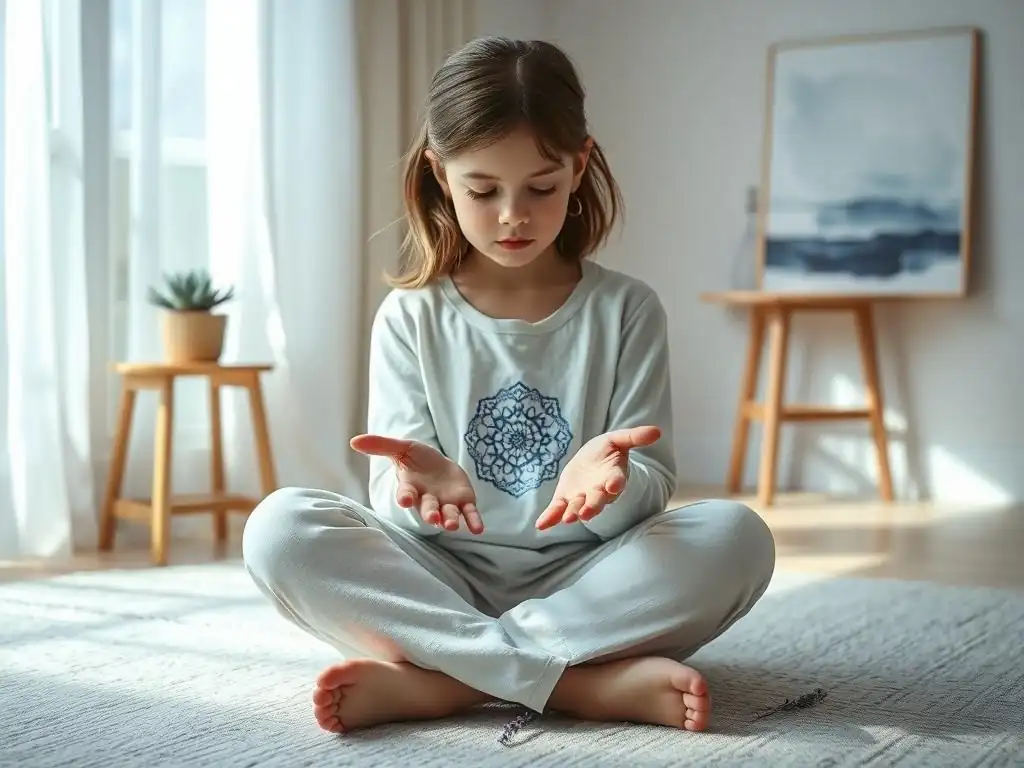
Mindfulness practices don't require hours of silent meditation. Many simple yet effective techniques can be easily incorporated into a teenager's busy schedule to provide quick and lasting mindfulness teens anxiety relief. The key is finding practices that resonate and can be done consistently, even for short periods.
Breathing Exercises for Immediate Anxiety Relief
Focusing on the breath is one of the most accessible and immediate ways to anchor oneself in the present moment and calm the nervous system. Simple breathing techniques can interrupt the anxiety cycle by slowing down the heart rate and promoting relaxation.
Diaphragmatic Breathing: A Simple Technique
Diaphragmatic breathing, also known as belly breathing, is a fundamental technique for activating the body's relaxation response. It involves breathing deeply into the abdomen rather than shallowly into the chest. To practice, a teen can sit or lie down comfortably, place one hand on their chest and the other on their belly. They inhale slowly through the nose, feeling their belly rise, while keeping their chest relatively still.
Then, they exhale slowly through the mouth, allowing the belly to fall. Repeating this for just a few minutes, perhaps 5-10 slow, deep breaths, can significantly reduce feelings of panic and anxiety in the moment. This simple practice provides immediate mindfulness teens anxiety relief by signaling to the nervous system that it's safe to relax.
This technique is effective because it engages the diaphragm, a large muscle located below the lungs, which helps to fully inflate the lungs and slow the breathing rate. Slower, deeper breaths stimulate the vagus nerve, a key component of the parasympathetic nervous system, which is responsible for calming the body down after a stress response. Regularly practicing diaphragmatic breathing can help lower baseline stress levels and make it easier to manage acute anxiety episodes. Teens can use this discretely before a presentation, during a stressful conversation, or whenever they feel overwhelmed.
Alternate Nostril Breathing: Balancing the Nervous System
Alternate nostril breathing, or Nadi Shodhana, is a yogic breathing technique that helps to balance the left and right hemispheres of the brain and calm the nervous system. While it might seem a bit more complex than belly breathing, it's simple once learned and highly effective for reducing anxiety and promoting focus. It involves using a finger to close one nostril while inhaling through the other, then switching and exhaling through the opposite nostril.
The typical pattern is: close the right nostril with the thumb, inhale through the left nostril; close the left nostril with the ring finger, release the right nostril, and exhale through the right; inhale through the right; close the right, release the left, and exhale through the left. This cycle is repeated for several rounds.
While the specific physiological mechanisms are still being researched, practitioners report feeling more balanced, centered, and calm after practicing alternate nostril breathing. It's a slightly more involved technique that can be used when a teen has a few minutes to sit quietly and wants a deeper sense of relaxation and mental clarity, contributing significantly to mindfulness teens anxiety relief.
Mindfulness Meditation for Teens: A Beginner's Guide
Meditation is the core practice of mindfulness, involving sitting quietly and focusing attention, often on the breath, body sensations, or sounds. For beginners, especially teens, starting with short, guided meditations can be very helpful.
Short Guided Meditation for Anxiety Reduction
Guided meditations are led by an instructor's voice, making it easier for beginners to stay focused and gently bring their attention back when their mind wanders. There are countless short guided meditations specifically designed for anxiety reduction, often available on mindfulness apps or websites (though we cannot list them here). These meditations might guide the teen to notice their breath, scan their body for tension, or simply sit with uncomfortable feelings without trying to push them away.
A typical short guided meditation for anxiety might last anywhere from 3 to 10 minutes. The guide might prompt the teen to find a comfortable seated position, close their eyes if comfortable, and simply notice the sensation of the breath entering and leaving the body. They might be instructed to observe any thoughts or feelings that arise without judgment, simply letting them pass like clouds in the sky.
This practice helps teens develop the skill of observing their anxiety from a distance, realizing that thoughts and feelings are temporary and do not define them. Regular practice of these short sessions can build resilience and provide consistent mindfulness teens anxiety relief.
Body Scan Meditation: Connecting with the Present Moment
The body scan meditation is a foundational mindfulness practice that involves systematically bringing attention to different parts of the body, noticing any sensations present – warmth, coolness, tingling, tension, relaxation – without trying to change them. This practice helps teens get out of their heads (where anxiety often resides) and into their bodies, grounding them in the present moment.
To perform a body scan, a teen can lie down or sit comfortably. They are guided to bring their awareness to their toes, noticing any sensations there, then gently moving their attention up through the feet, ankles, lower legs, knees, and so on, until they reach the top of their head. The instruction is simply to observe, with curiosity and non-judgment.
If the mind wanders, which it inevitably will, the teen gently redirects their attention back to the part of the body they were focusing on. This practice increases interoceptive awareness (the ability to sense internal bodily states) and helps teens recognize where they hold tension, often a physical manifestation of anxiety. By simply noticing the sensations, they can sometimes release the tension or at least develop a greater tolerance for uncomfortable physical feelings associated with anxiety, contributing to overall mindfulness teens anxiety relief.
Mindful Movement: Incorporating Activity for Anxiety Management
Mindfulness doesn't have to be sedentary. Incorporating mindful awareness into physical activity can be a powerful way to manage anxiety, combining the benefits of movement with the grounding presence of mindfulness.
Yoga for Teen Anxiety: Poses for Relaxation
Yoga combines physical postures (asanas), breathing exercises (pranayama), and meditation or relaxation. It's a practice that inherently encourages mindfulness by asking participants to pay attention to their body's sensations, their breath, and the connection between the two. Certain yoga poses are particularly helpful for reducing tension and promoting relaxation, which can significantly benefit anxious teens.
Gentle poses like Child's Pose (Balasana), Legs-Up-the-Wall Pose (Viparita Karani), and Corpse Pose (Savasana) are known for their calming effects. Child's Pose is a resting pose that encourages deep breathing and provides a gentle stretch for the back. Legs-Up-the-Wall is a restorative pose that can help calm the nervous system and reduce fatigue.
Savasana, or final resting pose, involves simply lying still and allowing the body and mind to relax completely. Practicing yoga mindfully means paying attention to the sensations in the body during each pose, noticing the stretch, the effort, and the breath, rather than just going through the motions. Regular mindful yoga sessions can build physical strength and flexibility while simultaneously providing significant mindfulness teens anxiety relief by reducing physical tension and calming the mind.
Mindful Walking: Paying Attention to the Senses
Walking is something many teens do regularly, whether it's walking to school, between classes, or just around their neighborhood. Turning a regular walk into a mindful walk involves intentionally paying attention to the sensory experience of walking. This shifts focus away from anxious thoughts about the past or future and grounds the teen firmly in the present moment.
To practice mindful walking, a teen can start by noticing the sensation of their feet touching the ground with each step. They can then expand their awareness to include other sensations: the movement of their legs, the swing of their arms, the feeling of the air on their skin, the sounds around them (cars, birds, wind), and the sights they pass. The goal is not to analyze or judge these sensations but simply to notice them with curiosity.
If the mind starts to wander into worries or to-do lists, the teen gently brings their attention back to the physical sensations of walking. Even a short 10-minute mindful walk can provide a refreshing break from anxiety, offering a practical way to integrate mindfulness teens anxiety relief into their daily routine.
Integrating Mindfulness into Daily Life for Teenagers
Making mindfulness a habit is key to unlocking its long-term benefits for anxiety management. This means finding ways to weave mindful moments into the fabric of daily life, beyond formal meditation practices.
Mindfulness During School: Strategies for the Classroom
School can be a significant source of stress and anxiety for teenagers. Integrating mindfulness into the school day can help them navigate academic pressures, social interactions, and the general demands of the classroom environment.
Dealing with Test Anxiety Mindfully
Test anxiety is a common form of performance anxiety among students. It can manifest as racing thoughts, physical symptoms like a pounding heart or sweaty palms, and difficulty concentrating during the test itself. Mindfulness offers strategies to approach tests with greater calm and focus.
Before a test, a teen can take a few minutes to practice slow, deep breathing to calm their nervous system. During the test, if anxiety arises, they can pause, notice their thoughts and physical sensations without judgment ("Okay, I'm noticing my heart is racing, and I'm thinking I'm going to fail"), and then gently bring their attention back to the question in front of them.
This practice helps the teen recognize that the anxiety is a feeling, not necessarily a reflection of their ability or the reality of the situation. By observing the anxiety rather than being consumed by it, they can regain a sense of control and access their knowledge more effectively.
A study published in the Journal of Applied School Psychology found that mindfulness interventions in schools led to significant reductions in test anxiety among students. Simple techniques like a 60-second mindful breathing break before starting a test can make a notable difference, providing valuable mindfulness teens anxiety relief in a high-pressure situation.
Mindful Listening in Class
In a classroom setting, staying focused and absorbing information can be challenging, especially when the mind is preoccupied with anxious thoughts. Mindful listening is a simple practice that can improve concentration and engagement. It involves intentionally paying full attention to what the teacher is saying or what a classmate is presenting, without simultaneously thinking about other things, planning responses, or getting lost in daydreams or worries.
To practice mindful listening, a teen focuses solely on the sounds of the speaker's voice, the words being used, and the meaning being conveyed. When their mind inevitably wanders (which is normal), they gently notice where it went ("Ah, I was just thinking about that awkward conversation from lunch") and then guide their attention back to the speaker.
This isn't about achieving perfect focus but about building the muscle of attention and non-judgmental awareness. Regularly practicing mindful listening in class not only helps with learning but also provides mini-breaks from internal anxious chatter, contributing to a calmer school experience and offering subtle mindfulness teens anxiety relief throughout the day.
Mindfulness at Home: Creating a Calm Environment
The home environment should ideally be a place of rest and safety, but it can also be a source of stress. Integrating mindfulness into routines at home can help teens manage anxiety and create a more peaceful personal space.
Mindful Eating: Savoring Meals and Reducing Stress
Eating is a daily activity that offers a perfect opportunity for mindfulness. Mindful eating involves paying full attention to the experience of eating – the smells, textures, tastes, and the physical sensations of hunger and fullness – without distractions like screens or rushing. This practice can help teens develop a healthier relationship with food, recognize their body's signals, and reduce the stress often associated with meal times or body image concerns.
To eat mindfully, a teen can start by simply noticing the appearance of their food. Then, they can smell it, take a small bite, and chew slowly, paying attention to the textures and flavors. They notice the urge to swallow and the sensation of the food going down.
They also pay attention to signals of hunger and fullness, deciding when they've had enough based on their body's cues rather than external factors or emotional states. This deliberate slowing down and focusing on the sensory experience provides a grounding practice that takes the mind away from anxious thoughts and into the present moment of nourishment, offering a simple yet effective way to practice mindfulness teens anxiety relief at home.
Digital Detox: Being Mindful of Screen Time
In today's world, screen time is a significant part of a teenager's life, but excessive or unmindful use of phones and social media can contribute to anxiety, comparison, and sleep disruption. A mindful approach to screen time involves being aware of why and how they are using devices and the impact it has on their well-being. This isn't about complete avoidance but about conscious engagement.
A mindful digital detox doesn't necessarily mean giving up screens entirely, but rather setting intentional boundaries and being present when using them. This might involve scheduling specific times for checking social media, turning off notifications during homework or bedtime, or simply pausing before opening an app to ask, "Why am I picking up my phone right now? What am I hoping to gain?"
It also includes noticing the feelings that arise while using screens – comparison, FOMO (Fear Of Missing Out), restlessness – and choosing to disengage if the experience is negative. Being mindful of screen time helps teens regain control over their attention and reduce the constant stimulation that can exacerbate anxiety, contributing to a calmer state of mind and providing valuable mindfulness teens anxiety relief from digital overload.
Overcoming Challenges: Tips for Sustaining a Mindfulness Practice
Starting a mindfulness practice is one thing; sticking with it, especially amidst the demands of teenage life and the presence of anxiety, is another. It's important for teens to know that challenges are normal and there are ways to navigate them.
Dealing with Distractions During Meditation
One of the most common challenges in mindfulness meditation is a wandering mind. Thoughts about the past, future, or even just random ideas constantly pop up. For a teen with anxiety, these thoughts are often worries or worst-case scenarios, making meditation feel difficult or even counterproductive initially. It's crucial to understand that the goal is not to stop thinking, but to notice when the mind has wandered and gently bring it back to the chosen anchor (like the breath) without self-criticism.
Teens can reframe distractions not as failures, but as opportunities to practice mindfulness. Each time they notice their mind has drifted and gently guide it back, they are strengthening their "attention muscle." It can be helpful to name the distraction internally ("Oh, thinking") and then return to the breath.
Shortening the meditation time (starting with just 1-2 minutes) can also make it feel less daunting. Using guided meditations specifically designed for dealing with distractions can also provide helpful prompts and encouragement, reinforcing that dealing with a wandering mind is a normal part of the process and not a sign they are "bad" at mindfulness teens anxiety relief.
Staying Motivated with Mindfulness
Consistency is key to experiencing the full benefits of mindfulness for anxiety, but maintaining motivation can be tough for anyone, let alone busy teenagers. They might feel like they don't have enough time, don't see immediate results, or simply forget to practice.
To stay motivated, teens can try linking mindfulness to existing habits, like practicing a minute of mindful breathing before eating breakfast or doing a short body scan before bed. Finding a mindfulness buddy, perhaps a friend or family member, can provide accountability and support. It's also helpful to focus on small successes – noticing a moment of calm, feeling slightly less reactive in a stressful situation, or sleeping a little better – rather than expecting anxiety to disappear completely.
Reminding themselves why they started practicing mindfulness – to feel calmer, less stressed, and more in control – can also reignite motivation. Tracking practice (even mentally) or using a mindfulness app with progress features can also provide a sense of accomplishment and encourage consistency, helping teens sustain their efforts towards mindfulness teens anxiety relief.
Resources and Support for Teens and Parents
Accessing the right resources and support is vital for teenagers exploring mindfulness as a tool for anxiety management. There are many tools available, from digital apps to books and professional help.
Mindfulness Apps and Websites for Teenagers with Anxiety
Technology can be a great way to make mindfulness accessible and engaging for teens. Several apps offer guided meditations and practices tailored for younger audiences or specific issues like anxiety.
Insight Timer: Free Guided Meditations
Insight Timer is a popular free app that offers a vast library of guided meditations, talks, and music from thousands of teachers worldwide. It includes many meditations specifically designed for teens, addressing topics like anxiety, stress, sleep, and self-compassion. The app also features a timer for unguided meditation and community features.
Its extensive free content makes it a highly accessible resource for teens looking to explore various mindfulness practices and find what resonates with them. The sheer volume of options means teens can find different voices and styles of meditation, keeping the practice fresh and engaging as they work towards mindfulness teens anxiety relief.
Calm: Sleep Stories and Relaxation Techniques
Calm is another widely used app that offers guided meditations, sleep stories, breathing programs, and relaxing music. While it requires a subscription for full access, it often provides a free trial period or limited free content. Calm's sleep stories, narrated by soothing voices, can be particularly helpful for teens whose anxiety interferes with sleep. The app's focus on relaxation techniques and guided imagery also offers alternative entry points into mindfulness beyond traditional sitting meditation. Its polished interface and variety of content make it appealing to many users, providing diverse avenues for practicing mindfulness teens anxiety relief.
Headspace: Beginner-Friendly Mindfulness Courses
Headspace is known for its beginner-friendly approach, offering structured courses on various topics, including anxiety, stress, and focus. It uses simple animations and clear instructions to explain mindfulness concepts, making it very accessible for those new to the practice. Like Calm, it's a subscription-based service, but its guided programs are designed to build mindfulness skills progressively over time. Headspace's emphasis on making mindfulness simple and actionable can be particularly beneficial for teens who prefer a structured learning approach to incorporating mindfulness into their lives and achieving mindfulness teens anxiety relief.
Books and Articles on Mindfulness for Teenagers
For teens who prefer reading or parents looking for more in-depth information, several books and articles specifically address mindfulness for the adolescent experience.
"Mindfulness for Teen Anxiety: A Workbook for Overcoming Anxiety at School, at Home, and Everywhere Else" by Tanya J. Peterson
This workbook offers practical, hands-on exercises based on mindfulness and acceptance and commitment therapy (ACT) principles. It's designed to be interactive, guiding teens through activities that help them understand their anxiety, challenge negative thoughts, and develop coping strategies. The workbook format allows teens to engage directly with the material and apply the concepts to their specific situations, making it a highly practical resource for managing anxiety across different environments. This book provides concrete steps and exercises tailored for mindfulness teens anxiety relief in everyday scenarios.
"The Mindful Teen: Powerful Skills to Help You Handle Stress One Moment at a Time" by Dzung X. Vo
Written by a pediatrician specializing in adolescent medicine, this book introduces mindfulness concepts and practices in a relatable way for teenagers. It covers topics like managing stress, difficult emotions, and improving focus and self-compassion. The book uses real-life examples and incorporates elements from Mindfulness-Based Stress Reduction (MBSR) and Mindfulness-Based Cognitive Therapy (MBCT), adapted for a teen audience. It serves as a comprehensive guide for teens wanting to understand mindfulness and learn how to apply it to the challenges they face, offering powerful skills for lasting mindfulness teens anxiety relief.
When to Seek Professional Help: Recognizing the Signs of Severe Anxiety
While mindfulness is a powerful tool for managing mild to moderate anxiety, it is not a substitute for professional mental health care, especially when anxiety is severe or significantly impacting a teen's life. It's crucial for teens and their parents to recognize when anxiety symptoms warrant professional evaluation and support from a therapist, counselor, or psychiatrist.
Signs that may indicate a need for professional help include persistent and intense worry that is difficult to control, significant avoidance of school, social situations, or other important activities due to fear, panic attacks, significant changes in sleep or appetite, or thoughts of self-harm. If anxiety is interfering with daily functioning for an extended period, causing significant distress, or if the teen is struggling to cope, seeking professional help is a sign of strength and an important step towards recovery.
Mental health professionals can provide diagnosis, therapy (such as Cognitive Behavioral Therapy or Exposure Therapy, often used in conjunction with mindfulness), and potentially medication if needed, offering comprehensive support beyond what mindfulness alone can provide for complex cases of mindfulness teens anxiety relief.
Supporting Your Teen's Mindfulness Journey: A Guide for Parents
Parents play a crucial role in supporting their teenager's mental well-being and their efforts to learn mindfulness. Their encouragement and understanding can make a significant difference in a teen's willingness to engage with the practice.
Parents can support their teen by first educating themselves about anxiety and mindfulness. This helps them understand what their teen is going through and how mindfulness can help. They can encourage their teen's efforts without pressure, perhaps suggesting trying a guided meditation together or incorporating mindful moments into family routines, like mindful eating during dinner.
Providing access to resources like apps or books, and creating a calm, supportive home environment free from excessive criticism or pressure are also helpful. Importantly, parents should model mindfulness themselves; teens are more likely to adopt practices they see their parents valuing and using. Finally, being open to discussing their teen's experiences with anxiety and mindfulness, and being ready to seek professional help when needed, are key components of supportive parenting in this context, fostering a supportive atmosphere for mindfulness teens anxiety relief.
Conclusion: Embracing Mindfulness for Long-Term Anxiety Management in Teens
Anxiety is a significant challenge for many teenagers, but mindfulness offers a proven, accessible pathway to finding relief and building resilience. By incorporating simple practices like mindful breathing, short meditations, and mindful movement into their daily lives, teens can develop the skills to navigate anxious thoughts and feelings with greater ease and self-compassion.
The Future of Mindfulness and Mental Wellness for Teenagers
The growing body of research supporting the benefits of mindfulness, coupled with increasing awareness of adolescent mental health challenges, suggests that mindfulness will continue to play a vital role in supporting teenagers. As mindfulness becomes more integrated into schools, healthcare, and family life, more teens will have access to these valuable tools.
The focus is shifting towards empowering young people with practical, evidence-based strategies for managing stress and anxiety proactively. Embracing mindfulness is not just about short-term mindfulness teens anxiety relief; it's about cultivating lifelong skills for emotional regulation, self-awareness, and overall mental wellness, helping the next generation face life's challenges with greater calm and confidence.
Frequently Asked Questions
What is mindfulness, and how can it help teens with anxiety?
Mindfulness involves paying attention to the present moment without judgment. For teens with anxiety, it can reduce overthinking and emotional reactivity, providing anxiety relief.
What are some simple mindfulness exercises that teens can easily incorporate into their daily routines?
Teens can try mindful breathing, focusing on the sensation of each breath. Another option is body scan meditations, paying attention to different parts of the body. They can also try mindful walking.
How often should teens practice mindfulness to experience its benefits for anxiety relief?
Even short, regular sessions of mindfulness, such as 5-10 minutes daily, can be effective. Consistency is key for experiencing sustained benefits and reducing anxiety.
Are there any potential drawbacks or challenges to using mindfulness for anxiety in teens?
Some teens might find it difficult to focus initially or may experience increased anxiety if they are overwhelmed. It's important to start slowly and gently, and seek guidance if needed.
Where can teens find additional resources and support for learning and practicing mindfulness for anxiety?
The Mind Care Guide and other websites offer guided meditations, articles, and information. Teens can also explore mindfulness apps and consult with mental health professionals.
Final Reflection: Cultivating Calm in a Chaotic World
The relentless pace of modern life, amplified for teens navigating academic pressures, social media, and identity formation, often leads to overwhelming anxiety. This article explored practical, accessible mindfulness techniques designed to equip young people with the tools to manage their anxiety and cultivate inner peace. These aren't just fleeting solutions; they're foundational skills for a lifetime of well-being.
The impact of mindfulness on mental health, particularly for teens, is undeniable. It's not just about reducing anxiety symptoms; it's about fostering self-awareness, emotional regulation, and a greater sense of control. Mindfulness isn't about escaping life; it's about finding peace within it.
This quote perfectly encapsulates the transformative power of these practices. Witnessing the growing acceptance and integration of mindfulness into schools and therapeutic settings is incredibly encouraging, signifying a shift towards prioritizing mental health and emotional intelligence.
You, the reader, now hold the key to unlocking a calmer, more resilient self. Don't just passively absorb this information; actively incorporate these techniques into your daily life. Start small – a few minutes of deep breathing each day, a mindful walk in nature, or even just paying attention to the sensations of eating a meal. The journey to inner peace is a personal one, but with consistent practice, you will discover the profound benefits of mindfulness in navigating the challenges and celebrating the joys of adolescence and beyond.
Unlock Your Calm: Start Practicing Mindfulness Today!
Thanks for taking the time to explore practical mindfulness techniques for managing teen anxiety. We hope you found valuable insights to help navigate those challenging moments. Now, let's put these tools into action!
- Prioritize one mindfulness exercise: Choose the technique that resonated most with you (deep breathing, body scan, or mindful walking) and commit to practicing it for just 5 minutes daily this week. Even small steps make a big difference!
- Share your experience: Let us know in the comments which exercise you chose and how it made you feel. Your feedback inspires others!
- Explore guided meditations: Many free apps offer guided meditations specifically designed for teens. Try one and discover a new way to relax and focus.
Ready to experience the transformative power of mindfulness? What small step will you take today to cultivate more calm and focus in your life?