
Quick Daily Mindfulness Habits for Lasting Stress Reduction

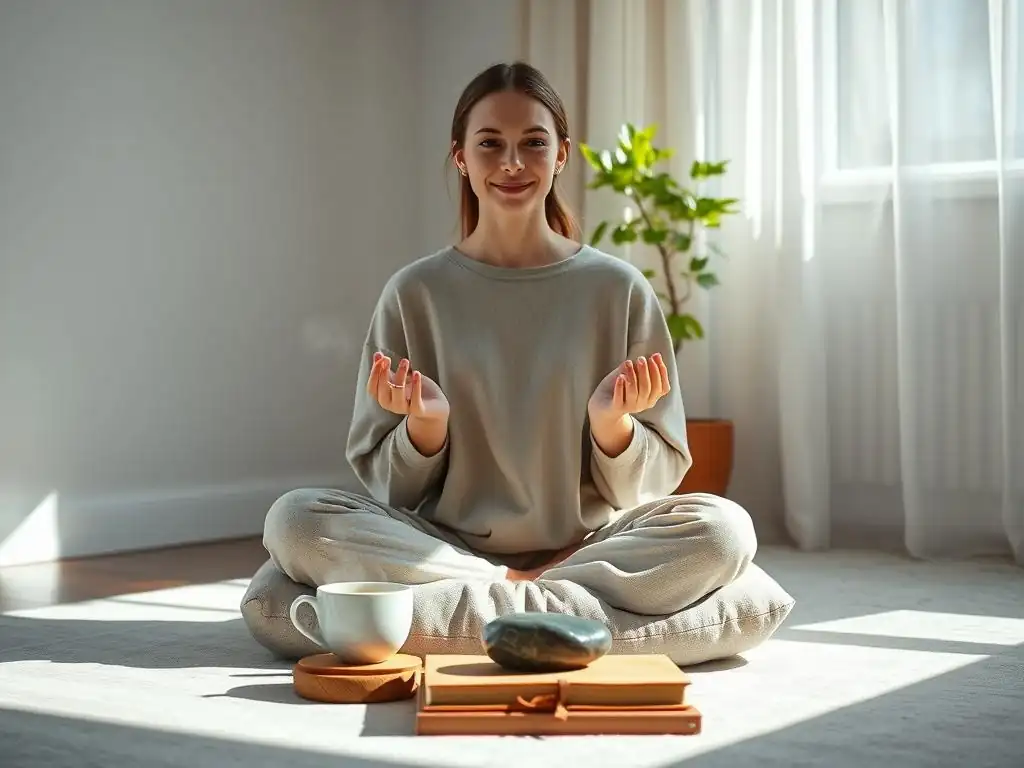
Welcome to Mind Care Guide, a safe space dedicated to nurturing your mental well-being. Feeling overwhelmed? You're not alone. Discover how incorporating daily mindfulness can be a powerful antidote to the pervasive stress and anxiety that impacts so many of us. Intrigued? Read on to learn about simple, effective techniques that can help you reclaim your peace of mind and build lasting resilience.
Quick Daily Mindfulness Habits for Lasting Stress Reduction
- Introduction: Embracing Mindfulness for Daily Stress Relief
- Simple Mindfulness Exercises to Integrate Into Your Day
- Cultivating Mindfulness Throughout Your Daily Routine
- Overcoming Challenges and Maintaining a Consistent Mindfulness Practice
- Conclusion: Embracing a Mindful Life for Lasting Well-being
-
Frequently Asked Questions
- What exactly is mindfulness, and how does it relate to stress and anxiety?
- How quickly can I expect to see results from practicing daily mindfulness?
- What are some quick and easy mindfulness habits I can incorporate into my daily routine?
- What if I find it difficult to focus or my mind wanders during mindfulness exercises?
- Are there any resources or tools available to help me develop a daily mindfulness habit?
- Final Reflection: Cultivating Inner Peace Through Daily Mindfulness
- Unleash Your Inner Calm: Start Practicing Mindfulness Today!
Introduction: Embracing Mindfulness for Daily Stress Relief
Understanding the Power of Mindfulness in Reducing Stress and Anxiety
Mindfulness is the practice of intentionally bringing one's attention to the present moment, without judgment. This simple yet profound practice has been shown to be incredibly effective in helping individuals cope with the relentless pressures of modern life. By focusing on the here and now, we can detach from worrying thoughts about the future or ruminations about the past, which are common sources of stress and anxiety.
Engaging in daily mindfulness practices helps to create a buffer against life's challenges, allowing for a more centered and calm response rather than a reactive one. It cultivates a greater awareness of our internal state and external environment, enabling us to recognize stress triggers and respond to them more skillfully.
Why Daily Mindfulness Practices are Crucial for Mental Well-being
While occasional meditation or mindful moments are beneficial, incorporating daily mindfulness into your routine offers cumulative benefits for mental well-being. Just like physical exercise builds strength and endurance over time, daily mindfulness strengthens your ability to manage emotions, increase focus, and reduce the impact of stress. Consistent practice helps to retrain the brain, making mindful awareness a more automatic response to stressors.
This daily discipline supports not just stress reduction but also enhances overall emotional resilience, improves sleep quality, and can even boost immune function. Making daily mindfulness a non-negotiable part of your day is an investment in long-term mental health and a more peaceful existence.
The Science Behind Mindfulness: How it Alters Brain Activity and Reduces Cortisol
Research into mindfulness has revealed compelling evidence of its impact on the brain and body. Studies using fMRI scans have shown that regular mindfulness meditation can lead to structural changes in the brain, such as increased gray matter density in areas associated with learning, memory, emotional regulation, and perspective-taking, including the prefrontal cortex and hippocampus. Simultaneously, it's often linked to a decrease in gray matter in the amygdala, the brain region responsible for the fight-or-flight response and processing fear and anxiety.
Furthermore, daily mindfulness practices have been associated with a reduction in cortisol levels, the primary stress hormone. Chronic stress elevates cortisol, which can have detrimental effects on physical and mental health.
By buffering the stress response, daily mindfulness helps regulate cortisol, contributing significantly to reducing stress and anxiety over time. For instance, research suggests significant reductions in perceived stress levels, sometimes upwards of 30-40%, after just an 8-week course of mindfulness training, alongside observable changes in brain activity patterns.
Simple Mindfulness Exercises to Integrate Into Your Day

Mindful Breathing: Your First Step to Daily Calm
Mindful breathing is perhaps the most accessible and fundamental mindfulness practice. It involves simply bringing your attention to the sensation of your breath as it enters and leaves your body. There's no need to change your breath, just observe it. This focus on the breath serves as an anchor, grounding you in the present moment.
When your mind inevitably wanders to worries or distractions, gently acknowledge the thought without judgment and guide your attention back to the breath. Techniques like the 4-7-8 breathing, where you inhale for a count of four, hold for seven, and exhale for eight, can be particularly effective for quickly calming the nervous system and reducing immediate feelings of stress or anxiety. Practicing this for even a few minutes can interrupt the stress cycle.
Beyond simple observation or paced techniques, focusing on diaphragmatic breathing (or belly breathing) can enhance relaxation. This involves breathing deeply into your abdomen, allowing your belly to rise with each inhale and fall with each exhale, rather than shallowly into your chest. Deep, slow breaths stimulate the vagus nerve, which is connected to the parasympathetic nervous system, responsible for the body's rest and digest state.
Incorporating a 5-minute guided breathing meditation into your morning or evening routine can establish a consistent practice. You can find many simple scripts or audio guides online that gently lead you through focusing on your breath, noticing sensations, and returning to the present moment, reinforcing the habit of daily mindfulness to reduce stress and anxiety.
Mindful Observation: Enhancing Awareness of Your Surroundings
Mindful observation involves deliberately paying attention to the sensory details of your immediate environment. This practice pulls your awareness out of your head and into the external world, disrupting cycles of anxious thought. A simple exercise is to engage your senses: notice five things you can see, four things you can touch, three things you can hear, two things you can smell, and one thing you can taste.
This grounds you firmly in the present moment by focusing on concrete, immediate sensory input. It helps to quiet the mental chatter and fosters a sense of presence, which is crucial for managing stress and anxiety.
Cultivating a non-reactive mind is a key aspect of mindful observation. This means noticing thoughts, feelings, or sensations without getting swept away by them or labeling them as good or bad. For instance, if you notice a thought about a future deadline, you simply observe it as "a thought about a deadline" rather than immediately engaging with the associated worry.
Tips for grounding yourself in the present moment through observation include focusing on the feeling of your feet on the ground, the weight of your body in a chair, or the texture of an object in your hand. These small acts of focused attention throughout the day reinforce your ability to stay present and less caught up in stress-inducing mental narratives, integrating daily mindfulness reduce stress anxiety effectively.
Mindful Movement: Releasing Tension Through Gentle Activity
Mindful movement is about bringing conscious awareness to how your body feels as it moves. It's not about intense exercise but about gentle, intentional motion that helps release physical tension, which is often a storage place for stress and anxiety. Mindful walking is an excellent example; rather than rushing from point A to point B, you pay attention to the sensation of your feet hitting the ground, the swing of your arms, the rhythm of your breath, and the sights and sounds around you. This transforms a mundane activity into a grounding practice, connecting your mind and body.
Gentle stretching is another powerful form of mindful movement. As you stretch, pay attention to the sensations in your muscles – noticing tightness, release, and the feeling of lengthening. Hold stretches with awareness, breathing into areas of tension. This practice not only improves flexibility but also helps you identify and release physical stress held within the body.
A simple 5-minute gentle stretching routine can be done at your desk or upon waking. Focus on neck rolls, shoulder shrugs, gentle twists, and hamstring stretches, paying close attention to the physical sensations. This conscious movement helps to reduce physical symptoms of stress and supports your daily effort to reduce stress and anxiety through mindfulness.
Cultivating Mindfulness Throughout Your Daily Routine
Mindful Eating: Savoring Each Bite and Reducing Overeating
Mindful eating is the practice of bringing your full attention to the experience of eating. It involves slowing down, paying attention to the sensory details of your food, and noticing the signals of hunger and fullness from your body. By focusing on taste, texture, smell, and even the visual appeal of your meal, you enhance the eating experience and derive more pleasure from your food. This heightened awareness can prevent the mindless consumption that often leads to overeating or poor dietary choices, which can indirectly impact stress levels and overall well-being.
Reducing distractions during meals is crucial for creating a mindful eating environment. This means putting away phones, turning off screens, and ideally, eating in a calm setting. When you're not distracted, you can better tune into your body's cues.
A classic mindful eating exercise is the Raisin Meditation: take a single raisin, examine it closely, feel its texture, smell it, slowly bring it to your mouth, notice the sensations before you chew, chew it very slowly, paying attention to the changing texture and taste, and finally, mindfully swallow. This simple exercise, though focused on a small object, illustrates how to bring complete awareness to the act of eating, a habit that can be extended to all your meals as part of your daily mindfulness to reduce stress anxiety.
Mindful Communication: Fostering Deeper Connections
Mindful communication involves being fully present and engaged when interacting with others. It's about listening with intention and speaking with awareness, fostering deeper, more meaningful connections. Active listening is a core component; this means giving your undivided attention to the speaker, truly hearing their words, observing their body language, and refraining from interrupting or planning your response while they are still speaking. It shows respect and builds trust, reducing misunderstandings that can be sources of stress in relationships.
Speaking with intention means choosing your words carefully, being aware of their potential impact, and expressing yourself honestly and kindly. It involves pausing before responding, especially in emotionally charged situations, to ensure your words are helpful and constructive rather than reactive. Practicing empathy in conversations is also vital – attempting to understand and share the feelings of another person. By communicating mindfully, you reduce the likelihood of conflict, improve relationship quality, and experience less interpersonal stress, contributing to the overall goal of using daily mindfulness reduce stress anxiety in all areas of life.
Mindful Work: Increasing Focus and Reducing Workplace Stress
The workplace can be a significant source of stress, but daily mindfulness can help navigate its challenges more effectively. Taking mindful breaks throughout the day is essential for recharging your mind and preventing burnout. Instead of scrolling through social media during a break, try a 5-minute mindful breathing exercise, a short walk, or simply sit quietly and observe your surroundings. These brief pauses help clear your head and return to tasks with renewed focus.
Focusing on one task at a time, known as single-tasking, is a powerful mindful work habit. In an age of constant notifications and multitasking pressure, deliberately dedicating your full attention to the current task enhances productivity and reduces the feeling of being overwhelmed. When your mind wanders, gently bring it back to the task at hand.
Techniques like the Pomodoro Technique, which involves working for focused intervals (e.g., 25 minutes) followed by short breaks, can be combined with mindful breaks to structure your workday. Using the breaks for mindful breathing or stretching, rather than switching to another mentally demanding activity, reinforces your daily mindfulness reduce stress anxiety efforts and improves concentration.
Overcoming Challenges and Maintaining a Consistent Mindfulness Practice
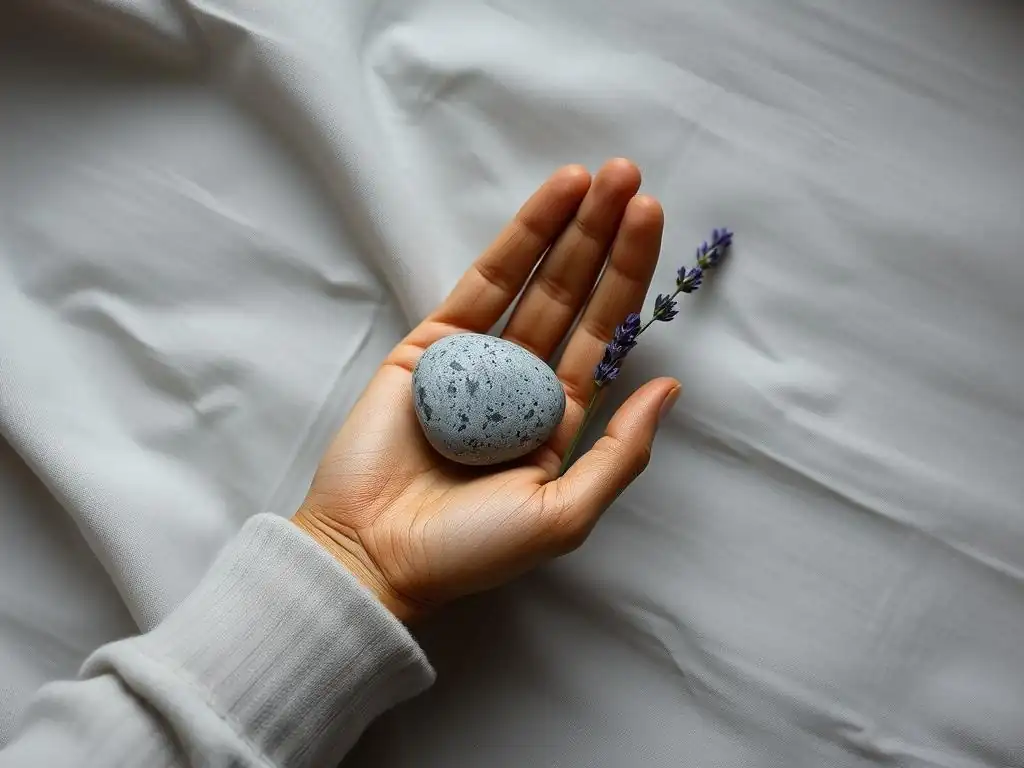
Dealing with Distractions: Staying Focused on the Present Moment
One of the most common challenges in developing a daily mindfulness practice is dealing with distractions. The mind is naturally prone to wandering, drifting to thoughts about the past, future, or unrelated topics. The key is not to eliminate distractions, which is often impossible, but to change your relationship with them. Acknowledge distractions without judgment; simply notice the thought or sensation that pulled your attention away. Don't criticize yourself for getting distracted; it's a normal part of the process.
The practice lies in gently but firmly returning your attention to your chosen focus, whether it's the breath, bodily sensations, or sounds. Each time you notice your mind has wandered and you bring it back, you strengthen your "mindfulness muscle." Using anchors can be particularly helpful to re-center during meditation or throughout the day.
Your breath, bodily sensations, or a specific object you focus on can serve as your anchor. When you realize you're distracted, consciously shift your attention back to this anchor, reinforcing your ability to stay grounded and present, thereby supporting your daily mindfulness reduce stress anxiety goals.
Making Time for Mindfulness: Integrating It Into Your Busy Schedule
Finding time for daily mindfulness can feel daunting in a busy schedule, but it doesn't require hours. Starting small is key; commit to just a few minutes each day. Even 2-5 minutes of focused breathing or mindful observation can make a difference. The goal is consistency, not duration. Once you experience the benefits, you may naturally want to practice for longer periods.
Look for opportunities for mindfulness throughout your day, integrating it into activities you already do. This is often called "informal mindfulness." For instance, practice mindful eating during lunch, mindful walking during your commute or while running errands, or mindful listening during conversations. Integrating mindfulness into your commute, whether driving (paying attention to the road, sounds, and your physical state) or using public transport (observing your surroundings, focusing on your breath), can turn stressful travel time into a grounding practice. These small, consistent efforts build the habit of daily mindfulness reduce stress anxiety effectively over time.
The Long-Term Benefits of Daily Mindfulness for Stress Reduction and Anxiety Management
Committing to daily mindfulness yields significant long-term benefits for stress reduction and anxiety management. Regular practice increases your resilience to stressful situations, meaning you are better equipped to handle challenges without becoming overwhelmed. It builds emotional regulation skills, allowing you to observe difficult emotions without being consumed by them and choose a skillful response rather than reacting impulsively. This leads to improved mental clarity and a greater sense of calm.
Studies consistently demonstrate the effectiveness of mindfulness-based interventions. For example, research on Mindfulness-Based Stress Reduction (MBSR), an 8-week program involving daily meditation and yoga, has shown clinically significant reductions in symptoms of anxiety and depression, and improvements in overall psychological well-being, with effects often sustained over time. Participants frequently report lower levels of perceived stress, improved coping abilities, and a greater sense of peace. These findings underscore that daily mindfulness reduce stress anxiety not just in the moment, but fundamentally changes your capacity to navigate life's difficulties with greater ease and presence.
Conclusion: Embracing a Mindful Life for Lasting Well-being
Recap of Key Mindfulness Habits for Daily Stress Reduction
This article has explored various simple yet powerful daily mindfulness habits that can significantly reduce stress and anxiety. We've looked at practices like mindful breathing, mindful observation, mindful movement, mindful eating, mindful communication, and mindful work. Each of these offers a path to bringing greater awareness to everyday activities, shifting from a state of autopilot and reactivity to one of presence and calm. Implementing even a few of these habits consistently can create noticeable positive changes in how you experience and respond to stress.
Encouragement to Continue Practicing Mindfulness
Embarking on a journey of daily mindfulness is a commitment to your well-being. There will be days when it feels challenging, when your mind is particularly restless, or when time feels scarce. Be patient and compassionate with yourself. Remember that mindfulness is a practice, not a destination. Each moment you choose to bring your attention back to the present, you are strengthening your capacity for peace and resilience. The cumulative effect of these small, daily efforts is profound, allowing you to cultivate a more centered and fulfilling life with reduced stress and anxiety.
Recommended Mindfulness Apps and Online Resources.
To support your daily mindfulness practice, numerous resources are available. Many excellent mindfulness apps offer guided meditations of various lengths, mindful movement practices, and tools for tracking your progress. Popular options include Headspace, Calm, Insight Timer, and Ten Percent Happier. Additionally, many websites and online platforms offer free guided meditations, articles, and courses on mindfulness. Exploring these resources can provide guidance, variety, and support as you integrate daily mindfulness reduce stress anxiety and enhance your overall well-being.
Frequently Asked Questions
What exactly is mindfulness, and how does it relate to stress and anxiety?
Mindfulness is paying attention to the present moment without judgment. Practicing it daily can reduce stress and anxiety by helping you become more aware of your thoughts and feelings, rather than being overwhelmed by them.
How quickly can I expect to see results from practicing daily mindfulness?
While individual experiences vary, many people notice a reduction in stress and anxiety within a few weeks of consistent daily mindfulness practice. Remember, it's a journey, not a race, so be patient with yourself!
What are some quick and easy mindfulness habits I can incorporate into my daily routine?
Simple habits include mindful breathing for a few minutes, paying attention to your senses during meals (mindful eating), or taking short breaks throughout the day to observe your surroundings.
What if I find it difficult to focus or my mind wanders during mindfulness exercises?
It's perfectly normal for your mind to wander. Gently redirect your attention back to your chosen focus, like your breath, without judgment. This process is actually part of the mindfulness practice itself.
Are there any resources or tools available to help me develop a daily mindfulness habit?
Yes, many apps, websites, and guided meditations can support your mindfulness journey. Look for resources from reputable sources and experiment to find what works best for you in reducing stress and anxiety.
Final Reflection: Cultivating Inner Peace Through Daily Mindfulness
The relentless pace of modern life leaves many feeling overwhelmed and stressed, yet the antidote—daily mindfulness—is readily available. This article explored practical, easily integrated mindfulness techniques designed to combat anxiety and promote lasting stress reduction. The simplicity of these practices belies their profound impact on mental well-being, offering a powerful tool for navigating the complexities of daily life.
The integration of mindfulness into our daily routines isn't merely a trend; it's a fundamental shift in how we approach our well-being. It's a recognition that lasting peace isn't found in external circumstances, but cultivated within. This resonates deeply with me, as I've personally experienced the transformative power of even a few minutes of daily mindful practice. The mind is everything. What you think you become.
– Buddha. This quote encapsulates the core message: our thoughts shape our reality, and mindfulness provides the tools to shape them consciously, fostering a more positive and resilient inner landscape.
Now, I invite you to consider how you can incorporate these simple yet powerful techniques into your own life. Start small, perhaps with just one minute of mindful breathing each day. Observe the subtle shifts in your mood, your energy levels, and your overall sense of well-being. Remember, the journey to lasting stress reduction is a personal one, and every mindful moment is a step towards a calmer, more fulfilling life. Embrace the practice, and watch as inner peace blossoms.
Unleash Your Inner Calm: Start Practicing Mindfulness Today!
Thanks for taking the time to explore the power of mindfulness with us! We hope you’ve gained valuable insights into how even small daily practices can significantly reduce stress and improve your well-being. Now it's time to put your newfound knowledge into action.
- Prioritize your breathing: Begin with just 5 minutes of mindful breathing each morning. This simple act can set a calm and focused tone for your entire day. This is your primary action to begin your mindfulness journey!
- Share your journey: Tell a friend or family member about your experience with mindfulness. Their support can be incredibly valuable as you build your practice.
- Explore a guided meditation: Try a short guided meditation – it can be a surprisingly effective way to center yourself and release tension.
Ready to experience the transformative power of consistent mindfulness? What small step will you take today to prioritize your mental well-being?