
Vipassana vs. Mindfulness: Understanding the Key Differences

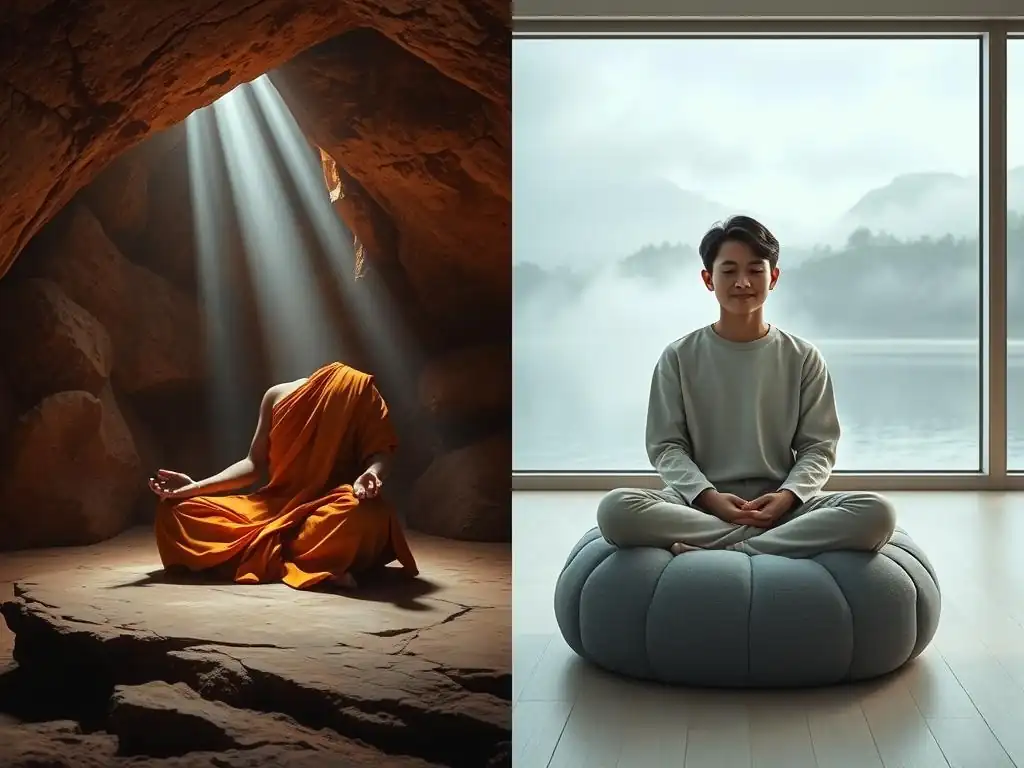
Welcome to Mind Care Guide.
Are you feeling overwhelmed by the noise in your mind? Perhaps searching for a path to inner peace and clarity? You're not alone. Many struggle to find effective ways to navigate the complexities of their mental well-being. That's why we're here. Dive in to explore the powerful world of mindfulness and meditation, starting with a deep dive into Vipassana mindfulness meditation techniques and how they compare to other mindfulness practices. Discover the key differences and find the right approach to unlock your inner calm. Ready to begin?
Vipassana vs. Mindfulness: Understanding the Key Differences in Meditation Techniques
- Introduction to Vipassana and Mindfulness Meditation
- Key Differences Between Vipassana and Mindfulness Practices
- Vipassana Meditation: A Deeper Dive into Insight Meditation
- Mindfulness Meditation: Applications and Benefits
- Comparing Vipassana Mindfulness Meditation Techniques: A Detailed Analysis
- Choosing the Right Meditation Technique for You
- Potential Challenges and Considerations
- Conclusion: Embracing the Power of Vipassana and Mindfulness Meditation Techniques
-
Frequently Asked Questions
- What is Vipassana meditation, and how does it differ from general mindfulness meditation?
- What are the core techniques involved in Vipassana mindfulness meditation?
- How can Vipassana mindfulness meditation techniques benefit mental well-being?
- Are there any specific resources or guides available on Mind Care Guide for learning Vipassana mindfulness meditation techniques?
- What are some common challenges faced when practicing Vipassana mindfulness meditation, and how can they be overcome?
- Final Reflection: Unveiling the Depth of Insight Meditation
- Unlock Your Inner Peace: Dive Deeper into Meditation
Introduction to Vipassana and Mindfulness Meditation
Defining Mindfulness Meditation: A Broad Overview
Mindfulness meditation, in its contemporary, secular form, is primarily defined as the practice of intentionally bringing one's attention to the present moment without judgment. This widely adopted approach encourages individuals to observe their thoughts, feelings, bodily sensations, and surrounding environment as they arise, acknowledging them without getting carried away or trying to change them. It is about cultivating a state of awareness and acceptance of one's current experience, fostering a greater sense of calm and clarity.
The modern surge in the popularity of mindfulness is largely attributed to programs like Mindfulness-Based Stress Reduction (MBSR), developed by Jon Kabat-Zinn in the late 1970s. These programs often structure the practice over several weeks, typically eight, involving guided meditations, body scans, mindful movement, and group discussions.
Research supporting mindfulness is extensive, with studies indicating its effectiveness in reducing stress, anxiety, and depression symptoms, improving focus, and enhancing emotional regulation. For instance, a meta-analysis published in JAMA Internal Medicine in 2014 reviewed 47 trials with 3,515 participants and found moderate evidence of mindfulness meditation programs improving anxiety, depression, and pain, suggesting its tangible impact on mental well-being.
Understanding Vipassana Meditation: Insight Through Observation
Vipassana meditation, meaning "to see things as they really are," is an ancient Indian meditation practice and one of the oldest forms of Buddhist meditation. Its core purpose is to develop profound insight into the true nature of reality, specifically the impermanence (anicca), suffering (dukkha), and non-self (anatta) of all phenomena. This is achieved through systematic and sustained self-observation, focusing particularly on the sensations of the body, which are seen as a gateway to understanding deeper truths.
The practice involves observing bodily sensations with equanimity, neither reacting with craving nor aversion. This non-reactive observation is believed to purify the mind by gradually dissolving accumulated mental defilements and habitual reaction patterns. Vipassana is often taught in intensive, silent retreats, typically lasting 10 days or longer, where participants dedicate many hours daily to meditation practice, following strict ethical guidelines. This immersive environment is considered essential for cultivating the necessary depth of concentration and awareness required for the practice to yield its transformative insights into the nature of existence.
Key Differences Between Vipassana and Mindfulness Practices
Intention and Goal: What are you trying to achieve?
Vipassana: Seeking Deep Insight and Liberation
The primary intention of Vipassana meditation is to gain deep, experiential insight into the fundamental characteristics of existence – impermanence, suffering, and non-self. The ultimate goal is liberation from suffering (Nirvana) through the purification of the mind. This is not just about feeling calm or less stressed, although those can be byproducts. It is a rigorous path aimed at fundamentally changing one's relationship with reality by understanding its true, often uncomfortable, nature.
This path requires sustained effort and a commitment to observing reality without distortion. Practitioners systematically examine physical sensations and mental phenomena to see their arising and passing, thereby directly experiencing impermanence. By seeing how clinging to pleasant sensations and pushing away unpleasant ones leads to suffering, they develop wisdom about dukkha. Observing the impersonal nature of these phenomena helps dismantle the illusion of a permanent, independent self ( anatta). This deep, experiential understanding is the core aim, distinguishing it significantly from practices focused solely on present moment awareness for stress reduction.
Mindfulness: Cultivating Present Moment Awareness
In contrast, the primary intention of contemporary secular mindfulness meditation is often to cultivate present moment awareness and develop a non-judgmental attitude towards one's experience. The goals are typically focused on improving psychological well-being, reducing stress, managing difficult emotions, enhancing focus, and increasing self-compassion. While insight may arise, it is usually a secondary benefit rather than the central, explicit aim.
Mindfulness aims to help individuals navigate the challenges of daily life with greater ease and resilience. By practicing being present and non-reactive, individuals can step out of automatic thought patterns and emotional spirals. This can lead to a greater capacity to respond skillfully to difficult situations rather than reacting impulsively. The benefits are practical and aimed at improving the quality of one's everyday experience, such as better sleep, reduced rumination, and improved interpersonal relationships, as supported by numerous studies in applied psychology and health fields.
Techniques and Methods: How do they differ?
Vipassana Meditation Techniques: Focused Attention and Body Scan
Vipassana meditation techniques typically begin with developing concentration, often through focused attention on the breath (Anapana meditation). This initial stage builds the mental stability needed for the main practice. The core Vipassana technique then involves a systematic scanning of the body, moving attention methodically from head to toe, observing any and all physical sensations that arise – tingling, pressure, heat, cold, vibration, pain, pleasure, etc.
The crucial element is observing these sensations objectively, without labeling them as good or bad, desirable or undesirable. The practice is to simply notice their presence, their intensity, their location, and their impermanent nature – how they arise and pass away. This detailed, systematic observation of bodily sensations is the primary tool used to gain insight into the nature of reality. While breath awareness continues, the emphasis shifts to this body scan and the development of equanimity towards sensations.
Mindfulness Meditation Techniques: Open Monitoring and Acceptance
Mindfulness meditation techniques, particularly in secular contexts, often utilize a broader approach known as open monitoring. While focused attention on the breath is also a common starting point, the practice often expands to encompass a wider range of present-moment experiences – thoughts, emotions, sounds, sights, smells, as well as bodily sensations. The practitioner observes whatever arises in their field of awareness without specific focus on a particular object like bodily sensations across the entire body.
A key aspect of mindfulness techniques is cultivating acceptance and non-judgment. When thoughts or feelings arise, the practice is to notice them without getting entangled, simply acknowledging their presence with kindness. This gentle, accepting attitude is paramount. Mindfulness techniques are often more varied than traditional Vipassana, including practices like mindful eating, walking meditation, and mindful communication, all aimed at bringing awareness to different aspects of daily life rather than solely focusing on systematic body scanning for deep insight.
Origin and History: Tracing their Roots
Vipassana: Ancient Buddhist Origins and Lineage
Vipassana meditation has deep roots in ancient India, tracing back to the teachings of the historical Buddha, Siddhartha Gautama, over 2,500 years ago. It is considered the essence of his path to enlightenment. The practice was preserved and transmitted through a continuous chain of teachers within the Theravada Buddhist tradition, particularly in countries like Myanmar (Burma).
While its origins are distinctly Buddhist, the specific lineage of Vipassana as taught by figures like S.N. Goenka (who popularized it globally in a non-sectarian form) emphasizes its universal applicability as a technique for mental purification and liberation, separate from religious rituals or dogma. This modern presentation highlights the experiential and scientific aspects of the practice, framing it as a path to understanding the mind and reality that is accessible to anyone, regardless of their faith or background, while still upholding the core principles and ethical framework derived from its Buddhist origins.
Mindfulness: Modern Adaptations and Secular Applications
Contemporary mindfulness meditation, as widely practiced in the West today, is largely a modern adaptation of traditional Buddhist meditation practices, including elements from Vipassana and Zen traditions. Its widespread adoption outside of religious contexts began in the late 20th century, spearheaded by researchers and clinicians who recognized its potential benefits for health and well-being.
The development of programs like MBSR marked a significant shift, packaging meditation techniques into structured courses focused on stress reduction and therapeutic outcomes, rather than spiritual liberation. This secular approach uses language and concepts accessible to a broad audience, integrating meditation with principles from psychology and neuroscience. While acknowledging its roots, this modern form emphasizes empirical evidence and practical application in everyday life, making it a versatile tool used in healthcare, education, corporate settings, and individual self-improvement, distinct from its historical religious context.
Vipassana Meditation: A Deeper Dive into Insight Meditation
The Core Principles of Vipassana Practice
The core principles of Vipassana practice revolve around sila (morality), samadhi (concentration), and panna (wisdom or insight). Sila provides the ethical foundation, typically adhering to precepts like abstaining from killing, stealing, sexual misconduct, false speech, and intoxicants, which are seen as necessary to calm the mind and avoid creating mental disturbances. Without a stable ethical base, the mind remains agitated, making deep meditation difficult.
Samadhi is the development of concentration, often achieved through focused attention on the breath (Anapana). This trains the mind to remain steady and focused, providing the necessary mental power to undertake the practice of panna. Panna, the ultimate goal, is the development of wisdom or insight into the true nature of reality – impermanence, suffering, and non-self – through direct, experiential observation of physical and mental phenomena, particularly bodily sensations. These three principles are interconnected and mutually supportive, forming the essential framework for the path of Vipassana.
The Role of Body Scan Meditation in Vipassana
The body scan is a central and indispensable technique in Vipassana meditation, serving as the primary method for developing insight ( panna). Unlike a body scan practiced for relaxation or simple body awareness in some mindfulness contexts, the Vipassana body scan is a systematic investigation of the entire physical form, observing sensations without preference or aversion. The practitioner moves their attention deliberately through each part of the body, noticing whatever sensations are present – subtle or gross, pleasant, unpleasant, or neutral.
This meticulous and non-reactive observation of sensations is crucial because sensations are seen as the interface between the mind and matter, the point where mental defilements manifest. By observing the constant flux of sensations – their arising, changing, and passing away – the meditator directly experiences the principle of impermanence ( anicca) at a deep, cellular level.
Furthermore, by maintaining equanimity towards all sensations, they learn to break the habitual chain of reaction (craving for pleasant sensations, aversion to unpleasant ones) that is the root of suffering ( dukkha). This direct, experiential understanding, cultivated through the systematic body scan, is the unique power of Vipassana.
Vipassana Retreats: Immersive Practice and Intensive Training
Vipassana is traditionally taught in immersive, silent residential retreats, often lasting 10 days, though longer retreats of 20, 30, 45, or even 60 days are common for more experienced practitioners. These retreats provide an environment conducive to deep, sustained meditation practice, free from the distractions and responsibilities of daily life. The structure is rigorous, typically involving 10-11 hours of meditation per day, starting early in the morning (often 4:00 AM) and ending in the evening.
Participants adhere to a strict code of discipline, including noble silence (no speaking, gesturing, or eye contact with fellow students), separation of genders, and adherence to the five precepts. The technique is taught systematically through daily instructions and evening discourses by the teacher. This intensive format is considered essential for developing the necessary concentration, awareness, and equanimity to penetrate the deeper layers of the mind and experience the insights that lead to purification and liberation. The focused nature of these retreats distinguishes the traditional Vipassana path significantly.
Mindfulness Meditation: Applications and Benefits
Mindfulness-Based Stress Reduction (MBSR): A Common Application
Mindfulness-Based Stress Reduction (MBSR) is arguably the most well-known and widely researched application of mindfulness meditation in a secular context. Developed by Jon Kabat-Zinn at the University of Massachusetts Medical School, it is an intensive, eight-week program designed to teach participants how to use mindfulness to cope with stress, anxiety, pain, and illness. The program typically involves weekly group sessions lasting 2-2.5 hours, along with a full-day silent retreat between weeks six and seven.
MBSR incorporates a variety of mindfulness meditation techniques, including the body scan (often focused on relaxation and body awareness), sitting meditation with emphasis on breath and open awareness, mindful movement (like gentle yoga), and walking meditation. Participants are also given homework assignments, encouraged to practice daily for 45 minutes to an hour using guided recordings. The curriculum includes discussions on the psychology of stress, mindful communication, and integrating mindfulness into daily life, making it a comprehensive approach to using awareness for improved well-being.
The Benefits of Mindfulness Meditation for Mental Well-being
Research has consistently demonstrated a wide range of benefits associated with regular mindfulness meditation practice for mental well-being. Studies indicate significant reductions in symptoms of anxiety and depression. For example, a 2010 meta-analysis published in Clinical Psychology Review found that mindfulness-based therapies were effective in reducing symptoms across a range of psychological problems. It also shows promise in improving emotional regulation, helping individuals respond to difficult emotions with greater awareness and less reactivity.
Beyond symptom reduction, mindfulness can enhance cognitive functions such as attention, focus, and working memory. It has been shown to increase self-awareness and self-compassion, fostering a kinder relationship with oneself. Furthermore, incorporating mindfulness into daily life can lead to improved sleep quality, better management of chronic pain, and enhanced overall quality of life. These benefits highlight why mindfulness has become a valuable tool in clinical psychology, therapy, and general wellness practices, providing accessible Vipassana mindfulness meditation techniques for modern challenges.
Integrating Mindfulness into Daily Life: Practical Tips
Integrating mindfulness into daily life extends the practice beyond formal meditation sessions, weaving awareness into everyday activities. This can be as simple as practicing mindful eating, paying full attention to the taste, texture, and smell of food without distraction. Another common practice is mindful walking, where attention is brought to the sensation of the feet touching the ground and the movement of the body.
Other practical tips include mindful listening when communicating with others, fully present without planning a response; mindful chores, bringing attention to the sensations and actions involved in washing dishes or cleaning; and taking mindful pauses throughout the day to simply notice the breath and surrounding environment. Setting intentions for the day with mindfulness, or ending the day with a brief reflection on experiences observed mindfully, can also deepen integration. The key is to practice bringing intentional, non-judgmental awareness to ordinary moments, gradually cultivating a more continuous state of presence.
Comparing Vipassana Mindfulness Meditation Techniques: A Detailed Analysis
Focus on Sensory Experience: Similarities and Divergences
Both Vipassana and mindfulness meditation techniques place significant emphasis on observing sensory experience, particularly bodily sensations. In Vipassana, the systematic body scan is the primary vehicle for gaining insight into impermanence and non-self. Sensations are seen as the direct manifestation of the interaction between mind and matter, providing a crucial point of observation to understand reality at a fundamental level. The focus is specific and sustained across the entire body, used as a tool for profound experiential analysis.
In secular mindfulness, while the body scan is also used, it often serves different purposes, such as cultivating body awareness, promoting relaxation, or grounding oneself in the present moment. Mindfulness also encourages the observation of a wider range of sensory experiences – sights, sounds, smells, tastes – as well as thoughts and emotions, without the same intense, analytical focus on sensations across the whole body for the explicit purpose of insight into universal truths.
The divergence lies in the purpose and intensity of the sensory observation; Vipassana uses it as the main avenue for liberation, while mindfulness uses it more broadly for present moment awareness and well-being.
The Importance of Non-Judgmental Observation in Both Practices
A fundamental principle shared by both Vipassana and mindfulness meditation techniques is the cultivation of non-judgmental observation. In both practices, practitioners are encouraged to observe their experiences – whether physical sensations, thoughts, or emotions – exactly as they are, without labeling them as good or bad, pleasant or unpleasant, desirable or undesirable. This attitude of acceptance is crucial for developing clarity and equanimity.
In Vipassana, non-judgmental observation, referred to as equanimity ( upekkha), is seen as essential for breaking the cycle of craving and aversion that perpetuates suffering. By observing sensations without reacting, the meditator weakens the deep-seated habit patterns of the mind. In mindfulness, non-judgment is also key to accepting one's present reality and fostering self-compassion.
It helps individuals step out of critical self-talk and automatic emotional reactions, allowing for a more balanced and compassionate response to difficulties. While the term and its ultimate purpose might differ slightly (equanimity for liberation vs. non-judgment for acceptance and well-being), the core principle of observing without evaluation is central to both Vipassana mindfulness meditation techniques.
Exploring the Depth of Insight: Vipassana vs. Mindfulness
The depth and nature of insight pursued represent a significant difference between traditional Vipassana and many modern secular mindfulness approaches. Vipassana explicitly aims for profound, transformative insights into the three characteristics of existence – impermanence, suffering, and non-self – with the goal of ultimate liberation from suffering. This requires sustained, rigorous practice, often in retreat settings, to penetrate superficial reality and see things "as they really are" at a deep experiential level. The insights gained are intended to fundamentally alter one's perception and relationship with the world.
While mindfulness practice can certainly lead to insights – such as recognizing habitual thought patterns, understanding emotional triggers, or gaining clarity on personal values – these are typically seen as psychological or practical insights aimed at improving daily life and emotional regulation. The explicit goal is not necessarily to realize the universal truths of impermanence, suffering, and non-self in the same profound, liberating sense sought in Vipassana. While both practices can foster awareness, Vipassana is specifically designed as a path to deep existential insight and purification, whereas mindfulness often focuses on practical insights for enhanced well-being and stress management.
Choosing the Right Meditation Technique for You
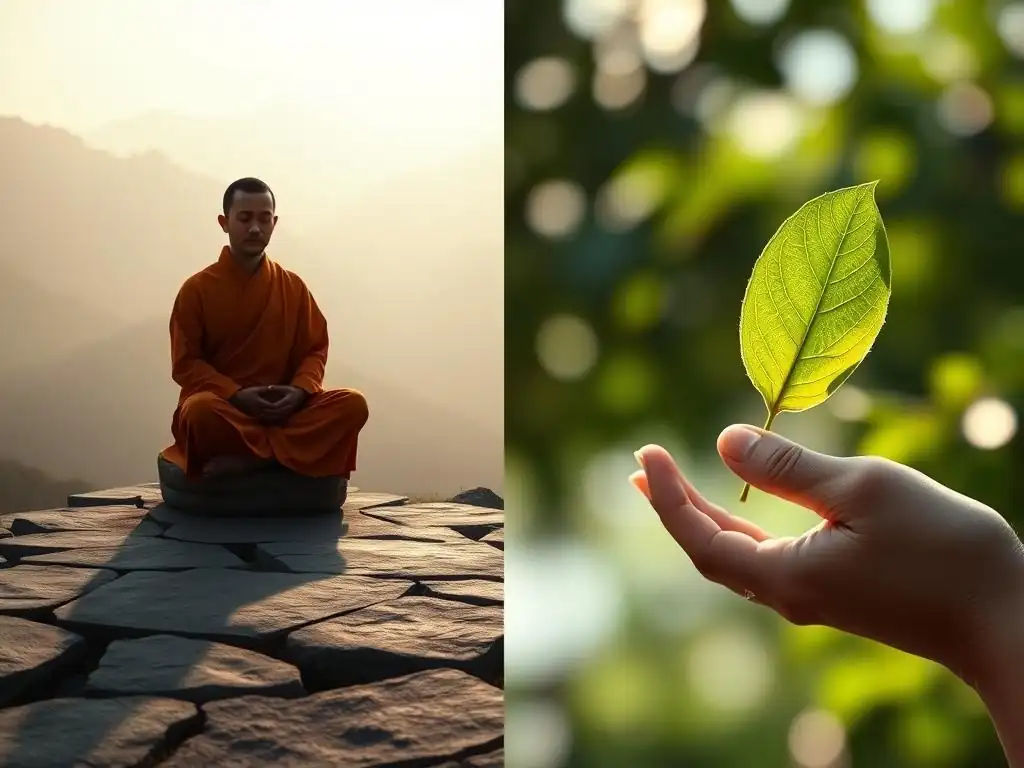
Assessing Your Personal Goals and Preferences
Choosing between Vipassana mindfulness meditation techniques depends heavily on your personal goals and what you hope to gain from meditation. If your primary aim is to reduce stress, manage anxiety, improve focus, or cultivate a greater sense of presence and emotional regulation in daily life, a secular mindfulness practice might be a more suitable and accessible starting point. Programs like MBSR or various mindfulness apps offer structured ways to learn these techniques with practical applications.
However, if you are seeking a deeper understanding of the nature of reality, are interested in a path of mental purification, and are willing to commit to rigorous, sustained practice, including the possibility of intensive silent retreats, then traditional Vipassana might be the path you are looking for. Consider what motivates you – is it relief from immediate psychological distress, or a deeper quest for existential insight and transformation? Your answer will help guide your choice.
Considering Your Experience Level with Meditation
Your current experience level with meditation is another important factor to consider. Secular mindfulness practices are often designed to be accessible to beginners, providing gentle introductions to concepts like breath awareness and non-judgmental observation. The structured format of programs like MBSR can also be helpful for those new to meditation, providing guidance and community support over several weeks.
Traditional Vipassana, particularly as taught in intensive retreats, is often considered a more demanding practice. While beginners are welcome, the long hours of silent meditation, the focus on subtle bodily sensations, and the explicit goal of insight can be challenging. It may be beneficial for some individuals to start with a gentler mindfulness practice to develop basic concentration and familiarity with meditation before undertaking a more intensive Vipassana retreat. Assess your comfort level with sustained silence, introspection, and rigorous discipline.
Exploring Different Styles and Teachers
Given the variations within both Vipassana and mindfulness, exploring different styles and teachers is highly recommended. Within Vipassana, different lineages exist (e.g., Goenka, Mahasi Sayadaw), each with slightly different approaches to the technique and retreat structure. Attending introductory talks or shorter sessions (if available) can give you a feel for the style and the teacher.
Similarly, secular mindfulness is taught in numerous formats, from structured MBSR/MBCT courses to app-based guided meditations and drop-in classes. Teachers vary in their background, emphasis (e.g., clinical vs. spiritual roots), and teaching style. Trying out different classes, reading books by various authors, or using different apps can help you find an approach and teacher whose style resonates with you and supports your goals. Remember that the connection with the teacher and the clarity of instruction are crucial for effective practice.
Potential Challenges and Considerations
Overcoming Initial Difficulties in Vipassana Practice
Vipassana practice, especially in its intensive retreat format, presents unique challenges. One common difficulty is simply sitting still for long periods, dealing with physical discomfort or restlessness. The instruction to observe bodily sensations without reacting can also be challenging, as the mind is habitually conditioned to crave pleasant sensations and push away unpleasant ones. Maintaining equanimity in the face of strong pain or intense pleasant feelings requires considerable effort and patience.
Another challenge is confronting the contents of the mind that arise during sustained meditation – distracting thoughts, strong emotions, or difficult memories. The instruction is to observe these phenomena arising and passing, but the mind's tendency to get lost in thinking or reacting can be persistent. The rigorous schedule and silence of retreats can also be emotionally intense for some individuals. Overcoming these difficulties requires perseverance, faith in the technique, and consistent application of the instructions provided by the teacher, recognizing that these challenges are a normal part of the purification process.
Maintaining Consistency in Mindfulness Meditation
While often more accessible, maintaining consistency in secular mindfulness meditation practice can also be challenging. The lack of a rigid structure like a retreat means practitioners must integrate practice into their busy daily lives. Finding dedicated time, dealing with distractions at home or work, and maintaining motivation over the long term are common hurdles. Many people start with enthusiasm but find it difficult to sustain a regular practice schedule.
Another consideration is ensuring the practice goes beyond just relaxation and cultivates true awareness and non-judgment. With readily available guided meditations, there's a risk of treating it merely as a quick fix for stress rather than a skill to be developed. Overcoming these challenges involves setting realistic goals, finding a practice time that works for your schedule, using reminders or apps for support, and perhaps joining a local group or finding a teacher for guidance and accountability. Viewing it as a continuous journey of learning and self-discovery rather than a task to be completed can also help maintain motivation.
Conclusion: Embracing the Power of Vipassana and Mindfulness Meditation Techniques
The Complementary Nature of Insight and Awareness
While Vipassana and secular mindfulness meditation techniques have distinct origins, intentions, and methods, they can also be seen as complementary paths on the spectrum of cultivating awareness and understanding the mind. Mindfulness provides a broad foundation of present moment awareness and acceptance, which can be incredibly beneficial for navigating the challenges of daily life and improving psychological well-being. It teaches us how to be more present with our experiences, fostering resilience and emotional intelligence.
Vipassana, with its rigorous focus on systematic observation of bodily sensations for insight, offers a path to a deeper, more profound understanding of the fundamental nature of reality. This insight can lead to a more radical transformation, addressing the root causes of suffering at a fundamental level. A practitioner might start with mindfulness to build a foundation of awareness and stability, and later explore Vipassana for deeper insight.
Or, someone practicing Vipassana might integrate mindful awareness into their daily activities outside of formal sits. Both emphasize non-judgmental observation and the power of present moment awareness, highlighting the diverse yet interconnected ways Vipassana mindfulness meditation techniques can benefit the human mind.
Finding Your Path to Inner Peace and Mental Clarity
Ultimately, the most effective meditation technique is the one you will practice consistently and that best aligns with your personal goals and circumstances. Whether you choose to delve into the ancient path of Vipassana seeking deep insight and liberation, or embrace the more contemporary and accessible practices of secular mindfulness for stress reduction and improved well-being, both offer powerful tools for cultivating inner peace and mental clarity.
Experimenting with different Vipassana mindfulness meditation techniques and finding a qualified teacher or reliable resource is key. Be patient with yourself, acknowledge the challenges that arise, and celebrate the small shifts in awareness and understanding. The journey of meditation is personal, and the benefits of a more present, aware, and non-reactive mind are available through dedicated practice, whichever path you choose to explore.
Frequently Asked Questions
What is Vipassana meditation, and how does it differ from general mindfulness meditation?
Vipassana, meaning "to see things as they really are", is an ancient Indian meditation technique. It emphasizes observing the sensations of the body to understand the impermanence of reality, while general mindfulness is a broader practice.
What are the core techniques involved in Vipassana mindfulness meditation?
Vipassana primarily involves observing breath and body sensations without judgment. A key technique is body scanning, systematically noticing sensations throughout the body to develop awareness.
How can Vipassana mindfulness meditation techniques benefit mental well-being?
Vipassana can reduce stress and anxiety by fostering greater self-awareness and acceptance. It can also improve emotional regulation and increase overall mental clarity.
Are there any specific resources or guides available on Mind Care Guide for learning Vipassana mindfulness meditation techniques?
While Mind Care Guide offers a comprehensive overview of mental well-being, specific resources on Vipassana might include articles, guides, and links to external Vipassana centers. Check the meditation section for more information.
What are some common challenges faced when practicing Vipassana mindfulness meditation, and how can they be overcome?
Common challenges include wandering minds and physical discomfort. These can be overcome through patience, consistent practice, and returning gently to the breath or body sensations.
Final Reflection: Unveiling the Depth of Insight Meditation
The exploration of Vipassanā and mindfulness meditation techniques reveals a crucial distinction often overlooked: while mindfulness is a broad umbrella encompassing various practices, Vipassanā represents a specific, powerful path towards profound self-understanding. This understanding, far from being an esoteric pursuit, holds immense relevance in today's fast-paced, often overwhelming world, offering a potent antidote to the pervasive anxieties of modern life.
The journey into the heart of Vipassanā, with its emphasis on direct observation of reality without judgment, has profoundly impacted my own understanding of the mind and its inherent tendencies. It's a journey of self-discovery that continues to unfold, challenging ingrained patterns and revealing the interconnectedness of all things. The mind is everything. What you think you become.
– Buddha. This quote encapsulates the transformative power of Vipassanā, highlighting how cultivating awareness can directly shape our experiences and ultimately, our lives. The subtle shifts in perspective gained through consistent practice ripple outwards, influencing not only our personal well-being but also our interactions with the world around us.
Now, consider your own path. What resonates most with you from this exploration of Vipassanā and mindfulness? Perhaps you've found a new appreciation for the power of mindful awareness in your daily life, or maybe the depth of Vipassanā's insights has sparked a desire for deeper exploration. Regardless, I invite you to integrate these practices into your life, even in small ways.
Begin with a few minutes of mindful breathing, observe your thoughts without judgment, and allow the seeds of self-awareness to blossom. The journey towards inner peace and understanding is a personal one, but the tools and techniques are readily available. Embrace them, and discover the transformative power within.
Unlock Your Inner Peace: Dive Deeper into Meditation
Thanks for taking the time to explore the fascinating world of Vipassana and mindfulness meditation with us! We hope you gained a clearer understanding of their unique approaches. Ready to take the next step on your journey to inner peace?
- Begin your meditation practice today: Choose one technique—Vipassana or mindfulness—and dedicate just 10 minutes daily to experience its transformative power. Even small steps lead to significant progress.
- Share your insights: Which style resonated most with you and why? Share your experience and thoughts in the comments below – let's build a supportive community of mindful explorers!
- Explore guided meditations: Seek out online resources or apps offering guided meditations for either Vipassana or mindfulness. Experiencing these guided sessions can offer valuable support and structure in your practice.
What unique benefit of Vipassana or mindfulness meditation are you most excited to cultivate in your life?