
Unlocking Your Full Potential with Transcendental Meditation


Welcome to Mind Care Guide.
Feeling overwhelmed? You're not alone. We understand the challenges life throws your way, and we're here to help you navigate them. Discover how a simple practice can unlock profound peace and well-being. Dive into our exploration of Transcendental Meditation benefits mental health and begin your journey toward a calmer, more focused you. Curious to know how just a few minutes a day can transform your life? Let's explore together...
Unlocking Your Full Potential with Transcendental Meditation
- Understanding Transcendental Meditation (TM) and Mental Well-being
- Transcendental Meditation Benefits Mental Health: A Deep Dive
- Learning and Practicing Transcendental Meditation
- Integrating Transcendental Meditation into Your Daily Life
- Scientific Research Supporting Transcendental Meditation's Mental Health Benefits
- Is Transcendental Meditation Right for You? Considerations and Potential Drawbacks
- Transcendental Meditation: A Tool for Mental Wellness
-
Frequently Asked Questions
- What are the primary Transcendental Meditation benefits for mental health?
- How does Transcendental Meditation differ from other meditation techniques?
- Is Transcendental Meditation difficult to learn and practice consistently?
- Can Transcendental Meditation help with specific mental health challenges like depression or PTSD?
- Where can I find resources and guidance on learning Transcendental Meditation?
- Final Reflection: The Enduring Power of Inner Peace
Understanding Transcendental Meditation (TM) and Mental Well-being
What is Transcendental Meditation? A Simple Definition
Transcendental Meditation, often referred to as TM, is a specific form of mantra meditation developed by Maharishi Mahesh Yogi. It is a technique that involves using a specific, soundless mantra and practicing it for 15-20 minutes twice a day while sitting comfortably with eyes closed. The core principle is to allow the mind to settle down naturally and effortlessly to a state of deep rest and expanded awareness, transcending the level of thinking. Unlike concentration or mindfulness practices that often involve focusing on a specific object or observing thoughts, TM encourages the mind to move inward spontaneously.
This effortless process is key to the technique's reported benefits, particularly how Transcendental Meditation benefits mental health. The aim is not to empty the mind or control thoughts, but rather to provide a simple mechanism that allows the mind to experience quieter levels of thought until it transcends thinking altogether, reaching a state of restful alertness.
This state is associated with unique physiological changes, such as reduced metabolic rate and decreased breath rate, indicating a profound state of relaxation distinct from sleep. The simplicity and effortlessness of the technique are emphasized as crucial for achieving these deeper states of consciousness.
The Origins and History of Transcendental Meditation
Transcendental Meditation was introduced to the West in the late 1950s by Maharishi Mahesh Yogi, who learned the technique from his teacher, Guru Dev, a renowned figure in the Shankaracharya tradition of India. Maharishi's initial goal was to share this ancient practice in a way that was accessible and beneficial to people worldwide, emphasizing its practical benefits for daily life rather than its religious or philosophical roots. He began teaching in India and then expanded his efforts globally, gaining significant traction in the 1960s and 1970s.
The popularity of TM grew significantly, partly due to endorsements from celebrities and widespread media attention, but also because many individuals reported tangible improvements in their well-being. Maharishi established a global organization to train teachers and disseminate the technique. Over the decades, the focus shifted increasingly towards scientific research to validate the effects of TM, particularly how Transcendental Meditation benefits mental health, stress reduction, and physiological health. This emphasis on empirical evidence has led to numerous studies conducted at various universities and research institutions worldwide, exploring its impact on stress, anxiety, blood pressure, and cognitive function.
Transcendental Meditation vs. Other Meditation Techniques: Key Differences
Transcendental Meditation differs from many other popular meditation techniques in several fundamental ways. While practices like mindfulness meditation often involve cultivating present-moment awareness by observing thoughts, feelings, or sensations without judgment, TM is described as a technique to effortlessly transcend the thinking process itself. It does not involve concentration, contemplation, or controlling the mind. Instead, it uses a specific, personal mantra as a vehicle for the mind to settle inward spontaneously.
Another key difference lies in the learning process and practice. TM requires learning directly from a certified teacher in a structured course, typically over several sessions, to ensure the technique is practiced correctly for maximum effectiveness. Many other meditation techniques can be learned through books, apps, or shorter workshops.
The prescribed practice schedule for TM is also specific: 20 minutes, twice a day, every day. These distinctions in technique, learning structure, and practice approach contribute to the unique neurophysiological effects observed in studies comparing TM to other forms of meditation, particularly concerning the depth of rest achieved and its specific impact on brainwave patterns and how Transcendental Meditation benefits mental health.
Transcendental Meditation Benefits Mental Health: A Deep Dive
Reducing Anxiety and Stress with Transcendental Meditation
Stress and anxiety are pervasive challenges in modern life, significantly impacting mental well-being. Regular practice of Transcendental Meditation has been widely studied for its effectiveness in mitigating these issues. The technique provides a reliable method for individuals to access a deep state of rest, which counteracts the physiological and psychological effects of stress. This restful state allows the nervous system to normalize, reducing the chronic activation of the "fight or flight" response that underlies much anxiety and stress.
Numerous studies have demonstrated the positive impact of TM on stress and anxiety levels. For instance, research published in the Journal of Consulting and Clinical Psychology found that TM practice significantly reduced anxiety in individuals diagnosed with anxiety disorders compared to other relaxation techniques or standard treatments. Participants often report substantial decreases in perceived stress, improved coping mechanisms, and a greater sense of calm in daily situations. This reduction in the subjective experience of stress is a cornerstone of how Transcendental Meditation benefits mental health.
How TM Lowers Cortisol Levels and Promotes Relaxation
One of the key physiological mechanisms through which Transcendental Meditation benefits mental health, particularly stress reduction, is its effect on stress hormones like cortisol. Cortisol is often referred to as the "stress hormone" because its levels typically rise during stressful situations. Chronic stress leads to elevated baseline cortisol levels, which can have detrimental effects on both physical and mental health, contributing to anxiety, depression, and impaired cognitive function.
Studies using blood or saliva samples have consistently shown that regular TM practice leads to a significant reduction in cortisol levels over time. For example, research published in Psychoneuroendocrinology found notable decreases in cortisol among long-term TM practitioners.
This hormonal change is accompanied by other physiological indicators of deep relaxation, such as decreased heart rate, reduced breath rate, and lower blood pressure. This ability to reliably induce a state of profound rest helps reset the body's stress response system, promoting a more balanced and resilient physiological state that directly contributes to the positive impact of Transcendental Meditation benefits mental health.
TM for Anxiety Disorders: Research Findings
Research specifically investigating the effects of Transcendental Meditation on diagnosed anxiety disorders has yielded promising results. While TM is not presented as a standalone cure, studies suggest it can be a valuable complementary tool in managing symptoms. A meta-analysis combining findings from multiple studies indicated that TM produced significant reductions in anxiety symptoms across various populations, including those with clinical diagnoses.
For example, studies involving veterans suffering from PTSD, a severe anxiety-related disorder, have shown that regular TM practice can lead to significant reductions in symptoms like intrusive thoughts, hyperarousal, and emotional numbness. Participants in these studies often experienced improvements comparable to or exceeding those seen with some standard therapeutic approaches. While more extensive research is always beneficial, the existing body of evidence strongly supports the notion that Transcendental Meditation benefits mental health by providing a powerful technique for individuals struggling with anxiety and its related conditions, offering a path towards greater inner calm and stability.
Improving Focus and Concentration Through Transcendental Meditation
In an age of constant distractions, the ability to focus and concentrate is increasingly valuable. Regular practice of Transcendental Meditation has been shown to enhance these cognitive functions, contributing significantly to how Transcendental Meditation benefits mental health and overall productivity. The deep rest and unique state of restful alertness achieved during TM practice appear to train the brain to function more efficiently, leading to improved attention span and reduced mind-wandering outside of meditation sessions.
Individuals who practice TM often report a subjective improvement in their ability to stay focused on tasks, whether at work, school, or in daily activities. They describe feeling less scattered and more present. This enhanced focus is not achieved through effort or concentration during meditation, but rather as a byproduct of the deep rest and normalization of brain function that the effortless TM technique facilitates. This cognitive enhancement is a key component of the practical, real-world benefits derived from the practice.
TM's Impact on Brainwave Activity and Cognitive Function
Neuroscientific research using electroencephalography (EEG) has provided insights into how Transcendental Meditation benefits mental health by influencing brain activity patterns related to focus and cognition. Studies comparing the brainwave activity of TM practitioners to non-meditators often show distinct patterns during meditation, characterized by increased coherence and power in alpha and theta bands, particularly in the frontal regions of the brain.
Increased alpha coherence is associated with a state of relaxed alertness, while theta activity is linked to deep relaxation and access to subconscious processes. Crucially, studies have also observed lasting changes in brain function outside of meditation in long-term practitioners, suggesting enhanced neural integration and efficiency. These changes correlate with improvements in cognitive tasks requiring attention, executive function, and working memory, providing a neurological basis for the reported improvements in focus and concentration and demonstrating a direct link between brain changes and how Transcendental Meditation benefits mental health.
Enhancing Productivity and Mental Clarity with TM
The improvements in focus, reduced stress, and enhanced cognitive function fostered by Transcendental Meditation practice naturally translate into increased productivity and mental clarity. When the mind is less burdened by stress and distractions, it is better equipped to tackle complex tasks, think creatively, and make effective decisions. The state of restful alertness cultivated during TM seems to carry over into daily life, allowing individuals to approach challenges with a clearer perspective.
Many professionals, students, and individuals in demanding roles have incorporated TM into their routines and reported significant boosts in their ability to manage workload, retain information, and maintain a sharp mental edge throughout the day. For example, studies involving employees in high-stress environments have shown that TM practice leads to reduced burnout and improved job performance metrics. This practical impact on daily functioning underscores the value of how Transcendental Meditation benefits mental health not just by reducing negative states, but also by actively enhancing positive cognitive capabilities essential for thriving in modern life.
Transcendental Meditation for Depression: A Complementary Approach
While clinical depression is a complex condition requiring professional medical treatment, some research suggests that Transcendental Meditation may serve as a valuable complementary tool in managing depressive symptoms and improving overall mood. The technique's ability to reduce stress and anxiety, which often co-occur with depression, plays a significant role. By alleviating the burden of chronic stress, TM can help create a more favorable internal environment for mood regulation.
Furthermore, the deep rest and normalization of nervous system function achieved during TM may help break the cycle of negative rumination and low energy often associated with depression. Participants in studies or individuals who practice TM while undergoing treatment for depression sometimes report feeling more hopeful, having increased energy levels, and experiencing a greater sense of emotional stability. It's crucial to reiterate that TM should not replace standard medical or psychological treatment for depression, but it can be a supportive practice within a comprehensive care plan, contributing to how Transcendental Meditation benefits mental health on multiple fronts.
TM's Effect on Serotonin and Other Neurotransmitters
The exact neurochemical pathways influenced by Transcendental Meditation are still areas of ongoing research, but the profound state of rest and stress reduction achieved during TM is theorized to have a positive impact on neurotransmitter systems involved in mood regulation. Serotonin, often associated with feelings of well-being and happiness, is one such neurotransmitter. While direct, conclusive evidence specifically linking TM practice to sustained increases in serotonin levels is still developing, the known relationship between chronic stress, cortisol, and serotonin function provides a plausible connection.
Chronic stress is known to disrupt the delicate balance of neurotransmitters. By effectively reducing the stress response and lowering cortisol, TM may help normalize the environment in which neurotransmitters like serotonin and dopamine function. Additionally, the reported increases in feelings of calm, contentment, and reduced irritability among practitioners suggest a positive influence on these mood-regulating chemicals. This potential neurochemical impact is one aspect of how Transcendental Meditation benefits mental health, working at a physiological level to support emotional balance.
Research on TM and Depression Symptoms
Research specifically examining the effect of Transcendental Meditation on symptoms of depression has shown promising, albeit sometimes varied, results depending on the study population and design. A meta-analysis published in the Journal of Clinical Psychology reviewed multiple studies and concluded that TM practice was associated with moderate effect sizes in reducing depressive symptoms. Studies have included diverse groups, from college students experiencing mild symptoms to individuals with clinical depression.
For example, a study involving African American adolescents showed significant reductions in depressive symptoms after learning TM compared to a control group. Another study with older adults found improvements in mood and vitality. While TM is not a substitute for professional treatment for clinical depression, these findings suggest that incorporating TM into one's routine, alongside other recommended therapies, may help alleviate symptoms such as sadness, low energy, and difficulty concentrating, reinforcing the potential of how Transcendental Meditation benefits mental health as part of a holistic approach.
Fostering Emotional Resilience with Regular TM Practice
Emotional resilience is the ability to adapt well in the face of adversity, trauma, tragedy, threats, or significant sources of stress. Regular practice of Transcendental Meditation helps build this crucial capacity by providing a consistent experience of deep inner calm and stability. This repeated access to a state beyond the fluctuations of daily thoughts and emotions seems to train the nervous system to return to a baseline of calm more quickly after encountering stressors.
Practitioners often describe feeling less reactive to challenging situations and more capable of navigating emotional turbulence without being overwhelmed. They develop a stronger sense of perspective and an increased ability to observe difficult emotions without getting caught up in them. This enhanced ability to recover from stressful experiences and maintain emotional equilibrium is a direct outcome of the regular, deep rest provided by TM, highlighting a significant way Transcendental Meditation benefits mental health by strengthening inner resources.
Building a Stronger Sense of Self and Inner Peace
The experience of transcending during Transcendental Meditation practice involves settling beyond the surface level of thought and activity to connect with a deeper, more expanded state of consciousness. Regular access to this state is reported by practitioners to foster a stronger sense of self-awareness and inner peace. It provides a consistent anchor point of calm and stability amidst the changing circumstances of life.
This cultivation of inner peace is not merely the absence of stress, but a positive quality of being more settled and comfortable within oneself. This deeper connection to one's inner nature reduces reliance on external circumstances for happiness and validation, contributing to greater self-acceptance and confidence. This foundational shift in self-perception is a profound way Transcendental Meditation benefits mental health, helping individuals build resilience from the inside out and fostering a stable sense of well-being independent of external pressures.
Managing Stressful Situations More Effectively with TM
A key benefit of regular Transcendental Meditation practice is an improved ability to manage stressful situations when they arise. While TM reduces overall stress levels, it also equips individuals with enhanced coping skills. The regular experience of deep rest and the cultivation of a more settled nervous system mean that the body and mind are less likely to go into an extreme stress response when faced with challenges.
Practitioners often find they can approach stressful events with greater clarity and less emotional reactivity. They may still experience stress, but the intensity and duration of the response are often diminished. For example, someone facing a demanding deadline might feel pressure, but their ability to stay focused, think clearly, and remain calm under pressure is enhanced compared to before they started practicing TM. This practical improvement in stress management skills is a direct result of how Transcendental Meditation benefits mental health by building physiological and psychological resilience.
Learning and Practicing Transcendental Meditation
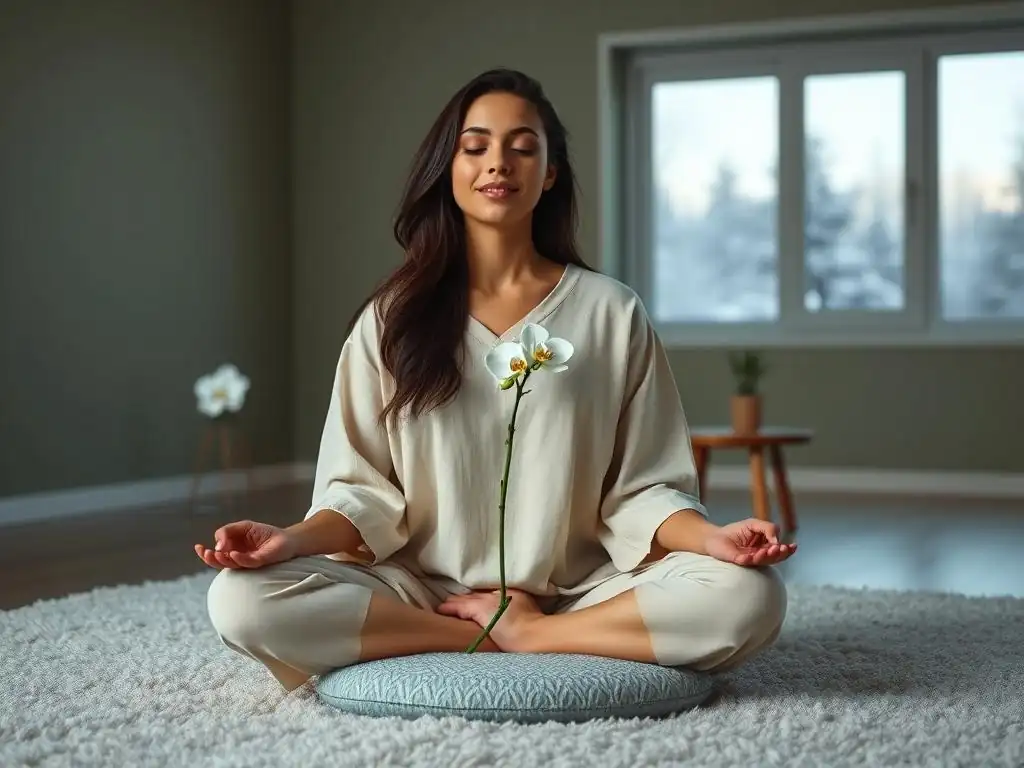
Finding a Certified Transcendental Meditation Teacher
Learning Transcendental Meditation correctly is considered essential for experiencing its full benefits. The technique is taught only by certified TM teachers who have undergone a rigorous training program. This ensures consistency and accuracy in instruction, tailored to the individual learner. The process typically involves a few structured sessions spread over several days, including personalized instruction and follow-up sessions to ensure correct practice.
Finding a certified teacher usually involves contacting the official Transcendental Meditation organization or visiting their website, which provides a directory of centers and teachers worldwide. The in-person instruction is emphasized because the technique involves subtle mental processes that are best guided by an experienced teacher. This personalized approach is designed to make the learning process effortless and ensure the individual can practice the technique correctly and effectively on their own, unlocking the potential for how Transcendental Meditation benefits mental health.
The Transcendental Meditation Technique: Core Principles
The core principle of the Transcendental Meditation technique is effortless transcending. Unlike concentration (focusing on one thing) or contemplation (thinking about something), TM uses a specific, individually assigned mantra (a sound or word) not for its meaning, but as a vehicle for the mind to settle down naturally. The practitioner sits comfortably with eyes closed and gently introduces the mantra, allowing the mind to move towards quieter levels of thought spontaneously.
The key is effortlessness. The technique does not involve trying to control thoughts, force the mind to be blank, or analyze the mantra. If thoughts arise, they are simply allowed to be, and the practitioner gently returns to the mantra. This process allows the mind to transcend the thinking level and experience a state of deep rest and expanded awareness, which is the source of the technique's profound effects on how Transcendental Meditation benefits mental health and physiology.
Establishing a Consistent TM Practice: Tips and Recommendations
Consistency is vital to gaining the full benefits of Transcendental Meditation. The standard recommendation is to practice for 20 minutes, twice a day, every day. Establishing this routine can be made easier by scheduling the meditations at specific times, such as before breakfast and before dinner. Choosing a quiet, comfortable space where you won't be interrupted is also helpful.
Making TM a non-negotiable part of your daily schedule, similar to brushing your teeth, increases adherence. Many practitioners find that meditating before starting work in the morning and before transitioning to evening activities helps frame the day and provides a natural break. Even on busy days, finding 20 minutes twice is achievable and the benefits in terms of reduced stress and increased clarity often make the time investment worthwhile, reinforcing the positive impact of how Transcendental Meditation benefits mental health.
Transcendental Meditation Mantra: Personalized Sound and its Significance
In Transcendental Meditation, the mantra is a specific Sanskrit sound or word assigned to the individual by a certified TM teacher during the initial instruction. The mantra itself has no meaning and is not a religious chant or affirmation. Its purpose is purely as a tool to allow the mind to settle inward effortlessly. The personalization of the mantra is based on traditional criteria and is intended to provide the most effective sound for that specific individual to facilitate the transcending process.
The mantra is used silently and effortlessly, without concentration or repetition. The practitioner simply allows the mantra to be in their awareness in a natural way. The significance of the mantra lies in its vibratory quality and its ability to draw the mind inward to quieter states of consciousness. It acts as a key to unlock the process of transcending, which is the unique mechanism through which Transcendental Meditation benefits mental health by allowing the nervous system to gain profound rest and release accumulated stress.
Integrating Transcendental Meditation into Your Daily Life
Creating a Dedicated Meditation Space
While Transcendental Meditation can technically be practiced anywhere you can sit comfortably with your eyes closed, having a dedicated meditation space can help establish consistency and make the practice feel more like a settled routine. This doesn't require a large area; a quiet corner in a room with a comfortable chair or cushion is sufficient. The key is that the space is relatively free from distractions and is associated with the peaceful activity of meditation.
Ensuring the space is clean, quiet, and has a comfortable temperature can enhance the meditation experience. Some people like to keep the lighting soft or use natural light. The consistency of meditating in the same location at the same time reinforces the habit and helps the mind and body settle into the practice more readily. Creating this small sanctuary can make the twice-daily practice feel less like a chore and more like a welcome pause, contributing to the overall positive impact of how Transcendental Meditation benefits mental health.
Combining TM with Other Wellness Practices
Transcendental Meditation integrates easily with other wellness practices and can even enhance their effectiveness. Many individuals combine TM with activities like yoga, exercise, healthy eating, and adequate sleep. The stress reduction and improved mind-body connection gained through TM can make other health-promoting behaviors more accessible and sustainable.
For example, reduced stress and improved focus from TM can make it easier to stick to an exercise routine or make mindful food choices. The deep rest provided by TM can also complement and potentially improve sleep quality. TM is not intended to replace other beneficial practices but rather to serve as a foundational tool that supports overall well-being. By reducing the underlying stress that can undermine health efforts, TM helps create a more stable platform for a healthy lifestyle, further amplifying how Transcendental Meditation benefits mental health and physical health synergistically.
Overcoming Challenges and Maintaining Consistency
Maintaining consistency with Transcendental Meditation, like any daily habit, can sometimes present challenges. Busy schedules, travel, fatigue, or simply forgetting can disrupt the routine. Recognizing these potential obstacles is the first step to overcoming them. Having a set time for meditation, such as first thing in the morning and late afternoon/early evening, can help anchor the practice.
If a session is missed, it's important not to feel discouraged but simply to resume the practice at the next scheduled time. If travel or unusual circumstances arise, finding a quiet spot, even for a slightly shorter session, is better than skipping entirely. Connecting with a TM teacher or the local TM community can also provide support and motivation. Remembering the profound ways Transcendental Meditation benefits mental health – reducing stress, increasing clarity, fostering resilience – can be a powerful motivator to maintain consistency even when faced with competing demands.
Scientific Research Supporting Transcendental Meditation's Mental Health Benefits
Key Studies Highlighting the Positive Effects of TM
The Transcendental Meditation technique is one of the most extensively researched meditation practices, with hundreds of studies published in peer-reviewed journals over the past five decades. Much of this research has focused specifically on how Transcendental Meditation benefits mental health and stress-related conditions. Key findings include significant reductions in anxiety, depression, and PTSD symptoms, as well as improvements in psychological well-being and coping ability.
For instance, landmark studies funded by the National Institutes of Health (NIH) in the U.S. have investigated TM's effects on cardiovascular health, which is closely linked to stress. These studies have shown reductions in high blood pressure, a major stress-related health issue. Beyond physiological markers, numerous psychological studies have consistently shown that TM practitioners report lower levels of perceived stress and greater emotional stability compared to control groups or those practicing other relaxation techniques. This body of evidence provides a strong scientific basis for the claims regarding how Transcendental Meditation benefits mental health.
Understanding the Neuroscience Behind TM's Impact
Neuroscientific research provides valuable insights into the brain changes associated with Transcendental Meditation practice that underlie its mental health benefits. EEG studies, as mentioned, demonstrate unique patterns of brainwave coherence indicative of a state of restful alertness. Functional magnetic resonance imaging (fMRI) studies have also shown altered activity in brain regions associated with stress, emotion regulation, and self-referential processing.
For example, research using fMRI has indicated decreased activity in the amygdala, the brain's fear and stress processing center, during TM practice and reduced reactivity to stressful stimuli among practitioners. There is also evidence of increased activity and connectivity in prefrontal cortex regions associated with executive function, attention, and emotional regulation. These observed changes in brain structure and function provide a neurological explanation for the reported reductions in anxiety and stress, improved focus, and enhanced emotional resilience, illustrating the deep impact of how Transcendental Meditation benefits mental health at a biological level.
Referenced Research and Journals
Research on Transcendental Meditation has been published in a wide array of reputable scientific and medical journals. Some examples of journals that have featured studies on TM include:
- Psychosomatic Medicine
- Hypertension
- Stroke
- Journal of the American Medical Association (JAMA) Internal Medicine
- American Journal of Cardiology
- Ethnicity & Disease
- Journal of Clinical Psychology
- Journal of Consulting and Clinical Psychology
- Psychoneuroendocrinology
These publications reflect the diverse areas of research into TM's effects, spanning physiological health, stress reduction, and various aspects of psychological well-being. Accessing these journals (often through university libraries or online databases) allows for a deeper dive into the specific methodologies, data, and conclusions of studies supporting how Transcendental Meditation benefits mental health and overall health.
Is Transcendental Meditation Right for You? Considerations and Potential Drawbacks
Evaluating Your Needs and Goals
Deciding whether Transcendental Meditation is the right practice for you involves considering your personal needs, goals, and preferences. Are you primarily seeking a technique to reduce stress and anxiety? Do you want to improve focus and mental clarity? Are you looking for a method to cultivate inner peace and emotional resilience? If your goals align with the reported benefits of TM, it might be a good fit.
Consider your lifestyle and willingness to commit to a twice-daily practice. TM requires this consistency for optimal results. Reflect on your learning style; TM requires in-person instruction from a certified teacher, which differs from self-taught or app-based methods. Understanding what you hope to gain from a meditation practice will help you evaluate if the specific approach and reported outcomes of how Transcendental Meditation benefits mental health match your expectations.
Potential Considerations
While Transcendental Meditation is widely considered safe and beneficial for most people, there are a few considerations. The primary consideration for many is the cost associated with learning the technique, as it requires payment for the instruction course from a certified teacher. This differs from many free or low-cost meditation resources available.
Another factor is the time commitment of 20 minutes twice a day. While beneficial, integrating two daily sessions can be challenging with extremely demanding schedules, although most practitioners find ways to make it work. While adverse effects are rare, some individuals might initially experience temporary changes during or after meditation, such as feeling tired or mild discomfort, which usually resolve quickly. It's important to discuss any concerns with your TM teacher. These practical aspects are worth considering when evaluating if Transcendental Meditation benefits mental health in a way that is accessible and sustainable for your personal circumstances.
Consulting with a Healthcare Professional
It is always advisable to consult with a healthcare professional before starting any new health practice, including Transcendental Meditation, especially if you have pre-existing medical conditions or are managing mental health disorders like clinical depression or severe anxiety. While TM is a complementary technique, it is not a substitute for medical treatment or therapy.
Your doctor or therapist can help you determine if TM is a suitable addition to your current health management plan and advise on how it might integrate with any medications or therapies you are currently receiving. Open communication with your healthcare team ensures that you approach TM in a way that is safe and supportive of your overall health and well-being. This step is crucial to ensure that exploring how Transcendental Meditation benefits mental health is done responsibly and effectively within the context of your individual health needs.
Transcendental Meditation: A Tool for Mental Wellness
Summarizing the Key Benefits and Advantages of TM
Transcendental Meditation offers a unique and evidence-based approach to improving mental wellness. Its key advantages lie in its effortless technique, its ability to reliably induce a state of deep physiological rest, and the extensive body of scientific research supporting its effects. The primary ways Transcendental Meditation benefits mental health include significant reductions in stress and anxiety, improved focus and cognitive function, potential support in managing depressive symptoms (as a complementary tool), and the cultivation of greater emotional resilience and inner peace.
Unlike some other meditation styles, TM doesn't require concentration, belief, or special postures, making it accessible to a wide range of people. The structured learning process with a certified teacher ensures proper practice for optimal results. The twice-daily practice provides consistent opportunities for the nervous system to settle down, releasing accumulated stress and fostering a more balanced and healthy state of mind and body. These combined factors highlight TM as a powerful tool for enhancing psychological well-being.
Encouraging Readers to Explore Transcendental Meditation Further
If the potential benefits of Transcendental Meditation for mental health resonate with you, exploring the technique further could be a valuable step on your wellness journey. Consider researching the scientific studies mentioned and reading testimonials from practitioners. Visit the official Transcendental Meditation website to find a certified teacher or center near you and learn more about the introductory course.
Learning TM is an investment in yourself and your mental well-being. It's a skill that can be practiced for a lifetime, providing a reliable method to navigate the challenges of modern life with greater ease, clarity, and resilience. Taking the step to learn TM could unlock your potential for deeper inner peace and support your journey towards optimal mental health. Discover firsthand how Transcendental Meditation benefits mental health by bringing this powerful technique into your daily routine.
Frequently Asked Questions
What are the primary Transcendental Meditation benefits for mental health?
Transcendental Meditation (TM) is primarily known for reducing stress and anxiety. It also promotes inner peace and improves overall well-being by cultivating a state of relaxed awareness.
How does Transcendental Meditation differ from other meditation techniques?
Unlike other meditation forms, Transcendental Meditation utilizes a specific mantra and a structured approach to effortlessly transcend thought. It requires no concentration or control of the mind.
Is Transcendental Meditation difficult to learn and practice consistently?
Transcendental Meditation is taught by certified instructors and is considered relatively easy to learn. The practice involves 20 minutes twice daily, making it manageable for most people to incorporate into their routine.
Can Transcendental Meditation help with specific mental health challenges like depression or PTSD?
While Transcendental Meditation shouldn't replace professional treatment, research suggests it can alleviate symptoms of depression and PTSD by reducing stress and promoting emotional regulation.
Where can I find resources and guidance on learning Transcendental Meditation?
You can find information and certified instructors through organizations dedicated to Transcendental Meditation. The Mind Care Guide website also offers resources and links to support your journey towards mental well-being.
Final Reflection: The Enduring Power of Inner Peace
The pursuit of mental well-being is a universal human aspiration, and the benefits of Transcendental Meditation (TM) in achieving this are increasingly recognized in today's fast-paced, often stressful world. The overwhelming evidence presented throughout this article demonstrates that TM is not merely a relaxation technique, but a powerful tool for cultivating inner peace and resilience, directly impacting mental health in profound and lasting ways. This isn't just a fleeting trend; it's a pathway to a more balanced and fulfilling life.
The impact of TM extends far beyond individual well-being; it ripples outwards, influencing our relationships, our communities, and ultimately, the collective consciousness. The ability to manage stress effectively, to cultivate inner calm amidst chaos, is a skill that benefits everyone. As Mahatma Gandhi wisely stated, The best way to find yourself is to lose yourself in the service of others.
This sentiment resonates deeply with the experience of TM, as the inner peace cultivated through the practice often translates into a greater capacity for empathy, compassion, and meaningful contribution to the world.
You now hold the key to unlocking your own potential for a more peaceful and fulfilling life. Consider this article not just as information, but as an invitation. An invitation to explore the transformative power of Transcendental Meditation, to invest in your mental well-being, and to discover the profound and lasting benefits it offers. Take the first step. Begin your journey towards inner peace, and watch as it transforms not only your life, but the lives of those around you.
Unleash Your Inner Calm: Start Your TM Journey Today!
Thanks for taking the time to explore the world of Transcendental Meditation with us! We hope you gained valuable insights into how this powerful technique can transform your life. Now it's time to put that knowledge into action.
Here's how you can begin your journey to inner peace:
- Experience the transformative power of TM firsthand: Schedule a free introductory session with a certified instructor near you to learn more and try it out. This is the most important step!
- Share your thoughts: Join our Mind Care Guide community on social media and discuss your experiences with TM. Let's inspire each other on this path to well-being!
- Explore further: Download our free guide, 10 Simple Steps to a More Peaceful You.
Ready to unlock your full potential? What aspect of your life are you most excited to see positively impacted by TM?