
The Vagus Nerve Connection: How Mindfulness Links Brain and Body


Welcome to Mind Care Guide, a sanctuary for your mental well-being.
Feeling overwhelmed or disconnected? Discover how the ancient practice of mindfulness can profoundly impact your health, starting with a surprising connection: the vagus nerve. This vital nerve acts as a bridge between your brain and body, and its health is intrinsically linked to your overall sense of calm and well-being. Ready to unlock the secrets to a healthier, more resilient you? Let's explore how mindfulness improves vagus nerve health and paves the way for a brighter, more balanced life.
The Vagus Nerve Connection: How Mindfulness Links Brain and Body
- Understanding the Vagus Nerve and Its Role in Well-being
- Mindfulness Improves Vagus Nerve Health: The Science Behind the Connection
- Benefits of a Healthy Vagus Nerve: Enhanced by Mindfulness
- Practical Mindfulness Techniques to Stimulate the Vagus Nerve
- Measuring Vagal Tone and Tracking Progress with Mindfulness
- The Long-Term Impact of Mindfulness on Vagus Nerve Function
- Integrating Mindfulness into Daily Life for Optimal Vagal Nerve Health
-
Frequently Asked Questions
- How does mindfulness specifically benefit the vagus nerve?
- What types of mindfulness practices are most effective for vagal tone?
- How long does it take to see improvements in vagal tone through mindfulness?
- What are some signs that mindfulness is improving my vagus nerve health?
- Can mindfulness replace other treatments for vagus nerve dysfunction?
- Final Reflection: Unraveling the Mind-Body Connection Through Mindfulness
- Unleash Your Inner Calm: Nurture Your Vagus Nerve Today!
Understanding the Vagus Nerve and Its Role in Well-being
What is the Vagus Nerve? A Comprehensive Overview
The vagus nerve, often referred to as the body's superhighway, is the longest cranial nerve, extending from the brainstem down through the neck, chest, and abdomen. Its name comes from the Latin word "vagus," meaning "wandering," aptly describing its extensive reach and influence across numerous organs. This critical nerve acts as a primary component of the parasympathetic nervous system, the branch responsible for the body's "rest and digest" functions, counterbalancing the sympathetic nervous system's "fight or flight" response.
Functionally, the vagus nerve plays a vital role in relaying information between the brain and the body's internal organs. Approximately 80% of its fibers are afferent, meaning they send signals from the body to the brain, providing the brain with crucial data about the state of our internal environment, including organ function, inflammation levels, and gut activity. The remaining 20% are efferent fibers, carrying commands from the brain to the organs, regulating processes like heart rate, digestion, and breathing. Understanding this bidirectional communication is key to appreciating how mindfulness improves vagus nerve health and overall physiological balance.
The Vagus Nerve's Connection to the Brain-Body Axis
The vagus nerve is an indispensable part of the intricate brain-body axis, a complex network of communication pathways that link the central nervous system with peripheral systems like the endocrine, immune, and gastrointestinal systems. This axis ensures that signals from the brain influence bodily functions and, conversely, that signals from the body profoundly impact brain states, including mood, cognition, and stress levels. The vagus nerve serves as a major conduit within this axis, particularly for the gut-brain connection, transmitting signals about nutrient availability, gut microbiota activity, and inflammation directly to the brain.
This continuous dialogue facilitated by the vagus nerve is fundamental to maintaining homeostasis – the body's ability to regulate its internal conditions for stability. When the brain perceives stress or danger, the sympathetic nervous system activates, often suppressing vagal activity. Conversely, promoting vagal tone, the measure of vagus nerve activity, helps shift the body back towards a state of calm and recovery, demonstrating how enhancing this nerve's function is critical for managing stress and supporting mental well-being. The practice of mindfulness improves vagus nerve health by actively engaging this calming pathway.
Vagus Nerve Function: Impact on Physical and Mental Health
The extensive reach of the vagus nerve means its function has a profound impact on both physical and mental health. Physically, it regulates crucial processes such as heart rate variability (HRV), which is a key indicator of autonomic nervous system balance; controls digestive motility and enzyme secretion; influences inflammatory responses throughout the body; and even plays a role in immune system regulation. A well-functioning vagus nerve contributes to lower blood pressure, better digestion, and a more robust immune response.
Mentally and emotionally, the vagus nerve is deeply involved in regulating mood, anxiety, and stress responses. Higher vagal tone is associated with greater resilience to stress, improved emotional regulation, and a reduced susceptibility to conditions like depression and anxiety. This is partly because the vagus nerve can dampen the activity of the amygdala, the brain region responsible for processing fear and threat, while promoting activity in prefrontal cortex areas associated with calm and rational thought. Recognizing that mindfulness improves vagus nerve health underscores its potential as a tool for enhancing emotional resilience.
Mindfulness Improves Vagus Nerve Health: The Science Behind the Connection
How Mindfulness Practices Stimulate the Vagus Nerve
Mindfulness practices, such as focused breathing, meditation, and body scans, directly engage the physiological pathways that stimulate the vagus nerve. One primary mechanism is through conscious regulation of breathing, particularly slow, deep diaphragmatic breathing. The vagus nerve is intimately connected to the respiratory system; during exhalation, vagal activity increases, slowing the heart rate. By consciously extending exhalations, as is common in many mindfulness techniques, we can intentionally enhance this vagal braking effect on the heart, thereby increasing vagal tone.
Furthermore, mindfulness cultivates a state of relaxed awareness and reduces the reactivity of the sympathetic nervous system. Chronic stress and the "fight or flight" response suppress vagal activity. By promoting relaxation, reducing rumination about stressors, and fostering a sense of calm presence, mindfulness reduces the signals that inhibit the vagus nerve and strengthens the signals that activate it. This shift towards parasympathetic dominance is a core way that mindfulness improves vagus nerve health, promoting a more balanced and resilient nervous system state.
The Vagus Nerve's Influence on Emotional Regulation Through Mindfulness
The vagus nerve plays a crucial role in emotional regulation, acting as a bidirectional pathway between our physiological state and our emotional experience. When mindfulness practice stimulates the vagus nerve, it enhances its capacity to send calming signals to the brain, particularly to areas involved in processing emotions like the amygdala and prefrontal cortex. This increased vagal activity helps to dampen the intensity of negative emotional responses and improve our ability to recover more quickly from stressful or upsetting experiences.
Moreover, by improving interoception – the awareness of internal bodily states – mindfulness, facilitated by vagal signaling, helps individuals recognize physiological cues associated with different emotions. This heightened awareness, coupled with a stronger vagal brake, allows for a more conscious and less reactive response to emotional triggers.
For instance, recognizing the physical sensations of rising anxiety (like a racing heart) allows an individual to apply mindful breathing techniques, which in turn stimulate the vagus nerve, helping to regulate the physiological response and the associated emotional intensity. This demonstrates a powerful feedback loop where mindfulness improves vagus nerve health, which in turn enhances emotional control.
Mindfulness Meditation and Increased Vagal Tone: Research and Evidence
Numerous studies have explored the link between mindfulness meditation and vagal tone, often measured by heart rate variability (HRV). Research consistently suggests that regular mindfulness practice is associated with higher resting HRV, indicating greater vagal activity and a more flexible nervous system. For example, a study published in Psychological Science found that participants who completed an 8-week compassion cultivation training program, which includes elements of mindfulness and loving-kindness meditation, showed significant increases in vagal tone compared to a control group.
Further evidence comes from studies on long-term meditators, who often exhibit higher baseline HRV than non-meditators. While cross-sectional studies can show correlation, longitudinal research provides stronger support for causality. A study involving college students showed that participation in a brief mindfulness intervention led to increases in HRV and reported positive emotions. These findings collectively support the conclusion that mindfulness improves vagus nerve health, contributing to enhanced emotional well-being and physiological resilience.
Benefits of a Healthy Vagus Nerve: Enhanced by Mindfulness
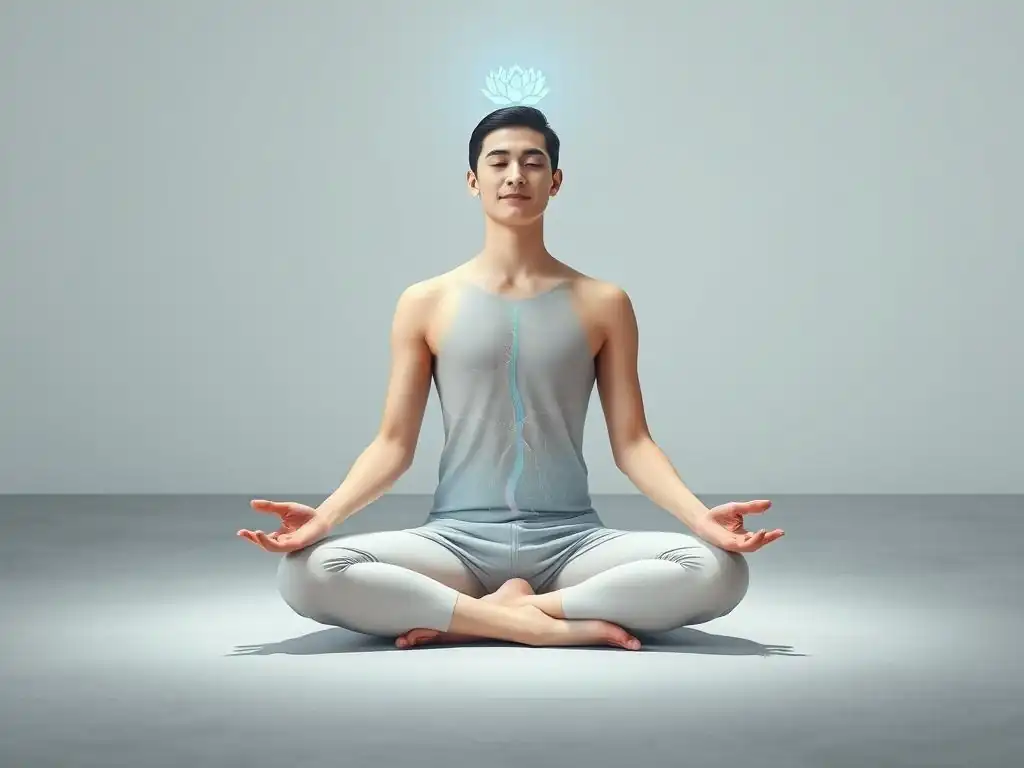
Reduced Anxiety and Stress Through Vagal Nerve Stimulation
A healthy, well-functioning vagus nerve is intrinsically linked to a reduced experience of anxiety and stress. When the vagus nerve is stimulated, it activates the parasympathetic nervous system, counteracting the "fight or flight" response mediated by the sympathetic system. This leads to physiological changes such as a slower heart rate, lower blood pressure, and decreased levels of stress hormones like cortisol. Individuals with higher vagal tone are often better equipped to manage stress and recover more quickly from stressful events.
Mindfulness practices are particularly effective at leveraging this mechanism. By intentionally cultivating a state of calm and focus, mindfulness directly stimulates the vagus nerve, promoting the parasympathetic response. This consistent practice over time strengthens the vagal pathway, making the body's default state one of greater calm and resilience. The cumulative effect of mindfulness improves vagus nerve health, leading to a noticeable reduction in chronic anxiety and stress levels, fostering a sense of inner peace and stability.
Improved Digestion and Gut Health: The Mindfulness-Vagus Nerve Link
The vagus nerve serves as the primary communication line between the brain and the gut, forming a critical part of the gut-brain axis. It regulates numerous digestive processes, including stomach emptying, intestinal motility, and the secretion of digestive enzymes and acids. Stress and anxiety, often mediated by sympathetic nervous system dominance, can disrupt these processes, contributing to common digestive issues like irritable bowel syndrome (IBS), bloating, and indigestion.
Mindfulness improves vagus nerve health, which in turn supports healthy digestion. By shifting the nervous system towards a parasympathetic state, mindfulness enhances vagal signaling to the gut, promoting efficient digestion and nutrient absorption. This connection explains why stress-reduction techniques like mindfulness are often recommended for individuals with stress-related digestive disorders. A study might show, for instance, that participants with IBS who engage in regular mindfulness practice report significant improvements in symptoms compared to control groups, highlighting the direct benefit of a healthy vagus nerve on gut function.
Enhanced Cardiovascular Health and Vagal Tone
The vagus nerve exerts a significant influence over cardiovascular function, primarily by regulating heart rate and blood pressure. Higher vagal tone is associated with a lower resting heart rate and greater heart rate variability (HRV), both indicators of a healthy, adaptable cardiovascular system. Low HRV, conversely, is linked to increased risk of cardiovascular events. The ability of the vag vagus nerve to modulate heart function is a key mechanism by which the body adapts to stress and maintains cardiovascular stability.
Regular engagement in mindfulness practices strengthens this vagal influence on the heart. By promoting relaxation and reducing the sympathetic nervous system's burden on the cardiovascular system, mindfulness improves vagus nerve health and increases vagal tone. This can lead to improvements in HRV and potentially contribute to lower blood pressure over time. While mindfulness is not a replacement for medical treatment, its ability to enhance vagal tone makes it a valuable complementary approach for supporting cardiovascular well-being.
Strengthening the Immune System with Mindfulness and Vagal Activation
Emerging research suggests a fascinating connection between the vagus nerve, mindfulness, and the immune system. The vagus nerve has been shown to play a role in modulating inflammatory responses throughout the body, acting as an "inflammatory reflex." By detecting inflammatory signals from organs like the gut and sending signals back to immune cells, the vagus nerve can help regulate the release of pro-inflammatory cytokines, potentially preventing excessive inflammation.
Chronic stress is known to impair immune function and promote chronic low-grade inflammation, a contributor to many chronic diseases. Mindfulness improves vagus nerve health, which helps to counteract the pro-inflammatory effects of stress by enhancing the vagal anti-inflammatory pathway. By reducing stress and promoting parasympathetic activity, mindfulness helps keep inflammation in check, supporting a more balanced and effective immune response. While research is ongoing, the link between mindfulness, vagal tone, and immune modulation represents a promising area for understanding holistic health.
Practical Mindfulness Techniques to Stimulate the Vagus Nerve
Diaphragmatic Breathing: A Simple Exercise for Vagal Tone
Diaphragmatic breathing, also known as deep belly breathing, is one of the most accessible and effective ways to stimulate the vagus nerve. This technique involves consciously engaging the diaphragm, a large muscle located below the lungs, to draw air deep into the abdomen rather than taking shallow breaths from the chest. Slow, deep inhalation expands the belly, and a longer, controlled exhalation gently massages the vagus nerve as it passes near the diaphragm and major blood vessels.
To practice diaphragmatic breathing, find a comfortable seated or lying position. Place one hand on your chest and the other on your abdomen just below the rib cage. Inhale slowly through your nose, feeling your abdomen rise while your chest remains relatively still. Exhale slowly through pursed lips, taking longer to exhale than to inhale (e.g., inhale for a count of 4, exhale for a count of 6 or 8). Aim for just a few minutes initially and gradually increase the duration. Regular practice of this simple breath exercise is a direct way that mindfulness improves vagus nerve health.
Mindfulness Meditation for Vagus Nerve Activation
Mindfulness meditation, in its various forms, inherently promotes vagal nerve activity by cultivating states of relaxation, focused attention, and reduced stress reactivity. While specific breathing techniques are often incorporated, the core practice of non-judgmental awareness of the present moment itself supports a shift towards parasympathetic dominance. As the mind settles and the body relaxes, the nervous system naturally moves away from a state of sympathetic arousal towards a more balanced, vagal-dominant state.
During mindfulness meditation, whether focusing on the breath, bodily sensations, or sounds, the aim is to observe thoughts and feelings without getting carried away by them. This process helps to quiet the "fight or flight" alarm system and allows the vagus nerve to exert its calming influence. Consistent meditation practice trains the nervous system to default to this calmer state more readily, effectively demonstrating how mindfulness improves vagus nerve health over time and enhances the body's natural relaxation response.
Body Scan Meditation and the Vagus Nerve
The body scan meditation is a practice that involves systematically bringing mindful attention to different parts of the body, noticing physical sensations without judgment. This technique enhances interoception, the awareness of internal bodily states, which is closely linked to vagal nerve function. As you move your awareness through the body – from toes to head – you tune into subtle signals that are transmitted via the vagus nerve to the brain.
By paying non-judgmental attention to physical sensations, the body scan helps to release stored tension and promote relaxation. This conscious awareness and relaxation response sends calming signals through the vagus nerve, reinforcing the brain-body connection and promoting parasympathetic activity. Regularly practicing body scan meditation can increase your sensitivity to your body's signals and improve your ability to self-regulate, illustrating another pathway by which mindfulness improves vagus nerve health and overall somatic awareness.
Loving-Kindness Meditation: Fostering Connection and Vagal Health
Loving-kindness meditation (Metta) involves cultivating feelings of warmth, compassion, and kindness towards oneself and others. While seemingly purely psychological, this practice has tangible physiological effects, particularly on the vagus nerve. Research suggests that cultivating positive emotions, especially those related to social connection and warmth, can significantly increase vagal tone.
When you practice loving-kindness meditation, you intentionally generate feelings of care and connection. This emotional state is associated with increased activity in brain regions linked to social bonding and positive affect, which in turn can stimulate the vagus nerve. A study might demonstrate that participants engaging in regular loving-kindness practice show measurable increases in HRV and report greater feelings of social connection and well-being. This highlights how cultivating positive emotions through mindfulness improves vagus nerve health and fosters a sense of connection and belonging.
Cold Water Immersion and Vagal Nerve Stimulation
While not strictly a mindfulness technique in the traditional sense, cold water immersion is a physiological stimulus that is often used in conjunction with mindful breathing to activate the vagus nerve. Exposure to cold, especially suddenly, triggers a physiological response known as the "diving reflex," which includes a slowing of the heart rate and peripheral vasoconstriction, mediated in part by the vagus nerve.
Gradual exposure to cold showers or splashes of cold water on the face can stimulate the vagus nerve and help improve its responsiveness over time. While the initial shock activates the sympathetic system, the subsequent adaptation process involves increased vagal activity to regulate the body's response. Combining cold exposure with mindful breathing allows individuals to consciously engage the parasympathetic system, demonstrating how intentional practices, even those involving external stimuli, can work alongside mindfulness principles to improve vagus nerve health. Note: Consult a healthcare professional before attempting cold immersion, especially if you have health conditions.
Measuring Vagal Tone and Tracking Progress with Mindfulness
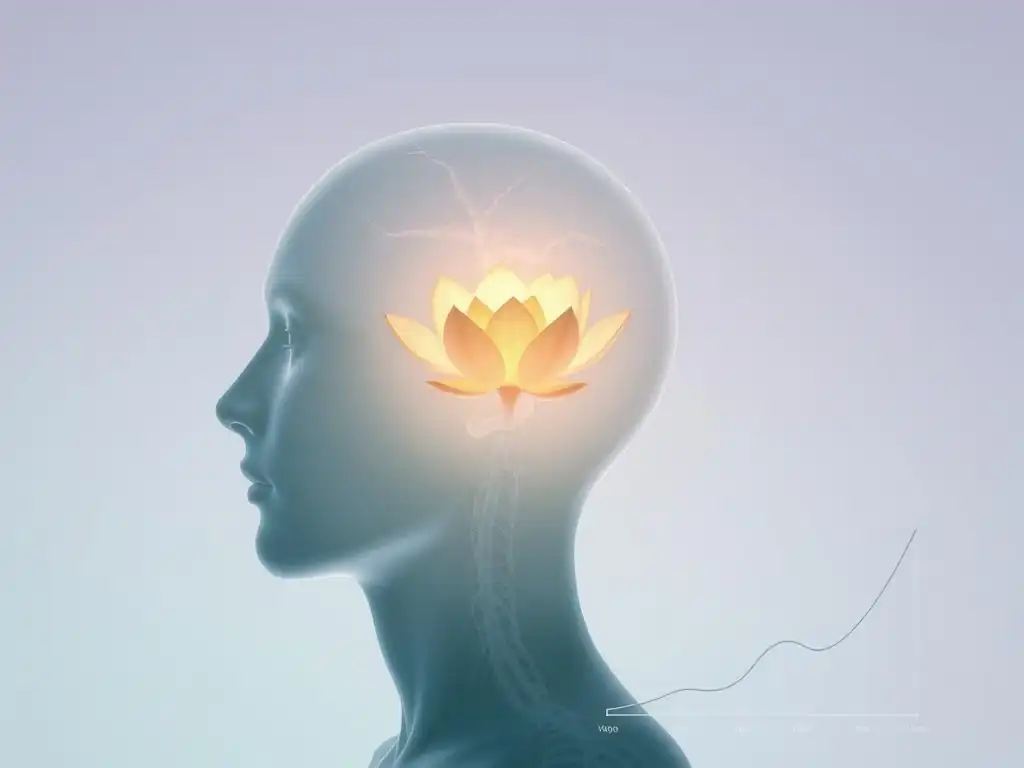
Understanding Heart Rate Variability (HRV) as a Vagal Tone Indicator
Heart Rate Variability (HRV) is the most widely used non-invasive measure of vagal tone. It refers to the natural variation in the time interval between consecutive heartbeats. Counterintuitively, a higher HRV indicates a more adaptable and resilient nervous system, reflecting a healthy balance between the sympathetic ("fight or flight") and parasympathetic ("rest and digest") branches. The vagus nerve is the primary driver of this variability; its activity slows the heart rate during exhalation, increasing the time between beats, while reduced vagal activity during inhalation allows the heart rate to slightly quicken.
When the vagus nerve is highly active (high vagal tone), the heart rate can fluctuate more significantly between inhalation and exhalation, resulting in higher HRV. Conversely, under stress or illness, sympathetic activity dominates, suppressing vagal influence, and the heart beats more like a metronome, leading to lower HRV. Tracking HRV provides objective data on the state of your autonomic nervous system and serves as a powerful indicator of how well your body is managing stress and recovering. Monitoring HRV can help individuals see how effectively mindfulness improves vagus nerve health over time.
Using HRV Biofeedback to Enhance Mindfulness Practice
HRV biofeedback is a technique that uses real-time measurements of your heart rate variability to help you learn how to consciously influence your autonomic nervous system. By connecting sensors that measure your pulse, a biofeedback device or app displays your HRV pattern on a screen. You are then guided to breathe in a specific rhythm, typically slower than your usual rate (often around 5-7 breaths per minute), to maximize the natural respiratory sinus arrhythmia (the increase in heart rate during inhalation and decrease during exhalation).
Practicing mindful breathing while observing your HRV feedback allows you to see the immediate impact of your breath on your vagal tone. This visual or auditory feedback helps you refine your breathing technique to achieve a state of "coherence," where heart rate, breathing, and blood pressure rhythms synchronize, indicating optimal vagal activity. Using HRV biofeedback can deepen your mindfulness practice by providing tangible evidence of your ability to self-regulate your nervous system and confirm that your mindful efforts are indeed helping to improve vagus nerve health.
Tools and Apps for Tracking HRV and Vagal Tone
In recent years, tracking HRV has become much more accessible thanks to wearable technology and smartphone apps. Devices like smartwatches, fitness trackers, and dedicated HRV monitors can collect continuous or spot measurements of your heart rate and analyze the data to provide daily or weekly HRV scores. Many accompanying apps offer insights into how lifestyle factors, including stress, sleep, exercise, and potentially mindfulness practice, are impacting your vagal tone.
While the accuracy can vary between devices, consistent use of a reliable tool can provide valuable trends. Some apps specifically integrate mindfulness or breathing exercises and show you in real-time how these practices affect your HRV. Using these tools allows you to objectively track your progress and see the physiological benefits of your mindfulness efforts. It provides a data-driven way to confirm that mindfulness improves vagus nerve health and contributes to greater physiological resilience.
The Long-Term Impact of Mindfulness on Vagus Nerve Function
Cultivating Resilience and Emotional Well-being Through Consistent Practice
Consistent, long-term mindfulness practice has a cumulative effect on the vagus nerve and the nervous system as a whole, leading to increased resilience and enhanced emotional well-being. Just like exercising a muscle, regularly activating the vagus nerve through mindfulness strengthens its capacity to regulate the body's stress response. Over time, the nervous system becomes less reactive to minor stressors and more capable of returning to a state of calm quickly after a challenge.
This improved vagal tone translates into greater emotional stability. Individuals with higher vagal tone are often better able to manage difficult emotions, experience less intense negative affect, and exhibit greater empathy and compassion. The sustained practice of mindfulness improves vagus nerve health, building a physiological foundation for a more robust and flexible emotional life, allowing individuals to navigate life's ups and downs with greater ease and grace.
Preventing Chronic Stress and Supporting Vagal Health
Chronic stress is a pervasive issue in modern life and is detrimental to both physical and mental health. It keeps the sympathetic nervous system in overdrive, suppressing vagal activity and leading to a state of chronic low vagal tone. This sustained imbalance contributes to a host of health problems, including cardiovascular disease, digestive issues, and weakened immune function.
Mindfulness acts as a powerful antidote to chronic stress by directly addressing its root causes and physiological effects. By cultivating present-moment awareness and reducing reactivity to stressful thoughts and situations, mindfulness helps to lower overall stress levels. Furthermore, by actively stimulating the vagus nerve, regular mindfulness practice helps to counterbalance the effects of stress, preventing the descent into chronic low vagal tone. Thus, consistent mindfulness improves vagus nerve health, serving as a proactive strategy for preventing the damaging effects of chronic stress.
Mindfulness as a Complementary Therapy for Vagal Nerve Dysfunction
Conditions associated with dysregulated autonomic nervous system function, sometimes referred to as vagal nerve dysfunction, can manifest in various ways, including digestive disorders, chronic fatigue, and anxiety. While not a standalone cure, mindfulness shows promise as a complementary therapy for supporting individuals experiencing such challenges. By specifically targeting and strengthening the vagal pathway, mindfulness can help retrain the nervous system towards a more balanced state.
For example, individuals with conditions like Postural Orthostatic Tachycardia Syndrome (POTS), which involves autonomic dysfunction, might find that practices aimed at increasing vagal tone, including mindful breathing and meditation, help manage symptoms like rapid heart rate or dizziness. While medical guidance is essential, integrating practices that consciously improve vagus nerve health through mindfulness offers a non-pharmacological approach to support the body's natural regulatory mechanisms and improve quality of life.
Integrating Mindfulness into Daily Life for Optimal Vagal Nerve Health
Creating a Sustainable Mindfulness Practice
Integrating mindfulness into daily life is key to reaping its long-term benefits for vagal nerve health. Consistency is more important than duration when starting. Begin with short, manageable periods, perhaps just 5-10 minutes per day, and gradually increase as it feels comfortable. Find a time and place that works for you, whether it's first thing in the morning, during a lunch break, or before bed.
Experiment with different techniques – mindful breathing, short meditations, body scans – to find what resonates most with you. Don't strive for a perfectly clear mind; the practice is about noticing where your attention goes and gently bringing it back. Consider using guided meditations or joining a local group for support and structure. By making mindfulness a regular part of your routine, you consistently engage and strengthen the vagus nerve, ensuring that mindfulness improves vagus nerve health on an ongoing basis.
Mindful Eating and Vagal Nerve Stimulation
Mindful eating is a practice that involves paying full attention to the experience of eating – the sights, smells, textures, and tastes of your food, as well as the physical sensations of hunger and fullness. This practice can also stimulate the vagus nerve, which is heavily involved in digestion and signaling satiety. By slowing down, chewing thoroughly, and savoring each bite, you allow the vagus nerve to effectively communicate with the brain about the process of eating.
Eating rapidly or while distracted can interfere with this communication, potentially leading to overeating or digestive discomfort. Mindful eating encourages a more relaxed state during meals, activating the parasympathetic nervous system and supporting optimal digestive function mediated by the vagus nerve. This simple, everyday application of mindfulness improves vagus nerve health and enhances the body's natural processes related to food and digestion.
Resources for Further Learning About the Vagus Nerve and Mindfulness
For those interested in delving deeper into the fascinating connection between the vagus nerve and mindfulness, a wealth of resources is available. Books dedicated to the vagus nerve explore its anatomy, function, and methods for stimulation. Many reputable websites and organizations focused on mental health and neuroscience offer articles and guides on the topic.
Exploring scientific literature can provide in-depth insights into the research supporting how mindfulness improves vagus nerve health. Look for studies on heart rate variability, autonomic nervous system regulation, and the effects of meditation practices. Additionally, many mindfulness centers and online platforms offer courses and workshops that teach practical techniques for cultivating mindfulness and understanding its physiological benefits. Engaging with these resources can empower you to further integrate practices that support your vagal health and overall well-being.
Frequently Asked Questions
How does mindfulness specifically benefit the vagus nerve?
Mindfulness practices like meditation and deep breathing can stimulate the vagus nerve, increasing its activity and promoting a rest-and-digest response. This helps to counteract the fight-or-flight response associated with stress.
What types of mindfulness practices are most effective for vagal tone?
While many mindfulness techniques can help, deep breathing exercises and body scan meditations are particularly effective. These practices directly engage the parasympathetic nervous system, which the vagus nerve is part of.
How long does it take to see improvements in vagal tone through mindfulness?
The timeframe varies, but consistent practice, even for just 10-15 minutes daily, can show noticeable improvements in vagal tone within a few weeks. Consistency is key for long-term benefits.
What are some signs that mindfulness is improving my vagus nerve health?
Signs include reduced anxiety, improved sleep quality, better digestion, and an increased sense of calmness and well-being. These are indicators of a more balanced nervous system.
Can mindfulness replace other treatments for vagus nerve dysfunction?
Mindfulness is a valuable tool, but it should be considered complementary to other treatments, not a replacement. Consult with a healthcare professional for a comprehensive treatment plan for vagus nerve dysfunction.
Final Reflection: Unraveling the Mind-Body Connection Through Mindfulness
The power of mindfulness to improve vagus nerve health is not just a theoretical concept; it's a tangible pathway to better physical and mental well-being in our increasingly stressful world. The research presented clearly demonstrates the profound impact mindful practices can have on regulating the autonomic nervous system, fostering a sense of calm and resilience in the face of adversity. This isn't simply about reducing stress; it's about actively cultivating a healthier, more integrated relationship between mind and body.
The exploration of the vagus nerve's role in our overall health has been a deeply enriching journey, highlighting the interconnectedness of our internal systems. Understanding how simple practices like deep breathing and meditation can directly influence this crucial nerve has profoundly shifted my own perspective on self-care. It's a reminder that we are not merely passive recipients of stress, but active participants in shaping our physiological responses. The body keeps the score,
as Bessel van der Kolk so eloquently puts it, and mindfulness provides us with the tools to rewrite that score, to cultivate a healthier narrative within ourselves.
Now, consider this: what small step can you take today to nurture your vagus nerve? Perhaps it's five minutes of mindful breathing before your next meeting, or a conscious effort to connect with your body through gentle movement. The journey towards improved vagus nerve health, and the resulting benefits for your mental and physical well-being, begins with a single, mindful breath. Embrace the power within you to cultivate a healthier, more balanced life, one mindful moment at a time.
Unleash Your Inner Calm: Nurture Your Vagus Nerve Today!
Thanks for taking the time to explore the fascinating world of the vagus nerve and its connection to mindfulness! We hope you gained valuable insights into how to cultivate inner peace and improve your overall well-being. Now it's time to put that knowledge into practice.
Here are a few ways to continue your journey toward a more balanced and mindful life:
- Begin a daily mindfulness practice: Even 5-10 minutes of focused breathing or meditation can significantly impact your vagal tone. Try incorporating a guided meditation into your morning routine.
- Explore simple vagus nerve exercises: From humming to gargling, there are many surprisingly easy techniques you can discover to stimulate this crucial nerve. Research these techniques online and find one that resonates with you.
- Share your experience: Did this article inspire you to explore new mindfulness practices? Share your thoughts and experiences with our community in the comments below—let's connect and learn from each other!
What small step will you take today to nurture your vagus nerve and enhance your well-being?