
Decoding the Stress Response: What Happens in Your Brain Second by Second Biologically

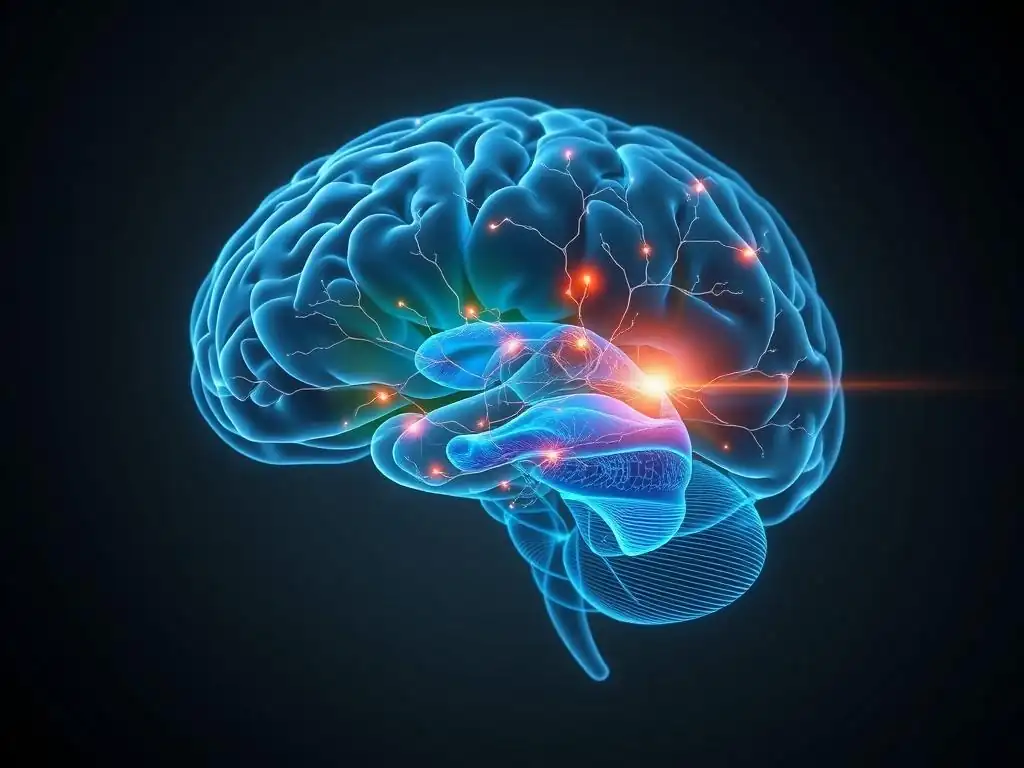
Welcome to Mind Care Guide, a space dedicated to understanding and nurturing your mental well-being.
Ever wondered what really happens inside your brain when stress hits? We delve into the fascinating world of neuroscience to bring you a comprehensive look at stress response biological mechanisms. Prepare to decode the intricate biological processes unfolding within you, second by second, and discover how this knowledge can empower you to take control. Intrigued? Let's explore together...
Decoding the Stress Response: A Neurobiological Perspective
- The Neurobiology of Stress: A Guide to Understanding Your Brain's Response
- The Brain's Immediate Reaction to Stress: A Second-by-Second Breakdown
- Second-by-Second Breakdown: The Neurobiological Cascade
- Key Players in the Stress Response
- Neurotransmitters and Neural Pathways
- Acute vs. Chronic Stress: Differential Effects on the Brain
- Stress Response and Mental Health
- Mitigating the Impact of Stress: Practical Strategies
- Supporting Mental Well-being Through Understanding the Stress Response
-
Frequently Asked Questions
- What are the primary biological mechanisms involved in the stress response?
- How does the brain's amygdala influence the stress response?
- What role does cortisol play in the stress response biological mechanisms?
- Can chronic stress negatively impact the stress response biological mechanisms?
- What are some ways to regulate the stress response and promote mental well-being?
- Final Reflection: Unraveling the Body's Silent Alarm
- Unlock Your Brain's Resilience: Take Control of Stress
The Neurobiology of Stress: A Guide to Understanding Your Brain's Response
Stress is an unavoidable part of life, and while often perceived negatively, the stress response is a fundamental biological mechanism designed for survival. It's a complex interplay between the brain and body, orchestrated by intricate neural pathways and chemical signals. Understanding these biological mechanisms of the stress response provides crucial insight into how our bodies react to perceived threats and challenges, paving the way for more effective management strategies. This neurobiological perspective reveals the remarkable efficiency of the brain's threat detection system and the cascading physiological changes that follow.
This journey into the brain's reaction to stress explores the key structures and chemicals involved, tracing the rapid sequence of events that unfold from the moment a stressor is perceived. From the initial flash of recognition in the amygdala to the widespread release of hormones, the stress response is a finely tuned process. By detailing the biological mechanisms underpinning the stress response, we can gain a deeper appreciation for its purpose while also recognizing the potential for dysfunction when this system is chronically activated.
The Brain's Immediate Reaction to Stress: A Second-by-Second Breakdown
The initial detection and processing of a stressor is remarkably fast, occurring within milliseconds. This rapid response is critical for survival, allowing an organism to react instantly to potential danger. The brain's immediate reaction involves a core circuit that quickly identifies the threat, initiates a cascade of signals, and prepares the body for action. This instantaneous biological mechanism of the stress response ensures that precious time isn't lost in evaluating the situation.
This swift neural pathway bypasses slower, more analytical parts of the brain, prioritizing speed over detailed assessment in moments of crisis. It's a primal system inherited through evolution, hardwired to prioritize safety. Understanding this initial, rapid sequence is key to comprehending the full scope of the biological mechanisms of the stress response.
Amygdala: Identifying and Reacting to Threats
The amygdala, a small almond-shaped structure located deep within the temporal lobe, is often referred to as the brain's "fear center," though its role is more accurately described as a threat detection and emotional processing hub. Upon receiving sensory information, the amygdala rapidly evaluates its emotional significance, particularly whether it represents a potential danger. This evaluation is often pre-conscious, meaning the amygdala can begin initiating a response before the conscious brain even fully registers what is happening.
If the amygdala identifies a threat, it sends urgent signals to various parts of the brain and body, including the hypothalamus. This immediate activation of the amygdala is a critical first step in the biological mechanisms of the stress response. Studies using neuroimaging techniques like fMRI show increased activity in the amygdala within fractions of a second when exposed to threatening stimuli, highlighting its role in the very early stages of the stress cascade.
Hypothalamus: Initiating the Stress Response Cascade
Located just above the brainstem, the hypothalamus serves as the control center for many of the body's automatic functions, including the stress response. When signaled by the amygdala that a threat is present, the hypothalamus springs into action, initiating a complex hormonal cascade known as the Hypothalamic-Pituitary-Adrenal (HPA) axis. This axis is the central command system for the biological mechanisms of the stress response.
The hypothalamus begins this cascade by releasing a peptide hormone called corticotropin-releasing hormone (CRH) into a specialized network of blood vessels connecting it to the pituitary gland. This release of CRH is the critical signal that sets the subsequent steps of the stress response in motion. The speed and intensity of this initial CRH release are modulated by input from other brain regions, including the amygdala and areas involved in regulating mood and memory.
Pituitary Gland: Releasing Hormones that Activate the Adrenal Glands
Following the release of CRH from the hypothalamus, the pituitary gland, a small gland located at the base of the brain, is stimulated. Specifically, the anterior part of the pituitary gland responds to CRH by releasing another crucial hormone into the bloodstream: adrenocorticotropic hormone (ACTH). This step is a vital relay point in the HPA axis, transferring the stress signal from the brain to the body's major stress hormone producers.
ACTH travels through the bloodstream to the adrenal glands, which sit atop the kidneys. The amount of ACTH released by the pituitary is directly proportional to the amount of CRH received from the hypothalamus, ensuring a dose-dependent response to the perceived stressor. The release of ACTH marks the point where the brain's signal begins to trigger widespread physiological changes throughout the body, driven by the biological mechanisms of the stress response.
Second-by-Second Breakdown: The Neurobiological Cascade
Understanding the stress response biological mechanisms requires looking at the timeline of events. While the HPA axis is a key player, the immediate reaction involves even faster pathways. The initial seconds are dominated by neural signals and the rapid release of neurotransmitters, followed quickly by the hormonal cascade. This rapid sequence ensures that the body is primed for action almost instantaneously.
This second-by-second breakdown illustrates how the brain and body work in concert to handle perceived threats. It highlights the incredible efficiency and speed of the biological mechanisms underlying the stress response, a testament to its importance for survival.
0-1 Second: Sensory Input and Amygdala Activation
Within milliseconds of encountering a potential stressor – whether a sudden loud noise, a visual threat, or even a stressful thought – sensory information is processed. This information travels rapidly along neural pathways, including a "fast pathway" that goes directly to the amygdala, bypassing conscious processing in the cortex. Simultaneously, a "slow pathway" sends information to the cortex for a more detailed analysis.
During this crucial first second, the amygdala receives the raw sensory data via the fast pathway and initiates its rapid threat assessment. If it detects a potential danger, it sends immediate signals to initiate the stress response, including alerting the hypothalamus. This nearly instantaneous amygdala activation is the very first step in the observable biological mechanisms of the stress response at the neural level.
1-5 Seconds: HPA Axis Activation
Following the amygdala's signal, the hypothalamus begins releasing CRH within approximately 1-5 seconds. This release stimulates the pituitary gland to secrete ACTH into the bloodstream. While the hormones themselves take a few seconds to travel, the initiation of this hormonal cascade begins almost immediately after the initial neural threat detection.
Concurrently, the sympathetic nervous system is also rapidly activated. This branch of the autonomic nervous system prepares the body for "fight or flight" responses. It sends neural signals directly to organs and glands, causing changes like increased heart rate, dilated pupils, and the release of adrenaline from the adrenal medulla. This dual activation of both the HPA axis and the sympathetic nervous system within the first few seconds demonstrates the layered biological mechanisms of the stress response.
5-15 Seconds: Cortisol Release and Initial Brain Effects
As ACTH reaches the adrenal cortex (the outer layer of the adrenal glands) via the bloodstream, it stimulates the production and release of cortisol, the primary stress hormone in humans. Cortisol levels begin to rise in the blood within roughly 5-15 seconds after the initial HPA axis activation, though peak levels are typically reached later.
Once released, cortisol travels throughout the body, including back to the brain. Within this timeframe, cortisol starts to exert its initial effects on various brain regions, including the hippocampus and prefrontal cortex, which are involved in memory, learning, and decision-making. While the full effects take longer to manifest, the presence of rising cortisol levels within the first 15 seconds is a key indicator of the activated biological mechanisms of the stress response.
15-60 Seconds: Systemic Physiological Responses
Within 15 to 60 seconds (and often extending longer), the combined effects of sympathetic nervous system activation and rising hormone levels like cortisol and adrenaline lead to widespread physiological changes. Heart rate and blood pressure increase significantly, breathing quickens, and blood flow is diverted away from digestion and towards large muscle groups. Glucose is released into the bloodstream for energy.
The brain's processing also shifts: attention narrows onto the perceived threat, and resources are diverted from complex problem-solving towards rapid, instinctual reactions. These systemic responses, driven by the biological mechanisms of the stress response, prepare the body to either confront the stressor or flee from it. While some hormonal effects like peak cortisol levels take longer (e.g., 20-30 minutes), the immediate physiological readiness is established within the first minute.
Key Players in the Stress Response
Beyond the immediate neural and hormonal cascade, several key hormones and neurotransmitters play ongoing, critical roles in mediating the stress response and its effects on the brain and body. These chemical messengers are central to the biological mechanisms of the stress response, influencing everything from energy availability to emotional state. Understanding their specific functions helps clarify the complex picture of how stress impacts us.
These molecular players act on various targets throughout the body, ensuring a coordinated and powerful reaction to stress. Their levels and activity are tightly regulated, although chronic stress can disrupt this balance, leading to potentially harmful consequences.
Cortisol: Impact on Brain Function and Cognition
Cortisol, a glucocorticoid hormone produced by the adrenal cortex, is often called the "stress hormone" due to its central role in the HPA axis. Its primary function during stress is to increase glucose in the bloodstream, providing energy for the fight-or-flight response. However, cortisol also has profound and complex effects on the brain, impacting mood, memory, and learning.
In the short term, cortisol can enhance memory consolidation for emotionally arousing events, which is adaptive for learning from dangerous experiences. It also influences attentional processes, helping to focus resources on the stressor. However, prolonged exposure to high levels of cortisol, as seen in chronic stress, can be detrimental, potentially leading to atrophy of neurons in the hippocampus (important for memory) and impaired function in the prefrontal cortex (important for executive functions like decision-making and impulse control).
Epinephrine (Adrenaline): The Fight-or-Flight Response
Epinephrine, also known as adrenaline, is a hormone and neurotransmitter produced by the adrenal medulla and some neurons. It is a key mediator of the sympathetic nervous system's rapid "fight-or-flight" response, acting much faster than cortisol. Epinephrine is released within seconds of stress onset, contributing significantly to the immediate physiological changes observed.
Its effects are widespread and include increasing heart rate and stroke volume, constricting blood vessels in non-essential areas (like digestion) while dilating them in large muscles, expanding airways in the lungs, and stimulating glucose release from the liver. These actions rapidly prepare the body for intense physical activity. The surge of epinephrine is a hallmark of the acute biological mechanisms of the stress response, providing the burst of energy and physical readiness needed in an emergency.
Norepinephrine: Focus, Vigilance, and Arousal
Norepinephrine (also called noradrenaline) is closely related to epinephrine and functions as both a neurotransmitter in the brain and a hormone released by the adrenal medulla. In the brain, norepinephrine is crucial for regulating arousal, attention, vigilance, and the stress response. It originates from neurons primarily located in the locus coeruleus (LC) in the brainstem.
During stress, the LC increases norepinephrine release throughout the brain, enhancing alertness and focus on the stressor. It strengthens memory formation for stressful events and modulates emotional responses. As a hormone from the adrenal medulla, norepinephrine contributes to the systemic sympathetic response, mirroring many of epinephrine's effects but often with slightly different receptor targets and durations. The coordinated action of norepinephrine in the brain and body is a critical component of the biological mechanisms of the stress response, ensuring both mental and physical readiness.
Neurotransmitters and Neural Pathways
Beyond the major stress hormones, several neurotransmitters play crucial roles in modulating the brain's response to stress. These chemical messengers facilitate communication between neurons, influencing how stress signals are processed and how different brain regions interact. Understanding the role of these neurotransmitters provides a more complete picture of the intricate biological mechanisms of the stress response at the cellular level.
The balance and activity of these neurotransmitters can be significantly altered by both acute and chronic stress, impacting mood, cognitive function, and behavior.
Glutamate and GABA: Excitatory and Inhibitory Balance
Glutamate is the primary excitatory neurotransmitter in the brain, while Gamma-aminobutyric acid (GABA) is the primary inhibitory neurotransmitter. The balance between glutamate and GABA activity is essential for normal brain function, regulating neuronal excitability and preventing runaway neural activity. Stress significantly impacts this delicate balance.
Acute stress typically increases glutamate release in various brain regions, including the amygdala and prefrontal cortex, contributing to heightened arousal, vigilance, and potentially anxiety. Simultaneously, stress can impair GABAergic function, reducing the brain's ability to dampen excitatory signals. Chronic stress can lead to more persistent alterations in glutamate and GABA systems, potentially contributing to excitotoxicity (neuronal damage from excessive glutamate) and impaired inhibitory control, which are implicated in various stress-related mental health conditions.
Dopamine: Motivation and Reward During Stress
Dopamine is a neurotransmitter involved in reward, motivation, pleasure, and motor control. Its role in the stress response is complex and depends on the specific brain pathway involved. Acute, controllable stress can sometimes increase dopamine release in areas like the nucleus accumbens, potentially enhancing motivation to cope with the stressor or facilitating learning associated with successful coping.
However, uncontrollable or chronic stress can disrupt dopaminergic signaling, particularly in the prefrontal cortex and other areas involved in executive function and motivation. This disruption is thought to contribute to stress-induced changes in decision-making, anhedonia (loss of pleasure), and decreased motivation, symptoms often seen in depression and other stress-related disorders. The impact on dopamine pathways is a key aspect of the biological mechanisms of the stress response affecting mood and motivation.
Serotonin: Mood Regulation and Stress Resilience
Serotonin is a neurotransmitter widely known for its role in regulating mood, sleep, appetite, and social behavior. It also plays a significant role in modulating the stress response. Serotonin pathways project to many brain regions involved in stress processing, including the amygdala, hippocampus, and prefrontal cortex.
Stress can alter serotonin synthesis, release, and receptor sensitivity. Generally, acute stress can initially increase serotonin activity, potentially influencing emotional reactivity. However, chronic stress often leads to dysregulation of the serotonin system, which is strongly implicated in the development of mood disorders like depression and anxiety. Variations in genes related to serotonin transport and metabolism can also influence an individual's vulnerability to the effects of stress, highlighting the complex interplay of genetics and the biological mechanisms of the stress response.
Acute vs. Chronic Stress: Differential Effects on the Brain
The duration and nature of stress profoundly influence its impact on the brain. Acute stress, a short-lived response to an immediate threat, triggers rapid and generally adaptive changes. Chronic stress, resulting from prolonged exposure to stressors, leads to sustained activation of the stress response biological mechanisms, which can become maladaptive and damaging over time.
Understanding the distinction between acute and chronic stress effects is crucial for appreciating the full spectrum of how stress impacts brain health and function. While acute stress prepares the body for immediate action, chronic stress can lead to significant wear and tear on the brain and body.
Acute Stress: Short-Term Adaptations
Acute stress triggers a rapid, transient activation of the sympathetic nervous system and the HPA axis. This leads to immediate physiological changes designed to enhance survival, such as increased alertness, faster reaction times, and mobilization of energy stores. In the brain, acute stress can temporarily enhance certain cognitive functions, like focused attention and memory encoding of the stressful event.
For example, encountering a sudden obstacle while driving (an acute stressor) elicits an immediate surge of adrenaline and cortisol. This triggers rapid physiological changes – increased heart rate, heightened senses – and focuses attention solely on avoiding the obstacle. Once the threat passes, hormone levels typically return to baseline within minutes or a few hours, and the brain and body recover. This temporary activation is an essential aspect of the biological mechanisms of the stress response for immediate survival.
Chronic Stress: Long-Term Structural and Functional Changes
Chronic stress, unlike acute stress, involves prolonged or repeated activation of the stress response biological mechanisms. This sustained activation, particularly of the HPA axis and sympathetic nervous system, can lead to significant and potentially irreversible structural and functional changes in the brain. Key areas affected include the hippocampus, prefrontal cortex, and amygdala.
Studies show that chronic stress can lead to a reduction in the volume of the hippocampus and prefrontal cortex, areas critical for learning, memory, and executive function. Conversely, the amygdala, involved in fear and anxiety, can become enlarged and hyperactive. These structural changes are often accompanied by altered synaptic plasticity (the ability of neurons to form new connections) and reduced neurogenesis (the birth of new neurons), particularly in the hippocampus.
Prolonged Cortisol Exposure: Impact on Brain Structures
Sustained high levels of cortisol, a hallmark of chronic stress, are particularly damaging to certain brain regions. The hippocampus has a high density of receptors for cortisol, making it particularly vulnerable to prolonged exposure. Chronic cortisol can impair synaptic function in the hippocampus, reduce the number of neurons, and inhibit the generation of new neurons (neurogenesis). This contributes to stress-related memory problems and difficulties with learning.
The prefrontal cortex, responsible for complex cognitive functions like planning, decision-making, and emotional regulation, is also negatively affected by chronic cortisol. High cortisol can impair its function, leading to difficulties with concentration, problem-solving, and inhibiting impulsive behavior. While the amygdala initially responds to stress, prolonged cortisol exposure can contribute to its persistent hyperactivity, potentially increasing anxiety and reactivity to non-threatening stimuli. These effects highlight how chronic activation of the biological mechanisms of the stress response can lead to long-term brain changes.
Stress Response and Mental Health
The intricate biological mechanisms of the stress response are deeply intertwined with mental health. While an adaptive response in the short term, chronic or dysregulated stress is a significant risk factor for the development and exacerbation of various mental health conditions. Understanding these connections is vital for both prevention and treatment.
The persistent changes in brain structure, function, and neurochemistry caused by chronic stress contribute directly to the vulnerability to and manifestation of disorders like anxiety, depression, and cognitive impairment.
Stress and Anxiety Disorders: Neurobiological Mechanisms
Anxiety disorders, such as Generalized Anxiety Disorder, Panic Disorder, and PTSD, are strongly linked to dysregulation of the stress response biological mechanisms. A key feature is often a hyperactive amygdala and impaired function in the prefrontal cortex, which normally helps regulate emotional responses. Chronic stress can exacerbate this imbalance.
In conditions like PTSD, the stress response system becomes persistently hypervigilant. The HPA axis may show altered regulation, sometimes exhibiting lower-than-normal cortisol levels alongside heightened sensitivity to stress signals. The neural circuits involving the amygdala, hippocampus, and prefrontal cortex show abnormal connectivity and activity, leading to exaggerated fear responses, intrusive memories, and difficulty regulating emotions. The persistent activation and altered function of these biological mechanisms are central to the experience of pathological anxiety.
Stress and Depression: Neural Pathways of Vulnerability
Major Depressive Disorder is also closely associated with chronic stress and alterations in the stress response biological mechanisms. Many individuals with depression show chronic activation of the HPA axis, resulting in persistently elevated cortisol levels. This chronic exposure contributes to the structural and functional changes in the hippocampus and prefrontal cortex mentioned earlier, impacting mood regulation, cognitive function, and the ability to experience pleasure.
Furthermore, stress-induced changes in neurotransmitter systems, particularly serotonin, norepinephrine, and dopamine, are heavily implicated in the neurobiology of depression. Chronic stress can lead to reduced levels or impaired signaling of these crucial neurotransmitters in brain areas that regulate mood, motivation, and reward, contributing to core depressive symptoms like persistent sadness, loss of interest, and low energy.
Stress and Cognitive Impairment: Mechanisms and Consequences
Chronic stress and the resulting prolonged activation of the stress response biological mechanisms can significantly impair cognitive function. As noted, high cortisol levels can damage the hippocampus and impair the prefrontal cortex, leading to deficits in memory, learning, attention, and executive functions like planning and problem-solving.
Individuals experiencing chronic stress may report difficulties concentrating, making decisions, and remembering things. In severe cases, prolonged stress exposure throughout life is considered a risk factor for cognitive decline later in life, potentially impacting vulnerability to neurodegenerative conditions. The mechanisms involve not just direct hormonal effects but also stress-induced inflammation and oxidative stress, which can further damage brain cells and impair neural circuit function.
Mitigating the Impact of Stress: Practical Strategies
Given the profound impact of stress on brain health and mental well-being, developing effective strategies to mitigate its effects is essential. While the biological mechanisms of the stress response are powerful, they are also modulated by lifestyle choices and coping techniques. Implementing practical strategies can help regulate the stress response and promote resilience.
These strategies work by targeting different aspects of the stress response, from directly lowering stress hormone levels to enhancing the brain's ability to cope with stressors and promoting overall brain health.
Mindfulness and Meditation: Modulating the Stress Response
Mindfulness and meditation practices involve training attention and awareness, often focusing on the present moment without judgment. Regular practice has been shown to modulate the stress response biological mechanisms, particularly by impacting the HPA axis and the brain regions involved in stress processing.
Studies using neuroimaging have shown that experienced meditators often exhibit reduced amygdala reactivity to stressors and increased activity in the prefrontal cortex, suggesting enhanced emotional regulation and a dampened fight-or-flight response. Long-term meditation practice has also been associated with structural changes in the brain, including increased grey matter density in areas related to self-awareness, compassion, and stress regulation, and decreased grey matter in the amygdala. These practices offer a tangible way to influence the biological mechanisms of the stress response.
Exercise and Physical Activity: Reducing Stress Hormones
Regular physical exercise is a powerful tool for managing stress. It works through multiple biological mechanisms to reduce the impact of stress on the brain and body. Exercise can help metabolize excess stress hormones like cortisol and adrenaline, facilitating their clearance from the bloodstream after a stressor.
Furthermore, exercise promotes the release of endorphins, which have mood-boosting and pain-relieving effects. Chronic exercise has also been shown to improve the regulation of the HPA axis, making the stress response less pronounced and more efficient at returning to baseline. It also supports neurogenesis in the hippocampus and improves overall brain blood flow and health, building resilience against the negative effects of chronic stress.
Nutrition and Diet: Supporting Brain Health
Diet plays a significant role in supporting overall brain health and influencing the biological mechanisms of the stress response. A diet rich in whole foods, including fruits, vegetables, lean proteins, and healthy fats, provides the necessary nutrients for optimal neurotransmitter synthesis and brain function.
Specific nutrients and dietary patterns have been linked to stress resilience. For example, omega-3 fatty acids, found in fatty fish, are crucial for brain structure and function and may help modulate the stress response and reduce inflammation. Micronutrients like magnesium and B vitamins are essential for nervous system function and energy production, both of which are impacted by stress. Maintaining stable blood sugar through balanced meals can also prevent stress on the body caused by glycemic fluctuations.
Supporting Mental Well-being Through Understanding the Stress Response
Understanding the biological mechanisms of the stress response empowers individuals to take proactive steps towards managing stress and supporting their mental well-being. Recognizing how stress impacts the brain and body demystifies the experience of stress and highlights the importance of intervention. This knowledge forms the foundation for effective stress management.
Armed with this understanding, individuals can appreciate why certain strategies are effective and feel more motivated to implement them consistently. It shifts the focus from simply "feeling stressed" to recognizing a specific, biological process that can be influenced.
Stress Management Techniques: Practical Application
Applying knowledge of the stress response biological mechanisms leads to effective stress management techniques. These can include:
- Deep Breathing Exercises: Activating the parasympathetic nervous system to counteract the sympathetic "fight-or-flight" response.
- Progressive Muscle Relaxation: Releasing physical tension held in the body due to stress.
- Time Management and Prioritization: Reducing the perception of being overwhelmed, a common stressor.
- Social Support: Interacting with others can release oxytocin, a hormone that can buffer the stress response.
- Engaging in Hobbies/Enjoyable Activities: Promoting relaxation and shifting focus away from stressors.
Implementing a combination of these techniques can help regulate the HPA axis, reduce the release of stress hormones, and promote a return to a balanced physiological state.
Seeking Professional Help: When and Where to Find Support
While self-management strategies are invaluable, sometimes the stress response biological mechanisms become severely dysregulated, leading to significant mental health challenges. Recognizing when stress is overwhelming and impacting daily life is crucial for seeking professional support.
Mental health professionals, such as therapists, counselors, and psychiatrists, can provide evidence-based treatments like Cognitive Behavioral Therapy (CBT), Dialectical Behavior Therapy (DBT), or stress-reduction therapy, which are designed to help individuals understand and modify their response to stress. In some cases, medication may be used to help regulate neurotransmitter systems or manage symptoms of stress-related conditions. Seeking help is a sign of strength and a vital step in restoring balance to a dysregulated stress response system.
Frequently Asked Questions
What are the primary biological mechanisms involved in the stress response?
The stress response primarily involves the hypothalamic-pituitary-adrenal (HPA) axis and the sympathetic nervous system. These systems release hormones like cortisol and adrenaline, preparing the body for "fight or flight".
How does the brain's amygdala influence the stress response?
The amygdala plays a crucial role in detecting threats and triggering the stress response. It signals to other brain regions to initiate physiological changes necessary for survival.
What role does cortisol play in the stress response biological mechanisms?
Cortisol, a stress hormone, is released by the adrenal glands. It helps the body mobilize energy stores and suppress non-essential functions during stressful situations.
Can chronic stress negatively impact the stress response biological mechanisms?
Yes, prolonged activation of the stress response can lead to various health problems. This includes impaired immune function, increased risk of cardiovascular disease, and mental health issues.
What are some ways to regulate the stress response and promote mental well-being?
Techniques like mindfulness meditation, regular exercise, and sufficient sleep can help regulate the HPA axis. They also support the parasympathetic nervous system, promoting relaxation and recovery.
Final Reflection: Unraveling the Body's Silent Alarm
Understanding the biological mechanisms of the stress response is not merely an academic exercise; it's a crucial key to unlocking better mental and physical well-being in our relentlessly demanding world. The intricate dance between the amygdala, hypothalamus, and adrenal glands, detailed throughout this article, directly impacts our daily lives, influencing everything from our decision-making processes to our susceptibility to illness. Ignoring this intricate biological system is akin to ignoring the warning lights on a dashboard – eventually, the consequences become unavoidable.
The pervasive nature of stress in modern society underscores the importance of this knowledge. We are constantly bombarded with stimuli designed to trigger our stress response, from social media notifications to demanding work deadlines. This constant activation takes a toll, slowly eroding our resilience and increasing our risk of chronic health problems. As Hans Selye famously stated, It's not stress that kills us, it is our reaction to it.
This quote highlights the critical role of understanding how our bodies react, allowing us to develop coping mechanisms and strategies to mitigate the negative effects of stress.
The journey to understanding your stress response is a personal one. This article provides a foundation, a roadmap to navigate the complex biological terrain within you. Now, I invite you to take this knowledge and apply it. Reflect on your own stress triggers, identify your personal coping mechanisms, and actively seek out strategies to manage your stress response effectively. By understanding the science behind stress, you empower yourself to take control of your well-being and build a more resilient, healthier future.
Unlock Your Brain's Resilience: Take Control of Stress
Thanks for exploring the fascinating world of the stress response with us! You've now gained a powerful understanding of what happens in your brain during stressful moments. Let's put this knowledge into action.
Here are a few ways to build your stress resilience:
- Implement one mindful breathing technique from the article today. Even 5 minutes can make a difference! This is your primary action, aimed at direct application of the article’s knowledge.
- Share this article with a friend or family member who might benefit from understanding their stress response better. Spreading knowledge is powerful!
- Explore a new relaxation technique you haven't tried before. Perhaps look into progressive muscle relaxation or guided imagery.
Ready to experience the calming effects of a more resilient mind? What small step will you take today to better manage your stress?