
Exploring the Brain's Allostatic Load Under Chronic Stress: Biological Wear and Tear

Welcome to Mind Care Guide.
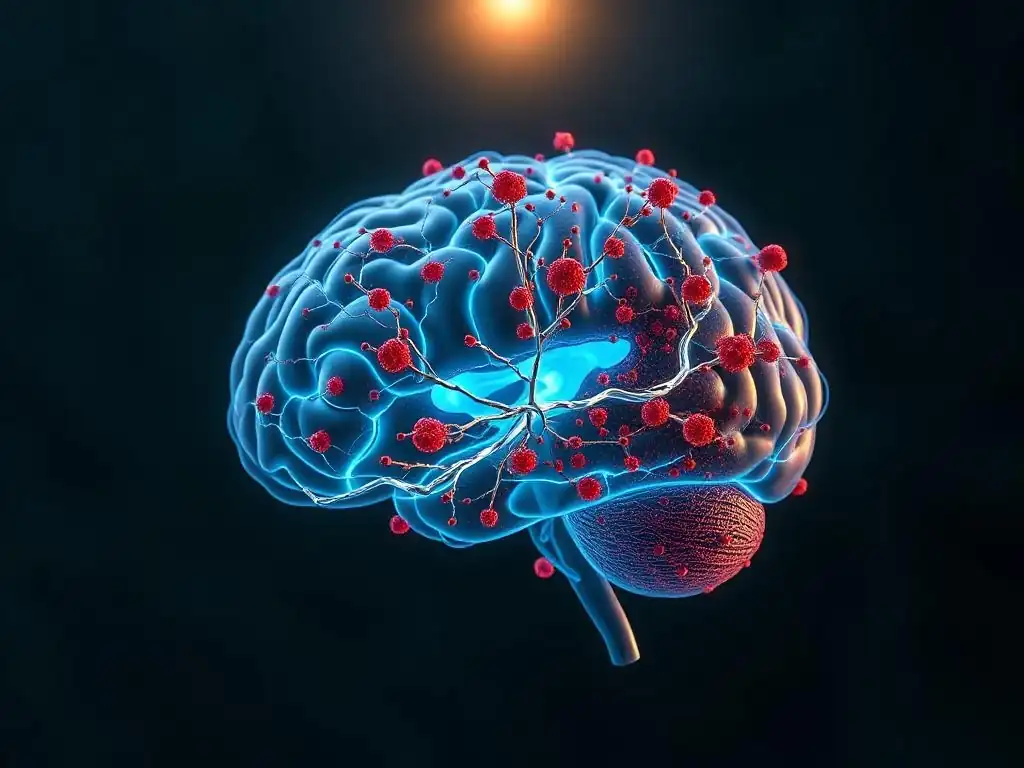
Feeling overwhelmed by chronic stress? We understand the impact it can have, and you're not alone. This is your starting point to understanding the science behind it. In this article, "Exploring the Brain's Allostatic Load Under Chronic Stress: Biological Wear and Tear," we delve into the neuroscience of mental health, specifically focusing on chronic stress brain repair strategies. Discover how chronic stress affects your brain and learn actionable ways to support its recovery. Ready to take control and start healing? Let's begin.
Exploring the Brain's Allostatic Load Under Chronic Stress: Biological Wear and Tear
- Introduction: Understanding Allostatic Load and Chronic Stress
- The Neuroscience of Allostatic Load and Brain Damage
- Biological Wear and Tear: The Manifestations of Allostatic Load on the Brain
- Chronic Stress and Cognitive Impairment: The Allostatic Load Connection
- Mitigating Allostatic Load: Strategies for Brain Health
- Supporting Brain Health: A Holistic Approach
- Conclusion: Protecting the Brain from the Detrimental Effects of Chronic Stress
-
Frequently Asked Questions
- What is allostatic load and how does it relate to chronic stress?
- How does chronic stress impact the brain's structure and function?
- What are some effective "Chronic stress brain repair strategies" mentioned in the article?
- Can lifestyle changes really reverse the damage caused by chronic stress on the brain?
- Where can I find more resources and support for managing chronic stress and improving mental well-being?
- Final Reflection: The Resilient Brain: Mending the Wear and Tear of Chronic Stress
- Unleash Your Resilience: Take Control of Your Allostatic Load
Introduction: Understanding Allostatic Load and Chronic Stress
The Concept of Allostasis: Maintaining Stability Through Change
Allostasis is a fundamental biological process describing how the body actively maintains stability (homeostasis) through change. Unlike simple homeostasis, which is about maintaining a fixed internal state (like body temperature), allostasis involves adapting physiological parameters in response to predicted demands or challenges. This dynamic regulation relies on several interconnected systems, including the hypothalamic-pituitary-adrenal (HPA) axis, the autonomic nervous system, and the immune system, allowing organisms to anticipate and respond to environmental shifts.
This adaptive capacity is crucial for survival, enabling us to cope with daily stressors. For example, anticipating a challenging presentation can trigger a temporary increase in heart rate and cortisol, preparing the body for action. Once the stressor is removed, these systems typically return to baseline. This flexible response is the healthy operation of allostatic mechanisms, ensuring the body can meet demands without lasting damage.
Chronic Stress: A Persistent Threat to Brain Health
Chronic stress occurs when stressors are persistent, severe, or perceived as uncontrollable, leading to a prolonged activation of the body's stress response systems. Unlike acute stress, which is temporary and often beneficial, chronic stress fails to resolve, keeping physiological systems in a state of heightened alert. This constant activation prevents the body from returning to a state of rest and repair, leading to cumulative wear and tear.
The impact of chronic stress extends deeply into the brain. Constant exposure to stress hormones, particularly cortisol, disrupts normal brain function and structure. This persistent threat can alter neuronal connectivity, impair neurogenesis (the birth of new neurons), and even lead to volume reductions in critical brain areas. Understanding this persistent threat is the first step towards developing chronic stress brain repair strategies.
Allostatic Load: The Price of Prolonged Adaptation
Allostatic load represents the cumulative biological cost of prolonged exposure to stress. It is not the stressor itself, but the physiological consequences of the body's repeated attempts to adapt to stress. Think of it as the "wear and tear" on the body and brain over time resulting from chronic demands. High allostatic load signifies that the body's allostatic systems are working overtime or are dysregulated, leading to a cascade of negative health outcomes.
Measuring allostatic load often involves assessing multiple biomarkers across different physiological systems, such as blood pressure, cholesterol levels, markers of inflammation (like C-reactive protein), and stress hormone levels (like cortisol). For instance, a study might find that individuals with high allostatic load scores are significantly more likely to experience age-related cognitive decline or mood disorders. This cumulative burden highlights the need for effective chronic stress brain repair strategies to mitigate its long-term effects.
The Neuroscience of Allostatic Load and Brain Damage
How Chronic Stress Impacts Brain Structures
Chronic stress has a profound and often detrimental impact on various brain structures. The hippocampus, crucial for memory and learning, is particularly vulnerable to elevated cortisol levels, which can inhibit neurogenesis and lead to dendritic atrophy. The amygdala, the brain's fear center, can become hyperactive and enlarged, leading to increased anxiety and reactivity to stressors.
Furthermore, the prefrontal cortex (PFC), responsible for executive functions like decision-making, planning, and emotional regulation, can show reduced activity and structural changes under chronic stress. This can impair cognitive control and make it harder to manage stress effectively, creating a vicious cycle. Research using MRI scans has shown that individuals experiencing chronic stress from conditions like PTSD or major depression often exhibit measurable differences in the volume and connectivity of these key brain regions compared to healthy controls.
The Role of the HPA Axis in Allostatic Overload
The hypothalamic-pituitary-adrenal (HPA) axis is the body's central stress response system. When a stressor is perceived, the hypothalamus releases corticotropin-releasing hormone (CRH), which signals the pituitary gland to release adrenocorticotropic hormone (ACTH). ACTH then prompts the adrenal glands to release cortisol, the primary stress hormone. Cortisol mobilizes energy resources and modulates immune responses to help the body cope.
Under chronic stress, the HPA axis can become dysregulated. This might involve a sustained elevation of cortisol levels, or paradoxically, a blunted response over time. This chronic dysregulation contributes significantly to allostatic load. For example, persistently high cortisol can overwhelm the negative feedback loop that normally shuts down the HPA axis, leading to prolonged exposure of the brain to damaging hormone levels. Understanding this axis is key to developing chronic stress brain repair strategies.
Neuroplasticity and the Brain's Response to Chronic Stress
Neuroplasticity is the brain's remarkable ability to reorganize itself by forming new neural connections throughout life. It is the basis of learning and memory, and it allows the brain to adapt to new experiences and challenges. However, chronic stress can impair this critical process. While acute stress can sometimes enhance plasticity in certain areas, prolonged exposure to high cortisol levels can inhibit it, particularly in the hippocampus.
Conversely, understanding neuroplasticity also offers hope for chronic stress brain repair strategies. The brain's ability to change means that even after experiencing chronic stress, targeted interventions can potentially promote recovery and rebuild damaged neural circuits. Activities like learning a new skill, engaging in regular exercise, and practicing mindfulness have been shown to promote neurogenesis and synaptic plasticity, offering pathways to counteract the negative effects of allostatic load.
Biological Wear and Tear: The Manifestations of Allostatic Load on the Brain
Structural Changes in the Hippocampus: Volume Reduction and Dendritic Atrophy
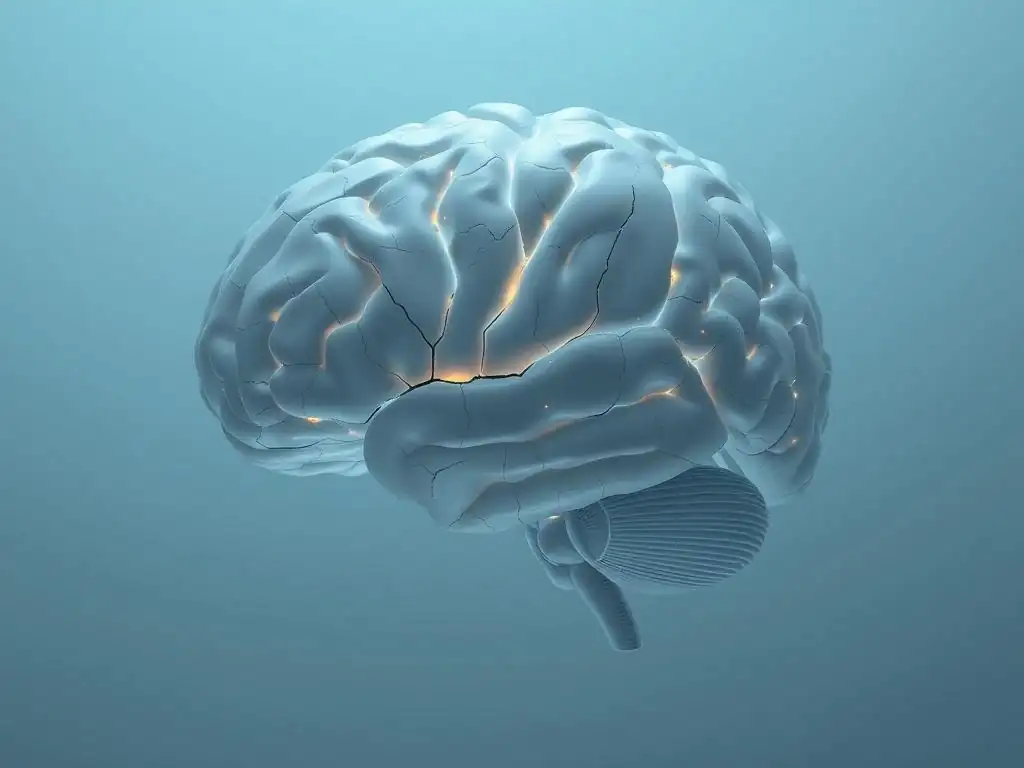
The hippocampus is one of the brain regions most susceptible to the damaging effects of chronic stress and elevated cortisol. Studies have consistently shown that chronic stress can lead to a significant reduction in hippocampal volume. For instance, research on individuals with Cushing's disease, a condition characterized by excessive cortisol production, often reveals hippocampal atrophy, sometimes showing volume reductions of 10-15% compared to healthy controls.
Beyond overall volume, chronic stress impairs hippocampal function at a cellular level. Elevated cortisol inhibits neurogenesis, the birth of new neurons in the dentate gyrus region of the hippocampus. It also causes dendritic atrophy, meaning the branches of existing neurons shrink and become less complex, reducing the number of connections they can make with other neurons. This structural and functional decline directly contributes to memory problems and learning difficulties associated with chronic stress.
Amygdala Hyperactivity: Amplifying the Stress Response
While the hippocampus shrinks, the amygdala, the brain region responsible for processing emotions like fear and anxiety, often shows increased activity and sometimes structural enlargement under chronic stress. This hyperactivity means the amygdala becomes more sensitive to perceived threats, leading to an exaggerated fear and stress response even to mild stimuli.
This heightened amygdala activity contributes to increased anxiety, vigilance, and emotional reactivity common in individuals experiencing chronic stress. It reinforces the feeling of being constantly on edge and makes it harder to regulate emotional responses. The imbalance between a hyperactive amygdala and a less effective prefrontal cortex (which normally helps regulate the amygdala) is a key neurological signature of allostatic overload.
Prefrontal Cortex Dysfunction: Impaired Executive Functions
The prefrontal cortex (PFC), the brain's executive control center, is crucial for complex cognitive functions such as planning, decision-making, working memory, and inhibiting impulsive behavior. Chronic stress significantly impairs PFC function, contributing to deficits in these areas. Stress hormones can reduce neural activity and connectivity in the PFC, particularly in the medial and orbital regions.
This dysfunction manifests as difficulty concentrating, impaired problem-solving, poor decision-making, and reduced impulse control. The ability to regulate emotions also suffers, as the PFC plays a role in dampening amygdala responses. This decline in executive function makes it harder for individuals to manage their stress effectively, plan for the future, or maintain focus on tasks, further exacerbating the effects of chronic stress.
The Impact on Neurotransmitter Systems: Serotonin, Dopamine, and Norepinephrine
Chronic stress also disrupts the delicate balance of key neurotransmitter systems in the brain, including serotonin, dopamine, and norepinephrine. Serotonin, often linked to mood and well-being, can see altered synthesis, release, and receptor sensitivity under chronic stress, contributing to feelings of depression and anxiety. Studies in animal models subjected to chronic stress show measurable reductions in serotonin transporter binding in key brain regions.
Dopamine, involved in reward, motivation, and motor control, can also be affected, potentially leading to reduced motivation and anhedonia (inability to experience pleasure). Norepinephrine, part of the fight-or-flight response, is chronically elevated, contributing to feelings of hyperarousal and anxiety. These widespread neurotransmitter imbalances are a significant component of the brain's biological wear and tear under allostatic load, impacting mood, motivation, cognition, and overall mental health.
Chronic Stress and Cognitive Impairment: The Allostatic Load Connection
Memory Problems: A Consequence of Hippocampal Damage
One of the most well-documented cognitive consequences of chronic stress and high allostatic load is impaired memory function. The structural and functional damage to the hippocampus, as discussed earlier, directly underlies these deficits. The hippocampus is essential for forming new memories (especially episodic and spatial memories) and retrieving existing ones.
Individuals experiencing chronic stress often report difficulty remembering recent events, learning new information, or navigating familiar environments. Research has shown that performance on memory tasks, particularly those requiring hippocampal engagement, is often poorer in chronically stressed individuals compared to their unstressed counterparts. For example, studies might show a 15-20% reduction in performance on specific verbal recall tests. These memory issues are a direct manifestation of the brain's biological wear and tear.
Impaired Decision-Making and Executive Function
The dysfunction of the prefrontal cortex under chronic stress leads directly to impairments in decision-making and other executive functions. The PFC is necessary for evaluating options, considering consequences, and making rational choices. When compromised, individuals may exhibit poorer judgment, increased impulsivity, and difficulty with complex problem-solving.
This can impact daily life significantly, affecting work performance, financial decisions, and interpersonal relationships. For instance, someone experiencing chronic stress might struggle to prioritize tasks at work, make rash financial decisions, or have difficulty resolving conflicts effectively. These impairments highlight the critical need for chronic stress brain repair strategies that target executive function recovery.
Attention Deficits and Difficulty Focusing
Chronic stress also interferes with the ability to focus and maintain attention. The constant state of hyperarousal driven by amygdala hyperactivity and norepinephrine dysregulation makes it difficult to filter out distractions and concentrate on tasks. Furthermore, PFC dysfunction impairs the ability to direct and sustain attentional resources.
Individuals may find themselves easily distracted, struggling to complete tasks requiring sustained focus, or experiencing a general sense of mental fogginess. This contributes to reduced productivity and increased frustration. Addressing these attention deficits is a crucial part of comprehensive chronic stress brain repair strategies.
Mitigating Allostatic Load: Strategies for Brain Health
Lifestyle Interventions for Stress Reduction
Lifestyle changes are foundational chronic stress brain repair strategies. By reducing the daily burden on the body's stress response systems, these interventions help lower allostatic load and create an environment conducive to brain healing. Consistency is key for these approaches to be effective over time.
Exercise and Physical Activity for Brain Health
Regular physical exercise is a powerful antidote to chronic stress and a vital component of chronic stress brain repair strategies. Exercise helps regulate the HPA axis, reduces cortisol levels, and promotes the release of endorphins, which have mood-boosting effects. Critically, aerobic exercise has been shown to promote neurogenesis in the hippocampus and improve structural integrity in the prefrontal cortex, directly counteracting some of the damage caused by chronic stress.
Aiming for at least 150 minutes of moderate-intensity aerobic activity or 75 minutes of vigorous-intensity activity per week, as recommended by health guidelines, can make a significant difference. Even short bursts of activity, like a 20-minute walk, can help reduce immediate stress levels and contribute to long-term brain health.
Mindfulness and Meditation Techniques
Mindfulness and meditation practices are effective in training the brain to respond differently to stress. These techniques involve focusing attention on the present moment without judgment, which can help interrupt the cycle of rumination and worry characteristic of chronic stress. Regular practice has been shown to reduce amygdala reactivity and increase activity in the prefrontal cortex, improving emotional regulation.
Studies have demonstrated that consistent meditation practice, even for just 8 weeks, can lead to measurable changes in brain structure, including increased gray matter density in areas associated with self-awareness and compassion, and decreased gray matter in the amygdala. Starting with just 5-10 minutes of guided meditation daily can be a powerful tool among chronic stress brain repair strategies.
The Importance of Sleep Hygiene
Adequate and quality sleep is essential for brain repair and recovery from allostatic load. During sleep, the brain clears metabolic waste products, consolidates memories, and restores neurotransmitter balance. Chronic stress often disrupts sleep patterns, creating a vicious cycle where stress impairs sleep, and poor sleep exacerbates stress and brain vulnerability.
Prioritizing 7-9 hours of quality sleep per night is a non-negotiable part of chronic stress brain repair strategies. Establishing a regular sleep schedule, creating a relaxing bedtime routine, ensuring a dark and quiet sleep environment, and avoiding caffeine and alcohol before bed are critical components of good sleep hygiene.
Nutrition and Dietary Considerations for Stress Management
A nutrient-rich diet supports overall brain health and resilience against stress. Chronic stress can deplete essential nutrients and increase inflammation, both of which negatively impact brain function. Focusing on whole foods, lean proteins, healthy fats (like omega-3 fatty acids found in fish and nuts), and complex carbohydrates provides the building blocks for neurotransmitter synthesis and neuronal health.
Limiting processed foods, excessive sugar, and caffeine can also help stabilize mood and energy levels, reducing physiological stress. For example, omega-3 fatty acids have been shown to reduce inflammation and may help protect against stress-induced damage to the brain. Incorporating diverse fruits and vegetables provides antioxidants that combat oxidative stress, another consequence of high allostatic load.
Therapeutic Approaches for Chronic Stress
Beyond lifestyle adjustments, various therapeutic interventions can provide targeted support for managing chronic stress and facilitating brain recovery. These approaches often address the psychological and behavioral aspects of stress response.
Cognitive Behavioral Therapy (CBT) for Stress Management
Cognitive Behavioral Therapy (CBT) is a widely effective therapy that helps individuals identify and challenge negative thought patterns and behaviors contributing to stress. By learning to reframe stressful situations, develop healthier coping mechanisms, and alter behavioral responses, individuals can reduce their subjective experience of stress and, over time, potentially lower their allostatic load.
CBT helps individuals recognize cognitive distortions (like catastrophizing) and replace them with more balanced perspectives. It also teaches practical skills like problem-solving and relaxation techniques. Studies show that CBT can lead to significant reductions in stress levels and improvements in symptoms of anxiety and depression, making it a valuable tool in chronic stress brain repair strategies.
Stress Management Techniques and Relaxation Training
Learning specific stress management and relaxation techniques provides individuals with immediate tools to counteract the physiological stress response. Techniques such as deep breathing exercises, progressive muscle relaxation, guided imagery, and yoga can activate the body's relaxation response, counteracting the fight-or-flight state induced by chronic stress.
Practicing these techniques regularly can lower heart rate, reduce blood pressure, and decrease cortisol levels. Integrating short relaxation breaks throughout the day can prevent the accumulation of stress. These simple yet powerful methods are accessible chronic stress brain repair strategies that empower individuals to regain a sense of control over their physiological state.
Neurofeedback and Brain Training
Neurofeedback is a type of biofeedback that allows individuals to see their brainwave activity in real-time and learn to regulate it. By providing feedback based on specific brainwave patterns associated with states like relaxation or focus, individuals can train themselves to shift their brain activity towards healthier patterns.
While more research is needed, preliminary studies suggest neurofeedback may be beneficial for conditions associated with chronic stress, such as anxiety and PTSD, potentially helping to regulate hyperactivity in areas like the amygdala and improve function in the prefrontal cortex. As a developing field, neurofeedback represents a potential future direction in chronic stress brain repair strategies.
Pharmacological Interventions: Considerations and Limitations
In some cases, pharmacological interventions may be considered, often in conjunction with therapy and lifestyle changes, to manage symptoms associated with chronic stress, such as severe anxiety or depression. However, these medications primarily address symptoms rather than directly reversing allostatic load or repairing brain damage.
Understanding the Role of Antidepressants
Antidepressants, particularly selective serotonin reuptake inhibitors (SSRIs), are often prescribed for depression and anxiety, conditions frequently co-occurring with chronic stress. They work by altering neurotransmitter levels in the brain, which can help improve mood and reduce anxiety. While they can alleviate debilitating symptoms, their direct role in reversing specific structural brain damage caused by chronic stress is still an area of active research.
Antidepressants can help stabilize the brain's chemical environment, which might indirectly support recovery processes. However, they do not replace the need for addressing the underlying stressors or engaging in behavioral and lifestyle changes that directly promote brain health and resilience.
Anti-Anxiety Medications and Their Impact on Allostatic Load
Medications like benzodiazepines are sometimes prescribed for acute, severe anxiety associated with chronic stress. These medications work quickly to reduce anxiety by enhancing the effects of GABA, an inhibitory neurotransmitter. However, they are typically recommended for short-term use due to the risk of dependence and potential side effects.
While anti-anxiety medications can provide temporary relief from overwhelming symptoms, they do not address the root causes of chronic stress or contribute to long-term chronic stress brain repair strategies. In fact, prolonged use of some sedatives might potentially have negative effects on cognitive function. Therefore, their role is usually limited to managing acute crises within a broader treatment plan.
Supporting Brain Health: A Holistic Approach
Strong social connections and support networks are powerful buffers against stress and crucial for maintaining brain health. Positive social interactions can reduce the physiological stress response, lower cortisol levels, and promote the release of oxytocin, a hormone associated with bonding and relaxation. Feeling connected reduces feelings of isolation, which can exacerbate stress and vulnerability.
Engaging regularly with friends, family, or support groups provides emotional validation, practical assistance, and a sense of belonging. Research consistently shows that individuals with robust social support are more resilient to stress and have better mental and physical health outcomes. Nurturing these relationships is a vital, often overlooked, element of chronic stress brain repair strategies.
Creating a Stress-Resilient Environment
Modifying one's environment to reduce exposure to chronic stressors is essential. This might involve setting boundaries at work, reducing exposure to negative news, decluttering physical space, or minimizing contact with toxic individuals. While not always easy, making conscious choices to reduce unavoidable stressors can significantly lower the daily burden on the allostatic system.
This also includes incorporating elements that promote relaxation and well-being into one's surroundings, such as spending time in nature, listening to calming music, or creating a dedicated space for relaxation or hobbies. A supportive and calming environment can actively contribute to reducing allostatic load and fostering brain recovery.
Long-Term Strategies for Maintaining Brain Health
Maintaining brain health in the face of potential stressors requires a commitment to long-term strategies. This involves integrating the lifestyle interventions and therapeutic approaches discussed earlier into a consistent routine. It's not about eliminating stress entirely, which is impossible, but about building resilience and effective coping mechanisms.
This includes ongoing self-care practices, regular monitoring of stress levels, seeking support when needed, and continuous learning about stress management techniques. Prioritizing activities that bring joy and meaning is also crucial for long-term well-being and resilience. These sustained efforts are key to implementing effective chronic stress brain repair strategies over a lifetime.
Conclusion: Protecting the Brain from the Detrimental Effects of Chronic Stress
The Future of Research on Allostatic Load and Brain Health
Research into the complex interplay between chronic stress, allostatic load, and brain health is constantly evolving. Future studies are likely to delve deeper into the specific molecular and cellular mechanisms underlying stress-induced brain damage and explore novel therapeutic targets. Advances in neuroimaging techniques and genetics may provide more precise ways to measure allostatic load and predict individual vulnerability.
Investigating the efficacy of emerging chronic stress brain repair strategies, such as targeted neurostimulation techniques or specific pharmacological agents aimed at promoting neurogenesis or reducing neuroinflammation, is also a critical area of future research. Understanding the brain's capacity for repair will continue to shape our approach to mental well-being.
Empowering Individuals to Take Control of Their Brain Health
Understanding the concept of allostatic load empowers individuals to recognize the cumulative impact of chronic stress and take proactive steps to protect their brain health. It shifts the focus from merely reacting to stress to actively managing its physiological consequences. By implementing evidence-based chronic stress brain repair strategies, individuals can mitigate the biological wear and tear and support their brain's remarkable capacity for adaptation and recovery.
Taking control involves making conscious choices about lifestyle, seeking support when needed, and adopting practices that build resilience. It is a journey that requires patience and persistence, but the potential benefits for long-term cognitive function, emotional well-being, and overall quality of life are substantial.
Resources for Managing Stress and Promoting Brain Health
Numerous resources are available to help individuals manage stress and promote brain health. These include online guides and articles, mobile applications offering guided meditation and mindfulness exercises, local community centers providing stress reduction programs, and mental health professionals who can offer personalized therapy and support.
Accessing reliable information and support is a crucial step in implementing effective chronic stress brain repair strategies. Organizations dedicated to mental health and neuroscience research often provide valuable resources and up-to-date information on the latest findings and recommended practices. Seeking professional help from therapists or counselors specializing in stress management can also provide tailored strategies and support for navigating the challenges of chronic stress.
Frequently Asked Questions
What is allostatic load and how does it relate to chronic stress?
Allostatic load refers to the cumulative biological wear and tear on the body and brain resulting from chronic exposure to stress. It represents the body's attempt to adapt, eventually leading to dysfunction.
How does chronic stress impact the brain's structure and function?
Chronic stress can lead to changes in brain structure, including reduced hippocampus volume and altered amygdala activity. These changes impair cognitive function and emotional regulation.
What are some effective "Chronic stress brain repair strategies" mentioned in the article?
The article likely explores strategies like mindfulness meditation, regular exercise, and adequate sleep as potential methods for promoting brain repair and resilience.
Can lifestyle changes really reverse the damage caused by chronic stress on the brain?
While complete reversal might not always be possible, lifestyle changes can significantly improve brain health by promoting neuroplasticity and reducing inflammation, which are crucial for repair.
Where can I find more resources and support for managing chronic stress and improving mental well-being?
Mind Care Guide offers a comprehensive platform with information, support, and resources, including articles, guides, and connections to professionals addressing various mental health challenges.
Final Reflection: The Resilient Brain: Mending the Wear and Tear of Chronic Stress
The relentless pressure of modern life is taking a measurable toll on our brains, manifesting as the insidious biological wear and tear of allostatic load. Understanding this process is not merely an academic exercise; it's crucial for navigating the challenges of the 21st century and building a healthier, more resilient future for ourselves and generations to come. Ignoring the impact of chronic stress on our brains is akin to ignoring a slow leak in a vital system – eventually, it will lead to significant damage.
The pervasiveness of chronic stress in our society is undeniable, shaping our cultural landscape in profound ways. From the ever-present demands of work and social media to the anxieties surrounding global events, we are constantly bombarded with stressors that push our brains beyond their optimal capacity. The price of neglecting the mind is far greater than the cost of nurturing it.
This quote underscores the importance of proactive strategies to mitigate the effects of chronic stress and foster brain health. We must move beyond simply acknowledging the problem and actively seek solutions, recognizing that our mental well-being is intrinsically linked to our physical health.
You now possess a deeper understanding of allostatic load and its impact on your brain. This knowledge is power. I urge you to take concrete steps towards mitigating chronic stress in your own life. Explore mindfulness practices, prioritize sleep, cultivate strong social connections, and seek professional support when needed. Remember, your brain is not a static entity; it possesses remarkable plasticity and the capacity for repair. By actively engaging in self-care and adopting healthy coping mechanisms, you can actively reduce your allostatic load and cultivate a more resilient, thriving mind. Begin today. Your future self will thank you.
Unleash Your Resilience: Take Control of Your Allostatic Load
Thanks for exploring the fascinating, yet often challenging, world of allostatic load and chronic stress with us! You've gained valuable insight into how stress impacts your body, and now it's time to turn that knowledge into action.
Here's how you can begin to prioritize your wellbeing:
- Prioritize one stress-reduction technique: Choose one strategy from the article (mindfulness, exercise, improved sleep, etc.) and commit to practicing it daily for the next week. This focused approach will help you build consistent healthy habits.
- Share your learnings: Discuss this article with a friend, family member, or colleague who might also benefit from understanding allostatic load. Starting a conversation can make a big difference!
- Explore further: Delve deeper into the resources mentioned in the article to find more personalized strategies for managing stress effectively.
What small step will you take today to nurture your resilience and reduce your allostatic load?