
The Neuroscience of Recovery: How Therapy Changes Brain Circuits

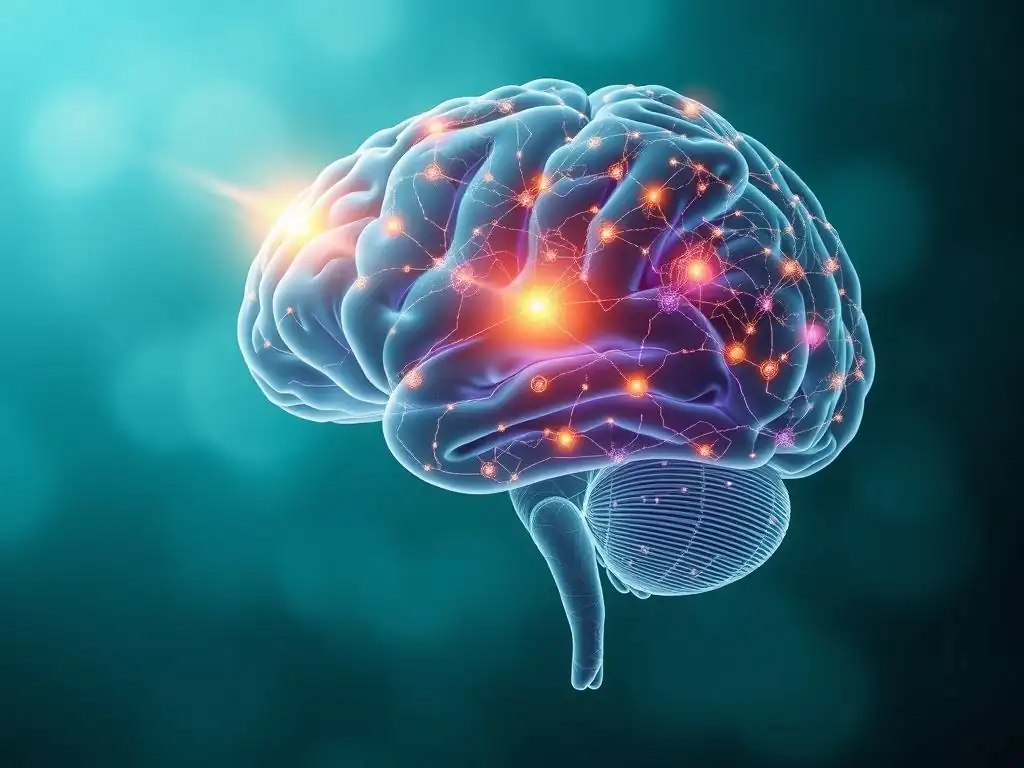
Welcome to Mind Care Guide, a sanctuary for your mental well-being.
Ever wondered how therapy can truly reshape your inner world? Dive into our exploration of "Therapy rewires brain circuits," a fascinating journey into the neuroscience of recovery. Discover how talking, processing, and healing can literally change the pathways in your brain, paving the way for lasting positive change. Ready to unlock the secrets of your own mind?
The Neuroscience of Recovery: How Therapy Changes Brain Circuits
- Introduction: Understanding Brain Plasticity and Mental Health Recovery
- What Does "Therapy Rewires Brain Circuits" Actually Mean?
- Brain Scans and the Evidence: Visualizing Therapy's Impact
-
Types of Therapy and Their Specific Effects on Brain Circuits
- Cognitive Behavioral Therapy (CBT): Rewiring Thought Patterns
- Dialectical Behavior Therapy (DBT): Strengthening Emotional Regulation Circuits
- Interpersonal Therapy (IPT): Enhancing Social Functioning and Neural Connections
- Mindfulness-Based Cognitive Therapy (MBCT): Cultivating Awareness and Changing Brain Activity
- The Role of Neurotransmitters in Therapy-Induced Brain Changes
- Long-Term Therapy Outcomes and Brain Changes: A Deeper Dive
- Beyond Therapy: Lifestyle Factors that Support Brain Rewiring
- The Future of Neuroscience in Mental Health Treatment
- Conclusion: Embracing the Power of Neuroplasticity for a Healthier Mind
-
Frequently Asked Questions
- How does therapy actually change the brain?
- What types of therapy are most effective at "rewiring" brain circuits?
- Is "rewiring" brain circuits a permanent change, or does it require ongoing effort?
- Can medication also help "rewire" brain circuits, or is it just therapy?
- How long does it typically take to see noticeable changes in brain circuits through therapy?
- Final Reflection: Rewiring Ourselves for Resilience
- Unlock Your Brain's Healing Power
Introduction: Understanding Brain Plasticity and Mental Health Recovery
The human brain is an organ of remarkable adaptability. Far from being a fixed structure after childhood, it possesses an incredible capacity to reorganize itself throughout life – a phenomenon known as neuroplasticity. This inherent ability to change and adapt is fundamental to learning, memory, and recovery from various challenges, including those related to mental health. Understanding how the brain changes is not just academic; it offers profound insights into the potential for healing and transformation. Mental health recovery isn't solely about managing symptoms; it involves facilitating neural changes that support healthier thought patterns, emotional responses, and behaviors.
This capacity for change forms the core of why therapeutic interventions are effective. When we engage in therapy, we are, in essence, providing the brain with new experiences, perspectives, and coping mechanisms. These experiences, when consistently practiced and integrated, can lead to tangible alterations in neural pathways and brain structure. The concept that therapy rewires brain circuits is gaining traction, supported by a growing body of neuroscientific evidence. Exploring this connection between therapeutic practice and brain changes illuminates a path toward lasting well-being, emphasizing the biological basis of mental health challenges and the power of targeted intervention.
Perspective on Long-Term Therapy and Neural Changes
Engaging in long-term therapy goes beyond immediate symptom relief; it is often a process of deep-seated change that impacts the very architecture and function of the brain. While short-term interventions can provide valuable tools and coping strategies, sustained therapeutic work allows for repeated activation of new neural circuits, strengthening them over time. This is analogous to building a muscle – consistent exercise is required for significant and lasting growth. In the context of the brain, this means repeatedly challenging old, maladaptive thought patterns, practicing new emotional regulation techniques, and fostering healthier interpersonal connections.
Research utilizing neuroimaging techniques has provided compelling evidence for these long-term neural changes. Studies tracking individuals undergoing extended courses of therapy for conditions like depression or anxiety have shown measurable alterations in brain regions associated with mood, fear, and cognitive control.
For instance, some studies have indicated changes in gray matter density or volume in areas like the prefrontal cortex (involved in executive functions) and the hippocampus (involved in memory and emotion) after several months of consistent therapy. These structural and functional changes underscore how dedicated therapeutic engagement facilitates the brain's natural capacity for healing and adaptation, truly demonstrating that therapy rewires brain circuits in a durable way.
Why Understanding Brain Changes is Crucial for Mental Well-being
Understanding that therapy rewires brain circuits is vital for several reasons. Firstly, it demystifies mental health challenges by highlighting their biological underpinnings. It shifts the perspective from viewing mental illness solely as a character flaw or personal weakness to recognizing it as involving dysfunctions in brain circuits that can be targeted and improved. This understanding can reduce self-stigma and empower individuals by providing a tangible, scientific basis for recovery. Knowing that the brain can change offers hope and validates the effort required in therapy.
Secondly, this neuroscientific perspective informs and enhances therapeutic practice. Therapists who understand the principles of neuroplasticity can better tailor interventions to promote specific types of neural changes. For individuals undergoing therapy, this knowledge can increase motivation and adherence. When you understand that practicing a new coping skill isn't just an abstract exercise but is actively building and strengthening new pathways in your brain, the commitment feels more meaningful. It empowers individuals to become active participants in their own brain's healing process, leveraging the power of neuroplasticity to cultivate resilience and long-term mental well-being.
What Does "Therapy Rewires Brain Circuits" Actually Mean?
The phrase "therapy rewires brain circuits" is a metaphor, albeit a powerful and scientifically supported one. It refers to the process by which therapeutic interventions facilitate changes in the structure, function, and connectivity of neural networks in the brain. Our brains are composed of billions of neurons that communicate with each other through electrical and chemical signals, forming complex circuits responsible for everything we think, feel, and do. In mental health conditions like depression, anxiety, or PTSD, certain brain circuits may become dysregulated, overactive, or underactive, contributing to distressing symptoms.
Therapy doesn't literally involve rerouting physical wires, but rather strengthening or weakening the connections between neurons (synapses), altering the excitability of neurons, and even influencing the creation of new neurons (neurogenesis) in certain areas. When a person learns a new coping strategy in therapy and practices it repeatedly, the neural pathways associated with that new behavior or thought pattern are activated and strengthened.
Simultaneously, the old, maladaptive pathways that were previously dominant may become less active and weaker. This dynamic process of strengthening beneficial connections and weakening detrimental ones is the essence of how therapy rewires brain circuits, leading to more adaptive responses and improved mental functioning.
Defining Brain Plasticity: The Foundation of Neural Rewiring
Brain plasticity, or neuroplasticity, is the brain's remarkable ability to change and adapt its structure and function in response to experience. This isn't limited to childhood; the adult brain remains plastic, capable of significant modification throughout life. This adaptability occurs at multiple levels, from changes in the strength of individual synaptic connections between neurons to the reorganization of large-scale brain networks. Every time we learn something new, form a memory, or adapt to a new environment, our brain is undergoing plastic changes.
There are several mechanisms underlying brain plasticity. Synaptic plasticity involves changes in the strength and number of connections between neurons. When neurons repeatedly fire together, the connection between them strengthens ("neurons that fire together, wire together"). Conversely, connections that are not used can weaken.
Neurogenesis, the birth of new neurons, primarily occurs in specific brain regions like the hippocampus and is influenced by factors like learning, exercise, and stress. Changes in glial cells (support cells in the brain) and alterations in the structure of dendrites (branches of neurons that receive signals) also contribute to plasticity. It is through harnessing these inherent plastic mechanisms that therapy rewires brain circuits, enabling recovery and growth.
How Different Therapies Promote Neural Adaptation
Different therapeutic approaches leverage brain plasticity in unique ways, targeting specific aspects of neural function. Cognitive Behavioral Therapy (CBT), for example, focuses on identifying and challenging maladaptive thought patterns and behaviors. By repeatedly practicing cognitive restructuring and behavioral experiments, individuals strengthen neural pathways associated with more balanced thinking and adaptive actions. This process weakens the circuits supporting negative rumination or avoidance behaviors.
Dialectical Behavior Therapy (DBT) emphasizes emotional regulation and distress tolerance skills. Through practicing mindfulness, interpersonal effectiveness, and emotional regulation techniques, individuals develop and strengthen neural circuits, particularly those involving the prefrontal cortex and amygdala, that help them manage intense emotions more effectively. Interpersonal Therapy (IPT) focuses on improving communication and relationship patterns, which can impact brain regions involved in social cognition and emotional processing.
Mindfulness-Based Cognitive Therapy (MBCT) trains attention and awareness, influencing activity in areas like the anterior cingulate cortex and insula, promoting a shift from automatic reactivity to conscious response. Each modality provides specific "training" for the brain, illustrating how therapy rewires brain circuits through varied but targeted experiential learning.
Brain Scans and the Evidence: Visualizing Therapy's Impact
Neuroimaging techniques have revolutionized our understanding of the brain's response to therapeutic interventions. Technologies such as functional Magnetic Resonance Imaging (fMRI), Positron Emission Tomography (PET), and structural MRI allow researchers to visualize brain activity and structure before and after therapy. These studies provide objective, biological evidence supporting the subjective reports of symptom improvement and functional recovery experienced by patients. While interpreting brain scan data requires careful consideration of study design and individual variability, the cumulative evidence base points towards consistent patterns of neural change associated with successful therapy.
For example, fMRI can measure brain activity by detecting changes in blood flow. Studies using fMRI have shown altered activation patterns in response to emotional stimuli after therapy. Structural MRI can measure the volume or density of gray matter (neuron cell bodies) and white matter (neuronal connections). Research has indicated that successful therapy can be associated with changes in the volume of certain brain regions or the integrity of white matter tracts. These visual representations from brain scans offer powerful confirmation of the biological impact of psychological treatment, providing tangible proof that therapy rewires brain circuits.
Examining Brain Scans Before and After Therapy: What the Images Reveal
Comparing brain scans taken before and after a course of therapy often reveals significant differences in activity and structure, particularly in individuals who experience symptom reduction. In patients with Major Depressive Disorder, pre-treatment scans might show reduced activity in areas associated with cognitive control and reward processing, alongside increased activity in regions linked to processing negative emotions, such as the amygdala. Following successful treatment with therapies like CBT or IPT, scans might show a normalization of activity in these areas – for instance, increased activity in prefrontal regions and decreased activity in the amygdala when presented with emotional stimuli.
Similarly, individuals with anxiety disorders or PTSD often exhibit hyper-responsivity in the amygdala (the brain's fear center) and altered connectivity between the amygdala and prefrontal cortex (involved in regulating fear). After therapy, brain scans frequently demonstrate reduced amygdala activation and strengthened connections between the prefrontal cortex and amygdala, indicating improved emotional regulation. These visual changes on scans serve as compelling evidence that psychological interventions are not just changing minds, but measurably changing brains, reinforcing the concept that therapy rewires brain circuits to support recovery.
Specific Brain Regions Affected by Therapy: Amygdala, Prefrontal Cortex, Anterior Cingulate Cortex
Several key brain regions consistently show changes in response to effective therapy. The Amygdala, a small almond-shaped structure deep within the brain, plays a crucial role in processing emotions, particularly fear and anxiety. In many anxiety disorders and depression, the amygdala is overactive. Therapy, particularly CBT and exposure-based therapies, has been shown in numerous fMRI studies to reduce the reactivity of the amygdala to emotional stimuli. This reduction in threat response is a key mechanism by which therapy helps individuals manage fear and anxiety.
The Prefrontal Cortex (PFC), the most anterior part of the frontal lobe, is involved in executive functions such as planning, decision-making, working memory, and emotional regulation. Different parts of the PFC, like the dorsolateral PFC and ventromedial PFC, play distinct roles. Research indicates that therapy can strengthen the connections between the PFC and subcortical areas like the amygdala, enabling the PFC to exert greater top-down control over emotional responses. Structural studies have also suggested increases in gray matter volume in certain PFC subregions following successful therapy for depression or anxiety, reflecting enhanced cognitive and emotional regulatory capacity.
The Anterior Cingulate Cortex (ACC) is involved in conflict monitoring, error detection, and processing emotional and cognitive information. Dysregulation in the ACC is implicated in conditions like OCD and depression. Therapy, including CBT and MBCT, has been shown to modulate activity in the ACC.
For instance, studies on MBCT have demonstrated altered ACC activity related to attention and emotional regulation after training, suggesting improved ability to disengage from ruminative thoughts and better manage emotional distress. These targeted changes in specific brain regions underscore the precision with which therapy rewires brain circuits to address the neural underpinnings of mental health conditions.
Types of Therapy and Their Specific Effects on Brain Circuits
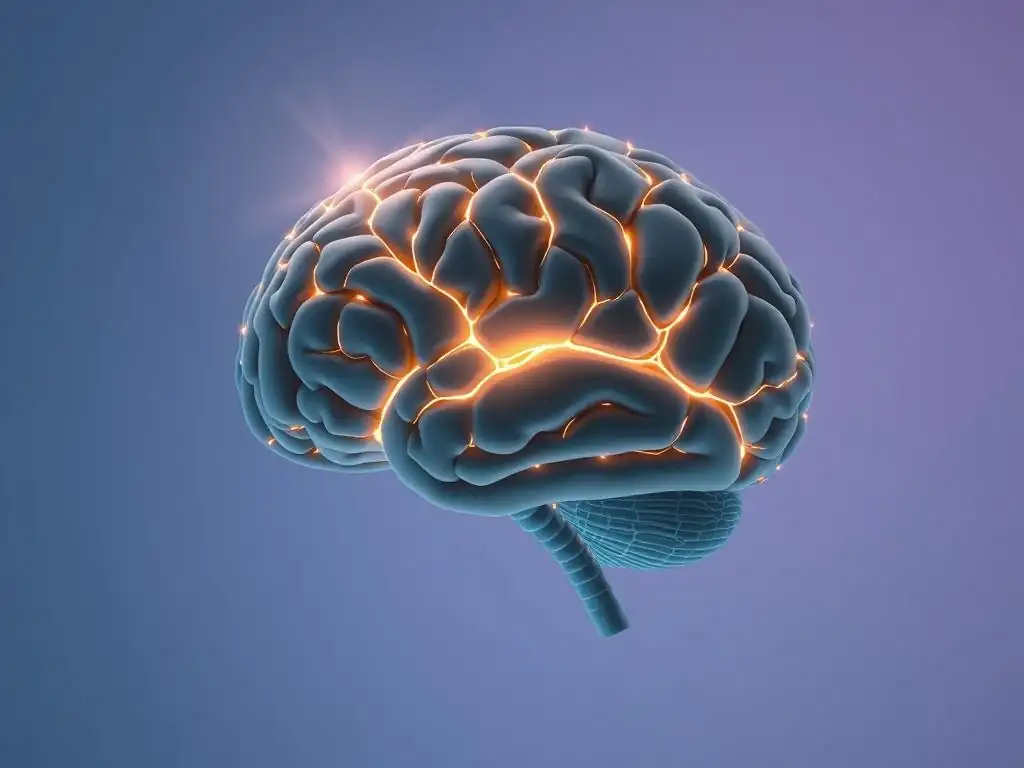
Different therapeutic modalities, while sharing the common goal of improving mental well-being, employ distinct techniques that impact brain circuits in specific ways. The choice of therapy often depends on the nature of the mental health challenge, but understanding how each approach influences neural function can provide valuable insight into their mechanisms of action. Each type of therapy offers a unique form of "brain training," emphasizing particular skills and pathways that contribute to neural adaptation and recovery.
While research is ongoing to fully map the neural signatures of every therapeutic approach, studies using neuroimaging have begun to identify the specific brain regions and circuits most consistently affected by well-established therapies. This growing body of evidence not only validates the effectiveness of these treatments from a biological perspective but also helps refine our understanding of how they work at a fundamental level. It confirms that the principles of neuroplasticity are actively engaged and directed by the structure and techniques inherent in each therapeutic model, demonstrating how effectively therapy rewires brain circuits.
Cognitive Behavioral Therapy (CBT): Rewiring Thought Patterns
Cognitive Behavioral Therapy (CBT) is a widely used therapy that focuses on the interconnectedness of thoughts, feelings, and behaviors. It operates on the principle that distorted thinking patterns contribute to negative emotions and maladaptive behaviors. CBT techniques involve identifying these negative automatic thoughts, challenging their validity, and replacing them with more balanced and realistic alternatives. This cognitive restructuring is paired with behavioral experiments where individuals test new ways of acting.
Neuroimaging studies on CBT for conditions like depression and anxiety have consistently shown its impact on brain circuits involved in emotional processing and cognitive control. Specifically, research often points to reduced activity in the amygdala and increased activity in areas of the prefrontal cortex, such as the dorsolateral PFC and ventromedial PFC. For example, a meta-analysis of fMRI studies on CBT for anxiety disorders found significant reductions in amygdala responses to threat cues post-treatment.
This suggests that by teaching individuals to challenge anxious thoughts and confront feared situations, CBT effectively strengthens the prefrontal cortex's ability to regulate the amygdala, thereby rewiring the brain's response to perceived threats. The repeated practice of identifying and modifying thought patterns fundamentally changes how these cognitive processes are encoded and executed in the brain.
Dialectical Behavior Therapy (DBT): Strengthening Emotional Regulation Circuits
Dialectical Behavior Therapy (DBT), originally developed for individuals with Borderline Personality Disorder (BPD), is highly effective for those who experience intense emotions and difficulty regulating them. DBT integrates cognitive-behavioral techniques with mindfulness practices and emphasizes skills training in four key areas: mindfulness, distress tolerance, emotional regulation, and interpersonal effectiveness. The core aim is to help individuals build a life worth living by managing overwhelming emotions and reducing impulsive behaviors.
Neuroimaging research on DBT, though less extensive than for CBT, also shows promising findings regarding its impact on emotional regulation circuits. Studies have indicated that DBT can lead to structural and functional changes in areas associated with emotional processing and self-control. For instance, research using fMRI has suggested that DBT can reduce activation in the amygdala and insula (involved in processing bodily sensations and emotions) in response to emotional stimuli.
Furthermore, some structural MRI studies have found changes in gray matter volume in regions like the prefrontal cortex and hippocampus following DBT. These findings suggest that DBT's focus on mindfulness and emotional regulation skills training helps strengthen the neural pathways necessary for better emotional control and distress tolerance, providing specific evidence that this form of therapy rewires brain circuits crucial for managing intense affect.
Interpersonal Therapy (IPT) is a time-limited therapy that focuses on improving interpersonal relationships and social functioning. It is often used to treat depression and works by addressing specific interpersonal problems such as grief, role disputes, role transitions, or interpersonal deficits. The theory is that improving these relationship issues can alleviate depressive symptoms. IPT techniques involve analyzing communication patterns, understanding interpersonal dynamics, and developing strategies for more effective interaction.
While research on the neural correlates of IPT is less common than for CBT, existing studies suggest it impacts brain regions involved in social cognition and emotional processing. For individuals with depression, IPT has been associated with changes in activity in areas like the subgenual anterior cingulate cortex (sgACC), a region often hyperactive in depression and linked to sadness and rumination. Some studies have shown a reduction in sgACC activity following successful IPT, similar to findings seen with antidepressant medication.
Given IPT's focus on social interaction, it is plausible that it also influences brain networks involved in theory of mind, empathy, and social reward. By helping individuals navigate complex social situations and improve their relationships, IPT likely strengthens the neural circuits that support healthy social engagement and emotional connection, illustrating another way therapy rewires brain circuits related to our social world.
Mindfulness-Based Cognitive Therapy (MBCT): Cultivating Awareness and Changing Brain Activity
Mindfulness-Based Cognitive Therapy (MBCT) combines elements of CBT with mindfulness practices, such as meditation and body scans. It was initially developed to prevent relapse in individuals with recurrent depression by teaching them to become more aware of their thoughts and feelings without judgment, thereby breaking the cycle of negative rumination. The core principle is to shift from an automatic, reactive mode of processing information to a more conscious, present-focused awareness.
Neuroimaging studies on MBCT have provided significant insights into how mindfulness practices can alter brain function and structure. Research consistently shows that MBCT impacts brain regions associated with attention, self-awareness, and emotional regulation, including the anterior cingulate cortex (ACC), insula, and prefrontal cortex. For example, studies using fMRI have demonstrated that MBCT can decrease reactivity in the amygdala and increase activity in the prefrontal cortex during emotional tasks.
Furthermore, longitudinal studies have shown structural changes, such as increased gray matter thickness in certain cortical areas, in individuals who regularly practice mindfulness meditation. These findings suggest that MBCT cultivates neural pathways that support non-judgmental awareness and improved emotional regulation, providing clear evidence that this therapy rewires brain circuits related to attention, emotion, and self-perception.
The Role of Neurotransmitters in Therapy-Induced Brain Changes
While brain plasticity involves changes in neural structure and connectivity, these changes are fundamentally mediated by chemical messengers called neurotransmitters. These chemicals, such as serotonin, dopamine, and norepinephrine, play a critical role in transmitting signals between neurons across synapses. They influence mood, motivation, cognition, and behavior. Imbalances or dysregulation in neurotransmitter systems are often implicated in mental health conditions, and many psychotropic medications target these systems.
Therapy, through its influence on neural activity and connectivity, also affects neurotransmitter systems, albeit indirectly compared to medication. As neural circuits are strengthened or weakened through therapeutic practice, the demand and release of neurotransmitters within those circuits change. For example, successful therapy might lead to increased activity in pathways that utilize serotonin or dopamine, potentially influencing their overall availability and function. Understanding this interplay between psychological intervention, neural circuits, and neurotransmitter systems provides a more complete picture of how therapy rewires brain circuits at a molecular level.
Serotonin, Dopamine, and Norepinephrine: Key Players in Neural Communication
Serotonin is a neurotransmitter widely associated with mood, sleep, appetite, and social behavior. Low levels or dysfunction in serotonin pathways are strongly linked to depression and anxiety disorders. Many antidepressant medications, such as SSRIs (Selective Serotonin Reuptake Inhibitors), work by increasing serotonin availability in the synapse.
Dopamine is crucial for reward, motivation, pleasure, and motor control. Dysregulation in dopamine pathways is implicated in conditions like addiction, depression, and schizophrenia. It plays a key role in the brain's reward system and is involved in reinforcing behaviors, including the learning of new, adaptive strategies in therapy.
Norepinephrine (also known as noradrenaline) is involved in the body's "fight or flight" response, attention, arousal, and stress response. Dysregulation is associated with anxiety disorders and depression. Many antidepressant and anxiety medications also target norepinephrine pathways.
Therapy's impact on these neurotransmitters is not as direct as pharmaceuticals, but by changing how circuits fire and communicate, it influences their release and uptake. For instance, strengthening prefrontal control over the amygdala (as seen in CBT) likely involves modulating the activity of neural pathways that utilize these neurotransmitters. This indirect but significant influence contributes to the broad positive effects of therapy on mood and emotional regulation.
How Therapy Influences Neurotransmitter Levels and Receptor Sensitivity
While therapy doesn't introduce neurotransmitters into the brain like medication, it influences their dynamics by altering the activity patterns of neurons and circuits. When specific neural pathways are repeatedly activated through therapeutic exercises (e.g., practicing a new coping skill), there can be downstream effects on the release, reuptake, and metabolism of neurotransmitters within those pathways. For example, increased activity in reward pathways associated with achieving therapeutic goals might lead to increased dopamine release.
Furthermore, changes in neural activity induced by therapy can potentially influence the sensitivity or number of neurotransmitter receptors on neurons. Chronic stress, often associated with mental health conditions, can alter receptor function. As therapy helps reduce stress and restore more balanced neural activity, it may contribute to a normalization of receptor sensitivity.
While pinpointing the exact molecular changes induced by therapy is complex and an active area of research, it is understood that the structural and functional rewiring of circuits involves intricate changes at the synaptic level, mediated by neurotransmitters and their receptors. This highlights the multi-layered way therapy rewires brain circuits, affecting both macro-level connectivity and micro-level chemical signaling.
Long-Term Therapy Outcomes and Brain Changes: A Deeper Dive
The benefits of therapy often extend far beyond the duration of the treatment itself. Sustainable recovery and resilience are linked to the long-term maintenance of the neural changes facilitated during therapy. Just as learning a new skill requires ongoing practice to remain proficient, maintaining positive brain changes requires continued reinforcement of the new neural pathways. This doesn't necessarily mean perpetual formal therapy, but rather the consistent application of learned skills and strategies in daily life.
The goal of long-term therapy outcomes is not just the absence of symptoms, but the development of robust, adaptive neural circuits that can effectively navigate future challenges. This involves strengthening the brain's capacity for emotional regulation, cognitive flexibility, and stress resilience. Understanding the link between sustained behavioral change and the maintenance of neural plasticity is crucial for promoting lasting mental well-being and preventing relapse. It underscores the principle that therapy rewires brain circuits not just temporarily, but in a way that can be sustained and built upon over time.
Maintaining Neural Changes Over Time: The Importance of Continued Practice
The principle of "use it or lose it" applies to brain circuits. The neural pathways strengthened during therapy need continued activation to remain robust. This is where the skills learned in therapy become essential tools for ongoing self-management. Regularly practicing mindfulness, employing cognitive restructuring techniques when faced with negative thoughts, or utilizing distress tolerance skills during difficult moments all serve to reactivate and reinforce the beneficial neural networks developed during treatment.
Studies that have followed individuals post-therapy have explored the stability of observed brain changes. While some studies show a return towards baseline in certain measures if symptoms return, others suggest that significant structural or functional changes can persist, particularly if individuals continue to apply therapeutic strategies.
For instance, the ability to activate prefrontal regions to regulate emotion, a skill honed in many therapies, becomes a learned response that can be strengthened with continued use. This highlights that the initial "rewiring" provides the foundation, but ongoing practice is key to maintaining the strength and efficiency of the new circuits, solidifying how therapy rewires brain circuits for lasting benefit.
Relapse Prevention: Strengthening Rewired Brain Circuits to Avoid Setbacks
A primary goal of many therapies, especially for chronic or recurrent conditions like depression or anxiety, is relapse prevention. From a neuroscientific perspective, relapse prevention involves maintaining the strength and accessibility of the newly developed, adaptive neural circuits and preventing the re-emergence of dominance by old, maladaptive pathways. Therapy equips individuals with the awareness and skills to identify early warning signs of a potential setback and to actively engage the learned coping mechanisms.
This active engagement is critical for reinforcing the "rewired" brain. For example, if a person with a history of depression notices themselves slipping back into negative rumination, consciously applying cognitive restructuring techniques learned in CBT helps activate the healthier prefrontal-mediated pathways, preventing the negative spiral from fully taking hold. Similarly, using mindfulness skills when feeling overwhelmed helps activate regulatory circuits rather than defaulting to panic or avoidance.
Relapse prevention is, in essence, continued brain training – actively choosing to strengthen the adaptive circuits built in therapy, thereby leveraging the power of neuroplasticity to safeguard mental well-being. The skills learned in therapy are not just tools for recovery, but lifelong strategies for maintaining a brain wired for resilience.
Beyond Therapy: Lifestyle Factors that Support Brain Rewiring

While therapy is a powerful catalyst for brain change, it exists within the broader context of a person's life. Various lifestyle factors significantly influence brain health and neuroplasticity, either supporting or hindering the rewiring process initiated in therapy. Integrating healthy habits can amplify the effects of therapy, making it easier to build and maintain beneficial neural connections. Conversely, unhealthy lifestyle choices can undermine therapeutic progress, making it harder for therapy to effectively rewire brain circuits.
Adopting a holistic approach that combines therapeutic intervention with brain-healthy lifestyle practices creates a synergistic effect, optimizing the environment for neuroplasticity and long-term recovery. This includes paying attention to what we eat, how much we move, how we manage stress, and the quality of our sleep. These factors don't just impact physical health; they have direct and profound effects on the structure, function, and adaptability of the brain, playing a vital role in supporting the changes facilitated by therapy.
Nutrition for Brain Health: Fueling Neural Plasticity
The brain is a metabolically demanding organ, consuming a significant portion of the body's energy. Providing it with the right nutrients is essential for optimal function, including the processes underlying neuroplasticity. A diet rich in omega-3 fatty acids, found in oily fish, flaxseeds, and walnuts, is particularly important. Omega-3s are structural components of brain cell membranes and have anti-inflammatory properties that support neuronal health and synaptic function.
Antioxidants, abundant in fruits, vegetables, and berries, protect brain cells from damage caused by oxidative stress, which can impair plasticity. B vitamins, found in whole grains, leafy greens, and legumes, are crucial for neurotransmitter synthesis and overall brain metabolism. Ensuring adequate hydration is also vital, as dehydration can impair cognitive function. While no specific diet can replace therapy, consistently fueling the brain with nutrient-dense foods creates a more supportive environment for neural growth and repair, helping to nourish the brain as therapy rewires brain circuits.
Exercise and Neurogenesis: Creating New Brain Cells
Physical exercise is one of the most potent lifestyle factors supporting brain health and plasticity. Aerobic exercise, in particular, has been shown to promote neurogenesis, the creation of new neurons, especially in the hippocampus – a brain region critical for learning, memory, and mood regulation. Exercise also increases the production of Brain-Derived Neurotrophic Factor (BDNF), a protein that acts like "fertilizer" for the brain, supporting the survival, growth, and function of neurons and synapses.
Regular physical activity improves blood flow to the brain, delivering essential oxygen and nutrients. It also reduces inflammation and stress hormones, creating a healthier environment for neural connections to form and strengthen. Research suggests that combining exercise with cognitive challenges can enhance the benefits to plasticity. Incorporating regular exercise into one's routine therefore provides a significant boost to the brain's capacity for change, actively supporting the structural and functional adaptations that occur when therapy rewires brain circuits. Even moderate activity, like a brisk walk several times a week, can have a positive impact.
Mindfulness and Meditation: Calming the Nervous System and Strengthening Neural Connections
While mindfulness is a core component of therapies like MBCT and DBT, practicing it regularly outside of formal therapy sessions further reinforces its benefits to brain plasticity. Mindfulness meditation, which involves paying attention to the present moment without judgment, has been shown to alter brain structure and function over time. Regular meditation practice can lead to increased gray matter density in regions associated with attention, self-awareness (like the insula and ACC), and emotional regulation (like the prefrontal cortex).
Mindfulness also helps calm the nervous system, reducing the activity of the stress response system (the hypothalamic-pituitary-adrenal axis). Chronic stress can impair neuroplasticity, particularly in the hippocampus. By reducing stress and promoting a state of calm focus, mindfulness creates a more conducive environment for neural growth and the strengthening of beneficial connections. Consistent mindfulness practice acts as ongoing training for the brain, enhancing its capacity for emotional regulation and cognitive flexibility, complementing and reinforcing the ways therapy rewires brain circuits.
Sleep Hygiene: Consolidating Learning and Brain Repair
Sleep is not merely a period of rest; it is a critical time for brain repair, consolidation of learning, and memory formation. During sleep, the brain processes experiences from the day, strengthens important neural connections, and prunes less important ones. Adequate, quality sleep is essential for optimal cognitive function and is fundamentally linked to neuroplasticity. Chronic sleep deprivation impairs the brain's ability to learn, remember, and adapt, making it harder to benefit from therapeutic interventions.
Poor sleep can negatively impact mood, increase anxiety, and impair executive functions mediated by the prefrontal cortex – precisely the areas therapy aims to strengthen. Prioritizing good sleep hygiene – maintaining a consistent sleep schedule, creating a restful sleep environment, and avoiding stimulants before bed – supports the brain's natural restorative processes. Ensuring sufficient sleep helps consolidate the learning and neural changes facilitated by therapy, making the rewiring more robust and durable. It is a foundational element for supporting the brain's capacity for change and recovery.
The Future of Neuroscience in Mental Health Treatment
The increasing understanding of how therapy rewires brain circuits is paving the way for exciting advancements in mental health treatment. As neuroimaging techniques become more sophisticated and our knowledge of brain networks deepens, the potential for more targeted, personalized, and effective interventions grows. The future of mental health treatment may involve a closer integration of neuroscience research with clinical practice, leading to novel therapies and more precise application of existing ones.
This convergence of fields holds the promise of moving towards a more biologically informed approach to psychological treatment. Instead of a trial-and-error method, clinicians may one day be able to use insights from neuroscience to better predict which types of therapy or combinations of interventions are most likely to be effective for an individual based on their specific brain profile or patterns of neural activity. This personalized approach could significantly improve treatment outcomes and reduce the burden of mental illness.
Personalized Therapy Based on Brain Imaging
One promising area is the potential for using brain imaging to personalize therapeutic approaches. While still largely in the research phase, studies are exploring whether pre-treatment brain scans can help predict response to specific therapies or identify which neural circuits are most dysregulated in an individual. For example, research might investigate whether certain patterns of connectivity in the prefrontal cortex predict better response to CBT focused on cognitive restructuring, while different patterns predict better response to therapies emphasizing emotional regulation.
If successful, this research could lead to a future where individuals receive a "brain profile" analysis that guides treatment selection. Instead of a one-size-fits-all approach, therapy could be tailored to target the specific neural vulnerabilities or strengths of an individual. This could minimize time spent on less effective treatments and accelerate recovery by applying the most appropriate methods to help therapy rewire brain circuits in the most efficient way for that person. While ethical considerations and the complexity of brain data are significant challenges, the potential for more precise intervention is substantial.
Novel Therapies Targeting Specific Brain Circuits
Understanding the specific neural circuits involved in different mental health conditions also opens the door for developing novel therapies that directly target these pathways. This could include techniques like neurofeedback, where individuals learn to regulate their own brain activity based on real-time feedback from an EEG or fMRI machine. For example, someone might be trained to increase activity in a specific prefrontal region known to be underactive in their condition.
Other future directions might involve combining traditional therapy with non-invasive brain stimulation techniques like Transcranial Magnetic Stimulation (TMS) or Transcranial Direct Current Stimulation (tDCS) in a more integrated way. These techniques can modulate activity in specific brain regions and could potentially be used to prime or enhance the brain's responsiveness to therapeutic interventions, making the rewiring process more efficient. As we gain a deeper understanding of the brain's intricate networks, the development of therapies that precisely target these circuits to promote beneficial plasticity becomes increasingly feasible, further advancing the concept that therapy rewires brain circuits with increasing precision.
Conclusion: Embracing the Power of Neuroplasticity for a Healthier Mind
The journey through therapy is a process of growth, healing, and transformation. At its core, this journey is facilitated by the brain's extraordinary capacity for change – neuroplasticity. The evidence from decades of research, increasingly supported by neuroimaging studies, confirms that therapy is not just talking; it is a powerful experience that physically alters the structure and function of the brain. The phrase "therapy rewires brain circuits" is a scientifically grounded concept that offers a profound message of hope and empowerment.
Understanding that our brains are not fixed but are constantly being shaped by our experiences, including therapeutic ones, validates the effort and courage required to engage in the process of recovery. It provides a biological basis for the subjective improvements felt and the behavioral changes made. By actively participating in therapy and incorporating brain-healthy lifestyle practices, individuals can consciously influence their own neural architecture, building a brain that is more resilient, adaptable, and capable of supporting long-term mental well-being.
Therapy Rewires Brain Circuits: A Message of Hope and Empowerment
The scientific understanding that therapy rewires brain circuits is inherently hopeful. It means that even after years of struggling with mental health challenges, the brain retains the capacity to change and heal. It reframes mental health recovery not as simply managing symptoms, but as actively building a healthier, more adaptive brain. This perspective empowers individuals by highlighting their agency in the recovery process; the effort they put into therapy and self-care directly contributes to tangible, physical changes in their brain.
This message is particularly important for those who may feel discouraged or believe their condition is permanent. Knowing that the brain can reorganize itself provides a biological foundation for optimism and motivates continued engagement in therapeutic work and healthy habits. It transforms the abstract concept of recovery into a concrete, achievable biological process, reinforcing that therapy is a powerful tool for fostering positive and lasting changes in the brain.
Partnering in Understanding and Utilizing Brain Science for Mental Well-being
As our understanding of the neuroscience of mental health and recovery grows, it creates an opportunity for a more informed and collaborative approach to well-being. Individuals, therapists, and researchers can partner in leveraging this knowledge. For those seeking help, becoming informed about neuroplasticity can enhance motivation and active participation in therapy. For therapists, integrating neuroscientific principles can inform treatment planning and help explain the therapeutic process to clients in a way that is both validating and empowering.
Furthermore, continued research is essential to deepen our understanding of how specific interventions impact the brain and to develop even more effective, personalized treatments. By embracing the science behind how therapy rewires brain circuits, we can collectively work towards a future where mental health care is more precise, effective, and accessible, harnessing the brain's incredible power to heal and thrive.
Frequently Asked Questions
How does therapy actually change the brain?
Therapy, particularly psychotherapy, can lead to structural and functional changes in the brain. This happens through processes like neuroplasticity, where new neural connections are formed and existing ones are strengthened or weakened. It's about rewiring brain circuits related to thoughts, emotions, and behaviors.
What types of therapy are most effective at "rewiring" brain circuits?
While different therapies work in distinct ways, approaches like Cognitive Behavioral Therapy (CBT) and Dialectical Behavior Therapy (DBT) are frequently cited for their impact. These therapies focus on identifying and modifying maladaptive thought patterns and behaviors, actively engaging the brain's neuroplasticity. Exposure therapy is also effective for anxiety disorders.
Is "rewiring" brain circuits a permanent change, or does it require ongoing effort?
The effects of therapy on brain circuits can be long-lasting, but maintaining those changes often requires ongoing effort. Continued practice of learned skills, consistent self-awareness, and periodic "check-ins" with a therapist can help reinforce the new neural pathways. It's an active process, not a passive one.
Can medication also help "rewire" brain circuits, or is it just therapy?
Medication can influence brain chemistry and indirectly support the "rewiring" process, but it primarily focuses on managing symptoms. Therapy, on the other hand, actively teaches new skills and encourages lasting changes in thought patterns and behavior, directly affecting brain circuits. Sometimes, both are necessary.
How long does it typically take to see noticeable changes in brain circuits through therapy?
The timeframe varies depending on the individual, the type of therapy, and the severity of the mental health challenge. However, many people begin to experience noticeable improvements within several weeks to months of consistent therapy. Patience and commitment are crucial for achieving significant and lasting change in brain circuit function.
Final Reflection: Rewiring Ourselves for Resilience
The exploration of how therapy rewires brain circuits isn't just a fascinating scientific endeavor; it's a revolutionary understanding of our capacity for healing and growth. This knowledge empowers us to move beyond simply managing mental health challenges and actively participate in reshaping our own neural pathways towards greater well-being. The implications are profound, offering hope and a tangible path to recovery for millions.
The ongoing research into neuroplasticity and its application in therapeutic settings is nothing short of transformative. It underscores the dynamic nature of the brain, constantly adapting and evolving in response to experience. This understanding challenges the outdated notion of fixed personality traits or immutable mental states. The brain is not a machine; it is a garden that can be cultivated.
This powerful metaphor perfectly captures the potential for positive change that therapy unlocks, fostering a sense of agency and hope in the face of adversity.
Consider the implications of this for your own life. Are you ready to actively participate in the cultivation of your own mental garden? This article has presented the scientific basis for change; now it's time to embrace the opportunity. Seek out support, explore different therapeutic approaches, and remember that the power to reshape your brain circuits, and therefore your life, lies within you. Embrace the journey of recovery, knowing that each step forward is a step towards a more resilient and fulfilling future.
Unlock Your Brain's Healing Power
Thanks for exploring the fascinating world of neuroplasticity and how therapy rewires your brain for recovery! You've gained valuable insights into your potential for positive change. Now, let's put this knowledge into action.
- Schedule a consultation with a therapist: This is the most impactful step you can take to begin your personalized journey towards healing and growth. They can help you tailor the right therapeutic approach for your needs.
- Share this article with someone who might benefit: Let's spread awareness about the power of therapy and the science behind recovery.
- Explore additional resources on MindCareGuide.org: Discover further insights and tools to support your mental well-being. (We're constantly adding new articles!)
What specific step will you take today to invest in your mental wellness?