
Stress and Brain Aging: Accelerating Cognitive Decline Through Biological Pathways


Welcome to Mind Care Guide, your sanctuary for understanding and nurturing your mental well-being.
Feeling overwhelmed? You're not alone. We delve into the vital connection between our emotional and cognitive health. In this article, we'll uncover the startling truth: stress accelerates cognitive decline. But don't despair. Understanding how stress impacts your brain is the first step toward reclaiming your cognitive vitality. Ready to explore the neuroscience behind this and discover practical strategies for protecting your mental sharpness? Let's begin.
Stress and Brain Aging: Accelerating Cognitive Decline Through Biological Pathways
- Introduction: Understanding the Link Between Stress, Brain Aging, and Cognitive Health
- How Stress Accelerates Cognitive Decline: An Overview
- Biological Pathways Through Which Stress Impacts Brain Aging
- Specific Brain Regions Affected by Stress and Aging
- Stress Management Strategies to Protect Cognitive Function
- The Role of Early Life Stress in Accelerating Brain Aging
- Future Research Directions: Unraveling the Complex Relationship Between Stress, Brain Aging, and Cognitive Decline
- Conclusion: Mitigating the Effects of Stress on Brain Health for Cognitive Longevity
-
Frequently Asked Questions
- What is the main connection between stress and cognitive decline as discussed in the Mind Care Guide article?
- Which biological pathways are primarily affected by stress, leading to cognitive decline?
- How does the Mind Care Guide article suggest mitigating the negative impact of stress on cognitive function?
- Does the article mention specific age groups that are more vulnerable to stress-induced cognitive decline?
- What resources does the Mind Care Guide offer for individuals concerned about stress and its impact on their brain health?
- Final Reflection: The Unseen Toll of Stress on the Aging Brain
- Unlock Your Brain's Resilience: Practical Steps to Combat Stress-Related Aging
Introduction: Understanding the Link Between Stress, Brain Aging, and Cognitive Health
The human brain is a remarkable organ, capable of incredible feats of learning, memory, and adaptation throughout life. However, like other organs, it is susceptible to the effects of aging. While some degree of cognitive change is a natural part of getting older, factors like chronic stress can significantly accelerate these processes, leading to premature cognitive decline.
Understanding the intricate relationship between stress and brain aging is crucial for developing effective strategies to protect cognitive function and promote mental well-being across the lifespan. This article delves into the biological mechanisms by which stress accelerates cognitive decline, exploring the pathways that link psychological pressure to changes in brain structure and function.
Stress, particularly when it is chronic and poorly managed, doesn't just affect our mood; it has profound physical consequences, including on the delicate tissues of the brain. The sustained activation of the body's stress response system can disrupt normal brain processes, impairing cognitive abilities such as memory, attention, and executive function. Recognizing that stress accelerates cognitive decline is the first step toward mitigating its impact. By examining the specific biological pathways involved, we can gain a clearer picture of how stress literally changes the brain and contributes to age-related cognitive challenges, paving the way for targeted interventions.
How Stress Accelerates Cognitive Decline: An Overview
Chronic stress, unlike acute stress which can be a temporary boost, keeps the body in a state of heightened alert. This prolonged activation of physiological systems designed for short-term survival can have damaging effects over time. In the brain, this means a continuous exposure to stress hormones and inflammatory signals, which disrupt the normal functioning of neurons and their connections.
The sustained pressure can lead to observable changes in brain structure, including reductions in the volume of critical areas responsible for learning and memory. This continuous assault on brain health is a primary mechanism by which stress accelerates cognitive decline.
The impact of chronic stress on cognitive function is multifaceted. It can manifest as difficulties with concentration, impaired decision-making, reduced ability to learn new information, and problems with recalling memories. These cognitive impairments are not merely subjective feelings of being overwhelmed; they reflect tangible changes occurring at the cellular and molecular levels within the brain. Understanding these changes is key to appreciating the severity of how stress accelerates cognitive decline and highlights the importance of effective stress management in preserving cognitive vitality throughout life.
The Detrimental Effects of Chronic Stress on Brain Function
Chronic stress has a profound and lasting impact on brain function, particularly affecting areas involved in learning, memory, and emotional regulation. One of the most well-documented effects is the impairment of synaptic plasticity, the brain's ability to strengthen or weaken connections between neurons in response to new information. Studies have shown that prolonged exposure to stress hormones can reduce the density of dendritic spines, the tiny protrusions on neurons that receive signals, effectively weakening communication networks.
This disruption directly interferes with the processes required for forming new memories and adapting to new situations. For instance, research in animal models and observations in humans experiencing chronic work-related stress or caregiver burden often show deficits in tasks requiring flexible thinking and learning, demonstrating how stress accelerates cognitive decline by directly impacting neural circuits.
Furthermore, chronic stress can shrink the volume of certain brain regions. The hippocampus, a key area for memory formation and spatial navigation, is particularly vulnerable. Prolonged exposure to elevated stress hormones can lead to a decrease in the number of neurons in the hippocampus and reduce its overall size.
For example, individuals diagnosed with conditions linked to chronic stress, such as PTSD or major depressive disorder, frequently exhibit reduced hippocampal volume compared to healthy controls. This structural change is strongly correlated with observed deficits in declarative memory (memory for facts and events), illustrating a clear physical pathway through which stress accelerates cognitive decline over time.
Stress-Induced Cognitive Impairment: A Closer Look
Stress-induced cognitive impairment goes beyond simple forgetfulness; it affects multiple domains of cognitive function. Executive functions, which include planning, problem-solving, working memory, and inhibitory control, are particularly susceptible. When under chronic stress, the prefrontal cortex, the brain region responsible for these higher-level cognitive processes, can become less efficient.
This can lead to difficulties in focusing attention, making sound decisions, and regulating impulses. Imagine a high-pressure work environment over months or years; individuals often report feeling overwhelmed, struggling to prioritize tasks, and making more errors – classic signs of impaired executive function driven by sustained stress. This highlights how stress accelerates cognitive decline by disrupting the brain's command and control center.
Moreover, the ability to regulate emotions is closely intertwined with cognitive function, and stress significantly impacts this relationship. Chronic stress can heighten the activity of the amygdala, the brain's fear center, while simultaneously reducing the regulatory influence of the prefrontal cortex. This imbalance can lead to increased anxiety, irritability, and difficulty managing emotional responses.
This emotional dysregulation further burdens cognitive resources, making it harder to concentrate and process information effectively. Studies have shown that individuals with higher levels of perceived stress perform worse on tests requiring sustained attention and cognitive flexibility, demonstrating a clear link between the emotional experience of stress and measurable cognitive deficits, reinforcing the understanding that stress accelerates cognitive decline.
Biological Pathways Through Which Stress Impacts Brain Aging
The Role of Cortisol: Stress Hormone and Brain Aging
Cortisol, often referred to as the primary stress hormone, is released by the adrenal glands in response to stress signals from the brain. While crucial for the body's fight-or-flight response, chronic elevation of cortisol levels can have devastating effects on the brain, significantly contributing to accelerated aging and cognitive decline. The brain, particularly areas like the hippocampus and prefrontal cortex, is rich in receptors for cortisol.
Prolonged binding of cortisol to these receptors triggers a cascade of molecular events that can harm neurons and impair their function. This sustained exposure is a major biological pathway through which stress accelerates cognitive decline.
High levels of cortisol can interfere with neurotransmitter systems, disrupt energy metabolism in brain cells, and increase susceptibility to oxidative stress. These effects collectively weaken the brain's ability to maintain healthy connections and generate new cells. For example, studies on individuals with Cushing's syndrome, a condition characterized by excessive cortisol production, often reveal significant cognitive impairments, including memory loss and executive dysfunction, alongside observable shrinkage of brain regions like the hippocampus. This clinical evidence strongly supports the hypothesis that chronic cortisol exposure is a key driver in how stress accelerates cognitive decline.
Elevated Cortisol Levels and Hippocampal Damage
The hippocampus is particularly vulnerable to the effects of elevated cortisol due to its high density of glucocorticoid receptors, the receptors that bind cortisol. Chronic exposure to high cortisol can suppress neurogenesis, the birth of new neurons, which is particularly active in the hippocampus and crucial for learning and memory. It can also lead to atrophy (shrinkage) of existing neurons and even neuronal death.
For instance, studies using MRI technology have consistently shown reduced hippocampal volume in individuals experiencing long-term stress, such as survivors of trauma or those with chronic depression. One meta-analysis found that individuals with major depression, often associated with HPA axis dysregulation and elevated cortisol, had an average of 10% smaller hippocampal volumes compared to healthy controls.
Furthermore, high cortisol levels can impair the function of glial cells, including astrocytes and microglia, which are essential for supporting neuronal health and clearing cellular debris. Dysfunctional glial cells can lead to neuroinflammation and excitotoxicity, processes that further damage neurons. This sustained assault on hippocampal structure and function directly undermines its role in forming and retrieving memories, providing a clear biological explanation for how stress accelerates cognitive decline by targeting this critical brain region.
Cortisol's Influence on Memory and Learning
Cortisol has a complex relationship with memory. While acute, short-term stress can sometimes enhance memory consolidation for emotionally charged events (a survival mechanism), chronic elevation of cortisol consistently impairs cognitive processes, particularly those related to learning and memory retrieval. High cortisol interferes with the long-term potentiation (LTP) process in the hippocampus, which is the cellular basis for learning and memory. LTP involves strengthening the connections between neurons, making it easier for them to communicate. Chronic stress and elevated cortisol levels weaken LTP, making it harder for the brain to encode new information and recall existing memories.
Beyond the hippocampus, cortisol also affects the prefrontal cortex, impacting working memory – the ability to hold and manipulate information temporarily. Studies have shown that administering cortisol to healthy individuals can impair performance on working memory tasks. This effect is thought to be mediated by cortisol's influence on dopamine and norepinephrine signaling in the prefrontal cortex, neurotransmitters critical for attention and executive function. Thus, cortisol's widespread impact across different brain regions involved in memory and learning highlights its central role in how stress accelerates cognitive decline.
Inflammation: Stress, the Immune System, and Neurodegeneration
Chronic stress doesn't just affect the hormonal system; it also profoundly impacts the immune system, leading to chronic low-grade inflammation. While acute inflammation is a vital part of the body's defense and healing process, persistent inflammation, particularly in the brain (neuroinflammation), is highly detrimental to neuronal health and function. The sustained activation of inflammatory pathways is a significant biological mechanism through which stress accelerates cognitive decline and contributes to neurodegenerative processes.
Stress hormones and neurotransmitters released during chronic stress can signal immune cells, both in the periphery and within the brain. This signaling can cause these cells to release inflammatory molecules called cytokines. These cytokines, such as Interleukin-6 (IL-6) and Tumor Necrosis Factor-alpha (TNF-α), are potent signaling molecules that, when chronically elevated, can disrupt synaptic function, impair neurogenesis, and even lead to neuronal death. This inflammatory cascade creates a hostile environment for brain cells, effectively speeding up the aging process at a cellular level and explaining how stress accelerates cognitive decline.
Chronic Inflammation as a Driver of Cognitive Decline
Chronic low-grade inflammation is increasingly recognized as a key contributor to age-related cognitive decline and neurodegenerative diseases like Alzheimer's. Inflammatory molecules can cross the blood-brain barrier or be produced by resident immune cells in the brain (microglia and astrocytes). Once in the brain, they can interfere with neurotransmitter systems, particularly those involving glutamate and serotonin, affecting mood, learning, and memory.
Elevated levels of inflammatory markers in the blood, such as C-reactive protein (CRP), have been associated with an increased risk of cognitive impairment and dementia in numerous large-scale studies. For instance, some longitudinal studies have found that individuals with persistently high CRP levels in midlife have a significantly higher risk of developing cognitive deficits decades later, sometimes showing a risk factor increase of 50% or more compared to those with low CRP.
Furthermore, chronic inflammation can activate microglia, the brain's primary immune cells, leading to a state of chronic neuroinflammation. While microglia are essential for clearing debris and supporting neurons in their healthy state, chronic activation can cause them to release neurotoxic substances, damage synapses, and impair the brain's ability to repair itself. This persistent inflammatory state is a critical pathway by which stress accelerates cognitive decline, creating a pro-aging environment within the brain.
Stress-Induced Inflammatory Cytokines and Brain Health
Stress directly triggers the release of inflammatory cytokines, both from peripheral immune cells and from glial cells within the brain. Psychological stress, even in relatively healthy individuals, has been shown to increase circulating levels of pro-inflammatory cytokines like IL-6 and TNF-α. These cytokines can then influence brain function. For example, IL-6 can impair the function of the blood-brain barrier, making the brain more permeable to harmful substances from the bloodstream. TNF-α can interfere with synaptic transmission and promote neuronal excitotoxicity.
The impact of these stress-induced cytokines extends to critical brain processes like neurogenesis and synaptic plasticity. Elevated cytokine levels can suppress the birth of new neurons in the hippocampus and weaken synaptic connections, directly undermining the brain's capacity for learning and memory. Research has shown that interventions that reduce inflammation, such as regular exercise or certain dietary changes, can improve cognitive function, highlighting the direct link between inflammatory pathways, stress, and how stress accelerates cognitive decline.
Oxidative Stress: Free Radicals and Brain Cell Damage
Oxidative stress occurs when there is an imbalance between the production of reactive oxygen species (ROS), also known as free radicals, and the body's ability to neutralize them with antioxidants. ROS are natural byproducts of cellular metabolism, but excessive amounts can damage cellular components, including DNA, proteins, and lipids. The brain is particularly vulnerable to oxidative stress due to its high metabolic rate, high oxygen consumption, and relatively lower antioxidant defenses compared to other organs. Chronic stress significantly exacerbates this vulnerability, making oxidative damage a key mechanism through which stress accelerates cognitive decline.
Stress hormones and inflammatory processes triggered by chronic stress can increase the production of ROS. This excess of free radicals overwhelms the brain's natural antioxidant systems, leading to widespread cellular damage. Oxidative damage to neurons and glial cells impairs their ability to function correctly, disrupts communication networks, and can ultimately lead to cell death. This molecular damage accumulates over time, contributing to the structural and functional changes associated with accelerated brain aging and cognitive decline.
Stress and the Production of Reactive Oxygen Species (ROS)
Chronic stress increases the metabolic demands on cells and can disrupt mitochondrial function, the powerhouses of the cell. Mitochondria are major producers of ROS during normal energy production, but under stress conditions, their efficiency can decrease, leading to an overproduction of these damaging molecules. Stress hormones like cortisol can directly influence mitochondrial activity and increase ROS generation. Furthermore, the chronic inflammation induced by stress also contributes to oxidative stress, as activated immune cells can release large amounts of ROS as part of their defense mechanisms.
For example, studies in both animal models and human cell cultures exposed to stress-like conditions show increased markers of oxidative damage and higher levels of ROS production. This increased free radical load creates a toxic environment for brain cells. This constant molecular assault is a direct pathway by which stress accelerates cognitive decline, breaking down the very components necessary for healthy brain function.
Antioxidant Defenses Under Stress Conditions
The brain has natural antioxidant defense systems, including enzymes like superoxide dismutase, catalase, and glutathione peroxidase, as well as non-enzymatic antioxidants like glutathione and Vitamin C. These systems are designed to neutralize ROS and protect cells from damage. However, chronic stress can deplete these antioxidant reserves and impair the activity of antioxidant enzymes. The body's resources are diverted to cope with the stressor, leaving less capacity to combat oxidative damage effectively.
When antioxidant defenses are weakened, the brain becomes more susceptible to the damaging effects of ROS. This leads to an accumulation of oxidative damage over time, particularly in vulnerable areas like the hippocampus and prefrontal cortex. The resulting cellular dysfunction and loss contribute directly to the cognitive impairments observed in individuals experiencing chronic stress, further illustrating how stress accelerates cognitive decline by overwhelming the brain's protective mechanisms.
Telomere Shortening: Stress and Cellular Aging in the Brain
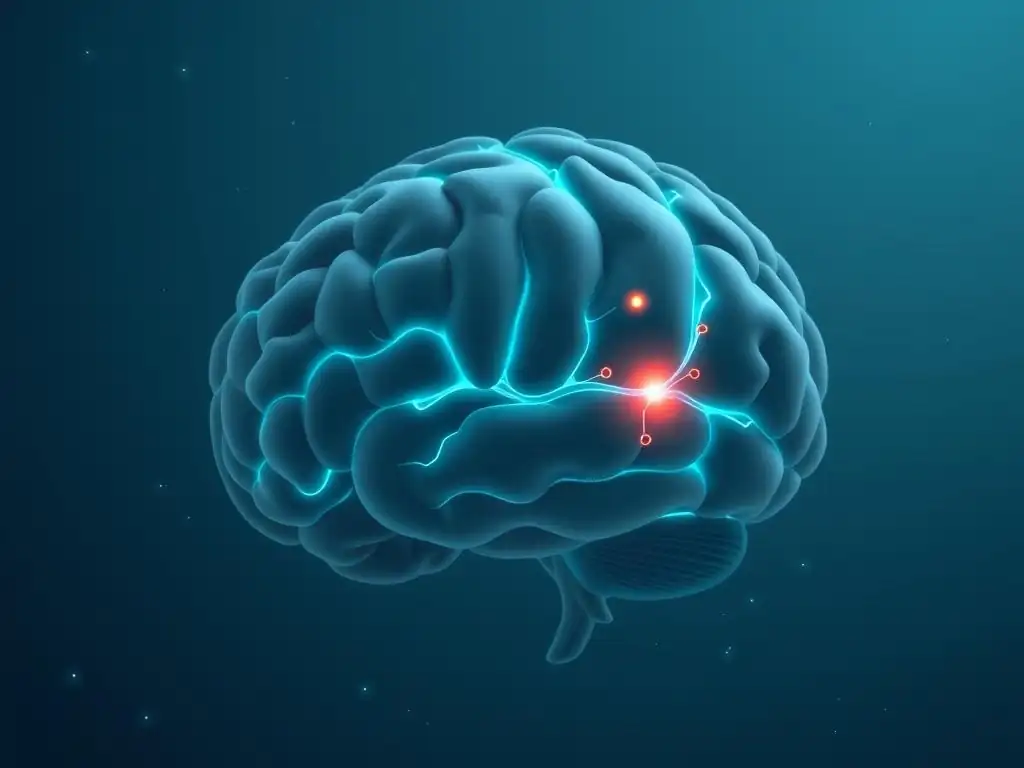
Telomeres are protective caps at the ends of chromosomes, similar to the plastic tips on shoelaces. They protect the genetic material during cell division. Each time a cell divides, telomeres naturally shorten.
When telomeres become too short, the cell can no longer divide and enters a state of senescence (cellular aging) or undergoes programmed cell death. Telomere length is considered a marker of biological age, and accelerated telomere shortening is associated with various age-related diseases. Chronic stress has been shown to accelerate telomere shortening, including in brain cells and immune cells that impact brain health, representing another fundamental pathway through which stress accelerates cognitive decline.
The enzyme telomerase can help maintain telomere length by adding repetitive sequences to the ends of chromosomes. However, its activity can be influenced by various factors, including stress. Chronic stress appears to suppress telomerase activity while simultaneously increasing oxidative stress and inflammation, both of which contribute to telomere shortening.
This double whammy accelerates cellular aging throughout the body, including in the brain. Studies on individuals experiencing significant psychological stress, such as mothers caring for chronically ill children or individuals with PTSD, have shown significantly shorter telomeres in their blood cells compared to matched controls, sometimes equivalent to several years of accelerated biological aging. While directly measuring telomere length in living human brain cells is challenging, evidence from animal studies and post-mortem human brain tissue suggests a link between stress, shorter telomeres in brain cells, and neurodegenerative processes.
The Impact of Chronic Stress on Telomere Length
Chronic psychological stress is a powerful predictor of accelerated telomere shortening. The physiological responses to stress, including the elevation of cortisol and inflammatory cytokines, directly contribute to this process. Cortisol can suppress telomerase activity, while oxidative stress and inflammation damage telomeres, causing them to erode faster. The cumulative effect of prolonged stress exposure is a faster rate of telomere attrition, leading to cells reaching senescence prematurely.
This accelerated cellular aging impacts not only peripheral cells but also potentially brain cells and the immune cells that interact with the brain. For example, microglia, the brain's immune cells, undergo division and senescence, and accelerated aging of these cells due to stress could impair their ability to support neurons and clear debris, contributing to neuroinflammation and neurodegeneration. The link between stress, accelerated telomere shortening, and cellular aging provides a compelling mechanism for how stress accelerates cognitive decline at the fundamental level of cellular longevity.
Telomeres, Brain Aging, and Cognitive Resilience
While the direct link between telomere length in brain cells and cognitive function in humans is still an active area of research, evidence suggests that telomere length in peripheral cells (like blood leukocytes) is associated with brain structure and cognitive performance. Shorter leukocyte telomeres have been correlated with reduced gray matter volume in specific brain regions, including the prefrontal cortex and hippocampus, areas known to be vulnerable to stress. Shorter telomeres are also associated with poorer performance on tests of executive function and memory in older adults.
The concept of cognitive resilience, the ability to maintain cognitive function despite age-related changes or pathology, may also be linked to cellular aging markers like telomere length. Individuals with longer telomeres, potentially reflecting a slower rate of cellular aging due to lower chronic stress or better stress management, might have greater cellular reserves and be more resilient to age-related cognitive challenges. Therefore, mitigating stress to preserve telomere length could be a strategy for promoting cellular health and potentially enhancing cognitive resilience, counteracting the way stress accelerates cognitive decline.
Neuroplasticity: Stress Impairment of Brain Adaptability
Neuroplasticity is the brain's remarkable ability to reorganize itself by forming new neural connections throughout life. This dynamic process is fundamental to learning, memory, recovery from injury, and adapting to new experiences. It involves changes at multiple levels, including alterations in synaptic strength (synaptic plasticity) and the generation of new neurons (neurogenesis). Chronic stress significantly impairs neuroplasticity, undermining the brain's capacity for adaptation and repair, which is a critical pathway through which stress accelerates cognitive decline.
Stress hormones, particularly cortisol, and stress-induced inflammation and oxidative stress, all interfere with the molecular and cellular mechanisms that support neuroplasticity. This disruption makes it harder for the brain to build and maintain the neural networks necessary for optimal cognitive function. The consequence is a less adaptable brain, less capable of learning new information, forming new memories, and recovering from minor insults, effectively accelerating the aging process and contributing to cognitive decline.
Stress-Related Changes in Synaptic Plasticity
Synaptic plasticity refers to the ability of synapses, the junctions between neurons, to strengthen or weaken over time in response to activity. This process is crucial for learning and memory storage. Long-term potentiation (LTP), a persistent strengthening of synapses based on recent activity, is widely considered a cellular basis for learning. Chronic stress and elevated cortisol levels impair LTP, particularly in the hippocampus and prefrontal cortex. This makes it harder for neurons to form strong, lasting connections, directly interfering with the encoding and consolidation of memories.
Conversely, long-term depression (LTD), a weakening of synapses, can also be affected by stress, sometimes leading to inappropriate weakening of connections. The overall effect is a disruption of the finely tuned balance of synaptic changes required for efficient brain function. For example, studies have shown that animals exposed to chronic stress exhibit reduced expression of proteins essential for synaptic function and plasticity, such as BDNF (Brain-Derived Neurotrophic Factor). This molecular interference highlights a direct way that stress accelerates cognitive decline by compromising the fundamental building blocks of learning and memory.
The Impact of Stress on Neurogenesis
Neurogenesis, the process of generating new neurons, primarily occurs in specific brain regions in adults, notably the hippocampus. These newly born neurons are believed to play a role in learning, memory, and mood regulation. Chronic stress is one of the most potent inhibitors of adult hippocampal neurogenesis. Elevated levels of cortisol and inflammatory cytokines directly suppress the proliferation and survival of neural stem cells and the maturation of new neurons.
Studies in rodents have consistently shown a dramatic reduction in hippocampal neurogenesis following chronic stress exposure. While measuring adult neurogenesis in living humans is challenging, indirect evidence from MRI studies showing reduced hippocampal volume and from post-mortem studies supports the idea that stress impairs this process in humans as well.
A reduced rate of neurogenesis means fewer new neurons are available to integrate into hippocampal circuits, potentially limiting the capacity for forming new memories and adapting to new environments. This impairment of brain regeneration is a significant factor in how stress accelerates cognitive decline and contributes to vulnerability to mood disorders.
Specific Brain Regions Affected by Stress and Aging
While stress affects the entire brain, some regions are particularly vulnerable due to their high density of stress hormone receptors or their critical role in processing and responding to stress. These regions are also key players in cognitive function and undergo significant changes during aging. The hippocampus, prefrontal cortex, and amygdala are perhaps the most studied in the context of stress and brain aging, demonstrating how stress accelerates cognitive decline by targeting specific neural hubs.
Understanding which brain regions are most impacted helps explain the specific types of cognitive deficits observed in individuals with chronic stress. Damage or dysfunction in the hippocampus leads to memory problems, while changes in the prefrontal cortex affect executive functions. Alterations in the amygdala can influence emotional regulation and stress reactivity, creating a vicious cycle that can further exacerbate stress and its cognitive consequences. The differential vulnerability of these areas highlights the complex and targeted way stress accelerates cognitive decline.
The Hippocampus: Memory and Stress Vulnerability
As discussed earlier, the hippocampus is highly susceptible to the damaging effects of chronic stress, primarily due to its abundance of cortisol receptors. Its critical role in forming new declarative memories (facts and events) and spatial memory makes it a central player in cognitive function. Stress-induced atrophy and impaired neurogenesis in the hippocampus directly translate into difficulties with learning new information, remembering recent events, and navigating familiar environments.
The hippocampus is also involved in regulating the stress response itself, helping to shut down the release of cortisol once the stressor is gone. Damage to the hippocampus due to chronic stress can impair this negative feedback loop, leading to prolonged elevation of cortisol levels and a self-perpetuating cycle of stress and damage. This makes the hippocampus both a target and a regulator in the relationship between stress and cognitive decline, demonstrating how stress accelerates cognitive decline by compromising a key memory and regulatory center.
The Prefrontal Cortex: Executive Function and Stress Resilience
The prefrontal cortex (PFC), located at the front of the brain, is responsible for executive functions such as planning, decision-making, working memory, attention, and inhibiting impulsive behavior. It also plays a crucial role in regulating emotions by receiving input from the amygdala and modulating its activity. The PFC is also rich in stress hormone receptors and is highly sensitive to the effects of chronic stress.
Chronic stress can impair the function of the PFC, leading to deficits in executive control. This can manifest as difficulty focusing, making poor decisions, struggling with problem-solving, and increased impulsivity. The ability of the PFC to regulate the amygdala can also be weakened, leading to heightened emotional reactivity and anxiety. This reduced capacity for executive control and emotional regulation makes it harder to cope with stress effectively, further contributing to how stress accelerates cognitive decline by weakening the brain's higher-level processing and control center.
The Amygdala: Emotional Regulation and Stress Response
The amygdala is a small, almond-shaped structure deep within the brain that is central to processing emotions, particularly fear and anxiety, and initiating the stress response. While crucial for detecting threats, chronic stress can lead to structural and functional changes in the amygdala, often resulting in its hypertrophy (enlargement) and increased activity.
An overactive amygdala can lead to heightened vigilance, increased anxiety, and a tendency to perceive situations as more threatening than they are. While not a primary cognitive region in the same way as the hippocampus or PFC, the amygdala's hyperactivity under stress can significantly impact cognitive function indirectly. Increased anxiety and emotional distress consume cognitive resources, making it harder to concentrate, remember, and make rational decisions.
Furthermore, the chronic activation of the stress response initiated by the amygdala contributes to the release of cortisol and inflammatory cytokines, which then damage other brain regions involved in cognition. Thus, changes in the amygdala due to stress contribute to a state of chronic stress reactivity that fuels the biological processes by which stress accelerates cognitive decline.
Stress Management Strategies to Protect Cognitive Function
Given the profound impact of chronic stress on brain aging and cognitive function, implementing effective stress management strategies is crucial for preserving cognitive health. While eliminating stress entirely may be unrealistic, learning to manage its effects can mitigate the damaging biological pathways discussed. A multi-faceted approach that addresses both the physiological and psychological aspects of stress is often most effective in counteracting how stress accelerates cognitive decline.
Adopting healthy lifestyle habits, practicing relaxation techniques, seeking therapeutic support, and building strong social connections are all valuable strategies. These approaches can help regulate the body's stress response, reduce cortisol levels, dampen inflammation, enhance antioxidant defenses, and even promote neuroplasticity. Proactive stress management is not just about feeling better emotionally; it's a vital investment in long-term brain health and cognitive longevity.
Lifestyle Modifications for Stress Reduction
Making conscious choices about daily habits can significantly impact stress levels and, consequently, brain health. Simple yet consistent lifestyle changes can provide a powerful buffer against the damaging effects of chronic stress and help prevent how stress accelerates cognitive decline.
Exercise and Brain Health
Regular physical exercise is one of the most effective ways to manage stress and promote brain health. Exercise reduces stress hormones like cortisol and adrenaline and stimulates the release of endorphins, which have mood-boosting effects. Furthermore, exercise increases blood flow to the brain, promotes the release of neurotrophic factors like BDNF (which supports neurogenesis and synaptic plasticity), and can reduce inflammation.
Studies have shown that regular aerobic exercise, even moderate activity like brisk walking for 30 minutes most days of the week, can improve cognitive function, particularly executive function and memory, and may even increase hippocampal volume. This makes exercise a key tool in combating how stress accelerates cognitive decline.
Diet and Cognitive Function
Nutrition plays a significant role in both stress response and brain health. A diet rich in fruits, vegetables, whole grains, lean proteins, and healthy fats (like omega-3 fatty acids found in fish) provides the brain with the nutrients it needs to function optimally and build resilience against stress-induced damage. Antioxidant-rich foods help combat oxidative stress, while omega-3s have anti-inflammatory properties.
Conversely, diets high in processed foods, sugar, and unhealthy fats can promote inflammation and oxidative stress, potentially exacerbating the negative effects of stress on the brain. Maintaining a balanced, nutrient-dense diet supports overall brain health and helps mitigate the biological pathways through which stress accelerates cognitive decline.
Sleep Hygiene and Stress Management
Adequate and quality sleep is essential for both stress recovery and cognitive function. During sleep, the brain consolidates memories, clears metabolic waste products (including those associated with stress and inflammation), and restores energy reserves. Chronic sleep deprivation, often a consequence and a cause of stress, impairs cognitive function, increases cortisol levels, and promotes inflammation, creating a vicious cycle.
Prioritizing sleep hygiene – maintaining a consistent sleep schedule, creating a relaxing bedtime routine, and ensuring a dark, quiet sleep environment – can significantly improve the body's ability to manage stress and protect cognitive health from the effects of how stress accelerates cognitive decline. Aim for 7-9 hours of quality sleep per night.
Mindfulness and Meditation Techniques
Mindfulness and meditation practices involve training the mind to focus attention and cultivate awareness of the present moment without judgment. Regular practice has been shown to reduce stress, lower cortisol levels, and even induce structural changes in the brain associated with improved emotional regulation and attention. Studies have shown that consistent meditation can increase gray matter density in areas like the prefrontal cortex and hippocampus, potentially counteracting the stress-induced shrinkage observed in these regions.
Techniques such as mindful breathing, body scans, and loving-kindness meditation can help individuals develop a greater capacity to respond to stressors more calmly rather than react automatically. By promoting relaxation and shifting focus away from rumination on stressful thoughts, these practices can break the cycle of chronic stress activation. Incorporating mindfulness into daily life, even for just 10-15 minutes, can be a powerful tool in mitigating the biological pathways through which stress accelerates cognitive decline.
Cognitive Behavioral Therapy (CBT) for Stress and Anxiety
Cognitive Behavioral Therapy (CBT) is a type of psychotherapy that helps individuals identify and change negative thought patterns and behaviors that contribute to stress and anxiety. CBT teaches coping skills to manage stressors more effectively, challenge unhelpful beliefs, and develop healthier responses to difficult situations. By addressing the psychological appraisal of stress, CBT can help reduce the frequency and intensity of the stress response, thereby limiting the exposure to damaging stress hormones and inflammatory signals.
Research has demonstrated that CBT can reduce cortisol levels and improve symptoms of anxiety and depression, conditions often intertwined with chronic stress and cognitive impairment. Learning to reframe stressful situations or develop problem-solving skills for specific stressors can empower individuals and reduce the feeling of being overwhelmed. This therapeutic approach provides practical tools to manage stress at its source, offering a direct way to counteract how stress accelerates cognitive decline by changing one's relationship with stressful experiences.
Strong social connections are a powerful buffer against stress and a significant predictor of cognitive health in older age. Having supportive relationships provides emotional comfort, practical assistance, and a sense of belonging, all of which help regulate the stress response. Interacting with loved ones can trigger the release of oxytocin, a hormone that counteracts the effects of cortisol and promotes relaxation and bonding.
Building and maintaining a strong social network can enhance resilience, the ability to bounce back from adversity. Sharing challenges with others, receiving empathy, and participating in social activities can reduce feelings of isolation and provide different perspectives on stressors. Studies have shown that individuals with robust social support networks have lower levels of stress hormones and inflammatory markers and exhibit better cognitive function later in life. Prioritizing relationships is a vital, often overlooked, strategy in preventing how stress accelerates cognitive decline.
The Role of Early Life Stress in Accelerating Brain Aging

The impact of stress is not limited to adulthood; experiences of stress during critical periods of brain development in early life can have profound and lasting effects on brain structure, function, and vulnerability to accelerated aging and cognitive decline decades later. The developing brain is particularly plastic but also highly sensitive to environmental influences, including stress.
Exposure to adverse childhood experiences (ACEs), such as abuse, neglect, household dysfunction, or parental mental illness, can program the stress response system (the HPA axis) to be hyperreactive or dysregulated. This sets the stage for heightened sensitivity to stress throughout life and primes the biological pathways that contribute to accelerated brain aging. Understanding the long-term consequences of early life stress is crucial for appreciating the full scope of how stress accelerates cognitive decline across the lifespan.
Adverse Childhood Experiences (ACEs) and Long-Term Cognitive Effects
Adverse Childhood Experiences (ACEs) are traumatic events that occur before the age of 18. Research consistently shows a strong dose-response relationship between the number of ACEs experienced and the risk of numerous health problems in adulthood, including mental health disorders, chronic physical illnesses, and cognitive impairment. Individuals with higher ACE scores are at increased risk for developing conditions associated with chronic stress, such as anxiety, depression, and PTSD, all of which are linked to cognitive deficits.
Studies following individuals with high ACE scores into adulthood have found correlations with reduced volume in brain regions like the hippocampus and prefrontal cortex, similar to the effects seen with chronic adult stress. These structural differences are associated with measurable impairments in memory, executive function, and attention. For instance, research indicates that individuals with four or more ACEs have a significantly higher likelihood of experiencing cognitive difficulties in midlife and later life compared to those with zero ACEs. This demonstrates that early life stress creates a lasting vulnerability that facilitates how stress accelerates cognitive decline across the lifespan.
The Impact of Early Stress on Brain Development
Stress during critical periods of brain development can alter the trajectory of neural circuit formation. The developing hippocampus and prefrontal cortex are particularly sensitive to stress hormones. Chronic exposure to elevated cortisol during childhood can impair the formation of synapses, reduce neurogenesis, and disrupt the maturation of these brain regions. This can lead to a smaller size and altered connectivity in adulthood, impacting learning, memory, and executive function.
Furthermore, early stress can alter the development of the amygdala, potentially leading to an exaggerated fear response and heightened stress reactivity later in life. The programming of the HPA axis in response to early adversity can result in a more reactive stress response system that is easily triggered and slow to return to baseline, leading to greater exposure to stress hormones over time. This early programming creates a biological predisposition that makes the brain more susceptible to the damaging effects of stress throughout life, fundamentally influencing how stress accelerates cognitive decline from a young age.
Future Research Directions: Unraveling the Complex Relationship Between Stress, Brain Aging, and Cognitive Decline
While significant progress has been made in understanding how stress accelerates cognitive decline through biological pathways, many questions remain. Future research needs to continue to unravel the complex interplay between different stress-related mechanisms, such as the precise molecular links between cortisol signaling, inflammation, oxidative stress, and telomere dynamics in brain cells. Longitudinal studies that track individuals from early life through old age, measuring stress exposure, biological markers (like cortisol levels, inflammatory cytokines, and telomere length), and cognitive function, are essential for identifying critical periods of vulnerability and resilience.
Developing more sophisticated imaging techniques that can directly measure neuroinflammation, oxidative stress, and cellular aging in specific brain regions in living humans would provide invaluable insights. Furthermore, research into personalized interventions that target specific biological pathways implicated in stress-induced brain aging holds great promise. Identifying genetic or epigenetic factors that influence an individual's susceptibility to stress and its cognitive consequences could also lead to more targeted prevention and treatment strategies, offering new avenues to counteract how stress accelerates cognitive decline.
Conclusion: Mitigating the Effects of Stress on Brain Health for Cognitive Longevity
The evidence is clear: chronic stress accelerates cognitive decline through a variety of interconnected biological pathways, including the dysregulation of cortisol, chronic inflammation, oxidative stress, accelerated telomere shortening, and impaired neuroplasticity. These mechanisms contribute to structural and functional changes in key brain regions like the hippocampus, prefrontal cortex, and amygdala, leading to impairments in memory, executive function, and emotional regulation. The impact of stress on the brain begins early in life, with adverse childhood experiences setting a trajectory for increased vulnerability to cognitive decline in adulthood.
However, this understanding also brings hope. By recognizing how stress accelerates cognitive decline, we can take proactive steps to mitigate its effects. Implementing effective stress management strategies – including regular exercise, a healthy diet, adequate sleep, mindfulness, therapeutic support, and strong social connections – can help regulate the stress response, dampen damaging biological processes, and promote brain resilience.
These strategies are not just about feeling better in the short term; they are crucial investments in preserving brain health and cognitive function for a longer, healthier life. Prioritizing stress management is essential for anyone seeking to protect their cognitive longevity and counteract the insidious ways that stress accelerates cognitive decline.
Frequently Asked Questions
What is the main connection between stress and cognitive decline as discussed in the Mind Care Guide article?
The article highlights how chronic stress accelerates cognitive decline by impacting various biological pathways in the brain. This includes affecting areas crucial for memory and learning.
Which biological pathways are primarily affected by stress, leading to cognitive decline?
Stress significantly impacts pathways involving inflammation, hormone regulation, and neuroplasticity. These disruptions contribute to the acceleration of brain aging.
How does the Mind Care Guide article suggest mitigating the negative impact of stress on cognitive function?
The article likely proposes strategies focusing on stress management techniques, such as mindfulness and exercise. It would also advocate for lifestyle changes to promote overall mental well-being.
Does the article mention specific age groups that are more vulnerable to stress-induced cognitive decline?
While not explicitly stated here, the article likely implies that older adults are more susceptible. However, chronic stress at any age can increase the risk of accelerated cognitive aging.
What resources does the Mind Care Guide offer for individuals concerned about stress and its impact on their brain health?
The website provides information, support, and resources for various mental health challenges, including those related to stress. This includes guidance on stress management and promoting mental well-being.
Final Reflection: The Unseen Toll of Stress on the Aging Brain
The pervasive nature of stress in modern life is inextricably linked to accelerating cognitive decline, a reality that demands immediate attention. We've explored the intricate biological pathways through which chronic stress wreaks havoc on our brains, impacting everything from hippocampal volume to the production of neurotrophic factors. This isn't just abstract science; it's a direct threat to the quality of life for millions, impacting memory, learning, and overall cognitive function as we age.
The insidious impact of stress on brain health is a story that continues to unfold, woven into the fabric of our daily lives. We see it in the rising rates of dementia and Alzheimer's disease, and we feel it in our own moments of forgetfulness or mental fog. The weight of societal pressures, economic anxieties, and personal challenges all contribute to this silent epidemic. As the renowned neuroscientist, Dr. Robert Sapolsky, eloquently stated: Chronic stress is not just bad for you; it's profoundly bad for your brain.
Understanding this connection is crucial to developing effective strategies for mitigation and prevention.
Consider this your call to action. Take a moment to assess your own stress levels. Are you prioritizing self-care? Are you actively engaging in stress-reducing activities like exercise, mindfulness, or spending time in nature? The journey to a healthier, sharper mind begins with acknowledging the profound impact of stress and taking proactive steps to manage it. Invest in your brain health today; it's an investment in your future self.
Thanks for taking the time to explore the fascinating connection between stress and brain aging! You've now gained valuable insights into protecting your cognitive health. Ready to put this knowledge into action?
- Prioritize a daily mindfulness practice: Even 5-10 minutes of meditation or deep breathing can significantly reduce stress hormones and improve brain function. This is your primary step towards building brain resilience.
- Share this article with someone you care about: Help them discover strategies to protect their cognitive health too. A little knowledge can go a long way!
- Experiment with a new stress-reduction technique: Try something outside your comfort zone – from yoga to nature walks to creative writing. What unexpected method could work best for you?
What simple change will you implement today to prioritize your brain health and combat the effects of stress?