
Understanding "Leaky Gut" and Its Potential Impact on Your Mental State

Welcome to Mind Care Guide, your sanctuary for navigating the complexities of mental well-being.
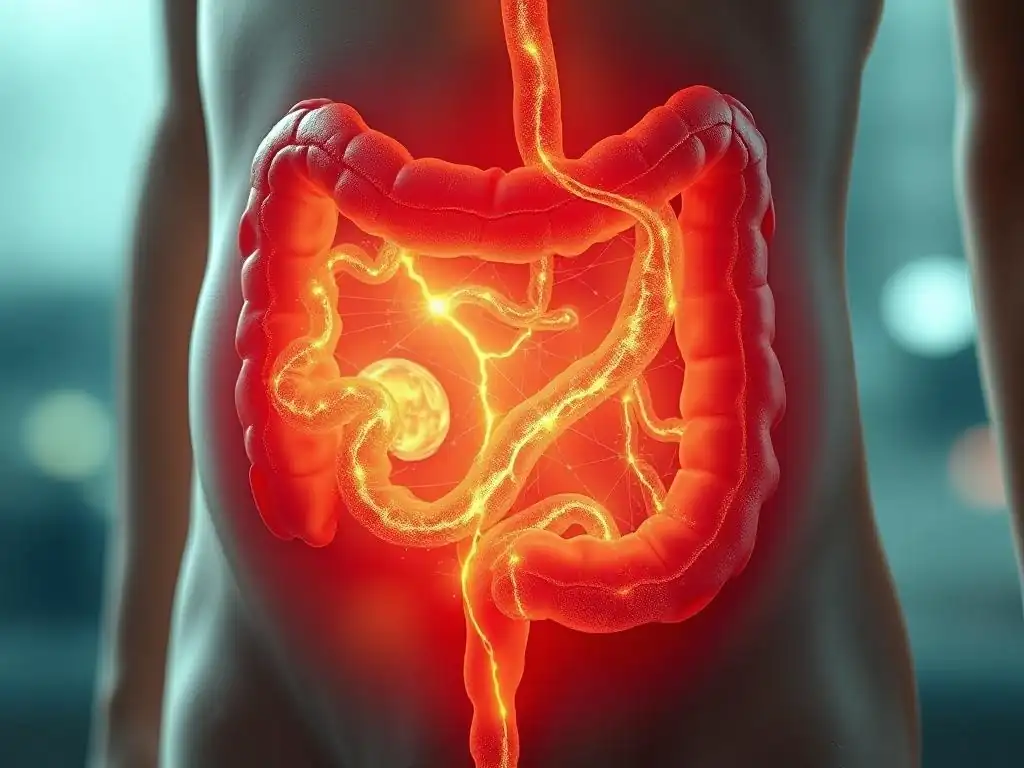
Ever felt like there's a deeper connection between your gut and your mind than you previously thought? You're not alone. In this article, we delve into the fascinating, and often overlooked, link between "Leaky Gut" and Mental Health. Could an imbalance in your gut be contributing to your mental state? Explore the science and discover potential solutions to support both your gut and your mind. Let's unravel this intricate relationship together and begin your journey towards holistic well-being.
The Gut-Brain Connection: How Gut Health Impacts Mental Well-being
- Understanding the Gut-Brain Axis
- Factors Influencing Gut Permeability
- The Gut-Brain Connection: Mechanisms of Action
- Recognizing Symptoms of Imbalance
- Diagnostic Approaches
- Strategies for Improving Gut Health and Mental Well-being
- A Holistic Approach to Gut and Mental Health
- Gut Health and Mental Health Conditions
- Conclusion: Investing in Gut Health for Mental Resilience
-
Frequently Asked Questions
- What exactly is "leaky gut" and how is it related to mental health?
- How might a "leaky gut" contribute to anxiety or depression?
- What are some common symptoms of "leaky gut" that could also impact mental well-being?
- Can diet play a role in both preventing and treating "leaky gut" and its potential effects on mental health?
- What are some practical steps I can take to improve my gut health and potentially improve my mental state?
- Final Reflection: The Mind-Gut Connection: A Journey Towards Holistic Wellbeing
- Unlock Your Mind's Potential: Take Charge of Your Gut Health!
Understanding the Gut-Brain Axis
The Gut-Brain Axis: A Two-Way Communication System
The gut-brain axis represents a complex, bidirectional communication network linking the central nervous system (brain) and the enteric nervous system (gut). This intricate pathway involves multiple systems, including the nervous system (via the vagus nerve), the endocrine system (hormones), the immune system, and crucially, the gut microbiome. Signals constantly travel between the gut and the brain, influencing everything from digestion and appetite to mood, stress responses, and cognitive function. Disruptions in this delicate balance are increasingly linked to various health issues, highlighting the profound connection between gut health and overall well-being, including mental health.
This axis ensures that the brain is aware of what's happening in the gut environment, and similarly, the gut responds to signals from the brain, such as stress. For instance, experiencing psychological stress can alter gut motility and secretion, while changes in the gut microbiome can influence neurotransmitter production that affects brain chemistry.
Research indicates that up to 90% of serotonin, a key neurotransmitter involved in mood regulation, is produced in the gut. This significant production site underscores how gut health is not merely digestive but fundamentally intertwined with neurological and psychological states, impacting everything from daily mood to the severity of conditions often linked to leaky gut mental health.
Intestinal Permeability: A Closer Look
Intestinal permeability, often colloquially referred to as "leaky gut," describes a condition where the lining of the small intestine becomes more permeable than it should be. Normally, the intestinal lining acts as a tight barrier, controlling what passes into the bloodstream while preventing harmful substances like undigested food particles, toxins, and bacteria from entering. This barrier is maintained by tight junctions between the cells lining the gut. When these tight junctions become compromised, the gut lining essentially develops microscopic gaps, allowing substances that should remain in the digestive tract to "leak" through into the circulation.
This increased permeability can trigger an immune response, leading to systemic inflammation throughout the body. A key protein involved in regulating these tight junctions is zonulin; elevated levels of zonulin are often observed in individuals with increased intestinal permeability.
While "leaky gut" itself isn't a formal medical diagnosis in all contexts, the underlying mechanism of increased intestinal permeability is a recognized physiological state implicated in various conditions, including inflammatory bowel disease (IBD), celiac disease, and increasingly, extra-intestinal disorders. Understanding this mechanism is vital when exploring the potential links between such gut issues and symptoms associated with leaky gut mental health.
The Importance of Gut Health for Mental Wellness
The state of your gut health has far-reaching implications beyond digestion, significantly influencing your mental and emotional state. A healthy gut, characterized by a diverse and balanced microbiome and a strong intestinal barrier, supports the production of essential neurotransmitters, modulates inflammation, and helps regulate stress responses. When gut health is compromised, such as in cases of dysbiosis (microbial imbalance) or increased intestinal permeability ("leaky gut"), these functions can be disrupted.
This disruption can contribute to systemic inflammation, which research shows can cross the blood-brain barrier and impact brain function, potentially exacerbating symptoms of anxiety, depression, and other mood disorders. Furthermore, an unhealthy gut may impair the production of beneficial compounds and nutrients necessary for optimal brain health.
For example, certain gut bacteria produce short-chain fatty acids (SCFAs) like butyrate, which have protective effects on the brain and can reduce inflammation. A decline in these beneficial bacteria due to poor gut health can therefore have negative ripple effects on mental wellness, underscoring why addressing issues like leaky gut mental health involves focusing on gut health first.
Factors Influencing Gut Permeability
Dietary Influences on Intestinal Health
Diet plays a critical role in maintaining the integrity of the intestinal barrier. A diet high in processed foods, refined sugars, unhealthy fats (like trans fats and excessive omega-6 fatty acids), and low in fiber can negatively impact the gut microbiome and compromise the intestinal lining. For instance, high sugar intake can feed unfavorable bacteria and yeasts, contributing to dysbiosis, while emulsifiers and other additives found in processed foods have been shown in some studies to potentially disrupt the gut barrier in animal models.
Conversely, a diet rich in whole, unprocessed foods, abundant in fiber from fruits, vegetables, and whole grains, along with healthy fats (like omega-3s) and lean proteins, supports a diverse and beneficial gut microbiome. Fermented foods containing probiotics, such as yogurt, kefir, sauerkraut, and kimchi, can introduce beneficial bacteria. Prebiotic fibers, found in foods like garlic, onions, leeks, and bananas, feed these beneficial bacteria. Prioritizing such nutrient-dense foods is a foundational step in protecting the gut barrier and mitigating factors that could contribute to leaky gut mental health.
Inflammation's Role in Gut Permeability
Inflammation, particularly chronic low-grade inflammation, is a major driver of increased intestinal permeability. Inflammatory cytokines, signaling molecules produced by immune cells, can directly affect the tight junctions between intestinal cells, causing them to loosen. This process is a key mechanism by which conditions like inflammatory bowel disease (Crohn's disease, ulcerative colitis) lead to significant "leaky gut." However, even systemic inflammation triggered by factors like poor diet, stress, or infections elsewhere in the body can contribute to this intestinal barrier dysfunction.
Once the gut barrier is compromised, it allows more inflammatory triggers from the gut lumen (like bacterial lipopolysaccharides or LPS) to enter the bloodstream, further fueling systemic inflammation. This creates a vicious cycle: inflammation damages the gut barrier, and the damaged barrier increases inflammation. This chronic inflammatory state is not confined to the gut; it can impact distant organs, including the brain, playing a role in the development or exacerbation of mood disorders and other mental health challenges linked to leaky gut mental health. Addressing sources of inflammation is therefore crucial for gut and brain health.
Lifestyle and Environmental Factors
Beyond diet, various lifestyle and environmental factors can significantly impact gut permeability. Chronic stress, for example, has been shown to alter gut motility, secretion, and blood flow, as well as directly affecting the tight junctions of the intestinal lining through stress hormones like cortisol. Lack of adequate sleep also negatively impacts gut health; studies suggest that sleep deprivation can alter the gut microbiome composition and potentially increase intestinal permeability.
Exposure to environmental toxins, such as pesticides and heavy metals, can also damage the gut lining and disrupt the microbiome. Furthermore, sedentary lifestyles are associated with lower gut microbial diversity compared to individuals who engage in regular physical activity. These factors, often intertwined in modern life, contribute to the cumulative burden on gut health, potentially increasing the risk of developing issues like "leaky gut" which may then influence aspects of leaky gut mental health. Implementing stress management techniques, prioritizing sleep, and increasing physical activity are important strategies for supporting gut barrier function.
Medications and Gut Health
Certain medications are known to impact gut health and can potentially increase intestinal permeability. Non-steroidal anti-inflammatory drugs (NSAIDs), such as ibuprofen and aspirin, are a common example; chronic use can directly irritate and damage the gut lining, disrupting the barrier function. Antibiotics, while essential for treating bacterial infections, can significantly alter the composition and diversity of the gut microbiome, leading to dysbiosis, which in turn can weaken the intestinal barrier over time.
Other medications, including proton pump inhibitors (PPIs) used to reduce stomach acid, and even some antidepressants, have been associated with changes in the gut microbiome or intestinal function. While these medications are often necessary and beneficial for specific conditions, it's important to be aware of their potential effects on gut health. Discussing medication use with a healthcare professional and exploring strategies to support gut health concurrently, such as probiotic supplementation after antibiotic use, can be beneficial for overall well-being and potentially mitigate impacts relevant to leaky gut mental health.
The Gut-Brain Connection: Mechanisms of Action
Gut Microbiome Dysbiosis and Mental Health
The gut microbiome, the trillions of microorganisms residing in our digestive tract, is a key player in the gut-brain axis. Dysbiosis, an imbalance in the composition and function of this microbial community, is increasingly implicated in various mental health conditions. A diverse and balanced microbiome produces beneficial metabolites, such as short-chain fatty acids (SCFAs), which nourish gut cells, reduce inflammation, and can even influence brain function and mood. Conversely, dysbiosis can lead to increased production of harmful substances and reduce beneficial outputs.
Studies have shown distinct differences in the gut microbiome composition between individuals with depression or anxiety disorders compared to healthy controls. For example, research has found reduced levels of certain Bifidobacteria and Lactobacillus species, often considered beneficial, in depressed individuals. This microbial imbalance can influence the production of neurotransmitters like GABA and serotonin, impact inflammatory pathways, and even affect the vagus nerve signaling to the brain, contributing to symptoms related to leaky gut mental health. Modulating the microbiome through diet or probiotics is an active area of research for mental health interventions.
Inflammation and Brain Function
Chronic inflammation originating in the gut, often exacerbated by increased intestinal permeability, can have a profound impact on brain function. Inflammatory molecules, such as cytokines (e.g., IL-6, TNF-alpha), can cross the blood-brain barrier, although the brain has its own immune cells (microglia) that can be activated by these signals. Once in the brain, these inflammatory mediators can interfere with neurotransmitter synthesis and signaling, impair neurogenesis (the growth of new brain cells), and damage existing neurons.
This neuroinflammation is linked to symptoms commonly seen in mood disorders, including fatigue, loss of motivation, cognitive difficulties (sometimes referred to as "brain fog"), and altered mood. For instance, elevated levels of inflammatory markers are frequently observed in individuals experiencing major depressive episodes. Addressing the root causes of inflammation, including gut permeability issues often associated with leaky gut mental health, is therefore a critical strategy for protecting brain health and alleviating inflammation-related psychological symptoms.
Nutrient Absorption and Cognitive Health
A healthy gut lining is essential for the efficient absorption of vital nutrients from food. Increased intestinal permeability ("leaky gut") can potentially impair the absorption of certain vitamins, minerals, and amino acids necessary for optimal brain function and mental health. Deficiencies in nutrients like B vitamins (especially B12 and folate), magnesium, zinc, iron, and omega-3 fatty acids are known to be associated with increased risk or severity of depression, anxiety, and cognitive decline.
For example, B vitamins and magnesium are crucial for neurotransmitter synthesis and energy production in the brain, while zinc is involved in synaptic function and immune response. If a compromised gut barrier leads to chronic low-level malabsorption, even a seemingly healthy diet might not provide the brain with the necessary building blocks. This nutritional deficiency aspect adds another layer to the complex picture of how gut health, including issues related to leaky gut mental health, can directly influence cognitive function and emotional resilience.
The Vagus Nerve: A Key Communicator
The vagus nerve is the longest cranial nerve and serves as a primary communication highway in the gut-brain axis. It provides a direct neural link, allowing signals to travel rapidly between the gut and the brain in both directions. Approximately 80-90% of vagal nerve fibers are afferent, meaning they transmit information from the gut to the brain, regarding satiety, discomfort, and the state of the gut environment, including signals influenced by the gut microbiome.
The gut microbiome can influence vagal nerve activity through various mechanisms, including the production of neurotransmitters (like GABA and serotonin) and SCFAs, which can stimulate vagal nerve endings. Inflammation in the gut, associated with increased permeability, can also send signals via the vagus nerve to the brain, potentially influencing mood and behavior. Strengthening vagal tone through practices like deep breathing, meditation, and exercise is another pathway being explored to positively impact both gut health and mental well-being, highlighting the importance of this neural link in the context of leaky gut mental health.
Recognizing Symptoms of Imbalance

Physical Manifestations of Gut Issues
Problems with gut health, including increased intestinal permeability often termed "leaky gut," can manifest in a wide range of physical symptoms, extending far beyond just digestive discomfort. Common gastrointestinal symptoms include bloating, gas, abdominal pain, diarrhea, constipation, and sensitivity to certain foods. However, compromised gut health can also present with symptoms in other body systems due to systemic inflammation and impaired nutrient absorption.
These extra-intestinal physical signs might include skin issues like eczema or acne, joint pain, chronic fatigue, headaches, and even hormonal imbalances. Persistent or recurring physical symptoms that don't have a clear diagnosis might be signaling underlying gut dysfunction. Recognizing these diverse physical signs is the first step in considering whether gut health, potentially involving issues related to leaky gut mental health, might be a contributing factor to overall health challenges.
Mental and Emotional Symptoms
Given the strong gut-brain connection, it's not surprising that gut health issues can significantly impact mental and emotional states. Symptoms commonly reported alongside gut dysfunction include increased anxiety, depression, irritability, difficulty concentrating ("brain fog"), memory problems, and fatigue. Some individuals may experience heightened stress reactivity or mood swings that seem disproportionate to external circumstances.
The link between gut inflammation and neuroinflammation, as well as alterations in neurotransmitter production influenced by the gut microbiome, are believed to mediate these effects. For example, individuals with irritable bowel syndrome (IBS), a condition frequently associated with increased intestinal permeability, have a significantly higher prevalence of anxiety and depression compared to the general population, with some studies reporting rates as high as 50-60%. These mental and emotional symptoms are core to the concept of leaky gut mental health, underscoring the need to consider gut health when addressing psychological distress.
When to Seek Professional Evaluation
If you are experiencing persistent physical or mental symptoms that you suspect might be related to your gut health, it is important to seek evaluation from a qualified healthcare professional. This could be your primary care physician, a gastroenterologist, a registered dietitian nutritionist specializing in gut health, or a mental health professional who understands the gut-brain axis. They can help you determine if your symptoms warrant further investigation.
It's crucial to rule out other medical conditions that may present with similar symptoms. A healthcare provider can take a comprehensive history, perform a physical examination, and recommend appropriate diagnostic tests. Openly discussing your symptoms, including both physical complaints like digestive issues or fatigue and mental/emotional challenges like anxiety or brain fog, can help your provider connect the dots and explore the potential role of gut health in your overall well-being and address concerns related to leaky gut mental health.
Diagnostic Approaches
Assessing Zonulin Levels
One method sometimes used to assess intestinal permeability is measuring levels of zonulin, a protein that modulates the tight junctions in the intestinal lining. Elevated levels of zonulin in the blood or stool are considered a potential indicator of increased gut permeability. While testing for zonulin is available through some laboratories, its clinical utility and interpretation are still areas of ongoing research, and it is not universally accepted as a definitive diagnostic marker for "leaky gut" by all medical communities.
Some practitioners may use zonulin testing as part of a broader assessment to understand the integrity of the gut barrier, particularly in individuals with symptoms suggestive of compromised gut health or conditions like autoimmune diseases where increased permeability is suspected. However, results should always be interpreted within the context of a comprehensive clinical evaluation, considering the individual's symptoms, medical history, and other test results. Relying solely on zonulin levels for a diagnosis related to leaky gut mental health is generally not recommended.
Stool Analysis: Evaluating Gut Microbiome
Comprehensive stool analysis is another diagnostic tool used to gain insights into the health of the gut, including the composition and diversity of the gut microbiome, the presence of pathogens, inflammation markers, and digestive function. These tests can identify imbalances in beneficial and potentially harmful bacteria, yeasts, and parasites. They can also measure markers of intestinal inflammation, such as calprotectin or eosinophil protein X, and evaluate markers of digestive function like pancreatic enzymes or undigested food fibers.
Different types of stool tests vary in their scope and the technologies used (e.g., culture-based vs. DNA sequencing). The results can help identify specific microbial imbalances (dysbiosis) or infections that might be contributing to gut barrier dysfunction and systemic inflammation. Understanding the state of the microbiome through stool analysis can inform targeted interventions, such as specific probiotics or dietary changes, which may be relevant for individuals experiencing symptoms associated with leaky gut mental health.
Identifying Food Sensitivities
Food sensitivities, intolerances, and allergies can also contribute to gut inflammation and potentially impact intestinal permeability. Unlike immediate IgE-mediated food allergies, sensitivities or intolerances often cause delayed or less severe reactions, which can make them harder to identify. Testing for IgG antibodies to various foods is one method used to explore potential food sensitivities, although the clinical significance and interpretation of IgG food sensitivity testing are debated within the medical community.
Alternatively, an elimination diet, where specific suspect foods are removed from the diet for a period (e.g., 2-4 weeks) and then carefully reintroduced, is considered a more reliable method for identifying individual food triggers. Identifying and removing foods that provoke an inflammatory response in the gut can help reduce gut irritation, potentially improve barrier function, and alleviate symptoms, including those potentially linked to leaky gut mental health. Working with a dietitian or healthcare provider is recommended when undertaking elimination diets.
Strategies for Improving Gut Health and Mental Well-being
Dietary Interventions for Gut Health
Embracing an Anti-Inflammatory Diet
Adopting an anti-inflammatory diet is a cornerstone strategy for improving gut health and reducing systemic inflammation that can impact the brain. This type of diet emphasizes whole, unprocessed foods rich in antioxidants, fiber, and healthy fats. Focus on consuming plenty of colorful fruits and vegetables (aim for 7-9 servings per day), lean protein sources (like fish, poultry, legumes), and healthy fats found in avocados, nuts, seeds, and olive oil.
Incorporating foods high in omega-3 fatty acids, such as fatty fish (salmon, mackerel, sardines), flaxseeds, and chia seeds, is particularly beneficial due to their potent anti-inflammatory properties. Spices like turmeric and ginger also have well-documented anti-inflammatory effects. Building your diet around these nutrient-dense, anti-inflammatory foods helps nourish beneficial gut bacteria and provides the building blocks for healing the intestinal lining, crucial steps in addressing issues related to leaky gut mental health.
Foods to Limit or Avoid
To reduce inflammation and support gut healing, it's important to limit or avoid foods that are known to be pro-inflammatory or disruptive to the gut barrier and microbiome. These typically include highly processed foods, refined sugars, sugary drinks, unhealthy fats (trans fats and excessive saturated fats), and excessive amounts of red and processed meats. Gluten and dairy are also common culprits for sensitivities and inflammation in some individuals, although this varies greatly from person to person.
Reducing or eliminating artificial sweeteners and emulsifiers, often found in processed foods, may also be beneficial, as some research suggests they can negatively impact the gut microbiome and potentially increase permeability. Alcohol and excessive caffeine intake can also irritate the gut lining. By consciously reducing these inflammatory triggers, you create a more favorable environment for beneficial gut bacteria to thrive and allow the intestinal lining to repair, offering a foundation for improving leaky gut mental health.
Foods that Promote Gut Healing
Beyond avoiding harmful foods, actively incorporating foods known to support gut healing can be very beneficial. Bone broth is often recommended as it contains collagen, gelatin, and amino acids like glutamine and proline, which are thought to help repair the gut lining. Fermented foods like sauerkraut, kimchi, kefir, and yogurt (if dairy is tolerated) are excellent sources of beneficial probiotics, which can help repopulate the gut with healthy bacteria.
Foods rich in soluble fiber, such as oats, legumes, and certain fruits and vegetables (like apples, carrots, and Brussels sprouts), act as prebiotics, feeding beneficial bacteria and promoting the production of healing SCFAs. Including sources of healthy fats like avocado and olive oil provides essential fatty acids and supports the absorption of fat-soluble vitamins crucial for tissue repair. These specific foods provide targeted support for restoring the integrity of the intestinal barrier, a key factor in addressing leaky gut mental health.
Supplementation for Gut Support
Probiotics and Prebiotics
Supplementation with probiotics and prebiotics can be a targeted approach to support a healthy gut microbiome. Probiotics are live beneficial bacteria that, when administered in adequate amounts, confer a health benefit to the host. Different strains of probiotics have varying effects, so choosing a multi-strain probiotic or one specifically targeted for gut health or mood may be beneficial. Common strains include Lactobacillus and Bifidobacterium species, often found in supplements containing billions of colony-forming units (CFUs).
Prebiotics are non-digestible fibers that selectively stimulate the growth and activity of beneficial bacteria in the colon. Examples include inulin, fructooligosaccharides (FOS), and galactooligosaccharides (GOS). While obtaining prebiotics through diet is ideal, supplements can provide a concentrated source. Using a combination of probiotics and prebiotics (sometimes called synbiotics) is thought to enhance the survival and activity of the beneficial bacteria, providing synergistic benefits for gut health and potentially impacting leaky gut mental health.
L-Glutamine for Gut Repair
L-Glutamine is the most abundant amino acid in the body and serves as a primary fuel source for the cells lining the small intestine (enterocytes). It plays a crucial role in maintaining the integrity of the intestinal barrier and promoting repair of the gut lining. Supplementation with L-Glutamine is often recommended in protocols aimed at improving intestinal permeability.
Studies have shown that L-Glutamine can help strengthen tight junctions between intestinal cells and reduce gut permeability in various conditions, including after surgery or in inflammatory states. Typical doses for gut support range from 5 to 20 grams per day, often divided throughout the day. While L-Glutamine is generally safe, it's best to discuss appropriate dosing and duration with a healthcare professional, especially when using it as part of a strategy to address issues related to leaky gut mental health.
Additional Supplements for Gut Health
Several other supplements may be considered to support gut health, depending on individual needs and underlying issues identified through testing or clinical evaluation. Digestive enzymes can help improve the breakdown and absorption of food, reducing the burden on the gut and potentially decreasing the amount of undigested material that could irritate a compromised lining. Betaine HCl with pepsin may be used to support stomach acid production, which is essential for protein digestion and killing ingested pathogens.
Certain botanicals and nutrients also offer support. Deglycyrrhizinated Licorice (DGL) extract is sometimes used to soothe and help repair the mucosal lining of the stomach and intestines. Aloe Vera juice can have a calming effect and support mucosal integrity. Zinc carnosine is another compound that has shown promise in supporting gut barrier function and healing. Discussing your specific symptoms and potential deficiencies with a healthcare provider can help determine which, if any, of these additional supplements might be beneficial for your gut health journey and its potential impact on leaky gut mental health.
Lifestyle Adjustments
Stress Management Techniques
Chronic stress is a significant contributor to gut dysfunction and can worsen intestinal permeability. Implementing effective stress management techniques is therefore vital for improving gut health and supporting mental well-being. Practices such as mindfulness meditation, deep breathing exercises, yoga, and progressive muscle relaxation can help activate the body's relaxation response (mediated by the parasympathetic nervous system, including the vagus nerve), counteracting the negative effects of stress hormones like cortisol on the gut.
Regular engagement in enjoyable hobbies, spending time in nature, and fostering strong social connections are also powerful ways to reduce stress. Even short periods of stress reduction throughout the day can make a difference. By reducing the physiological impact of stress on the gut-brain axis, these techniques not only benefit mental health directly but also create a more favorable environment for gut healing, which is essential when addressing leaky gut mental health.
Prioritizing Sleep
Adequate and restorative sleep is fundamental for both physical and mental health, and its importance for gut health is increasingly recognized. Poor sleep quality or insufficient sleep can negatively impact the gut microbiome composition and potentially increase intestinal permeability. During sleep, the body performs essential repair processes, including potentially healing the gut lining.
Aiming for 7-9 hours of quality sleep per night is crucial. Establishing a regular sleep schedule, creating a relaxing bedtime routine, ensuring a dark and quiet sleep environment, and avoiding caffeine and alcohol before bed can all help improve sleep hygiene. Prioritizing sleep supports overall physiological balance, including the delicate ecosystem of the gut, contributing positively to efforts to improve leaky gut mental health.
The Benefits of Regular Exercise
Regular physical activity has numerous benefits for both gut health and mental well-being. Exercise can positively influence the diversity and composition of the gut microbiome; studies have shown that individuals who exercise regularly tend to have a more diverse microbial community compared to sedentary individuals. Exercise also helps reduce stress and inflammation, both of which are beneficial for gut barrier function.
Furthermore, physical activity can improve gut motility, helping to prevent constipation, which can exacerbate gut issues. Aim for a combination of aerobic exercise and strength training most days of the week, as recommended by health guidelines (e.g., at least 150 minutes of moderate-intensity aerobic activity or 75 minutes of vigorous-intensity activity per week, plus muscle-strengthening activities on 2 or more days). Incorporating regular movement into your routine is a powerful tool in supporting overall health, including addressing potential connections related to leaky gut mental health.
A Holistic Approach to Gut and Mental Health
Integrating Diet, Lifestyle, and Mental Health Support
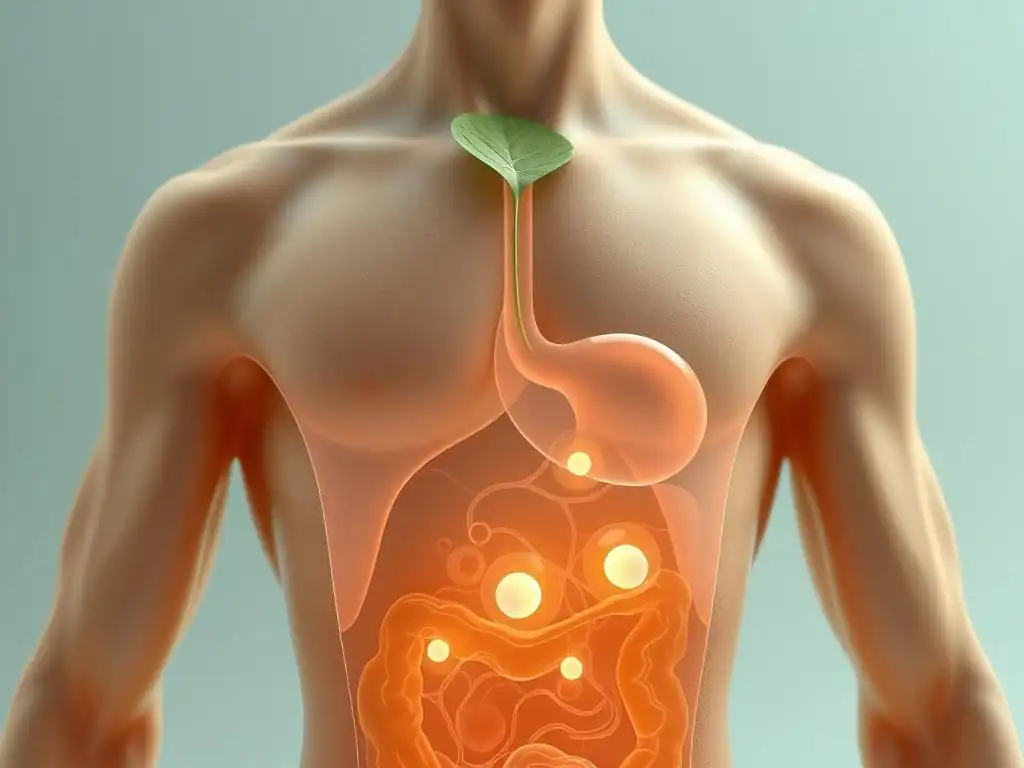
Effectively addressing the connection between gut health and mental well-being requires a holistic approach that integrates dietary changes, lifestyle modifications, and appropriate mental health support. Focusing solely on diet without addressing chronic stress or lack of sleep, for example, may yield limited results, as these factors are deeply interconnected. Similarly, while addressing gut issues can alleviate some mental symptoms, professional mental health support may still be necessary for managing underlying conditions or developing coping strategies.
This integrated approach recognizes that the body and mind are not separate entities but rather components of a single, complex system. Implementing dietary changes to support a healthy gut, incorporating stress reduction techniques, prioritizing sleep, engaging in regular exercise, and seeking therapy or counseling when needed all work synergistically. This comprehensive strategy offers the best potential for long-term improvement in both gut function and mental resilience, crucial for anyone navigating challenges related to leaky gut mental health.
Collaboration with Healthcare Professionals
Navigating the complexities of the gut-brain axis and implementing effective strategies is often best done in collaboration with a team of healthcare professionals. This might include a physician (such as a primary care doctor or gastroenterologist), a registered dietitian nutritionist specializing in gut health, and a mental health professional (like a therapist or psychiatrist). Each professional brings unique expertise to the table.
Your doctor can help rule out other medical conditions and manage any prescriptions. A dietitian can provide personalized dietary guidance based on your specific needs and any identified food sensitivities. A mental health professional can offer strategies for managing stress, anxiety, or depression, and address the psychological impact of chronic health issues. This collaborative approach ensures that all facets of your health are considered, leading to a more comprehensive and effective plan for improving both gut health and leaky gut mental health.
Long-Term Benefits of Gut Health
Investing in long-term gut health offers profound and lasting benefits that extend well beyond digestive comfort. A healthy gut contributes to a robust immune system, reduces systemic inflammation, supports nutrient absorption, and plays a vital role in the production of neurotransmitters and other compounds that influence brain health and mood. By consistently supporting your gut, you build a foundation for greater physical vitality and mental resilience.
Maintaining a gut-friendly lifestyle over time – through a balanced diet, stress management, regular exercise, and adequate sleep – helps to sustain a diverse and balanced gut microbiome and a strong intestinal barrier. This ongoing commitment can lead to reduced risk of chronic diseases linked to inflammation, improved mood stability, enhanced cognitive function, and a greater sense of overall well-being. The efforts made to improve gut health today can significantly impact your quality of life for years to come, particularly in areas related to leaky gut mental health.
Gut Health and Mental Health Conditions
Gut Health and Anxiety Disorders
Research increasingly points to a significant link between gut health and anxiety disorders. Individuals with anxiety often exhibit differences in their gut microbiome composition compared to non-anxious individuals, with altered levels of certain bacterial species and reduced diversity being observed in some studies. Increased intestinal permeability ("leaky gut") and the resulting low-grade inflammation are also implicated, as inflammatory signals from the gut can influence brain regions involved in fear and anxiety processing.
Furthermore, the gut microbiome and gut cells produce neurotransmitters and other signaling molecules that directly or indirectly influence anxiety levels. For example, certain gut bacteria produce GABA, an inhibitory neurotransmitter that helps calm the nervous system. Dysbiosis can impair this production. The vagus nerve also plays a role, transmitting information about the gut state to the brain, which can influence emotional responses. Addressing gut health issues, including those contributing to leaky gut mental health, is becoming a recognized complementary strategy in the management of anxiety.
Gut Health and Depressive Disorders
The association between gut health and depressive disorders is also well-established and actively researched. Individuals with depression frequently show signs of gut dysbiosis and increased intestinal permeability. Chronic inflammation, often originating in the gut, is considered a key mechanism linking gut issues to depression; inflammatory cytokines can impact brain regions involved in mood regulation and reduce the availability of precursors for neurotransmitters like serotonin and dopamine.
The gut microbiome's influence on neurotransmitter production is particularly relevant here, given that many conventional depression treatments target neurotransmitter systems. Alterations in gut bacteria can affect the synthesis and metabolism of substances that influence mood. For instance, some gut bacteria can produce compounds that activate or inhibit the hypothalamic-pituitary-adrenal (HPA) axis, the body's central stress response system, which is often dysregulated in depression. Strategies aimed at improving gut health may therefore offer a novel avenue for supporting individuals struggling with the symptoms of depression related to leaky gut mental health.
Gut Health and Neurodevelopmental Conditions
Emerging research suggests a potential connection between gut health and neurodevelopmental conditions, although this area is still under active investigation. Conditions like Autism Spectrum Disorder (ASD) and Attention-Deficit/Hyperactivity Disorder (ADHD) are sometimes observed alongside gastrointestinal issues, and studies are exploring whether gut dysbiosis, inflammation, or increased intestinal permeability could play a role in their presentation or severity.
In individuals with ASD, for example, specific patterns of gut microbial imbalance have been reported, and some studies are exploring whether interventions targeting the microbiome can influence behavioral symptoms. The mechanisms are thought to involve the production of microbial metabolites that can affect brain development and function, as well as the inflammatory pathways mentioned earlier. While not a primary cause, considering the potential influence of gut health on these conditions adds another dimension to understanding the broad impact of the gut-brain axis, including potential links relevant to leaky gut mental health in these populations.
Gut Health and Attention-Add/Hyperactivity Disorder
While perhaps less extensively studied than the gut-brain axis in depression and anxiety, there is growing interest in the potential link between gut health and Attention-Deficit/Hyperactivity Disorder (ADHD). Some studies have indicated differences in the gut microbiome composition in individuals with ADHD compared to neurotypical individuals, although findings are not yet conclusive or consistent across all research.
Inflammation and nutrient deficiencies, potentially stemming from impaired gut health or increased permeability, are hypothesized to play a role in some cases, impacting brain function related to attention, focus, and impulse control. For instance, inflammation can affect neurotransmitter pathways involved in ADHD. While gut-focused interventions are not standard treatments for ADHD, exploring and addressing underlying gut issues as part of a comprehensive, individualized approach is an area that some practitioners and researchers are considering, recognizing the broad influence of the gut-brain axis on cognitive function and behavior, and its potential relevance to aspects of leaky gut mental health.
Conclusion: Investing in Gut Health for Mental Resilience
The Power of a Healthy Gut
The journey through the gut-brain axis reveals the profound and intricate connection between the health of our digestive system and the state of our mental and emotional well-being. A healthy gut, characterized by a balanced microbiome and an intact intestinal barrier, is not merely essential for digestion but is a fundamental pillar supporting our overall health, including brain function, mood regulation, and stress resilience. Understanding the impact of factors like diet, stress, sleep, and medications on gut permeability, often referred to as "leaky gut," highlights the vulnerability of this vital system.
By recognizing the signs of gut imbalance and implementing strategies to support gut health – through nourishing foods, targeted supplementation, stress management, and adequate sleep – we can positively influence the gut-brain axis. This proactive approach acknowledges that addressing issues like inflammation and microbial imbalance in the gut can have significant ripple effects on mental health outcomes. The power of a healthy gut lies in its ability to support not only physical vitality but also the neurological and psychological foundations necessary for optimal mental health.
Resources for Continued Learning
Embarking on the journey to improve gut health and its connection to mental well-being involves continuous learning and exploration. There are numerous reputable books, websites, and educational resources available from healthcare institutions, universities, and professional organizations that delve deeper into the science of the gut-brain axis, the microbiome, and the principles of gut healing. Look for resources based on scientific evidence and written or reviewed by qualified health professionals.
Consider exploring topics such as the impact of different dietary patterns on the microbiome, the role of specific nutrients in brain health, and various mind-body techniques for stress reduction. Engaging with these resources can empower you with knowledge to make informed decisions about your health. Remember to consult with healthcare professionals for personalized advice and to ensure that any information you gather aligns with your individual health needs and medical history, particularly when navigating the complex terrain of leaky gut mental health.
Frequently Asked Questions
"Leaky gut," or increased intestinal permeability, refers to a condition where the gut lining becomes damaged, allowing substances to leak into the bloodstream. This can trigger inflammation that may affect the brain and contribute to mental health issues.
How might a "leaky gut" contribute to anxiety or depression?
A "leaky gut" can lead to systemic inflammation, which has been linked to changes in brain function and neurotransmitter production. This disruption can potentially exacerbate feelings of anxiety and depression.
What are some common symptoms of "leaky gut" that could also impact mental well-being?
Common symptoms include digestive issues like bloating, gas, and abdominal pain. These physical symptoms can contribute to increased stress and irritability, negatively impacting mental health.
Can diet play a role in both preventing and treating "leaky gut" and its potential effects on mental health?
Yes, diet is crucial. Avoiding processed foods, sugar, and gluten (for those sensitive) while focusing on nutrient-rich foods can help heal the gut and improve overall well-being, potentially benefiting mental health.
What are some practical steps I can take to improve my gut health and potentially improve my mental state?
Consider incorporating probiotics and prebiotics into your diet, managing stress through techniques like meditation, and consulting a healthcare professional for personalized advice and testing related to gut health and its impact on mental well-being.
Final Reflection: The Mind-Gut Connection: A Journey Towards Holistic Wellbeing
The understanding of the gut-brain axis is no longer a niche scientific concept; it's a crucial piece of the puzzle in understanding and addressing a wide range of mental health challenges. The implications of a "leaky gut" – increased intestinal permeability – on our mental wellbeing are profound, impacting everything from mood regulation to cognitive function. This connection highlights the urgent need for a more holistic approach to mental healthcare.
The exploration of this intricate relationship between the gut microbiome and mental health has been deeply impactful, shifting the paradigm from a solely neurological focus to one that encompasses the entire body. It's a reminder that we are interconnected systems, and neglecting the health of one area inevitably affects the others. The gut is the second brain,
a phrase often used, truly encapsulates the profound influence of gut health on our mental state. Ignoring this connection is akin to ignoring a vital organ in the pursuit of overall health. The ongoing research in this field is not just expanding our scientific knowledge but is also empowering individuals to take a proactive role in their mental and physical wellbeing.
Consider the implications of this newfound understanding. What steps can you take today to nurture your gut health and, in turn, support your mental wellbeing? From incorporating more fiber-rich foods into your diet to reducing stress and prioritizing sleep, the journey towards a healthier gut and a healthier mind begins with conscious choices. Embrace this knowledge, make informed decisions about your lifestyle, and embark on a path towards a more balanced and fulfilling life. Your mental and physical health are inextricably linked – invest in both.
Unlock Your Mind's Potential: Take Charge of Your Gut Health!
Thanks for taking the time to learn about the fascinating connection between gut health and mental well-being! You've now armed yourself with valuable knowledge to understand and potentially improve your mental clarity and emotional balance. Ready to take the next step?
- Prioritize gut-friendly foods: Start incorporating more fiber-rich fruits, vegetables, and fermented foods into your diet today. Even small changes can make a big difference.
- Explore mindful eating practices: Consider adopting techniques like mindful chewing and slowing down during meals to enhance digestion and improve your body's connection with food.
- Share your insights: Have you noticed a link between your gut health and mental state? Share your experience and insights in the comments below – let's build a supportive community together!
What small step will you take today to nourish both your gut and your mind?