
The Genetic Blueprint: How Genes Influence Neuroinflammation and Mental Health

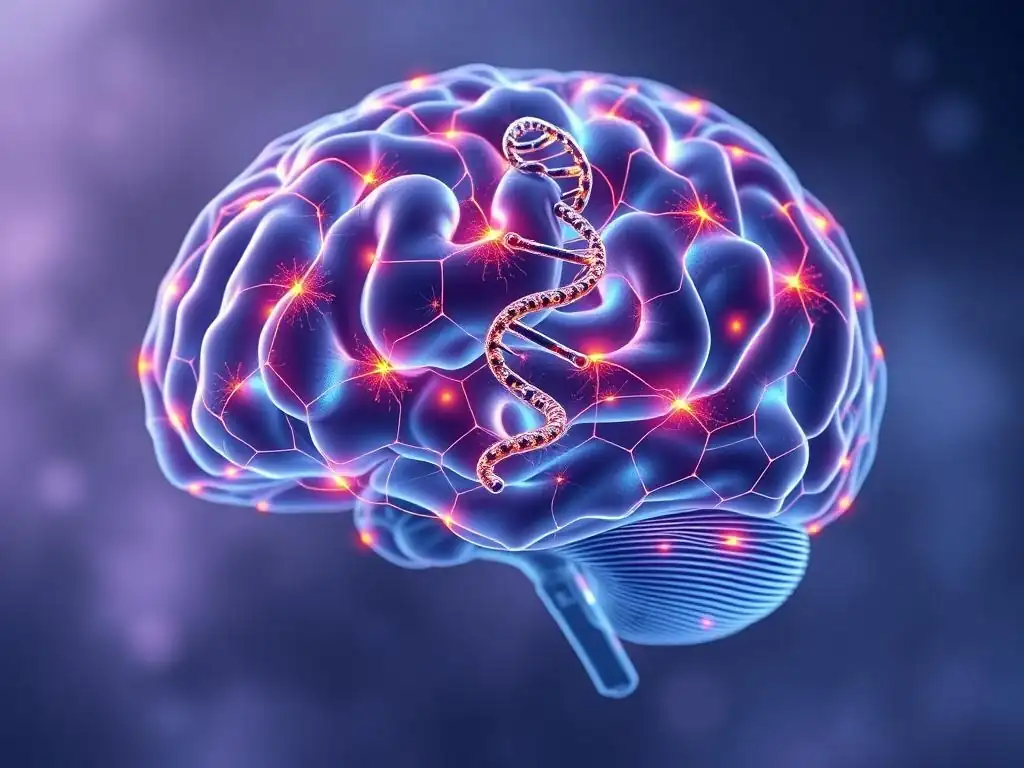
Welcome to Mind Care Guide, a safe space to explore the intricacies of your mental well-being. Ever wondered if your genes play a role in the inflammation affecting your mind? Delve into our comprehensive exploration of Gene-Influenced Neuroinflammation and Mental Health and uncover the surprising connections between your genetic code and your emotional landscape. What secrets does your DNA hold, and how can understanding it empower you to take control of your mental health journey? Read on to find out.
The Genetic Blueprint: How Genes Influence Neuroinflammation and Mental Health
- Introduction: Understanding the Link Between Genes, Neuroinflammation, and Mental Wellbeing
- Decoding the Genetic Influence on Neuroinflammation
- Neuroinflammation: A Key Player in Mental Health Disorders
- Gene-Environment Interactions: The Complex Web of Mental Health
- Genetic Testing and Neuroinflammation: Implications for Mental Healthcare
- Conclusion: Empowering Mental Well-being Through Genetic Understanding.
-
Frequently Asked Questions
- How does genetics contribute to neuroinflammation and mental health issues?
- What is neuroinflammation, and how is it linked to mental health?
- Can lifestyle factors override a genetic predisposition to neuroinflammation?
- What are some common mental health conditions associated with gene-influenced neuroinflammation?
- Is genetic testing useful for understanding my risk of mental health issues related to neuroinflammation?
- Final Reflection: Unraveling the Genetic Threads of Mental Wellness
- Unlock Your Brain's Potential: Take Charge of Your Neuroinflammation
Introduction: Understanding the Link Between Genes, Neuroinflammation, and Mental Wellbeing
Our mental wellbeing is a complex interplay of biological, psychological, and environmental factors. Emerging research increasingly points to the significant role of neuroinflammation – the inflammatory response within the brain and spinal cord – as a key contributor to various mental health challenges. While environmental stressors and lifestyle choices are known triggers, the underlying genetic blueprint can profoundly influence an individual's susceptibility to developing neuroinflammation and, consequently, its impact on mental health. Understanding this intricate connection is vital for developing more effective prevention and treatment strategies.
This article explores the fascinating intersection of genetics and neuroinflammation, examining how our inherited traits can shape the brain's immune response and contribute to conditions ranging from depression and anxiety to schizophrenia and bipolar disorder. We will delve into specific genes implicated in these pathways, discuss how genetic predispositions interact with environmental factors, and touch upon the potential future of gene-targeted approaches in mental healthcare. The goal is to shed light on how the genetic blueprint influences neuroinflammation and mental health, empowering individuals and practitioners with a deeper understanding of this complex relationship.
Decoding the Genetic Influence on Neuroinflammation
The Role of Specific Genes in Neuroinflammatory Processes
Numerous genes play crucial roles in regulating the body's inflammatory response, including the specialized immune reactions occurring within the central nervous system. Variations in these genes can alter the intensity, duration, or type of neuroinflammation that occurs. For instance, genes in the Human Leukocyte Antigen (HLA) complex, typically associated with immune responses, have been linked to increased risk for certain neuroinflammatory conditions and mental illnesses. Specific alleles within the HLA-DR locus, for example, might predispose an individual to a heightened inflammatory reaction in the brain when exposed to certain environmental triggers or infections.
Another significant set of genes involves those coding for cytokines, which are signaling molecules that mediate inflammation. Genes like IL-1β, TNF-α, and IL-6 are central to inflammatory cascades. Polymorphisms (variations) in these genes can lead to either an overproduction or underproduction of these powerful signaling molecules, potentially tipping the balance towards chronic or dysregulated neuroinflammation.
Research suggests that certain variations in the IL-6 gene promoter region can result in higher levels of this pro-inflammatory cytokine, a factor often observed in individuals experiencing severe depression or anxiety. This highlights how specific genetic variations directly influence the biochemical environment of the brain, making it more vulnerable to inflammatory processes that can disrupt neural function.
Genetic Predisposition to Neuroinflammation: A Closer Look
Genetic predisposition doesn't mean a person is guaranteed to develop neuroinflammation or a related mental health condition, but rather that they have a higher inherent risk compared to someone without those specific genetic variations. This increased risk stems from inheriting specific gene variants that influence pathways related to immune cell function, blood-brain barrier integrity, neurotransmitter metabolism, and cellular stress responses – all factors intertwined with neuroinflammation.
For example, variations in genes related to the complement system, a part of the innate immune system, have been associated with increased synaptic pruning (removal of synapses) in the developing brain. While essential for normal development, excessive pruning driven by dysregulated complement activity, potentially influenced by genetics, has been hypothesized as a contributing factor in conditions like schizophrenia, where neuroinflammation is also implicated.
Furthermore, genes involved in clearing cellular debris and waste products from the brain, such as those related to microglial function (the brain's resident immune cells), are critical. Variations in genes like TREM2 (Triggering Receptor Expressed on Myeloid Cells 2) are well-known risk factors for neurodegenerative diseases like Alzheimer's, where neuroinflammation is a central feature.
While not solely mental health disorders, these conditions demonstrate the principle: genetic variations impacting the brain's ability to manage inflammation and clear cellular waste can significantly increase the likelihood of developing a neuroinflammatory state, which in turn can impact cognitive and emotional regulation, potentially contributing to geneinfluenced neuroinflammation mental health challenges.
Neuroinflammation: A Key Player in Mental Health Disorders

How Neuroinflammation Contributes to the Development of Mental Illness
Neuroinflammation isn't just a symptom; it's increasingly recognized as a driver of pathological processes that can lead to or exacerbate mental health disorders. When the brain's immune cells, primarily microglia and astrocytes, become chronically activated, they release a barrage of inflammatory mediators, including cytokines, chemokines, and reactive oxygen species. These molecules can disrupt neurotransmitter systems, such as serotonin, dopamine, and glutamate, which are critical for mood, motivation, and cognition. For instance, elevated levels of pro-inflammatory cytokines like IL-1β and TNF-α can interfere with serotonin synthesis and reuptake, potentially contributing to depressive symptoms.
Moreover, chronic neuroinflammation can damage neurons and synapses, altering brain circuits involved in emotional regulation, decision-making, and social interaction. It can compromise the integrity of the blood-brain barrier, allowing peripheral inflammatory signals and immune cells to enter the brain, further fueling the inflammatory cycle.
This persistent inflammatory state can lead to structural changes in brain regions like the hippocampus (involved in memory and mood) and the prefrontal cortex (involved in executive functions and emotional control), areas often found to be altered in individuals with major depressive disorder or schizophrenia. The complex interplay of genetic predispositions influencing these inflammatory pathways highlights the significant role of geneinfluenced neuroinflammation mental health vulnerabilities.
Mental Health Conditions Associated with Neuroinflammation
-
Neuroinflammation in Depression: Genetic Links and Mechanisms
Depression is a complex disorder, and research increasingly points to neuroinflammation as a significant contributing factor in a substantial subgroup of patients. Studies have shown elevated levels of inflammatory markers like C-reactive protein (CRP) and various cytokines in the blood and cerebrospinal fluid of individuals with major depressive disorder, particularly in treatment-resistant cases. Genetic variations in genes related to inflammatory pathways, such as those for IL-6 or TNF-α, have been associated with an increased risk of developing depression, especially following stressful life events.
The mechanisms by which neuroinflammation contributes to depression are multifaceted. Inflammatory molecules can interfere with neurogenesis (the birth of new neurons) in the hippocampus, impairing its function and contributing to mood disturbances. They can also disrupt the metabolism of tryptophan, a precursor to serotonin, leading to reduced serotonin availability. Genetic predispositions influencing these inflammatory cascades can therefore make an individual more susceptible to the neurobiological changes that underpin depressive symptoms, illustrating a clear link in geneinfluenced neuroinflammation mental health.
-
Neuroinflammation in Anxiety Disorders: Genetic Predisposition and Pathways
Anxiety disorders, encompassing conditions like generalized anxiety disorder, panic disorder, and PTSD, also show links to neuroinflammatory processes. Chronic stress, a major risk factor for anxiety, is known to activate inflammatory pathways in the brain. Genetic factors influencing stress response pathways and inflammatory reactions can therefore increase vulnerability. For example, variations in genes related to the hypothalamic-pituitary-adrenal (HPA) axis, the body's primary stress response system, which interacts closely with the immune system, have been linked to both anxiety and altered inflammatory profiles.
Neuroinflammation can impact brain regions crucial for processing fear and anxiety, such as the amygdala and prefrontal cortex. Elevated inflammatory cytokines can enhance neuronal excitability in the amygdala, leading to heightened fear responses, while impairing the regulatory control exerted by the prefrontal cortex. Genetic predispositions that amplify these inflammatory signals in key anxiety circuits contribute to the development and severity of anxiety symptoms, further solidifying the concept of geneinfluenced neuroinflammation mental health impacts.
-
Neuroinflammation in Schizophrenia: Genetic Factors and Brain Changes
Schizophrenia, a severe and chronic mental illness, has long been hypothesized to involve neurodevelopmental and neuroinflammatory components. Post-mortem studies and imaging research have revealed evidence of microglial activation and elevated inflammatory markers in the brains of individuals with schizophrenia. A significant portion of the genetic risk for schizophrenia is associated with genes involved in immune function and complement-mediated synaptic pruning during adolescence, such as variants in the C4 (Complement Component 4) gene.
These genetic factors can influence the brain's immune environment and contribute to abnormal synaptic connectivity and neuronal circuit dysfunction observed in schizophrenia. The inflammatory processes may contribute to the progressive brain changes seen in some patients, potentially affecting dopamine and glutamate systems and contributing to psychotic symptoms, cognitive deficits, and negative symptoms. The strong genetic component intertwined with immune and inflammatory pathways makes schizophrenia a prime example of how geneinfluenced neuroinflammation mental health can manifest in severe forms.
-
Neuroinflammation in Bipolar Disorder: Unraveling Genetic Connections
Bipolar disorder, characterized by dramatic shifts in mood, energy, and activity levels, is also increasingly linked to neuroinflammation. During both manic and depressive episodes, patients often show elevated levels of inflammatory markers. Genetic studies have identified shared genetic risk factors between bipolar disorder and inflammatory or immune-related conditions. For instance, some genetic loci associated with bipolar disorder risk are located near genes involved in cytokine signaling or immune cell function.
The precise mechanisms are still being unraveled, but it's thought that chronic, low-grade neuroinflammation, potentially exacerbated during mood episodes, contributes to the neurobiological changes underlying bipolar disorder. This could involve disruptions in neurotransmitter systems, alterations in neuronal plasticity, and damage to glial cells. Genetic predispositions influencing the regulation of these inflammatory processes likely play a role in determining an individual's susceptibility to bipolar disorder and the severity of their mood episodes, underscoring the impact of geneinfluenced neuroinflammation mental health vulnerabilities across different conditions.
Gene-Environment Interactions: The Complex Web of Mental Health
The Influence of Environmental Factors on Gene Expression and Neuroinflammation
While genes provide the blueprint, environmental factors act as powerful modulators, influencing which genes are expressed and how strongly. This interaction is particularly relevant in the context of neuroinflammation and mental health. Epigenetic mechanisms, such as DNA methylation and histone modification, can alter gene expression without changing the underlying DNA sequence. Environmental exposures like early-life trauma, chronic stress, poor diet, infections, and exposure to toxins can induce epigenetic changes that promote the expression of pro-inflammatory genes, even in individuals with a genetic profile that might otherwise be less prone to inflammation.
For example, studies on individuals exposed to childhood adversity have shown lasting epigenetic modifications in genes involved in stress response and inflammatory pathways. These modifications can lead to a persistent state of heightened inflammatory reactivity, making the brain more vulnerable to subsequent stressors and increasing the risk for developing mood or anxiety disorders later in life. This highlights that it's not just the genes themselves, but how they are expressed under the influence of the environment, that shapes the trajectory of geneinfluenced neuroinflammation mental health outcomes.
Lifestyle Factors and Genetic Susceptibility to Mental Illness
Lifestyle choices represent a critical interface between genetic predisposition and environmental influence, significantly impacting neuroinflammation. Factors like diet, exercise, sleep patterns, and social connections can either mitigate or exacerbate genetically influenced vulnerabilities. A diet high in processed foods, saturated fats, and sugar, for instance, is known to promote systemic inflammation, which can cross the blood-brain barrier and contribute to neuroinflammation. Individuals with genetic variants predisposing them to higher inflammatory responses might be particularly sensitive to the pro-inflammatory effects of such a diet.
Conversely, lifestyle factors like regular physical exercise and a diet rich in omega-3 fatty acids, fruits, and vegetables are known to have anti-inflammatory effects. These factors can potentially counteract genetic predispositions towards heightened neuroinflammation. Adequate sleep is also crucial; chronic sleep deprivation is linked to increased inflammatory markers.
Thus, while a person might carry genetic risk factors for geneinfluenced neuroinflammation mental health issues, adopting healthy lifestyle habits can potentially modify gene expression and inflammatory pathways, reducing the likelihood or severity of developing a related mental illness. This underscores the empowering notion that we are not simply passive recipients of our genetic inheritance.
Genetic Testing and Neuroinflammation: Implications for Mental Healthcare
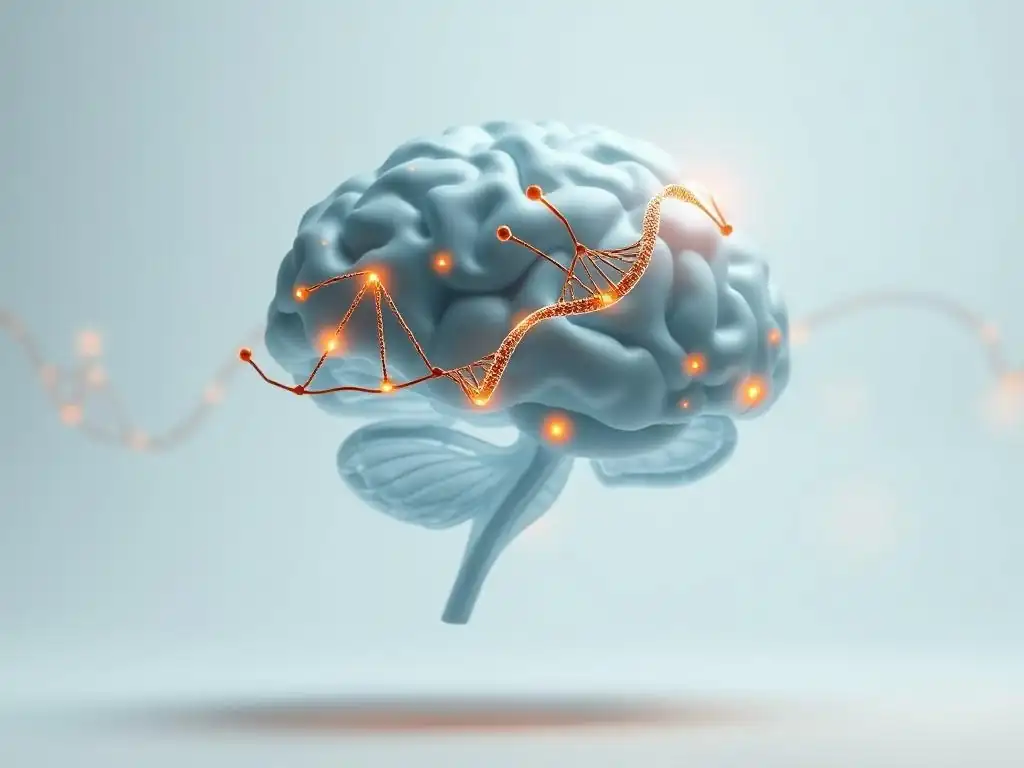
The growing understanding of geneinfluenced neuroinflammation mental health suggests a potential role for genetic testing in personalized mental healthcare. While currently not a standalone diagnostic tool for most mental illnesses, genetic testing can provide insights into an individual's predisposition for altered inflammatory responses or vulnerabilities in pathways linked to neuroinflammation. For example, testing for specific variants in genes like HLA, cytokine genes ( IL-6, TNF-α), or genes involved in microglial function could potentially identify individuals who may be at higher risk for developing conditions where neuroinflammation plays a significant role, such as certain subtypes of depression or schizophrenia.
However, it is crucial to understand the limitations. Genetic risk is typically polygenic, meaning it involves the cumulative effect of many genes, each contributing a small amount of risk. Furthermore, environmental and lifestyle factors are powerful modifiers.
Therefore, a genetic test result indicating a higher predisposition to neuroinflammation does not predict with certainty that someone will develop a mental illness. Instead, such information, when interpreted cautiously by a qualified professional, could inform proactive strategies, such as emphasizing anti-inflammatory lifestyle choices, monitoring for early symptoms, or tailoring treatment approaches based on a better understanding of underlying biological vulnerabilities related to geneinfluenced neuroinflammation mental health.
Future Directions: Gene-Targeted Therapies for Neuroinflammation and Mental Health
The identification of specific genes and molecular pathways involved in geneinfluenced neuroinflammation mental health opens exciting avenues for future therapeutic interventions. Instead of broadly targeting symptoms, treatments could potentially be tailored to address the underlying inflammatory processes influenced by an individual's genetic makeup. For instance, if genetic testing identifies a variant leading to excessive production of a specific pro-inflammatory cytokine like IL-1β, future therapies might involve medications designed to specifically block the activity of that cytokine.
Research is ongoing into developing precision medicine approaches that consider a patient's genetic profile to predict their response to existing anti-inflammatory medications or to develop novel gene-based therapies. This could include therapies aimed at modifying gene expression (e.g., using epigenetic drugs) or using gene editing techniques to correct specific inflammatory pathway abnormalities. While these approaches are largely still in the research or early clinical trial phases, the prospect of using genetic understanding to develop targeted interventions for neuroinflammation holds significant promise for improving outcomes for individuals struggling with mental health conditions where inflammation plays a key role.
Conclusion: Empowering Mental Well-being Through Genetic Understanding.
The journey into understanding how the genetic blueprint influences neuroinflammation and mental health reveals a complex yet fascinating landscape. Genes clearly play a significant role in predisposing individuals to altered inflammatory responses within the brain, which in turn can contribute to the development and severity of various mental health conditions. This understanding underscores the biological basis of many mental health challenges and moves beyond simplistic views of these disorders.
While genetics provides the underlying vulnerability, the interplay with environmental exposures and lifestyle factors is crucial. This interaction highlights the potential for proactive interventions. By understanding their genetic predispositions related to geneinfluenced neuroinflammation mental health, individuals, in conjunction with healthcare providers, can make informed decisions about lifestyle, stress management, and potentially personalized therapeutic strategies.
The future of mental healthcare is likely to involve a more integrated approach, leveraging insights from genetics to better understand individual risk, predict treatment response, and develop targeted therapies aimed at mitigating neuroinflammation and fostering greater mental wellbeing. Embracing this genetic understanding empowers us to approach mental health with greater precision, empathy, and hope.
Frequently Asked Questions
How does genetics contribute to neuroinflammation and mental health issues?
Genetics plays a significant role by influencing the immune system's response and the brain's susceptibility to inflammation. Specific genes can predispose individuals to increased neuroinflammation, potentially impacting mental well-being.
What is neuroinflammation, and how is it linked to mental health?
Neuroinflammation refers to inflammation within the brain or spinal cord. It's linked to mental health because it can disrupt normal brain function and contribute to conditions like depression and anxiety.
Can lifestyle factors override a genetic predisposition to neuroinflammation?
While genes create a predisposition, lifestyle choices like diet, exercise, and stress management can significantly impact neuroinflammation. A healthy lifestyle can potentially mitigate the effects of genetic vulnerability.
What are some common mental health conditions associated with gene-influenced neuroinflammation?
Several conditions, including depression, anxiety, and even some neurodegenerative diseases, have been linked to gene-influenced neuroinflammation. The exact relationship is complex and varies between individuals.
Genetic testing can provide insights into potential predispositions, but it's not a definitive predictor. Results should be interpreted with caution and in consultation with a healthcare professional to understand the overall risk.
Final Reflection: Unraveling the Genetic Threads of Mental Wellness
The intricate dance between our genes and mental health is no longer a theoretical concept; it's a rapidly evolving field with profound implications for diagnosis, treatment, and prevention. Understanding the role of gene-influenced neuroinflammation in shaping our mental well-being is crucial for building a future where personalized approaches to mental healthcare are the norm, not the exception. This knowledge empowers us to move beyond simplistic explanations of mental illness and embrace a more nuanced, holistic understanding of its origins.
The journey through the complex interplay of genetics and neuroinflammation has been both illuminating and humbling. It underscores the interconnectedness of our biological systems and highlights the urgent need for further research. The greatest discovery of all time is that a person can change his future by merely changing his attitude.
– Oprah Winfrey. This quote resonates deeply, as it emphasizes the potential for positive change even within the context of predispositions. By understanding our genetic predispositions, we can proactively work towards mitigating risk factors and fostering resilience, fostering a more hopeful and empowering narrative around mental health.
Consider the implications of this knowledge. You now possess a deeper understanding of the biological underpinnings of mental health challenges. This isn't just information; it's a call to action. Take the time to reflect on your own family history, your lifestyle choices, and your mental well-being. Seek out resources, engage in conversations, and advocate for increased research funding in this critical area. By embracing a proactive and informed approach, you can contribute to a future where mental health is understood, supported, and celebrated.
Unlock Your Brain's Potential: Take Charge of Your Neuroinflammation
Thanks for taking the time to explore the fascinating connection between genetics, neuroinflammation, and mental well-being! You've gained valuable insights into a complex topic, and now it's time to put that knowledge to work.
Here are a few steps you can take to empower yourself:
- Prioritize lifestyle choices that support brain health: Focus on a balanced diet rich in anti-inflammatory foods, regular exercise, and sufficient sleep. These are foundational steps towards managing neuroinflammation.
- Share this article with someone who might benefit: Knowledge is power, and spreading awareness about this crucial connection can help others take proactive steps for their mental wellness. Consider sharing it with a friend, family member, or on your social media.
- Explore Mind Care Guide's resources: Discover additional articles and information on optimizing brain health and managing neuroinflammation within our website. We're committed to providing you with the knowledge you need to thrive.
What small change will you implement today to support the health of your brain?