
The MicrobiomeBrain Axis: Inflammation's Role in Mental Health

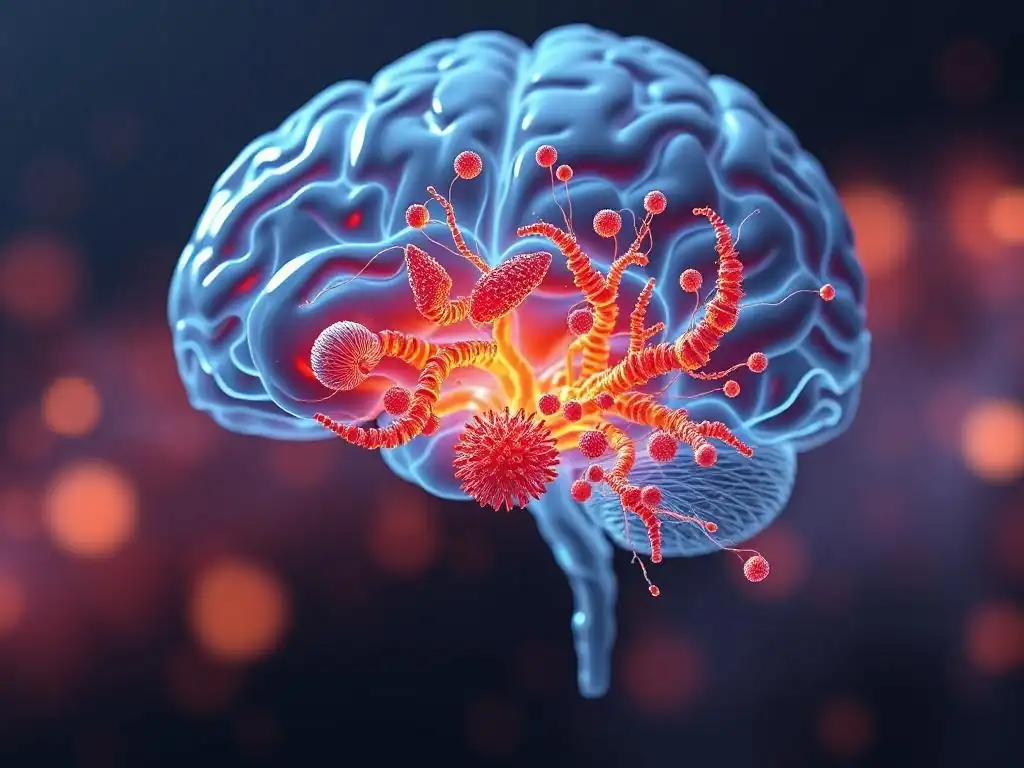
Welcome to Mind Care Guide, a sanctuary dedicated to nurturing your mental well-being. Feeling like your mind and body aren't quite in sync? Delve into our latest exploration of the Gut bacteria mental health connection and discover how the intricate dance between your microbiome and brain profoundly impacts your mental state. Unravel the mysteries of the Microbiome-Brain Axis and see how it influences inflammation and your overall mental health. Ready to understand how a healthy gut can lead to a happier mind? Let's explore together!
The Microbiome-Brain Axis: Inflammation's Role in Mental Health
- Understanding the Gut-Brain Connection and Mental Wellbeing
- The Role of Inflammation in the Gut-Brain Axis
- Gut Bacteria and Mental Health: Specific Conditions
- The Gut Microbiome and Neuroinflammation: A Deeper Dive
- Strategies for Improving Gut Health and Reducing Inflammation for Mental Wellness
- The Future of Gut Bacteria and Mental Health Research
- Conclusion: Optimizing Gut Health for Enhanced Mental Well-being
-
Frequently Asked Questions
- What is the Microbiome-Brain Axis and how does it relate to mental health?
- How can inflammation in the gut affect my mental health?
- What role do gut bacteria play in the development of mental health disorders?
- What are some dietary changes I can make to improve my gut health and potentially my mental health?
- Where can I find more comprehensive information and support for mental health challenges related to gut bacteria?
- Final Reflection: Unraveling the Gut-Brain Connection for a Healthier Mind
- Unlock Your Brain's Potential: Take Charge of Your Mental Wellbeing
Understanding the Gut-Brain Connection and Mental Wellbeing
Introduction to the Microbiome-Brain Axis
The concept of a direct link between our gut and our brain might seem surprising at first glance, but scientific research is increasingly highlighting this intricate relationship, known as the microbiome-brain axis. This complex bidirectional communication network involves the central nervous system (brain and spinal cord), the enteric nervous system (often called the "second brain" in the gut lining), hormonal pathways, and the immune system, all influenced significantly by the trillions of microorganisms residing in our digestive tract – our gut microbiome.
This axis is fundamental to maintaining overall health, including mental well-being. Signals travel constantly between the gut and the brain through various routes, affecting mood, behavior, and cognitive function. Understanding how gut bacteria mental health are intertwined is a rapidly evolving field, offering new perspectives on the origins and potential treatments for various psychological conditions.
The Importance of Gut Health for Mental Health
Emerging evidence strongly suggests that the state of our gut health plays a crucial role in our mental state. A diverse and balanced gut microbiome, teeming with beneficial bacteria, is associated with better mood regulation and reduced susceptibility to stress. Conversely, an imbalance in gut bacteria, known as dysbiosis, has been linked to a range of mental health challenges, including anxiety, depression, and even neurodevelopmental disorders.
Maintaining optimal gut health is not just about digestion; it's about fostering a healthy internal environment that supports the intricate communication pathways leading to the brain. A healthy gut microbiome can produce beneficial compounds, help regulate inflammation, and even influence the production of neurotransmitters, all of which are vital for mental clarity and emotional resilience. This underscores why focusing on gut bacteria mental health is becoming a key area of focus in holistic wellness approaches.
How Gut Bacteria Influence Brain Function
Gut bacteria communicate with the brain through several fascinating mechanisms. One major pathway involves the production of neuroactive compounds. For example, certain gut microbes can produce neurotransmitters like serotonin (a significant portion of the body's serotonin is produced in the gut), GABA (gamma-aminobutyric acid), and dopamine, which can influence mood and behavior.
Another critical route is through the vagus nerve, a direct neural connection between the gut and the brain. Signals from the gut, including those generated by microbial activity or inflammation, can be transmitted along this nerve to the brainstem and higher brain regions, impacting everything from emotional responses to cognitive processes. The immune system also acts as a messenger, with gut microbes influencing immune cell activity and the release of signaling molecules that can affect brain function.
The Role of Inflammation in the Gut-Brain Axis
What is Neuroinflammation?
Neuroinflammation refers to the activation of the brain's immune system. While acute inflammation in the brain is a necessary protective response to injury or infection, chronic, low-grade neuroinflammation can be detrimental. It involves the activation of glial cells, such as microglia and astrocytes, which release inflammatory mediators like cytokines, chemokines, and reactive oxygen species.
Unlike inflammation in other parts of the body, neuroinflammation can directly impair neuronal function and survival. This chronic inflammatory state within the brain has been increasingly implicated in the development and progression of various neurological and psychiatric disorders, including Alzheimer's disease, Parkinson's disease, depression, and anxiety. Understanding its triggers, particularly those originating from the gut, is vital.
The Link Between Gut Inflammation and Brain Inflammation
The gut and the brain are intimately connected through the immune system, making gut inflammation a significant potential driver of neuroinflammation. The gut houses a vast number of immune cells, constantly interacting with the gut microbiome and the external environment via food. When the gut lining is compromised (often referred to as "leaky gut" or increased intestinal permeability) or when there is dysbiosis leading to chronic gut inflammation, inflammatory molecules and microbial products can cross the gut barrier.
These substances can then enter the bloodstream and travel throughout the body, including across the blood-brain barrier, albeit sometimes indirectly. Systemic inflammation originating in the gut can prime or directly activate immune cells in the brain, leading to neuroinflammation. This creates a vicious cycle where poor gut health fuels inflammation that negatively impacts brain function and mental health.
Inflammatory Pathways Connecting Gut Dysbiosis to Mental Disorders
Gut dysbiosis, characterized by an imbalance of gut bacteria, can trigger inflammation through several pathways that ultimately impact mental health. One key mechanism involves the production of lipopolysaccharide (LPS), a component of the outer membrane of Gram-negative bacteria. In a healthy gut, LPS is mostly contained, but with increased intestinal permeability, LPS can enter the bloodstream, triggering a systemic inflammatory response.
This systemic inflammation leads to the release of pro-inflammatory cytokines such as IL-1β, IL-6, and TNF-α. These cytokines can cross the blood-brain barrier or signal to the brain via the vagus nerve, activating microglia and initiating neuroinflammation. This chronic inflammatory state can interfere with neurotransmitter metabolism, impair neurogenesis (the formation of new neurons), and disrupt synaptic function, all of which are processes implicated in the pathophysiology of depression, anxiety, and other mental health conditions. The intricate link between gut bacteria mental health is often mediated by these inflammatory cascades.
Gut Bacteria and Mental Health: Specific Conditions
Anxiety and Gut Microbiome Imbalance
Research increasingly points to a significant connection between anxiety disorders and alterations in the gut microbiome. Studies using animal models have shown that transferring gut bacteria from anxious animals to germ-free animals can induce anxiety-like behaviors. In humans, individuals with anxiety often exhibit different microbial profiles compared to healthy controls, with variations in the abundance of specific bacterial groups.
For example, some studies have reported lower levels of bacteria producing short-chain fatty acids (SCFAs) like butyrate, which are known for their anti-inflammatory properties and ability to nourish gut cells and potentially influence brain function. The constant communication between the gut and the brain via neural, hormonal, and immune pathways means that microbial imbalances and the resulting inflammation or altered metabolite production can directly influence the brain circuits involved in fear and anxiety. Addressing gut bacteria mental health imbalances is therefore explored as a potential strategy for managing anxiety.
Depression and the Gut-Brain Axis
Depression is another major mental health condition where the gut-brain axis, particularly the role of gut bacteria and inflammation, is heavily implicated. Numerous studies have observed distinct differences in the gut microbiome composition of individuals with major depressive disorder compared to non-depressed individuals. For instance, certain species like Faecalibacterium prausnitzii and Coprococcus are often found in lower abundance in depressed patients, while others may be increased.
These microbial shifts can contribute to depression through various mechanisms, including increased gut permeability, elevated systemic inflammation (as measured by markers like C-reactive protein or CRP), altered production of microbial metabolites that influence neurotransmitter synthesis or function, and impaired vagal nerve signaling. The chronic inflammatory state driven by gut dysbiosis is thought to contribute to the neuroinflammatory processes observed in the brains of some individuals with depression, impacting mood regulation and cognitive function. The link between gut bacteria mental health, especially concerning depression, is a very active area of scientific investigation.
Autism Spectrum Disorder and the Gut-Brain Axis
Autism Spectrum Disorder (ASD) is a complex neurodevelopmental condition, and research is uncovering intriguing links between ASD, gut health, and the microbiome-brain axis. A significant percentage of individuals with ASD experience gastrointestinal issues, such as constipation, diarrhea, and abdominal pain, suggesting a potential underlying gut dysfunction. Furthermore, studies have identified differences in the gut microbial composition of children with ASD compared to typically developing children.
While the exact causal relationship is still being investigated, proposed mechanisms include altered microbial metabolism leading to the production of neuroactive compounds or toxins that affect brain development and function, increased gut permeability contributing to systemic inflammation, and immune dysregulation influenced by the gut microbiome. The immune system and inflammation are thought to play a role in the neurodevelopmental aspects of ASD, and the gut microbiome's influence on these pathways is a key area of research.
Exploring the connection between gut bacteria mental health in the context of neurodevelopment is shedding new light on potential interventions for conditions like ASD.
The Gut Microbiome and Neuroinflammation: A Deeper Dive
How Gut Bacteria Trigger Inflammatory Responses
Gut bacteria can trigger inflammatory responses in the host through various mechanisms. Pathogenic or opportunistic bacteria, when overgrown, can directly stimulate the immune system via components like LPS or flagellin. Even changes in the balance of beneficial bacteria can lead to a pro-inflammatory state. For example, a reduction in SCFA-producing bacteria like Faecalibacterium prausnitzii means less production of butyrate, a key energy source for gut cells and a molecule with potent anti-inflammatory properties.
Dysbiosis can also lead to the production of other microbial metabolites that influence inflammation. Some bacteria produce enzymes that break down host mucin (the protective layer of the gut), allowing other bacteria closer access to the gut lining and triggering immune responses. The sheer presence and activity of a dysbiotic microbial community can constantly stimulate the gut-associated lymphoid tissue (GALT), leading to chronic low-grade inflammation that can extend beyond the gut.
The Role of Intestinal Permeability in Systemic Inflammation
Intestinal permeability, often referred to as "leaky gut," plays a critical role in allowing gut inflammation to become systemic and potentially impact the brain. The intestinal lining is a crucial barrier that controls what passes from the gut lumen into the bloodstream. It's held together by tight junctions between epithelial cells. Factors like stress, poor diet, infections, and dysbiosis can compromise these tight junctions, increasing permeability.
When the gut barrier is compromised, substances that should ideally stay within the gut – such as bacterial products like LPS, undigested food particles, and toxins – can pass into the circulation. Once in the bloodstream, these molecules trigger a systemic immune response, leading to chronic low-grade inflammation throughout the body. This systemic inflammation is a major pathway through which gut health influences distant organs, including the brain, contributing to neuroinflammation and impacting gut bacteria mental health connections.
The Impact of Cytokines on Brain Function and Mental Health
Cytokines are small proteins that act as signaling molecules in the immune system. When released in response to inflammation, including inflammation originating from the gut, they can have profound effects on brain function. Pro-inflammatory cytokines like IL-6, TNF-α, and IL-1β can enter the brain and interact with glial cells, promoting neuroinflammation.
These cytokines can disrupt neurotransmitter metabolism, including the synthesis and breakdown of serotonin, dopamine, and norepinephrine, which are critical for mood regulation. They can also impair neurogenesis in areas like the hippocampus, a brain region vital for memory and mood. Furthermore, chronic exposure to these inflammatory signals can alter the activity of brain circuits involved in stress response, motivation, and reward, contributing to symptoms of depression, anxiety, and cognitive impairment. The intricate interplay between these inflammatory messengers and the gut bacteria mental health axis is a key focus of current research.
Strategies for Improving Gut Health and Reducing Inflammation for Mental Wellness
Dietary Interventions for a Healthy Gut Microbiome
Diet is perhaps the most significant modifiable factor influencing the composition and function of the gut microbiome. A diet rich in diverse plant fibers is crucial as these fibers serve as prebiotics, feeding beneficial gut bacteria. Consuming a wide variety of fruits, vegetables, legumes, and whole grains provides different types of fiber that support a diverse microbial community.
Conversely, diets high in processed foods, sugar, and saturated fats can promote the growth of less beneficial bacteria and contribute to gut inflammation. Focusing on whole, unprocessed foods, incorporating fermented foods, and ensuring adequate hydration are fundamental dietary strategies for fostering a healthy gut environment. This dietary approach directly impacts gut bacteria mental health outcomes by shaping the microbial landscape.
The Role of Prebiotics in Supporting Beneficial Gut Bacteria
Prebiotics are non-digestible fibers and compounds that selectively stimulate the growth and activity of beneficial bacteria in the gut, such as Bifidobacteria and Lactobacilli. Common sources of prebiotics include:
- Onions and garlic
- Leeks
- Asparagus
- Bananas (especially slightly unripe)
- Chicory root
- Jerusalem artichokes
- Oats
- Legumes
Consuming a variety of prebiotic-rich foods helps to nourish the existing beneficial microbial populations, promoting a more balanced and diverse gut ecosystem. This, in turn, can lead to increased production of beneficial metabolites like SCFAs, which have anti-inflammatory effects and can positively influence brain function and mental health.
Probiotics and Mental Health: Choosing the Right Strains
Probiotics are live microorganisms that, when administered in adequate amounts, confer a health benefit on the host. Certain probiotic strains have shown promise in influencing the gut-brain axis and potentially impacting mental health. These are sometimes referred to as "psychobiotics."
Research into specific strains and their effects is ongoing, but some studies have suggested potential benefits from strains like:
Lactobacillus rhamnosus HN001(studied for postnatal depression and anxiety)Bifidobacterium longum 1714(studied for stress and anxiety)- Combinations of
LactobacillusandBifidobacteriumspecies
It's important to note that not all probiotics are created equal, and effects can be strain-specific. Consulting with a healthcare professional can help determine if probiotic supplementation is appropriate and which strains might be most relevant based on individual needs, particularly when considering their role in gut bacteria mental health.
Anti-Inflammatory Foods for Gut and Brain Health
Incorporating foods known for their anti-inflammatory properties can benefit both gut health and reduce systemic and neuroinflammation. These foods often contain antioxidants, omega-3 fatty acids, and specific phytonutrients that counteract inflammatory processes.
Examples of anti-inflammatory foods include:
- Fatty fish (salmon, mackerel, sardines) rich in omega-3s
- Berries (blueberries, strawberries, raspberries)
- Leafy green vegetables (spinach, kale)
- Nuts and seeds (walnuts, flaxseeds, chia seeds)
- Turmeric and ginger
- Green tea
- Dark chocolate (in moderation)
A diet emphasizing these foods can help soothe inflammation in the gut lining, reduce the passage of inflammatory molecules into the bloodstream, and directly provide neuroprotective compounds that support brain health and resilience against mental health challenges.
Lifestyle Changes to Support Gut Health and Mental Wellbeing
Diet is crucial, but lifestyle factors also significantly impact the gut microbiome and the gut-brain axis. Addressing these aspects can provide comprehensive support for both gut bacteria mental health.
Stress Management Techniques for Gut Health
Chronic stress is a major disruptor of the gut microbiome and can increase intestinal permeability, leading to inflammation. The brain's stress response directly influences gut motility, secretion, and the composition of gut bacteria. Implementing effective stress management techniques is therefore vital for gut health and, consequently, mental well-being.
Techniques such as:
- Mindfulness and meditation
- Yoga or Tai Chi
- Deep breathing exercises
- Spending time in nature
- Engaging in hobbies
can help calm the nervous system, reduce the release of stress hormones like cortisol, and mitigate their negative effects on the gut barrier and microbial balance.
The Impact of Sleep on the Gut Microbiome
Sleep and the gut microbiome have a bidirectional relationship. Poor sleep quality or insufficient sleep can negatively alter the composition of gut bacteria, potentially increasing pro-inflammatory species. Conversely, a healthy gut microbiome may contribute to better sleep by influencing circadian rhythms and producing metabolites that affect sleep-wake cycles.
Prioritizing 7-9 hours of quality sleep per night is crucial for maintaining a healthy microbial balance. Establishing a consistent sleep schedule, creating a relaxing bedtime routine, and ensuring a dark, quiet sleep environment can support both optimal gut function and mental health.
Exercise and its Effect on Gut Bacteria and Mental Health
Regular physical activity has been shown to positively influence the diversity and composition of the gut microbiome. Exercise can increase the abundance of beneficial bacteria, such as those that produce SCFAs, and reduce gut transit time, which can be beneficial.
Beyond its direct effects on gut bacteria, exercise is also a powerful tool for managing stress and improving mood, further reinforcing the gut-brain connection. Finding enjoyable forms of exercise and incorporating regular movement into one's routine supports both physical and mental well-being by positively impacting the gut bacteria mental health axis.
Fecal Microbiota Transplantation (FMT) - Future Directions
Fecal Microbiota Transplantation (FMT) involves transferring fecal matter, containing a diverse community of gut microbes, from a healthy donor into the gastrointestinal tract of a recipient. While currently primarily used for treating recurrent Clostridioides difficile infection with high success rates (often exceeding 85%), research is exploring its potential for other conditions linked to gut dysbiosis, including mental health disorders.
Early studies and case reports investigating FMT for conditions like depression and ASD have shown mixed but intriguing results, with some individuals experiencing improvements in mood or behavior. However, FMT is still considered experimental for mental health conditions, and significant research is needed to understand its long-term effects, identify optimal donor characteristics, and determine which patients might benefit most. It represents a fascinating, albeit complex, future direction in modulating gut bacteria mental health.
The Future of Gut Bacteria and Mental Health Research
Emerging Therapies Targeting the Microbiome-Brain Axis
The growing understanding of the gut-brain axis is paving the way for novel therapeutic approaches for mental health conditions that go beyond traditional pharmaceuticals. These emerging therapies focus on directly or indirectly modulating the gut microbiome to exert beneficial effects on the brain and mood.
Examples include:
- Targeted probiotics or psychobiotics with specific, evidence-backed strains.
- Prebiotic supplements designed to nourish specific beneficial bacteria.
- Postbiotics: beneficial compounds produced by gut bacteria (like SCFAs) that can be administered directly.
- Dietary interventions tailored to an individual's specific microbiome profile.
- Microbial consortia: defined mixtures of beneficial bacteria designed to restore specific functions.
These approaches aim to restore a healthy microbial balance, reduce inflammation, and enhance the production of beneficial metabolites, offering potential new avenues for supporting gut bacteria mental health.
Personalized Approaches to Gut Health for Mental Wellbeing
Given the unique nature of each individual's gut microbiome, a "one-size-fits-all" approach to gut health interventions may not be the most effective. The future of leveraging the gut-brain axis for mental wellness likely lies in personalized strategies.
This could involve:
- Microbiome testing: Analyzing an individual's gut microbial composition to identify imbalances.
- Metabolomic profiling: Assessing the unique set of metabolites produced by an individual's gut microbes.
- Genetic factors: Considering host genetics that might influence microbiome interactions or susceptibility to inflammation.
Armed with this personalized data, healthcare professionals could recommend tailored dietary changes, specific prebiotic or probiotic supplements, or other interventions designed to optimize that individual's unique gut ecosystem for improved mental health outcomes. This shift towards personalized gut bacteria mental health strategies holds significant promise.
The Importance of Continued Research in the Field of Psychobiotics
While the connection between gut bacteria mental health is increasingly clear, the field of psychobiotics is still relatively young. Continued rigorous research is essential to fully understand the complex mechanisms at play and translate these findings into effective clinical applications.
Key areas for future research include:
- Identifying specific microbial strains or communities that have robust, reproducible effects on particular mental health conditions.
- Elucidating the precise molecular pathways by which gut microbes communicate with the brain.
- Conducting large-scale, well-controlled clinical trials to validate the efficacy of psychobiotic interventions for different mental health disorders.
- Investigating the long-term safety and effects of microbiome-based therapies.
- Understanding how environmental factors, lifestyle, and host genetics interact with the microbiome to influence mental health.
This ongoing research is crucial for developing safe, effective, and evidence-based strategies for optimizing gut health to support mental well-being.
Conclusion: Optimizing Gut Health for Enhanced Mental Well-being
The scientific evidence strongly supports the existence of a powerful and intricate connection between our gut health and our mental well-being, mediated significantly by the gut microbiome and its influence on inflammation. Understanding the microbiome-brain axis provides a new lens through which to view mental health challenges, recognizing that factors beyond the brain itself play a crucial role.
By focusing on strategies to nurture a healthy and diverse gut microbiome – through dietary choices rich in fiber and anti-inflammatory foods, incorporating fermented foods, managing stress, prioritizing sleep, and engaging in regular exercise – individuals can take proactive steps to support their gut bacteria mental health. While the field is still evolving, the potential for microbiome-targeted interventions to complement traditional mental health treatments offers exciting hope for the future, emphasizing the holistic nature of well-being.
Frequently Asked Questions
What is the Microbiome-Brain Axis and how does it relate to mental health?
The Microbiome-Brain Axis refers to the bidirectional communication pathway between the gut microbiota and the brain. Disruptions in this axis, often linked to imbalances in gut bacteria, can significantly impact mental well-being.
How can inflammation in the gut affect my mental health?
Inflammation in the gut, often triggered by dysbiosis (imbalance of gut bacteria), can lead to the release of inflammatory molecules. These molecules can cross the blood-brain barrier and trigger inflammation in the brain, potentially contributing to conditions like depression and anxiety.
What role do gut bacteria play in the development of mental health disorders?
Certain gut bacteria can produce neurotransmitters like serotonin and dopamine, which are crucial for mood regulation. An imbalance in these bacteria can disrupt neurotransmitter production, impacting mental health.
What are some dietary changes I can make to improve my gut health and potentially my mental health?
Increasing your intake of fiber-rich foods (fruits, vegetables, whole grains) and fermented foods (yogurt, kimchi, sauerkraut) can promote a healthy gut microbiome. Reducing processed foods, sugar, and unhealthy fats can also help reduce gut inflammation.
Mind Care Guide provides a comprehensive guide to mental well-being, offering information, support, and resources for various mental health challenges, including those related to "Gut Bacteria Mental Health".
Final Reflection: Unraveling the Gut-Brain Connection for a Healthier Mind
The intricate relationship between our gut microbiome and mental health is no longer a fringe theory; it's a rapidly expanding field with profound implications for how we understand and treat mental illness. Understanding the role of gut inflammation in conditions like anxiety and depression is crucial for developing more effective and holistic therapeutic approaches. This knowledge empowers us to move beyond solely pharmaceutical interventions and embrace a more comprehensive view of mental well-being.
The impact of this research extends far beyond the scientific community; it's reshaping our understanding of the human body as an interconnected ecosystem. The realization that the trillions of microorganisms residing within us significantly influence our brain function is revolutionary. This paradigm shift encourages a more holistic approach to health, emphasizing the importance of lifestyle choices like diet and stress management. The gut is the second brain,
a phrase often used, highlights the profound connection and the need to nurture both for optimal mental and physical health.
Consider the implications of this research on your own life. What steps can you take today to cultivate a healthier gut microbiome? Are you incorporating gut-friendly foods into your diet? Are you managing stress effectively? By actively nurturing the delicate balance within your gut, you are not only promoting digestive health but also investing in the well-being of your mind. Embrace this knowledge, make conscious choices, and embark on a journey towards a healthier, happier you.
Unlock Your Brain's Potential: Take Charge of Your Mental Wellbeing
Thanks for taking the time to explore the fascinating connection between your gut and your brain! You've now learned how inflammation can impact mental health, and that's a powerful first step. Ready to take action?
- Prioritize gut health: Introduce more prebiotic and probiotic-rich foods into your diet this week. This is the most impactful step you can take towards a healthier microbiome and potentially better mental wellbeing.
- Share your insights: Discuss this information with a friend or family member who might benefit from understanding the microbiome-brain connection. Starting a conversation can be incredibly powerful.
- Explore further: Search for "anti-inflammatory recipes" online to find delicious and easy ways to support a healthier gut.
What simple change will you make today to support your mental and gut health?