
The Complex Dance: Neuroinflammation, Neurotransmitters, and Mental Illness

Welcome to Mind Care Guide, your trusted companion on the path to mental well-being.
Are you grappling with the feeling that something's off, even when you're doing all the "right" things for your mental health? It's okay to feel that way. We understand. In this article, we delve into a fascinating and often overlooked area: neuroinflammation and its potential link to mental illness. Could inflammation in the brain be playing a bigger role than we realize? Explore with us the cutting-edge research on neuroinflammation mental illness treatment and discover how understanding this complex relationship might unlock new avenues for healing and hope. Intrigued? Let's unravel this complex dance together...
The Complex Dance: Neuroinflammation, Neurotransmitters, and Mental Illness - Mind Care Guide
- Introduction: Understanding the Link Between Neuroinflammation and Mental Health
- Neuroinflammation: The Inflammatory Response in the Brain
- Neurotransmitters: Messengers of the Brain
- The Interplay: How Neuroinflammation Affects Neurotransmitter Function
-
Mental Illnesses Linked to Neuroinflammation and Neurotransmitter Dysregulation
- Depression: A Clear Connection to Neuroinflammation and Neurotransmitter Deficiencies
- Anxiety Disorders: The Role of Inflammation and GABA Imbalance
- Schizophrenia: Neuroinflammation, Dopamine, and Glutamate Dysfunction
- Bipolar Disorder: Inflammatory Markers and Neurotransmitter Fluctuations
- Autism Spectrum Disorder (ASD): Neuroinflammation's Potential Contribution
- Neuroinflammation Mental Illness Treatment: Current and Emerging Strategies
- Future Directions: Research and Hope for Neuroinflammation Mental Illness Treatment
- Conclusion: Taking Control of Your Mental Health Through Understanding Neuroinflammation
-
Frequently Asked Questions
- What is neuroinflammation and how is it related to mental illness?
- How do neurotransmitters play a role in the connection between neuroinflammation and mental health?
- What types of mental illnesses are potentially linked to neuroinflammation?
- What are some potential Neuroinflammation mental illness treatment strategies being explored?
- Is there a definitive test to diagnose neuroinflammation related to mental illness?
- Final Reflection: Unraveling the Complex Dance Towards Better Mental Healthcare
- Unlock Your Brain's Potential: Take Charge of Your Mental Wellness
Introduction: Understanding the Link Between Neuroinflammation and Mental Health
The Growing Recognition of Neuroinflammation in Mental Disorders
For decades, the understanding of mental health conditions like depression, anxiety, and schizophrenia primarily centered on imbalances in brain chemicals, specifically neurotransmitters. However, recent advancements in neuroscience have unveiled a more complex picture, highlighting the significant role of neuroinflammation – the inflammatory response within the brain – in the development and progression of various psychiatric disorders. This shift represents a pivotal moment in mental health research, moving beyond a purely chemical model to one that incorporates the intricate interplay between the immune system and brain function.
This growing recognition is supported by a substantial body of evidence from both animal models and human studies. Post-mortem brain tissue analyses, neuroimaging techniques, and studies measuring inflammatory markers in the blood and cerebrospinal fluid of individuals with mental illnesses consistently show signs of heightened inflammation. For instance, studies have found elevated levels of pro-inflammatory cytokines like IL-6 and TNF-alpha in the bloodstream of people experiencing major depressive episodes, correlating with symptom severity in some cases. This suggests that inflammatory processes are not merely bystanders but active participants in the pathology of these conditions.
Why Focus on Neuroinflammation and Neurotransmitters?
Understanding both neuroinflammation and neurotransmitters is crucial because they are intimately connected and mutually influential in the context of brain health and mental illness. Neurotransmitters are the brain's chemical messengers, facilitating communication between neurons and regulating everything from mood and cognition to movement and sleep. Imbalances in these chemicals, such as serotonin, dopamine, and GABA, have long been implicated in psychiatric conditions and are the targets of many conventional mental health treatments.
However, research now demonstrates that neuroinflammation can directly impact the delicate balance of these neurotransmitters. Inflammatory molecules can interfere with the synthesis, release, reuptake, and breakdown of neurotransmitters, as well as alter the sensitivity and number of their receptors. Conversely, dysregulation of certain neurotransmitter systems can potentially influence immune cell activity in the brain, further perpetuating inflammation.
Therefore, a comprehensive approach to understanding and addressing mental illness requires examining this intricate, bidirectional relationship between the brain's inflammatory state and its chemical signaling system. This dual focus is essential for developing more effective and targeted strategies for neuroinflammation mental illness treatment.
Neuroinflammation: The Inflammatory Response in the Brain
Defining Neuroinflammation: A Key Process in Brain Health
Neuroinflammation refers to the activation of the brain's immune cells, primarily microglia and astrocytes, in response to harmful stimuli. While acute inflammation is a necessary protective mechanism, helping to clear pathogens, remove debris, and initiate repair, chronic or dysregulated neuroinflammation can be detrimental. Unlike inflammation in other parts of the body, the brain's immune response is tightly controlled by the blood-brain barrier and involves specialized cells unique to the central nervous system.
When triggered inappropriately or persistently, these activated immune cells can release a cascade of inflammatory mediators, including cytokines, chemokines, and reactive oxygen species. These substances, intended to protect, can instead cause damage to neurons and glial cells, disrupt synaptic function, and impair neural circuits. This chronic inflammatory state can lead to a range of neurological and psychiatric symptoms, underscoring its importance in understanding the biological underpinnings of mental health conditions.
Causes of Neuroinflammation: Identifying the Triggers
Neuroinflammation can be triggered by a variety of factors, both internal and external. Identifying these causes is a critical step in developing effective strategies for neuroinflammation mental illness treatment. These triggers often interact in complex ways, making it challenging to pinpoint a single cause for chronic brain inflammation in many individuals.
Understanding the diverse origins of neuroinflammation allows for a more targeted approach to prevention and intervention. Addressing these root causes, rather than just the symptoms, is a key aspect of modern approaches to mental wellness and the exploration of novel neuroinflammation mental illness treatment options.
Genetic Predisposition and Neuroinflammation Risk
Genetic factors play a significant role in an individual's susceptibility to neuroinflammation. Certain genes are involved in regulating immune responses, cytokine production, and the function of glial cells like microglia. Variations or polymorphisms in these genes can influence how vigorously and appropriately the brain's immune system responds to stimuli.
For instance, studies have identified specific genetic variants associated with increased risk for both inflammatory conditions and certain psychiatric disorders, such as schizophrenia and bipolar disorder. While genetics don't predetermine outcomes, they can create a biological vulnerability, making some individuals more prone to developing chronic neuroinflammation in response to other environmental or lifestyle triggers. Understanding these genetic links can potentially inform personalized approaches to managing neuroinflammation.
Environmental Factors Contributing to Brain Inflammation
Environmental exposures throughout life can significantly contribute to the development of neuroinflammation. Early life adversity, such as childhood trauma, abuse, or neglect, has been linked to persistent changes in inflammatory pathways that can extend into adulthood and increase vulnerability to mental illness. Exposure to infections, even those outside the brain, can trigger systemic inflammation that signals the brain and activates neuroinflammatory processes.
Furthermore, exposure to environmental toxins, including air pollution, heavy metals, and certain pesticides, has been shown in research to induce neuroinflammation. These substances can cross the blood-brain barrier or trigger inflammatory responses in the periphery that subsequently affect the brain. Chronic exposure to these environmental stressors can prime the brain's immune system, making it more reactive and contributing to a state of chronic low-grade inflammation.
Lifestyle Choices and Their Impact on Neuroinflammation
Modifiable lifestyle factors are powerful determinants of neuroinflammation and represent critical targets for neuroinflammation mental illness treatment and prevention. Poor diet, particularly one high in saturated fats, refined sugars, and processed foods, promotes systemic inflammation which can extend to the brain. Conversely, diets rich in omega-3 fatty acids, antioxidants, and fiber have anti-inflammatory effects.
Lack of physical activity is another significant contributor to chronic inflammation. Regular exercise has been shown to reduce inflammatory markers throughout the body, including those implicated in neuroinflammation. Chronic stress, poor sleep quality, and social isolation are also well-established drivers of both systemic and neuroinflammation, highlighting the interconnectedness of physical and mental well-being with the brain's inflammatory state.
Consequences of Chronic Neuroinflammation on Brain Function
Chronic neuroinflammation has profound and widespread consequences for brain function, impacting neural circuits, synaptic plasticity, and cellular health. Persistent activation of microglia and astrocytes can lead to the excessive release of neurotoxic molecules, damaging neurons and their connections. This can impair synaptic function, the ability of neurons to communicate effectively, which is fundamental to learning, memory, and mood regulation.
Furthermore, chronic inflammation can disrupt neurogenesis, the process by which new neurons are formed, particularly in areas like the hippocampus, critical for memory and emotional regulation. It can also compromise the integrity of the blood-brain barrier, allowing inflammatory molecules and immune cells from the periphery to enter the brain more easily, thus perpetuating the inflammatory cycle. These cumulative effects on brain structure and function are thought to underlie many of the cognitive and emotional symptoms observed in various mental illnesses.
Neurotransmitters: Messengers of the Brain
What are Neurotransmitters and How Do They Work?
Neurotransmitters are chemical substances that act as messengers within the nervous system. They are produced and stored in neurons and released into the synaptic cleft – the tiny gap between two neurons – when an electrical signal arrives. Once released, they bind to specific receptors on the receiving neuron, transmitting a signal that is either excitatory (promoting the firing of the next neuron) or inhibitory (suppressing it).
This process of neurotransmission is fundamental to all brain activity, regulating everything from basic bodily functions like breathing and heart rate to complex processes like thought, emotion, and behavior. The balance and efficiency of neurotransmitter signaling are critical for maintaining healthy brain function. Dysregulation in the production, release, reuptake, or receptor binding of neurotransmitters is a well-established factor in many neurological and psychiatric conditions.
Key Neurotransmitters Involved in Mental Health
While the brain utilizes dozens of different neurotransmitters, several are particularly well-studied for their roles in mood, cognition, and behavior, and are frequently implicated in mental health disorders. Understanding the functions of these key players provides context for how neuroinflammation might disrupt their delicate balance.
Targeting these neurotransmitter systems is a cornerstone of many current mental health interventions, and emerging research explores how addressing neuroinflammation might enhance or complement these traditional approaches to neuroinflammation mental illness treatment.
Serotonin: Mood Regulation and Neuroinflammation
Serotonin (5-HT) is a monoamine neurotransmitter widely known for its role in regulating mood, sleep, appetite, and social behavior. Low levels or impaired function of serotonin are strongly associated with depression and anxiety disorders. Many antidepressant medications, such as Selective Serotonin Reuptake Inhibitors (SSRIs), work by increasing the availability of serotonin in the synaptic cleft.
Research indicates a significant interaction between serotonin and inflammation. Inflammatory cytokines can affect the synthesis and metabolism of serotonin, potentially reducing its availability. Furthermore, inflammatory processes can activate enzymes like indoleamine 2,3-dioxygenase (IDO), which shunts tryptophan (the precursor to serotonin) away from serotonin production towards producing kynurenine, a metabolite that can be neurotoxic and pro-inflammatory. This provides a clear biological pathway through which neuroinflammation can contribute to serotonin dysregulation and mood disturbances.
Dopamine: Motivation, Reward, and the Inflammatory Response
Dopamine is another crucial monoamine neurotransmitter involved in reward, motivation, pleasure, motor control, and executive functions. Dysregulation of dopamine pathways is implicated in conditions like schizophrenia, addiction, and depression. Imbalances can manifest as symptoms ranging from anhedonia (inability to feel pleasure) to hallucinations and delusions.
Studies show that neuroinflammation can directly impact dopaminergic systems. Inflammatory mediators can damage dopamine-producing neurons, alter dopamine release, and affect the sensitivity of dopamine receptors. For example, research suggests that inflammation may contribute to the reduction of dopamine D2/D3 receptor binding observed in certain states of depression. Conversely, the dopamine system itself can influence immune function, creating a complex feedback loop where inflammation affects dopamine, and dopamine signaling can modulate inflammatory responses.
Glutamate: Excitation, Inhibition, and Neuroinflammatory Pathways
Glutamate is the primary excitatory neurotransmitter in the brain, essential for learning, memory, and synaptic plasticity. It works in balance with GABA, the primary inhibitory neurotransmitter. Dysregulation of glutamate signaling, particularly excessive excitation (excitotoxicity), is implicated in various neurological and psychiatric conditions, including schizophrenia, bipolar disorder, and neurodegenerative diseases.
Neuroinflammation significantly interacts with glutamate systems. Activated glial cells can release excessive amounts of glutamate, contributing to excitotoxicity. Inflammatory cytokines can also impair the function of glutamate transporters responsible for clearing glutamate from the synapse, leading to prolonged receptor activation and potential neuronal damage. Furthermore, inflammatory processes can modulate the activity of NMDA receptors, a key type of glutamate receptor, further disrupting excitatory signaling pathways critical for cognitive function.
GABA: Calming the Brain and Reducing Inflammation
Gamma-aminobutyric acid (GABA) is the main inhibitory neurotransmitter in the central nervous system. Its primary role is to reduce neuronal excitability, acting like a "brake" on brain activity. Adequate GABAergic signaling is crucial for reducing anxiety, promoting relaxation, and maintaining a balanced state of neural excitation. Low GABA levels or impaired GABAergic function are linked to anxiety disorders, panic attacks, and epilepsy.
Research suggests a protective role for GABA against inflammation. GABA receptors are found on immune cells, including microglia, and activating these receptors can suppress the release of pro-inflammatory molecules. Conversely, chronic neuroinflammation can impair GABA synthesis and signaling. This creates a situation where reduced GABAergic inhibition not only contributes to symptoms like anxiety but might also diminish the brain's ability to quell inflammatory responses, potentially contributing to the persistence of neuroinflammation and associated psychiatric symptoms.
The Interplay: How Neuroinflammation Affects Neurotransmitter Function
Neuroinflammation Disrupts Neurotransmitter Synthesis and Release
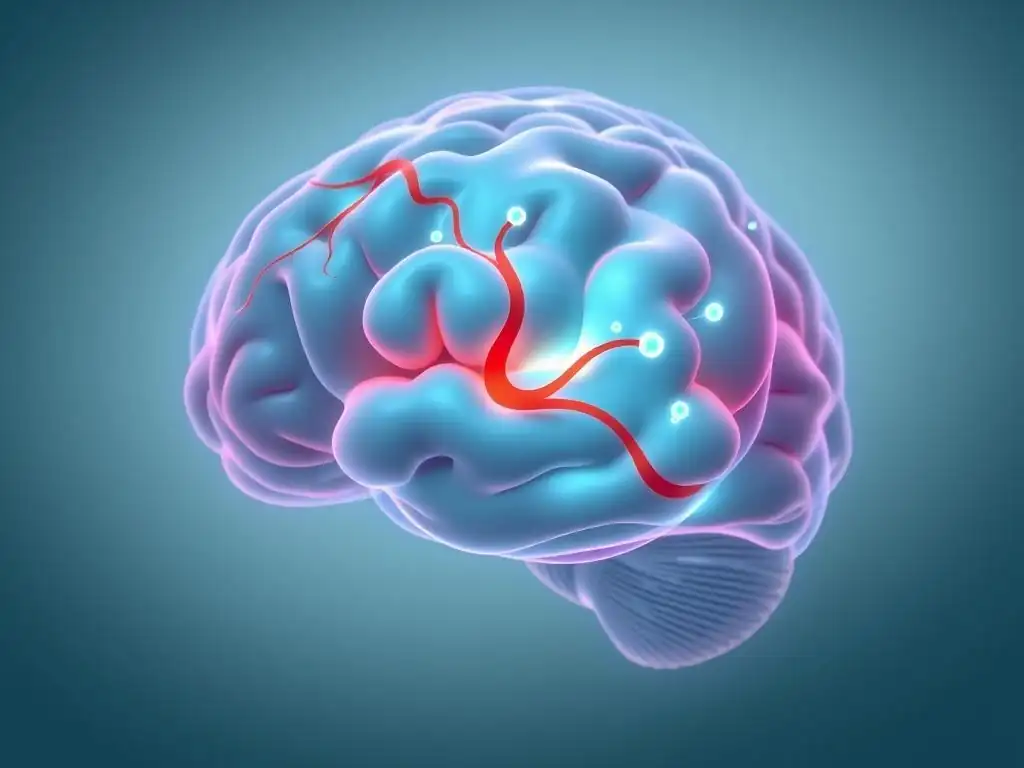
Chronic neuroinflammation can directly interfere with the complex processes involved in creating and releasing neurotransmitters. The enzymes responsible for synthesizing neurotransmitters like serotonin, dopamine, and GABA are sensitive to the inflammatory environment. Pro-inflammatory cytokines, such as IL-1β and TNF-α, can reduce the activity of these enzymes, leading to decreased production of these vital chemical messengers. For instance, studies have shown that exposure to inflammatory stimuli can reduce the expression of tyrosine hydroxylase, a key enzyme in dopamine synthesis.
Beyond synthesis, inflammation can also impair the mechanisms by which neurotransmitters are packaged into vesicles and released into the synaptic cleft. The health and function of synapses are highly vulnerable to inflammatory mediators. This disruption means that even if neurotransmitters are produced, their effective delivery to the receiving neuron is compromised, leading to weakened signaling and contributing to the overall imbalance observed in many mental health conditions.
Impact of Inflammation on Neurotransmitter Receptors
The receiving end of neurotransmission, the receptors on the post-synaptic neuron, are also significantly affected by neuroinflammation. Inflammatory molecules can alter the number, sensitivity, and function of neurotransmitter receptors. This can lead to a situation where the brain becomes less responsive to the neurotransmitters that are present, even if their levels aren't drastically low.
For example, chronic inflammation has been linked to a decrease in the density of certain serotonin and dopamine receptors in specific brain regions. This down-regulation means that the signals carried by these neurotransmitters are weaker, contributing to symptoms like low mood or lack of motivation. Inflammatory mediators can also interfere with the binding affinity of neurotransmitters to their receptors or alter the downstream signaling pathways activated upon binding, further disrupting effective communication between neurons.
The Vicious Cycle: Neurotransmitter Imbalance Worsens Neuroinflammation
The relationship between neuroinflammation and neurotransmitters is not one-sided; dysregulation in neurotransmitter systems can, in turn, exacerbate neuroinflammation, creating a detrimental feedback loop. For example, imbalances in excitatory neurotransmitters like glutamate, leading to excitotoxicity, can directly activate microglia and astrocytes, triggering the release of pro-inflammatory cytokines.
Similarly, disruptions in inhibitory systems, such as reduced GABAergic signaling, can lead to uncontrolled neuronal firing, which can stress surrounding glial cells and promote an inflammatory response. There is also evidence that neurotransmitters themselves can act as neuromodulators of immune cells; for instance, dopamine and serotonin receptors are found on microglia, and their activation can influence the inflammatory state of these cells. This vicious cycle underscores the complexity of the link and highlights why effective neuroinflammation mental illness treatment may need to address both aspects simultaneously.
Mental Illnesses Linked to Neuroinflammation and Neurotransmitter Dysregulation
The connection between neuroinflammation, neurotransmitter imbalances, and mental illness is increasingly recognized across a spectrum of psychiatric conditions. While the specific mechanisms and relative contributions vary depending on the disorder, evidence points towards these pathways playing a significant role. Understanding these links is crucial for developing more precise diagnostic tools and effective neuroinflammation mental illness treatment strategies.
This section explores how these complex interactions manifest in some of the most common and severe mental health conditions, providing a glimpse into the biological underpinnings that go beyond simple chemical imbalances.
Depression: A Clear Connection to Neuroinflammation and Neurotransmitter Deficiencies
Major Depressive Disorder (MDD) is perhaps the mental illness with the most robust and widely studied link to neuroinflammation. Numerous studies have consistently reported elevated levels of inflammatory markers, such as C-reactive protein (CRP), IL-6, and TNF-alpha, in the blood and cerebrospinal fluid of individuals with depression, particularly in those with more severe or treatment-resistant forms. This inflammatory activity appears to correlate with the severity of depressive symptoms.
This inflammation is believed to directly impact neurotransmitter systems known to be dysregulated in depression, including serotonin, norepinephrine, and dopamine. As discussed, inflammatory cytokines can impair the synthesis and metabolism of these monoamines, reduce their availability, and alter receptor function. This provides a compelling model where inflammation contributes to the classic neurotransmitter deficiencies associated with depression, suggesting that targeting neuroinflammation may be a vital component of future neuroinflammation mental illness treatment approaches for this debilitating condition.
Anxiety Disorders: The Role of Inflammation and GABA Imbalance
Anxiety disorders, characterized by excessive worry, fear, and nervousness, are also increasingly linked to inflammatory processes, often in conjunction with dysregulation of inhibitory neurotransmitters like GABA. While the link may not be as universally strong as in depression, studies have shown elevated inflammatory markers in subsets of patients with Generalized Anxiety Disorder, Panic Disorder, and PTSD.
Neuroinflammation can contribute to anxiety symptoms by affecting neural circuits involved in fear processing, such as the amygdala. Furthermore, as noted earlier, inflammation can impair GABAergic signaling. Reduced GABAergic inhibition leads to increased neuronal excitability and an inability to dampen the stress response, directly contributing to feelings of anxiety and panic. This suggests that addressing neuroinflammation alongside traditional approaches targeting GABA or serotonin pathways could be beneficial in developing comprehensive neuroinflammation mental illness treatment for anxiety disorders.
Schizophrenia: Neuroinflammation, Dopamine, and Glutamate Dysfunction
Schizophrenia is a severe and complex psychiatric disorder characterized by disruptions in thought processes, perceptions, emotional responsiveness, and social interactions. While dopamine and glutamate dysregulation have long been central to the understanding of schizophrenia, particularly the dopamine hypothesis regarding positive symptoms (hallucinations, delusions) and glutamate's role in cognitive deficits, neuroinflammation is emerging as a significant contributing factor, potentially linking genetic predisposition and environmental triggers.
Evidence suggests signs of chronic low-grade neuroinflammation in the brains of individuals with schizophrenia, with studies showing increased microglial activation and elevated inflammatory markers in post-mortem tissue and during acute psychotic episodes. This inflammation could exacerbate dopamine dysregulation, perhaps contributing to excessive dopamine release in certain brain regions, and impair glutamate signaling, particularly at NMDA receptors, which is linked to cognitive and negative symptoms. Understanding this interplay is crucial for developing novel neuroinflammation mental illness treatment strategies that go beyond simply modulating neurotransmitter levels.
Bipolar Disorder: Inflammatory Markers and Neurotransmitter Fluctuations
Bipolar disorder, characterized by dramatic mood swings between manic or hypomanic states and depressive episodes, also shows evidence of links to inflammation and broad neurotransmitter dysregulation. Research indicates that inflammatory markers, such as CRP and various cytokines, are often elevated during both manic and depressive phases compared to periods of remission.
The fluctuating nature of bipolar disorder might be partly explained by the dynamic interplay between inflammation and neurotransmitter systems. Inflammation could contribute to the neurotransmitter imbalances (e.g., altered dopamine, serotonin, and glutamate activity) that are thought to drive the shifts between manic and depressive states. Furthermore, medications used to treat bipolar disorder, such as lithium and certain anticonvulsants, have been shown to possess anti-inflammatory and neuroprotective properties, lending further support to the idea that targeting inflammation could be a relevant aspect of neuroinflammation mental illness treatment for this condition.
Autism Spectrum Disorder (ASD): Neuroinflammation's Potential Contribution
Autism Spectrum Disorder (ASD) is a complex developmental condition characterized by challenges with social interaction, communication, and repetitive behaviors. While the causes of ASD are multifaceted, involving genetic, environmental, and developmental factors, research increasingly points to a potential role for neuroinflammation, particularly during critical periods of brain development.
Studies, particularly post-mortem analyses and some neuroimaging findings, have reported evidence of increased microglial activation and elevated inflammatory cytokines in the brains of individuals with ASD. This early or ongoing inflammation could disrupt synaptic development and connectivity, potentially affecting the neural circuits involved in social processing and communication. While neurotransmitter imbalances, such as altered GABA and glutamate signaling, are also implicated in ASD, understanding how neuroinflammation contributes to or exacerbates these imbalances is an active area of research, exploring avenues for potential neuroinflammation mental illness treatment approaches tailored to this population.
Neuroinflammation Mental Illness Treatment: Current and Emerging Strategies

Addressing the complex interplay between neuroinflammation and neurotransmitter function requires a multifaceted approach to neuroinflammation mental illness treatment. Current strategies often focus primarily on neurotransmitter modulation, but there is a growing recognition of the potential benefits of also targeting the inflammatory component. Emerging research is exploring novel therapies that directly address neuroinflammation, offering hope for more effective and personalized interventions.
This section delves into both established and experimental approaches, highlighting how understanding the role of brain inflammation is shaping the future of mental health care. The goal is to offer a comprehensive view of how neuroinflammation mental illness treatment is evolving.
Anti-inflammatory Medications for Mental Health: A Promising Avenue?
Given the evidence linking inflammation to mental illness, researchers are exploring the use of anti-inflammatory medications as a potential neuroinflammation mental illness treatment strategy, either alone or as an adjunct to traditional therapies. Non-steroidal anti-inflammatory drugs (NSAIDs) like aspirin or ibuprofen have been investigated, with some studies suggesting a modest antidepressant effect, particularly in individuals with elevated inflammatory markers. However, results have been mixed, and potential side effects of long-term NSAID use are a concern.
More targeted anti-inflammatory agents, such as those that block specific cytokines (e.g., TNF-alpha inhibitors), are also being studied, particularly in individuals with co-occurring inflammatory conditions like psoriasis or rheumatoid arthritis who also experience depression. While these studies show some promise in reducing depressive symptoms, their use is limited by cost, side effects, and the need for administration via injection. The challenge lies in developing anti-inflammatory drugs that can safely and effectively cross the blood-brain barrier and target neuroinflammation without suppressing necessary immune functions.
Lifestyle Interventions to Reduce Neuroinflammation and Improve Mental Well-being
Perhaps the most accessible and broadly beneficial approaches to managing neuroinflammation and supporting mental health involve lifestyle modifications. These interventions can have a significant impact on systemic inflammation, which in turn can influence neuroinflammation, offering a practical path towards neuroinflammation mental illness treatment and prevention.
Adopting healthy habits provides individuals with agency in managing their well-being and can complement medical or therapeutic interventions. These lifestyle changes are supported by a growing body of evidence demonstrating their positive effects on both physical health and brain function, including reducing inflammatory markers.
Diet and Nutrition: Anti-inflammatory Foods for Brain Health
Diet is a powerful modulator of inflammation throughout the body, including the brain. Adopting an anti-inflammatory diet, such as the Mediterranean diet, which is rich in fruits, vegetables, whole grains, lean proteins, and healthy fats (like omega-3s found in fish and olive oil), has been shown to reduce systemic inflammatory markers. For example, studies have demonstrated that adherence to such dietary patterns is associated with lower levels of CRP and IL-6.
Conversely, diets high in processed foods, refined sugars, and saturated fats promote inflammation. Focusing on nutrient-dense, whole foods provides the body with antioxidants and beneficial compounds that can help counteract inflammatory processes and support overall brain health, making dietary changes a foundational element of any holistic neuroinflammation mental illness treatment plan.
Exercise and Physical Activity: Reducing Inflammation Through Movement
Regular physical activity is a well-established anti-inflammatory intervention. Exercise, even moderate intensity, can lead to a reduction in pro-inflammatory cytokines and an increase in anti-inflammatory molecules. This systemic effect is thought to contribute to the observed benefits of exercise on mood and cognitive function.
Studies suggest that exercise can also directly impact brain health by promoting neurogenesis and improving blood flow, potentially mitigating some of the negative consequences of chronic neuroinflammation. Aiming for guidelines such as at least 150 minutes of moderate-intensity aerobic exercise per week, along with muscle-strengthening activities, can be a valuable component in reducing brain inflammation and supporting mental well-being as part of a broader neuroinflammation mental illness treatment strategy.
Stress Management Techniques: Minimizing the Inflammatory Response
Chronic psychological stress is a potent driver of inflammation. The prolonged activation of the stress response system (hypothalamic-pituitary-adrenal axis) leads to the release of stress hormones like cortisol, which, while initially immunosuppressive, can promote inflammation when chronically elevated or dysregulated. Effective stress management techniques are therefore crucial for reducing neuroinflammation.
Practices such as mindfulness meditation, yoga, deep breathing exercises, and spending time in nature have been shown to reduce stress hormones and inflammatory markers. Incorporating these techniques into daily life can help dampen the inflammatory response triggered by stress, contributing positively to brain health and serving as a non-pharmacological approach within neuroinflammation mental illness treatment.
Sleep Hygiene: Essential for Brain Repair and Reducing Inflammation
Sleep is a critical period for brain repair and clearance of metabolic waste products, including those that can contribute to inflammation. Chronic sleep deprivation or poor sleep quality is associated with elevated systemic inflammatory markers. During sleep, the brain's glymphatic system is more active, effectively "washing" away toxins and inflammatory molecules.
Ensuring adequate, restorative sleep (typically 7-9 hours per night for adults) is vital for maintaining a healthy inflammatory balance in the brain. Establishing a regular sleep schedule, creating a relaxing bedtime routine, and optimizing the sleep environment are key components of good sleep hygiene that can support the brain's natural anti-inflammatory processes and enhance the effectiveness of neuroinflammation mental illness treatment.
Targeting Neurotransmitters: Traditional and Novel Therapies
While the focus on neuroinflammation is growing, traditional and novel therapies that directly target neurotransmitter systems remain cornerstones of neuroinflammation mental illness treatment. Understanding how these treatments interact with or are influenced by the inflammatory state of the brain is an important area of ongoing research.
These therapies aim to restore the balance of chemical signaling in the brain, addressing the symptoms that often arise from or are exacerbated by both neurotransmitter dysregulation and neuroinflammation.
SSRIs and SNRIs: Addressing Serotonin and Norepinephrine Imbalances
Selective Serotonin Reuptake Inhibitors (SSRIs) and Serotonin-Norepinephrine Reuptake Inhibitors (SNRIs) are among the most commonly prescribed antidepressants and anxiety medications. They work by increasing the availability of serotonin and/or norepinephrine in the synaptic cleft, boosting signaling in these pathways. While primarily targeting neurotransmitter reuptake, emerging evidence suggests that these medications may also have subtle anti-inflammatory effects.
Some studies indicate that SSRIs can reduce levels of certain pro-inflammatory cytokines over time, potentially contributing to their therapeutic effects beyond simply increasing neurotransmitter levels. This suggests that the benefits of these traditional medications might, in part, be mediated through their influence on the inflammatory system, making them relevant in the broader context of neuroinflammation mental illness treatment.
Dopamine-Modulating Medications: Balancing Reward and Motivation
Medications that modulate dopamine activity are primarily used in conditions like schizophrenia (antipsychotics, which block dopamine receptors) and sometimes in depression (certain antidepressants or stimulants that affect dopamine). These drugs aim to restore balance in dopaminergic pathways that are often dysregulated in these disorders.
While their primary mechanism is neurotransmitter modulation, the inflammatory environment can influence the effectiveness of these medications. For example, the presence of neuroinflammation might alter receptor sensitivity or drug metabolism. Future research may explore how combining dopamine-modulating therapies with anti-inflammatory approaches could enhance efficacy in neuroinflammation mental illness treatment, particularly for conditions like schizophrenia where both pathways are implicated.
Ketamine and NMDA Receptor Modulation: Targeting Glutamate Pathways
Ketamine, an anesthetic agent now being explored for treatment-resistant depression and suicidal ideation, works through modulating glutamate signaling, particularly at NMDA receptors. Unlike traditional antidepressants, Ketamine often produces rapid antidepressant effects, believed to involve promoting synaptic plasticity.
Interestingly, research suggests that Ketamine may also possess anti-inflammatory properties. Studies have shown that Ketamine administration can lead to a reduction in certain inflammatory markers. This dual action – modulating glutamate and reducing inflammation – might contribute to its rapid and potent effects, highlighting the potential of therapies that simultaneously address both neurotransmitter imbalances and neuroinflammation as a promising avenue for neuroinflammation mental illness treatment.
Emerging Therapies for Neuroinflammation in Mental Illness
The field of neuroinflammation mental illness treatment is rapidly evolving, with researchers exploring innovative approaches that directly target the brain's immune system and its interactions with neural function. These emerging therapies represent the forefront of research and offer new hope for individuals whose conditions are linked to significant neuroinflammation.
These approaches move beyond traditional neurotransmitter-focused treatments, aiming to address the root cause of inflammation in the brain.
Investigating the Potential of Immunomodulatory Therapies
Given the role of glial cells (microglia and astrocytes) and inflammatory cytokines in neuroinflammation, therapies that modulate the immune response in the brain are under investigation. This includes exploring agents that can suppress excessive microglial activation or block the action of specific pro-inflammatory cytokines like IL-1β or TNF-α within the central nervous system.
Research is also looking into therapies that might promote the shift of microglia from a pro-inflammatory state to a more anti-inflammatory, neuroprotective state. While still largely experimental for primary psychiatric conditions, the success of immunomodulatory drugs in other inflammatory brain disorders is driving interest in their potential application as a targeted neuroinflammation mental illness treatment.
Research on Probiotics and the Gut-Brain Axis
The gut-brain axis, the bidirectional communication pathway between the digestive system and the brain, is gaining significant attention in mental health research. The gut microbiome – the trillions of bacteria residing in the gut – can influence systemic inflammation and produce metabolites that affect brain function and neurotransmitter production.
Studies are exploring whether interventions targeting the gut microbiome, such as probiotics (beneficial bacteria) or prebiotics (food for beneficial bacteria), can reduce systemic inflammation and positively impact brain health and mental well-being. While research is ongoing, modulating the gut microbiome represents a promising, indirect strategy for influencing neuroinflammation and potentially contributing to neuroinflammation mental illness treatment.
Transcranial Magnetic Stimulation (TMS) and its Anti-inflammatory Effects
Transcranial Magnetic Stimulation (TMS) is a non-invasive brain stimulation technique used to treat conditions like depression and OCD. It involves using magnetic pulses to stimulate specific areas of the brain. While its primary mechanism is thought to involve modulating neural activity and connectivity, recent research suggests that TMS may also exert anti-inflammatory effects.
Studies in animal models and preliminary human data indicate that TMS can reduce the expression of pro-inflammatory markers and influence glial cell activity in the stimulated brain regions. This potential anti-inflammatory action could contribute to the therapeutic benefits observed with TMS, suggesting that its efficacy in neuroinflammation mental illness treatment might be partly mediated through influencing the brain's inflammatory state.
Future Directions: Research and Hope for Neuroinflammation Mental Illness Treatment
The growing understanding of neuroinflammation's role in mental illness is paving the way for exciting future directions in research and offering renewed hope for individuals affected by these conditions. The field is rapidly moving towards more integrated models that consider the interplay of genetic, environmental, lifestyle, inflammatory, and neurotransmitter factors.
This forward momentum promises more precise diagnostic tools, more effective interventions, and ultimately, improved outcomes for mental health. The exploration of neuroinflammation mental illness treatment is a dynamic and evolving area.
The Importance of Personalized Medicine: Tailoring Treatment to Individual Needs
Recognizing that mental illness is complex and heterogeneous, the future of neuroinflammation mental illness treatment lies increasingly in personalized medicine. Individuals differ significantly in their genetic makeup, environmental exposures, lifestyle habits, and the specific biological pathways contributing to their symptoms, including their inflammatory profile.
Measuring inflammatory markers in blood or cerebrospinal fluid, combined with genetic testing and advanced neuroimaging, could help identify individuals whose mental illness is strongly linked to neuroinflammation. This would allow clinicians to tailor treatment strategies, potentially prioritizing anti-inflammatory interventions, specific lifestyle changes, or targeted immunomodulatory therapies alongside or instead of traditional neurotransmitter-focused medications, leading to more effective and individualized neuroinflammation mental illness treatment plans.
Continued Research on the Complex Interactions Between Neuroinflammation and Mental Health
Despite significant progress, there is still much to learn about the intricate dance between neuroinflammation, neurotransmitters, and the diverse manifestations of mental illness. Ongoing research is focused on several key areas:
- Identifying specific inflammatory biomarkers that can reliably predict treatment response or disease course.
- Mapping the precise cellular and molecular mechanisms by which different inflammatory mediators affect specific neurotransmitter systems and neural circuits.
- Understanding how the timing and duration of inflammatory exposure (e.g., early life vs. adulthood) influence vulnerability to different psychiatric conditions.
- Investigating the role of the peripheral immune system and the gut-brain axis in influencing neuroinflammation and mental health.
This continued research is essential for unlocking the full potential of neuroinflammation mental illness treatment and developing next-generation therapies.
Optimism for Improved Treatment Strategies and Mental Well-being
The integration of neuroinflammation into the understanding of mental illness provides a more comprehensive and hopeful perspective. It moves beyond solely viewing these conditions as chemical imbalances and opens up entirely new avenues for intervention. The potential to target inflammation offers the possibility of addressing a root cause or significant contributing factor for many individuals.
With ongoing research, the development of targeted anti-inflammatory agents, and a greater emphasis on lifestyle interventions and personalized approaches, there is significant optimism for improving neuroinflammation mental illness treatment outcomes. This expanded understanding empowers both clinicians and individuals, offering new tools and strategies for promoting brain health and achieving greater mental well-being.
Conclusion: Taking Control of Your Mental Health Through Understanding Neuroinflammation
Empowering Individuals with Knowledge and Resources
Understanding the complex relationship between neuroinflammation, neurotransmitters, and mental illness can be incredibly empowering for individuals navigating mental health challenges. It provides a biological context for their experiences, reducing stigma and offering new perspectives beyond traditional explanations. Knowledge about the modifiable factors that influence neuroinflammation – such as diet, exercise, stress, and sleep – gives individuals concrete steps they can take to support their brain health.
Equipping individuals with this information, alongside access to appropriate resources and professional support, is crucial. It encourages proactive engagement in their well-being and facilitates informed discussions with healthcare providers about potential strategies, including lifestyle changes or novel approaches being explored for neuroinflammation mental illness treatment.
The Importance of a Holistic Approach to Mental Wellness.
The insights gained from studying neuroinflammation underscore the critical need for a holistic approach to mental wellness. Mental health is not solely a matter of brain chemistry but is influenced by the intricate interplay of biological, psychological, environmental, and social factors. Addressing neuroinflammation requires looking beyond psychiatric medications alone.
A truly effective strategy for neuroinflammation mental illness treatment integrates medical interventions (which may include novel anti-inflammatory agents in the future) with evidence-based lifestyle modifications, psychological therapies (like CBT or mindfulness that can impact stress and inflammation), and attention to environmental factors. Embracing this comprehensive perspective offers the most promising path towards promoting resilience, reducing the burden of mental illness, and fostering long-term mental well-being.
Frequently Asked Questions
Neuroinflammation is inflammation in the brain and nervous system. Research suggests it can disrupt neurotransmitter function and contribute to the development or exacerbation of various mental illnesses.
How do neurotransmitters play a role in the connection between neuroinflammation and mental health?
Neurotransmitters are chemical messengers in the brain. Neuroinflammation can interfere with their production, release, and reception, leading to imbalances that contribute to mental health symptoms.
What types of mental illnesses are potentially linked to neuroinflammation?
While research is ongoing, conditions like depression, anxiety, schizophrenia, and bipolar disorder have shown potential links to increased neuroinflammation in some individuals.
What are some potential Neuroinflammation mental illness treatment strategies being explored?
Researchers are investigating anti-inflammatory medications, dietary interventions focusing on reducing inflammation, and lifestyle changes to modulate the immune response in the brain.
Currently, there is no single, widely available test to directly diagnose neuroinflammation in the context of mental illness. Diagnosis relies on a combination of clinical assessment and research-based methods.
Final Reflection: Unraveling the Complex Dance Towards Better Mental Healthcare
The intricate relationship between neuroinflammation, neurotransmitters, and mental illness is no longer a theoretical curiosity; it's a crucial frontier in understanding and treating a vast spectrum of debilitating conditions. The research presented highlights the urgent need for a more nuanced approach to mental healthcare, one that moves beyond solely targeting neurotransmitter imbalances and incorporates the significant role of inflammation in the brain. This understanding is not merely academic; it holds the key to developing more effective and personalized treatments.
The implications of this research extend far beyond the scientific community. The growing recognition of neuroinflammation's contribution to mental illness is reshaping our cultural understanding of these conditions, moving away from simplistic explanations towards a more holistic perspective. This shift is vital for reducing stigma and fostering empathy. As Dr. Bessel van der Kolk eloquently stated, The body keeps the score,
reminding us that trauma and mental illness are deeply embedded in the physical architecture of the brain and body. This understanding fosters a more compassionate approach to treatment and recovery, acknowledging the complex interplay of biological, psychological, and social factors.
The journey towards better mental healthcare is a collective one. This article serves as a stepping stone, not a destination. Consider the information presented, and reflect on how this new understanding of neuroinflammation might influence your own perspectives on mental health, both personally and within your community. Advocate for research funding, support initiatives promoting mental wellness, and encourage open conversations about mental illness. By embracing a more comprehensive understanding of the brain's intricate mechanisms, we can pave the way for a future where effective treatment and compassionate support are readily available to all those who need it.
Unlock Your Brain's Potential: Take Charge of Your Mental Wellness
Thanks for taking the time to explore the fascinating world of neuroinflammation and mental health with us! We hope you gained valuable insights into the intricate connections between brain chemistry and overall well-being. Now, let's put this knowledge into action.
- Prioritize brain-boosting habits: Start incorporating stress-reducing activities into your daily routine – think meditation, yoga, or even a simple walk in nature. This is the cornerstone of improving your mental landscape.
- Share your discoveries: Discuss what you've learned with friends and family. Starting a conversation about mental health is a powerful step towards creating a more supportive and understanding community.
- Explore additional resources: Dive deeper into the topic by researching reputable organizations dedicated to mental health research and support. Consider contacting a mental health professional to discuss your experience.
What small step will you take today to nurture your brain and prioritize your mental wellness?