
Patient's Guide: What Neuroinflammation Research Means for Your Mental Health

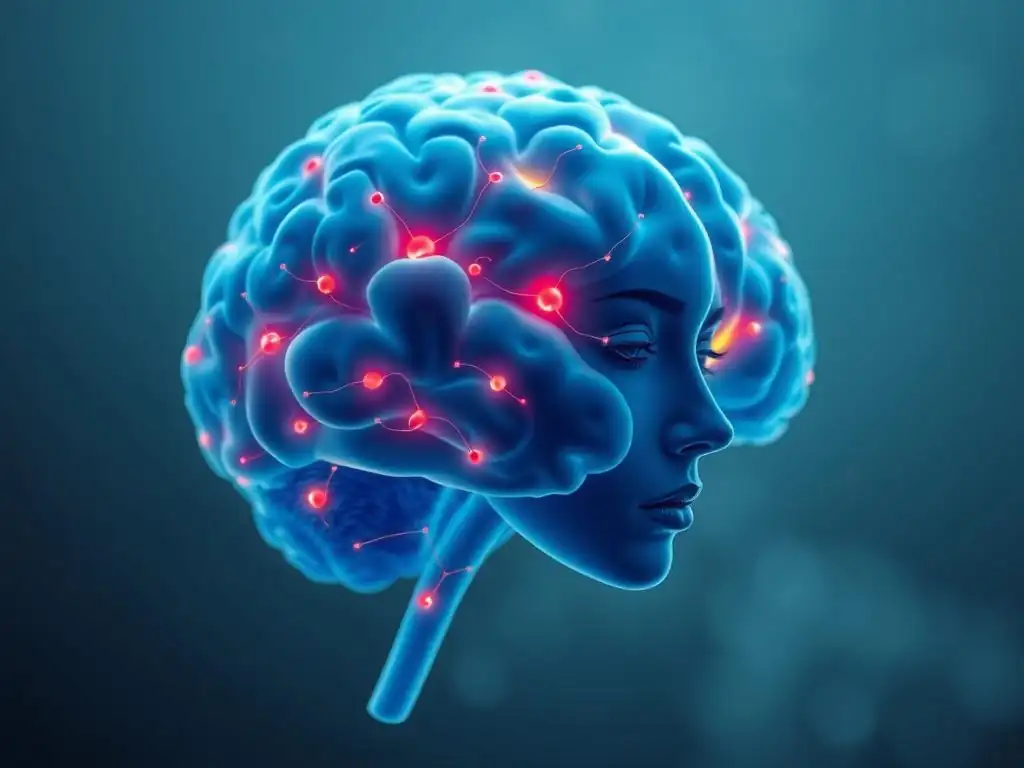
Welcome to Mind Care Guide, a sanctuary for understanding and nurturing your mental well-being.
Ever feel like your mind is fighting against you? Emerging research points to a hidden culprit impacting mental health: Neuroinflammation. In this guide, we delve into the science behind neuroinflammation's mental health impact, offering a compassionate and clear explanation of what this groundbreaking research means for you. Uncover how inflammation in the brain could be affecting your mood, cognition, and overall mental state, and discover actionable steps you can take to find relief. Ready to understand this vital connection and take control of your mental health journey? Let's begin.
Neuroinflammation and Mental Health: A Comprehensive Guide
- Understanding Neuroinflammation and Its Impact
- Mental Health Conditions Linked to Neuroinflammation
- Diagnosing Neuroinflammation in Mental Health
- Treatments Targeting Neuroinflammation
- Future Directions in Neuroinflammation Research
- Navigating Neuroinflammation and Mental Health
-
Frequently Asked Questions
- What is neuroinflammation, and how does it relate to mental health?
- How does neuroinflammation impact mental well-being?
- What are the potential symptoms that might indicate neuroinflammation's impact on mental health?
- How is neuroinflammation currently diagnosed or assessed in relation to mental health?
- What are some potential treatment or management strategies for addressing neuroinflammation's role in mental health?
- Final Reflection: Unraveling the Mind-Body Connection Through Neuroinflammation
- Unlock Your Brain's Potential: Take Charge of Your Mental Wellness
Understanding Neuroinflammation and Its Impact
What is Neuroinflammation?
Neuroinflammation refers to the inflammatory response within the brain or spinal cord. It's the brain's immune system, primarily involving specialized cells called microglia and astrocytes, reacting to injury, infection, or other stimuli. While acute neuroinflammation is a crucial protective mechanism – helping to clear debris, fight pathogens, and initiate repair – chronic or dysregulated neuroinflammation can become detrimental.
Unlike inflammation in other parts of the body which might cause visible swelling or redness, neuroinflammation is often subtle and can persist without obvious external signs, silently affecting brain function. This persistent, low-grade inflammatory state in the brain is increasingly recognized for its potential neuroinflammation mental health impact.
When neuroinflammation persists, it can disrupt the delicate balance required for healthy brain function. Microglia, normally brain guardians, can become overactive, releasing pro-inflammatory molecules like cytokines and chemokines. These substances can interfere with neurotransmitter systems (like serotonin, dopamine, and glutamate), damage neurons and their connections (synapses), and impair neurogenesis (the creation of new brain cells). This disruption of neural circuits and signaling pathways is thought to contribute to a range of neurological and psychiatric symptoms, highlighting the complex interplay between brain inflammation and mental well-being. Research into the neuroinflammation mental health impact is a rapidly evolving field.
The Role of Neuroimmunology in Mental Health
Neuroimmunology is the study of the interaction between the nervous system and the immune system. This field reveals that these two systems are not separate entities but are in constant communication, influencing each other profoundly. Immune cells and molecules can cross the blood-brain barrier (a protective layer around the brain) or signal to the brain from the periphery, affecting mood, cognition, and behavior. For instance, during an infection, systemic inflammation triggers the release of cytokines that can cause "sickness behavior" – symptoms like fatigue, social withdrawal, and loss of appetite – which overlap with symptoms of depression.
This bidirectional communication means that immune dysregulation can directly influence brain function and contribute to mental health conditions, while psychological factors like chronic stress can, in turn, alter immune responses. Understanding this intricate relationship is key to appreciating how inflammation in the brain, or neuroinflammation, can have such a significant neuroinflammation mental health impact. The emerging field of neuroimmunology is providing new insights into the biological underpinnings of psychiatric disorders and opening novel avenues for potential treatments that target immune pathways.
Neuroinflammation vs. Systemic Inflammation
It's important to distinguish between neuroinflammation and systemic inflammation, although they are closely linked. Systemic inflammation occurs throughout the body, often measured by markers in the blood like C-reactive protein (CRP) or inflammatory cytokines (e.g., IL-6, TNF-alpha). This can be triggered by infections, injuries, chronic diseases like diabetes or arthritis, or lifestyle factors like poor diet and lack of exercise. Systemic inflammation can directly influence the brain by circulating inflammatory molecules that cross the blood-brain barrier or signal via nerves like the vagus nerve, contributing to neuroinflammation.
Neuroinflammation, on the other hand, is specifically inflammation occurring within the brain or central nervous system. While it can be triggered by systemic inflammation, it can also result from direct brain insults like trauma, infection, or neurodegenerative processes. Both forms of inflammation can contribute to mental health issues. For example, individuals with high levels of systemic inflammatory markers are statistically more likely to experience depressive symptoms. Research is actively exploring how systemic inflammation contributes to neuroinflammation and the subsequent neuroinflammation mental health impact.
Mental Health Conditions Linked to Neuroinflammation
Depression and Neuroinflammation
Numerous studies suggest a significant link between neuroinflammation and depression. Research has consistently shown elevated levels of inflammatory markers, such as C-reactive protein (CRP), interleukin-6 (IL-6), and tumor necrosis factor-alpha (TNF-alpha), in the blood and cerebrospinal fluid of individuals with major depressive disorder (MDD), particularly in those with more severe or treatment-resistant forms. For instance, some meta-analyses indicate that CRP levels are, on average, about 30-50% higher in depressed individuals compared to healthy controls. This suggests that for a substantial subset of patients, inflammation plays a role in their symptoms.
The mechanisms by which neuroinflammation contributes to depression are complex. Inflammatory molecules can interfere with neurotransmitter synthesis and reuptake, particularly affecting serotonin, dopamine, and norepinephrine pathways, which are crucial for mood regulation. They can also impair the function of glial cells, disrupt neurogenesis in areas like the hippocampus (important for mood and memory), and alter synaptic plasticity – the brain's ability to form and reorganize synaptic connections.
This disruption of neural circuits and neurochemical balance is thought to manifest as core depressive symptoms like low mood, fatigue, anhedonia (loss of pleasure), and cognitive difficulties. The neuroinflammation mental health impact in depression is a major focus of current research.
Anxiety Disorders and Neuroinflammation
While the link between neuroinflammation and anxiety disorders is perhaps less extensively studied than that with depression, emerging evidence points to a similar connection. Studies in both humans and animal models suggest that inflammatory processes in specific brain regions, such as the amygdala (involved in processing fear and anxiety) and prefrontal cortex, may contribute to anxiety symptoms. Elevated levels of pro-inflammatory cytokines have been observed in some individuals with generalized anxiety disorder (GAD) or panic disorder. For example, some studies report increases in markers like IL-1beta and TNF-alpha in certain anxiety populations.
It is hypothesized that chronic stress, a major risk factor for anxiety disorders, can induce both systemic inflammation and neuroinflammation. This inflammation can alter the excitability of neural circuits involved in fear processing and stress responses, potentially leading to heightened states of anxiety, worry, and hypervigilance. The interplay between the immune system, stress hormones, and neural circuits is complex, but the accumulating evidence suggests that dysregulated inflammatory pathways contribute to the neuroinflammation mental health impact observed in anxiety disorders.
Schizophrenia and Neuroinflammation
Schizophrenia is another severe mental illness where neuroinflammation is increasingly considered a potential contributing factor. Post-mortem studies have shown evidence of increased microglial activation and altered expression of inflammatory markers in the brains of individuals with schizophrenia. Furthermore, some studies using PET imaging techniques have detected increased binding to markers of microglial activation, such as TSPO (translocator protein), in certain brain regions of patients with schizophrenia, particularly during acute psychotic episodes. While these findings are not universal across all studies, they provide compelling evidence for inflammatory processes in the brain.
The potential mechanisms include inflammation disrupting synaptic pruning (a crucial process in brain development where unnecessary synapses are removed), altering neurotransmitter systems (especially dopamine and glutamate), and impairing myelination (the formation of the fatty sheath around nerve fibers). These disruptions could contribute to the characteristic symptoms of schizophrenia, including hallucinations, delusions, disorganized thinking, and cognitive deficits.
The hypothesis is that early life infections, genetic predispositions affecting immune pathways, or other environmental insults could trigger neuroinflammatory processes that contribute to the development and progression of the disorder. The neuroinflammation mental health impact appears particularly relevant in the early stages or exacerbations of schizophrenia.
Neurodegenerative Diseases, Neuroinflammation, and Mental Health
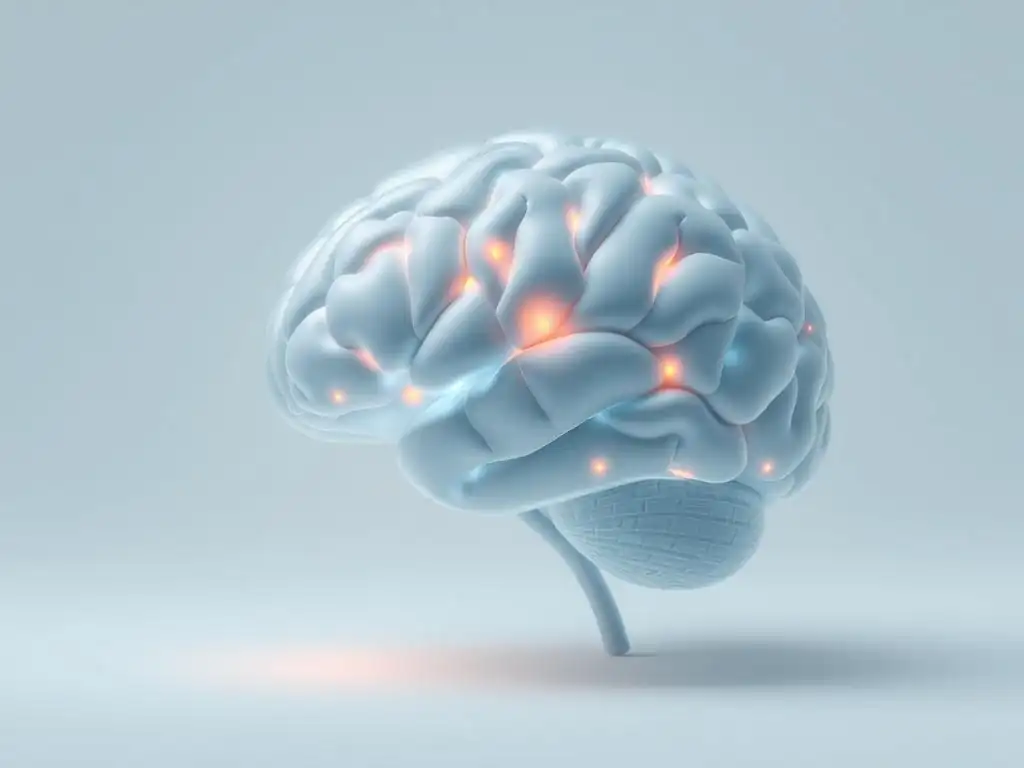
Neurodegenerative diseases like Alzheimer's disease, Parkinson's disease, and multiple sclerosis are fundamentally characterized by neuroinflammation, which plays a critical role in the progression of neuronal damage and loss. What is increasingly recognized is that these conditions are often accompanied by significant mental health symptoms. For instance, depression and anxiety are common in individuals with Alzheimer's and Parkinson's, sometimes appearing years before the motor or severe cognitive symptoms become prominent. Approximately 40-50% of individuals with Parkinson's disease experience depression at some point. Similarly, depression is estimated to affect up to 50% of people with multiple sclerosis.
In these cases, the underlying neuroinflammatory processes that are damaging neurons are also likely impacting brain circuits involved in mood regulation, stress response, and cognitive function. Microglial activation and the release of inflammatory cytokines directly contribute to neuronal dysfunction and death, which in turn affects mood and cognitive state. Understanding the shared inflammatory pathways in neurodegeneration and psychiatric symptoms could lead to new strategies for managing the significant neuroinflammation mental health impact experienced by patients with these conditions.
Bipolar Disorder and Neuroinflammation
Research also points towards a role for neuroinflammation in bipolar disorder, a condition characterized by dramatic shifts in mood, energy, and activity levels. Studies have found elevated levels of inflammatory markers, similar to those seen in depression (e.g., CRP, IL-6), in individuals with bipolar disorder, particularly during manic or depressive episodes. Some studies have reported higher CRP levels in bipolar patients compared to healthy controls, sometimes by as much as 40-60% during mood episodes. Evidence also suggests altered microglial activity in certain brain regions in post-mortem studies of individuals with bipolar disorder.
It is hypothesized that fluctuations in inflammation could contribute to the mood instability characteristic of bipolar disorder. Inflammatory processes may affect neurotransmitter systems, alter synaptic plasticity, and impact glial cell function in ways that precipitate or perpetuate mood episodes. The exact mechanisms are still being investigated, but the consistent finding of immune system activation and neuroinflammation in bipolar disorder suggests that targeting inflammatory pathways could be a potential therapeutic avenue for managing the challenging mood swings and other symptoms of this condition, thus addressing its neuroinflammation mental health impact.
Diagnosing Neuroinflammation in Mental Health
Current Diagnostic Approaches
Currently, there is no single, widely available clinical test to definitively diagnose neuroinflammation as the cause of a specific mental health condition in a routine clinical setting. Diagnosis of mental health disorders relies on clinical assessment based on symptoms, history, and standardized criteria (like those in the DSM-5). While researchers are exploring methods to measure neuroinflammation, these techniques are primarily used in research contexts rather than for routine patient care.
Research methods include measuring inflammatory markers in the blood or cerebrospinal fluid (CSF), though CSF collection is invasive. Neuroimaging techniques like Positron Emission Tomography (PET) scans using specific radiotracers can visualize and quantify certain aspects of neuroinflammation, such as microglial activation (e.g., using TSPO ligands) or cytokine levels in specific brain regions. However, these PET scans are expensive, not widely available, and their results are still being correlated with clinical symptoms in large-scale studies. Therefore, while research is advancing, diagnosing the specific neuroinflammation mental health impact in an individual patient remains challenging outside of specialized centers.
Challenges in Diagnosis
Diagnosing neuroinflammation in mental health is challenging for several reasons. First, the brain's inflammatory response is complex and involves various cell types and molecules, making it difficult to capture with a single test. Second, neuroinflammation can be localized to specific brain regions, and current methods may lack the sensitivity or spatial resolution to detect subtle or regional inflammation. Third, inflammatory markers can be elevated for many reasons (infection, other medical conditions), making it hard to determine if the inflammation is primary to the mental health issue or a secondary effect.
Furthermore, the precise patterns of neuroinflammation may differ across various mental health conditions or even among individuals with the same diagnosis, reflecting different underlying biological pathways. Translating findings from research studies using advanced techniques (like PET scans or CSF analysis) into simple, reliable, and affordable clinical tests for routine use is a significant hurdle. The lack of clear diagnostic criteria specifically for inflammatory subtypes of mental illness also complicates diagnosis and treatment decisions based on neuroinflammation.
The Significance of Biomarkers
The search for reliable biomarkers is crucial for advancing the diagnosis and treatment of mental health conditions linked to neuroinflammation. Biomarkers are measurable indicators of a biological state or condition. In the context of neuroinflammation, biomarkers could include specific proteins, genes, metabolites, or imaging signals that indicate the presence, severity, or type of inflammation in the brain or body that is relevant to mental health.
Identifying such biomarkers could revolutionize how the neuroinflammation mental health impact is assessed. Potential biomarkers being investigated include specific cytokines (e.g., IL-18, interferon-alpha), chemokines, markers of microglial activation (like soluble TREM2), or specific patterns seen on advanced neuroimaging. Reliable biomarkers could help:
- Identify individuals whose mental health symptoms are driven, at least in part, by inflammation.
- Predict who might respond best to treatments targeting inflammation.
- Monitor the effectiveness of anti-inflammatory therapies.
- Differentiate between subtypes of mental disorders.
While promising candidates exist, validating these biomarkers for routine clinical use requires large-scale studies and standardization.
Treatments Targeting Neuroinflammation

Anti-inflammatory Medications
Given the potential role of neuroinflammation, researchers are investigating whether medications with anti-inflammatory properties could be beneficial as adjunctive treatments for certain mental health conditions. These are typically not prescribed solely to treat neuroinflammation, but rather studied for their potential to improve mental health symptoms in patients who may have an inflammatory component to their illness. Examples include non-steroidal anti-inflammatory drugs (NSAIDs) like celecoxib, minocycline (an antibiotic with anti-inflammatory effects), and even certain existing psychiatric medications that may have unexpected anti-inflammatory actions.
Clinical trials have explored the use of NSAIDs or minocycline as add-ons to standard antidepressant treatment in patients with depression, particularly those with elevated inflammatory markers. Some studies have reported modest improvements in depressive symptoms, but results have been inconsistent across different studies and patient groups.
For instance, one meta-analysis found that adjunctive NSAID treatment led to a significant reduction in depressive symptoms compared to placebo, but effect sizes were generally small to moderate. It's important to note that these approaches are still experimental and not standard practice; using such medications off-label for mental health should only be done under strict medical supervision due to potential side effects.
Lifestyle Interventions
Lifestyle changes are increasingly recognized as powerful tools for managing both systemic inflammation and potentially neuroinflammation, offering a complementary approach to address the neuroinflammation mental health impact. These interventions can be implemented alongside conventional mental health treatments.
Diet and Neuroinflammation
Diet plays a significant role in regulating inflammation. A diet rich in pro-inflammatory foods (like processed meats, refined sugars, and saturated/trans fats) can increase systemic inflammation, which may contribute to neuroinflammation. Conversely, anti-inflammatory diets, such as the Mediterranean diet, are associated with lower levels of inflammatory markers. This diet emphasizes fruits, vegetables, whole grains, lean proteins (especially fish rich in omega-3 fatty acids), nuts, seeds, and olive oil.
Omega-3 fatty acids (found in fatty fish like salmon and flaxseeds) and antioxidants (plentiful in berries, leafy greens, and colorful vegetables) are particularly noted for their anti-inflammatory effects. Some studies suggest that dietary patterns high in these components are associated with a lower risk of depression and better cognitive function. While dietary changes alone may not cure a mental illness, adopting an anti-inflammatory eating pattern is a supportive strategy that can positively influence overall health and potentially reduce the inflammatory burden on the brain.
Exercise and Brain Health
Regular physical exercise is a potent anti-inflammatory agent and has well-established benefits for mental health. Exercise reduces systemic inflammation by lowering levels of inflammatory cytokines and increasing the production of anti-inflammatory molecules. It also promotes the release of neurotrophic factors, such as Brain-Derived Neurotrophic Factor (BDNF), which support neuronal growth, survival, and plasticity.
Studies show that consistent aerobic exercise can improve mood, reduce anxiety, and enhance cognitive function in individuals with and without mental health conditions. For example, engaging in moderate-intensity exercise for at least 30 minutes most days of the week is a common recommendation. This physical activity not only helps manage stress but also directly impacts brain health by improving blood flow, promoting neurogenesis, and potentially mitigating neuroinflammation, thereby reducing its neuroinflammation mental health impact.
Stress Reduction Techniques
Chronic psychological stress is a major contributor to both systemic inflammation and neuroinflammation. Elevated stress hormones, particularly cortisol, can initially suppress the immune response, but prolonged exposure can lead to dysregulation and promote a pro-inflammatory state. Therefore, incorporating effective stress reduction techniques into one's routine is crucial for managing inflammation and supporting mental well-being.
Techniques such as mindfulness meditation, yoga, deep breathing exercises, progressive muscle relaxation, and spending time in nature have been shown to lower stress hormone levels and reduce inflammatory markers. Regular practice of these techniques can help regulate the body's stress response system, reducing the inflammatory signals that can negatively impact brain function and contribute to the neuroinflammation mental health impact. Finding stress management strategies that work for you is an important part of a holistic approach to mental health care.
Emerging Therapeutic Strategies
Beyond existing medications and lifestyle changes, researchers are exploring novel therapeutic strategies specifically designed to target neuroinflammation as a potential treatment for mental health conditions. These include:
- Specific Anti-cytokine Therapies: Targeting particular inflammatory molecules like IL-6 or TNF-alpha with antibodies or other inhibitors, similar to treatments used for inflammatory diseases like rheumatoid arthritis. Early studies are investigating if these could alleviate mental health symptoms in patients with high inflammation.
- Modulators of Microglial Function: Developing drugs that can 're-tune' overactive microglia, shifting them from a pro-inflammatory state back to a more supportive, anti-inflammatory state.
- Resolution of Inflammation Mediators: Exploring the use of specialized pro-resolving mediators (SPMs), derived from omega-3 fatty acids, which actively promote the resolution of inflammation rather than just blocking it.
- Gut-Brain Axis Interventions: Recognizing the strong link between the gut microbiome and both systemic and neuroinflammation, interventions like probiotics, prebiotics, or fecal microbiota transplantation are being explored for their potential to influence inflammation and mental health.
These strategies are largely in the preclinical or early clinical trial phases, but they represent exciting possibilities for future treatments that directly address the neuroinflammation mental health impact.
Personalized Treatment Approaches
As research into neuroinflammation progresses, the future of mental health treatment may involve more personalized approaches. If a patient's mental health condition is found to have a significant inflammatory component – potentially identified through biomarkers – treatment could be tailored to specifically target this inflammation alongside conventional therapies.
This might involve selecting specific anti-inflammatory medications that are most likely to be effective for that individual's inflammatory profile, or providing intensive support for lifestyle interventions like dietary changes and exercise. Personalized treatment could lead to more effective outcomes for patients whose symptoms are driven or worsened by neuroinflammation, moving away from a one-size-fits-all model towards therapies that address the unique biological factors contributing to an individual's illness and their specific neuroinflammation mental health impact.
Future Directions in Neuroinflammation Research
Promising Research Areas
Research into neuroinflammation and its mental health impact is a rapidly expanding field with several promising areas of investigation. One key area is the development and validation of better non-invasive biomarkers that can accurately measure neuroinflammation in living individuals. This includes refining PET imaging techniques and identifying reliable inflammatory markers in blood, saliva, or urine that correlate strongly with brain inflammation and clinical symptoms.
Another crucial area is understanding the specific cellular and molecular pathways involved in neuroinflammation across different mental health conditions. Are there distinct inflammatory signatures for depression vs. anxiety vs. schizophrenia? How do genetic factors, early life stress, infections, and the gut microbiome interact with inflammation to influence mental health trajectories? Research is delving into the roles of specific glial cell subtypes, inflammatory signaling cascades, and the impact of the peripheral immune system on the brain. Unraveling these complexities is essential for developing truly targeted therapies that address the specific neuroinflammation mental health impact in different conditions.
Clinical Trials and Novel Treatments
The insights gained from basic research are fueling the development of novel therapeutic strategies and driving clinical trials. Current and future clinical trials are testing a range of interventions, including:
- New anti-inflammatory drugs specifically designed to enter the brain.
- Repurposing existing medications with known anti-inflammatory effects.
- Immunomodulatory therapies that aim to balance the immune response.
- Lifestyle interventions delivered in structured programs.
- Combination therapies that pair anti-inflammatory approaches with standard psychiatric treatments.
These trials are crucial for determining which interventions are safe and effective in reducing neuroinflammation and improving mental health symptoms. The goal is to move beyond just treating symptoms to addressing potential underlying biological contributors like neuroinflammation, offering new hope for individuals who may not fully respond to existing treatments and mitigating the neuroinflammation mental health impact more directly.
Patient Involvement in Research
Patient involvement is becoming increasingly vital in shaping the future of neuroinflammation research in mental health. Patients can contribute by participating in clinical trials, providing valuable data on their experiences and symptoms, and advocating for research funding and awareness. Sharing personal stories can highlight the significant neuroinflammation mental health impact and the urgent need for better understanding and treatment.
Patient advocacy groups play a crucial role in connecting patients with research opportunities, disseminating information about findings, and ensuring that research priorities align with patient needs. As research progresses, the experiences and perspectives of individuals living with mental health conditions potentially linked to neuroinflammation will be essential for developing patient-centered diagnostics and therapies that truly make a difference in their lives.
Finding a Specialist
If you suspect inflammation might be playing a role in your mental health symptoms or are interested in learning more about this connection, finding a healthcare provider knowledgeable in this area is a good first step. While general practitioners and many psychiatrists may not specialize in neuroinflammation, they can assess your overall health, rule out other medical conditions contributing to symptoms, and manage standard mental health treatments.
For more specialized knowledge, you might seek out psychiatrists or neurologists affiliated with academic medical centers or research institutions, as they are more likely to be involved in the latest research on the neuroinflammation mental health impact. Some integrative or functional medicine practitioners also focus on the role of inflammation in health, though it's important to ensure they have appropriate medical credentials and experience with mental health conditions. Don't hesitate to ask potential providers about their understanding of the brain-immune connection and neuroinflammation.
Questions to Ask Your Healthcare Provider
When discussing the potential link between neuroinflammation and your mental health with your doctor, consider asking questions like:
- Could inflammation be contributing to my symptoms?
- Are there any tests (like blood tests for inflammatory markers) that might be relevant in my case?
- What lifestyle changes (diet, exercise, stress reduction) might help manage inflammation and support my mental health?
- Are there any clinical trials related to neuroinflammation and mental health that I might be eligible for?
- How do my current medications potentially interact with inflammatory pathways?
- How can we monitor my response to treatment, considering the possibility of inflammation?
Be prepared that your doctor may not have all the answers, as this is a complex and evolving field. However, asking these questions can open a dialogue and encourage a more comprehensive approach to your care, considering the potential neuroinflammation mental health impact.
Resources and Support
Accessing reliable information and support is crucial. Look for resources from reputable organizations like the National Institute of Mental Health (NIMH), the National Alliance on Mental Illness (NAMI), or academic medical centers that publish patient-friendly information on neuroscience and mental health. Search for information specifically on "neuroinflammation mental health" or "brain inflammation and mood."
Support groups, either online or in person, can provide a sense of community and shared experience with others facing similar challenges. While most support groups focus on specific mental health conditions, discussing biological factors like inflammation might be possible in some settings. Ensure that any information you find online is from credible sources and discuss it with your healthcare provider before making any decisions about your treatment.
Self-Advocacy and Management
Taking an active role in your care is empowering. Self-advocacy involves understanding your condition, staying informed about research like that on the neuroinflammation mental health impact, communicating effectively with your healthcare team, and making informed decisions.
Self-management strategies that can potentially influence inflammation include:
- [ ] Adopting an anti-inflammatory diet.
- [ ] Engaging in regular physical activity.
- [ ] Practicing stress-reduction techniques daily.
- [ ] Ensuring sufficient, quality sleep.
- [ ] Avoiding smoking and limiting alcohol intake.
- [ ] Managing co-occurring medical conditions that cause inflammation.
These strategies, while not a substitute for professional medical or psychiatric care, can complement treatment by addressing factors that might contribute to the neuroinflammation mental health impact. By combining professional guidance with informed self-care, individuals can work towards better mental well-being.
Frequently Asked Questions
What is neuroinflammation, and how does it relate to mental health?
Neuroinflammation is inflammation within the brain and spinal cord. Research increasingly suggests a link between neuroinflammation and various mental health conditions, potentially impacting mood, cognition, and behavior.
How does neuroinflammation impact mental well-being?
It can disrupt normal brain function by affecting neurotransmitter systems and neural circuits. This disruption may contribute to the development or worsening of conditions like depression, anxiety, and cognitive decline.
What are the potential symptoms that might indicate neuroinflammation's impact on mental health?
Symptoms are varied but can include persistent fatigue, brain fog, difficulty concentrating, and mood swings. These symptoms often overlap with other mental health conditions, requiring careful assessment and diagnosis.
How is neuroinflammation currently diagnosed or assessed in relation to mental health?
Diagnosing neuroinflammation directly is complex. While advanced imaging techniques exist, they are not yet standard practice. Diagnosis often relies on ruling out other causes and considering the patient's overall clinical presentation and risk factors.
What are some potential treatment or management strategies for addressing neuroinflammation's role in mental health?
Research is ongoing, but potential strategies include anti-inflammatory diets, exercise, and targeted medications. Addressing underlying medical conditions and managing stress are also crucial components of a holistic treatment plan.
Final Reflection: Unraveling the Mind-Body Connection Through Neuroinflammation
The intricate relationship between neuroinflammation and mental health is no longer a niche scientific debate; it's a crucial understanding for anyone seeking holistic well-being. The research presented highlights the significant impact of inflammation on brain function, offering a compelling new lens through which to view conditions like depression, anxiety, and even Alzheimer's disease. This isn't just about understanding the science; it's about empowering individuals to take proactive steps towards better mental health.
The journey of uncovering the role of neuroinflammation in mental illness has been a profound one, revealing the deeply interconnected nature of our physical and mental states. This understanding challenges the traditional separation of mind and body, emphasizing the importance of holistic approaches to treatment and prevention. The body keeps the score,
as Bessel van der Kolk so powerfully states, reminding us that trauma and stress, often at the root of mental health challenges, leave lasting physical imprints. This realization underscores the need for integrated therapies that address both the biological and psychological aspects of mental well-being.
You now possess a deeper understanding of the connection between neuroinflammation and your mental health. Consider how this knowledge can inform your lifestyle choices. Are you prioritizing sleep, nutrition, and stress management? Are you engaging in activities that promote a healthy inflammatory response, such as regular exercise and mindful practices? Take this opportunity to reflect on your own well-being and explore ways to nurture your mind and body, fostering a healthier, more resilient you. The journey towards better mental health is a personal one, and armed with this knowledge, you are better equipped to navigate it.
Unlock Your Brain's Potential: Take Charge of Your Mental Wellness
Thanks for taking the time to explore the fascinating world of neuroinflammation and its impact on mental health! We hope you gained valuable insights into how this process affects your well-being. Now it's time to put that knowledge into action.
Here's how you can continue your journey towards better mental wellness:
- Prioritize a neuro-protective lifestyle: Focus on incorporating brain-boosting habits like regular exercise, a balanced diet rich in antioxidants, and sufficient sleep into your daily routine. This is your primary step towards supporting optimal brain function.
- Share this article with a friend or family member who might benefit from understanding neuroinflammation and its connection to mental health. Let's spread awareness together!
- Explore Mind Care Guide’s library for additional resources on natural strategies for brain health. Dive deeper into specific techniques and discover what resonates best with you.
What small change will you implement today to nourish your brain and support your mental well-being?