
The Future is Here: Targeting Neuroinflammation for Personalized Mental Health Care


Welcome to Mind Care Guide, your trusted companion on the journey to mental well-being.
Feeling like your mental health struggles are unique and demand a tailored approach? You're not alone. Explore our latest article, "The Future is Here: Targeting Neuroinflammation for Personalized Mental Health Care," as we delve into the groundbreaking connection between neuroinflammation and personalized mental health. Could understanding this intricate link unlock the key to a brighter, more balanced you? Let's find out together.
Targeting Neuroinflammation for Personalized Mental Health Care
- Understanding Neuroinflammation's Role in Mental Health
- Personalized Mental Health: A New Approach to Treatment
- Neuroinflammation and Specific Mental Health Conditions
- Targeting Neuroinflammation: Emerging Therapeutic Strategies
- Diagnosing Neuroinflammation in Mental Health
- The Future of Neuroinflammation Research in Mental Health
- Neuroinflammation and Personalized Mental Health: Key Takeaways
-
Frequently Asked Questions
- What exactly is neuroinflammation and why is it relevant to mental health?
- How does targeting neuroinflammation lead to personalized mental health care?
- What kind of diagnostic tools are used to assess neuroinflammation in the context of mental health?
- What types of treatments are being explored to target neuroinflammation for mental health?
- Is targeting neuroinflammation a proven solution for all mental health conditions?
- Final Reflection: A Personalized Future for Mental Health
- Unlock Your Brain's Potential: Take Charge of Your Mental Wellbeing
Understanding Neuroinflammation's Role in Mental Health
What is Neuroinflammation and How Does it Affect the Brain?
Neuroinflammation refers to an inflammatory response within the brain or spinal cord. Unlike inflammation in other parts of the body, neuroinflammation involves specialized immune cells of the central nervous system, primarily microglia and astrocytes. These cells normally play crucial roles in brain health, including clearing debris, supporting neurons, and maintaining synaptic function. In response to infection, injury, or chronic stress, these cells can become activated, releasing signaling molecules like cytokines and chemokines. While acute neuroinflammation can be protective, helping to clear pathogens or repair damage, chronic or dysregulated neuroinflammation can be detrimental, leading to neuronal dysfunction and damage.
Chronic activation of microglia and astrocytes can disrupt neurotransmitter systems, impair neurogenesis (the birth of new neurons), and damage synapses, which are critical for communication between brain cells. For instance, elevated levels of pro-inflammatory cytokines such as Interleukin-6 (IL-6) and Tumor Necrosis Factor-alpha (TNF-alpha) have been observed in the brains and cerebrospinal fluid of individuals with various neurological and psychiatric conditions.
This persistent inflammatory state can alter brain circuits involved in mood regulation, cognition, and behavior, contributing to the complex symptom profiles seen in mental health disorders. Understanding this intricate process is fundamental to exploring how targeting neuroinflammation can lead to more personalized mental health strategies.
The Link Between Neuroinflammation and Mental Illness: A Growing Body of Evidence
Research over the past two decades has increasingly solidified the connection between neuroinflammation and a range of mental health challenges. Studies have shown that individuals experiencing depression, anxiety disorders, schizophrenia, and bipolar disorder often exhibit markers of increased inflammation, both systemically in the blood and within the brain itself. For example, a meta-analysis published in Molecular Psychiatry in 2018, pooling data from dozens of studies, found significantly elevated levels of inflammatory markers like C-reactive protein (CRP) and IL-6 in patients with major depressive disorder compared to healthy controls.
This body of evidence suggests that neuroinflammation is not merely a consequence of mental illness but may actively contribute to its development and severity in a significant subset of individuals. Post-mortem studies of brain tissue from individuals with schizophrenia, for instance, have shown increased density and activation of microglia in certain brain regions.
Furthermore, conditions known to cause inflammation, such as autoimmune diseases or chronic infections, are often associated with a higher incidence of mental health symptoms, lending further support to this link. Exploring this connection is vital for developing personalized mental health interventions that address the underlying biological drivers.
Personalized Mental Health: A New Approach to Treatment
Moving Beyond "One-Size-Fits-All": The Need for Personalized Mental Health Strategies
Traditional approaches to mental health treatment, while valuable, often follow a "one-size-fits-all" model based primarily on symptom clusters defined in diagnostic manuals. However, mental illnesses are incredibly heterogeneous. Two individuals with the same diagnosis, say major depressive disorder, can have vastly different underlying biological profiles, genetic predispositions, environmental exposures, and symptom presentations. This variability is a major reason why a significant percentage of patients do not respond adequately to initial treatments. For example, estimates suggest that up to 30-40% of individuals with depression do not achieve remission with their first antidepressant medication.
The recognition of this heterogeneity underscores the urgent need for more personalized mental health strategies. Instead of relying solely on broad diagnostic categories, personalized approaches aim to understand the specific biological, psychological, and social factors contributing to an individual's distress. By identifying these unique profiles, clinicians can select interventions that are most likely to be effective for that particular person. This shift towards precision medicine in mental health holds the promise of improving treatment response rates, reducing trial-and-error prescribing, and minimizing adverse effects, ultimately leading to better outcomes and a more empathetic approach to care.
Utilizing Biomarkers to Tailor Mental Health Interventions
A cornerstone of personalized medicine is the use of biomarkers – measurable indicators of a biological state or condition – to guide diagnosis, prognosis, and treatment selection. In mental health, researchers are actively exploring various types of biomarkers, including genetic markers, neuroimaging patterns, and biochemical markers found in blood, saliva, or cerebrospinal fluid. These biomarkers can potentially help differentiate subtypes of disorders, predict treatment response, or identify specific biological processes, such as neuroinflammation, that are contributing to symptoms.
For instance, research is investigating whether elevated levels of specific inflammatory cytokines in the blood could serve as a biomarker to identify individuals with inflammation-driven depression who might respond better to anti-inflammatory adjunct therapies. While the field is still evolving, the goal is to develop a panel of reliable biomarkers that clinicians can use to make data-driven decisions about the most appropriate treatment for an individual, whether it involves specific medications, targeted psychotherapies, or lifestyle interventions. This move towards biomarker-informed care is crucial for realizing the potential of neuroinflammation personalized mental health care.
Neuroinflammation and Specific Mental Health Conditions
Neuroinflammation in Major Depressive Disorder: Identifying Potential Targets
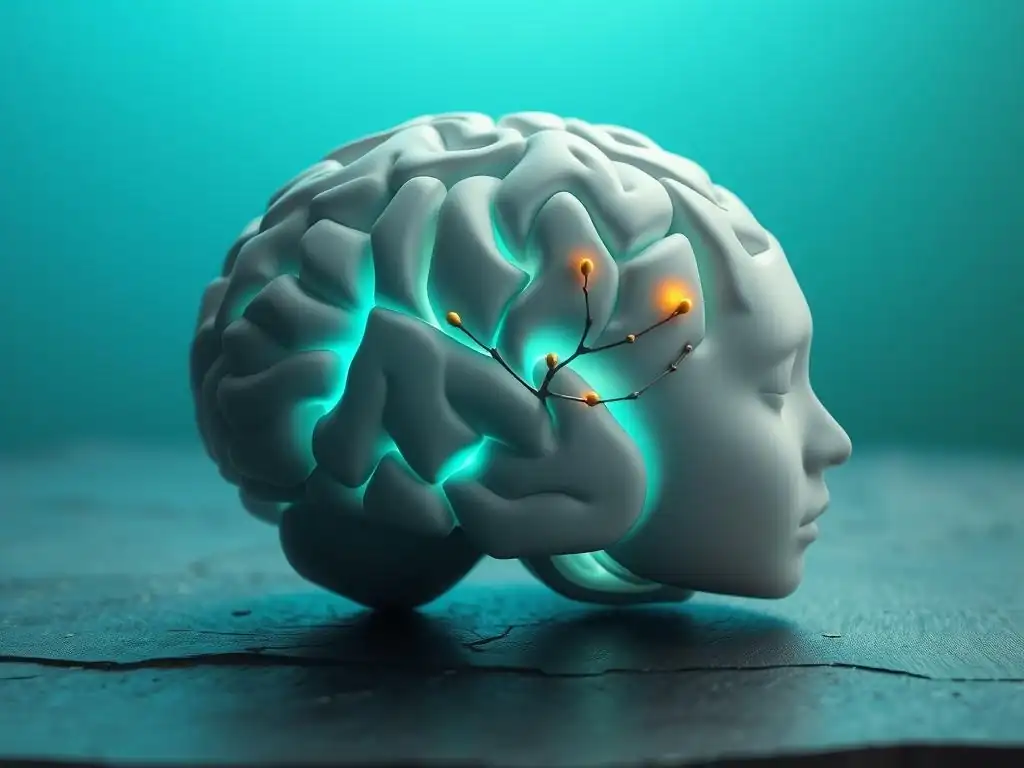
Major Depressive Disorder (MDD) is one of the mental health conditions where the link with neuroinflammation is most extensively studied. Numerous studies have demonstrated that a subset of individuals with MDD exhibit elevated levels of pro-inflammatory markers in their blood, including CRP, IL-6, TNF-alpha, and IL-1 beta. These elevations are often associated with more severe depressive symptoms, including fatigue, sleep disturbances, and psychomotor retardation. Furthermore, brain imaging studies using PET tracers that bind to activated microglia have shown increased microglial activity in certain brain regions in depressed patients compared to healthy controls.
This growing body of evidence suggests that neuroinflammation is a significant factor in the pathology of depression for many individuals. Identifying which patients have this inflammatory subtype of depression is a critical step towards personalized treatment. Potential targets for intervention include blocking the action of specific cytokines, inhibiting microglial activation, or enhancing the body's natural anti-inflammatory pathways. Research is actively exploring these avenues, aiming to develop novel therapies or repurpose existing ones to specifically address the neuroinflammatory component of depression, paving the way for more effective and personalized mental health care.
Neuroinflammation and Anxiety Disorders: Exploring the Connection
While perhaps less studied than in depression, evidence also links neuroinflammation to anxiety disorders, including Generalized Anxiety Disorder (GAD), Panic Disorder, and Post-Traumatic Stress Disorder (PTSD). Chronic stress, a known contributor to anxiety, can activate inflammatory pathways in the brain. Studies have found elevated levels of inflammatory markers in individuals with various anxiety disorders. For example, some research indicates higher serum levels of IL-6 and TNF-alpha in patients with PTSD.
The amygdala, a brain region critical for processing fear and anxiety, is particularly susceptible to the effects of neuroinflammation. Increased microglial activity and elevated cytokine levels in this area could potentially heighten threat sensitivity and contribute to the exaggerated fear responses characteristic of anxiety disorders. Understanding the specific inflammatory profiles associated with different anxiety subtypes could lead to targeted interventions. Research is ongoing to identify specific inflammatory pathways involved in anxiety and explore whether anti-inflammatory strategies could be beneficial as part of a personalized approach to managing these conditions.
Neuroinflammation and Schizophrenia: Insights from Recent Research
Schizophrenia is a complex disorder characterized by disruptions in thought processes, perceptions, and emotional responsiveness. For decades, researchers have explored the role of inflammation in schizophrenia, initially noting immune system abnormalities. More recent studies, including post-mortem brain analyses and advanced neuroimaging using PET, have provided clearer evidence of neuroinflammation in individuals with schizophrenia. Post-mortem studies have consistently shown increased markers of glial activation (microglia and astrocytes) in several brain regions implicated in schizophrenia, such as the prefrontal cortex and hippocampus.
PET imaging studies using tracers like [11C]PK11195 or [18F]FEPPA, which bind to the translocator protein (TSPO) upregulated on activated glial cells, have demonstrated increased neuroinflammation in living patients with schizophrenia, particularly during acute psychotic episodes. This neuroinflammatory process may contribute to the synaptic dysfunction and neuronal damage observed in the disorder, potentially influencing symptom severity and cognitive deficits. Targeting neuroinflammation in schizophrenia could involve strategies to modulate glial activity or counteract the effects of pro-inflammatory cytokines, offering a potential pathway for personalized treatment approaches, especially for patients showing clear signs of inflammation.
Neuroinflammation in Bipolar Disorder: Understanding the Inflammatory Component
Bipolar Disorder, characterized by extreme mood swings between depressive and manic or hypomanic episodes, also shows a significant link to neuroinflammation. Research indicates that levels of inflammatory markers, such as CRP, IL-6, and TNF-alpha, are often elevated in individuals with bipolar disorder, particularly during mood episodes (both manic and depressive phases). These inflammatory markers tend to be higher during unstable periods compared to periods of remission.
The chronic, fluctuating nature of inflammation in bipolar disorder suggests it may play a role in mood instability and episode recurrence. Neuroimaging studies are exploring whether specific patterns of neuroinflammation correlate with mood states or predict future episodes. Targeting neuroinflammation in bipolar disorder could involve adjunctive therapies aimed at reducing overall inflammatory burden or modulating specific inflammatory pathways. This presents another exciting area where understanding an individual's inflammatory profile could inform personalized mental health treatment plans for bipolar disorder.
Targeting Neuroinflammation: Emerging Therapeutic Strategies
Anti-inflammatory Medications for Mental Health: Current Research and Future Directions
Given the accumulating evidence linking neuroinflammation to mental illness, researchers are investigating the potential of anti-inflammatory medications as therapeutic interventions. Some studies have explored the use of non-steroidal anti-inflammatory drugs (NSAIDs), such as celecoxib or aspirin, as adjuncts to standard antidepressant or antipsychotic treatments. While some trials have shown modest positive effects, particularly in patients with elevated baseline inflammatory markers, results have been inconsistent. For example, a review of studies on celecoxib as an adjunct for depression showed potential benefits in some cohorts, but larger, more targeted trials are needed.
The limitations of broad-spectrum anti-inflammatory drugs highlight the need for more specific approaches. Future directions include developing or repurposing drugs that target specific inflammatory pathways implicated in mental illness, such as inhibiting particular cytokines (e.g., IL-6, TNF-alpha) or modulating the activity of microglia. The challenge lies in identifying which inflammatory pathways are most relevant in different individuals and developing drugs that can safely and effectively cross the blood-brain barrier to act within the central nervous system. This research is critical for advancing neuroinflammation personalized mental health interventions.
Lifestyle Modifications for Reducing Neuroinflammation: Diet and Exercise
Beyond pharmacological interventions, lifestyle modifications are gaining recognition for their potential to reduce systemic and neuroinflammation, thereby benefiting mental health. A growing body of evidence supports the anti-inflammatory effects of certain dietary patterns. The Mediterranean diet, for instance, rich in fruits, vegetables, whole grains, lean protein, and healthy fats (like olive oil and omega-3 fatty acids), has been associated with lower levels of inflammatory markers and a reduced risk of depression. Conversely, diets high in saturated fats, refined sugars, and processed foods are linked to increased inflammation.
Regular physical exercise is another powerful tool for reducing inflammation. Exercise has been shown to decrease levels of pro-inflammatory cytokines like TNF-alpha and IL-6 and increase anti-inflammatory markers. Engaging in consistent moderate-intensity exercise, such as brisk walking for 30 minutes most days of the week, can have systemic anti-inflammatory effects that may translate to the brain. Integrating personalized dietary advice and exercise plans based on an individual's inflammatory profile and preferences could be a key component of future neuroinflammation personalized mental health care.
Novel Therapies Targeting Neuroinflammation: Omega-3 Fatty Acids, Curcumin, and Minocycline
Several other agents are being explored for their potential anti-inflammatory effects relevant to mental health. Omega-3 fatty acids, found abundantly in fatty fish and certain plant sources, possess well-documented anti-inflammatory properties. Some studies have investigated omega-3 supplementation as an adjunct treatment for depression, with meta-analyses suggesting modest benefits, particularly with higher doses of EPA (eicosapentaenoic acid). For instance, a 2019 meta-analysis indicated that omega-3 supplementation, especially EPA, was effective for depression.
Curcumin, a compound found in the spice turmeric, is another natural product with potent anti-inflammatory and antioxidant effects that has garnered interest. Early clinical trials exploring curcumin as an adjunct for depression have shown some promising results, potentially mediated by its impact on inflammatory pathways. Minocycline, a tetracycline antibiotic, has also been investigated due to its known anti-inflammatory and neuroprotective properties, independent of its antibiotic action.
Studies have explored minocycline as an adjunct in schizophrenia and depression, with some trials showing potential benefits, though larger, controlled studies are needed to confirm efficacy and determine optimal use. These novel therapies represent potential future components of strategies targeting neuroinflammation for personalized mental health.
Diagnosing Neuroinflammation in Mental Health
Current Methods for Detecting Neuroinflammation: Limitations and Advancements
Diagnosing neuroinflammation in living individuals with mental health conditions is challenging, and current methods have limitations. The most direct way to assess brain inflammation is through analysis of cerebrospinal fluid (CSF) obtained via lumbar puncture, which can measure inflammatory markers. However, this procedure is invasive and not routinely performed for mental health diagnosis. Systemic markers in the blood, such as CRP and cytokines, are more accessible but do not always precisely reflect the inflammatory state within the brain due to the blood-brain barrier.
Advancements are being made in developing less invasive and more specific methods. Researchers are working on identifying blood-based biomarkers that correlate more reliably with brain inflammation. Furthermore, significant progress is occurring in neuroimaging techniques, particularly Positron Emission Tomography (PET), which allows for the visualization of specific molecular targets in the brain. While detecting neuroinflammation directly in a clinical setting for every patient is not yet feasible, these advancements are paving the way for future diagnostic tools that could inform neuroinflammation personalized mental health approaches.
The Promise of Advanced Neuroimaging Techniques
Advanced neuroimaging, particularly PET, holds significant promise for non-invasively detecting and quantifying neuroinflammation in the living brain. PET tracers that bind to the translocator protein (TSPO), which is upregulated in activated microglia and astrocytes, are currently the most widely used tools for this purpose. Examples include [11C]PK11195 and newer generation tracers like [18F]FEPPA or [18F]PBR28, which offer improved signal-to-noise ratios. These tracers allow researchers to map regions of increased glial activation in the brains of individuals with mental health conditions.
While these PET techniques are primarily research tools at present, they are crucial for advancing our understanding of where and to what extent neuroinflammation occurs in different disorders and different individuals. As tracer technology improves and becomes more accessible, PET imaging could potentially become a diagnostic tool to identify individuals with significant neuroinflammation who might benefit from targeted anti-inflammatory therapies. This imaging data, combined with other biomarkers, could provide a more complete picture to guide personalized mental health care.
Blood-Based Biomarkers for Neuroinflammation: A Practical Approach?
While blood-based inflammatory markers may not perfectly mirror brain inflammation, they offer a practical and less invasive approach for screening and monitoring. Measuring systemic markers like CRP, IL-6, and TNF-alpha is relatively inexpensive and widely available in clinical laboratories. Studies have shown that elevated levels of these peripheral markers are associated with a higher likelihood of treatment resistance in depression and can predict poorer outcomes in other mental health conditions.
The challenge lies in interpreting these systemic markers in the context of brain health. Not all systemic inflammation translates equally into neuroinflammation, and the relationship is complex.
However, for a subset of patients, particularly those with high levels of peripheral inflammation, these blood tests could serve as a useful initial screening tool to identify individuals who might benefit from further investigation or who may have an inflammatory subtype of their mental illness. Ongoing research aims to identify panels of blood-based biomarkers that provide a more specific signature of neuroinflammation relevant to mental health, moving closer to a practical diagnostic aid for neuroinflammation personalized mental health strategies.
The Future of Neuroinflammation Research in Mental Health
Challenges and Opportunities in Neuroinflammation Research
Research into neuroinflammation and mental health faces several significant challenges. One is the complexity of the brain's immune system; neuroinflammation is not a single process but involves diverse cell types and signaling pathways that can vary depending on the underlying cause and the specific brain region involved. Another challenge is the difficulty in accessing the living human brain to directly study inflammatory processes. Current imaging techniques are expensive and require specialized equipment, limiting their widespread use. Furthermore, linking specific inflammatory profiles to distinct clinical symptoms or treatment responses requires large, well-characterized patient cohorts.
Despite these challenges, the opportunities are vast. Advances in molecular biology, genetics, and neuroimaging are providing unprecedented tools to dissect the mechanisms of neuroinflammation. The development of more specific and sensitive biomarkers, both in blood and through imaging, offers the potential for better diagnosis and patient stratification. Identifying specific inflammatory targets opens the door for developing novel, precision therapies. The recognition that neuroinflammation is a shared pathway across multiple disorders also presents opportunities for developing treatments that could benefit individuals with different mental health diagnoses, fostering a more integrated approach to care.
Integrating Neuroinflammation into Personalized Treatment Plans
The ultimate goal of this research is to integrate the understanding of neuroinflammation into routine personalized mental health care. This future vision involves assessing an individual's inflammatory status, perhaps through a combination of blood tests and, in some cases, advanced imaging, alongside other relevant factors like genetics, clinical history, and psychological profile. This comprehensive assessment would help determine if neuroinflammation is a significant contributor to their mental health symptoms.
Based on this personalized profile, treatment plans could be tailored to include strategies specifically aimed at modulating neuroinflammation. This might involve prescribing targeted anti-inflammatory medications, recommending specific dietary changes known to reduce inflammation, incorporating exercise programs, or utilizing other emerging therapies. This approach moves beyond treating symptoms alone to addressing potential underlying biological mechanisms, promising more effective and targeted interventions that improve outcomes for individuals struggling with mental health challenges. This is the core promise of neuroinflammation personalized mental health.
The Potential for Preventative Mental Healthcare Through Neuroinflammation Management
Understanding the role of neuroinflammation also opens exciting possibilities for preventative mental healthcare. If neuroinflammation is a risk factor or early contributor to the development of mental illness, identifying individuals at high risk based on inflammatory markers or other indicators could allow for early intervention. For example, individuals with chronic inflammatory conditions or those exposed to significant stressors known to induce inflammation might be monitored more closely for early signs of mental distress.
Furthermore, promoting lifestyle factors known to reduce inflammation – such as healthy diet, regular exercise, adequate sleep, and stress management – could be emphasized as preventative strategies, particularly for at-risk populations. Managing systemic inflammatory conditions effectively might also help reduce the risk of developing associated mental health problems. This proactive approach, informed by our growing knowledge of neuroinflammation, could shift the paradigm from solely treating established illness to preventing its onset or mitigating its severity, offering hope for a healthier future.
Neuroinflammation and Personalized Mental Health: Key Takeaways
Recognizing Neuroinflammation as a Key Factor in Mental Health
The evidence is increasingly clear: neuroinflammation is not just a side effect but a significant player in the development and persistence of various mental health conditions, including depression, anxiety disorders, schizophrenia, and bipolar disorder. Research shows specific inflammatory markers are elevated in many individuals with these conditions, and these elevations often correlate with symptom severity and treatment response. This understanding represents a fundamental shift in how we view mental illness, moving towards a model that incorporates biological mechanisms like immune system activation alongside psychological and social factors.
Accepting neuroinflammation as a key factor means recognizing that for a substantial subset of individuals, addressing inflammation is a necessary component of effective treatment. It highlights that mental health is inextricably linked to physical health and the body's immune response. This recognition is the foundation upon which personalized mental health care strategies targeting neuroinflammation can be built, promising more nuanced and effective interventions than broad, symptom-based approaches alone.
Personalized Approaches Improve Mental Health Outcomes by Targeting Neuroinflammation
The future of mental health care lies in personalization, and targeting neuroinflammation is a crucial avenue for achieving this. By using biomarkers – whether blood tests for inflammatory markers or advanced neuroimaging – clinicians can identify individuals whose mental health symptoms are significantly driven by neuroinflammatory processes. This allows for the selection of tailored treatments that specifically aim to reduce brain inflammation, rather than relying on generic medications or therapies that may not address the underlying cause.
Targeting neuroinflammation could involve a range of interventions, from specific anti-inflammatory medications and novel compounds to lifestyle modifications like diet and exercise, all chosen based on an individual's unique inflammatory profile. This precision approach minimizes trial-and-error, improves the likelihood of treatment success, and reduces the burden of mental illness. Ultimately, integrating the assessment and management of neuroinflammation into personalized mental health care holds the potential to transform treatment outcomes, offering hope and more effective support for those affected by these complex conditions.
Frequently Asked Questions
What exactly is neuroinflammation and why is it relevant to mental health?
Neuroinflammation is inflammation in the brain and nervous system. It's increasingly linked to various mental health conditions, suggesting a crucial role in their development and progression.
How does targeting neuroinflammation lead to personalized mental health care?
By understanding an individual's specific neuroinflammatory profile, treatments can be tailored to address the root causes of their mental health challenges, rather than just managing symptoms.
What kind of diagnostic tools are used to assess neuroinflammation in the context of mental health?
Currently, research is focused on advanced imaging techniques like PET scans and analyzing biomarkers in blood samples to identify and quantify neuroinflammation levels.
What types of treatments are being explored to target neuroinflammation for mental health?
Potential treatments include anti-inflammatory medications, dietary interventions focusing on reducing inflammation, and lifestyle modifications like exercise and stress management techniques.
Is targeting neuroinflammation a proven solution for all mental health conditions?
No, it's a promising area of research, but not a proven solution for every condition. More research is needed to determine which individuals benefit most and to refine specific treatment protocols.
Final Reflection: A Personalized Future for Mental Health
The convergence of neuroscience and personalized medicine offers a revolutionary path towards treating mental illness, and the targeting of neuroinflammation is at the forefront of this exciting new frontier. No longer are we bound by one-size-fits-all approaches; the future of mental healthcare lies in understanding the unique biological mechanisms driving each individual's condition, and neuroinflammation is proving to be a crucial piece of that puzzle. This personalized approach holds the potential to dramatically improve treatment efficacy and reduce the suffering caused by debilitating mental health disorders.
The implications of understanding the role of neuroinflammation in mental health are profound and far-reaching. It's not simply about developing new drugs; it's about shifting the entire paradigm of mental healthcare from a reactive to a proactive model. By identifying individuals at risk based on their unique inflammatory profiles, we can potentially prevent the onset of mental illness altogether. This shift requires a collaborative effort between researchers, clinicians, and policymakers, but the potential rewards are immeasurable. The greatest advances in medicine have come from understanding the underlying mechanisms of disease, not just treating the symptoms.
This quote perfectly encapsulates the transformative power of focusing on neuroinflammation in mental health.
The journey towards personalized mental healthcare powered by neuroinflammation research is ongoing, but the path forward is clear. You have a role to play in this revolution. Consider the importance of advocating for research funding, seeking out personalized approaches to your own mental health care, and spreading awareness about the crucial role of neuroinflammation in mental well-being. By embracing this new understanding, we can collectively build a future where mental health treatment is not only effective but also deeply personalized and truly empowering for everyone.
Unlock Your Brain's Potential: Take Charge of Your Mental Wellbeing
Thank you for exploring the exciting possibilities of personalized mental healthcare through targeting neuroinflammation. We hope this article has shed light on a powerful new approach to understanding and managing your mental health. Now it's time to take action!
- Dive deeper into the research: Explore reputable sources online to learn more about neuroinflammation and its connection to mental health conditions. (This is your primary action – empowering the reader with further knowledge)
- Share this article with someone you care about: Help spread awareness about this revolutionary approach to mental health. (This encourages community engagement)
- Consider journaling your experiences: Reflect on how this information resonates with your own wellbeing journey. This reflective practice can be incredibly powerful. (This offers a unique and personal action)
Ready to discover how understanding neuroinflammation can transform your mental health journey? What small step will you take today to prioritize your brain's health?