
Unlocking the Mystery: Latest Breakthroughs in Neuroinflammation and Mental Health

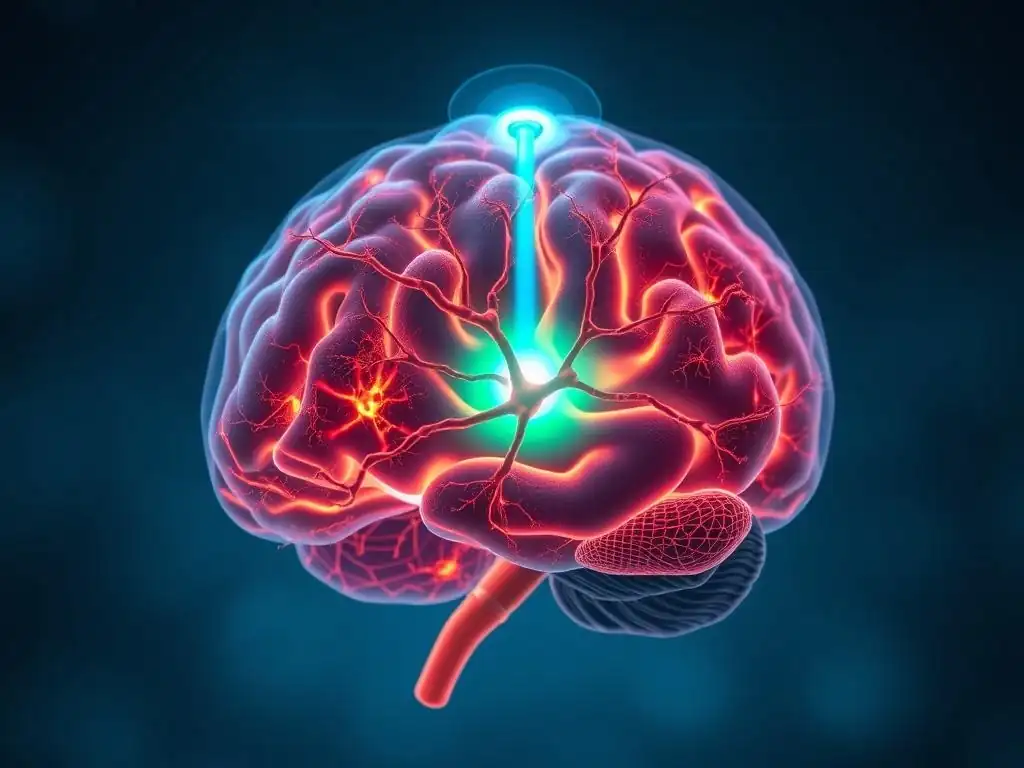
Welcome to Mind Care Guide, a safe space dedicated to your mental well-being.
Feeling like your mental health challenges are a complex puzzle? You're not alone. Dive into our latest article, "Unlocking the Mystery: Latest Breakthroughs in Neuroinflammation and Mental Health," where we explore the intriguing connection between neuroinflammation and its impact on your mental state. Could this be the key to new avenues in neuroinflammation mental health treatment? Discover the cutting-edge research and potential solutions that are changing the landscape of mental healthcare. Let's unravel this mystery together and find pathways towards healing and a brighter future.
Unlocking the Mystery: Latest Breakthroughs in Neuroinflammation and Mental Health
- Introduction: The Interplay of Neuroinflammation and Mental Well-being
- What is Neuroinflammation? A Deep Dive
- Neuroinflammation: A Potential Contributor to Mental Illness? Exploring the Link
- Latest Research on Neuroinflammation and Mental Health Treatment
- Diagnosing Neuroinflammation in Mental Health Patients: Current Approaches
- Emerging Therapies for Neuroinflammation and Mental Health Treatment
- The Future of Neuroinflammation Research and Mental Health
- Conclusion: Hope and Progress in Understanding Neuroinflammation and Mental Health
-
Frequently Asked Questions
- What is neuroinflammation and why is it relevant to mental health?
- How does neuroinflammation contribute to mental health problems?
- What are some of the latest breakthroughs in neuroinflammation mental health treatment?
- Are there any natural ways to reduce neuroinflammation for mental well-being?
- Where can I find more information and support regarding neuroinflammation and mental health?
- Final Reflection: The Dawn of a New Era in Mental Health Treatment
- Unlock Your Brain's Potential: Next Steps to Better Mental Wellbeing
Introduction: The Interplay of Neuroinflammation and Mental Well-being
Understanding Neuroinflammation's Impact on Mental Health
Emerging research points towards a significant link between inflammation in the brain, known as neuroinflammation, and the development and exacerbation of various mental health conditions. This complex process, involving the brain's own immune cells, appears to disrupt normal neural function, affecting mood regulation, cognitive processes, and overall brain health.
Understanding this intricate connection is crucial for developing more effective strategies for neuroinflammation mental health treatment. Studies have shown, for instance, elevated levels of inflammatory markers like C-reactive protein (CRP) or certain cytokines in the bloodstream and cerebrospinal fluid of individuals diagnosed with conditions such as major depressive disorder, anxiety disorders, and schizophrenia, suggesting a systemic and central nervous system inflammatory component.
This growing body of evidence suggests that neuroinflammation is not merely a consequence of mental illness but may actively contribute to its pathology. Chronic activation of glial cells, such as microglia and astrocytes, which are the primary immune cells of the brain, can lead to the release of pro-inflammatory molecules.
These molecules can interfere with neurotransmitter systems, impair synaptic plasticity, and even contribute to neuronal damage, all of which are implicated in the symptoms of psychiatric disorders. Recognizing this underlying biological mechanism opens new avenues for therapeutic intervention, moving beyond traditional neurotransmitter-focused approaches to address the inflammatory roots of these conditions.
Why Targeting Neuroinflammation is Crucial for Mental Health Treatment
Targeting neuroinflammation offers a promising new frontier in mental health treatment, potentially providing relief for individuals who do not respond adequately to conventional therapies. By addressing the inflammatory processes believed to contribute to psychiatric symptoms, researchers hope to develop treatments that are not only symptomatic but also disease-modifying. This approach acknowledges the heterogeneity of mental health conditions and suggests that for a subset of patients, an inflammatory pathway may be a primary driver of their illness.
The development of effective neuroinflammation mental health treatment strategies could revolutionize care. Instead of solely relying on medications that modulate neurotransmitters like serotonin or dopamine, future treatments might include anti-inflammatory agents or therapies designed to restore healthy immune function in the brain. This could lead to more personalized and effective interventions, potentially reducing the significant burden of mental illness worldwide. For example, clinical trials are exploring whether existing anti-inflammatory drugs, or novel compounds specifically designed to cross the blood-brain barrier and target neuroinflammation, can improve outcomes in patients with treatment-resistant depression or other conditions linked to inflammation.
What is Neuroinflammation? A Deep Dive
Defining Neuroinflammation: The Brain's Immune Response
Neuroinflammation is the activation of the brain's immune system in response to various stimuli, including infection, injury, toxins, or chronic stress. Unlike the peripheral immune response, which involves a wide range of cells, neuroinflammation is primarily mediated by the brain's intrinsic glial cells, predominantly microglia and astrocytes. Microglia, often considered the resident immune cells of the brain, constantly survey their environment and can rapidly transform into an activated state when detecting a threat. Astrocytes, another type of glial cell, also play a crucial role in regulating the inflammatory response, maintaining the blood-brain barrier, and supporting neuronal function.
When these glial cells become activated, they release a cascade of molecules, including cytokines, chemokines, reactive oxygen species, and other inflammatory mediators. While acute neuroinflammation is a vital protective mechanism, helping to clear pathogens or debris and initiate repair processes, chronic or dysregulated neuroinflammation can be detrimental. This sustained inflammatory state can lead to ongoing damage to neurons and synapses, disrupting neural circuits essential for normal cognitive and emotional function.
Differentiating Acute vs. Chronic Neuroinflammation
The distinction between acute and chronic neuroinflammation is critical for understanding its role in health and disease. Acute neuroinflammation is a rapid, short-lived response to an immediate insult, such as a head injury or infection. It is a beneficial process, involving the swift activation of microglia to phagocytose cellular debris or invading pathogens, followed by a resolution phase where inflammation subsides and tissue repair begins. This transient inflammatory state is typically protective and helps restore homeostasis.
In contrast, chronic neuroinflammation is a prolonged, persistent activation of glial cells that fails to resolve. This can be triggered by unresolved insults, continuous exposure to stressors (like chronic psychological stress or systemic inflammation), or underlying pathological processes. Chronic neuroinflammation is often characterized by sustained release of pro-inflammatory cytokines and a shift towards a more detrimental glial phenotype. This prolonged inflammatory environment can contribute to neurodegeneration, impair synaptic function, and disrupt neuronal communication over extended periods, making it a key suspect in the pathology of chronic conditions like neurodegenerative diseases and potentially, certain mental health disorders.
Key Players in the Neuroinflammatory Process: Cells and Cytokines
The primary cellular orchestrators of neuroinflammation are microglia and astrocytes. Microglia constitute about 10-15% of the cells in the brain and act as the first line of defense. In their resting state, they have a ramified morphology, extending processes to monitor the microenvironment. Upon activation, they retract their processes, proliferate, and adopt an amoeboid shape, becoming highly mobile and phagocytic. They also release a variety of signaling molecules.
Cytokines are among the most important signaling molecules involved in neuroinflammation. These are small proteins that can either promote inflammation (pro-inflammatory cytokines) or reduce it (anti-inflammatory cytokines). Key pro-inflammatory cytokines include Tumor Necrosis Factor-alpha (TNF-α), Interleukin-1 beta (IL-1β), and Interleukin-6 (IL-6).
These molecules can influence neuronal excitability, impair synaptic plasticity, and even induce apoptosis (programmed cell death). Anti-inflammatory cytokines, such as Interleukin-10 (IL-10) and Transforming Growth Factor-beta (TGF-β), play a role in resolving inflammation and promoting tissue repair. An imbalance between pro- and anti-inflammatory cytokines is a hallmark of chronic neuroinflammation and is frequently observed in studies investigating the link between inflammation and mental health conditions.
Neuroinflammation: A Potential Contributor to Mental Illness? Exploring the Link
The Role of Neuroinflammation in Major Depressive Disorder
A significant body of research suggests a strong link between neuroinflammation and Major Depressive Disorder (MDD). Studies consistently report elevated levels of pro-inflammatory markers like CRP, IL-6, and TNF-α in a substantial subset of patients with depression, particularly those with severe or treatment-resistant forms. For example, a meta-analysis pooling data from numerous studies found that patients with MDD had significantly higher levels of these cytokines compared to healthy controls, with effect sizes indicating a moderate to large difference. This suggests that systemic inflammation often accompanies or contributes to the depressive state.
Furthermore, neuroimaging studies using techniques like PET scans have provided direct evidence of glial activation in the brains of depressed individuals. Ligands that bind to the translocator protein (TSPO), which is upregulated in activated microglia and astrocytes, show increased binding in brain regions associated with mood regulation, such as the prefrontal cortex, anterior cingulate cortex, and hippocampus, in some patients with MDD.
This central inflammatory process is thought to disrupt neurotransmitter metabolism (like serotonin and dopamine), impair neurogenesis in the hippocampus, and alter connectivity within mood circuits, all of which are mechanisms implicated in the pathophysiology of depression. Targeting neuroinflammation mental health treatment for MDD is an active area of research.
Neuroinflammation and Anxiety Disorders: Unveiling the Connection
While the link is perhaps most extensively studied in depression, evidence also suggests neuroinflammation plays a role in anxiety disorders. Chronic stress, a known trigger for anxiety, is also a potent inducer of both systemic and neuroinflammation. Animal models of anxiety show increased glial activation and cytokine production in brain regions like the amygdala and hippocampus, areas critical for processing fear and anxiety. Human studies, though fewer than in depression, have also found elevated inflammatory markers in some patients with generalized anxiety disorder, panic disorder, and PTSD.
The mechanisms linking neuroinflammation to anxiety are thought to involve alterations in neural circuits that regulate fear and stress responses. Pro-inflammatory cytokines can influence the excitability of neurons in the amygdala, potentially leading to heightened fear responses. They can also impair inhibitory control from the prefrontal cortex. For instance, studies have shown that exposure to inflammatory stimuli can induce anxiety-like behaviors in animals and increase subjective feelings of anxiety in humans. Exploring neuroinflammation mental health treatment approaches for anxiety is an emerging field with potential for novel therapeutic strategies.
Schizophrenia and Neuroinflammation: Emerging Evidence
Evidence linking neuroinflammation to schizophrenia has been accumulating for decades, with early post-mortem studies showing glial abnormalities. More recent research using advanced neuroimaging techniques and biomarker analysis provides stronger support. PET studies using TSPO ligands have shown increased glial activation in specific brain regions, particularly during the early stages of the illness or during psychotic episodes, in a subset of patients with schizophrenia. This suggests an active inflammatory process may be involved in the disease course.
The hypothesis is that neuroinflammation could contribute to the synaptic dysfunction and neuronal circuit abnormalities characteristic of schizophrenia. Cytokines can interfere with glutamatergic and dopaminergic signaling, neurotransmitter systems strongly implicated in the disorder. For example, elevated levels of IL-1β and TNF-α have been found in the cerebrospinal fluid and post-mortem brain tissue of some individuals with schizophrenia. While inflammation may not be the primary cause for all cases, it is increasingly viewed as a potential contributing factor or a mechanism that exacerbates symptoms in a significant subgroup, highlighting the potential for neuroinflammation mental health treatment in this complex disorder.
Neuroinflammation's Impact on Bipolar Disorder

Bipolar disorder, characterized by alternating episodes of mania and depression, also shows signs of inflammatory involvement. Studies have reported elevated levels of inflammatory markers such as CRP, IL-6, and TNF-α during both manic and depressive episodes, and sometimes even during periods of remission, compared to healthy controls. This suggests a persistent inflammatory state may underlie the mood instability seen in bipolar disorder.
The fluctuating nature of bipolar disorder makes studying the role of neuroinflammation particularly complex, but research indicates that inflammatory processes might contribute to mood switches and cognitive deficits often observed in patients. For instance, neuroinflammation could affect the function of brain regions involved in emotional regulation and reward processing, contributing to the extreme mood swings. Developing neuroinflammation mental health treatment strategies for bipolar disorder is challenging but could offer new ways to stabilize mood and improve long-term outcomes for patients.
Neuroinflammation and Autism Spectrum Disorder: A Detailed Examination
Autism Spectrum Disorder (ASD) is another condition where neuroinflammation is increasingly being investigated as a potential contributing factor. Post-mortem studies have revealed evidence of increased glial cell activation and elevated levels of pro-inflammatory cytokines in the brains of individuals with ASD. These findings are often concentrated in areas like the cerebral cortex, cerebellum, and brainstem, regions implicated in the social, communication, and behavioral challenges characteristic of ASD.
Furthermore, systemic inflammation and immune dysregulation are frequently observed in individuals with ASD. Studies have reported higher levels of circulating cytokines and altered immune cell profiles in many children and adults on the spectrum.
It is hypothesized that early life events, such as maternal infection or exposure to environmental toxins, could trigger neuroinflammation during critical periods of brain development, contributing to altered neural connectivity and function. While neuroinflammation is unlikely to be the sole cause of ASD, it represents a significant area of research into potential underlying biological mechanisms and offers possibilities for novel neuroinflammation mental health treatment approaches focusing on modulating immune responses.
Latest Research on Neuroinflammation and Mental Health Treatment
Promising New Targets for Neuroinflammation in Mental Health Treatment
Recent research has identified several promising molecular targets within the neuroinflammatory pathways for potential mental health treatment. One key target is the NLRP3 inflammasome, a multi-protein complex found in glial cells that triggers the release of highly potent pro-inflammatory cytokines like IL-1β and IL-18. Studies have shown activation of the NLRP3 inflammasome in animal models of depression and anxiety, and inhibitors of this complex are being investigated for their therapeutic potential. Blocking the NLRP3 inflammasome could dampen the excessive inflammatory response in the brain.
Other targets include specific cytokine receptors on neurons and glial cells, enzymes involved in producing inflammatory mediators (like COX-2), and signaling pathways downstream of immune activation (like NF-κB). Modulating the activity of specific glial cell types, particularly shifting microglia from a pro-inflammatory state towards a more beneficial, pro-resolving state, is also a focus of research. These targeted approaches aim to precisely modulate the inflammatory response without broadly suppressing the immune system, which could be crucial for developing effective and safe neuroinflammation mental health treatment.
Clinical Trials Exploring Anti-Inflammatory Therapies for Mental Illness
Numerous clinical trials are currently underway or have recently been completed, exploring the efficacy of various anti-inflammatory agents as neuroinflammation mental health treatment. These trials range from repurposing existing drugs with known anti-inflammatory properties, such as NSAIDs (like celecoxib), minocycline (an antibiotic with anti-inflammatory effects), and statins, to testing novel compounds specifically designed to target inflammatory pathways in the brain.
Results from these trials have been mixed but offer insights. Some studies using NSAIDs as an adjunct to antidepressants have shown modest improvements in depressive symptoms, particularly in patients with elevated baseline inflammatory markers. Trials with minocycline have also shown some promise in subsets of patients with depression or schizophrenia.
However, challenges remain, including identifying which patients are most likely to benefit (likely those with a significant inflammatory component), determining optimal dosages, and understanding potential side effects. Despite the complexities, these trials represent a significant step towards validating neuroinflammation as a therapeutic target and developing effective neuroinflammation mental health treatment strategies.
The Gut-Brain Axis and Neuroinflammation: Innovative Approaches
The gut-brain axis, the bidirectional communication system between the gastrointestinal tract and the central nervous system, is emerging as a fascinating area linking the microbiome, inflammation, and mental health. The gut microbiome, the trillions of bacteria and other microorganisms living in our intestines, can significantly influence both systemic and neuroinflammation. Dysbiosis, an imbalance in the gut microbial community, can lead to increased gut permeability ("leaky gut"), allowing bacterial products to enter the bloodstream and trigger systemic inflammation.
This peripheral inflammation can then signal to the brain, either directly via the vagus nerve or indirectly through the bloodstream by releasing inflammatory mediators that cross or influence the blood-brain barrier. Targeting the gut microbiome through probiotics, prebiotics, dietary changes, or even fecal microbiota transplantation is being explored as an innovative approach to modulate inflammation and potentially impact mental health. Research suggests that interventions that improve gut health can reduce inflammatory markers and, in some cases, alleviate symptoms of depression and anxiety, highlighting the gut-brain axis as a promising pathway for neuroinflammation mental health treatment.
Lifestyle Interventions to Reduce Neuroinflammation and Improve Mental Health
Beyond pharmacological approaches, several lifestyle interventions have demonstrated the ability to reduce systemic inflammation and potentially impact neuroinflammation, offering complementary strategies for mental health and neuroinflammation mental health treatment. These interventions are often accessible and can empower individuals to take an active role in their well-being.
Key lifestyle factors with anti-inflammatory effects include:
- Regular physical activity: Moderate exercise, such as brisk walking for 150 minutes per week, has been consistently shown to lower levels of pro-inflammatory markers like CRP.
- Diet: Adopting an anti-inflammatory diet rich in omega-3 fatty acids (found in fatty fish), antioxidants (from fruits and vegetables), and fiber can positively influence the gut microbiome and reduce inflammation. The Mediterranean diet is often cited as a good example.
- Sleep hygiene: Chronic sleep deprivation is linked to increased inflammation. Aiming for 7-9 hours of quality sleep per night is crucial.
- Stress management: Chronic psychological stress elevates cortisol and inflammatory cytokines. Techniques like mindfulness meditation, yoga, or deep breathing can help mitigate this response.
- Social connection: Positive social interactions can reduce stress and inflammation, while social isolation can have the opposite effect.
[ ] Incorporate regular exercise (e.g., 150 mins/week).
[ ] Adopt an anti-inflammatory diet (rich in omega-3s, antioxidants, fiber).
[ ] Prioritize 7-9 hours of quality sleep nightly.
[ ] Practice stress management techniques (mindfulness, yoga).
[ ] Maintain positive social connections.
These lifestyle changes, when implemented consistently, can contribute to a less inflammatory state in the body and brain, potentially supporting mental well-being and complementing other forms of neuroinflammation mental health treatment.
Diagnosing Neuroinflammation in Mental Health Patients: Current Approaches
Biomarkers for Neuroinflammation: Identifying Key Indicators
Identifying and quantifying neuroinflammation in living individuals, particularly in the context of mental health conditions, remains a significant challenge. However, researchers are actively pursuing the use of biomarkers – measurable indicators of a biological state. Blood tests for systemic inflammatory markers like C-reactive protein (CRP), Interleukin-6 (IL-6), and Tumor Necrosis Factor-alpha (TNF-α) are the most readily available. Elevated levels of these peripheral markers are often correlated with neuroinflammation and have been associated with increased risk or severity of certain mental health conditions, such as depression.
More direct measures of neuroinflammation can involve analyzing cerebrospinal fluid (CSF), which bathes the brain and spinal cord. CSF analysis can detect inflammatory cytokines or other molecules directly within the central nervous system. However, obtaining CSF requires a lumbar puncture, a more invasive procedure than a blood draw, limiting its routine use. Research is ongoing to identify more specific and sensitive biomarkers in blood or other easily accessible body fluids that accurately reflect neuroinflammation and can aid in guiding neuroinflammation mental health treatment decisions.
Neuroimaging Techniques for Visualizing Brain Inflammation
Neuroimaging techniques offer a non-invasive way to visualize aspects of neuroinflammation in the living brain. Positron Emission Tomography (PET) scanning is the most advanced method currently used in research. Specific radioligands have been developed that bind to molecules upregulated in activated glial cells. The most common target is the translocator protein (TSPO), which is expressed on activated microglia and astrocytes. Increased binding of TSPO ligands in certain brain regions on a PET scan can indicate the presence and extent of neuroinflammation.
While PET imaging with TSPO ligands has provided valuable insights into the role of neuroinflammation in various neurological and psychiatric conditions, it has limitations. TSPO expression can also be influenced by factors other than inflammation, and interpreting the scans requires specialized expertise. Magnetic Resonance Imaging (MRI) techniques, such as diffusion tensor imaging (DTI) or spectroscopy, are also being explored for their potential to indirectly detect changes associated with neuroinflammation, such as altered white matter integrity or metabolic shifts. These imaging modalities are crucial tools for research and could become more important in future diagnostics for neuroinflammation mental health treatment.
Challenges in Diagnosing Neuroinflammation in Mental Health Settings
Despite advances, several significant challenges hinder the routine diagnosis of neuroinflammation in clinical mental health settings. Firstly, there is no single, definitive biomarker or imaging technique that can reliably and specifically diagnose neuroinflammation across all individuals or all mental health conditions. Peripheral inflammatory markers are often elevated in various conditions and may not always reflect the precise inflammatory state within the brain. CSF analysis is invasive, and PET imaging is expensive and primarily a research tool, not widely available for routine clinical practice.
Secondly, the relationship between inflammation and mental illness is complex and likely varies among individuals. Not everyone with a mental health condition has significant neuroinflammation, and inflammation may manifest differently depending on the specific disorder, its stage, and individual genetic and environmental factors. Therefore, developing diagnostic criteria or tools for neuroinflammation mental health treatment based on inflammatory status requires a deeper understanding of these individual differences. Overcoming these challenges is essential for translating research findings into practical diagnostic approaches that can inform personalized treatment strategies.
Emerging Therapies for Neuroinflammation and Mental Health Treatment
Targeted Anti-Inflammatory Medications: A New Era in Mental Health Care
The recognition of neuroinflammation's role is paving the way for a new era of targeted pharmacological interventions for mental health conditions. Unlike broad-spectrum immunosuppressants, the goal is to develop medications that specifically modulate the inflammatory pathways implicated in psychiatric disorders without compromising the body's overall immune defense. This includes drugs that inhibit the activity of specific pro-inflammatory cytokines like TNF-α or IL-6, block inflammasome activation (e.g., NLRP3 inhibitors), or promote the resolution of inflammation.
Several such targeted therapies are in various stages of development or being tested in clinical trials for psychiatric indications. For instance, drugs that block the action of TNF-α, already used for autoimmune diseases like rheumatoid arthritis, are being investigated as potential adjuncts for treatment-resistant depression, with some studies showing promising results in reducing depressive symptoms in specific patient subgroups. Developing effective neuroinflammation mental health treatment requires identifying the precise inflammatory pathways that are most relevant to different mental illnesses and creating drugs that can effectively reach and act within the brain.
Natural Anti-Inflammatory Compounds: Potential Benefits for Mental Well-being
Interest is also growing in the potential of natural compounds with anti-inflammatory properties as complementary or alternative approaches for supporting mental well-being and potentially impacting neuroinflammation. Omega-3 fatty acids, particularly EPA (eicosapentaenoic acid) and DHA (docosahexaenoic acid), found in fish oil, have well-documented anti-inflammatory effects and have been studied for their role in mood disorders. Some research suggests that omega-3 supplementation, particularly with higher doses of EPA (e.g., 1-2 grams per day), may have a modest beneficial effect on depressive symptoms, possibly by reducing inflammation.
Other natural compounds with demonstrated anti-inflammatory activity include curcumin (found in turmeric), polyphenols (abundant in fruits, vegetables, green tea, and dark chocolate), and resveratrol. These compounds can influence various inflammatory pathways and possess antioxidant properties. While research on their direct impact on neuroinflammation and mental health is still evolving, incorporating foods rich in these compounds as part of an overall healthy diet is a recommended strategy for reducing systemic inflammation, which may indirectly benefit brain health and complement neuroinflammation mental health treatment efforts.
Neurofeedback and Brain Training: Addressing Neuroinflammation Through Brain Modulation
Neurofeedback and other forms of brain training represent non-pharmacological approaches that aim to regulate brain activity, and there is emerging interest in whether they might indirectly influence neuroinflammation. Neurofeedback allows individuals to learn to self-regulate specific aspects of their brain function, often using EEG (electroencephalography) to provide real-time feedback on brainwave patterns. While the direct mechanisms by which neurofeedback might impact neuroinflammation are not fully understood, chronic stress and dysregulated brain activity are known to contribute to inflammation.
By helping individuals achieve more balanced and regulated brain states, neurofeedback could potentially reduce stress-induced inflammation and improve overall brain resilience. Similarly, cognitive training and other forms of brain stimulation are being explored for their potential to enhance neural plasticity and function, which might have downstream effects on glial activity and inflammatory processes. While more research is needed to establish a direct link, these brain modulation techniques offer intriguing possibilities as adjunctive strategies in neuroinflammation mental health treatment.
The Role of Diet and Nutrition in Managing Neuroinflammation
Diet and nutrition play a fundamental role in regulating inflammation throughout the body, including the brain. A diet rich in processed foods, refined sugars, unhealthy fats (like trans fats and excessive saturated fats), and low in fiber is pro-inflammatory. This type of diet can negatively impact the gut microbiome, increase gut permeability, and lead to elevated systemic inflammatory markers. Conversely, an anti-inflammatory diet, characterized by high intake of fruits, vegetables, whole grains, lean proteins (especially fatty fish), nuts, and seeds, can help reduce inflammation.
Specific dietary components are particularly beneficial. Fiber, found in plants, feeds beneficial gut bacteria, which produce short-chain fatty acids (SCFAs) like butyrate, known for their anti-inflammatory effects. Omega-3 fatty acids (EPA and DHA) directly interfere with the production of pro-inflammatory molecules. Antioxidants found in colorful plant foods help neutralize reactive oxygen species, which can contribute to inflammation. Adopting a consistently anti-inflammatory dietary pattern is a powerful, foundational strategy for managing inflammation and supporting brain health, serving as a crucial component of a holistic approach to neuroinflammation mental health treatment.
The Future of Neuroinflammation Research and Mental Health
Personalized Medicine Approaches for Neuroinflammation Treatment
The future of neuroinflammation mental health treatment likely lies in personalized medicine. As research progresses, it is becoming clear that mental health conditions are highly heterogeneous, and the contribution of neuroinflammation varies between individuals. Identifying biomarkers that can predict which patients have a significant inflammatory component to their illness is a critical step. This might involve a combination of blood tests for inflammatory markers, genetic profiling (looking at variations in genes related to immune function), and perhaps advanced neuroimaging.
Based on an individual's specific inflammatory profile, clinicians could then tailor treatment strategies. This could mean selecting specific anti-inflammatory medications that target the identified pathways, recommending particular dietary or lifestyle interventions known to reduce that type of inflammation, or combining these approaches with traditional psychiatric treatments. Personalized neuroinflammation mental health treatment holds the promise of more effective interventions with fewer side effects, ensuring that patients receive the therapies most likely to benefit them based on the underlying biology of their condition.
Long-Term Strategies for Managing Neuroinflammation and Promoting Mental Wellness
Given the potential for chronic neuroinflammation to contribute to persistent or recurrent mental health challenges, long-term strategies for managing inflammation are crucial for promoting sustained mental wellness. This involves a proactive approach that integrates medical interventions with lifestyle modifications and ongoing monitoring. For individuals identified as having inflammation-associated mental health issues, a long-term plan might include periodic assessment of inflammatory markers to track progress and detect potential relapses.
Lifestyle interventions such as maintaining an anti-inflammatory diet, engaging in regular physical activity, prioritizing sleep, and practicing stress reduction techniques should be viewed not just as temporary measures but as lifelong habits. These strategies empower individuals by giving them tools to actively manage their inflammatory state and support their brain health over time. Integrating these long-term management strategies into comprehensive mental health care plans is essential for optimizing outcomes and building resilience against future inflammatory insults that could impact mental well-being. Effective neuroinflammation mental health treatment is often a marathon, not a sprint.
Future Research Areas: Exploring Microglia Activation and Neuroinflammation
Future research on neuroinflammation and mental health will continue to delve deeper into the precise mechanisms involved, with a strong focus on the role of microglia. Understanding the diverse states of microglial activation – distinguishing between beneficial, homeostatic roles and detrimental, pro-inflammatory states – is paramount. Researchers are using advanced techniques like single-cell RNA sequencing to identify specific microglial phenotypes associated with different mental health conditions and stages of illness.
Furthermore, exploring the complex interactions between microglia, other glial cells (like astrocytes and oligodendrocytes), neurons, and the vascular system will be critical. Investigating how factors like genetics, early life stress, the gut microbiome, and environmental exposures program microglial function and contribute to neuroinflammation later in life are also key areas. These detailed investigations aim to uncover novel, highly specific targets for therapeutic intervention, ultimately leading to the development of more effective and precise neuroinflammation mental health treatment strategies that can address the root causes of inflammation-related psychiatric symptoms.
Conclusion: Hope and Progress in Understanding Neuroinflammation and Mental Health
Summarizing Key Breakthroughs in Neuroinflammation Treatment
The journey to understand the complex interplay between neuroinflammation and mental health has yielded significant breakthroughs. We now recognize that inflammation in the brain is not merely a consequence but a potential driver of various psychiatric conditions, including depression, anxiety, schizophrenia, bipolar disorder, and ASD. Research has pinpointed key cellular players like microglia and astrocytes, and critical molecular mediators like pro-inflammatory cytokines, offering specific targets for intervention.
Recent progress includes the identification of promising therapeutic targets like the NLRP3 inflammasome and specific cytokine pathways, leading to clinical trials testing both repurposed and novel anti-inflammatory agents. Furthermore, the growing understanding of the gut-brain axis highlights the potential of microbiome-targeted interventions. Coupled with the proven benefits of anti-inflammatory lifestyle changes – diet, exercise, sleep, and stress management – these developments represent substantial steps forward in developing comprehensive approaches for neuroinflammation mental health treatment.
Empowering Individuals with Knowledge About Neuroinflammation
Understanding the potential role of neuroinflammation can be incredibly empowering for individuals navigating mental health challenges. For those who may not have fully responded to traditional treatments, learning about the inflammatory hypothesis offers a potential explanation and opens doors to exploring alternative or complementary strategies. Knowing that lifestyle factors like diet and exercise can directly impact brain inflammation provides actionable steps individuals can take to support their own well-being.
Providing accessible and accurate information about neuroinflammation helps demystify some aspects of mental illness and reduces stigma by highlighting biological underpinnings. It encourages individuals to consider their physical health, including inflammatory status, as integral to their mental health. This knowledge empowers patients to have more informed conversations with their healthcare providers about potential underlying factors and treatment options, including exploring approaches related to neuroinflammation mental health treatment.
Advancing Neuroinflammation Research and Mental Health Support
Continued investment in neuroinflammation research is vital to further unravel the intricate connections between the immune system and the brain in the context of mental health. Future research needs to focus on developing more precise diagnostic tools, identifying specific inflammatory endotypes within psychiatric disorders, and conducting larger, well-designed clinical trials for targeted anti-inflammatory therapies.
Beyond research, there is a need to integrate this evolving understanding into clinical practice. This involves educating healthcare professionals about the link between inflammation and mental health and developing guidelines for assessing and potentially targeting inflammation in clinical settings. Ultimately, advancing both research and clinical application of neuroinflammation mental health treatment holds immense promise for improving the lives of millions affected by mental illness, offering new hope and more effective paths towards recovery and long-term wellness.
Frequently Asked Questions
What is neuroinflammation and why is it relevant to mental health?
Neuroinflammation refers to inflammation in the brain and nervous system. Recent research suggests a strong link between neuroinflammation and various mental health disorders, making it a focus of new treatment strategies.
How does neuroinflammation contribute to mental health problems?
Neuroinflammation can disrupt normal brain function by affecting neurotransmitter production and neuronal communication. This disruption can manifest as symptoms of depression, anxiety, and other mental health conditions.
What are some of the latest breakthroughs in neuroinflammation mental health treatment?
Emerging treatments target the underlying inflammatory processes in the brain. These include dietary interventions, specific medications, and lifestyle changes aimed at reducing neuroinflammation.
Are there any natural ways to reduce neuroinflammation for mental well-being?
Yes, certain dietary changes, such as increasing intake of omega-3 fatty acids and antioxidants, can help. Also, stress management techniques, like meditation and yoga, can positively impact neuroinflammation.
Where can I find more information and support regarding neuroinflammation and mental health?
The Mind Care Guide website offers comprehensive information, support resources, and access to professionals specializing in mental well-being. Seek guidance from a qualified mental health professional for personalized advice.
Final Reflection: The Dawn of a New Era in Mental Health Treatment
The groundbreaking research into neuroinflammation's role in mental health disorders is no longer a niche field; it's rapidly transforming our understanding and treatment approaches. This paradigm shift offers a beacon of hope for millions grappling with conditions previously considered intractable, paving the way for more effective and targeted therapies. The implications are profound, promising a future where mental illness is treated with the same precision and efficacy as many physical ailments.
The journey to understanding the intricate connection between inflammation in the brain and mental health challenges has been long and complex, but the progress made in recent years is truly inspiring. It underscores the importance of interdisciplinary collaboration and the power of persistent investigation. The shift from solely focusing on neurotransmitter imbalances to considering the broader biological context, including the inflammatory response, is a testament to scientific advancement. The brain is not an island; it's deeply connected to the rest of the body, and inflammation plays a crucial role in this interconnectedness.
This understanding is fundamental to developing truly holistic and effective treatments.
Consider the implications of this research for your own life and the lives of those around you. Perhaps you've struggled with a mental health condition, or know someone who has. This new understanding offers a renewed sense of hope and the potential for more effective interventions.
Take a moment to reflect on the possibilities: more targeted therapies, personalized treatment plans, and a future where mental health struggles are met with greater understanding and more effective solutions. Let this knowledge inspire you to advocate for continued research, to seek out informed care, and to champion a future where mental well-being is prioritized and understood within the broader context of our physical health.
Unlock Your Brain's Potential: Next Steps to Better Mental Wellbeing
Thanks for taking the time to explore the fascinating world of neuroinflammation and its impact on mental health! We hope you gained valuable insights into this crucial connection. Now, let's put that knowledge to work.
- Prioritize a Brain-Boosting Lifestyle: Implement even one small change from the article – whether it's adding more Omega-3s to your diet, incorporating mindfulness techniques, or committing to regular exercise. Even a small step makes a big difference!
- Share Your Discoveries: Spread the word about the importance of neuroinflammation and mental wellbeing. Discuss what you've learned with friends, family, or online communities – let's build a collective understanding!
- Explore Further: Dive deeper into the resources mentioned in the article or search for related studies. Consider journaling your personal experiences and reflections on this important topic.
What small, impactful step will you take today to nurture your brain's health?