
Can Diet Fight Mental Illness? Exploring AntiInflammatory Strategies for the Brain

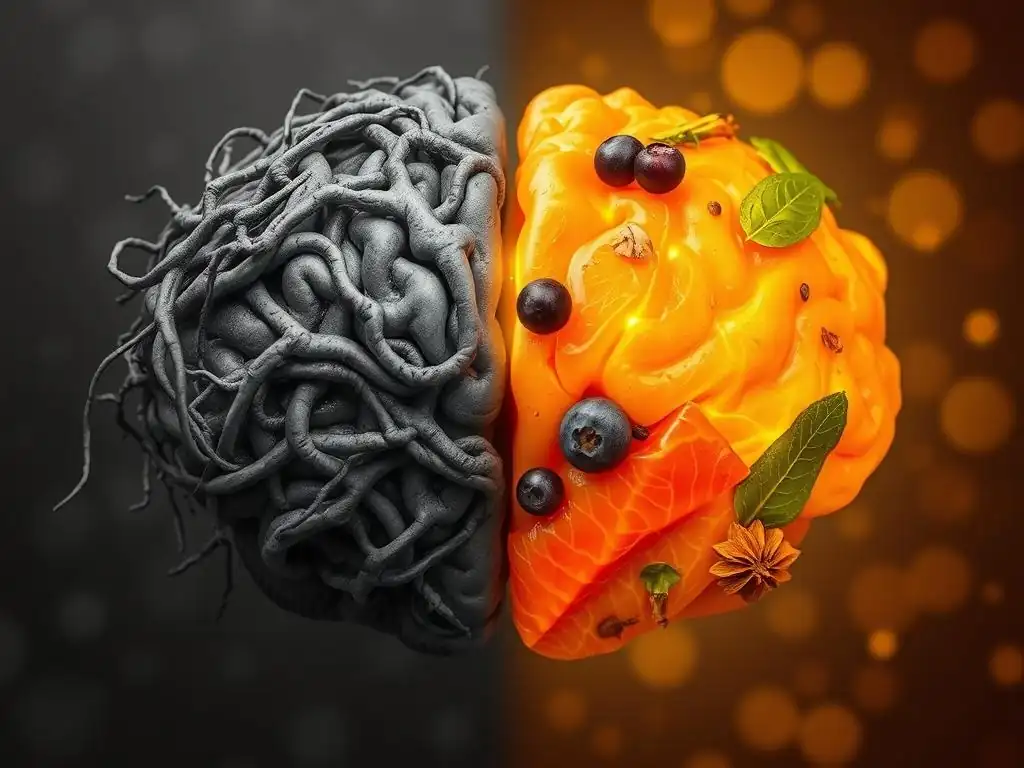
Welcome to Mind Care Guide, your trusted compass on the journey to mental well-being.
Feeling overwhelmed or simply seeking a deeper understanding of how your body impacts your mind? You've come to the right place. In this article, we delve into the fascinating connection between what you eat and how you feel, exploring the potential of an antiinflammatory diet to support your mental health. Could something as simple as changing your plate truly impact your brain? Let's uncover the science together and discover practical strategies for a healthier, happier you.
Can Diet Fight Mental Illness? Exploring Anti-Inflammatory Strategies for the Brain
- Introduction: The Gut-Brain Connection and Mental Wellness
- Understanding Neuroinflammation and Mental Health
- The Anti-Inflammatory Diet for Mental Health: A Comprehensive Overview
- Key Anti-Inflammatory Foods for Brain Health
- Foods to Avoid on an Anti-Inflammatory Diet for Mental Wellbeing
- Implementing an Anti-Inflammatory Diet: A Practical Guide
- Anti-Inflammatory Diet and Specific Mental Health Conditions
- The Importance of a Holistic Approach to Mental Health
- Conclusion: Empowering Your Brain Health Through Diet and Lifestyle
-
Frequently Asked Questions
- What is the connection between an anti-inflammatory diet and mental health?
- How does an anti-inflammatory diet work to improve mental well-being?
- What foods are typically included in an anti-inflammatory diet for mental health?
- How quickly can someone expect to see improvements in their mental health after starting an anti-inflammatory diet?
- Is an anti-inflammatory diet a replacement for traditional mental health treatments?
- Final Reflection: Nourishing the Mind, Mending the Spirit
- Unlock Your Brain's Potential: Start Your Anti-Inflammatory Journey Today!
Introduction: The Gut-Brain Connection and Mental Wellness
The intricate relationship between our gut and brain, often referred to as the gut-brain axis, is a rapidly expanding area of research with profound implications for mental health. This bidirectional communication system involves complex interactions between the central nervous system, the enteric nervous system (which governs the gastrointestinal tract), the immune system, and the gut microbiota. Emerging evidence suggests that disruptions in this axis, particularly those involving inflammation, can significantly influence mood, cognition, and overall mental wellbeing.
Historically, mental illnesses were viewed primarily through a neurochemical lens, focusing on imbalances of neurotransmitters like serotonin and dopamine. While this remains a crucial aspect, the growing understanding of inflammation's role in the brain has opened new avenues for therapeutic intervention, including dietary strategies. By targeting inflammation through nutrition, we may be able to positively impact the gut-brain axis and, in turn, support mental health.
Understanding Neuroinflammation and Mental Health
What is Neuroinflammation and Its Impact on the Brain?
Neuroinflammation refers to the inflammatory response within the brain and spinal cord. While acute inflammation is a protective mechanism, chronic or dysregulated neuroinflammation can be detrimental. This process involves the activation of glial cells, particularly microglia, the brain's resident immune cells, which release inflammatory molecules like cytokines and chemokines.
When neuroinflammation becomes chronic, it can disrupt neuronal function, impair synaptic plasticity (the brain's ability to form new connections), and even lead to neuronal damage. Elevated levels of inflammatory markers such as C-reactive protein (CRP), interleukin-6 (IL-6), and tumor necrosis factor-alpha (TNF-alpha) have been observed in individuals with various mental health conditions, suggesting a potential link between this persistent low-grade inflammation and psychiatric symptoms. For instance, studies have shown that patients experiencing depressive episodes often exhibit higher levels of these circulating inflammatory markers compared to healthy controls.
The Link Between Chronic Inflammation and Mental Disorders
Chronic inflammation throughout the body can significantly impact the brain and contribute to the development or exacerbation of mental disorders. Inflammatory molecules produced in the periphery can cross the blood-brain barrier or signal to the brain via the vagus nerve, influencing neurotransmitter metabolism, neuroendocrine function, and behavior. This systemic inflammation can be driven by factors like poor diet, chronic stress, lack of sleep, infections, and obesity.
Research indicates that individuals with chronic inflammatory conditions, such as inflammatory bowel disease (IBS), rheumatoid arthritis, or psoriasis, have a higher prevalence of depression and anxiety compared to the general population. For example, estimates suggest that up to 30-40% of individuals with IBS also experience significant anxiety or depression. This strong correlation underscores the potential role of inflammation as a common underlying factor linking physical and mental health challenges. Targeting this inflammation through strategies like an antiinflammatory diet for mental health is becoming increasingly recognized as a potential therapeutic approach.
Common Mental Illnesses Potentially Linked to Neuroinflammation
A growing body of evidence links neuroinflammation to several common mental health conditions. Major Depressive Disorder (MDD) is perhaps the most extensively studied, with numerous findings pointing to elevated inflammatory markers during depressive episodes. This has led to the "inflammatory hypothesis of depression," which suggests that inflammation contributes to symptoms like fatigue, social withdrawal, and anhedonia.
Beyond depression, research also implicates inflammation in anxiety disorders, bipolar disorder, and schizophrenia. In bipolar disorder, inflammatory markers may fluctuate with mood states, potentially contributing to the shifts between depressive and manic episodes. For schizophrenia, post-mortem studies and neuroimaging have shown evidence of glial activation and altered cytokine levels, suggesting a neuroinflammatory component, particularly in certain subtypes or stages of the illness. While the exact mechanisms are still being elucidated, addressing inflammation is increasingly seen as a potential complementary strategy in the management of these complex conditions.
The Anti-Inflammatory Diet for Mental Health: A Comprehensive Overview
What is an Anti-Inflammatory Diet? Key Principles and Food Groups
An anti-inflammatory diet is not a strict set of rules but rather an eating pattern focused on reducing inflammation in the body. Its core principles revolve around consuming whole, unprocessed foods rich in antioxidants, healthy fats, and fiber, while limiting foods known to promote inflammation. This approach contrasts sharply with the typical Western diet, which is often high in refined sugars, unhealthy fats, and processed ingredients.
Key food groups emphasized in an anti-inflammatory diet include a wide variety of colorful fruits and vegetables, which are packed with vitamins, minerals, and phytochemicals. Whole grains, lean protein sources (like fish, poultry, and legumes), nuts, seeds, and healthy fats (such as olive oil and avocados) are also central. The goal is to provide the body with nutrients that actively combat inflammation and support overall cellular health, thereby potentially benefiting brain health and mental wellbeing. Adopting an antiinflammatory diet for mental health involves making conscious choices about the foods we consume daily.
The Science Behind Anti-Inflammatory Foods and Brain Health
The beneficial effects of an anti-inflammatory diet on brain health are rooted in the specific compounds found in these foods. Antioxidants, abundant in fruits and vegetables, neutralize free radicals that can cause cellular damage and trigger inflammation. Polyphenols, plant compounds found in berries, green tea, and dark chocolate, have potent anti-inflammatory and antioxidant properties that can protect brain cells.
Omega-3 fatty acids, particularly EPA (eicosapentaenoic acid) and DHA (docosahexaenoic acid) found in fatty fish, are powerful anti-inflammatories. They work by being incorporated into cell membranes, influencing the production of signaling molecules that reduce inflammation. For example, EPA can be converted into resolvins and protectins, compounds that actively resolve inflammation. Furthermore, these nutrients support the production of Brain-Derived Neurotrophic Factor (BDNF), a protein crucial for neuronal growth, survival, and function, which is often reduced in conditions like depression. This scientific basis underscores why integrating an antiinflammatory diet for mental health is a promising strategy.
Benefits of an Anti-Inflammatory Diet for Mental Wellbeing
Adopting an anti-inflammatory diet can offer a range of potential benefits for mental wellbeing, extending beyond just reducing inflammation markers. Studies and anecdotal evidence suggest improvements in mood, reduced symptoms of anxiety and depression, and enhanced cognitive function, including better focus and memory. This is likely due to the combined effects of reducing neuroinflammation, supporting neurotransmitter balance, improving gut health, and providing essential nutrients for brain metabolism.
For individuals struggling with mental health challenges, incorporating an anti-inflammatory eating pattern can feel empowering, offering a tangible way to support their own healing process. While diet is not a standalone cure, it can be a powerful complementary tool alongside conventional treatments. The improvements in physical health often associated with this diet, such as better energy levels and reduced bodily aches, can also indirectly boost mental state and overall quality of life. Focusing on an antiinflammatory diet for mental health is a proactive step towards holistic wellness.
Key Anti-Inflammatory Foods for Brain Health
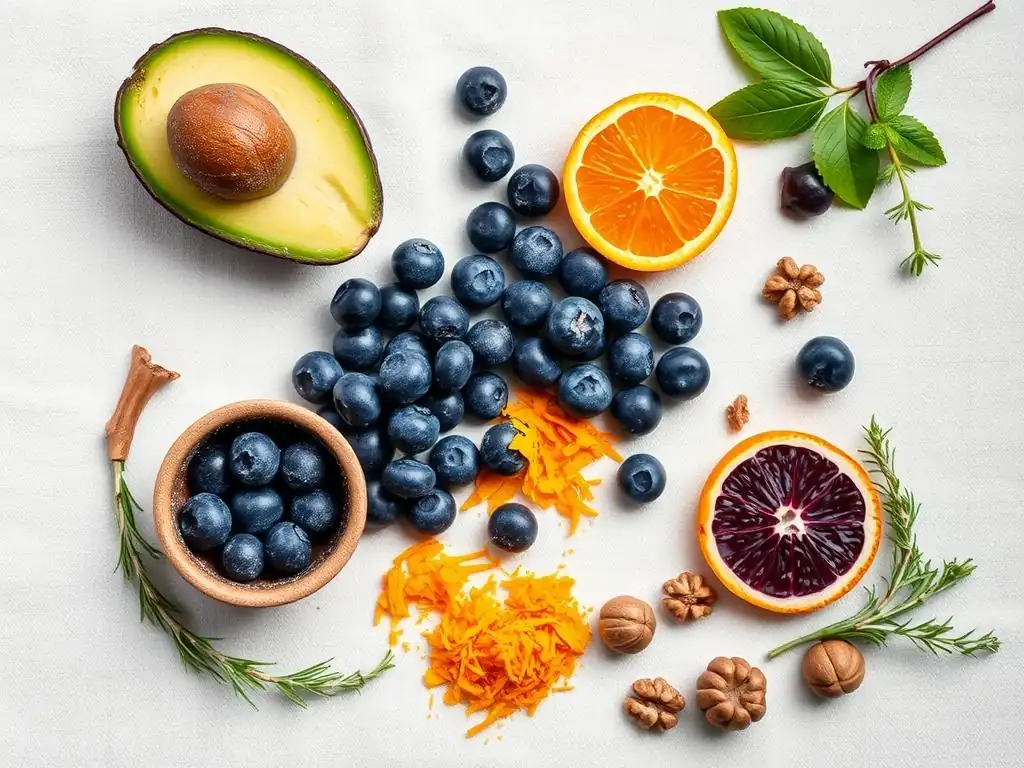
Fruits and Vegetables Rich in Antioxidants and Polyphenols
Fruits and vegetables are cornerstones of an anti-inflammatory diet, providing a vast array of vitamins, minerals, fiber, and crucial phytochemicals. Berries (like blueberries, strawberries, raspberries), leafy greens (such as spinach, kale, and collards), broccoli, bell peppers, and tomatoes are particularly rich in antioxidants and polyphenols. For example, blueberries are packed with anthocyanins, a type of flavonoid with potent anti-inflammatory and neuroprotective effects.
Consuming a diverse range of colorful produce ensures intake of various beneficial compounds. Aiming for several servings daily provides the body with the tools it needs to combat oxidative stress and inflammation, both of which are implicated in the pathology of mental disorders. A study published in the journal Nutritional Neuroscience found that higher fruit and vegetable consumption was associated with lower odds of depression and anxiety symptoms in young adults, highlighting the direct link between these foods and mental wellbeing.
Healthy Fats: Omega-3 Fatty Acids and Brain Function
Healthy fats, especially those rich in omega-3 fatty acids, are vital for brain structure and function and play a significant role in reducing inflammation. Fatty fish like salmon, mackerel, sardines, and anchovies are excellent sources of EPA and DHA. A standard 3.5-ounce serving of wild-caught salmon can contain over 2 grams of combined EPA and DHA, significantly contributing to daily intake goals.
Other sources of healthy fats include avocados, nuts (walnuts, almonds), seeds (chia seeds, flaxseeds), and extra virgin olive oil. These fats provide essential building blocks for brain cells and support the myelin sheath that protects nerve fibers. Omega-3s specifically help modulate inflammatory pathways, potentially reducing the risk or severity of mood disorders. Including these fats liberally as part of an antiinflammatory diet for mental health is crucial.
Probiotic-Rich Foods: Supporting Gut Health and Mental Health
The gut microbiome, the trillions of bacteria living in our digestive tract, has a profound influence on brain function and mental health via the gut-brain axis. An imbalance in gut bacteria (dysbiosis) can lead to increased gut permeability ("leaky gut") and systemic inflammation. Probiotic-rich foods contain beneficial bacteria that can help restore balance and support gut health.
Examples of probiotic-rich foods include fermented products like yogurt (with live and active cultures), kefir, sauerkraut, kimchi, miso, and tempeh. Consuming these foods regularly can help populate the gut with beneficial microbes, which produce compounds like short-chain fatty acids (SCFAs) that have anti-inflammatory effects and can positively influence brain health and mood. Research is increasingly exploring the use of specific probiotic strains as an adjunct therapy for anxiety and depression, demonstrating the direct link between gut health and an antiinflammatory diet for mental health.
Spices and Herbs with Anti-Inflammatory Properties: Turmeric, Ginger, and More
Many common spices and herbs possess powerful anti-inflammatory and antioxidant properties that can contribute to brain health. Turmeric, containing the active compound curcumin, is perhaps the most well-known. Curcumin has been shown in studies to inhibit multiple inflammatory pathways in the body and brain. While the amount of curcumin in culinary turmeric is relatively low, consuming it regularly or using supplements (often with black pepper to enhance absorption) may offer benefits.
Ginger is another potent anti-inflammatory, containing gingerols that can help reduce pain and inflammation. Other beneficial spices and herbs include garlic, cinnamon, rosemary, and green tea, which is rich in catechins like EGCG, a powerful antioxidant. Incorporating these flavorful additions into meals is an easy way to boost the anti-inflammatory power of your diet and support your antiinflammatory diet for mental health goals.
Foods to Avoid on an Anti-Inflammatory Diet for Mental Wellbeing
Processed Foods and Additives: Impact on Inflammation Levels
Highly processed foods are a major contributor to chronic low-grade inflammation. These foods are often high in unhealthy fats (trans fats, refined vegetable oils), refined sugars, excessive sodium, and artificial additives. Ingredients like high fructose corn syrup, hydrogenated oils, and artificial colors and flavors have been linked to increased inflammatory markers and gut dysbiosis.
Think of packaged snacks, sugary cereals, fast food, and ready-to-eat meals. These items are typically nutrient-poor but calorie-dense and designed to be hyper-palatable, encouraging overconsumption. Reducing intake of these processed items is a fundamental step in implementing an antiinflammatory diet for mental health, as they actively promote the inflammatory processes you are trying to mitigate.
Refined Sugars and Mental Health: The Negative Connection
Refined sugars, found in sodas, candies, pastries, and many processed foods, cause rapid spikes in blood sugar levels. This triggers an inflammatory response in the body and can also negatively impact brain function. Chronic high sugar intake is associated with increased oxidative stress and inflammation in the brain, potentially contributing to mood swings, irritability, and exacerbating symptoms of anxiety and depression.
The average American consumes around 17 teaspoons (about 68 grams) of added sugar per day, far exceeding recommended limits. This excessive intake creates a pro-inflammatory environment that is counterproductive to supporting mental wellbeing. Cutting back on sugary drinks and foods is one of the most impactful changes you can make when adopting an antiinflammatory diet for mental health.
Excessive Alcohol Consumption and Its Inflammatory Effects
While moderate alcohol consumption may have some debated health effects, excessive or chronic alcohol use is clearly pro-inflammatory. Alcohol can damage the gut lining, leading to increased permeability and allowing inflammatory substances to enter the bloodstream. It can also directly activate inflammatory pathways in the liver and brain.
Chronic alcohol consumption is strongly linked to an increased risk of depression and anxiety disorders. Its inflammatory effects contribute to neurotoxicity and disrupt neurotransmitter systems crucial for mood regulation. For anyone focusing on an antiinflammatory diet for mental health, limiting or avoiding alcohol is a significant step in reducing systemic and neuroinflammation.
Limiting Gluten and Dairy: Considerations for Individuals with Irritable Bowel Syndrome (IBS) or Celiac Disease
While not universally inflammatory for everyone, gluten and dairy can be significant triggers for inflammation and gut issues in sensitive individuals. For those with Celiac disease, gluten causes a severe autoimmune inflammatory response in the small intestine. Non-Celiac gluten sensitivity and dairy intolerance or allergy can also lead to inflammation, digestive distress, and associated systemic effects.
Given the strong gut-brain connection, these sensitivities can directly impact mental health symptoms. Individuals with IBS, for example, often report that certain foods, including those containing gluten or dairy, worsen both their digestive symptoms and their anxiety or depression. While a strict anti-inflammatory diet doesn't require eliminating gluten and dairy for everyone, individuals experiencing digestive or inflammatory issues should consider a carefully monitored elimination trial under professional guidance to see if these foods are contributing to their symptoms, including mental health challenges, as part of their antiinflammatory diet for mental health journey.
Implementing an Anti-Inflammatory Diet: A Practical Guide
Creating a Meal Plan: Sample Anti-Inflammatory Meal Ideas for Mental Clarity
Transitioning to an anti-inflammatory diet can seem daunting, but starting with a meal plan makes it more manageable. Focus on incorporating key food groups into your daily routine. A sample day might look like this:
- Breakfast: Oatmeal with berries, nuts, and chia seeds, or a smoothie with spinach, fruit, and almond milk.
- Lunch: Large salad with mixed greens, colorful vegetables, grilled salmon or chickpeas, avocado, and an olive oil-based dressing.
- Dinner: Baked chicken or lentil stew with a side of roasted broccoli and quinoa.
- Snacks: A handful of walnuts, apple slices with almond butter, or plain yogurt with berries.
This structure emphasizes whole, unprocessed foods rich in anti-inflammatory compounds. Planning meals and snacks helps ensure you have healthy options readily available and reduces the likelihood of reaching for pro-inflammatory processed foods. Building a sustainable antiinflammatory diet for mental health involves consistency and preparation.
Tips for Transitioning to an Anti-Inflammatory Lifestyle
Making gradual changes is key to successfully adopting an anti-inflammatory lifestyle. Don't feel pressured to overhaul your entire diet overnight. Start by incorporating more anti-inflammatory foods each week – perhaps adding an extra serving of vegetables to dinner, swapping refined grains for whole grains, or including fatty fish in your meal rotation twice a week.
Simultaneously, begin reducing pro-inflammatory foods. Cut back on sugary drinks, limit processed snacks, and choose healthier cooking oils like olive oil instead of vegetable oils high in omega-6s. Focus on making small, sustainable swaps. Learning to read food labels to identify added sugars, unhealthy fats, and artificial ingredients is also crucial. Patience and persistence are important when making dietary changes for an antiinflammatory diet for mental health.
Addressing Potential Challenges and Nutritional Deficiencies [Vitamin D and B12 Supplementation]
While an anti-inflammatory diet is nutrient-dense, some individuals may still face challenges or be prone to specific deficiencies, especially if eliminating certain food groups (like dairy or meat). Two nutrients often linked to both diet and mental health are Vitamin D and Vitamin B12. Vitamin D deficiency is common and has been associated with increased risk of depression. While some foods are fortified, sunlight exposure is a primary source. B12 is primarily found in animal products, making supplementation important for vegetarians and vegans.
It's vital to monitor your nutritional intake and consider supplementation if necessary, but always under the guidance of a healthcare professional or registered dietitian. They can assess your individual needs, recommend appropriate dosages, and ensure your anti-inflammatory diet for mental health is nutritionally complete and tailored to your specific circumstances.
Anti-Inflammatory Diet and Specific Mental Health Conditions
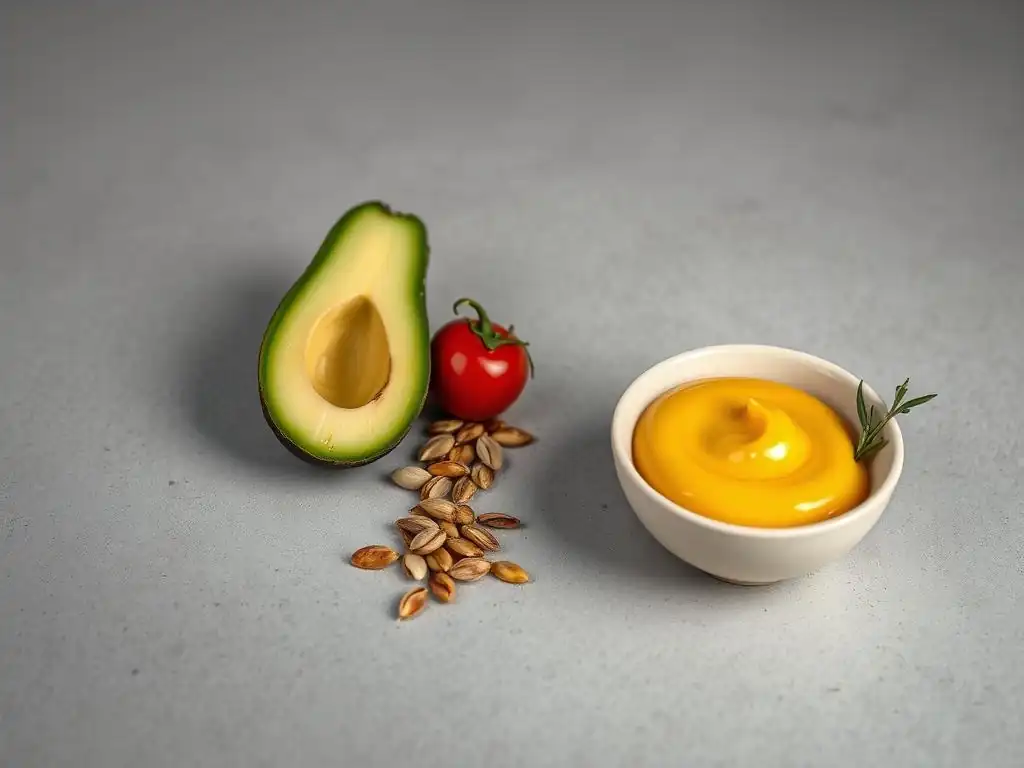
Depression and Anti-Inflammatory Foods: Research and Insights
The link between diet, inflammation, and depression is one of the most researched areas in nutritional psychiatry. Numerous observational studies have found that dietary patterns high in fruits, vegetables, whole grains, fish, and healthy fats are associated with a lower risk of depression. Conversely, diets high in processed foods, sugar, and unhealthy fats are linked to an increased risk.
Meta-analyses of randomized controlled trials have shown that dietary interventions, particularly those promoting an anti-inflammatory eating pattern like the Mediterranean diet, can lead to a significant reduction in depressive symptoms, sometimes comparable to the effects of physical activity. For instance, the "SMILES trial," a landmark study, demonstrated that dietary improvement significantly reduced depressive symptoms in participants with moderate to severe depression. This provides strong evidence supporting the role of an antiinflammatory diet for mental health, specifically in managing depression.
Anxiety and the Gut-Brain Axis: Dietary Interventions
Anxiety disorders are also increasingly linked to inflammation and the gut-brain axis. Stress and anxiety can negatively impact gut health, leading to dysbiosis and increased intestinal permeability, which in turn can trigger inflammatory responses that affect brain function and perpetuate anxiety symptoms. Dietary interventions targeting gut health and reducing inflammation show promise.
Studies exploring the use of probiotics and prebiotics (fibers that feed beneficial gut bacteria) have shown potential in reducing anxiety symptoms in some individuals. Furthermore, diets rich in anti-inflammatory foods, similar to those recommended for depression, can help reduce overall systemic inflammation and support a healthier gut microbiome. While more research is needed, focusing on gut-friendly, anti-inflammatory foods is a rational approach for individuals seeking dietary strategies to manage anxiety as part of an antiinflammatory diet for mental health.
The Role of Diet in Managing Bipolar Disorder: A Holistic Approach
Bipolar disorder is a complex condition characterized by extreme mood swings. While medication and therapy are essential, emerging research suggests that diet and inflammation may play a role in symptom severity and stability. Individuals with bipolar disorder often exhibit higher levels of inflammatory markers, particularly during depressive episodes.
Adopting an anti-inflammatory diet may help stabilize mood and reduce the frequency or intensity of episodes. Evidence suggests that omega-3 fatty acid supplementation, often part of an anti-inflammatory strategy, may be particularly beneficial as an adjunct treatment. A holistic approach that includes an anti-inflammatory diet alongside conventional medical care is gaining traction as a way to support overall wellness and potentially improve outcomes for individuals with bipolar disorder. This highlights the importance of an antiinflammatory diet for mental health as part of a broader treatment plan.
Anti-Inflammatory Strategies for Schizophrenia: Emerging Evidence
The evidence linking neuroinflammation to schizophrenia is significant, with studies showing increased microglial activation and altered cytokine profiles in the brains of individuals with the condition. While dietary interventions are not a primary treatment for schizophrenia, research is exploring the potential for anti-inflammatory strategies as complementary approaches.
Studies are investigating the effects of omega-3 supplementation and broader anti-inflammatory dietary patterns on symptom severity and cognitive function in schizophrenia. While findings are still emerging and require further confirmation through larger trials, the focus on reducing inflammation through diet aligns with the growing understanding of the illness's underlying neurobiological processes. This represents a frontier in understanding the potential of an antiinflammatory diet for mental health in severe psychiatric conditions.
The Importance of a Holistic Approach to Mental Health
Combining Diet with Other Therapies: Medication, Therapy, and Lifestyle Changes
It is crucial to understand that while an anti-inflammatory diet can be a powerful tool, it is rarely a standalone solution for complex mental health conditions. Dietary changes should be viewed as one component of a comprehensive, holistic treatment plan. For many individuals, this plan will include necessary medications prescribed by a psychiatrist, evidence-based psychotherapies (such as Cognitive Behavioral Therapy or Dialectical Behavior Therapy), and other lifestyle modifications.
Dietary interventions work synergistically with these other approaches. For example, reducing inflammation through diet may enhance the effectiveness of antidepressant medications or improve energy levels, making it easier to engage in therapy. An antiinflammatory diet for mental health is best implemented as part of a collaborative effort with your healthcare team, ensuring all aspects of your wellbeing are addressed.
The Role of Exercise and Stress Management in Reducing Inflammation
Beyond diet, other lifestyle factors significantly impact inflammation levels and mental health. Regular physical activity is a potent anti-inflammatory. Exercise helps reduce systemic inflammation, improves circulation, boosts mood by releasing endorphins, and can enhance neurogenesis. Aiming for at least 150 minutes of moderate-intensity exercise per week, as recommended by health guidelines, can offer substantial benefits.
Chronic stress is another major driver of inflammation. Stress triggers the release of cortisol and other hormones that, while protective in the short term, can become pro-inflammatory when stress is prolonged. Implementing stress management techniques such as mindfulness meditation, deep breathing exercises, yoga, or spending time in nature can help regulate the stress response and reduce inflammatory burden. Integrating exercise and stress management with an antiinflammatory diet for mental health creates a powerful synergy for supporting overall wellbeing.
Personalized Nutrition for Mental Health: Consulting with a Healthcare Professional [Registered Dietitian, Psychiatrist]
Every individual's body, gut microbiome, and mental health needs are unique. What works for one person may not be ideal for another. Therefore, seeking personalized guidance is highly recommended when considering significant dietary changes for mental health purposes. Consulting with a Registered Dietitian (RD) specializing in mental health or nutritional psychiatry can provide tailored advice.
An RD can help you assess your current diet, identify potential nutrient deficiencies, create a personalized anti-inflammatory meal plan that fits your lifestyle and preferences, and navigate any challenges. Discussing your dietary intentions with your psychiatrist or therapist is also important, as they can ensure your dietary changes complement your existing treatment plan and monitor for any interactions or effects on your mental health condition. A personalized approach ensures that your antiinflammatory diet for mental health is safe, effective, and sustainable.
Conclusion: Empowering Your Brain Health Through Diet and Lifestyle
The Future of Nutritional Psychiatry: Promising Research and Developments
The field of nutritional psychiatry, which explores the impact of diet on mental health, is experiencing rapid growth. Researchers are continually uncovering more about the complex interplay between nutrients, the gut microbiome, inflammation, and brain function. Future research is likely to identify specific dietary patterns, individual nutrients, or even targeted probiotics that may be particularly effective for certain mental health conditions or subtypes.
Advances in understanding the gut-brain axis and personalized nutrition through technologies like microbiome sequencing and genetic testing may lead to highly individualized dietary recommendations for mental health. This promising area holds the potential to offer novel, evidence-based strategies that complement traditional treatments and empower individuals to take an active role in managing their mental wellbeing through lifestyle choices, including an antiinflammatory diet for mental health.
Taking Control of Your Mental Wellbeing: Starting Your Anti-Inflammatory Journey
Embarking on an anti-inflammatory diet for mental health is a proactive and empowering step. While it requires commitment and patience, the potential benefits for mood, cognition, and overall physical health are significant. Remember that progress is more important than perfection; small, consistent changes over time can lead to substantial improvements.
Start by incorporating more anti-inflammatory foods into your daily meals and gradually reducing processed items, added sugars, and unhealthy fats. Pay attention to how your body and mind feel as you make these changes. Consider seeking professional guidance from a healthcare provider or dietitian to tailor the approach to your specific needs. By focusing on nutrient-dense, anti-inflammatory foods and adopting healthy lifestyle habits, you can actively support your brain health and enhance your journey towards greater mental wellbeing. The antiinflammatory diet for mental health is a powerful tool in your wellness toolkit.
Frequently Asked Questions
What is the connection between an anti-inflammatory diet and mental health?
Research suggests that chronic inflammation can contribute to various mental health conditions. An anti-inflammatory diet aims to reduce inflammation in the body, potentially improving brain function and mood.
How does an anti-inflammatory diet work to improve mental well-being?
These diets are rich in antioxidants and essential nutrients that combat inflammation. By reducing inflammation, it may help improve neurotransmitter function and protect brain cells.
What foods are typically included in an anti-inflammatory diet for mental health?
Foods like fruits, vegetables, fatty fish, nuts, and seeds are staples. These are rich in omega-3 fatty acids, antioxidants, and other anti-inflammatory compounds. Processed foods and sugary drinks are generally avoided.
How quickly can someone expect to see improvements in their mental health after starting an anti-inflammatory diet?
The timeline varies from person to person. Some may notice improvements in weeks, while others may take longer to experience significant changes. Consistency and a holistic approach are key.
Is an anti-inflammatory diet a replacement for traditional mental health treatments?
No, it is not. An anti-inflammatory diet should be considered a complementary approach to traditional treatments like therapy and medication. Always consult with a healthcare professional for personalized advice.
Final Reflection: Nourishing the Mind, Mending the Spirit
The connection between diet and mental well-being is no longer a fringe theory; it's a burgeoning field of research with profound implications for how we approach mental health. The evidence presented throughout this article strongly suggests that an anti-inflammatory diet can be a powerful tool in mitigating the symptoms and potentially even preventing the onset of certain mental illnesses. This isn't about quick fixes, but about cultivating a long-term relationship with food that supports our overall health, including our mental health.
The impact of inflammation on brain function is a revelation that continues to reshape our understanding of mental illness. It's shifting the conversation from solely focusing on pharmaceutical interventions to embracing a holistic approach that recognizes the crucial role of nutrition. This paradigm shift is deeply personal to me, as I've witnessed firsthand the transformative power of dietary changes on mental clarity and emotional stability. The doctor of the future will give no medicine, but will interest his patients in the care of the human frame, in diet and in the cause and prevention of disease.
- Thomas Edison. This quote, though from a different era, resonates powerfully with the core message of this article: proactive health management through mindful eating.
Now, consider your own relationship with food. Are you nourishing your mind and body with anti-inflammatory choices? This isn't about perfection; it's about progress. Start small, perhaps by incorporating one or two anti-inflammatory foods into your daily diet. Experiment, listen to your body, and observe the subtle shifts in your mood and mental clarity. The journey towards better mental health is a personal one, and the power to nurture your mind through your diet is within your reach. Embrace this opportunity to cultivate a healthier, happier you.
Unlock Your Brain's Potential: Start Your Anti-Inflammatory Journey Today!
Thanks for taking the time to explore the powerful connection between diet and mental wellbeing! You've learned about the potential of anti-inflammatory eating to support your brain health. Now it's time to put this knowledge into action.
Here are a few simple steps you can take to get started:
- Prioritize anti-inflammatory foods: Begin incorporating more colorful fruits and vegetables, fatty fish, and healthy fats into your daily meals. This is the key to unlocking the benefits discussed in the article.
- Experiment with new recipes: Find a new, healthy recipe online that excites you and try it this week! Sharing your successes (or challenges!) with others can build a supportive community.
- Track your progress: Keep a food diary or use a journal to note how your diet changes affect your mood and energy levels. This personalized approach will help you find what works best for you.
What simple change can you make today to nourish your brain and boost your mental well-being?