
From Bench to Bedside: Applying Neuroinflammation Research to Patient Care

Welcome to Mind Care Guide, your trusted companion on the path to mental well-being.
Feeling overwhelmed by the complexities of mental health? You're not alone. In this article, we delve into the fascinating world of neuroinflammation and explore innovative patient care strategies that bridge the gap between cutting-edge research and real-world application. Curious to learn how these scientific advancements can translate to improved well-being? Let's begin.
From Bench to Bedside: Applying Neuroinflammation Research to Patient Care
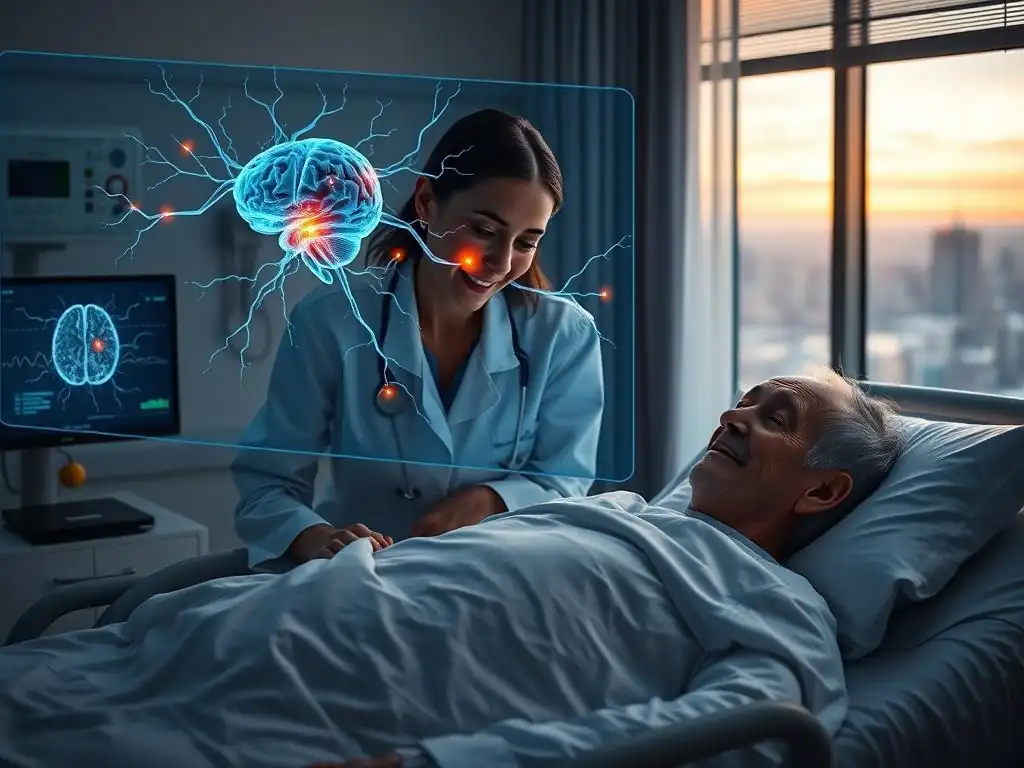
Neuroinflammation, the inflammatory response within the brain or spinal cord, is increasingly recognized as a significant factor in the development and progression of various mental health conditions. Moving findings from the research bench to practical strategies for patient care is a critical step in improving mental well-being. This article explores the current understanding of neuroinflammation, its link to mental illness, and how this knowledge is being translated into actionable neuroinflammation patient care strategies.
- Understanding Neuroinflammation and its Role in Mental Health
- Bridging the Gap: Translating Neuroinflammation Research into Clinical Practice
- Neuroinflammation Patient Care Strategies: A Comprehensive Overview
- Emerging Therapies and Future Directions in Neuroinflammation Treatment
- Assessing Neuroinflammation: Diagnostic Tools and Biomarkers
- Case Studies: Real-World Examples of Neuroinflammation Patient Care
- The Importance of a Multidisciplinary Approach to Neuroinflammation
- Resources for Patients and Healthcare Professionals
-
Frequently Asked Questions
- What exactly is neuroinflammation, and why is it relevant to mental well-being?
- What are some key neuroinflammation patient care strategies that can be implemented?
- How does the research on neuroinflammation translate from "bench to bedside" in practical terms?
- What are the potential benefits of focusing on neuroinflammation in mental health treatment?
- Where can patients find reliable information and support regarding neuroinflammation and mental health?
- Final Reflection: Bridging the Gap Between Discovery and Healing
- Unleash the Power of Neuroinflammation Knowledge!
Understanding Neuroinflammation and its Role in Mental Health
The brain, once thought to be immune privileged, is now known to possess its own complex immune system involving glial cells like microglia and astrocytes. When this system is activated, it can lead to inflammation, a process termed neuroinflammation. While acute neuroinflammation can be protective, chronic or dysregulated inflammation can have detrimental effects on neuronal function and survival, contributing to neurological and psychiatric disorders.
What is Neuroinflammation? A Simplified Explanation
Neuroinflammation is essentially the brain's immune response to injury, infection, or other stimuli. This process involves the activation of glial cells, particularly microglia (the brain's primary immune cells) and astrocytes, which release signaling molecules called cytokines, chemokines, and reactive oxygen species. These molecules can influence neuronal activity, synaptic plasticity, and even neurogenesis (the creation of new neurons).
In a healthy state, glial cells maintain brain homeostasis. However, chronic stress, systemic inflammation (inflammation elsewhere in the body), traumatic brain injury, infections, and certain genetic factors can trigger persistent glial activation. This sustained activation leads to chronic neuroinflammation, characterized by the continuous release of inflammatory mediators that can disrupt neural circuits and contribute to the symptoms observed in various mental health conditions, forming the basis for developing effective neuroinflammation patient care strategies.
The Link Between Neuroinflammation and Mental Illness: Current Research
Mounting evidence strongly links neuroinflammation to a range of mental health disorders, including major depressive disorder (MDD), bipolar disorder, schizophrenia, obsessive-compulsive disorder (OCD), and anxiety disorders. Research using neuroimaging techniques like PET scans has shown increased microglial activation in specific brain regions in patients with these conditions compared to healthy controls.
For instance, studies using ligands that bind to the translocator protein (TSPO), a marker of glial activation, have reported elevated signals in the prefrontal cortex and anterior cingulate cortex of individuals experiencing depressive episodes. Similarly, post-mortem studies have found increased levels of inflammatory cytokines such as IL-1β, TNF-α, and IL-6 in the brains of individuals with schizophrenia. This growing body of evidence underscores the importance of considering neuroinflammation when developing comprehensive neuroinflammation patient care strategies.
Neuroinflammation's Impact on Brain Function and Behavior
Chronic neuroinflammation can profoundly impact various aspects of brain function and subsequently, behavior and cognition. Inflammatory mediators can interfere with neurotransmitter systems, such as serotonin, dopamine, and glutamate, which are crucial for mood regulation, motivation, and cognitive processes. For example, inflammatory cytokines can increase the reuptake of serotonin and reduce its synthesis, potentially contributing to depressive symptoms.
Furthermore, neuroinflammation can impair synaptic plasticity, the brain's ability to adapt and form new connections, which is essential for learning and memory. It can also damage myelin, the protective sheath around nerve fibers, slowing down communication between brain regions. These disruptions can manifest as cognitive deficits, fatigue, anhedonia (inability to experience pleasure), and altered social behavior, highlighting the need for targeted neuroinflammation patient care strategies that address these functional impairments.
Bridging the Gap: Translating Neuroinflammation Research into Clinical Practice
Translating complex findings from basic neuroscience laboratories into practical applications for patient care is a challenging but essential process. It involves identifying relevant biomarkers, developing new diagnostic tools, and designing interventions that can effectively target neuroinflammatory processes in a clinical setting. This transition requires careful validation and rigorous testing to ensure safety and efficacy in diverse patient populations.
Challenges in Applying Neuroinflammation Research to Patient Care
Several significant challenges impede the direct application of neuroinflammation research findings to clinical practice. Firstly, diagnosing neuroinflammation in living patients is difficult; current methods like PET imaging are expensive and not widely available. Biomarkers in blood or cerebrospinal fluid (CSF) are being explored, but their specificity and sensitivity for diagnosing brain-specific inflammation are still under investigation. For example, while elevated CRP levels in blood can indicate systemic inflammation, their direct correlation with brain neuroinflammation in all individuals with mental illness is not perfectly established.
Secondly, the causes and manifestations of neuroinflammation are heterogeneous across individuals and different mental health conditions. What triggers inflammation in one person with depression might be different in another, or in someone with schizophrenia. This complexity makes developing a one-size-fits-all treatment approach challenging. Furthermore, many potential anti-inflammatory compounds face challenges crossing the blood-brain barrier effectively, limiting their therapeutic potential. These obstacles require innovative approaches to developing effective neuroinflammation patient care strategies.
Overcoming Barriers: Strategies for Implementing Research Findings
Overcoming these barriers requires a multi-pronged approach. Developing more accessible and less invasive diagnostic tools, such as highly specific blood or CSF biomarkers, is a key priority. Research is ongoing to identify panels of inflammatory markers (e.g., specific cytokines, chemokines, or microRNA profiles) that correlate reliably with brain inflammation and clinical symptom severity. For instance, studies are investigating the utility of panels including IL-6, TNF-α, and kynurenine pathway metabolites.
Furthermore, research is focusing on identifying specific inflammatory endotypes or subtypes of mental illness. Understanding which inflammatory pathways are activated in which patients could allow for more targeted therapies. This involves using advanced data analysis techniques to stratify patients based on their inflammatory profiles. Developing novel drug delivery systems or compounds designed to cross the blood-brain barrier are also critical for translating potential treatments into viable neuroinflammation patient care strategies.
Neuroinflammation Patient Care Strategies: A Comprehensive Overview
Addressing neuroinflammation in a clinical setting requires a multifaceted approach that goes beyond traditional psychiatric treatments. Current strategies often involve a combination of lifestyle adjustments, dietary changes, and sometimes pharmacological interventions aimed at modulating the inflammatory response. These approaches are increasingly being integrated into comprehensive treatment plans for individuals with mental health conditions linked to neuroinflammation.
Dietary Interventions for Managing Neuroinflammation
Diet plays a significant role in regulating systemic inflammation, which can, in turn, influence neuroinflammation. Diets rich in anti-inflammatory components have shown promise. The Mediterranean diet, for example, emphasizing fruits, vegetables, whole grains, lean proteins, and healthy fats (like olive oil and omega-3 fatty acids found in fish), has been associated with lower levels of inflammatory markers like CRP and IL-6.
Conversely, diets high in saturated and trans fats, refined sugars, and processed foods can promote systemic inflammation. Specific dietary components like omega-3 fatty acids (EPA and DHA) have demonstrated anti-inflammatory properties by influencing cytokine production and resolving inflammatory responses. Including sources like fatty fish (salmon, mackerel) or taking supplements may be recommended as part of neuroinflammation patient care strategies. Incorporating probiotics and prebiotics to support gut health is also gaining attention, as the gut-brain axis is a known modulator of inflammation.
Lifestyle Modifications to Reduce Neuroinflammatory Processes
Beyond diet, various lifestyle modifications can help mitigate neuroinflammation. Regular physical exercise is a potent anti-inflammatory intervention. Moderate-intensity aerobic exercise, performed consistently (e.g., 150 minutes per week), has been shown to reduce levels of pro-inflammatory cytokines and increase anti-inflammatory markers. Exercise also promotes neurogenesis and brain-derived neurotrophic factor (BDNF), which supports neuronal health.
Stress management techniques are also crucial, as chronic stress is a known driver of inflammation. Practices like mindfulness meditation, yoga, deep breathing exercises, and cognitive behavioral therapy (CBT) can help regulate the body's stress response systems (like the HPA axis), thereby reducing the release of stress hormones that can exacerbate inflammation. Ensuring adequate, high-quality sleep (typically 7-9 hours per night for adults) is another vital lifestyle component, as sleep disruption is linked to increased inflammation. These lifestyle changes form key components of effective neuroinflammation patient care strategies.
Pharmacological Approaches Targeting Neuroinflammation
Pharmacological strategies for addressing neuroinflammation in mental health are still evolving, but several approaches are being investigated or used off-label. Non-steroidal anti-inflammatory drugs (NSAIDs) like aspirin or ibuprofen have shown mixed results in clinical trials for depression, with some meta-analyses suggesting a modest antidepressant effect, particularly in patients with elevated inflammatory markers. However, long-term use carries risks.
Minocycline, a tetracycline antibiotic with known anti-inflammatory and neuroprotective properties independent of its antimicrobial action, has been studied as an adjunct treatment in conditions like schizophrenia and depression. Some studies suggest it may improve symptoms, possibly by inhibiting microglial activation and reducing pro-inflammatory cytokine release. Targeting specific inflammatory pathways, such as inhibiting COX-2 enzymes or modulating cytokine signaling directly, are areas of active drug development, aiming to provide more targeted neuroinflammation patient care strategies.
Emerging Therapies and Future Directions in Neuroinflammation Treatment
The field of neuroinflammation research is rapidly advancing, leading to the exploration of novel therapeutic avenues. These emerging therapies often focus on highly specific molecular targets within the inflammatory cascade or utilize innovative approaches like personalized medicine to tailor treatments to individual patient profiles. The goal is to develop more effective and specific interventions with fewer side effects than broad-spectrum anti-inflammatory agents.
The Potential of Personalized Medicine in Neuroinflammation Management
Personalized medicine holds significant promise for optimizing neuroinflammation patient care strategies. Given the heterogeneity of neuroinflammation across individuals, a 'one-size-fits-all' approach is likely suboptimal. Personalized medicine involves using a patient's unique biological data – including genetic information, inflammatory biomarker profiles (from blood, CSF, or imaging), microbiome composition, and clinical symptoms – to predict their specific inflammatory pathways involved and their likely response to different treatments.
For example, a patient with depression and high blood levels of IL-6 might benefit more from an intervention targeting the IL-6 pathway than a patient with normal IL-6 levels but elevated TNF-α. Stratifying patients based on these biomarkers could allow clinicians to select the most appropriate dietary, lifestyle, or pharmacological intervention. This tailored approach aims to improve treatment efficacy and minimize ineffective trials of different therapies, representing a key future direction for neuroinflammation patient care strategies.
Clinical Trials and Ongoing Research in Neuroinflammation and Mental Health
Numerous clinical trials are currently underway investigating novel therapies targeting neuroinflammation in mental health conditions. These include studies evaluating the efficacy of specific anti-cytokine antibodies (similar to those used in autoimmune diseases), inhibitors of inflammatory enzymes (like PDE4 inhibitors), and modulators of glial cell function. For instance, studies are exploring the use of anti-TNF-α agents in treatment-resistant depression with high inflammatory markers.
Research is also focusing on non-pharmacological interventions within a clinical trial setting, such as specific exercise regimens, advanced nutritional protocols, and even neuromodulation techniques (like transcranial magnetic stimulation - TMS) that might influence neuroinflammatory processes. These trials are crucial for gathering robust evidence on the safety and effectiveness of these emerging neuroinflammation patient care strategies and identifying which patient populations are most likely to benefit.
Future Perspectives: Towards Effective Neuroinflammation Patient Care Strategies
The future of neuroinflammation patient care strategies is likely to involve a more sophisticated understanding of the specific cellular and molecular mechanisms driving inflammation in individual patients. This will enable the development of highly targeted therapies. Integration of advanced diagnostic tools, including multi-modal imaging and comprehensive biomarker profiling, will be essential for accurate diagnosis and monitoring of treatment response.
Furthermore, there will likely be an increased emphasis on preventative strategies. Identifying individuals at high risk for developing neuroinflammation-associated mental illness based on genetic predisposition, exposure history, or early inflammatory markers could allow for early intervention with lifestyle modifications or targeted therapies before significant symptoms develop. The ultimate goal is to move towards precision medicine approaches that effectively target the underlying neuroinflammatory pathology to improve long-term outcomes for patients.
Assessing Neuroinflammation: Diagnostic Tools and Biomarkers
Accurately assessing the presence and extent of neuroinflammation in living individuals is a critical step towards implementing targeted neuroinflammation patient care strategies. While challenging, significant progress has been made in developing and refining diagnostic tools and identifying reliable biomarkers that can provide insights into the inflammatory state of the brain.
Current Methods for Detecting Neuroinflammation in Patients
Currently, the most direct method for assessing neuroinflammation in vivo is Positron Emission Tomography (PET) imaging using radioligands that bind to targets expressed on activated glial cells. The most commonly used target is the translocator protein (TSPO), which is upregulated in activated microglia and astrocytes. PET scans with TSPO ligands (e.g., [11C]PK11195, [18F]DPA-714) can visualize and quantify regions of increased glial activation in the brain.
However, PET imaging is expensive, requires access to specialized facilities, and involves radioactive tracers, limiting its widespread clinical use. Other neuroimaging techniques, such as specialized MRI sequences, are also being explored to detect structural or functional changes associated with neuroinflammation, though they are less direct measures of the inflammatory process itself. These methods currently serve more as research tools than routine clinical diagnostic tests for neuroinflammation patient care strategies.
The Role of Biomarkers in Diagnosing and Monitoring Neuroinflammation
Biomarkers, measurable indicators of biological processes, offer a less invasive approach to assessing neuroinflammation. Researchers are investigating biomarkers in easily accessible fluids like blood and cerebrospinal fluid (CSF). Elevated levels of pro-inflammatory cytokines (e.g., IL-6, TNF-α, IL-1β), chemokines, and other inflammatory mediators (e.g., CRP, kynurenine pathway metabolites) in blood or CSF have been associated with various mental health conditions and are considered potential indicators of neuroinflammation.
For example, studies have shown that approximately 20-35% of patients with MDD exhibit elevated levels of CRP in their blood. While blood biomarkers can reflect systemic inflammation, they may not always perfectly correlate with the inflammatory state within the brain due to the blood-brain barrier. CSF biomarkers are more directly reflective of the brain environment but require an invasive lumbar puncture procedure. Developing panels of biomarkers that are highly specific and sensitive to brain neuroinflammation is an active area of research aimed at improving neuroinflammation patient care strategies.
Challenges and Limitations of Current Diagnostic Approaches
Despite advances, current diagnostic approaches face significant challenges. TSPO PET imaging is affected by genetic polymorphisms in the TSPO gene, which can influence ligand binding and require genotype-specific data interpretation. The correlation between TSPO binding and the specific functional state of glial cells (e.g., pro-inflammatory vs. anti-inflammatory) is also complex and not fully understood.
Blood biomarkers, while accessible, are influenced by numerous factors unrelated to brain inflammation, such as infection, obesity, and other systemic inflammatory conditions, which can lead to false positives. CSF biomarkers are more specific but require an invasive procedure. There is currently no single, widely accepted, and easily accessible biomarker or diagnostic test that can definitively diagnose neuroinflammation in clinical practice or reliably predict treatment response for neuroinflammation patient care strategies. This highlights the ongoing need for research in this area.
Case Studies: Real-World Examples of Neuroinflammation Patient Care
Examining real or approximated case studies helps illustrate how neuroinflammation research findings can inform clinical approaches and highlight the complexities involved in applying neuroinflammation patient care strategies. While specific patient data is confidential, we can discuss approximated scenarios based on published research trends and clinical observations.
Case Study 1: Major Depressive Disorder and Elevated CRP Levels
Consider a hypothetical case of "Patient A," a 45-year-old individual with a history of recurrent major depressive episodes who has not responded well to multiple standard antidepressant medications. Routine blood tests reveal significantly elevated C-reactive protein (CRP) levels, approximately 8 mg/L (where typical levels are below 1 mg/L and levels above 3 mg/L suggest significant inflammation). Based on research linking elevated CRP to treatment-resistant depression and potential neuroinflammation, the clinical team suspects an inflammatory component contributing to Patient A's symptoms.
The treatment approach is adjusted to include strategies known to reduce inflammation alongside ongoing psychiatric care. Dietary recommendations focus on an anti-inflammatory diet (Mediterranean-style). Lifestyle counseling includes incorporating regular moderate exercise (e.g., 30 minutes of brisk walking most days) and stress reduction techniques (e.g., daily mindfulness practice).
As an adjunctive treatment, a low-dose anti-inflammatory agent (e.g., celecoxib, based on some research findings) might be considered, carefully weighing the potential benefits against risks. Over several months, Patient A reports a gradual improvement in mood, energy levels, and a modest decrease in CRP levels to around 5 mg/L, illustrating how incorporating neuroinflammation patient care strategies can potentially improve outcomes in treatment-resistant cases.
Case Study 2: Schizophrenia, Neuroinflammation, and Gut Microbiome Dysbiosis
Let's consider "Patient B," a 28-year-old diagnosed with schizophrenia experiencing prominent negative symptoms (e.g., apathy, social withdrawal) and cognitive difficulties, despite being stable on antipsychotic medication for positive symptoms. Research suggests neuroinflammation contributes to negative and cognitive symptoms in schizophrenia, and studies are increasingly linking schizophrenia to gut microbiome alterations that can influence inflammation. Patient B reports significant gastrointestinal issues.
The clinical team decides to investigate potential inflammatory drivers, possibly including the gut microbiome. While direct microbiome analysis isn't standard clinical practice, the team incorporates dietary changes aimed at improving gut health and reducing inflammation – increasing fiber intake, reducing processed foods, and possibly introducing probiotic-rich foods or supplements. Adjunctive minocycline might be considered based on some trial data suggesting benefits for negative symptoms, potentially through its anti-inflammatory effects on the brain.
Patient B's care plan emphasizes a holistic approach, including support for managing stress and improving sleep hygiene, recognized contributors to both gut health and inflammation. While improvements might be slow and partial, addressing potential inflammatory pathways through these neuroinflammation patient care strategies offers an additional avenue for symptom management, particularly for aspects less responsive to standard treatments.
Analyzing the Effectiveness of Different Treatment Approaches
These case studies, while hypothetical approximations, highlight that neuroinflammation patient care strategies are not a standalone replacement for standard treatments but rather adjunctive approaches. The effectiveness varies based on the individual patient's specific inflammatory profile, the underlying mental health condition, and their adherence to lifestyle changes.
- Dietary/Lifestyle: These are generally low-risk interventions with broad health benefits. Their impact on neuroinflammation may be gradual but can be significant, especially when addressing systemic inflammation contributing to brain inflammation.
- Pharmacological: Using anti-inflammatory medications as adjuncts requires careful consideration of risks and benefits, patient selection (ideally based on inflammatory biomarkers), and monitoring. Their effectiveness appears more promising in patients with evidence of elevated inflammation.
- Integrated Approach: The most effective strategy often involves integrating multiple approaches – combining appropriate psychiatric medication with targeted dietary, lifestyle, and potentially adjunctive pharmacological interventions based on the patient's specific presentation and any available inflammatory markers. This integrated approach is key to developing comprehensive neuroinflammation patient care strategies.
These examples underscore the need for personalized assessment and a flexible, multidisciplinary approach when incorporating neuroinflammation-informed strategies into patient care.
The Importance of a Multidisciplinary Approach to Neuroinflammation
Effectively addressing neuroinflammation in the context of mental health requires collaboration among various medical and health professionals. The complex interplay between the immune system, brain, and behavior means that no single specialty holds all the answers. A multidisciplinary team can bring together diverse expertise to provide comprehensive neuroinflammation patient care strategies.
Collaboration Between Neurologists, Psychiatrists, and Immunologists
Collaboration between neurologists, who understand brain structure and function and neurological inflammatory conditions; psychiatrists, who specialize in diagnosing and treating mental illnesses; and immunologists, who are experts in the immune system and inflammatory processes, is crucial. Neurologists can help differentiate neuroinflammation related to primary neurological conditions from that potentially contributing to psychiatric symptoms.
Psychiatrists can identify mental health diagnoses, assess symptom severity, and manage standard psychiatric treatments while considering the potential role of inflammation. Immunologists can provide expertise on identifying specific inflammatory pathways, interpreting biomarker data, and advising on potential immunomodulatory therapies. Joint case discussions and shared knowledge between these specialists can lead to more accurate diagnoses and tailored neuroinflammation patient care strategies. For instance, deciding whether to use an anti-inflammatory agent might involve input from all three specialists, considering the patient's mental health status, potential neurological involvement, and specific inflammatory markers.
The Role of Mental Health Professionals in Neuroinflammation Patient Care
Mental health professionals, including psychologists, therapists, and social workers, play a vital role in supporting patients whose conditions are influenced by neuroinflammation. They provide essential psychological support, therapeutic interventions, and help patients implement lifestyle changes.
Psychologists can assist patients in managing the emotional burden of chronic illness, provide cognitive behavioral therapy (CBT) or other therapies to address symptoms like depression and anxiety, and help develop coping strategies for fatigue or cognitive difficulties associated with inflammation. Therapists can guide patients in stress reduction techniques and improve sleep hygiene. Social workers can help patients navigate the healthcare system and access resources. Integrating these therapeutic and supportive roles into the overall treatment plan is essential for holistic neuroinflammation patient care strategies.
Integrating Neuroinflammation Research into Mental Health Treatment Plans
Integrating neuroinflammation research into routine mental health treatment plans involves several steps. Firstly, clinicians need ongoing education to stay updated on the latest findings regarding the link between inflammation and mental illness. Secondly, clinical protocols should be developed to consider assessing inflammatory markers in certain patient populations, particularly those with treatment resistance or atypical symptom profiles.
This doesn't mean every patient needs extensive inflammatory testing, but clinicians should be aware of the potential role of inflammation and when it might be relevant to investigate. Treatment plans can then be adapted to include evidence-based or promising neuroinflammation patient care strategies, such as dietary recommendations, exercise prescriptions, stress management, and, in selected cases, adjunctive anti-inflammatory approaches, always within a framework of shared decision-making with the patient. This integration requires a shift towards a more biologically informed and personalized approach to mental healthcare.
Resources for Patients and Healthcare Professionals
Access to reliable information and support is crucial for both patients affected by mental health conditions potentially linked to neuroinflammation and the healthcare professionals treating them. Understanding neuroinflammation and available strategies can empower individuals to participate actively in their care and equip clinicians with the knowledge to apply research findings effectively.
Organizations Supporting Neuroinflammation Research and Awareness
Several organizations are dedicated to advancing research into neuroinflammation and its role in disease, as well as raising public and professional awareness. These organizations often fund cutting-edge research, host scientific conferences, and provide educational materials. Examples include societies focused on neuroscience, immunology, psychiatry, and specific conditions like multiple sclerosis or Alzheimer's disease, where neuroinflammation is a key factor.
- International Society for Neuroimmunomodulation (ISNIM): Focuses on the interaction between the nervous, endocrine, and immune systems.
- European Society for Neurochemistry (ESN): Supports research into the chemistry of the nervous system, including neuroinflammation.
- Brain & Behavior Research Foundation (BBRF): Funds research into the causes and treatments of mental disorders, including projects related to inflammation.
These organizations provide valuable resources for researchers and clinicians seeking to deepen their understanding of neuroinflammation and its implications for neuroinflammation patient care strategies.
Educational Materials on Neuroinflammation and Mental Health
Accessible educational materials are essential for both patients and healthcare professionals. These resources can explain complex scientific concepts in understandable language, helping patients and families grasp the potential biological underpinnings of their condition and the rationale behind specific treatment recommendations.
Materials might include:
- Fact sheets explaining what neuroinflammation is and its potential link to conditions like depression or schizophrenia.
- Guides on anti-inflammatory diets and lifestyle modifications.
- Information about ongoing clinical trials.
- Resources for clinicians summarizing key research findings and potential assessment/treatment approaches.
Reputable sources for such materials often include patient advocacy groups, professional medical associations (like the American Psychiatric Association or the Royal College of Psychiatrists), and university research centers specializing in neuroinflammation. Providing such resources is a key part of effective neuroinflammation patient care strategies.
Patient Support Groups
Connecting with others who have similar experiences can be incredibly valuable for patients. Support groups, whether in-person or online, provide a space for individuals to share their challenges, coping strategies, and experiences with different treatments, including those targeting inflammation.
While specific support groups solely focused on "neuroinflammation and mental health" may be rare, patients can find support within groups for their specific diagnosis (e.g., depression, schizophrenia, bipolar disorder) and discuss the role of inflammation with others who are exploring similar avenues. Patient forums and online communities can also be sources of shared experience, though it is crucial for patients to discuss any information or potential strategies learned in these groups with their healthcare provider to ensure it is safe and appropriate for their individual situation.
Support networks are a vital, albeit indirect, component of comprehensive neuroinflammation patient care strategies.
Frequently Asked Questions
What exactly is neuroinflammation, and why is it relevant to mental well-being?
Neuroinflammation refers to inflammation in the brain or spinal cord. It's relevant because it's increasingly linked to various mental health conditions, potentially impacting cognitive function and mood regulation.
What are some key neuroinflammation patient care strategies that can be implemented?
Strategies include identifying and addressing underlying causes, such as dietary modifications, stress management techniques, and considering anti-inflammatory treatments under medical supervision.
How does the research on neuroinflammation translate from "bench to bedside" in practical terms?
"Bench to bedside" means research findings are being applied in clinical settings. This translates to using research to inform diagnosis and treatment for patients experiencing mental health challenges linked to neuroinflammation.
What are the potential benefits of focusing on neuroinflammation in mental health treatment?
Addressing neuroinflammation may lead to improved treatment outcomes, reduced symptom severity, and a better understanding of the root causes of mental health conditions, leading to more personalized care.
Where can patients find reliable information and support regarding neuroinflammation and mental health?
Resources like the Mind Care Guide website offer information, support groups, and links to qualified healthcare professionals specializing in mental well-being and the treatment of conditions potentially related to neuroinflammation.
Final Reflection: Bridging the Gap Between Discovery and Healing
The relentless pursuit of understanding neuroinflammation has yielded significant breakthroughs, yet translating these discoveries into tangible improvements in patient care remains a critical challenge. The gap between bench research and bedside application is not merely a logistical hurdle; it's a moral imperative demanding our immediate attention. We must accelerate the pace of innovation to ensure that the promise of neuroinflammation research translates into real-world benefits for those suffering from debilitating neurological conditions.
The journey from identifying inflammatory pathways to developing effective therapies has been a long and complex one, profoundly shaping our understanding of neurological diseases. The sheer complexity of the brain and the intricate interplay of inflammatory processes present significant obstacles. Yet, the progress made, however incremental, is undeniably inspiring. The greatest discoveries are often made not by those who seek to prove something, but by those who seek to understand something.
This quote underscores the importance of continued, patient investigation in this field. The impact on patients' lives, the potential to alleviate suffering, and the hope for a future free from the ravages of neurodegenerative diseases fuel our ongoing commitment.
Consider the implications of this research for your own life and the lives of those around you. Are you aware of the role inflammation plays in the neurological conditions affecting your community? Perhaps you can advocate for increased funding for neuroinflammation research, or simply share this knowledge with others. Let us not merely be passive observers of scientific progress, but active participants in shaping a future where the insights gained from the laboratory translate into improved health outcomes for all. The journey from bench to bedside is a continuous one, and your engagement is crucial to its success.
Unleash the Power of Neuroinflammation Knowledge!
Thanks for taking the time to explore the fascinating world of neuroinflammation and its impact on patient care. You've gained valuable insights into a complex field – now let's put that knowledge into action!
- Dive deeper: Research a specific neuroinflammatory disease that resonates with you and explore the latest treatment options available. This focused approach will solidify your understanding and may even inspire your own research!
- Share your insights: Discuss this article and your newfound knowledge with colleagues or family. Spark a conversation and help spread awareness of this crucial area of medicine.
- Challenge the status quo: Consider how you can apply what you've learned to improve patient care in your own practice or community. What small change could make the biggest impact?
Ready to transform your understanding of neuroinflammation into tangible results? What practical step will you take today to advance patient care?