
The Role of Infection in Triggering Brain Inflammation and Mental Disorders

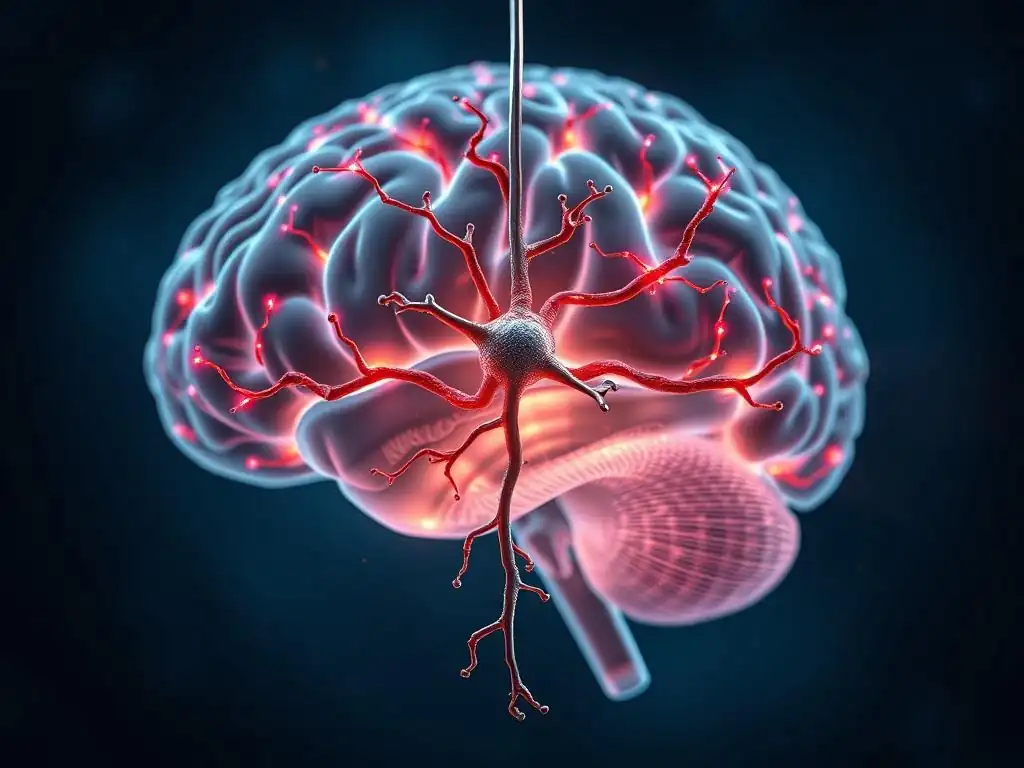
Welcome to Mind Care Guide, a sanctuary for nurturing your mental well-being.
Are you grappling with the unseen connections between your body and mind? Delve into our in-depth exploration of how Brain inflammation mental disorders trigger, uncovering the powerful role of infection in potentially impacting your mental health. Could this be the missing piece in understanding your challenges? Let's embark on this journey of discovery together, revealing the neuroscience behind mental well-being.
- Introduction: Understanding the Link Between Infection, Neuroinflammation, and Mental Health
- Brain Inflammation: A Key Player in Mental Illness
- Infections as Triggers for Neuroinflammation and Mental Disorders
- Specific Mental Disorders Linked to Infection-Induced Brain Inflammation
- Diagnosing and Managing Infection-Related Brain Inflammation
- Future Directions: Advancing Research on Infection, Brain Inflammation, and Mental Disorders
- Conclusion: A Holistic Approach to Mental Well-being
-
Frequently Asked Questions
- What is the connection between brain inflammation and mental disorders?
- How can infections trigger brain inflammation and subsequently impact mental health?
- What types of infections are most commonly linked to brain inflammation and mental health issues?
- Can brain inflammation caused by infection be treated, and can this improve mental health symptoms?
- What resources are available for individuals experiencing mental health issues potentially linked to brain inflammation?
- Final Reflection: Unraveling the Inflammatory Thread in Mental Illness
- Unlock Your Brain's Potential: Take Charge of Your Mental Wellness
Introduction: Understanding the Link Between Infection, Neuroinflammation, and Mental Health
For centuries, the understanding of mental health challenges focused primarily on psychological and social factors, and later, on imbalances in brain chemistry. However, emerging research in neuroscience and immunology reveals a profound connection between the body's immune system, particularly its response to infections, and the health of the brain.
This intricate relationship suggests that infections, far from being confined to physical symptoms, can initiate processes within the brain that contribute to or exacerbate mental health conditions. The concept that infection can act as a brain inflammation mental disorders trigger is gaining significant traction, shifting perspectives on diagnosis, treatment, and prevention.
This article explores the compelling evidence linking infections to neuroinflammation – inflammation specifically within the brain and spinal cord – and how this neuroinflammatory state can pave the way for various mental health disorders. We will delve into the mechanisms by which different types of infections exert their influence, examine specific mental health conditions where this link is increasingly recognized, and discuss current approaches to diagnosis and management, as well as the promising avenues for future research in this critical area. Understanding this complex interplay is vital for a more holistic approach to mental well-being.
Brain Inflammation: A Key Player in Mental Illness
Inflammation is the body's natural response to injury, infection, or irritation. It's a crucial protective mechanism involving immune cells and chemical signals that work to heal damaged tissue or fight off pathogens. While acute, short-term inflammation is beneficial, chronic or excessive inflammation can become detrimental, particularly within the delicate environment of the brain. This specialized form of inflammation, known as neuroinflammation, is increasingly implicated not just in neurodegenerative diseases but also as a potential brain inflammation mental disorders trigger.
Neuroinflammation involves the activation of the brain's resident immune cells, primarily microglia and astrocytes, along with the release of signaling molecules called cytokines and chemokines. These mediators are essential for brain development, maintenance, and repair under normal circumstances. However, when persistently activated by stimuli like infection or chronic stress, they can release excessive amounts of pro-inflammatory substances such as Interleukin-1 beta (IL-1β), Tumor Necrosis Factor-alpha (TNF-α), and Interleukin-6 (IL-6). These substances, while initially protective, can become toxic to neurons and disrupt normal brain function, setting the stage for mental health challenges.
Defining Brain Inflammation (Neuroinflammation) and Its Impact
Neuroinflammation refers specifically to the inflammatory response occurring within the central nervous system (CNS), which includes the brain and spinal cord. Unlike systemic inflammation, the brain has its own dedicated immune cells, the microglia, which act as the primary responders to injury or infection within the CNS. Astrocytes, another type of glial cell, also play a significant role, supporting neuronal function and contributing to the inflammatory response by releasing cytokines and other mediators.
Acute neuroinflammation is a necessary process for clearing pathogens, removing cellular debris, and initiating repair after injury. For example, following a head injury or a severe brain infection like meningitis, microglia become activated to protect brain tissue. However, if the trigger for inflammation persists, as can happen with chronic infections, ongoing exposure to toxins, or autoimmune conditions, the neuroinflammatory response can become chronic.
In this chronic state, activated microglia and astrocytes can release a steady stream of pro-inflammatory cytokines, reactive oxygen species, and other harmful molecules. This sustained release can lead to neuronal damage, synaptic dysfunction, and disruption of neural circuits, fundamentally altering brain function and contributing to the development or worsening of mental health symptoms. The persistent inflammatory state effectively acts as a chronic brain inflammation mental disorders trigger.
How Brain Inflammation Affects Mental Health
The mechanisms by which neuroinflammation impacts mental health are multifaceted and complex, involving disruptions across various brain systems critical for mood, cognition, and behavior. Inflammatory mediators, such as cytokines, can cross the blood-brain barrier or signal the brain via neural pathways (like the vagus nerve) and humoral routes, directly influencing neuronal activity and communication.
One major impact is on neurotransmitter systems. Inflammatory cytokines can alter the synthesis, release, and reuptake of key neurotransmitters like serotonin, dopamine, and glutamate, all of which are intimately involved in mood regulation, motivation, and cognitive function. For instance, inflammation can increase the metabolism of tryptophan down the kynurenine pathway, producing neurotoxic metabolites that can negatively affect glutamate signaling and potentially contribute to depressive and anxiety symptoms.
Furthermore, chronic neuroinflammation can impair neurogenesis, the process by which new neurons are born, particularly in areas like the hippocampus, which is vital for learning, memory, and mood regulation. Reduced neurogenesis is consistently observed in models of depression and chronic stress. The cumulative effect of these disruptions underscores how inflammation in the brain can serve as a significant brain inflammation mental disorders trigger.
Infections as Triggers for Neuroinflammation and Mental Disorders
Infections represent a potent stimulus for initiating both systemic inflammation and, subsequently, neuroinflammation. Whether caused by viruses, bacteria, or other pathogens, the body's immune response to an invader can directly or indirectly affect the brain. While some infections directly invade the brain tissue, others trigger a systemic inflammatory response that signals the brain, leading to neuroinflammation. This immune activation, triggered by infection, is a primary mechanism by which infection can become a brain inflammation mental disorders trigger.
The pathway from infection to brain inflammation and mental health consequences is not always straightforward. It can depend on the type of pathogen, the severity of the infection, the individual's genetic predisposition, and the state of their immune system. Some infections might cause acute mental health symptoms during the illness (e.g., delirium with high fever), while others might leave a legacy of chronic neuroinflammation that contributes to persistent or delayed-onset mental health issues. Understanding these different pathways is crucial for appreciating the diverse ways infections can influence brain health.
Viral infections can potentially impact mental health through several routes. Some viruses, like herpes simplex virus (HSV-1), varicella-zoster virus (VZV), or enteroviruses, have the capacity to directly invade the central nervous system, causing conditions like viral encephalitis or meningitis. While these are severe neurological illnesses, even less severe viral infections, or those that don't directly infect the brain, can trigger a significant systemic immune response that leads to neuroinflammation.
Consider influenza. While primarily a respiratory illness, studies have shown that the inflammatory cytokines produced during a severe flu infection can affect brain function, contributing to "sickness behavior" characterized by fatigue, social withdrawal, and anhedonia – symptoms that overlap with depression. More recently, the COVID-19 pandemic has highlighted the potential for viral infections to contribute to neurological and psychiatric symptoms.
A study published in The Lancet Psychiatry in 2021, analyzing electronic health records of over 236,000 COVID-19 patients, found that about 34% received a neurological or psychiatric diagnosis within six months of infection. Anxiety disorders (17%) and mood disorders (14%) were among the most common. While the exact mechanisms are still being researched, neuroinflammation triggered by the systemic inflammatory response is considered a likely contributor, demonstrating how a viral infection can act as a brain inflammation mental disorders trigger.
Bacterial Infections and the Gut-Brain Axis: Indirect Influence
Bacterial infections can also contribute to neuroinflammation and mental health issues, often through indirect pathways. Severe systemic bacterial infections, such as sepsis, can cause widespread inflammation throughout the body, including the brain. This systemic inflammation triggers microglial activation and cytokine release in the CNS, leading to acute changes like delirium and potentially contributing to long-term cognitive or mood disturbances.
Furthermore, bacteria residing in the gut microbiome play a significant role in modulating immune function and influencing the gut-brain axis – the bidirectional communication system between the gut and the brain. Disruptions to the normal gut microbiome composition, known as dysbiosis, can be caused by bacterial infections (like gastroenteritis) or treatments like antibiotics used to clear infections.
This dysbiosis can lead to increased gut permeability ("leaky gut"), allowing bacterial products (like lipopolysaccharide or LPS) to enter the bloodstream. LPS is a potent trigger for inflammation, and its presence in the circulation can lead to systemic and neuroinflammation, impacting mood and behavior.
A specific, albeit rare, example is Pediatric Autoimmune Neuropsychiatric Disorders Associated with Streptococcal Infections (PANDAS), where Streptococcus pyogenes infection triggers an autoimmune response leading to neuroinflammation and neuropsychiatric symptoms like OCD and tics. This illustrates how a bacterial infection can initiate an immune response that becomes a brain inflammation mental disorders trigger.
Autoimmune Diseases and Brain Inflammation: When the Body Attacks Itself
Infections can sometimes trigger autoimmune responses, where the immune system mistakenly attacks the body's own tissues. When this autoimmune attack is directed towards the brain or components of the nervous system, it inevitably causes significant neuroinflammation. Autoimmune conditions affecting the brain can manifest with a wide range of neurological and psychiatric symptoms, directly linking the immune system's misdirected activity to mental health.
Examples include conditions like Anti-NMDA receptor encephalitis, an autoimmune disorder where antibodies attack NMDA receptors in the brain, often triggered by tumors or, in some cases, viral infections like herpes simplex encephalitis. This condition is characterized by severe psychiatric symptoms including psychosis, paranoia, and behavioral changes, alongside neurological signs. Another example is Systemic Lupus Erythematosus (SLE), an autoimmune disease where inflammation can affect various organs, including the brain (neuropsychiatric lupus).
Studies estimate that neuropsychiatric manifestations occur in 20% to 80% of lupus patients, with depression, anxiety, and cognitive dysfunction being common. In these cases, the infection acts as an initial trigger for an autoimmune process, and it is the subsequent autoimmune attack causing neuroinflammation that functions as the primary brain inflammation mental disorders trigger.
Specific Mental Disorders Linked to Infection-Induced Brain Inflammation
The growing body of evidence suggests that neuroinflammation, often triggered by infections, is not just a consequence of mental illness but can be a contributing factor or even a primary driver in certain individuals. While inflammation may not be the sole cause of any specific disorder, it appears to play a significant role in the pathophysiology of several conditions, influencing symptom severity, treatment response, and prognosis. Recognizing inflammation's role offers new avenues for therapeutic intervention.
Research utilizing neuroimaging techniques, such as PET scans that can identify activated microglia, and studies measuring inflammatory markers in blood and cerebrospinal fluid, are providing increasingly direct evidence of neuroinflammation in patient populations. These findings support the concept that inflammatory processes, potentially initiated by infections, are part of the complex biological landscape underlying various mental health conditions. This reinforces the idea that infection can be a significant brain inflammation mental disorders trigger in susceptible individuals.
Depression and Neuroinflammation: A Complex Relationship
For many years, depression was primarily understood through the lens of neurotransmitter imbalances, particularly serotonin. However, research over the past two decades has strongly implicated the immune system and inflammation in the development and maintenance of depressive symptoms, especially in a subset of patients. Studies consistently show elevated levels of pro-inflammatory cytokines like IL-6, TNF-α, and C-reactive protein (CRP) – a general marker of systemic inflammation – in a significant proportion of individuals experiencing major depressive disorder. Estimates suggest that perhaps 30-40% of depressed patients exhibit elevated inflammatory markers.
This inflammatory state is believed to contribute to symptoms like fatigue, loss of interest (anhedonia), changes in appetite and sleep, and cognitive difficulties often seen in depression. These symptoms overlap significantly with "sickness behavior," a coordinated set of behavioral changes induced by inflammation during illness.
Furthermore, inducing inflammation experimentally in healthy volunteers (e.g., via typhoid vaccine or LPS administration) reliably triggers transient depressive-like symptoms. While not all depression is linked to inflammation, for those with an inflammatory subtype, an infection that triggers a robust or chronic inflammatory response can certainly act as a brain inflammation mental disorders trigger, contributing to the onset or worsening of their depressive state.
Schizophrenia and the Role of Immune Activation
Schizophrenia is a severe and complex mental disorder characterized by disturbances in thought processes, perceptions, emotional responsiveness, and social interactions. While its etiology is multifactorial, involving genetic predisposition and environmental factors, evidence points towards immune system dysregulation and neuroinflammation playing a role, particularly in the early stages of the illness or during psychotic episodes.
Post-mortem studies and PET imaging studies have provided evidence of increased microglial activation in certain brain regions, such as the prefrontal cortex and hippocampus, in some individuals with schizophrenia. Furthermore, studies have reported altered levels of cytokines and other immune molecules in the blood and cerebrospinal fluid of patients.
One hypothesis suggests a "two-hit" model, where genetic vulnerability interacts with environmental insults, such as infections during critical periods of brain development (e.g., prenatal viral infections), to trigger neurodevelopmental abnormalities and later psychotic symptoms. The immune response to these infections could initiate neuroinflammatory processes that persist or are easily re-triggered, making inflammation a potential brain inflammation mental disorders trigger in vulnerable individuals.
Anxiety Disorders and Inflammatory Processes
While the link between inflammation and anxiety disorders is perhaps less extensively studied than with depression or schizophrenia, there is growing evidence suggesting inflammatory processes contribute to certain forms of anxiety. Chronic stress, a known trigger for anxiety, also activates inflammatory pathways in the brain and body. Inflammatory signals can influence brain regions involved in fear processing, such as the amygdala, potentially increasing its reactivity and contributing to heightened states of anxiety and fear.
Moreover, the gut-brain axis plays a significant role in anxiety, and gut inflammation, often resulting from infections or dysbiosis, can directly impact anxiety levels. Inflammatory mediators from the gut can signal the brain via the vagus nerve or systemic circulation, altering neurotransmitter balance and influencing anxiety circuits.
For individuals with conditions like Irritable Bowel Syndrome (IBS), which often involves gut inflammation and dysbiosis, there is a significantly higher comorbidity with anxiety disorders. This suggests that inflammation, wherever it originates in the body in response to infection or other triggers, can influence brain circuits involved in anxiety, acting as a brain inflammation mental disorders trigger in some individuals.
Cognitive Decline and Dementia: The Chronic Inflammation Factor
Chronic neuroinflammation is increasingly recognized as a key player in the pathogenesis of neurodegenerative diseases, including Alzheimer's disease (AD) and other forms of dementia. While acute inflammation is protective, persistent low-grade inflammation in the brain can lead to chronic activation of microglia and astrocytes, which over time can become detrimental to neuronal health and function.
In Alzheimer's disease, for example, activated microglia surround amyloid plaques and tau tangles – the hallmark protein aggregates of the disease. While initially intended to clear these pathological proteins, chronic microglial activation can lead to the release of neurotoxic substances, contributing to synaptic dysfunction, neuronal damage, and ultimately, cognitive decline. Research suggests that systemic infections, particularly in older adults, can exacerbate neuroinflammation and accelerate the progression of cognitive impairment.
A urinary tract infection or pneumonia in an elderly person with pre-existing cognitive vulnerability can lead to acute delirium and potentially a more rapid decline in cognitive function thereafter. This highlights how infections, by adding to the chronic inflammatory burden, can act as a brain inflammation mental disorders trigger or significantly worsen pre-existing cognitive issues.
Identifying whether infection-induced brain inflammation is contributing to a person's mental health symptoms is a complex clinical challenge. There isn't a single definitive test, and symptoms often overlap with those of the primary mental disorder. A comprehensive approach is required, involving careful clinical history, physical examination, and targeted investigations to look for signs of current or past infection and inflammation.
Management strategies typically involve addressing the underlying infection if it is still active, and then considering approaches to modulate the inflammatory response and support brain health. It's important to note that while the link between infection, inflammation, and mental health is a rapidly evolving area, specific clinical guidelines for managing inflammation as a primary target in most mental disorders are still under development. Treatment decisions must be individualized based on the specific patient presentation and any identified underlying causes.
Diagnostic Approaches: Identifying the Underlying Infection
Diagnosing an infection that might be acting as a brain inflammation mental disorders trigger involves a thorough medical history, including past illnesses and recent infections. A physical examination can help identify signs of ongoing infection. Laboratory tests are crucial and may include blood tests to check for markers of systemic inflammation, such as C-reactive protein (CRP) or erythrocyte sedimentation rate (ESR). While these indicate general inflammation, they don't pinpoint the source or confirm neuroinflammation.
Specific tests may be conducted based on suspected infection type, such as blood cultures, urine tests, stool tests, or serological tests to detect antibodies against specific viruses (e.g., EBV, HSV, influenza) or bacteria. In cases where direct brain involvement is suspected, a lumbar puncture (spinal tap) might be performed to analyze cerebrospinal fluid (CSF) for signs of infection (e.g., elevated white blood cells, protein) or intrathecal antibody production suggesting an autoimmune response targeting the CNS.
Neuroimaging techniques like MRI or PET scans can sometimes show signs of inflammation or metabolic changes in the brain, but these are often used more in research settings or to rule out other neurological conditions rather than routine diagnosis of infection-induced neuroinflammation in mental health.
Treatment Strategies: Targeting the Infection and Reducing Inflammation
The primary step in managing infection-related brain inflammation contributing to mental health issues is to treat any identified active infection. This involves appropriate antimicrobial therapy – antibiotics for bacterial infections, antivirals for viral infections, or antifungals for fungal infections. Clearing the pathogen is essential to remove the initial stimulus for the immune response.
Beyond treating the infection, strategies to reduce inflammation may be considered, although this is highly dependent on the specific context and is an area of ongoing research. In some autoimmune conditions affecting the brain triggered by infection, immunosuppressive therapies or immunomodulatory treatments might be used to dampen the overactive immune response.
For inflammatory subtypes of depression with elevated CRP, some studies have explored the use of anti-inflammatory medications (like NSAIDs or specific cytokine inhibitors) as adjunctive treatments, though results have been mixed and this approach is not yet standard practice. The goal is to calm the inflammatory processes that function as a brain inflammation mental disorders trigger without compromising the immune system's ability to fight off future infections.
Lifestyle Interventions: Supporting Brain Health and Reducing Inflammation
Alongside medical treatments, lifestyle interventions can play a significant role in supporting overall brain health, modulating the immune system, and potentially reducing chronic low-grade inflammation that might contribute to mental health vulnerabilities. These strategies are generally beneficial for everyone but are particularly important for individuals where inflammation is suspected to play a role.
An anti-inflammatory diet, rich in fruits, vegetables, whole grains, lean protein, and healthy fats (like omega-3 fatty acids found in fish), can help reduce systemic inflammation. Avoiding processed foods, excessive sugar, and unhealthy fats is also important. Regular physical activity has known anti-inflammatory effects and promotes brain health.
Ensuring adequate sleep is crucial, as sleep deprivation can increase inflammatory markers. Stress management techniques, such as mindfulness, meditation, or yoga, can help lower stress hormones, which in turn can reduce inflammation. These lifestyle choices provide a foundation for resilience, potentially mitigating the impact of infection-induced inflammation that could otherwise act as a brain inflammation mental disorders trigger.
Future Directions: Advancing Research on Infection, Brain Inflammation, and Mental Disorders
The field exploring the links between infection, neuroinflammation, and mental disorders is rapidly advancing, driven by technological progress in neuroscience, immunology, and genetics. Future research holds the promise of better understanding these complex interactions and developing more targeted and effective treatments.
One major area of focus is the identification of specific biomarkers – measurable indicators in blood, CSF, or through imaging – that can reliably identify individuals whose mental health symptoms are driven or influenced by neuroinflammation. This would allow for more precise diagnosis and personalized treatment approaches. Research is also delving deeper into the specific mechanisms by which different pathogens or the resulting immune responses affect neuronal circuits and lead to specific psychiatric symptoms.
Understanding the role of the gut microbiome and its interaction with the immune system and brain is another critical area, potentially leading to probiotic or dietary interventions. Finally, exploring novel anti-inflammatory or immunomodulatory therapies that can safely and effectively target neuroinflammation without causing unwanted side effects is a key goal, offering hope for new ways to treat mental disorders where inflammation acts as a brain inflammation mental disorders trigger.
Conclusion: A Holistic Approach to Mental Well-being
The growing evidence linking infections, neuroinflammation, and mental disorders underscores the intricate connection between physical health and mental well-being. It challenges the traditional separation of mind and body and highlights the importance of considering the immune system and inflammatory processes when evaluating and treating mental health conditions. Infections are not just physical ailments; their ability to trigger inflammation in the brain can have profound and lasting impacts on mood, cognition, and behavior.
Recognizing that infection can function as a brain inflammation mental disorders trigger opens new avenues for prevention and treatment. While the research is still evolving, a holistic approach that considers a person's infection history, inflammatory status, and overall physical health alongside psychological and social factors is essential. By addressing underlying infections, managing inflammation through lifestyle or targeted therapies, and supporting overall brain and immune health, we can move towards more comprehensive and effective strategies for promoting mental well-being and resilience in the face of these complex biological challenges.
Frequently Asked Questions
What is the connection between brain inflammation and mental disorders?
Brain inflammation, or neuroinflammation, can disrupt normal brain function and contribute to the development or exacerbation of various mental disorders by affecting neurotransmitter systems and neural pathways.
How can infections trigger brain inflammation and subsequently impact mental health?
Infections can initiate an immune response that crosses the blood-brain barrier, leading to inflammation. This inflammation can then damage brain cells and disrupt cognitive processes, potentially triggering or worsening mental health conditions.
What types of infections are most commonly linked to brain inflammation and mental health issues?
Certain infections, such as encephalitis, meningitis, and even some chronic systemic infections like Lyme disease, have been linked to increased risk of brain inflammation and subsequent development of mental health problems.
Can brain inflammation caused by infection be treated, and can this improve mental health symptoms?
Yes, treatments targeting the underlying infection and reducing inflammation may help alleviate some mental health symptoms. Anti-inflammatory medications and antibiotics are common treatments.
What resources are available for individuals experiencing mental health issues potentially linked to brain inflammation?
Resources include mental health professionals specializing in neuropsychiatry, support groups for individuals with inflammatory conditions, and websites like Mind Care Guide offering information on mental well-being and related challenges.
Final Reflection: Unraveling the Inflammatory Thread in Mental Illness
The intricate link between infection, brain inflammation, and the development of mental disorders is no longer a fringe theory; it's a rapidly expanding field of research with profound implications for diagnosis and treatment. Understanding this connection is crucial, not just for scientists, but for everyone affected by mental illness, offering a potential pathway to earlier intervention and more effective therapies. The implications are vast, potentially reshaping our understanding of conditions previously considered solely neurodevelopmental or purely psychological.
The ongoing exploration of this inflammatory pathway has profoundly shifted my own perspective on mental health. It highlights the interconnectedness of our physical and mental well-being, challenging the traditional mind-body dichotomy. This understanding underscores the importance of holistic approaches to treatment, moving beyond solely pharmaceutical interventions to consider the role of lifestyle, environmental factors, and even past infections in shaping mental health outcomes. The body keeps the score,
as Bessel van der Kolk so eloquently puts it, reminding us that the physical manifestations of trauma and illness are deeply intertwined with our mental state.
The journey to understanding the role of infection in triggering brain inflammation and mental disorders is far from over. But the knowledge we've gained already empowers us to approach mental health with a new level of nuance and compassion. I urge you to consider the implications of this research in your own life, whether you are personally affected by mental illness or simply seeking a deeper understanding of its complexities.
Advocate for research funding, encourage open conversations about mental health, and remember that even seemingly disparate elements of our health – like infections – can play a significant role in our overall well-being. Let's continue to unravel this inflammatory thread, together.
Unlock Your Brain's Potential: Take Charge of Your Mental Wellness
Thank you for exploring the fascinating connection between infection and brain inflammation! You've now gained valuable insights into a crucial aspect of mental health. Let's turn this knowledge into action.
- Prioritize proactive health: Schedule a checkup with your doctor to discuss any concerns about infections or inflammation, and explore preventative measures like optimizing your diet and sleep. This is your primary step towards better mental well-being.
- Share this insightful information with your loved ones. Help them understand the importance of addressing potential infection-related inflammation.
- Explore MindCareGuide.org for more articles on brain health and mental wellness. Discover practical strategies for maintaining a healthy mind and body.
What proactive steps will you take today to support your brain health and mental wellness?