
The Inflamed Brain Paradigm: A New Way to Understand Mental Disorders

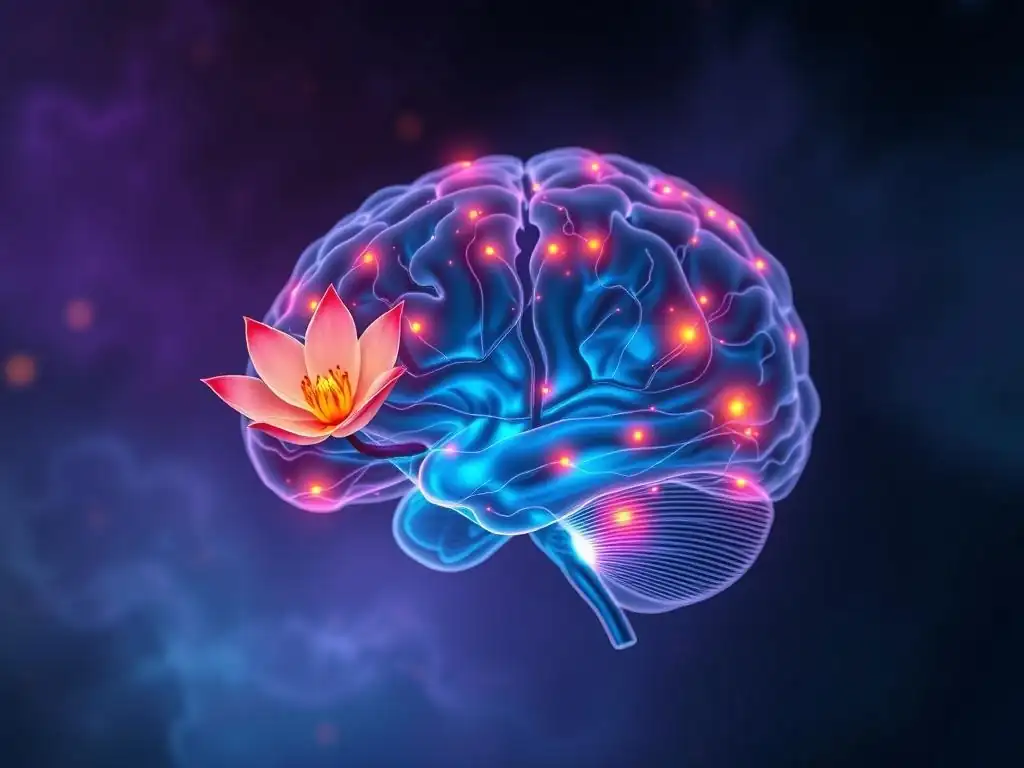
Welcome to Mind Care Guide, a sanctuary for understanding and nurturing your mental well-being. Feeling adrift in the complexities of mental health? You're not alone. We're here to illuminate the path towards clarity and support. In our latest exploration, we delve into a fascinating connection: the surprising role of inflammation in mental disorders. Could inflammation be a key piece of the puzzle in understanding conditions like depression and anxiety? Join us as we unravel the Inflamed Brain Paradigm and discover potential new avenues for healing and hope. Let's explore together.
The Gut-Brain Axis in Mental Health: A Bi-Directional Communication Network
- Introduction: The Gut-Brain Connection - A New Perspective
- Understanding the Gut-Brain Axis: The Foundation of the Connection
- The Gut-Brain Axis and Mental Disorders: Exploring the Connections
- Factors Influencing the Gut-Brain Axis: Identifying Key Contributors
- Assessing the Gut-Brain Axis: Current and Future Approaches
-
Targeting the Gut-Brain Axis: Therapeutic Strategies for Mental Well-being
- Probiotics and Prebiotics: Nutritional Strategies for Modulating Gut Microbiota
- Dietary Interventions: Specific Diets for Improving Gut Health and Mental Health
- Fecal Microbiota Transplantation (FMT): Investigating its Role in Mental Disorders
- Psychobiotics: Investigating the Role of Beneficial Bacteria in Mental Health
- The Future of Mental Health Treatment: Embracing the Gut-Brain Axis Paradigm
- Conclusion: A New Hope for Mental Well-being Through Understanding the Gut-Brain Axis
-
Frequently Asked Questions
- How does inflammation relate to mental disorders according to the "Inflamed Brain Paradigm"?
- What types of mental disorders are potentially linked to inflammation?
- Can lifestyle factors influence inflammation levels in the brain and, consequently, mental health?
- What are some potential treatment approaches that target inflammation to improve mental health?
- Where can I find more information and support related to inflammation and mental disorders?
- Final Reflection: Reframing Mental Illness Through the Lens of Inflammation
- Unlock Your Brain's Potential: Take Charge of Your Mental Wellbeing
Introduction: The Gut-Brain Connection - A New Perspective
The Emerging Link Between Gut Microbiota and Mental Well-being
For decades, mental health treatment primarily focused on neurochemical imbalances in the brain and psychological factors. However, recent research has unveiled a complex and crucial connection between the gut and the brain, fundamentally shifting our understanding. The gut, often referred to as the "second brain," hosts trillions of microorganisms – bacteria, viruses, fungi, and archaea – collectively known as the gut microbiota.
This diverse community plays a vital role far beyond digestion, influencing everything from our immune system to, remarkably, our mood and cognitive function. The emerging link between this intricate microbial ecosystem and mental well-being suggests that the state of our gut health can significantly impact our mental state.
Studies are increasingly demonstrating correlations between alterations in the gut microbiome composition (dysbiosis) and various mental health conditions. For instance, research has shown that individuals with major depressive disorder often exhibit different microbial profiles compared to healthy controls, with specific bacterial species being more or less abundant.
Similarly, shifts in gut bacteria have been observed in people experiencing anxiety. This growing body of evidence supports the idea that the gut microbiota is not just a passive bystander but an active participant in the complex biological processes underpinning mental health, presenting a promising new avenue for understanding and potentially treating these conditions.
Why the Gut-Brain Axis Matters for Understanding Mental Health
Understanding the gut-brain axis is paramount because it offers a more holistic and integrated view of mental health, moving beyond a purely brain-centric model. It highlights that mental disorders are not solely confined to the brain but can be influenced by systemic factors originating in the gut. This bi-directional communication pathway provides novel insights into the potential root causes of conditions like depression, anxiety, and even neurodevelopmental disorders, suggesting that interventions targeting the gut could have profound effects on mental well-being.
Moreover, the gut-brain axis sheds light on how factors like diet, stress, and even antibiotic use, which are known to impact gut health, can also influence mental health. It helps explain why dietary changes or stress management techniques can sometimes alleviate mental health symptoms. By recognizing this axis, researchers can develop innovative therapeutic strategies that target the gut microbiome or its communication pathways with the brain. This paradigm shift is crucial for developing more effective, personalized, and potentially less invasive treatments for a wide range of mental health challenges, offering new hope for millions affected globally.
Understanding the Gut-Brain Axis: The Foundation of the Connection
What is the Gut-Brain Axis? Defining the Bi-Directional Communication
The gut-brain axis is a complex, bi-directional communication network that links the central nervous system (CNS), which includes the brain and spinal cord, with the enteric nervous system (ENS), a vast network of neurons embedded in the gut wall. This axis facilitates continuous dialogue between the gut and the brain, allowing them to influence each other's function.
It's not a single pathway but a multi-channel system involving neural, hormonal, and immunological signaling. The gut microbiota plays a critical role within this axis, acting as a key modulator by producing various metabolites and influencing the integrity of the gut barrier and immune system.
This intricate communication ensures proper physiological function throughout the body. For example, the brain can influence gut motility and secretion, which is why stress can lead to digestive issues. Conversely, signals originating in the gut, including those from the microbiota, can impact brain function, affecting mood, behavior, and cognition. This constant exchange highlights the interconnectedness of our internal systems and underscores why imbalances in one area, such as gut dysbiosis, can have ripple effects on seemingly distant systems, like the brain, potentially contributing to inflammation and mental disorders.
The Role of the Vagus Nerve in Gut-Brain Communication
A primary neural pathway connecting the gut and the brain is the vagus nerve. As the longest cranial nerve, it extends from the brainstem down to the abdomen, innervating most major organs, including the stomach and intestines. The vagus nerve acts like a superhighway, transmitting signals in both directions: from the brain to the gut (efferent signals) and from the gut to the brain (afferent signals). Approximately 80-90% of vagal fibers are afferent, meaning they carry information from the gut to the brain, highlighting the significant influence the gut has on central nervous system activity.
The gut microbiota can directly and indirectly influence vagal nerve activity. For instance, certain gut bacteria can produce neurotransmitters like GABA (gamma-aminobutyric acid), which can signal to the brain via the vagus nerve. They can also modulate the release of gut hormones that interact with vagal nerve endings.
Disruptions in the gut microbiome or chronic stress can impair vagal tone, potentially affecting mood regulation and stress responses. This neural link is a critical component of the gut-brain axis, providing a rapid communication route that can impact everything from satiety signals to emotional states, and its dysfunction is increasingly implicated in the development of inflammation and mental disorders.
Key Neurotransmitters and Signaling Molecules Involved in the Axis
Communication along the gut-brain axis relies on a complex interplay of neurotransmitters, hormones, and immune molecules. Neurotransmitters traditionally associated with brain function, such as serotonin, dopamine, norepinephrine, and GABA, are also produced in the gut. In fact, about 90% of the body's serotonin is produced in the gut, primarily by enterochromaffin cells, and can be influenced by the gut microbiota. These gut-derived neurotransmitters can signal to the brain via the vagus nerve or enter the bloodstream to exert systemic effects.
Beyond neurotransmitters, gut microbes produce metabolites like short-chain fatty acids (SCFAs), such as butyrate, propionate, and acetate, through the fermentation of dietary fibers. SCFAs have diverse effects, including strengthening the gut barrier, modulating immune responses, and directly influencing brain function. Hormones like ghrelin, leptin, and cortisol also play roles in the axis, signaling between the gut, brain, and other organs.
Furthermore, the gut's immune system is in constant communication with the brain's immune cells (microglia). When the gut barrier is compromised (leaky gut), microbial products can enter the bloodstream, triggering systemic inflammation, which can then cross the blood-brain barrier and contribute to neuroinflammation. This inflammatory signaling is a critical mechanism linking gut health to inflammation and mental disorders.
The Gut-Brain Axis and Mental Disorders: Exploring the Connections
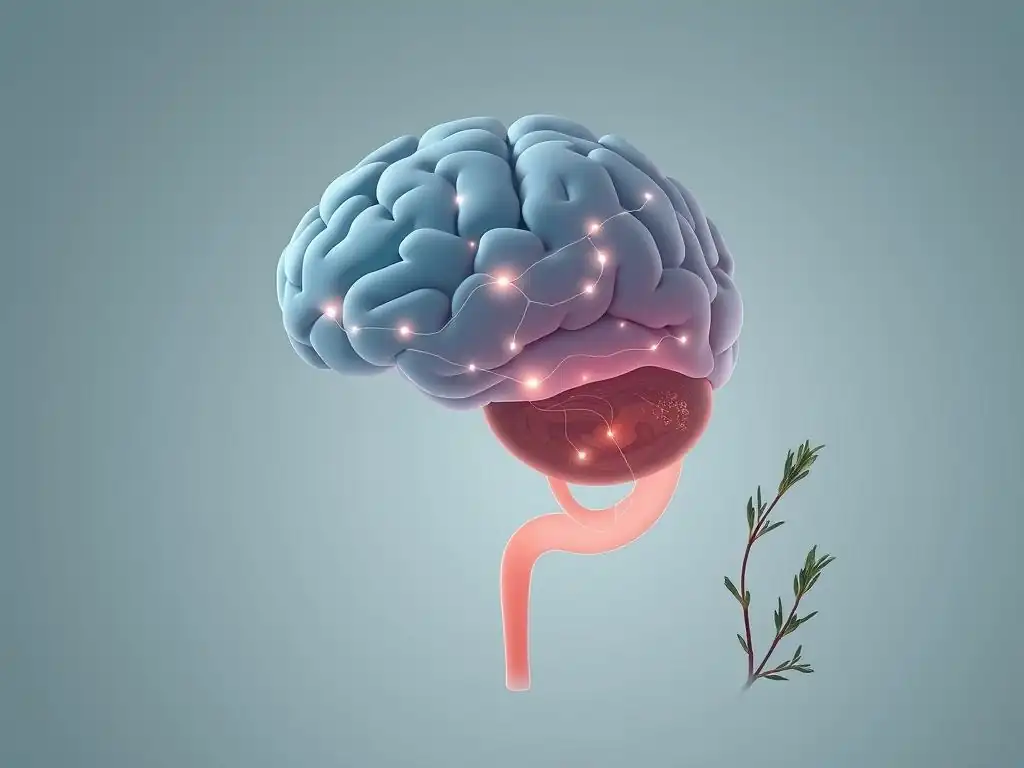
The Gut Microbiome and Depression: Unraveling the Link
The link between the gut microbiome and depression is one of the most actively researched areas within the gut-brain axis field. Numerous studies have found differences in the diversity and composition of gut bacteria in individuals with depression compared to healthy controls. For example, some research suggests that people with depression may have lower levels of certain beneficial bacteria, such as Faecalibacterium prausnitzii and species within the genus Bifidobacterium. Conversely, higher levels of pro-inflammatory bacteria have been observed in some depressed populations.
These microbial alterations are hypothesized to contribute to depression through several mechanisms. Dysbiosis can lead to increased gut permeability ("leaky gut"), allowing bacterial products like lipopolysaccharide (LPS) to enter the bloodstream. LPS is a potent trigger for inflammation, and chronic low-grade inflammation is strongly associated with depression.
Furthermore, altered microbiota can affect the production of neuroactive compounds, such as serotonin and GABA, and influence the stress response system (hypothalamic-pituitary-adrenal or HPA axis). Animal studies have provided causal evidence; transplanting fecal matter from depressed humans into germ-free animals can induce depressive-like behaviors, further supporting the role of the microbiome in this complex disorder and its potential connection to inflammation and mental disorders.
Anxiety and the Gut-Brain Axis: Is There a Connection?
Anxiety disorders are also increasingly being linked to disruptions in the gut-brain axis. Research indicates that individuals with anxiety often present with distinct gut microbial profiles. For instance, studies have shown correlations between anxiety levels and the abundance of specific bacterial groups, though findings can vary depending on the study population and methodology. The mechanisms underlying this connection are thought to be similar to those involved in depression, including altered neurotransmitter production, modulation of the HPA axis, and inflammatory signaling.
The gut microbiome's influence on the stress response is particularly relevant to anxiety. Certain gut bacteria can influence the levels of stress hormones like cortisol. Dysbiosis can exacerbate the body's stress response, making individuals more susceptible to anxiety. Animal models have demonstrated that manipulating the gut microbiome, for example, by administering certain probiotics, can reduce anxiety-like behaviors. This suggests that targeting the gut could be a viable strategy for managing anxiety symptoms, highlighting the importance of addressing gut health when considering treatment approaches for inflammation and mental disorders characterized by anxiety.
The Gut Microbiome and Autism Spectrum Disorder: Exploring the Hypothesis
Emerging research is exploring the potential role of the gut-brain axis in neurodevelopmental conditions like Autism Spectrum Disorder (ASD). A significant percentage of individuals with ASD experience gastrointestinal issues, such as constipation, diarrhea, and abdominal pain, which has led researchers to investigate the gut microbiome. Studies have observed differences in the gut microbial composition of children with ASD compared to neurotypical children, with some studies reporting lower diversity and alterations in the abundance of specific bacterial species.
The hypothesis is that gut dysbiosis and resulting inflammation and metabolic changes could influence brain development and function in individuals with ASD. Mechanisms proposed include the production of neuroactive metabolites by gut bacteria that could affect brain signaling, the impact of gut-derived inflammation on neuroinflammation, and the influence of the microbiome on the gut barrier integrity.
While the exact nature of this relationship is still being actively researched and is likely complex and multifactorial, the consistent observation of gut abnormalities and microbial differences in many individuals with ASD suggests that the gut-brain axis is a promising area for understanding the heterogeneity of this condition and potentially developing novel interventions related to inflammation and mental disorders.
The Role of the Gut in Eating Disorders [e.g., Anorexia Nervosa, Bulimia Nervosa]
Eating disorders, such as Anorexia Nervosa (AN) and Bulimia Nervosa (BN), often involve significant disruptions to both eating patterns and psychological state. The gut-brain axis is increasingly recognized as playing a potential role in these complex conditions. Altered dietary intake and nutritional deficiencies inherent in eating disorders can dramatically impact the gut microbiome composition and function. Studies have shown significant differences in the gut microbiota of individuals with AN compared to healthy controls, often characterized by reduced diversity and alterations in specific bacterial groups, possibly reflecting the state of starvation and malnutrition.
These changes in the gut microbiome could contribute to symptoms beyond just gastrointestinal issues. For instance, altered microbial profiles might influence appetite regulation, mood, and anxiety levels often associated with eating disorders. The gut-brain axis could also mediate the psychological distress experienced by individuals with these conditions. While research is still in its early stages, exploring the gut-brain axis in eating disorders offers a new perspective on the complex interplay between nutritional state, gut health, psychological factors, and inflammation and mental disorders, potentially leading to novel therapeutic targets that address both the physical and mental aspects of these illnesses.
Factors Influencing the Gut-Brain Axis: Identifying Key Contributors
Diet and Nutrition: How Food Impacts Gut Microbiota and Mental Health
Diet is arguably the most significant environmental factor shaping the gut microbiome. The types of food we consume directly influence which bacteria thrive in our gut. A diet rich in diverse plant-based foods, particularly those high in fiber (prebiotics), feeds beneficial gut bacteria, promoting their growth and the production of beneficial metabolites like SCFAs. Conversely, diets high in saturated fats, sugar, and processed foods can lead to a less diverse microbiome and favor the growth of bacteria associated with inflammation.
The impact of diet on the gut microbiome directly translates to effects on the gut-brain axis and mental health. For example, adherence to a Mediterranean diet, which is rich in fiber, healthy fats, and lean protein, has been associated with greater gut microbial diversity and lower rates of depression and anxiety compared to Western-style diets.
Specific nutrients also play a role; omega-3 fatty acids, found in fatty fish, have anti-inflammatory properties and can influence gut bacteria, potentially benefiting mental health. Understanding the profound impact of diet on the gut-brain axis provides a powerful tool for individuals seeking to improve their mental well-being through nutritional choices and managing inflammation and mental disorders.
Stress and the Gut Microbiome: The Impact of Stress on Gut-Brain Communication
Stress has a profound and rapid impact on the gut-brain axis. Both acute and chronic stress can alter gut motility, increase gut permeability, and change the composition and function of the gut microbiome. The stress hormones, such as cortisol and adrenaline, released by the HPA axis, can directly influence gut bacteria and the cells lining the gut. This can lead to dysbiosis and a compromised gut barrier, allowing inflammatory molecules to enter the bloodstream and signal to the brain.
This stress-induced disruption of the gut-brain axis creates a negative feedback loop. Altered gut microbiota and increased gut permeability can exacerbate the stress response, leading to a heightened state of physiological arousal and contributing to symptoms of anxiety and depression. For example, research has shown that chronic stress can reduce the abundance of beneficial bacteria like Lactobacillus and Bifidobacterium species, while increasing the presence of potentially pro-inflammatory bacteria. This bidirectional influence highlights why managing stress is crucial not only for immediate psychological well-being but also for maintaining a healthy gut and preventing the cycle of inflammation and mental disorders.
Antibiotics and Gut Dysbiosis: The Consequences for Mental Health
Antibiotics are powerful medications designed to kill bacteria, but they do so indiscriminately, wiping out beneficial gut bacteria along with the harmful ones targeting an infection. Even a single course of antibiotics can significantly alter the composition and diversity of the gut microbiome, sometimes with long-lasting effects. This state of microbial imbalance, known as dysbiosis, can disrupt the delicate balance of the gut-brain axis.
The consequences of antibiotic-induced dysbiosis on mental health are an area of increasing concern. By reducing beneficial bacteria that produce neuroactive compounds or SCFAs, antibiotics can potentially impact mood and cognitive function. The disruption can also increase gut permeability, leading to inflammation.
Some studies have explored correlations between antibiotic use and increased risk of depression and anxiety, particularly with repeated or broad-spectrum courses. While antibiotics are essential for treating bacterial infections, understanding their potential impact on the gut microbiome and the gut-brain axis is important, emphasizing the need for judicious use and strategies to restore gut health after treatment, especially in the context of preventing inflammation and mental disorders.
Early Life Experiences and the Development of the Gut-Brain Axis
The development of the gut-brain axis begins early in life and is profoundly shaped by experiences during critical developmental windows. Factors such as mode of birth (vaginal vs. C-section), infant feeding method (breast milk vs. formula), antibiotic exposure in infancy, and early life stress can all influence the initial colonization and maturation of the gut microbiome. These early microbial exposures play a crucial role in programming the immune system and the development of the gut-brain communication pathways.
Disruptions to the early life gut microbiome, such as those caused by C-section birth or early antibiotic exposure, have been associated with altered immune development and increased risk of certain health issues later in life, including potentially neurodevelopmental and mental health conditions. Early life stress, such as maternal separation or adversity, can also permanently alter the gut microbiome and the responsiveness of the HPA axis, predisposing individuals to increased anxiety and depression in adulthood.
This highlights the critical importance of supporting healthy gut microbiome development in infancy and early childhood as a potential strategy for promoting long-term mental well-being and mitigating the risk of inflammation and mental disorders.
Assessing the Gut-Brain Axis: Current and Future Approaches
Challenges in Assessing Gut-Brain Axis Function in Mental Disorders
Assessing the complex interplay of the gut-brain axis in the context of mental disorders presents significant challenges. The axis involves multiple interconnected systems – the gut microbiome, the ENS, the CNS, the immune system, and the endocrine system – communicating through neural, hormonal, and metabolic pathways. Measuring and integrating data from all these components simultaneously in living humans is technically difficult and expensive.
Current methods often focus on individual components, such as analyzing stool samples for microbial composition, measuring blood or fecal metabolites, assessing gut permeability markers, or using neuroimaging techniques to look at brain activity. However, correlating findings across these disparate measures to understand the dynamic, bi-directional communication remains a major hurdle. Furthermore, the gut microbiome is highly variable between individuals and can change rapidly in response to diet, stress, and medication, making it challenging to establish clear cause-and-effect relationships with mental health symptoms and disentangle primary drivers from secondary effects, particularly when considering inflammation and mental disorders.
Stool Testing for Microbiome Analysis: Current Research
Stool testing is currently the most common method for analyzing the gut microbiome composition. These tests use DNA sequencing technologies to identify the types and relative abundance of bacteria, and sometimes other microorganisms, present in a fecal sample. They can provide insights into the diversity of the microbial community and the presence of specific bacterial species or groups. Research studies frequently use 16S rRNA gene sequencing or shotgun metagenomic sequencing to characterize microbial populations in individuals with and without mental health conditions.
While valuable, current stool testing has limitations. It primarily reflects the microbial community in the lumen of the colon and may not accurately represent the bacteria attached to the gut lining or in other parts of the gastrointestinal tract.
Furthermore, identifying specific bacteria is only part of the picture; understanding their function – what metabolites they produce and how they interact with the host – is equally important. While commercial tests are available, interpreting the results in a clinically meaningful way for mental health is still largely within the realm of research, and standardized protocols and reference ranges for mental health applications are still being developed, especially concerning how microbial profiles relate to inflammation and mental disorders.
Biomarkers for Identifying Gut-Brain Axis Dysfunction
Identifying reliable biomarkers for gut-brain axis dysfunction in mental disorders is a key area of research. Biomarkers could potentially help diagnose specific subtypes of mental illness linked to gut issues, track disease progression, and monitor the effectiveness of gut-targeted therapies. Potential biomarkers include measuring levels of gut-derived metabolites (like SCFAs) in blood or feces, assessing markers of gut permeability (like zonulin), measuring inflammatory cytokines in the bloodstream, or analyzing specific microbial products (like LPS).
For instance, elevated levels of inflammatory markers like C-reactive protein (CRP) or certain cytokines are often observed in individuals with depression and can be linked to gut permeability and microbial dysbiosis. Changes in levels of specific SCFAs, like butyrate, which has known anti-inflammatory and neuroprotective effects, are also being investigated.
Neuroimaging techniques could also potentially serve as biomarkers, showing altered brain connectivity or activity patterns associated with gut-derived signals. Developing a panel of reliable and easily measurable biomarkers that capture the multi-faceted nature of gut-brain axis dysfunction is crucial for advancing diagnosis and treatment approaches for inflammation and mental disorders.
Targeting the Gut-Brain Axis: Therapeutic Strategies for Mental Well-being
Probiotics and Prebiotics: Nutritional Strategies for Modulating Gut Microbiota
Probiotics and prebiotics represent promising nutritional strategies for modulating the gut microbiome and potentially improving mental health via the gut-brain axis. Probiotics are live microorganisms that, when administered in adequate amounts, confer a health benefit to the host. Certain strains of Lactobacillus and Bifidobacterium are being studied for their potential psychobiotic effects, meaning they may positively impact mental health. They are thought to work by producing beneficial metabolites, reducing gut permeability, modulating the immune system, and potentially influencing neurotransmitter levels.
Prebiotics are non-digestible fibers that selectively stimulate the growth and activity of beneficial gut bacteria. Found in foods like onions, garlic, bananas, and whole grains, they act as food for gut microbes, promoting the production of SCFAs like butyrate. Combining probiotics and prebiotics (synbiotics) is also an area of interest.
While research is ongoing, some studies have shown that supplementation with specific probiotic strains or prebiotics can lead to reductions in symptoms of anxiety and depression, offering a relatively low-risk approach to support the gut-brain axis and potentially mitigate inflammation and mental disorders. However, results are often strain-specific, and more research is needed to determine optimal dosages and specific strains for different conditions.
Dietary Interventions: Specific Diets for Improving Gut Health and Mental Health
Beyond individual supplements, adopting specific dietary patterns can significantly impact the gut microbiome and mental well-being. Diets rich in fiber and fermented foods, such as the Mediterranean diet, have been associated with improved gut health and positive mental health outcomes. These diets promote microbial diversity and the growth of beneficial bacteria. Increasing the intake of fruits, vegetables, legumes, and whole grains provides the necessary fiber to nourish gut microbes.
Conversely, reducing the intake of processed foods, high sugar content, and unhealthy fats can help prevent dysbiosis and reduce gut-derived inflammation. While more research is needed, some studies are exploring therapeutic diets specifically designed to modulate the gut microbiome in individuals with mental health conditions. For example, dietary interventions aimed at increasing SCFA production or reducing inflammatory triggers from the gut are being investigated as complementary approaches to traditional mental health treatments. These dietary shifts offer a practical way for individuals to take an active role in managing their gut-brain axis and influencing inflammation and mental disorders.
Fecal Microbiota Transplantation (FMT): Investigating its Role in Mental Disorders
Fecal Microbiota Transplantation (FMT) involves transferring fecal matter from a healthy donor into the gastrointestinal tract of a recipient. While primarily used for treating recurrent Clostridioides difficile infection with high success rates, FMT is being explored as a potential therapeutic strategy for other conditions linked to gut dysbiosis, including mental disorders. The rationale is to restore a healthy and diverse microbial community in the recipient's gut, thereby rebalancing the gut-brain axis.
Early research and case reports in humans exploring FMT for conditions like depression and ASD have shown some promising, albeit preliminary, results. For example, some studies have reported improvements in mood and gastrointestinal symptoms following FMT in individuals with depression or ASD. However, FMT is a complex procedure with potential risks, and its long-term effects on mental health are not yet fully understood.
It remains an experimental treatment for mental disorders and is currently only approved for C. difficile infection in many regions. Rigorous clinical trials are needed to determine the safety, efficacy, and specific applications of FMT in treating inflammation and mental disorders related to gut dysbiosis.
Psychobiotics: Investigating the Role of Beneficial Bacteria in Mental Health
The term "psychobiotics" refers to probiotics or prebiotics that, when ingested, produce a mental health benefit. This term emphasizes the specific focus on the effects of gut microbes on the brain and behavior. Research into psychobiotics aims to identify specific microbial strains or combinations that can exert positive effects on mood, anxiety, cognition, and stress response.
Studies have investigated various psychobiotic candidates. For instance, specific strains like Lactobacillus rhamnosus HN001 and Bifidobacterium longum 1714 have shown promise in clinical trials for reducing symptoms of anxiety and depression, respectively. These effects are believed to be mediated through mechanisms such as influencing neurotransmitter pathways, reducing inflammation, or modulating the stress response. The field of psychobiotics is rapidly evolving, seeking to move beyond general probiotic recommendations to targeted interventions using specific microbial strains known to have beneficial effects on the gut-brain axis, offering a future avenue for treating inflammation and mental disorders.
The Future of Mental Health Treatment: Embracing the Gut-Brain Axis Paradigm
Personalized Nutrition: Tailoring Dietary Interventions Based on Individual Microbiome Profiles
The future of leveraging the gut-brain axis for mental health likely involves personalized approaches, starting with nutrition. Given the vast inter-individual variability in gut microbiome composition and how individuals respond to different foods and supplements, a "one-size-fits-all" approach is unlikely to be optimally effective. Personalized nutrition for mental health would involve assessing an individual's unique gut microbiome profile, metabolic status, and genetic predispositions to tailor dietary recommendations and potential psychobiotic or prebiotic interventions.
Advancements in microbiome sequencing technology and bioinformatics are making it increasingly feasible to analyze individual microbial profiles. This data could inform personalized dietary strategies aimed at promoting the growth of beneficial bacteria, reducing inflammatory species, and optimizing the production of neuroactive metabolites. For example, someone lacking specific fiber-digesting bacteria might benefit from targeted prebiotic supplementation, while another might respond better to specific probiotic strains. This personalized approach holds the potential for more effective prevention and management of inflammation and mental disorders by addressing the unique gut-brain axis signature of each individual.
Preventative Strategies: Promoting Gut Health to Reduce the Risk of Mental Illness
Understanding the gut-brain axis opens up exciting possibilities for preventative strategies in mental health. Instead of solely focusing on treating symptoms after they arise, we can emphasize promoting gut health from early life onwards to potentially reduce the risk of developing mental illness. This includes promoting vaginal births and breastfeeding when possible, avoiding unnecessary antibiotic use, encouraging diverse diets rich in fiber and fermented foods, and teaching stress management techniques.
Educating individuals about the connection between their gut and their brain empowers them to make informed lifestyle choices that support both physical and mental well-being. Simple practices like incorporating more plant-based foods, managing stress through mindfulness or exercise, and prioritizing sleep can have a significant positive impact on the gut microbiome and the integrity of the gut-brain axis. By focusing on maintaining a healthy gut ecosystem throughout life, we can potentially build resilience against the development of inflammation and mental disorders.
The Importance of Continued Research in the Gut-Brain Axis and Mental Health
Despite the significant progress made in understanding the gut-brain axis, there is still much to learn. Continued research is essential to fully unravel the complex mechanisms by which the gut microbiome influences brain function and mental health. We need more large-scale, longitudinal studies in diverse populations to confirm associations, establish causality, and identify reliable biomarkers. Rigorous clinical trials are needed to evaluate the efficacy and safety of gut-targeted therapies, such as specific probiotic strains, prebiotics, dietary interventions, and FMT, for various mental health conditions.
Further research is also needed to understand the interactions between gut microbes and other factors influencing mental health, such as genetics, lifestyle, and environmental exposures. Investigating the role of specific microbial metabolites and their impact on the brain is crucial. As our understanding deepens, we can develop more targeted, evidence-based interventions that leverage the power of the gut-brain axis to prevent and treat inflammation and mental disorders, ultimately leading to more effective and personalized mental healthcare.
Conclusion: A New Hope for Mental Well-being Through Understanding the Gut-Brain Axis
The exploration of the gut-brain axis has revolutionized our understanding of mental health. It has moved us beyond a purely brain-centric view to recognize the profound and bi-directional influence of the gut and its trillions of microbial inhabitants on our mood, behavior, and cognitive function. This intricate communication network, involving neural, hormonal, and immunological pathways, provides a compelling new lens through which to view the origins and potential treatments for a wide range of mental health challenges.
While significant research is still needed, the insights gained from studying the gut-brain axis offer tangible hope for improving mental well-being. Strategies targeting the gut, such as dietary changes, the use of specific probiotics and prebiotics, and potentially more advanced interventions like FMT, are emerging as promising complementary or alternative approaches to traditional mental health treatments.
By embracing this paradigm shift and focusing on the interconnectedness of the gut and the brain, we can pave the way for more effective preventative strategies, personalized interventions, and ultimately, a brighter future for mental health, offering new avenues for managing inflammation and mental disorders.
Frequently Asked Questions
How does inflammation relate to mental disorders according to the "Inflamed Brain Paradigm"?
Inflammation in the brain is increasingly recognized as a significant contributing factor to many mental disorders. This paradigm suggests that chronic inflammation can disrupt normal brain function, leading to symptoms of depression, anxiety, and other conditions.
What types of mental disorders are potentially linked to inflammation?
Research indicates a possible link between inflammation and a range of mental disorders. These include major depressive disorder, anxiety disorders, and even neurodegenerative diseases like Alzheimer's.
Can lifestyle factors influence inflammation levels in the brain and, consequently, mental health?
Yes, lifestyle choices significantly impact inflammation. Factors like diet, exercise, and stress levels can either increase or decrease inflammation, thereby affecting mental well-being.
What are some potential treatment approaches that target inflammation to improve mental health?
Emerging treatment strategies focus on reducing inflammation. This might involve anti-inflammatory medications, dietary changes like incorporating anti-inflammatory foods, and stress-reduction techniques.
The Mind Care Guide offers a wealth of resources. You can find articles, support groups, and professional help related to understanding and managing inflammation's impact on mental health.
Final Reflection: Reframing Mental Illness Through the Lens of Inflammation
The understanding of mental disorders is undergoing a paradigm shift, moving beyond purely psychological models to embrace the crucial role of inflammation. This isn't just a theoretical advancement; it holds the potential to revolutionize diagnosis, treatment, and ultimately, our understanding of the human mind itself. The implications for millions suffering from debilitating mental illnesses are profound and demand our immediate attention.
The exploration of the brain's inflammatory processes has profoundly impacted my own perspective on mental health. For too long, the focus has been solely on neurotransmitters and psychological factors, neglecting the intricate interplay between the body and mind. This new paradigm offers a more holistic approach, recognizing the interconnectedness of physical and mental well-being. The body keeps the score,
as Bessel van der Kolk so eloquently puts it, highlighting the enduring impact of trauma and stress on the physical body, manifesting as inflammation and impacting mental health. This understanding moves beyond simply treating symptoms to addressing the underlying biological mechanisms.
The future of mental healthcare hinges on further research into the complex relationship between inflammation and mental disorders. Consider the possibilities: targeted anti-inflammatory therapies, personalized treatment plans based on individual inflammatory profiles, and a deeper understanding of the root causes of these conditions. You, the reader, hold a key role in this evolution. By staying informed, advocating for research funding, and sharing this information with others, you can contribute to a future where mental illness is understood, treated, and ultimately, prevented more effectively. Let's work together to illuminate the path towards a healthier, more compassionate approach to mental well-being.
Unlock Your Brain's Potential: Take Charge of Your Mental Wellbeing
We appreciate you taking the time to explore the fascinating world of the inflamed brain paradigm! You've gained valuable insights into a new perspective on mental health, and now it's time to put that knowledge into action.
Here's how you can continue your journey towards better mental wellbeing:
- Dive deeper into the research: Explore reputable sources like the National Institute of Mental Health (NIMH) website to learn more about inflammation's role in mental health. This is your primary action – expanding your knowledge base!
- Share your thoughts: Start a conversation! Leave a comment below sharing your biggest takeaway from the article or a question you have about the inflamed brain paradigm.
- Explore lifestyle changes: Consider small, impactful changes to your diet, sleep, and stress management techniques. What simple step can you take today to reduce inflammation?
What specific dietary or lifestyle change will you prioritize this week to support your brain health?