
The Neurobiology of Mental Illness: Focus on Inflammation Pathways

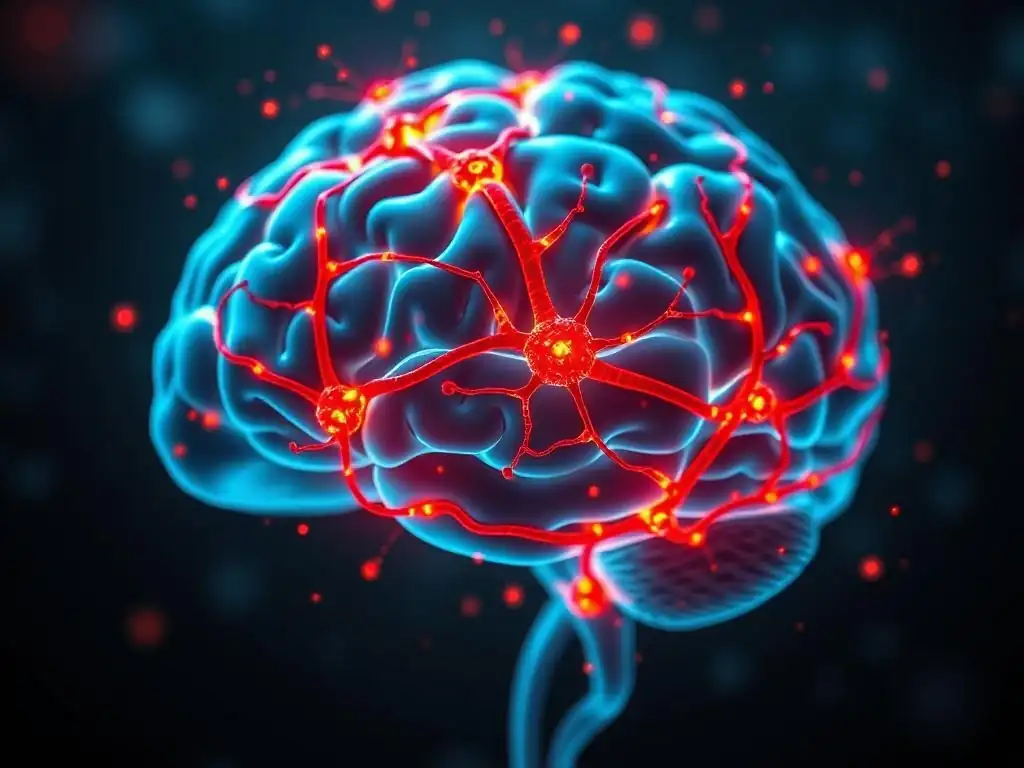
Welcome to Mind Care Guide, your compassionate companion on the journey to mental well-being. Are you curious about the hidden connections between your body and mind? We delve into the fascinating world of neuroscience to explore the complex relationship between physical health and mental wellness. In this article, we'll unravel the intricate inflammation pathways mental illness, shedding light on how inflammation can impact your mental state and what you can do about it. Intrigued? Let's begin uncovering the science behind your well-being.
The Neurobiology of Mental Illness: Focus on Inflammation Pathways
- Introduction: Understanding the Link Between Inflammation and Mental Health
- The Role of Inflammation in Brain Function
- Key Inflammation Pathways Implicated in Mental Illness
-
Specific Mental Illnesses and Their Association with Inflammation Pathways
- Depression and Inflammation: Exploring the Cytokine Hypothesis
- Schizophrenia: The Role of Neuroinflammation in Psychotic Symptoms and Cognitive Deficits
- Bipolar Disorder: Inflammation as a Potential Driver of Mood Swings
- Anxiety Disorders: Investigating the Link Between Chronic Inflammation and Anxiety Symptoms
- Autism Spectrum Disorder (ASD): The Gut-Brain Axis and Inflammatory Processes
- Measuring Inflammation in Mental Illness Research
-
Potential Therapeutic Targets: Modulating Inflammation Pathways for Mental Health
- Anti-inflammatory Medications: Potential in Treating Mental Illness
- Diet and Lifestyle Interventions: The Role of Nutrition in Reducing Inflammation
- Novel Therapeutic Approaches: Targeting Specific Inflammation Pathways
- The Gut-Brain Axis and Probiotics: Modulating the Gut Microbiome to Reduce Inflammation
-
Future Directions in Neuroinflammation Research and Mental Health
- Identifying Specific Inflammatory Subtypes of Mental Illness
- Personalized Medicine: Tailoring Treatments Based on Individual Inflammation Profiles
- The Potential of Early Intervention: Preventing Neuroinflammation and Reducing the Risk of Mental Illness
- Long-Term Effects of Chronic Inflammation on Brain Health and Cognitive Function
- Conclusion: Inflammation Pathways as a Promising Avenue for Understanding and Treating Mental Illness
-
Frequently Asked Questions
- How does inflammation in the body relate to mental illness?
- What are some specific inflammation pathways implicated in mental illness?
- Can dietary changes help reduce inflammation and improve mental health?
- Are there medications that target inflammation pathways in the treatment of mental illness?
- How can I learn more about the connection between inflammation and mental illness?
- Final Reflection: Unraveling the Inflammatory Roots of Mental Illness
- Unlock Your Understanding: Dive Deeper into Brain Inflammation
Introduction: Understanding the Link Between Inflammation and Mental Health
The Growing Recognition of Neuroinflammation in Psychiatric Disorders
For decades, mental illnesses were primarily understood through the lens of neurotransmitter imbalances and psychological factors. However, recent advancements in neuroscience and immunology have illuminated a critical, often overlooked, player: neuroinflammation. This term refers to inflammatory processes occurring within the brain and central nervous system. While acute inflammation is a protective response, chronic or dysregulated neuroinflammation is increasingly recognized as a significant contributor to the development and progression of various psychiatric disorders, including depression, schizophrenia, and bipolar disorder.
The shift towards recognizing neuroinflammation in psychiatric disorders is supported by a growing body of evidence. Studies have consistently found elevated levels of inflammatory markers, such as cytokines and chemokines, in the blood and cerebrospinal fluid of individuals diagnosed with these conditions compared to healthy controls. Furthermore, post-mortem studies have revealed changes in glial cells, particularly microglia and astrocytes, which are key players in the brain's immune response, in the brains of individuals who had suffered from severe mental illness. This compelling evidence suggests that targeting inflammation pathways mental illness could represent a novel therapeutic strategy.
Inflammation Pathways in Mental Illness: An Overview
Inflammation pathways in mental illness involve a complex network of molecular signals and cellular responses. At a fundamental level, these pathways are triggered by various stimuli, including infections, stress, trauma, metabolic dysfunction, and genetic factors. Once activated, immune cells, both within the brain (like microglia) and from the periphery, release inflammatory mediators. These mediators, such as pro-inflammatory cytokines (e.g., TNF-alpha, IL-1beta, IL-6) and chemokines, can cross the blood-brain barrier or be produced directly by brain cells, influencing neuronal function and survival.
Understanding these specific inflammation pathways mental illness is crucial because they don't operate in isolation. They interact with neurotransmitter systems, neuroendocrine axes (like the HPA axis), and even the gut microbiome. For example, pro-inflammatory cytokines can impair serotonin synthesis, increase glutamate excitotoxicity, and disrupt neurogenesis (the creation of new neurons). Chronic activation of these pathways can lead to synaptic dysfunction, neuronal damage, and altered brain circuitry, all of which are implicated in the symptoms observed in psychiatric conditions.
Resources for Understanding Neuroinflammation and Mental Health
The field linking neuroinflammation and mental health is rapidly expanding, with new research published regularly. Key resources for staying informed include peer-reviewed scientific journals focusing on psychiatry, neuroscience, and immunology. Many leading universities and research institutions also have departments dedicated to studying the biological underpinnings of mental illness, often including a focus on inflammatory processes.
For those seeking to understand the impact of inflammation pathways mental illness, reputable mental health organizations and research foundations often provide accessible summaries of the latest findings. While these resources offer valuable insights, it's important to consult with healthcare professionals for personalized information and guidance regarding mental health concerns and potential treatment options, which may or may not involve addressing inflammation.
The Role of Inflammation in Brain Function
How Inflammation Impacts Neuronal Activity and Neurotransmission
Inflammation, particularly chronic low-grade inflammation within the brain (neuroinflammation), can profoundly alter neuronal function and neurotransmission. Neurons communicate via chemical signals called neurotransmitters at junctions called synapses. Inflammatory mediators released by activated glial cells can directly influence the synthesis, release, reuptake, and degradation of these neurotransmitters. For instance, pro-inflammatory cytokines like IL-1beta and TNF-alpha have been shown to disrupt glutamate homeostasis, potentially leading to excitotoxicity, where neurons are overstimulated and damaged.
Furthermore, inflammation can impair synaptic plasticity, the ability of synapses to strengthen or weaken over time, which is essential for learning and memory. Studies have demonstrated that inflammatory signals can reduce the expression of proteins crucial for synaptic function and even promote synaptic pruning, the removal of synapses. This disruption in synaptic integrity and function is considered a key mechanism by which inflammation pathways mental illness contribute to cognitive deficits and mood disturbances observed in conditions like depression and schizophrenia.
Systemic Inflammation vs. Neuroinflammation: Key Differences
It's important to distinguish between systemic inflammation, which occurs throughout the body, and neuroinflammation, which is confined to the central nervous system. While often interconnected, they have distinct characteristics and players. Systemic inflammation can be triggered by infections, injuries, or chronic diseases like diabetes or obesity, involving immune cells circulating in the blood and lymph system. This systemic inflammation can influence the brain by releasing inflammatory mediators into the bloodstream that can cross the blood-brain barrier or by activating peripheral nerves that signal the brain.
Neuroinflammation, on the other hand, involves the activation of resident immune cells within the brain, primarily microglia and astrocytes. These glial cells respond to insults like pathogens, toxins, or injury directly within the brain tissue. Although neuroinflammation can be triggered by systemic inflammation, it also has its own independent triggers and mechanisms. Understanding the interplay between systemic and neuroinflammation is crucial for comprehending how widespread bodily inflammation can impact the brain and contribute to inflammation pathways mental illness.
The Blood-Brain Barrier and Inflammatory Molecule Trafficking
The blood-brain barrier (BBB) is a highly selective interface that protects the brain from harmful substances circulating in the blood. It is formed by specialized endothelial cells lining brain capillaries, along with astrocytes and pericytes. While traditionally viewed as an impenetrable shield, the BBB is not completely impermeable to inflammatory molecules and cells. Under inflammatory conditions, the permeability of the BBB can increase, allowing inflammatory cytokines, chemokines, and even immune cells from the periphery to enter the brain parenchyma.
Once inside the brain, these peripheral inflammatory components can interact with resident glial cells, amplifying neuroinflammation. Conversely, inflammatory mediators produced within the brain can also influence the BBB, further altering its permeability and perpetuating a cycle of inflammation. The integrity and function of the BBB are therefore critical factors in the development and progression of neuroinflammation and its contribution to inflammation pathways mental illness.
Key Inflammation Pathways Implicated in Mental Illness
The Cytokine Pathway: Interleukins, TNF-alpha, and Their Effects on the Brain
The cytokine pathway is arguably the most well-studied inflammation pathway involved in mental illness. Cytokines are small proteins that act as signaling molecules between cells of the immune system. Pro-inflammatory cytokines, such as Interleukin-1 beta (IL-1β), Interleukin-6 (IL-6), and Tumor Necrosis Factor-alpha (TNF-α), are particularly implicated. These molecules are released by activated microglia and astrocytes in the brain, as well as by peripheral immune cells. Once released, they bind to specific receptors on neurons and other glial cells, triggering a cascade of intracellular signaling events.
The effects of these cytokines on the brain are far-reaching. They can disrupt neurotransmitter metabolism (e.g., affecting serotonin and dopamine), alter synaptic function, impair neurogenesis, and even induce neuronal apoptosis (programmed cell death). For example, elevated levels of IL-6 have been consistently linked to symptoms of depression and fatigue, while TNF-alpha can directly impact synaptic strength and plasticity. Understanding the specific roles of individual cytokines within these inflammation pathways mental illness is key to developing targeted therapies.
The Complement System: Its Role in Synaptic Pruning and Neuroinflammation
The complement system is a part of the innate immune system, traditionally known for its role in clearing pathogens and cellular debris. However, recent research has uncovered a surprising role for the complement system in brain development and function, specifically in synaptic pruning – the process of eliminating weak or unnecessary synapses. Components of the complement system, such as C1q and C3, can tag synapses for removal, and microglia, acting as phagocytes, then engulf these tagged synapses.
While essential for normal brain wiring, dysregulation of the complement system and excessive synaptic pruning have been implicated in neurodevelopmental disorders like autism spectrum disorder and psychiatric conditions like schizophrenia. Chronic neuroinflammation can activate the complement cascade inappropriately, leading to excessive synaptic loss and neuronal dysfunction. This suggests that the complement system is another critical component of the inflammation pathways mental illness, potentially contributing to altered brain connectivity and cognitive impairments.
The Microglial Activation Pathway: From Neuroprotection to Neurotoxicity
Microglia are the primary resident immune cells of the central nervous system and play a dual role in brain health. In their resting or surveillance state, they constantly monitor the brain environment, clearing debris and supporting neuronal health. Upon activation by insults like infection, injury, or inflammatory signals, microglia transform into an active state. This activation is diverse; microglia can adopt phenotypes ranging from pro-inflammatory (releasing harmful cytokines and reactive oxygen species) to anti-inflammatory and neurotrophic (releasing factors that promote neuronal survival and repair).
In the context of mental illness, chronic or aberrant microglial activation is a central feature of neuroinflammation pathways. Persistent activation in a pro-inflammatory state can lead to the release of neurotoxic substances that damage neurons and synapses, contributing to the pathology of depression, schizophrenia, and other disorders. Modulating microglial activation, shifting them from a neurotoxic to a neuroprotective phenotype, is being explored as a potential therapeutic strategy to influence inflammation pathways mental illness.
The NF-κB Pathway: A Master Regulator of Inflammation in Mental Disorders
The Nuclear Factor-kappa B (NF-κB) pathway is a critical signaling pathway that acts as a master regulator of the inflammatory response in many cell types, including neurons and glial cells in the brain. This pathway is activated by various stimuli associated with stress, infection, and tissue damage. Once activated, NF-κB proteins translocate to the cell nucleus, where they bind to DNA and regulate the expression of a vast array of genes, including those encoding pro-inflammatory cytokines, chemokines, and adhesion molecules.
Dysregulation of the NF-κB pathway has been strongly linked to neuroinflammation and is considered a key component of inflammation pathways mental illness. Chronic activation of NF-κB in brain cells can lead to persistent production of inflammatory mediators, contributing to synaptic dysfunction, neuronal damage, and altered brain circuitry observed in conditions like depression, anxiety, and neurodegenerative diseases. Targeting the NF-κB pathway is therefore a promising area for developing novel anti-inflammatory treatments for psychiatric disorders.
Specific Mental Illnesses and Their Association with Inflammation Pathways
Depression and Inflammation: Exploring the Cytokine Hypothesis
Depression is one of the mental illnesses most strongly linked to inflammation pathways. The "cytokine hypothesis of depression" posits that elevated levels of pro-inflammatory cytokines contribute significantly to the development and maintenance of depressive symptoms. Numerous studies have shown that individuals with major depressive disorder often have increased circulating levels of IL-1β, IL-6, and TNF-α compared to non-depressed individuals. Furthermore, medical conditions associated with chronic inflammation, such as autoimmune diseases or chronic infections, have a higher comorbidity rate with depression.
The mechanisms by which inflammation contributes to depression are multifaceted. Inflammatory cytokines can disrupt neurotransmitter systems, particularly serotonin, dopamine, and glutamate, which are critical for mood regulation. They can also impair neurogenesis in the hippocampus, a brain region vital for mood and memory. Additionally, inflammation can induce 'sickness behavior,' characterized by fatigue, social withdrawal, and anhedonia (loss of pleasure), symptoms that overlap considerably with those of depression. This strong association highlights the importance of understanding inflammation pathways mental illness in the context of mood disorders.
Schizophrenia: The Role of Neuroinflammation in Psychotic Symptoms and Cognitive Deficits
Schizophrenia, a complex psychiatric disorder characterized by psychosis, cognitive deficits, and negative symptoms, also shows a significant association with neuroinflammation pathways. Evidence suggests that inflammatory processes may play a role in the early stages of the illness, potentially impacting neurodevelopment and synaptic pruning. Studies have found elevated levels of inflammatory markers in the blood and cerebrospinal fluid of individuals with schizophrenia, particularly during acute psychotic episodes.
Post-mortem brain studies of individuals with schizophrenia have revealed increased microglial activation and altered expression of genes related to inflammatory and immune responses. Aberrant complement system activity, leading to excessive synaptic pruning, is also hypothesized to contribute to the reduced synaptic density observed in certain brain regions of individuals with schizophrenia. These findings point towards neuroinflammation being a crucial factor in the complex inflammation pathways mental illness that underlie the diverse symptoms of schizophrenia.
Bipolar Disorder: Inflammation as a Potential Driver of Mood Swings
Bipolar disorder, characterized by significant mood swings between manic and depressive episodes, also exhibits links to inflammatory processes. Research indicates that individuals with bipolar disorder, particularly during manic or depressive episodes, often show elevated levels of pro-inflammatory cytokines and other inflammatory markers compared to periods of remission. This suggests that inflammation may not just be a consequence of mood episodes but could actively contribute to their initiation or severity.
The mechanisms by which inflammation might drive mood swings in bipolar disorder are still being explored, but they likely involve interactions with neurotransmitter systems and brain circuitry regulating mood and reward. Chronic inflammation could potentially destabilize neural networks involved in mood regulation, making individuals more susceptible to extreme shifts. Understanding these specific inflammation pathways mental illness in bipolar disorder could lead to novel treatment approaches aimed at stabilizing mood by modulating the inflammatory response.
Anxiety Disorders: Investigating the Link Between Chronic Inflammation and Anxiety Symptoms
Anxiety disorders, including generalized anxiety disorder, panic disorder, and social anxiety disorder, are also increasingly being examined through the lens of inflammation pathways. While the association might be less pronounced than in depression, studies suggest that chronic low-grade inflammation can contribute to heightened anxiety and stress reactivity. Individuals with anxiety disorders sometimes exhibit elevated levels of inflammatory markers, and conditions associated with chronic inflammation often co-occur with anxiety.
Inflammation can influence brain regions involved in fear and anxiety processing, such as the amygdala and prefrontal cortex. Inflammatory mediators can alter neuronal excitability and synaptic plasticity in these areas, potentially leading to heightened states of vigilance and fear. The interplay between stress, the HPA axis, and inflammatory pathways appears particularly relevant in anxiety disorders, suggesting that targeting inflammation pathways mental illness could offer alternative strategies for managing chronic anxiety.
Autism Spectrum Disorder (ASD): The Gut-Brain Axis and Inflammatory Processes
Autism Spectrum Disorder (ASD) is a complex neurodevelopmental condition characterized by difficulties in social interaction, communication, and restricted or repetitive behaviors. While not traditionally viewed as an inflammatory disorder, growing evidence points to the involvement of inflammatory processes, particularly those linked to the gut-brain axis. Many individuals with ASD experience gastrointestinal issues, and research suggests that alterations in the gut microbiome can influence systemic inflammation and neuroinflammation.
Studies have found increased inflammatory markers in the blood and brain of individuals with ASD. Microglial activation and altered cytokine profiles have been observed in post-mortem brain tissue. The gut microbiome can produce metabolites that influence immune function and brain development, and dysbiosis (an imbalance in gut bacteria) may lead to increased gut permeability ("leaky gut"), allowing inflammatory molecules to enter the bloodstream and potentially impact the brain. This highlights the complex interplay between the gut, inflammation pathways mental illness, and neurodevelopmental conditions like ASD.
Measuring Inflammation in Mental Illness Research
Blood-Based Biomarkers of Inflammation
Measuring inflammation in mental illness research often begins with assessing blood-based biomarkers. These are substances found in the blood that indicate the presence of inflammation elsewhere in the body, including potentially the brain. Common biomarkers include C-reactive protein (CRP), a protein produced by the liver in response to inflammation, and various cytokines like IL-6, TNF-alpha, and IL-1β. Elevated levels of CRP and pro-inflammatory cytokines in the blood have been consistently associated with increased risk and severity of several mental illnesses, particularly depression.
While blood tests are relatively easy to perform and non-invasive, interpreting the results in the context of mental illness can be challenging. Blood-based markers reflect systemic inflammation, which may or may not directly mirror the inflammatory state within the brain (neuroinflammation). However, significant systemic inflammation is often correlated with neuroinflammation due to the communication between the peripheral immune system and the brain. Despite limitations, blood biomarkers remain valuable tools for identifying individuals with an inflammatory profile potentially linked to their mental health symptoms and for monitoring the effects of interventions targeting inflammation pathways mental illness.
Neuroimaging Techniques to Detect Neuroinflammation
Neuroimaging techniques offer a more direct approach to assessing neuroinflammation in the living brain. Positron Emission Tomography (PET) is a leading method used for this purpose. Specific radiotracers are injected into the bloodstream that bind to targets associated with activated glial cells, particularly microglia. For example, tracers that bind to the translocator protein (TSPO), which is upregulated in activated microglia, can be used to visualize and quantify neuroinflammation in different brain regions.
PET imaging with TSPO tracers has provided compelling evidence of increased neuroinflammation in the brains of individuals with various psychiatric disorders, including schizophrenia, depression, and obsessive-compulsive disorder. While PET imaging is powerful, it is also expensive and requires specialized equipment. Other techniques, like Magnetic Resonance Imaging (MRI), can sometimes detect structural changes associated with chronic inflammation, such as white matter abnormalities, but they do not directly measure the inflammatory process itself as well as PET. These techniques are vital for advancing our understanding of how inflammation pathways mental illness manifest spatially within the brain.
Challenges and Limitations of Measuring Inflammation in the Brain
Measuring inflammation, particularly neuroinflammation, in the context of mental illness presents several challenges. Firstly, accessing brain tissue directly in living individuals is generally not feasible, limiting the ability to perform detailed cellular and molecular analyses. Methods like PET imaging provide valuable insights but rely on indirect markers (like TSPO) that may not always specifically reflect the exact type or state of inflammation relevant to a particular disorder.
Secondly, inflammation is a dynamic process, and a single measurement may not capture the fluctuating nature of inflammatory activity, which can vary depending on disease state, stress levels, and other factors. The heterogeneity of mental illnesses themselves also poses a challenge; inflammation may play different roles or involve distinct pathways in different individuals with the same diagnosis. Overcoming these limitations requires a combination of advanced imaging, sensitive biomarker assays, and longitudinal studies to better understand the complex and variable nature of inflammation pathways mental illness.
Potential Therapeutic Targets: Modulating Inflammation Pathways for Mental Health
Anti-inflammatory Medications: Potential in Treating Mental Illness
Given the strong link between inflammation and mental illness, modulating inflammation pathways represents a promising therapeutic avenue. Research is exploring the potential of existing anti-inflammatory medications, such as non-steroidal anti-inflammatory drugs (NSAIDs) like aspirin or celecoxib, as adjunctive treatments for psychiatric disorders. Some clinical trials have suggested that adding NSAIDs to standard antidepressant treatment may improve outcomes in certain individuals with depression, particularly those with evidence of elevated inflammatory markers.
However, the use of broad-spectrum anti-inflammatory drugs for mental illness is not without challenges. These medications can have significant side effects, and their impact on specific neuroinflammation pathways mental illness may vary. More targeted anti-inflammatory approaches are being investigated, including drugs that block specific cytokines (like TNF-alpha inhibitors) or modulate microglial activation. While some early results are promising, larger, well-controlled clinical trials are needed to determine the efficacy and safety of these medications for psychiatric conditions.
Diet and Lifestyle Interventions: The Role of Nutrition in Reducing Inflammation
Lifestyle factors, particularly diet, can significantly influence systemic inflammation, and consequently, neuroinflammation. Adopting an anti-inflammatory diet, often characterized by being rich in fruits, vegetables, whole grains, lean proteins, and healthy fats (like omega-3 fatty acids found in fish), has been shown to reduce inflammatory markers in the body. Conversely, diets high in processed foods, saturated fats, and sugar can promote chronic inflammation.
Specific dietary components, such as omega-3 fatty acids, antioxidants (vitamins C and E), and certain probiotics, have demonstrated anti-inflammatory effects and are being studied for their potential benefits in mental health. For example, omega-3 supplementation has shown some promise as an adjunct treatment for depression, potentially by reducing inflammation. Encouraging healthy dietary patterns and other lifestyle modifications, such as regular exercise and stress reduction techniques, can be valuable strategies for individuals seeking to manage inflammation pathways mental illness.
Novel Therapeutic Approaches: Targeting Specific Inflammation Pathways
Beyond broad anti-inflammatory drugs, novel therapeutic approaches are focusing on targeting specific components within the inflammation pathways mental illness. This includes developing drugs that inhibit the activity of key inflammatory enzymes, block specific cytokine receptors, or modulate the signaling pathways within glial cells (like the NF-κB pathway) to shift them towards a less inflammatory state.
Gene therapy and cell-based therapies aimed at delivering anti-inflammatory molecules or modifying the immune response in the brain are also areas of active research. The goal is to develop highly targeted interventions that can selectively dampen detrimental neuroinflammation without disrupting essential brain functions or causing widespread immune suppression. These novel approaches represent the cutting edge of research into treating mental illness by directly addressing the underlying inflammatory mechanisms.
The Gut-Brain Axis and Probiotics: Modulating the Gut Microbiome to Reduce Inflammation
The gut-brain axis, the bidirectional communication system between the gastrointestinal tract and the central nervous system, is increasingly recognized as a critical player in inflammation pathways mental illness. The trillions of microorganisms residing in the gut (the gut microbiome) can produce metabolites that influence both systemic inflammation and brain function. Dysbiosis, an imbalance in the gut microbiome, can lead to increased gut permeability and the release of inflammatory molecules into the bloodstream.
Modulating the gut microbiome through dietary changes, prebiotics (fibers that feed beneficial bacteria), and probiotics (live beneficial bacteria) is being explored as a way to influence inflammation and mental health. Some studies suggest that certain probiotic strains may reduce inflammatory markers and alleviate symptoms in individuals with depression and anxiety, potentially by improving gut barrier function and reducing the production of pro-inflammatory substances. Targeting the gut-brain axis offers a fascinating and potentially less invasive approach to influencing inflammation pathways mental illness.
Future Directions in Neuroinflammation Research and Mental Health
Identifying Specific Inflammatory Subtypes of Mental Illness
One major challenge in linking inflammation pathways to mental illness is the considerable heterogeneity within diagnostic categories like depression or schizophrenia. It is becoming clear that not all individuals with these diagnoses exhibit the same inflammatory profile. Future research is focused on identifying specific "inflammatory subtypes" of mental illness based on patterns of inflammatory markers, genetic predispositions related to inflammation, and neuroimaging evidence of neuroinflammation.
Identifying these subtypes could revolutionize diagnosis and treatment. For example, individuals with depression characterized by high levels of specific cytokines might respond better to anti-inflammatory interventions than those without such an inflammatory signature. This move towards stratification based on biological markers, including inflammatory profiles, is a critical step towards achieving personalized medicine in psychiatry and better understanding the diverse roles of inflammation pathways mental illness.
Personalized Medicine: Tailoring Treatments Based on Individual Inflammation Profiles
The concept of personalized medicine is gaining traction in psychiatry, and understanding an individual's inflammatory profile is expected to be a key component. By measuring specific blood-based biomarkers, using advanced neuroimaging, or even analyzing genetic variations related to inflammatory pathways, clinicians might one day be able to predict an individual's susceptibility to certain mental illnesses or their likelihood of responding to specific treatments.
For instance, if a person with treatment-resistant depression shows significant evidence of neuroinflammation, a therapeutic strategy targeting inflammation pathways mental illness might be prioritized over conventional treatments. This personalized approach could lead to more effective and efficient treatment strategies, moving away from a one-size-fits-all model and tailoring interventions to the specific biological underpinnings of an individual's illness.
The Potential of Early Intervention: Preventing Neuroinflammation and Reducing the Risk of Mental Illness
Given the evidence suggesting that neuroinflammation can contribute to the onset and progression of mental illness, early intervention strategies aimed at preventing or mitigating neuroinflammation are a critical area for future research. Identifying individuals at high risk for developing mental illness, perhaps based on genetic factors, exposure to early life stress, or elevated inflammatory markers, could allow for proactive interventions.
These interventions might include strategies to reduce systemic inflammation through diet and lifestyle modifications, managing stress effectively, or even targeted pharmacological interventions in specific high-risk populations. Preventing or reducing chronic neuroinflammation from an early age could potentially alter the trajectory of brain development and function, thereby reducing the risk of developing psychiatric disorders later in life and influencing the long-term impact of inflammation pathways mental illness.
Long-Term Effects of Chronic Inflammation on Brain Health and Cognitive Function
Chronic inflammation, both systemic and neuroinflammation, is not only linked to the development of mental illness but also has long-term consequences for overall brain health and cognitive function. Persistent inflammatory states can contribute to neurodegenerative processes, potentially increasing the risk of conditions like Alzheimer's disease and other dementias later in life.
Furthermore, chronic inflammation is associated with accelerated cognitive decline, affecting memory, executive function, and processing speed. Understanding the long-term impact of inflammation pathways mental illness is crucial for developing strategies that promote brain resilience and healthy aging. Future research will continue to explore the intricate relationship between chronic inflammation, cognitive trajectories, and the risk of both psychiatric and neurodegenerative conditions.
Conclusion: Inflammation Pathways as a Promising Avenue for Understanding and Treating Mental Illness
The Importance of a Multi-Disciplinary Approach to Studying Neuroinflammation
Understanding the complex interplay between inflammation pathways and mental illness requires a truly multi-disciplinary approach. This field bridges neuroscience, immunology, psychiatry, genetics, and even microbiology (due to the gut-brain axis). Researchers and clinicians from different disciplines must collaborate to unravel the intricate mechanisms by which inflammatory processes contribute to psychiatric disorders.
Integrating findings from basic science research on molecular and cellular mechanisms with clinical studies involving patient populations is essential. This collaborative effort will facilitate the translation of laboratory discoveries into novel diagnostic tools and therapeutic interventions. A multi-disciplinary perspective is key to fully appreciating the widespread impact of inflammation pathways mental illness and developing effective strategies to address it.
Resources and Support for Individuals Affected by Mental Illness and Inflammation
For individuals affected by mental illness who suspect or have been told that inflammation might play a role, it is important to seek support and information from reputable sources. Mental health professionals, including psychiatrists, psychologists, and therapists, can provide diagnosis and treatment for the mental health condition itself. Discussing potential contributing factors like inflammation with a healthcare provider is crucial.
Additionally, dietitians and nutritionists can offer guidance on anti-inflammatory diets and lifestyle changes. While research into directly targeting inflammation pathways mental illness is ongoing, adopting healthy habits that reduce inflammation can be a valuable part of a comprehensive treatment plan. Support groups and mental health organizations also offer resources, community, and information for individuals navigating the challenges of mental illness.
The Future of Mental Health Treatment: Targeting Inflammation for Improved Outcomes
The emerging understanding of inflammation pathways mental illness points towards an exciting future for mental health treatment. While current treatments primarily focus on neurotransmitter systems, future therapies are likely to incorporate strategies aimed at modulating the inflammatory response. This could involve targeted anti-inflammatory drugs, personalized dietary interventions, probiotics, or even novel approaches like immunomodulation.
By addressing the underlying inflammatory processes, it may be possible to develop more effective treatments, improve response rates, and potentially even prevent the onset of certain mental illnesses. The integration of inflammation-focused strategies into standard psychiatric care holds significant promise for improving outcomes and enhancing the well-being of individuals living with mental health challenges.
Frequently Asked Questions
How does inflammation in the body relate to mental illness?
Inflammation can disrupt the normal functioning of the brain, impacting neurotransmitter systems and neural circuits. This disruption can contribute to the development or worsening of mental health conditions.
What are some specific inflammation pathways implicated in mental illness?
Research highlights several pathways, including the cytokine pathway, the kynurenine pathway, and the microglial activation pathway. These pathways influence brain function and are linked to conditions like depression and schizophrenia.
Can dietary changes help reduce inflammation and improve mental health?
Yes, certain dietary changes, such as incorporating anti-inflammatory foods (omega-3 fatty acids, fruits, and vegetables) and limiting processed foods and sugary drinks, can help reduce inflammation and potentially improve mental well-being.
Are there medications that target inflammation pathways in the treatment of mental illness?
While not yet widely used as first-line treatments, some medications are being investigated for their ability to modulate inflammation. These include anti-inflammatory drugs and substances that target specific inflammatory molecules.
How can I learn more about the connection between inflammation and mental illness?
Consult with a qualified mental health professional or a medical doctor. They can provide personalized information and guidance based on your individual circumstances and can help you find reliable resources for further learning.
Final Reflection: Unraveling the Inflammatory Roots of Mental Illness
The intricate connection between inflammation pathways and mental illness is no longer a fringe theory; it's a rapidly evolving field with profound implications for diagnosis, treatment, and our understanding of the human mind. This understanding holds the potential to revolutionize how we approach mental health, moving beyond solely pharmaceutical interventions towards a more holistic and personalized approach. The implications are vast, impacting not only individual lives but also the societal burden of mental health disorders.
The journey through the neurobiology of inflammation and its impact on mental health has been both illuminating and humbling. It underscores the complexity of the human brain and the interconnectedness of seemingly disparate systems. The more we learn, the more we realize how much remains to be discovered. This research highlights the urgent need for continued investigation and collaboration across disciplines. The greatest discoveries are often made at the intersection of different fields of study.
This quote perfectly encapsulates the spirit of this exploration, urging us to bridge the gap between neuroscience, immunology, and psychiatry to unlock the full potential of this research.
Consider the implications of this research on your own life. Perhaps you've experienced a mental health challenge, or know someone who has. Understanding the role of inflammation can offer a new perspective, fostering empathy and a deeper appreciation for the biological underpinnings of these conditions. Take a moment to reflect on your own well-being, considering the impact of lifestyle choices – diet, exercise, stress management – on your inflammatory state and, potentially, your mental health. Let this knowledge empower you to advocate for yourself and others, driving the demand for innovative research and more comprehensive, personalized mental healthcare.
Unlock Your Understanding: Dive Deeper into Brain Inflammation
Thanks for taking the time to explore the fascinating connection between inflammation and mental health! We hope you gained valuable insights into the neurobiology of mental illness. Now, let's put that knowledge into action.
- Explore further: Delve into the latest research on inflammation and mental wellness by searching for reputable studies on PubMed or similar databases. This will allow you to stay updated on this rapidly evolving field.
- Share your thoughts: What surprised you most about the role of inflammation in mental illness? Share your reflections and insights in the comments below – sparking conversation can help us all learn more!
- Consider your lifestyle: What small changes could you make to potentially reduce inflammation in your body and support your mental wellbeing? This might involve tweaks to your diet, exercise routine, or stress management techniques.
Ready to take the next step in understanding your brain and its intricate relationship with your mental health?