
Preventing Mental Illness: The Role of Reducing Brain Inflammation Risk

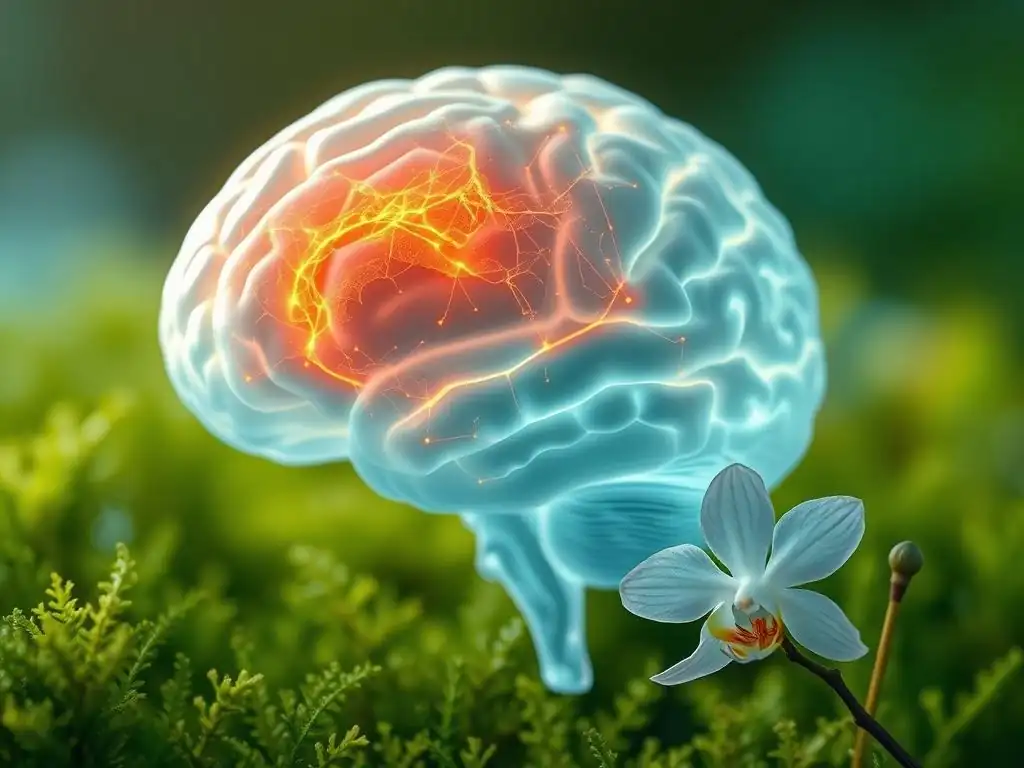
Welcome to Mind Care Guide, your trusted companion on the journey to mental well-being.
Are you struggling with brain fog, mood swings, or persistent fatigue, and suspect it might be more than just stress? Delve into the powerful connection between inflammation and your mental health in our featured article, "Preventing Mental Illness: The Role of Reducing Brain Inflammation Risk." Discover how understanding and addressing brain inflammation could be the key to unlocking a healthier, happier you. Let's explore this vital link together, and unlock the secrets to a brighter mental future. Intrigued? Keep reading to learn more about brain inflammation mental health prevention and how you can take proactive steps today.
Preventing Mental Illness: The Role of Reducing Brain Inflammation Risk
- Introduction: Understanding the Link Between Brain Inflammation and Mental Health
- What is Brain Inflammation and Why Does it Matter for Mental Health Prevention?
- The Risks: How Brain Inflammation Contributes to Mental Illness Development
- Lifestyle Strategies for Reducing Brain Inflammation and Promoting Mental Health
- Medical and Therapeutic Interventions for Managing Brain Inflammation in Mental Health
- Identifying Your Risk: Early Detection of Brain Inflammation
- The Future of Mental Health Prevention: Targeting Brain Inflammation
- Conclusion: Taking Proactive Steps to Protect Your Brain and Mental Health
-
Frequently Asked Questions
- What is the connection between brain inflammation and mental health?
- How does the article "Preventing Mental Illness: The Role of Reducing Brain Inflammation Risk" suggest preventing mental illness?
- What are some lifestyle factors that can contribute to brain inflammation?
- Can dietary changes really impact brain inflammation and mental health?
- What resources does "Mind Care Guide" offer related to brain inflammation and mental health prevention?
- Final Reflection: Igniting the Flame of Mental Wellness Through Brain Health
- Unlock Your Brain's Resilience: Take Charge of Your Mental Wellness
Introduction: Understanding the Link Between Brain Inflammation and Mental Health
For too long, mental health challenges have been viewed primarily through a psychological or purely neurological lens. However, emerging research is shedding light on a critical, often overlooked factor: inflammation within the brain. This intricate connection between the body's immune response, specifically neuroinflammation, and our mental well-being is transforming how we approach the prevention and treatment of conditions ranging from depression and anxiety to more severe disorders. Understanding this link is a powerful step towards a more holistic approach to mental health prevention.
The brain, while often considered separate, is deeply integrated with the rest of the body's systems, including the immune system. When inflammatory processes become dysregulated or chronic, they can profoundly impact brain function, affecting mood, cognition, and behavior. Recognizing this physiological basis for mental health vulnerabilities opens new avenues for intervention, focusing on reducing the risk of brain inflammation as a proactive strategy for maintaining mental wellness. This perspective empowers individuals and healthcare providers to look beyond traditional methods and consider the body's inflammatory state.
Mental Health Advocate's Perspective on Neuroinflammation and Mental Wellness
From the viewpoint of a mental health advocate, the growing understanding of neuroinflammation offers both challenges and immense opportunities. It validates the experiences of many individuals who have felt that their mental health struggles have a tangible, physical component. It moves the conversation beyond solely psychological factors, acknowledging the biological underpinnings that can contribute to distress and disorder. This biological perspective can help reduce stigma, framing mental health conditions less as personal failures and more as complex health issues influenced by multiple factors, including physiological ones like brain inflammation.
Furthermore, this research provides concrete, actionable strategies for promoting mental wellness. Focusing on modifiable lifestyle factors known to influence inflammation – such as diet, exercise, and stress management – empowers individuals to take an active role in their mental health journey. It shifts the focus towards prevention, highlighting how reducing brain inflammation risk can be a cornerstone of a comprehensive mental health prevention plan. Advocates can use this information to educate communities, encourage healthier habits, and push for integrated healthcare approaches that address both mind and body.
What is Brain Inflammation and Why Does it Matter for Mental Health Prevention?
Defining Neuroinflammation: An Overview
Neuroinflammation refers to the inflammatory response within the brain or spinal cord. It's the central nervous system's way of protecting itself against infection, injury, or toxins. Glial cells, particularly microglia and astrocytes, are the primary immune cells in the brain and play a crucial role in this process. In a healthy state, neuroinflammation is acute and protective, helping to clear debris and initiate repair. However, when this response becomes chronic or excessive, it can become detrimental, damaging neurons and disrupting normal brain function.
Unlike inflammation in other parts of the body, neuroinflammation occurs behind the blood-brain barrier, making it a complex and unique process. Various triggers can initiate it, including systemic infections, autoimmune diseases, exposure to environmental toxins, traumatic brain injury, chronic stress, poor diet, and even poor sleep. This persistent, low-grade inflammation is increasingly implicated in the pathogenesis of numerous neurological and psychiatric conditions, underscoring its importance in the context of brain inflammation mental health prevention.
How Brain Inflammation Impacts Mental Well-being
Chronic brain inflammation can disrupt the delicate balance of neurotransmitters, chemicals that regulate mood, motivation, and cognitive function. For example, inflammatory molecules like cytokines can interfere with the synthesis and metabolism of serotonin, dopamine, and norepinephrine, which are critical for mood regulation. Elevated levels of pro-inflammatory cytokines like IL-6 and TNF-alpha have been observed in individuals experiencing depression and anxiety, suggesting a direct link.
Moreover, neuroinflammation can impair neurogenesis (the creation of new neurons), particularly in areas vital for mood and memory, such as the hippocampus. It can also damage myelin, the protective sheath around nerve fibers, slowing down communication between brain regions. This disruption of neural circuits and signaling pathways can manifest as symptoms commonly associated with mental health conditions, including persistent low mood, anhedonia (loss of pleasure), fatigue, cognitive difficulties, and heightened anxiety. Addressing this inflammatory component is therefore seen as a key strategy in brain inflammation mental health prevention.
The Connection Between Chronic Inflammation and Mental Disorders
The evidence linking chronic systemic inflammation to mental disorders is substantial and growing. Conditions like inflammatory bowel disease (IBD), rheumatoid arthritis, and psoriasis, which are characterized by high levels of systemic inflammation, show a significantly increased comorbidity with depression and anxiety. For instance, studies suggest that individuals with IBD are roughly twice as likely to experience depression compared to the general population. This systemic inflammation is thought to cross the blood-brain barrier or signal the brain through other pathways, contributing to neuroinflammation.
Furthermore, research has shown that even in the absence of a diagnosed inflammatory disease, individuals with elevated levels of inflammatory markers in their blood, such as C-reactive protein (CRP), are at a higher risk of developing depression. A meta-analysis published in Molecular Psychiatry found that elevated CRP levels were associated with a 40-50% increased risk of developing depression. This strong correlation highlights chronic inflammation, both systemic and neuroinflammation, as a significant risk factor for mental health issues, making its reduction a priority for brain inflammation mental health prevention.
The Risks: How Brain Inflammation Contributes to Mental Illness Development

Specific Mental Health Conditions Linked to Brain Inflammation
A growing body of research indicates that neuroinflammation plays a role in the development and exacerbation of various mental health conditions. Major Depressive Disorder (MDD) is perhaps the most studied, with evidence showing increased inflammatory markers in the blood and cerebrospinal fluid of many depressed individuals. Approximately one-third of patients with MDD show elevated levels of pro-inflammatory cytokines. This inflammatory profile is often associated with treatment resistance, suggesting that inflammation might be a driving factor in some cases.
Beyond depression, links have been established with bipolar disorder, schizophrenia, and anxiety disorders. In bipolar disorder, inflammatory markers are often elevated during both manic and depressive episodes. Schizophrenia research points towards neurodevelopmental origins potentially involving early life inflammation or chronic immune activation. While research on anxiety disorders is less extensive, studies have found elevated inflammatory cytokines in individuals with generalized anxiety disorder and PTSD. This broad association underscores the importance of considering inflammation in the pathology of diverse mental illnesses, reinforcing the need for brain inflammation mental health prevention strategies.
The Inflammatory Cascade: A Pathway to Mental Health Issues
The process by which inflammation leads to mental health problems is often described as an "inflammatory cascade." It begins with an initial trigger – be it infection, stress, trauma, or poor lifestyle choices – that activates the immune system. This activation leads to the release of pro-inflammatory molecules, primarily cytokines like IL-1β, IL-6, and TNF-α. These cytokines can then cross the blood-brain barrier or signal the brain via other pathways (like the vagus nerve), activating glial cells within the brain.
Once activated, these glial cells release more inflammatory mediators, creating a self-sustaining inflammatory loop within the brain. This neuroinflammation disrupts neuronal function, alters neurotransmitter systems, impairs neurogenesis, and can damage synapses. The cumulative effect of these disruptions can lead to the behavioral and cognitive changes characteristic of mental health conditions, such as altered mood, fatigue, social withdrawal, and impaired cognitive function. Understanding this cascade is vital for developing targeted interventions for brain inflammation mental health prevention.
Genetic Predisposition and Environmental Factors Amplifying the Risk
An individual's susceptibility to inflammation-related mental illness is not solely determined by lifestyle or environmental exposures; genetics also play a role. Certain genetic variations can influence how strongly an individual's immune system responds to triggers or how effectively their body resolves inflammation. For instance, polymorphisms in genes encoding inflammatory cytokines (like TNF-α or IL-6) or their receptors have been associated with an increased risk of both inflammatory diseases and mental health conditions like depression.
Furthermore, the interaction between genetic predisposition and environmental factors can significantly amplify the risk. For example, an individual with a genetic vulnerability for heightened inflammatory responses might be particularly susceptible to the mental health impacts of chronic stress, exposure to air pollution, or a diet high in pro-inflammatory foods. Early life adversity, such as childhood trauma or exposure to pathogens, can also "prime" the immune system, leading to exaggerated inflammatory responses later in life. Recognizing this interplay is crucial for personalized strategies aimed at brain inflammation mental health prevention.
Lifestyle Strategies for Reducing Brain Inflammation and Promoting Mental Health
Implementing targeted lifestyle changes is a powerful, accessible approach to reducing chronic inflammation throughout the body, including the brain. These strategies can act as primary tools for brain inflammation mental health prevention, empowering individuals to take proactive steps toward protecting their well-being. Focusing on diet, exercise, stress management, and sleep hygiene can significantly impact inflammatory markers and support overall brain health.
Adopting an anti-inflammatory lifestyle isn't about drastic, short-term changes but rather sustainable habits that support long-term health. It recognizes that our daily choices have a cumulative effect on our physiological state. By consistently making choices that dampen inflammation, individuals can potentially lower their risk of developing inflammation-related mental health issues and improve their resilience to stress and other triggers.
Diet and Nutrition: Anti-Inflammatory Foods for Brain Health
Diet plays a fundamental role in regulating systemic and neuroinflammation. Certain foods contain compounds that can either promote or suppress inflammatory processes. Shifting towards an anti-inflammatory dietary pattern is a cornerstone of brain inflammation mental health prevention. This typically involves increasing the intake of nutrient-dense foods rich in antioxidants and omega-3 fatty acids while reducing foods known to trigger inflammation.
A diet rich in fruits, vegetables, whole grains, lean proteins, and healthy fats has been consistently associated with lower levels of inflammatory markers like CRP. Conversely, diets high in processed foods, refined sugars, and saturated/trans fats are linked to increased inflammation. Making conscious food choices is a tangible way to influence your body's inflammatory state and support your mental well-being.
Key Anti-Inflammatory Nutrients and Foods
Several nutrients are particularly effective in combating inflammation. Omega-3 fatty acids, found abundantly in fatty fish like salmon, mackerel, and sardines, as well as in walnuts, flaxseeds, and chia seeds, are potent anti-inflammatory agents. They help produce resolvins and protectins, compounds that actively resolve inflammation. Aiming for at least two servings of fatty fish per week is often recommended.
Antioxidants found in colorful fruits and vegetables (berries, leafy greens, bell peppers) help neutralize free radicals, which can contribute to inflammation. Polyphenols in green tea, turmeric (curcumin), ginger, and dark chocolate also possess significant anti-inflammatory properties. Ensuring a diverse intake of plant-based foods provides a wide spectrum of these protective compounds. For example, incorporating a teaspoon of turmeric into meals daily or drinking green tea regularly can contribute to lower inflammatory burdens.
Foods to Avoid That Trigger Inflammation
Just as some foods fight inflammation, others can fuel it. Reducing or eliminating these pro-inflammatory culprits is crucial for effective brain inflammation mental health prevention. Top offenders include refined carbohydrates (white bread, pastries), sugary drinks, fried foods, red and processed meats, and foods high in trans fats (often found in baked goods and margarine).
Consumption of sugary drinks, for instance, has been associated with increased levels of inflammatory markers. A study involving over 3,000 women found that those who consumed the most sugary beverages had CRP levels 78% higher than those who consumed the least. Limiting these types of foods can significantly reduce the inflammatory load on the body and brain.
Exercise and Physical Activity: Its Impact on Neuroinflammation
Regular physical activity is another powerful modulator of inflammation. Exercise has been shown to reduce systemic inflammatory markers and may have direct anti-inflammatory effects within the brain. It promotes the release of myokines, signaling molecules from muscles that can cross the blood-brain barrier and exert beneficial effects, including reducing neuroinflammation and promoting neurogenesis.
Engaging in consistent exercise helps regulate the immune system, preventing it from becoming overly activated and contributing to chronic inflammation. It also improves circulation, which is vital for delivering nutrients and oxygen to the brain and clearing metabolic waste products. Integrating physical activity into your routine is a tangible strategy for brain inflammation mental health prevention.
Recommended Exercise Types and Intensity
Both aerobic exercise and strength training contribute to reducing inflammation. Aerobic activities like brisk walking, running, swimming, or cycling, when performed regularly at a moderate intensity, are effective. Aiming for at least 150 minutes of moderate-intensity or 75 minutes of vigorous-intensity aerobic exercise per week, as recommended by health guidelines, can significantly lower inflammatory markers.
Strength training, performed two or more days per week, also helps reduce inflammation and improves metabolic health, which is closely linked to inflammatory status. The key is consistency. Even moderate amounts of regular physical activity are more beneficial than sporadic intense workouts. Finding activities you enjoy makes it easier to maintain a routine.
Stress Management Techniques: Reducing Cortisol and Inflammation
Chronic stress is a significant contributor to inflammation. The body's stress response, mediated by hormones like cortisol, is designed for short-term threats. However, prolonged exposure to elevated stress hormones can lead to chronic low-grade inflammation throughout the body, including the brain. Managing stress effectively is therefore a critical component of brain inflammation mental health prevention.
Effective stress management techniques help regulate the hypothalamic-pituitary-adrenal (HPA) axis, which controls the stress response. By dampening the chronic release of stress hormones, these techniques can reduce the inflammatory cascade triggered by stress. Incorporating stress-reducing practices into daily life can have a profound impact on both mental and physical health.
Mindfulness, Meditation, and Yoga for Inflammation Control
Practices like mindfulness meditation, yoga, and deep breathing exercises have been shown to lower stress hormone levels and reduce inflammatory markers. Research indicates that regular meditation practice can lead to lower levels of cytokines like IL-6 and TNF-α. A study published in Brain, Behavior, and Immunity found that participants who completed an 8-week mindfulness-based stress reduction (MBSR) program had significantly lower inflammatory markers compared to a control group.
Yoga combines physical postures, breathing techniques, and meditation, offering multiple pathways to reduce stress and inflammation. Even short, regular periods dedicated to these practices – perhaps 10-15 minutes daily – can make a difference. These techniques empower individuals to cultivate resilience against stress, thereby reducing its inflammatory impact and supporting brain inflammation mental health prevention.
Sleep Hygiene: Prioritizing Rest for Brain Health and Reduced Inflammation
Sleep is a critical period for bodily repair and regulation, including the regulation of the immune system. Chronic sleep deprivation or poor sleep quality is a significant stressor that can increase systemic inflammation and negatively impact brain health. Studies consistently show that insufficient sleep leads to elevated levels of inflammatory cytokines.
Prioritizing adequate, restful sleep is essential for brain inflammation mental health prevention. During sleep, the brain clears waste products, including those that can contribute to inflammation, through the glymphatic system. Disrupted sleep impairs this crucial process.
Aiming for 7-9 hours of quality sleep per night is generally recommended for adults. Establishing a regular sleep schedule, creating a relaxing bedtime routine, ensuring the bedroom is dark, quiet, and cool, and avoiding screens before bed are all key components of good sleep hygiene. Improving sleep quality is a fundamental step in reducing inflammatory burden and supporting mental resilience.
Medical and Therapeutic Interventions for Managing Brain Inflammation in Mental Health
While lifestyle strategies are foundational for brain inflammation mental health prevention, medical and therapeutic interventions can also play a role, particularly for individuals experiencing significant symptoms or with diagnosed conditions linked to inflammation. These interventions can target inflammation directly or indirectly, complementing lifestyle changes.
It's crucial to note that any medical or therapeutic intervention should be discussed with and guided by a qualified healthcare professional. Self-treating inflammation or mental health conditions can be harmful. This section explores some potential avenues being explored or used in conjunction with standard care.
Medications with Anti-Inflammatory Properties
Some existing medications used for other conditions possess anti-inflammatory properties that may benefit mental health. Non-steroidal anti-inflammatory drugs (NSAIDs) like aspirin or ibuprofen have shown some potential in adjunctive treatment for depression in certain individuals with high inflammatory markers, though results are mixed and require careful medical supervision due to potential side effects.
Beyond NSAIDs, research is exploring the potential of other medications. For example, minocycline, an antibiotic, has demonstrated anti-inflammatory and neuroprotective effects in preclinical and clinical studies, showing promise as an adjunctive treatment for conditions like depression and schizophrenia. However, these approaches are not yet standard practice and are subjects of ongoing research.
Supplements and Natural Remedies
Several supplements and natural compounds are recognized for their anti-inflammatory effects and are being investigated for their potential role in mental health. Omega-3 fatty acid supplements, particularly those rich in EPA (eicosapentaenoic acid), have shown promise as an adjunct treatment for depression, especially in individuals with higher inflammation. Some studies suggest that high-dose EPA supplementation may improve mood symptoms.
Other supplements with anti-inflammatory properties include curcumin (from turmeric), ginger extract, N-acetylcysteine (NAC), and probiotics. Curcumin, for instance, has been shown to reduce inflammatory markers and may improve depressive symptoms in some individuals. Probiotics can influence the gut-brain axis, which is closely linked to inflammation and mental health. However, the efficacy and appropriate dosage of these supplements for mental health purposes require more research, and they should be used in consultation with a healthcare provider.
Emerging Therapies Targeting Neuroinflammation
The field of neuroinflammation and mental health is rapidly evolving, leading to the development of novel, targeted therapies. Researchers are exploring compounds that specifically inhibit pro-inflammatory cytokines or modulate the activity of glial cells like microglia. For instance, clinical trials are investigating the use of antibodies that block inflammatory signaling pathways.
Another area of research focuses on influencing the gut-brain axis through interventions like fecal microbiota transplantation or specific dietary fibers and probiotics designed to promote beneficial gut bacteria that produce anti-inflammatory compounds. While many of these therapies are still in the experimental stages, they represent exciting future possibilities for more precise and effective brain inflammation mental health prevention and treatment.
Identifying Your Risk: Early Detection of Brain Inflammation
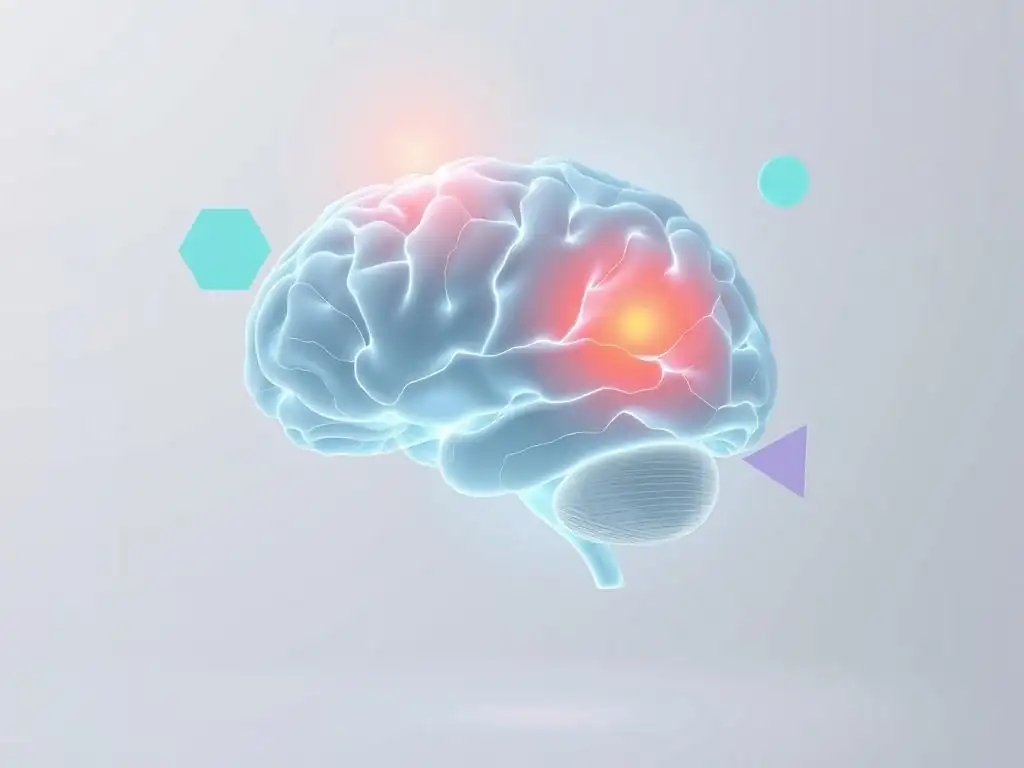
Proactively assessing and understanding your potential risk for inflammation-related mental health issues is a crucial step in prevention. While direct measurement of brain inflammation in a clinical setting is complex, assessing systemic inflammation provides valuable clues. Recognizing potential symptoms and discussing concerns with healthcare professionals are key.
Early detection allows for timely intervention, focusing on reducing inflammatory drivers before significant mental health challenges manifest or become chronic. This empowers individuals to take preventative action based on their unique physiological profile and circumstances.
Recognizing Symptoms of Neuroinflammation
Symptoms of neuroinflammation can be subtle and often overlap with those of mental health conditions, making them difficult to pinpoint without clinical assessment. However, recognizing persistent, unexplained physical symptoms alongside changes in mood or cognition can be a signal. These might include chronic fatigue that isn't relieved by rest, generalized aches and pains, digestive issues (like bloating or discomfort), frequent infections, or skin issues (like persistent rashes).
Behavioral and cognitive signs potentially linked to neuroinflammation include persistent low mood, anhedonia (lack of interest or pleasure), difficulty concentrating ("brain fog"), memory problems, increased anxiety, irritability, and social withdrawal. While these symptoms have many potential causes, their presence, especially when accompanied by physical signs of inflammation, warrants further investigation into potential underlying inflammatory processes.
Diagnostic Tests and Biomarkers for Inflammation
While there isn't a single "brain inflammation test" readily available in routine clinical practice, several blood tests can measure systemic inflammatory markers, providing indirect evidence of inflammation that may be impacting the brain. The most common test is C-reactive protein (CRP), a protein produced by the liver in response to inflammation. High-sensitivity CRP (hs-CRP) is often used to assess low-grade inflammation.
Other biomarkers include erythrocyte sedimentation rate (ESR), fibrinogen, and specific cytokines like IL-6 and TNF-α, although testing for individual cytokines is less common in routine care. Elevated levels of these markers can indicate chronic inflammation in the body. While these tests don't pinpoint brain inflammation specifically, persistently high levels suggest a pro-inflammatory state that increases the risk for inflammation-related conditions, including mental health issues.
Consulting with Healthcare Professionals: When to Seek Help
If you experience persistent symptoms that concern you, particularly a combination of physical issues potentially related to inflammation (like chronic pain or digestive problems) alongside changes in mood, energy, or cognition, it is advisable to consult with a healthcare professional. This could be your primary care physician or a mental health specialist.
Be prepared to discuss your full range of symptoms, medical history (including any diagnosed inflammatory conditions), lifestyle habits (diet, exercise, sleep, stress), and family history. Your doctor can order relevant diagnostic tests, interpret the results in the context of your overall health, and help determine if inflammation might be contributing to your symptoms. They can also guide you on appropriate lifestyle interventions or discuss potential medical strategies as part of a comprehensive plan for brain inflammation mental health prevention and management.
The Future of Mental Health Prevention: Targeting Brain Inflammation
The burgeoning understanding of the link between brain inflammation and mental health is poised to revolutionize prevention and treatment strategies. As research progresses, we are moving towards more personalized and targeted approaches that address the physiological roots of mental health challenges. Focusing on reducing neuroinflammation is becoming an increasingly prominent goal in this evolving landscape.
This shift represents a departure from solely symptom-focused treatments towards interventions that address underlying biological mechanisms. The future holds the promise of more effective, personalized strategies for brain inflammation mental health prevention that can improve outcomes and reduce the burden of mental illness globally.
Ongoing Research and Clinical Trials in Neuroinflammation and Mental Illness
Research into neuroinflammation and mental illness is one of the most active areas in neuroscience and psychiatry. Scientists are working to understand the precise mechanisms by which inflammation affects specific brain regions and neural circuits involved in mood, cognition, and behavior. This includes detailed studies of glial cell function, the role of the gut-brain axis, and the impact of specific inflammatory molecules.
Numerous clinical trials are underway globally to test the efficacy of various anti-inflammatory agents as treatments for mental health conditions. These trials are evaluating existing medications, novel targeted therapies, and lifestyle interventions. For example, researchers at institutions like King's College London and Harvard Medical School are leading studies exploring immune-modulating therapies for depression and other conditions. The results of these trials will significantly shape future clinical guidelines for brain inflammation mental health prevention and treatment.
Personalized Approaches to Managing Brain Inflammation
As our understanding deepens, managing brain inflammation for mental health prevention is likely to become increasingly personalized. This could involve using biomarkers (like genetic profiles, inflammatory markers, and gut microbiome composition) to identify individuals at higher risk or to determine which interventions are most likely to be effective for a given person.
For example, someone with a genetic predisposition for heightened inflammatory responses might benefit more from aggressive anti-inflammatory dietary changes or specific stress reduction techniques compared to someone without that vulnerability. Tailoring lifestyle recommendations, supplement regimens, or even potential future medications based on an individual's specific inflammatory profile could lead to more effective prevention strategies. This personalized approach aligns perfectly with the goals of brain inflammation mental health prevention.
The Importance of Early Intervention and Prevention
The focus on brain inflammation highlights the critical importance of early intervention and prevention in mental health. Addressing inflammatory drivers early, before they lead to significant neuronal damage or chronic symptoms, holds the greatest potential for preventing the onset or progression of mental illness.
This means promoting anti-inflammatory lifestyles from a young age, identifying and managing sources of chronic inflammation (like infections or autoimmune conditions), and educating the public about the mind-body connection. Shifting resources towards preventative strategies that include managing inflammation can have a profound impact on public mental health, reducing the need for more intensive interventions later on. Brain inflammation mental health prevention is not just a scientific concept; it's a call to action for individuals and healthcare systems alike.
Conclusion: Taking Proactive Steps to Protect Your Brain and Mental Health
The growing body of evidence linking brain inflammation to mental health provides a powerful new perspective on prevention. It moves beyond traditional psychological models to embrace the biological underpinnings of well-being. Understanding that chronic inflammation can disrupt brain function and increase vulnerability to conditions like depression and anxiety empowers us to take proactive steps to mitigate this risk.
By focusing on modifiable lifestyle factors, we hold significant agency in protecting our brain health. Adopting an anti-inflammatory diet rich in whole foods, engaging in regular physical activity, effectively managing stress, and prioritizing quality sleep are not just general health recommendations; they are specific, evidence-based strategies for reducing the risk of brain inflammation and supporting robust mental health.
Summarizing Key Strategies for Reducing Brain Inflammation Risk
To summarize the key strategies for brain inflammation mental health prevention:
- Nourish Your Brain: Embrace an anti-inflammatory diet focusing on fruits, vegetables, omega-3 rich foods, and whole grains. Limit processed foods, sugary drinks, and excessive saturated/trans fats.
- Move Your Body: Engage in regular moderate-intensity aerobic exercise and strength training to reduce systemic inflammation. Aim for recommended activity levels.
- Master Stress: Implement stress management techniques like mindfulness, meditation, or yoga to regulate the stress response and lower inflammatory hormones.
- Prioritize Sleep: Ensure adequate, quality sleep (7-9 hours per night) to support the brain's restorative processes and immune regulation.
- Know Your Body: Pay attention to persistent symptoms, discuss them with healthcare professionals, and consider testing for inflammatory markers if appropriate.
Empowering Individuals to Prioritize Mental Well-being Through Inflammation Management
The connection between brain inflammation and mental health is not a source of fear but rather a source of empowerment. It provides tangible, actionable pathways for individuals to take control of their mental well-being. By understanding that choices related to diet, exercise, stress, and sleep directly impact the inflammatory state of their brain, individuals can make informed decisions that build resilience against mental health challenges.
Prioritizing mental well-being involves caring for the physical body, recognizing that mind and body are intricately connected. Focusing on reducing brain inflammation risk is a powerful component of this holistic approach – a proactive investment in long-term cognitive and emotional health. Embrace these strategies and champion brain inflammation mental health prevention as a cornerstone of a healthy, fulfilling life.
Frequently Asked Questions
What is the connection between brain inflammation and mental health?
Brain inflammation can disrupt normal brain function, potentially leading to or worsening various mental health conditions. This disruption impacts neurotransmitter balance and neural pathways.
How does the article "Preventing Mental Illness: The Role of Reducing Brain Inflammation Risk" suggest preventing mental illness?
The article focuses on strategies to minimize brain inflammation, such as dietary changes, stress management, and addressing underlying health conditions, as a means of preventing mental illness.
What are some lifestyle factors that can contribute to brain inflammation?
Poor diet (high in processed foods and sugar), chronic stress, lack of sleep, and exposure to environmental toxins can all contribute to brain inflammation, thereby increasing the risk of mental health issues.
Can dietary changes really impact brain inflammation and mental health?
Yes, adopting an anti-inflammatory diet rich in omega-3 fatty acids, antioxidants, and fiber can help reduce brain inflammation and positively impact mental well-being.
"Mind Care Guide" provides information, support, and resources on managing stress, improving diet, and understanding the link between brain inflammation and mental health, supporting proactive prevention strategies.
Final Reflection: Igniting the Flame of Mental Wellness Through Brain Health
The escalating rates of mental illness demand a proactive, preventative approach, and reducing brain inflammation offers a powerful, often overlooked, pathway to improved mental wellbeing. This isn't just about treating symptoms; it's about building resilience against the very roots of mental health challenges. We've explored the intricate link between inflammation and mental illness, highlighting the crucial role of lifestyle choices in mitigating this risk.
The impact of chronic inflammation on the brain is profound, silently shaping our cognitive function, emotional regulation, and overall mental health. It's a silent thief, stealing away our potential for joy and fulfillment. This isn't merely an academic pursuit; it's a deeply personal journey for many, including myself. Witnessing the struggles of loved ones has underscored the urgent need for preventative strategies. The mind is everything. What you think you become.
– Buddha. This ancient wisdom resonates deeply when considering the power we hold to cultivate a healthier brain and, consequently, a healthier mind.
Now, consider your own life. What steps can you take today to reduce inflammation and nurture your brain health? This isn't about drastic overhauls; it's about small, sustainable changes. Prioritize sleep, nourish your body with whole foods, move your body regularly, manage stress effectively, and cultivate meaningful connections. Embrace this opportunity to invest in your mental wellbeing – not just for today, but for a brighter, healthier tomorrow. The journey to mental wellness begins with you, and the power to ignite that flame resides within your reach.
Unlock Your Brain's Resilience: Take Charge of Your Mental Wellness
Thank you for taking the time to explore the vital connection between brain inflammation and mental well-being. You've now gained valuable insights into protecting your mental health proactively. Let's put this knowledge into action!
- Prioritize brain-boosting foods: Start incorporating anti-inflammatory foods like berries, fatty fish, and leafy greens into your diet this week. Notice how you feel as you make this positive change.
- Share this knowledge: Help spread awareness by sharing this article with friends and family who might benefit from understanding the link between inflammation and mental health.
- Explore mindful movement: Consider adding a gentle exercise routine, like yoga or tai chi, to your daily schedule. These practices can help reduce stress and promote overall well-being.
What small step will you take today to reduce brain inflammation and nurture your mental health?