
Is Your Lifestyle Damaging Your Brain? The Link to Chronic Inflammation


Welcome to Mind Care Guide, a space dedicated to nurturing your mental well-being.
Feeling foggy or unusually stressed lately? You're not alone. Discover how your daily choices could be silently contributing to chronic inflammation in your brain. Dive into our exploration of Lifestyle impacting brain inflammation health and unlock the secrets to a healthier, happier mind. Are you ready to take control of your brain health?
Is Your Lifestyle Damaging Your Brain? The Link to Chronic Inflammation
- Understanding the Connection: Lifestyle and Brain Inflammation
- Unhealthy Lifestyle Factors Contributing to Brain Inflammation
- The Consequences of Chronic Brain Inflammation
-
Reversing the Damage: Lifestyle Changes to Reduce Brain Inflammation
- Anti-Inflammatory Diet: Nourishing Your Brain for Optimal Health
- The Power of Exercise: Reducing Inflammation and Boosting Brain Function
- Stress Management Techniques for a Healthier Brain
- Prioritizing Sleep: Optimizing Sleep Habits for Brain Health
- Detoxifying Your Environment: Minimizing Exposure to Toxins
- Measuring Brain Inflammation: Diagnostic Tools and Methods
- The Neurologist's Perspective on Lifestyle and Brain Health
- Conclusion: Taking Control of Your Lifestyle for a Healthier Brain
-
Frequently Asked Questions
- What is the connection between lifestyle and brain inflammation?
- How does diet contribute to brain inflammation?
- What role does exercise play in managing brain inflammation?
- Can stress and sleep deprivation contribute to brain inflammation?
- What are some practical lifestyle changes I can make to reduce brain inflammation?
- Final Reflection: Rewiring Your Life, Rewiring Your Brain
- Unleash Your Brain's Full Potential: Take Control of Inflammation Today!
Understanding the Connection: Lifestyle and Brain Inflammation
What is Neuroinflammation and Why Should You Care?
Neuroinflammation refers to the inflammatory response within the brain or spinal cord. It's the nervous system's way of protecting itself from injury, infections, or toxins. While acute inflammation is a vital part of the healing process, chronic neuroinflammation is like a fire that never goes out, causing ongoing damage to brain cells and neural pathways. This persistent state can disrupt normal brain function, impacting everything from mood and cognition to motor control. Understanding this process is crucial because our daily habits significantly influence whether this inflammation becomes chronic, directly impacting our overall brain health and mental well-being.
Caring about neuroinflammation is essential because research increasingly links it to a wide range of neurological and psychiatric conditions. Studies have shown elevated inflammatory markers, such as C-reactive protein (CRP) and cytokines like TNF-alpha and IL-6, in individuals experiencing depression, anxiety disorders, and even neurodegenerative diseases like Alzheimer's and Parkinson's.
For instance, a meta-analysis published in "Molecular Psychiatry" in 2018 found significantly higher levels of inflammatory cytokines in patients with major depressive disorder compared to healthy controls. This suggests that neuroinflammation isn't just a symptom of these conditions but may play a causative or exacerbating role, highlighting the critical importance of addressing lifestyle factors impacting brain inflammation health.
The Brain-Body Connection: How Lifestyle Choices Impact Brain Health
The intricate relationship between the brain and the rest of the body means that what affects one system often affects the other. Lifestyle choices, encompassing diet, exercise, sleep, stress levels, and exposure to environmental factors, don't just impact physical health metrics like blood pressure or weight; they profoundly influence the delicate environment within the brain.
For example, a diet high in saturated fats and refined sugars can trigger systemic inflammation throughout the body, and these inflammatory signals can cross the blood-brain barrier, directly contributing to neuroinflammation. Conversely, regular physical activity has been shown to reduce systemic inflammation and promote the release of anti-inflammatory molecules that benefit brain health.
This deep connection underscores why lifestyle impacting brain inflammation health is a critical area of focus. Consider the gut-brain axis: the billions of bacteria in our digestive system produce compounds that can either promote or reduce inflammation. A diet rich in fiber and fermented foods supports beneficial gut bacteria that produce anti-inflammatory short-chain fatty acids like butyrate, which can positively influence brain health.
Conversely, a poor diet can lead to gut dysbiosis and increased permeability, allowing inflammatory substances to enter the bloodstream and reach the brain. This constant dialogue between the body and brain, mediated by inflammatory signals, means our daily habits are powerful determinants of neurological health.
Unhealthy Lifestyle Factors Contributing to Brain Inflammation
Diet and Brain Inflammation: The Impact of Processed Foods and Sugar
The Role of Processed Foods in Chronic Inflammation
Highly processed foods, often laden with unhealthy fats, refined carbohydrates, and chemical additives, are significant drivers of systemic inflammation, which directly impacts brain health. These foods, such as sugary cereals, processed meats, and packaged snacks, lack essential nutrients like fiber, vitamins, and antioxidants that protect against inflammation. Instead, they contain ingredients that promote it.
For example, trans fats, often found in processed snacks and baked goods, have been shown in numerous studies to increase inflammatory markers like CRP. A 2019 study published in the "British Journal of Nutrition" linked higher consumption of ultra-processed foods to an increased risk of depression, a condition associated with elevated neuroinflammation.
Furthermore, processed foods often disrupt the balance of the gut microbiome, leading to increased gut permeability and the release of inflammatory molecules into the bloodstream. This state, sometimes referred to as "leaky gut," allows components from bacteria (like lipopolysaccharides or LPS) to cross the gut barrier and trigger an immune response throughout the body, including the brain. The chronic low-grade inflammation resulting from a diet heavy in processed items creates a hostile environment for neurons, impairing their function and survival. This dietary pattern is a prime example of lifestyle impacting brain inflammation health negatively.
Sugar's Inflammatory Effects on the Brain
Excessive consumption of refined sugar, particularly fructose found in sugary drinks and processed foods, is a major contributor to inflammation throughout the body, including the brain. When we consume large amounts of sugar, it can lead to rapid spikes in blood glucose, triggering the release of inflammatory cytokines. High sugar intake also promotes the formation of Advanced Glycation End products (AGEs), which are compounds that can damage proteins and lipids and induce inflammation in various tissues, including brain tissue. Research indicates that AGEs accumulate in the brains of individuals with neurodegenerative diseases.
Beyond systemic effects, sugar directly impacts brain cells. Microglia, the brain's immune cells, can become activated by high sugar levels, transitioning from a protective state to an inflammatory one. This chronic activation leads to the release of pro-inflammatory cytokines within the brain. A study published in "Nutrients" in 2017 highlighted how high-sugar diets impair cognitive function and increase inflammatory markers in the brain of animal models. This illustrates a clear link between dietary choices and neuroinflammation, emphasizing how lifestyle impacting brain inflammation health is heavily influenced by what we eat.
Sedentary Lifestyle and Increased Inflammation Risk
How Lack of Exercise Fuels Brain Inflammation
A sedentary lifestyle is strongly associated with chronic low-grade inflammation throughout the body, and this systemic inflammation contributes directly to neuroinflammation. Physical inactivity reduces the production of anti-inflammatory myokines, which are proteins released by muscles during exercise that have beneficial effects on various tissues, including the brain. Conversely, sitting for prolonged periods is linked to increased levels of pro-inflammatory markers like CRP and IL-6. A 2014 review in "Brain, Behavior, and Immunity" discussed how physical inactivity promotes inflammation and is linked to an increased risk of depression and cognitive decline, conditions known to involve neuroinflammation.
Moreover, lack of exercise often leads to other metabolic issues like obesity and insulin resistance, which are themselves pro-inflammatory states. Adipose tissue, particularly visceral fat, is metabolically active and releases numerous inflammatory cytokines. Insulin resistance can also disrupt cellular signaling pathways, contributing to inflammation. By failing to engage in regular physical activity, individuals miss out on exercise's powerful anti-inflammatory effects and inadvertently create a bodily environment that fuels chronic inflammation, including in the brain. This demonstrates how a sedentary lifestyle is a key factor in lifestyle impacting brain inflammation health.
The Effects of Chronic Stress on Brain Health and Inflammation
Stress Hormones and Their Inflammatory Impact
Chronic psychological stress is a significant contributor to systemic and neuroinflammation. When we experience stress, the body releases stress hormones, primarily cortisol, as part of the fight-or-flight response. While acute, short-term cortisol release is adaptive, prolonged exposure to high levels of cortisol can have detrimental effects. Cortisol initially suppresses the immune response, but chronic stress can lead to a state of cortisol resistance, where cells become less responsive to its anti-inflammatory signals. This paradoxical effect results in the immune system becoming dysregulated and prone to producing excessive inflammatory cytokines.
Studies have shown that individuals experiencing chronic stress have elevated levels of pro-inflammatory markers in their blood and cerebrospinal fluid. For example, research on caregivers of individuals with chronic illness often shows higher levels of inflammatory cytokines like IL-6 compared to control groups.
These inflammatory signals can cross the blood-brain barrier or be produced by activated glial cells within the brain, contributing to neuroinflammation. This chronic inflammatory state induced by stress can damage neurons, impair synaptic plasticity, and alter neural circuits involved in mood, cognition, and stress regulation, highlighting the profound way lifestyle, particularly stress management, impacts brain inflammation health.
Sleep Deprivation: A Major Contributor to Neuroinflammation
The Importance of Sleep for Brain Health and Inflammation Regulation
Sleep is not merely a period of rest; it's a vital process for brain maintenance and repair, including the regulation of inflammation. During sleep, particularly deep sleep, the brain clears metabolic waste products, including those that can trigger inflammation. Sleep also plays a crucial role in modulating the immune system. Chronic sleep deprivation disrupts this balance, leading to an increase in pro-inflammatory cytokines. Just one night of poor sleep can elevate inflammatory markers like CRP and IL-6 in healthy individuals, as demonstrated in studies published in journals like "Sleep."
Furthermore, sleep deprivation can activate glial cells (microglia and astrocytes) in the brain, shifting them towards a pro-inflammatory state. This persistent activation contributes to chronic neuroinflammation. Animal studies have shown that chronic sleep restriction leads to increased microglial activation and neuronal damage in brain regions critical for learning and memory. This evidence strongly supports the idea that insufficient sleep is a significant lifestyle factor impacting brain inflammation health, underscoring the necessity of prioritizing adequate, quality sleep for neurological well-being.
Environmental Toxins and Brain Inflammation
Air Pollution and Neuroinflammation
Exposure to environmental toxins, such as air pollution, is increasingly recognized as a contributor to systemic and neuroinflammation. Particulate matter (PM), especially fine and ultrafine particles found in polluted air from sources like vehicle exhaust and industrial emissions, can be inhaled deep into the lungs. From there, these particles and the inflammatory mediators they trigger can enter the bloodstream and travel to the brain. These toxins can also directly activate the olfactory nerve pathway, providing a direct route to the brain.
Research has shown that exposure to high levels of air pollution is associated with increased inflammatory markers in the brain and is linked to cognitive decline and an increased risk of neurodegenerative diseases. A study published in "Environmental Health Perspectives" in 2017 found that older women exposed to higher levels of fine particulate matter showed greater brain shrinkage and cognitive impairment, indicative of inflammatory damage. The chronic exposure to these ubiquitous environmental agents represents a significant, often overlooked, aspect of lifestyle impacting brain inflammation health.
Heavy Metals and Their Impact on Brain Health
Heavy metals like lead, mercury, arsenic, and cadmium are potent neurotoxicants that can induce neuroinflammation. Exposure can occur through contaminated food, water, air, or occupational sources. Once absorbed, these metals can cross the blood-brain barrier and accumulate in brain tissue, where they trigger oxidative stress and activate glial cells, leading to a sustained inflammatory response. For example, lead exposure, even at low levels, has been linked to cognitive deficits and behavioral problems, partly due to its ability to induce neuroinflammation and disrupt neuronal function.
Mercury, particularly in its organic form (methylmercury) found in some types of fish, is another well-documented neuroinflammatory agent. Studies have shown that mercury exposure can activate microglia and astrocytes, leading to the release of pro-inflammatory cytokines. Chronic exposure to these metals doesn't just cause acute damage; it can prime the brain's immune system, making it more susceptible to inflammatory responses later in life. Minimizing exposure to these toxins is a crucial, though sometimes challenging, aspect of lifestyle impacting brain inflammation health.
The Consequences of Chronic Brain Inflammation

Cognitive Decline: The Link Between Inflammation and Memory Problems
Chronic neuroinflammation is strongly implicated in cognitive decline, including issues with memory, attention, and executive functions. The persistent presence of inflammatory cytokines and activated glial cells in the brain can damage neurons and synapses, which are the connections between neurons essential for learning and memory. For example, inflammation in the hippocampus, a brain region critical for memory formation, can impair its function. Studies have shown that individuals with higher levels of inflammatory markers often perform worse on cognitive tests.
Research linking lifestyle impacting brain inflammation health to cognitive outcomes is growing. For instance, studies on individuals with metabolic syndrome, a condition characterized by chronic low-grade inflammation often driven by poor diet and inactivity, show an increased risk of mild cognitive impairment and dementia. This highlights how lifestyle-induced inflammation directly contributes to the erosion of cognitive abilities over time. The cumulative damage from chronic neuroinflammation can make it harder for the brain to form new memories, retrieve old ones, and maintain sharp cognitive function.
Mood Disorders: Inflammation's Role in Depression and Anxiety
There is substantial evidence linking chronic inflammation, including neuroinflammation, to mood disorders such as depression and anxiety. Inflammatory cytokines can interfere with neurotransmitter systems, particularly serotonin, dopamine, and norepinephrine, which are crucial for mood regulation. They can also affect the communication pathways between different brain regions involved in emotional processing. For instance, studies have found that administering inflammatory cytokines to healthy individuals can induce symptoms of depression and anxiety.
Furthermore, conditions associated with systemic inflammation, like autoimmune diseases, cardiovascular disease, and obesity, have a higher comorbidity rate with depression and anxiety. This connection is thought to be mediated, at least in part, by the inflammatory processes common to these conditions. Lifestyle impacting brain inflammation health through factors like chronic stress, poor diet, and sleep deprivation directly contributes to the inflammatory burden, which in turn can exacerbate or even precipitate symptoms of mood disorders. Addressing inflammation is increasingly seen as a potential therapeutic target for these conditions.
Neurodegenerative Diseases: Inflammation as a Contributing Factor
Chronic neuroinflammation is recognized as a key player in the pathogenesis and progression of several neurodegenerative diseases. While inflammation is initially a protective response to neuronal injury, in neurodegenerative conditions, it becomes chronic and contributes to ongoing neuronal damage and loss.
Alzheimer's Disease and Neuroinflammation
In Alzheimer's disease (AD), the accumulation of amyloid-beta plaques and tau tangles triggers a robust inflammatory response involving activated microglia and astrocytes. While these cells initially attempt to clear the pathological proteins, their chronic activation leads to the release of pro-inflammatory mediators that damage nearby neurons and synapses. This chronic inflammation creates a vicious cycle, potentially accelerating the progression of the disease.
Post-mortem studies of AD brains consistently show evidence of significant neuroinflammation. Research suggests that lifestyle factors impacting brain inflammation health over decades may contribute to the inflammatory environment that makes the brain more vulnerable to developing AD pathology later in life.
Parkinson's Disease and Neuroinflammation
Parkinson's disease (PD) is characterized by the loss of dopamine-producing neurons in the substantia nigra region of the brain. Neuroinflammation is a prominent feature in the brains of individuals with PD. Activated microglia are found surrounding degenerating neurons, releasing inflammatory molecules that contribute to neuronal dysfunction and death.
Alpha-synuclein aggregates, which are a hallmark of PD pathology, can activate microglia and initiate an inflammatory cascade. While the exact triggers for PD are complex, environmental factors and lifestyle choices that promote chronic inflammation are being investigated as potential contributors to the neuroinflammatory processes seen in the disease. This reinforces the critical role of lifestyle impacting brain inflammation health in the context of neurodegenerative risk.
Reversing the Damage: Lifestyle Changes to Reduce Brain Inflammation
Anti-Inflammatory Diet: Nourishing Your Brain for Optimal Health
Adopting an anti-inflammatory diet is one of the most powerful ways to reduce chronic inflammation throughout the body and brain. This dietary pattern focuses on whole, unprocessed foods rich in nutrients and antioxidants that combat inflammation, while minimizing foods known to promote it. Shifting towards this way of eating is a cornerstone of lifestyle impacting brain inflammation health positively.
Key Anti-Inflammatory Foods to Include in Your Diet
Focus on incorporating plenty of fruits and vegetables, especially colorful varieties like berries, leafy greens (spinach, kale), and cruciferous vegetables (broccoli, cauliflower). These are packed with antioxidants and phytochemicals. Include sources of omega-3 fatty acids, such as fatty fish (salmon, mackerel, sardines) at least twice a week, as omega-3s have potent anti-inflammatory properties. Nuts and seeds (walnuts, flaxseeds, chia seeds) are also good sources.
Olive oil, particularly extra virgin, is rich in monounsaturated fats and antioxidants like polyphenols, which have anti-inflammatory effects. Spices like turmeric (containing curcumin) and ginger are well-known for their anti-inflammatory benefits. Incorporating fermented foods like yogurt, kefir, sauerkraut, and kimchi can support a healthy gut microbiome, which in turn reduces systemic inflammation. Aim for a diet rich in fiber from whole grains, legumes, fruits, and vegetables, as fiber feeds beneficial gut bacteria.
Foods to Avoid to Reduce Inflammation
To reduce inflammation, it's crucial to limit or eliminate foods that promote it. This includes refined sugars and sugary drinks, which cause blood sugar spikes and fuel inflammation. Minimize consumption of processed foods, including packaged snacks, processed meats, and sugary cereals, which are often high in unhealthy fats, sugar, and additives.
Limit saturated and trans fats found in red meat, full-fat dairy, and many processed and fried foods. Reduce intake of refined carbohydrates like white bread, white rice, and pasta, which can also cause rapid blood sugar increases. Avoiding or significantly reducing these inflammatory triggers is a vital step in managing lifestyle impacting brain inflammation health.
The Power of Exercise: Reducing Inflammation and Boosting Brain Function
Regular physical activity is a potent anti-inflammatory intervention that benefits both the body and the brain. Exercise helps reduce systemic inflammation by decreasing pro-inflammatory cytokines and increasing anti-inflammatory molecules. It also improves insulin sensitivity, helps manage weight, and reduces stress, all of which contribute to a less inflammatory state.
Recommended Exercise Types for Brain Health
A combination of aerobic exercise and strength training appears most beneficial for brain health and reducing inflammation. Aim for at least 150 minutes of moderate-intensity aerobic activity or 75 minutes of vigorous-intensity activity per week, as recommended by health guidelines. Examples include brisk walking, jogging, swimming, or cycling.
Strength training exercises, done at least two days a week, help build muscle mass, which is metabolically active and can improve insulin sensitivity. Finding enjoyable activities you can stick with consistently is key to leveraging exercise as a tool for lifestyle impacting brain inflammation health. Even short bursts of activity throughout the day are better than prolonged sitting.
Stress Management Techniques for a Healthier Brain
Effectively managing chronic stress is crucial for mitigating its inflammatory impact on the brain. Developing healthy coping mechanisms can significantly lower stress hormone levels and reduce the release of inflammatory cytokines. Incorporating stress reduction practices into your daily routine is a vital component of lifestyle impacting brain inflammation health.
Mindfulness and Meditation for Inflammation Reduction
Practices like mindfulness and meditation have been shown to reduce stress hormones and lower inflammatory markers. Mindfulness involves paying attention to the present moment without judgment, which can help calm the nervous system. Regular meditation has been linked to reduced levels of cortisol and inflammatory cytokines like CRP. Even short daily sessions, starting with just 5-10 minutes, can have a positive effect.
The Importance of Social Connection for Mental Well-being
Maintaining strong social connections is another powerful stress buffer and contributes to mental well-being, indirectly reducing inflammation. Loneliness and social isolation are associated with increased levels of inflammatory markers. Engaging with friends, family, or community groups provides emotional support and reduces the stress response. Prioritizing meaningful relationships and social activities is an often-underestimated aspect of lifestyle impacting brain inflammation health.
Prioritizing Sleep: Optimizing Sleep Habits for Brain Health
Ensuring adequate, quality sleep is fundamental to allowing the brain to perform essential maintenance, including regulating inflammation. Chronic sleep deprivation disrupts this process, fueling neuroinflammation. Making sleep a priority is non-negotiable for preserving brain health.
Creating a Healthy Sleep Routine
Establishing a consistent sleep schedule, going to bed and waking up around the same time each day, even on weekends, helps regulate the body's internal clock. Aim for 7-9 hours of quality sleep per night. Create a relaxing bedtime routine to signal to your body that it's time to wind down – this could include reading, taking a warm bath, or listening to calming music.
Ensure your bedroom is dark, quiet, and cool. Avoid caffeine and alcohol close to bedtime, and limit screen time from electronic devices which emit blue light that can interfere with sleep. These simple habit changes are crucial for leveraging sleep as a tool for lifestyle impacting brain inflammation health.
Detoxifying Your Environment: Minimizing Exposure to Toxins
While complete avoidance of environmental toxins is impossible, taking steps to minimize exposure can reduce the inflammatory burden on the brain. Being mindful of potential sources of toxins is part of a comprehensive approach to lifestyle impacting brain inflammation health.
Reducing Exposure to Air Pollution
Check local air quality reports and limit strenuous outdoor activity on days with high pollution levels. Keep windows closed during peak traffic times if you live near busy roads. Using air purifiers with HEPA filters indoors can help reduce particulate matter. Regularly changing air filters in your home's HVAC system is also beneficial.
Minimizing Exposure to Heavy Metals
Be mindful of potential sources of heavy metals. For lead, avoid old paint in homes built before 1978 (if disturbed). For mercury, be cautious about consumption of large, predatory fish (like swordfish, shark, king mackerel, and tilefish) which tend to have higher levels; opt for lower-mercury fish like salmon, sardines, and shrimp. Ensure drinking water is safe; consider filtering if necessary. Choosing organic foods can sometimes reduce exposure to pesticides and other potential contaminants, though this is more related to overall toxic load than specifically heavy metals.
Measuring Brain Inflammation: Diagnostic Tools and Methods
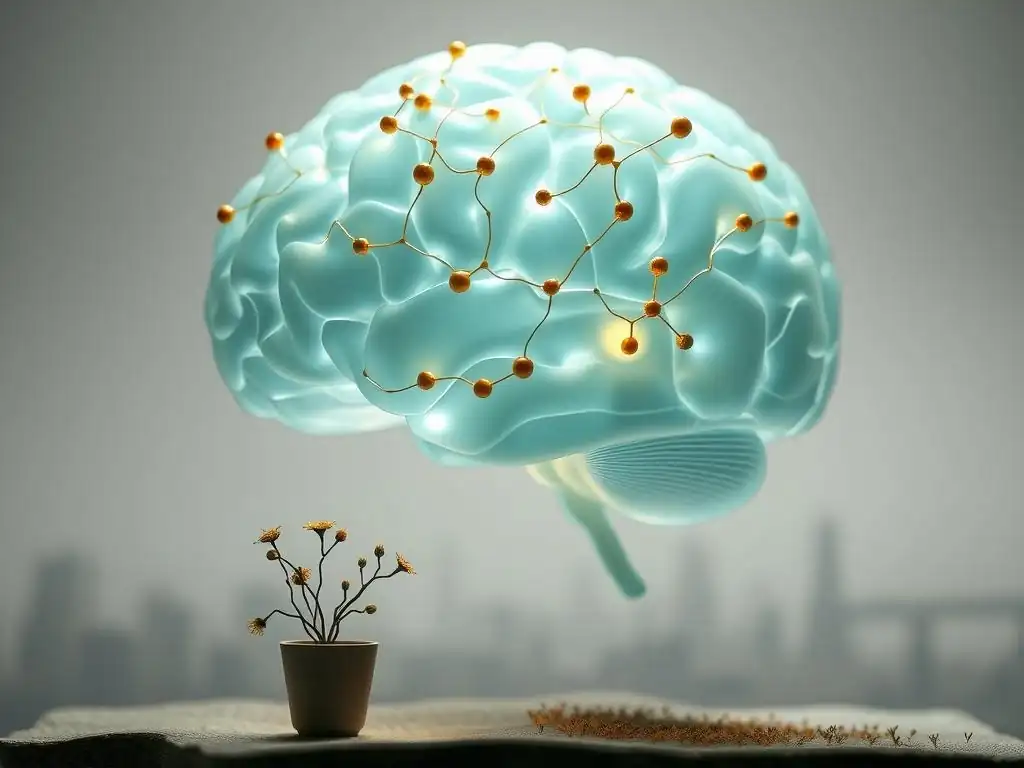
Assessing the level of neuroinflammation in living individuals is complex, but research and clinical tools are advancing. While often not part of routine check-ups, certain methods can provide insights into the inflammatory state of the brain. Understanding these tools helps appreciate the scientific basis for lifestyle impacting brain inflammation health.
Biomarkers of Neuroinflammation: What to Look For
Biomarkers are measurable indicators of a biological state or process. In the context of neuroinflammation, these can be found in blood, cerebrospinal fluid (CSF), or even saliva. Common systemic inflammatory markers often measured include C-reactive protein (CRP), which is elevated in response to inflammation throughout the body, and cytokines like IL-6, TNF-alpha, and IL-1 beta.
While these reflect systemic inflammation, elevated levels are often correlated with neuroinflammation. Specific biomarkers in CSF, obtained via lumbar puncture, such as neopterin or certain microglial activation markers, can provide more direct evidence of neuroinflammation, though this is a more invasive procedure typically used in research or specific clinical contexts.
Newer research is exploring blood-based biomarkers that may reflect neuroinflammation more directly, such as specific microRNA profiles or proteins released by activated glial cells that might cross the blood-brain barrier in small amounts. For example, studies are investigating the potential of glial fibrillary acidic protein (GFAP), a marker of astrocyte activation, in blood as an indicator of neuroinflammation or neurological injury. While still largely in the research phase for routine diagnosis of lifestyle-induced neuroinflammation, these biomarkers are critical for understanding the processes involved and for tracking the impact of interventions, including lifestyle changes impacting brain inflammation health.
Advanced Imaging Techniques for Detecting Brain Inflammation
Advanced neuroimaging techniques offer non-invasive ways to visualize aspects of neuroinflammation. Positron Emission Tomography (PET) scanning is a powerful tool for detecting activated inflammatory cells in the brain. PET ligands that bind specifically to targets expressed on activated microglia, such as the translocator protein (TSPO), can quantify the density of these inflammatory cells in different brain regions. For instance, TSPO-PET imaging has shown increased microglial activation in specific brain areas in individuals with depression, chronic pain, and various neurodegenerative conditions.
Magnetic Resonance Imaging (MRI) can also provide indirect evidence of neuroinflammation by detecting changes in brain structure, white matter integrity, or blood-brain barrier permeability that are associated with inflammation. Techniques like diffusion tensor imaging (DTI) can reveal changes in white matter tracts, which can be affected by inflammatory processes. While PET offers more direct visualization of inflammatory cell activity, MRI provides valuable complementary information about the structural consequences of neuroinflammation. These imaging methods are vital for research into lifestyle impacting brain inflammation health and for potentially diagnosing and monitoring inflammatory brain conditions.
The Neurologist's Perspective on Lifestyle and Brain Health
Neurologists, specialists in disorders of the nervous system, increasingly recognize the profound impact of lifestyle on brain health and the prevention of neurological diseases. Their clinical experience and understanding of neurobiology underscore the importance of proactive lifestyle choices in mitigating risks associated with neuroinflammation.
Neurologist's Recommendations for Supporting Brain Health
Neurologists consistently emphasize a holistic approach to brain health that goes beyond treating symptoms. Their recommendations often mirror the lifestyle factors discussed as crucial for reducing inflammation. They advise patients on the importance of a balanced, anti-inflammatory diet, often recommending patterns like the Mediterranean diet, which is rich in fruits, vegetables, whole grains, lean protein, and healthy fats. Regular physical exercise is universally recommended for its benefits on circulation, neurogenesis, and inflammation reduction.
Managing chronic conditions like diabetes, hypertension, and high cholesterol, which are often linked to inflammation and increase neurological risk, is also a top priority. Furthermore, prioritizing sufficient sleep, managing stress effectively, and engaging in mentally stimulating activities are standard recommendations. These recommendations highlight the clinical recognition of lifestyle impacting brain inflammation health.
Expert Opinions on the Importance of Lifestyle for Preventing Neuroinflammation
Leading neurologists and neuroscientists are vocal about the critical role of lifestyle in preventing chronic neuroinflammation and the associated neurological and psychiatric disorders. They view lifestyle interventions not just as complementary strategies but as foundational pillars of brain health. Dr. Rudy Tanzi, a prominent Alzheimer's researcher, has popularized the "SHIELD" approach to brain health, where S stands for Sleep, H for Handling stress, I for Interaction (social), E for Exercise, L for Learning new things, and D for Diet.
This framework directly addresses lifestyle factors known to influence neuroinflammation. Experts emphasize that while genetics play a role, lifestyle choices have a significant epigenetic influence, meaning they can affect how genes are expressed, including genes related to inflammation. This perspective underscores that lifestyle impacting brain inflammation health is not just a theoretical concept but a clinically relevant and preventable pathway to neurological decline.
Conclusion: Taking Control of Your Lifestyle for a Healthier Brain
The Importance of a Proactive Approach to Brain Health
The evidence is clear: our daily lifestyle choices have a profound and cumulative impact on the inflammatory state of our brain. Chronic neuroinflammation, fueled by factors like poor diet, inactivity, stress, sleep deprivation, and environmental exposures, is not just a symptom but a key contributor to cognitive decline, mood disorders, and neurodegenerative diseases. Recognizing lifestyle impacting brain inflammation health empowers us to take a proactive stance.
Rather than waiting for symptoms to appear, adopting healthy habits now can build resilience in the brain, reduce the risk of chronic inflammation, and support long-term neurological well-being. This proactive approach shifts the focus from treatment to prevention, offering a powerful pathway to maintaining a healthy mind throughout life.
Call to Action: Take Steps to Reduce Brain Inflammation Today
Understanding the link between lifestyle and brain inflammation should serve as a powerful motivator for change. You have the agency to make choices every day that either contribute to or combat neuroinflammation. Start small: incorporate more anti-inflammatory foods into your diet, aim for a short walk daily, practice a few minutes of mindfulness, or prioritize getting to bed earlier tonight.
These small, consistent steps add up over time, significantly impacting your brain health. By actively managing your lifestyle impacting brain inflammation health, you are investing in your cognitive function, emotional resilience, and long-term neurological vitality. Take the first step today towards reducing inflammation and nourishing your brain for a healthier future.
Frequently Asked Questions
What is the connection between lifestyle and brain inflammation?
Your lifestyle choices, such as diet, exercise, and sleep, can significantly impact brain inflammation. Poor choices can trigger chronic inflammation, potentially leading to cognitive decline and other mental health issues.
How does diet contribute to brain inflammation?
A diet high in processed foods, sugar, and unhealthy fats can promote inflammatory responses in the body, including the brain. Conversely, a diet rich in antioxidants and omega-3 fatty acids can help reduce inflammation.
What role does exercise play in managing brain inflammation?
Regular physical activity has been shown to reduce inflammation throughout the body, including the brain. Exercise promotes the release of anti-inflammatory molecules and improves overall brain health.
Can stress and sleep deprivation contribute to brain inflammation?
Yes, chronic stress and lack of sleep can both trigger the release of inflammatory cytokines, leading to increased brain inflammation. Managing stress and prioritizing adequate sleep are crucial for brain health.
What are some practical lifestyle changes I can make to reduce brain inflammation?
Focus on adopting an anti-inflammatory diet, engaging in regular physical activity, practicing stress management techniques, and prioritizing sufficient sleep. These changes can significantly impact your brain health and well-being.
Final Reflection: Rewiring Your Life, Rewiring Your Brain
The choices we make today directly impact the health of our brains tomorrow. Ignoring the link between lifestyle and chronic inflammation is no longer an option; the evidence overwhelmingly demonstrates a direct correlation between detrimental lifestyle habits and neurological decline. This isn't just about preventing Alzheimer's or dementia; it's about optimizing brain function for a richer, more vibrant life at every age.
The pervasive nature of chronic inflammation, often fueled by poor diet, lack of exercise, and chronic stress, is profoundly shaping our collective health landscape. It's a silent thief, slowly eroding cognitive function and contributing to a range of neurological disorders. This isn't just a medical issue; it's a societal one, demanding a shift in our collective understanding of well-being. The mind is everything. What you think you become.
– Buddha. This ancient wisdom rings truer than ever in the face of modern neurological challenges. We are what we repeatedly do, and our repeated actions sculpt the very architecture of our brains.
You now hold the power to rewrite your narrative. Consider the information presented within this article – the impact of diet, exercise, sleep, and stress management on your brain health. Take a moment to honestly assess your own lifestyle choices. What small changes can you implement today to reduce inflammation and nurture your brain? Start small, build consistency, and watch as you cultivate a healthier, more resilient mind – a mind capable of greater clarity, focus, and joy. Your brain is your most valuable asset; invest in it wisely.
Unleash Your Brain's Full Potential: Take Control of Inflammation Today!
Thanks for taking the time to explore the critical link between lifestyle and brain health. You've now armed yourself with valuable knowledge about chronic inflammation and its impact. Let's put that knowledge into action!
- Prioritize one small, impactful change: Choose just one of the lifestyle adjustments suggested (diet, exercise, stress management) and commit to it for the next week. Even small steps make a difference.
- Share your journey: Discuss this article with a friend or family member and explore how you can support each other in making healthier choices. This shared commitment can boost motivation!
- Dive deeper: Explore the Mind Care Guide website for more resources and articles related to brain health and inflammation. You'll find tools to help you succeed.
Ready to start experiencing the positive effects of a healthier lifestyle? What's the one small change you'll prioritize this week to protect your brain?