
Navigating Weighted Blanket Sizes: Finding the Perfect Fit for Relaxation

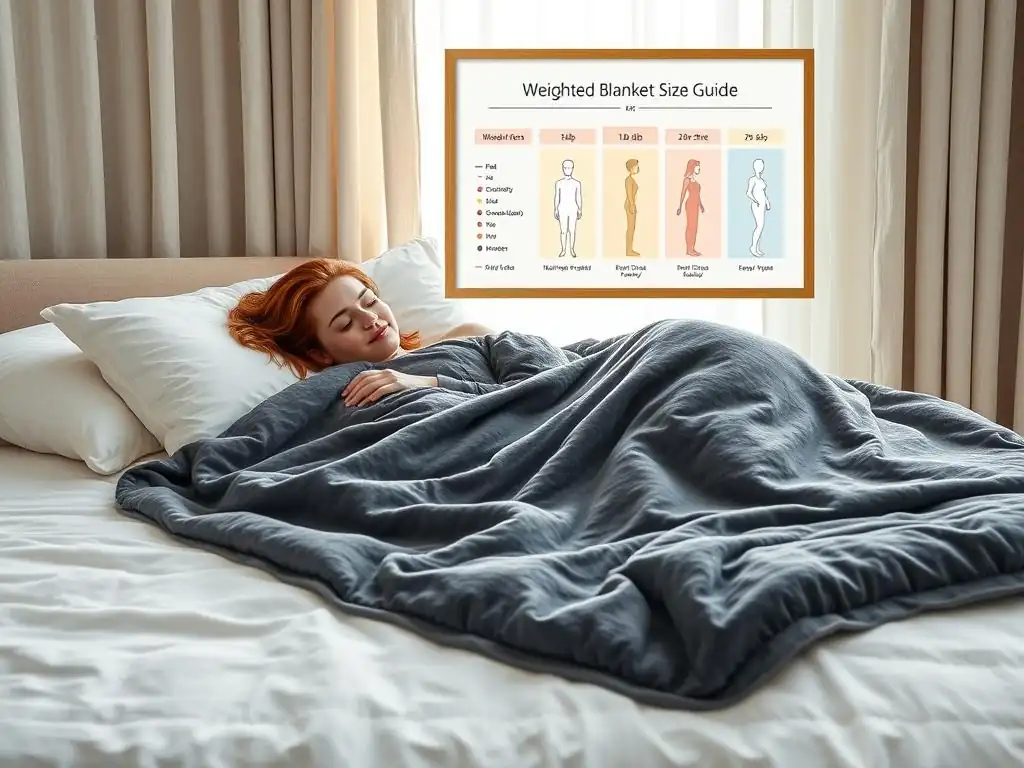
Welcome to Mind Care Guide, a space dedicated to nurturing your mental well-being. Feeling overwhelmed by the choices in self-care? You're not alone. We understand the quest for finding tools that genuinely soothe and support. Speaking of support, are you curious about the optimal dimensions for your own personal haven of comfort? Dive into our Weighted Blanket Size Guide below to discover the perfect fit for your relaxation needs and unlock a deeper sense of calm. Let's begin your journey to better rest, together.
Navigating Weighted Blanket Sizes: Finding the Perfect Fit for Relaxation
- Weighted Blanket Size Guide: Your Path to Calmer Sleep
- Decoding Weighted Blanket Dimensions: A Comprehensive Guide
- Factors to Consider When Selecting Your Weighted Blanket Size
- Weighted Blanket Size Chart: A Visual Guide to Finding Your Perfect Fit
- Recommended Weighted Blankets by Size and Weight: Product Examples and Affiliate Opportunities
- Beyond Size: Fabric, Fill, and Other Considerations
- Investing in Quality Sleep: The Long-Term Benefits of a Properly Sized Weighted Blanket
- Conclusion: Find Your Perfect Weighted Blanket Size and Transform Your Sleep.
-
Frequently Asked Questions
- What is the general rule of thumb for choosing a weighted blanket size?
- How does body size influence the appropriate weighted blanket size?
- Should I choose a different weight if I have underlying health conditions?
- What if I'm sharing a bed - how does that affect the weighted blanket size and weight?
- Where can I find additional resources about using weighted blankets for mental well-being?
- Final Reflection: Finding Comfort in the Right Size
- Unlock Deeper Relaxation: Find Your Perfect Weighted Blanket Size
Weighted Blanket Size Guide: Your Path to Calmer Sleep
Understanding the Importance of Proper Weighted Blanket Sizing
Choosing the correct size for a weighted blanket is far more than just picking one that looks nice or fits your bed aesthetically. The size, particularly the weight relative to the user's body weight, is the foundational element determining its therapeutic effectiveness.
A blanket that is too light may not provide sufficient deep pressure stimulation (DPS), the gentle, firm pressure that can help calm the nervous system and promote feelings of safety and relaxation. Conversely, a blanket that is too heavy can be uncomfortable, restrictive, and potentially unsafe, especially for individuals with respiratory or circulatory issues, or young children who may struggle to remove it.
The goal of a weighted blanket size guide is to help you achieve the optimal distribution of weight across your body. This even pressure is what mimics a hug or swaddle, triggering the release of neurotransmitters like serotonin and melatonin, which are crucial for mood regulation and sleep induction.
Studies, though often preliminary, suggest that correctly weighted blankets can reduce cortisol levels (the stress hormone) and improve sleep onset latency and duration. Therefore, meticulously following a weighted blanket size guide ensures you harness the full potential benefits, transforming it from a simple bedding item into a powerful tool for managing anxiety and improving sleep quality.
Why Correct Weighted Blanket Dimensions Matter for Anxiety and Sleep
The physical dimensions of a weighted blanket—its length and width—play a critical role in its practical usability and comfort, directly impacting its effectiveness for anxiety and sleep. A blanket that is too small might not cover enough of the body, leading to uneven pressure distribution and limiting the therapeutic effect to a small area.
If it doesn't cover the torso and legs adequately, the user might not experience the full "cocooning" sensation that promotes relaxation. On the other hand, a blanket that is excessively large for the user or the bed can be cumbersome, slide off easily, or distribute the weight too thinly over a vast area, diminishing the intended pressure.
For individuals using a weighted blanket specifically for anxiety relief or sleep improvement, the dimensions must allow for comfortable movement without the blanket falling off or becoming tangled. A typical recommendation within a weighted blanket size guide is for the blanket to cover the user from chin to toe, providing consistent pressure throughout the night.
For adults, this often means selecting a blanket that is roughly the width of their body when lying down, rather than the full width of the mattress, especially if it's for a single user. This focus on the user's body dimensions, combined with the appropriate weight, is key to maximizing the therapeutic benefits for anxiety reduction and achieving more restful sleep.
Decoding Weighted Blanket Dimensions: A Comprehensive Guide
Adult Weighted Blanket Sizes: Choosing the Right Weight and Dimensions
Selecting the right weighted blanket for an adult primarily revolves around body weight, with the widely accepted guideline being a blanket that weighs approximately 10% of the user's body weight, plus or minus a pound or two based on personal preference. So, for an adult weighing 160 lbs, a blanket weighing between 16 lbs and 18 lbs is often recommended.
However, the physical dimensions of the blanket must also align with its intended use and the user's size to ensure comfortable and effective weight distribution. Typical adult weighted blankets range from sizes suitable for single users on smaller beds to options designed to cover a large mattress.
The dimensions of adult weighted blankets vary significantly between manufacturers, but common sizes approximate standard bedding sizes. It's important to note that unlike regular blankets, weighted blankets are often sized for the person using them, not necessarily the entire bed they sleep on.
A weighted blanket size guide will typically show dimensions like 48x72 inches (often for single users or twin beds), 60x80 inches (common for full or queen beds, often for a single user), and larger sizes like 90x90 or 80x87 inches for queen or king beds, which might be used by one person who wants full coverage or potentially shared (though sharing can dilute the weight effect per person). Understanding these typical dimensions helps in visualizing how the blanket will lay on the body and the bed.
Twin Size Weighted Blankets: Ideal for Individual Use and Targeted Pressure Therapy
Twin size weighted blankets, typically measuring around 48 inches by 72 inches, are specifically designed for individual use. Their dimensions are well-suited for covering a single person comfortably from neck to feet on a twin or even a full-sized bed without excessive overhang. This focused size ensures that the therapeutic weight is concentrated on the user's body, maximizing the effect of deep pressure stimulation. For an adult weighing, for example, 120-150 lbs, a twin size blanket weighing 12-15 lbs is a common recommendation according to most weighted blanket size guides.
The compact nature of twin size weighted blankets makes them particularly effective for targeted pressure therapy. They are less likely to slide off the bed during the night compared to larger blankets used by a single person. This size is also practical for use on a sofa or recliner, offering flexibility beyond the bedroom. Individuals seeking focused anxiety relief or improved sleep quality through concentrated weight distribution often find the twin size to be an excellent fit, providing a snug, comforting embrace.
Full/Queen Size Weighted Blankets: A Versatile Option for Individual Use or Couples
Full/Queen size weighted blankets typically range from 60x80 inches to 90x90 inches, offering more coverage than twin sizes. A 60x80 inch size is often ideal for a single adult using a full or queen bed who desires more generous coverage than a twin size provides. For an adult weighing 150-200 lbs, blankets in the 15-20 lb range are popular in this size category, following the 10% body weight rule. This size allows the user to turn comfortably beneath the blanket while still maintaining therapeutic pressure across the body.
While some larger Full/Queen sizes (like 90x90 inches) might be marketed for couples, it's crucial to understand that the therapeutic weight is distributed over the entire surface area. If a 20 lb blanket is shared by two people, each person is only receiving the effect of 10 lbs of weight, which may be insufficient for their individual needs if they weigh significantly more than 100 lbs each.
Therefore, a 60x80 or 90x90 inch weighted blanket is most effective for a single adult seeking ample coverage on a larger bed, maximizing the benefits for anxiety and sleep by ensuring consistent, adequate pressure.
King Size Weighted Blankets: Maximizing Coverage and Comfort
King size weighted blankets are the largest available, with dimensions often around 90x108 inches or even larger. These are designed to cover the surface of a king or California king bed. While they offer maximum coverage, it's essential to consider their primary purpose. For a single adult using a king bed who wants the blanket to drape over the sides like a regular comforter, this size works well, provided the weight is appropriate for their body weight (e.g., a 20 lb blanket for a 200 lb person).
However, if a King size weighted blanket is intended for a couple, the weight calculation becomes more complex. To achieve the therapeutic effect of, say, 15 lbs per person for two individuals each weighing 150 lbs, the blanket would theoretically need to be 30 lbs. While 30 lb blankets exist, they are quite heavy and can be challenging to manage.
Many couples find it more effective for each person to use their own appropriately weighted blanket (e.g., two 15 lb blankets) rather than sharing a single, very heavy or insufficiently weighted King size blanket. The primary benefit of a King size is luxurious coverage for one person or the aesthetic of fitting a large bed, rather than optimal shared therapeutic benefit according to most weighted blanket size guides.
Weighted Blanket Sizes for Kids: Safety and Effectiveness First
Choosing a weighted blanket for a child requires careful consideration of both weight and size, with safety being the paramount concern. Children should always be able to easily remove the blanket themselves. The general guideline of 10% of body weight also applies to children, but it's often recommended to stick strictly to this percentage or even slightly less, and never exceed it significantly.
For example, a child weighing 50 lbs would typically use a blanket weighing 5 lbs. Blankets for children should be significantly lighter than adult versions, typically ranging from 3 lbs for toddlers to 10-12 lbs for older children or teens.
The dimensions of children's weighted blankets are also smaller than adult sizes, designed to fit a child's body and a twin or smaller bed without excessive bulk or overhang. Common sizes include 36x48 inches or 41x60 inches. These smaller dimensions ensure that the weight is concentrated on the child's body, providing the calming deep pressure stimulation effectively. Using an adult-sized or too-heavy blanket on a child is dangerous and should be avoided. Always consult a weighted blanket size guide specifically designed for children and consider the child's age, size, and ability to manage the weight.
Children's Weighted Blankets: Finding the Right Fit for Growing Kids
Finding the right weighted blanket size for a child involves balancing their current weight and size with potential growth. A child weighing 40 lbs would typically need a 4 lb blanket, often found in dimensions like 36x48 inches. This size is suitable for covering the child in a crib (though never unsupervised) or a toddler bed, and can also be used on a sofa or during quiet time. As the child grows, their blanket needs will change.
For a child weighing 70 lbs, a 7 lb blanket is appropriate, which might be available in a slightly larger size like 41x60 inches. This size works well on a twin bed and provides comfortable coverage for a growing child.
It's important not to "buy ahead" with a much heavier blanket expecting the child to grow into it, as an overly heavy blanket can be unsafe and uncomfortable in the present. A good weighted blanket size guide for kids emphasizes choosing the weight and size suitable for the child's current capabilities and body weight, ensuring both safety and therapeutic benefit.
Teen Weighted Blankets: Addressing Anxiety and Sleep Issues During Adolescence
Adolescence is a period often marked by increased stress and changes in sleep patterns, making weighted blankets a potentially beneficial tool. Teens typically fall into a transitional category for weighted blanket sizing, sometimes needing sizes and weights similar to smaller adults. A teen weighing 100 lbs would likely benefit from a 10 lb blanket, while a teen weighing 130 lbs might use a 13 lb blanket. The dimensions can vary, with sizes like 41x60 inches or 48x72 inches being common, depending on the teen's height and preference for coverage.
When selecting a weighted blanket size guide for a teen, it's helpful to involve them in the process if possible. Their personal comfort and preference play a significant role in consistent use. A blanket that is too heavy or too small might be rejected. Considering their bed size (many teens have twin or full beds) and whether they prefer the blanket to cover just their body or the whole bed can help determine the appropriate dimensions. The goal is to provide a comforting, therapeutic weight that helps alleviate anxiety and promote better sleep during this often challenging developmental stage.
Factors to Consider When Selecting Your Weighted Blanket Size
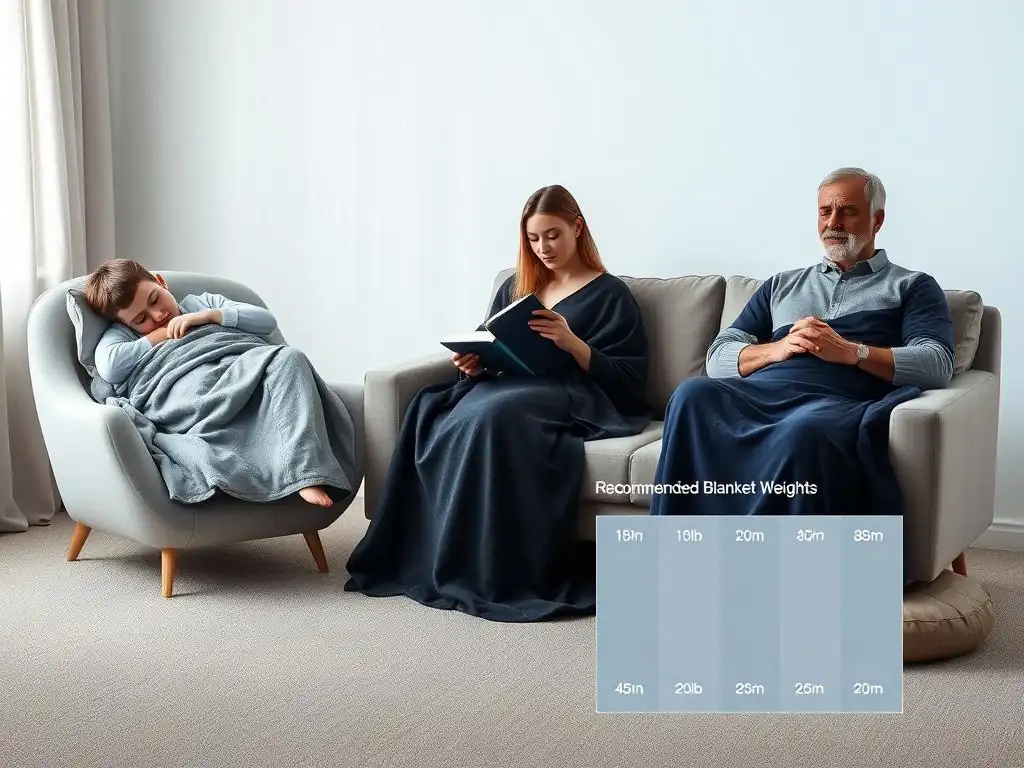
Body Weight: The Primary Determinant of Weighted Blanket Size
Your body weight is the single most important factor when determining the appropriate weighted blanket size, specifically the blanket's weight. The standard recommendation, as highlighted in every comprehensive weighted blanket size guide, is for the blanket to weigh approximately 10% of the user's body weight. This percentage is derived from research and user feedback suggesting that this weight range provides optimal deep pressure stimulation without being overly restrictive or uncomfortable for most individuals. For instance, a person weighing 180 lbs would typically look for a weighted blanket weighing around 18 lbs.
While 10% is the widely accepted starting point, it's considered a guideline, not a strict rule. Some individuals with higher sensory needs might prefer a slightly heavier blanket (e.g., 12% of body weight), while those who are particularly sensitive to pressure or have certain health conditions might opt for a slightly lighter option (e.g., 8%). However, deviating significantly from the 10% rule, especially towards a much heavier blanket, should be done with caution and potentially after consulting a healthcare professional, particularly for children or individuals with respiratory, circulatory, or mobility issues.
How Weight Affects Pressure Distribution
The total weight of the blanket is crucial because it determines the amount of pressure exerted on the user's body. This pressure is the mechanism behind the therapeutic benefits of deep pressure stimulation. When the weight is appropriate for the user's body mass, it distributes evenly across the surface area it covers, providing a consistent, calming sensation. Think of it like a gentle, firm hug spread across your entire body.
If the blanket is too light relative to body weight, the pressure may be insufficient to trigger the desired physiological response—the release of serotonin and melatonin, and the reduction of cortisol. The user might not feel the comforting, grounding sensation that helps reduce anxiety and promote sleep. Conversely, if the blanket is too heavy, the pressure can feel oppressive, restrictive, and even cause discomfort or make it difficult to move freely during sleep. This is why adhering to a reliable weighted blanket size guide based on body weight is fundamental to achieving effective pressure distribution and maximizing therapeutic outcomes.
Bed Size: Matching Your Blanket to Your Mattress
While body weight determines the ideal weight of the blanket, your bed size influences the ideal dimensions of the blanket you choose, especially if you want it to cover the bed like a traditional comforter. However, as discussed earlier, weighted blankets are often sized for the person, not the bed. If you are a single sleeper on a queen bed, a 60x80 inch blanket (sized for you) might be more effective than a 90x90 inch blanket (sized for the bed) because the weight is concentrated over your body rather than spread across the entire mattress.
Matching your blanket to your mattress size becomes more relevant if you prefer the aesthetic of the blanket covering the whole bed, or if you are a particularly restless sleeper and need extra width to prevent the blanket from falling off. A weighted blanket size guide often provides dimension recommendations alongside weight suggestions. For instance, a 15 lb blanket for a 150 lb person might be available in both 48x72 inches (twin) and 60x80 inches (full/queen). The choice between these dimensions often comes down to personal preference regarding coverage and how much you move during sleep.
Preventing Overhang and Ensuring Even Coverage
Excessive overhang can be a practical issue with weighted blankets. If a blanket is significantly wider than your body or the top surface of the mattress, the weight on the edges can cause it to pull downwards off the bed, potentially disturbing your sleep or even ending up on the floor. This is particularly true for heavier blankets. A blanket sized closer to your body width or the width of the top of your mattress minimizes this risk.
Ensuring even coverage means the blanket's dimensions allow it to lie flat and distribute its weight uniformly across your body from shoulders to feet. A blanket that is too short won't cover your lower body, while one that is too narrow might not provide sufficient coverage across your torso. Consulting a weighted blanket size guide that includes typical dimensions alongside weight recommendations helps visualize how the blanket will fit your body and bed, aiding in the selection process for optimal comfort and effective weight distribution.
Personal Preferences: Prioritizing Comfort and Sleep Style
Beyond body weight and bed size, your personal preferences and unique sleep style are crucial factors in selecting the perfect weighted blanket size. How you sleep – whether you're a side sleeper, back sleeper, or stomach sleeper – can influence the dimensions and even the ideal weight you find most comfortable. Some individuals prefer a feeling of being firmly cocooned, while others like a bit more room to move.
Your sensitivity to temperature is another significant personal preference. Weighted blankets, by their nature, can feel warmer than regular blankets due to their density and the materials used for filling and fabric. If you are a "hot sleeper," you might prioritize blankets made with breathable fabrics like cotton or bamboo, and potentially opt for a slightly lighter weight within your recommended range to avoid overheating, even if the weighted blanket size guide suggests a heavier option based purely on body weight.
Side Sleepers vs. Back Sleepers: Different Needs, Different Sizes
Sleep position can subtly affect which weighted blanket size and dimension feel most comfortable. Back sleepers often find that a blanket sized closely to their body width works perfectly, as the weight is distributed evenly across their back and the front of their body. A standard 48x72 inch or 60x80 inch blanket (depending on body size and weight) is often ideal, providing consistent pressure.
Side sleepers, however, might find that a slightly wider blanket is beneficial to ensure it stays in place and provides pressure along their side and back throughout the night. A 60x80 inch blanket might be preferred over a 48x72 inch one by a side sleeper of similar body weight, even if the latter is sufficient based purely on body dimensions. Experimentation or reading user reviews from individuals with similar sleep styles can help inform your decision within the recommendations of a weighted blanket size guide.
Hot Sleepers: Considering Breathability and Fabric
For those who tend to overheat during the night, selecting a weighted blanket requires careful attention to materials in addition to size. While the weight is the primary therapeutic element, the fabric and fill materials significantly impact thermal regulation. Weighted blanket size guides often focus on weight and dimensions, but recognizing your tendency to sleep hot is vital for overall comfort.
Opting for weighted blankets with breathable covers made from 100% cotton, bamboo, or Tencel lyocell can help manage temperature better than synthetic fabrics like polyester or minky. The fill material also plays a role; glass beads are generally considered cooler than plastic pellets. Hot sleepers might also consider using the weighted blanket layered on top of a light sheet rather than directly against their skin or layered with heavy duvets. Choosing a size that doesn't feel overly bulky or restrictive can also contribute to a cooler sleep experience.
Weighted Blanket Size Chart: A Visual Guide to Finding Your Perfect Fit
A weighted blanket size chart is an invaluable tool in the selection process, offering a quick visual reference based on common guidelines. While variations exist between brands, most charts will correlate body weight with recommended blanket weight and suggest corresponding blanket dimensions. These charts simplify the initial step of figuring out what weight range you should be looking for, typically presenting weight recommendations in increments (e.g., 10 lbs, 15 lbs, 20 lbs, 25 lbs) and linking them to approximate user body weight ranges (e.g., 100-150 lbs, 150-200 lbs, 200-250 lbs).
Below is an example of how a simplified weighted blanket size guide chart might look. Remember that these are general guidelines, and personal preference can lead you to choose slightly above or below the recommended weight.
| User Body Weight Range (Approx.) | Recommended Blanket Weight (Approx. 10%) | Typical Blanket Dimensions (Adult) |
|---|---|---|
| 100 - 140 lbs | 10 - 14 lbs | 41x60 in, 48x72 in |
| 140 - 180 lbs | 14 - 18 lbs | 48x72 in, 60x80 in |
| 180 - 220 lbs | 18 - 22 lbs | 60x80 in, 90x90 in |
| 220+ lbs | 22+ lbs | 60x80 in, 90x90 in, 80x87 in |
Note: Dimensions listed are common examples; check specific product details.
Using the Chart for Adults
To effectively use a weighted blanket size guide chart as an adult, first, determine your current body weight. Locate the row that corresponds to your weight range in the chart. The chart will then suggest a recommended blanket weight, which is typically 10% of the midpoint of that range or the lower end of the next weight category. For instance, if you weigh 165 lbs, you'd fall into the "140 - 180 lbs" range, suggesting a blanket weight of 14-18 lbs, commonly found as a 15 lb or 17 lb option.
Once you have the recommended weight, look at the typical dimensions listed for that weight range. Consider your bed size and how you intend to use the blanket. If you're a single user on a queen bed and the chart suggests a 15 lb blanket, you might choose between a 48x72 inch (more body-focused) or a 60x80 inch (more bed coverage) based on your preference. This step-by-step process using the weighted blanket size guide chart helps narrow down your options significantly.
Using the Chart for Children
Using a weighted blanket size guide chart for children follows a similar principle but with an even stronger emphasis on safety and adhering closely to the 10% body weight guideline. For children, it's less about personal preference for weight and more about ensuring the blanket is safe and manageable. Determine the child's current body weight accurately.
Locate the appropriate weight range for the child on a child-specific weighted blanket size guide chart (these charts will have much lower weight ranges, e.g., 30-50 lbs, 50-70 lbs, etc., with corresponding blanket weights like 3 lbs, 5 lbs, 7 lbs). The chart will indicate the recommended blanket weight. Always ensure the child can easily lift and remove the blanket themselves. The dimensions listed for children's blankets (e.g., 36x48 inches, 41x60 inches) are sized to fit a child's body and a standard child's bed without excessive overhang, ensuring the weight is concentrated effectively and safely.
Recommended Weighted Blankets by Size and Weight: Product Examples and Affiliate Opportunities
- Please note: As per instructions, specific product links or images cannot be provided. The examples below are representative of types and features commonly found in weighted blankets within these size/weight categories.
Best Twin Size Weighted Blankets for Anxiety Relief
Twin size weighted blankets (approx. 48x72 inches) are popular choices for individual adults seeking targeted anxiety relief. These are often available in weights ranging from 10 lbs to 20 lbs, catering to a wide range of body weights following the 10% guideline. A 15 lb twin size blanket, for example, is a common recommendation within a weighted blanket size guide for adults weighing around 150 lbs. These blankets are designed to provide concentrated deep pressure stimulation across the body, which many users report helps to calm a racing mind and reduce feelings of restlessness associated with anxiety.
Features, Benefits, and User Reviews
Many highly-rated twin size weighted blankets feature breathable cotton covers, which are preferred by hot sleepers. Others use soft minky fabric on one side for a plush, comforting texture. Glass beads are a popular fill material due to their density and even weight distribution, often compartmentalized into small pockets (e.g., 4x4 inch squares) to prevent shifting. Users frequently highlight the "hugged" or "grounded" feeling these blankets provide, noting improvements in falling asleep faster and experiencing less anxiety-related tossing and turning. Reviews often mention the manageable size for single use and ease of placement compared to larger blankets.
Top Full/Queen Size Weighted Blankets for Sleep
Full/Queen size weighted blankets (approx. 60x80 inches or 90x90 inches) are versatile, often used by single adults on larger beds or by couples (though individual blankets are often more effective for couples). A 20 lb Full/Queen blanket is a frequent choice according to many a weighted blanket size guide for adults weighing around 200 lbs who want ample coverage. The larger dimensions compared to twin sizes allow for more movement during sleep while still maintaining significant therapeutic pressure across the body.
Features, Benefits, and User Reviews
Weighted blankets in the Full/Queen size are available with various cover materials, including organic cotton, bamboo, and cooling fabrics specifically designed for warmer climates or hot sleepers. Fill materials range from fine glass beads to bulkier plastic pellets, with glass beads generally offering a smoother feel and better weight distribution. Benefits cited by users often include deeper, more restorative sleep, reduced nighttime awakenings, and a significant decrease in the time it takes to fall asleep. Reviews commonly praise the generous size for comfortable individual use and the quality of construction that keeps the weight evenly spread.
King size weighted blankets (approx. 90x108 inches or larger) offer the ultimate in coverage, designed to fit a king or California king mattress. These are typically available in heavier weights, often starting around 20 lbs and going up to 30 lbs or more.
While a 30 lb King size blanket might technically align with the 10% rule for a 300 lb individual, it's more commonly chosen by someone slightly lighter who wants a very heavy blanket or by a couple where one partner is significantly heavier and the other is comfortable with less pressure. As a weighted blanket size guide for couples, it's often recommended that each person use their own blanket, but a very heavy King can work for some.
Features, Benefits, and User Reviews
Premium King size weighted blankets often feature high-quality, durable fabrics and meticulous stitching to handle the significant weight. Options include luxurious minky, breathable cotton, or cooling performance fabrics. Some models incorporate innovative channel stitching or smaller pocket sizes to ensure the fill remains uniformly distributed across the vast surface area. Users seeking maximum coverage and a substantial feeling of weight often opt for King sizes. Reviews frequently highlight the blanket's ability to cover the entire bed, providing a sense of complete immersion and deep relaxation, though some note the challenge of washing and managing such a large, heavy item.
Safe and Effective Weighted Blankets for Children
Weighted blankets for children are specifically designed with lower weights (typically 3 lbs to 12 lbs) and smaller dimensions (e.g., 36x48 inches, 41x60 inches) to ensure safety and effectiveness for younger users. A 5 lb blanket in a 36x48 inch size is a common choice according to weighted blanket size guides for children weighing around 50 lbs. These blankets are intended to provide gentle, calming pressure to help children with anxiety, sensory processing differences, or sleep difficulties.
Features, Benefits, and User Reviews
Children's weighted blankets often come in fun colors and patterns, with soft, child-friendly fabrics like minky or soft cotton. They typically use non-toxic glass beads or plastic pellets securely sewn into small compartments. Key features prioritize safety, ensuring the weight is appropriate and the blanket is easy for the child to manage.
Parents often report that these blankets help reduce bedtime struggles, decrease anxiety before sleep, and lead to fewer nighttime wake-ups. Reviews frequently mention the positive impact on the child's ability to settle down and feel secure, describing the blankets as a comforting tool for both sleep and calming moments.
Beyond Size: Fabric, Fill, and Other Considerations
While finding the right weighted blanket size guide based on weight and dimensions is paramount, other factors significantly impact the overall comfort, usability, and effectiveness of your blanket. The choice of fabric, the type of fill material used to provide the weight, and how easy the blanket is to care for all contribute to your long-term satisfaction and the blanket's ability to support your mental well-being and sleep.
Choosing the Right Fabric: Cotton, Minky, and More
The fabric of a weighted blanket's cover determines its texture, breathability, and overall feel against your skin. Cotton, especially organic cotton, is a popular choice known for its natural breathability and durability, making it suitable for most climates and particularly favored by hot sleepers. Minky fabric is incredibly soft and plush, offering a luxurious, comforting texture that many users find soothing, though it can be warmer than cotton.
Other options include bamboo or Tencel lyocell, which are known for their cooling and moisture-wicking properties, ideal for those prone to overheating. Some blankets feature a dual-sided design with different fabrics on each side (e.g., cotton on one, minky on the other) to offer versatility. When consulting a weighted blanket size guide, also consider which fabric best aligns with your sensory preferences and temperature regulation needs for optimal comfort and sleep.
Understanding Different Fill Materials: Glass Beads vs. Plastic Pellets
The weight in a weighted blanket comes from the fill material, typically either small glass beads or plastic pellets. Glass beads are generally smaller, denser, and smoother than plastic pellets. This allows for the blanket to be thinner and more flexible, often resulting in a more even weight distribution and less bulk. Glass beads are also typically considered cooler than plastic pellets.
Plastic pellets are larger and less dense, making the blanket potentially bulkier. While they are a more budget-friendly option, they can sometimes feel rougher or create more noise when the blanket shifts. For optimal weight distribution and a less bulky feel, many higher-quality weighted blankets utilize fine glass beads. Regardless of the fill, ensure it is securely sewn into small compartments (usually 4x4 inches or smaller) to prevent the weight from pooling unevenly, a crucial detail often mentioned in comprehensive weighted blanket size guides and product descriptions.
Care and Maintenance: Keeping Your Weighted Blanket Clean and Functional
Given their weight and size, caring for a weighted blanket requires specific consideration. Always check the manufacturer's care instructions, as methods vary. Some weighted blankets have a removable, washable cover, which is the easiest to clean regularly. The inner weighted layer may be spot-cleaned or require professional cleaning.
Other blankets are designed to be fully machine washable, but this depends on the blanket's total weight and the capacity of your washing machine. Attempting to wash a heavy blanket (e.g., 20 lbs or more) in a standard home washing machine can damage both the blanket and the machine. If your blanket is too heavy for your machine, consider using a commercial-sized washer at a laundromat or opting for professional cleaning. Proper care ensures your weighted blanket remains hygienic and maintains its functionality, allowing you to continue benefiting from its therapeutic properties for anxiety and sleep.
Investing in Quality Sleep: The Long-Term Benefits of a Properly Sized Weighted Blanket
Selecting the right weighted blanket size is an investment in your well-being, offering significant long-term benefits for both physical and mental health. By following a comprehensive weighted blanket size guide and considering factors like body weight, dimensions, and personal preferences, you acquire a tool specifically tailored to your needs. This personalized approach maximizes the therapeutic effect of deep pressure stimulation, leading to tangible improvements in sleep quality and a reduction in anxiety symptoms over time.
Improving Sleep Quality and Reducing Anxiety
The primary benefits reported by users of properly sized weighted blankets include a noticeable improvement in sleep quality. The calming pressure helps to quiet the nervous system, making it easier to fall asleep faster and stay asleep longer. Many individuals find that it reduces tossing and turning and minimizes nighttime awakenings. This improved sleep hygiene has a direct positive impact on daytime functioning, including better concentration, mood, and energy levels.
Simultaneously, the deep pressure stimulation provided by an appropriately weighted blanket has been shown to help reduce feelings of anxiety and stress. By promoting the release of calming neurotransmitters like serotonin and melatonin and potentially lowering cortisol levels, the blanket creates a sense of security and relaxation. This can be particularly helpful for individuals with generalized anxiety, panic disorders, or those experiencing situational stress. The consistent, comforting presence of the blanket can serve as a reliable coping mechanism.
Enhancing Relaxation and Promoting Overall Well-being
Beyond addressing specific issues like anxiety and sleep, a properly sized weighted blanket contributes to overall relaxation and well-being. It provides a non-pharmacological method for self-soothing that can be used during moments of stress, while reading, watching television, or simply unwinding after a long day. The grounding effect helps bring a sense of presence and calm, making it easier to transition from a state of alertness to relaxation.
This enhanced ability to relax has cascading effects on overall health. Reduced stress levels can positively impact physical health markers like blood pressure and heart rate. Improved sleep boosts immune function and cognitive performance. By investing the time to find the perfect fit using a weighted blanket size guide, you are not just buying a blanket; you are acquiring a valuable tool for managing daily stressors, improving your sleep, and cultivating a greater sense of peace and comfort in your life.
Where to Buy High-Quality Weighted Blankets: Trusted Retailers and Brands
Finding a high-quality weighted blanket that aligns with the recommendations from a weighted blanket size guide is crucial for ensuring effectiveness and durability. Reputable brands often use premium materials like organic cotton covers, fine glass beads, and durable stitching to prevent leaks and ensure even weight distribution over time. They typically provide clear weighted blanket size guides themselves, outlining weight recommendations based on body weight and offering various dimensions.
While specific retailers cannot be mentioned here, looking for brands with positive customer reviews, transparent manufacturing processes, and clear return policies is advisable. Many specialized bedding or wellness retailers carry a wide selection. Prioritize brands that emphasize safety standards, especially when purchasing for children. Reading detailed product descriptions and customer testimonials can provide valuable insights into the quality and performance of a weighted blanket before making your purchase.
Conclusion: Find Your Perfect Weighted Blanket Size and Transform Your Sleep.
Frequently Asked Questions
What is the general rule of thumb for choosing a weighted blanket size?
The most common recommendation is to choose a weighted blanket that's approximately 10% of your body weight. This helps ensure that you receive gentle, even pressure for optimal comfort.
How does body size influence the appropriate weighted blanket size?
While weight is the primary factor, body size also matters. Larger individuals might prefer a larger blanket for better coverage and distribution of the weight.
Should I choose a different weight if I have underlying health conditions?
It's crucial to consult with a healthcare professional. Certain conditions might make a lighter or heavier weight unsuitable.
What if I'm sharing a bed - how does that affect the weighted blanket size and weight?
For couples, individual weighted blankets are often recommended. Sharing can be awkward if weight preferences differ. If sharing, consider individual preferences and combined weight to select the correct weight.
Where can I find additional resources about using weighted blankets for mental well-being?
The Mind Care Guide website offers a comprehensive guide to mental well-being. You can find articles, support, and resources for various mental health challenges.
Final Reflection: Finding Comfort in the Right Size
The quest for optimal relaxation is a universal one, and choosing the right weighted blanket is a crucial step in that journey. Finding the perfect fit isn't just about numbers; it's about achieving a sense of calm and well-being that significantly impacts our daily lives. The right weighted blanket can be the difference between a restless night and a deeply restorative sleep, a stressful day and a peaceful evening.
The impact of weighted blankets extends beyond personal comfort; they're becoming increasingly recognized for their therapeutic benefits, particularly for those struggling with anxiety, insomnia, or sensory sensitivities. The gentle, even pressure of a weighted blanket can mimic the feeling of being held, promoting a sense of security and calm.
This simple yet profound effect has resonated deeply with many, transforming how we approach stress management and sleep hygiene. The growing popularity reflects a wider societal shift towards prioritizing mental and physical well-being.
Now, consider your own needs. What kind of comfort are you seeking? What level of pressure feels most soothing to you? This article has provided a guide, but the ultimate choice rests with you. Take the time to carefully consider the information presented, and use it to make an informed decision that will lead you to a more comfortable, restful, and ultimately, happier you. Embrace the journey towards finding your perfect weighted blanket size – it's an investment in your well-being that will pay dividends for years to come.
Unlock Deeper Relaxation: Find Your Perfect Weighted Blanket Size
Thanks for taking the time to explore the world of weighted blankets with us! We hope you now feel more confident in understanding how to choose the right size for ultimate comfort and relaxation. Ready to take the next step towards a more restful you?
- Order your perfectly sized weighted blanket today! Imagine sinking into that blissful, hug-like feeling every night.
- Share this guide with a friend or family member who could benefit from improved sleep. Let's spread the relaxation!
- Try a simple sleep hygiene experiment: track your sleep quality for a week before and after receiving your new blanket. What changes do you notice?
What’s your biggest challenge when it comes to finding the perfect sleep solution? Let's discuss in the comments below!