
Beyond Tea Bags: Exploring Potent Herbal Solutions for Stress

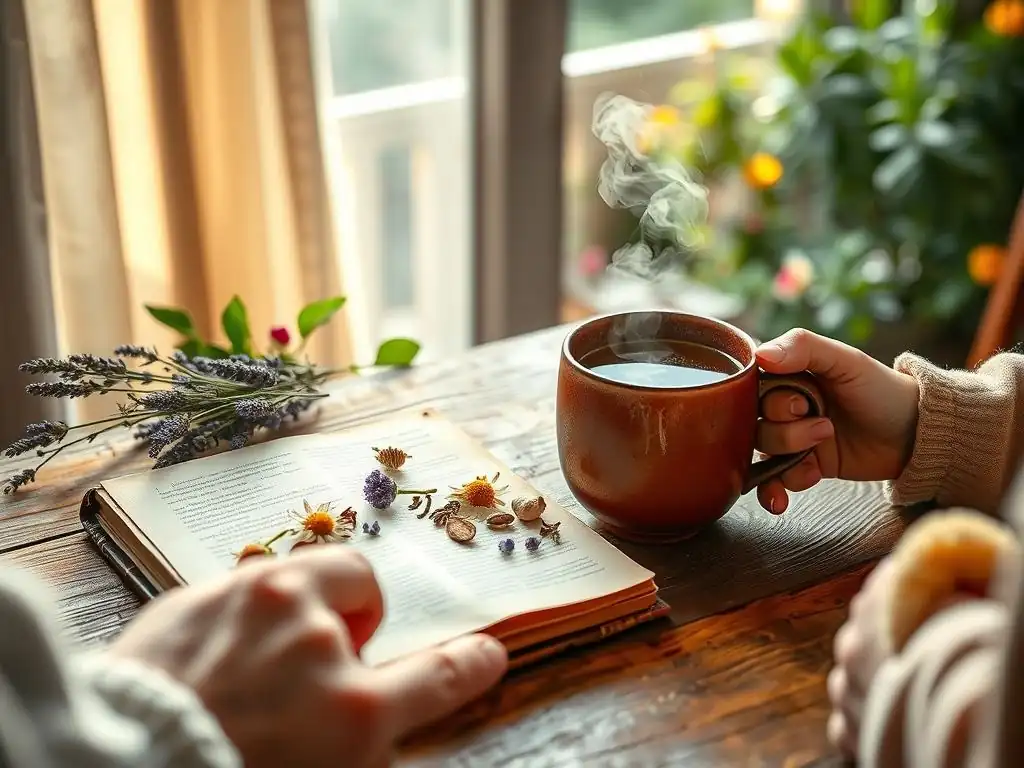
Welcome to Mind Care Guide, your trusted companion on the journey to mental well-being.
Feeling overwhelmed? You're not alone. We understand the challenges of modern life, and we're here to offer support and guidance. This week, we delve into a fascinating topic: can herbal remedies reduce stress anxiety effectively? Uncover the potent plant-based solutions that might just offer the calm you've been searching for. Intrigued? Let's explore the world of natural stress relief together...
Beyond Tea Bags: Exploring Potent Herbal Solutions for Stress
- Understanding Stress and Anxiety: Why Herbal Remedies?
-
Top Herbal Remedies for Stress & Anxiety Relief: Potent Options Beyond Tea
- Option 1: Ashwagandha - The Ancient Adaptogen for Modern Stress
- Option 2: Lemon Balm - A Gentle Herb for Calming Nerves and Improving Mood
- Option 3: Lavender - More Than Just a Scent: Harnessing its Anxiolytic Power
- Option 4: Passionflower - A Powerful Herb for Anxiety and Insomnia
- Option 5: Rhodiola Rosea - Combatting Fatigue and Enhancing Stress Resilience
- Choosing the Right Herbal Remedy: Considerations for Anxiety and Stress
- Maximizing the Benefits of Herbal Remedies for Stress Reduction
- Conclusion: Embracing Natural Solutions for Stress and Anxiety Management
-
Frequently Asked Questions
- What role can herbal remedies play in managing stress and anxiety?
- Are herbal remedies a substitute for professional mental health treatment?
- Which herbal remedies are commonly associated with stress and anxiety reduction?
- How long does it typically take to experience the benefits of herbal remedies for stress and anxiety?
- Are there any potential side effects or interactions to be aware of when using herbal remedies?
- Final Reflection: The Enduring Power of Plants in a Stressed World
- Unlock Your Inner Calm: Practical Steps to Stress-Free Living
Understanding Stress and Anxiety: Why Herbal Remedies?
The Impact of Stress on Mental Well-being: A Mind Care Guide Perspective
Stress is a ubiquitous part of modern life, but its chronic presence can significantly erode mental well-being. The constant activation of the body's stress response system, particularly the release of hormones like cortisol, can lead to a cascade of negative effects. This includes impaired cognitive function, difficulty concentrating, increased irritability, and a heightened sense of worry or dread. Over time, prolonged stress can contribute to the development or worsening of anxiety disorders, depression, and other mental health challenges, impacting daily life, relationships, and overall quality of life.
Moreover, chronic stress can manifest physically, leading to symptoms like headaches, muscle tension, digestive issues, and weakened immune function. The interplay between mind and body is profound; physical symptoms can exacerbate mental distress, creating a vicious cycle. For instance, persistent sleep disruption due to stress can further impair emotional regulation and cognitive clarity. Addressing stress proactively is thus crucial not just for feeling better in the moment, but for safeguarding long-term mental and physical health, aligning with the comprehensive approach advocated by Mind Care Guide.
Why Choose Herbal Remedies for Stress Relief? Exploring Natural Anxiety Solutions
Many individuals seek natural approaches to manage stress and anxiety, and herbal remedies offer a compelling alternative or complement to conventional methods. Unlike some pharmacological interventions, many herbs are perceived to have fewer side effects, especially for mild to moderate symptoms. This appeals to those looking for gentler support for their nervous system. The long history of traditional use for calming and balancing purposes also lends credibility to these natural options in the eyes of many.
Furthermore, exploring herbal remedies for stress relief allows individuals to engage actively in their well-being journey. The process of preparing teas, taking capsules, or using tinctures can become a mindful ritual in itself. While scientific research is ongoing, studies have begun to validate the effectiveness of certain herbs in modulating stress responses and reducing anxiety symptoms. This growing body of evidence supports the use of herbal remedies to reduce stress anxiety, positioning them as viable natural anxiety solutions for those seeking integrative care.
Top Herbal Remedies for Stress & Anxiety Relief: Potent Options Beyond Tea
Option 1: Ashwagandha - The Ancient Adaptogen for Modern Stress
Ashwagandha Benefits: Reducing Cortisol & Boosting Resilience
Ashwagandha (Withania somnifera) is a cornerstone of Ayurvedic medicine, primarily known for its adaptogenic properties. Adaptogens are substances believed to help the body resist stressors of all kinds, whether physical, chemical, or biological, aiding in returning to a state of balance. Research indicates that Ashwagandha may significantly impact the body's stress response system, particularly the hypothalamic-pituitary-adrenal (HPA) axis, which regulates cortisol release.
Several clinical trials have explored Ashwagandha's effects on stress. A notable study published in the Indian Journal of Psychological Medicine in 2012 found that participants taking a high-concentration full-spectrum extract of Ashwagandha root experienced a significant reduction in scores on stress assessment scales compared to a placebo group. Crucially, their serum cortisol levels were also substantially reduced, by approximately 27.6%. This suggests Ashwagandha doesn't just mask stress symptoms but may help modulate the underlying physiological response.
Ashwagandha Dosage & Forms: Powders, Capsules
Ashwagandha is widely available in various forms, with dosages typically depending on the specific extract concentration and the desired effect. For general stress reduction, common dosages of standardized extracts (often containing 2.5-5% withanolides, the active compounds) range from 300 mg to 600 mg per day. These are often taken in capsule or tablet form for convenience and consistent dosing.
Powdered Ashwagandha root is also popular, often mixed into drinks like smoothies or warm milk (a traditional Ayurvedic preparation). Dosages for raw powder can be higher, ranging from 1 to 6 grams daily, though the absorption and consistency of active compounds might vary more than with standardized extracts. Choosing a reputable brand that provides information on standardization is key to ensuring you receive a consistent and effective dose when using herbal remedies to reduce stress anxiety.
Ashwagandha for Anxiety: Real User Experiences & Scientific Backing
Beyond its impact on stress hormones, Ashwagandha is frequently explored for its potential benefits in reducing anxiety symptoms. User reports often describe a general sense of calm, reduced worry, and improved ability to cope with daily pressures after consistent use. Some individuals find it helps quiet racing thoughts that contribute to anxiety, particularly in the evening.
Scientific studies support these anecdotal reports. A systematic review and meta-analysis published in the Journal of Alternative and Complementary Medicine in 2014 analyzed multiple trials and concluded that Ashwagandha extract showed promising results for reducing anxiety, often measured by standardized scales like the Hamilton Anxiety Rating Scale (HARS). While more large-scale studies are needed, the existing evidence and widespread positive user feedback position Ashwagandha as a leading natural anxiety solution.
Option 2: Lemon Balm - A Gentle Herb for Calming Nerves and Improving Mood
Lemon Balm Benefits: Soothing Anxiety and Promoting Relaxation
Lemon Balm (Melissa officinalis) is a member of the mint family, recognized for its pleasant citrusy scent and long history of use as a mild sedative and mood enhancer. Its calming properties are thought to be related to compounds like rosmarinic acid, which may increase the availability of GABA (gamma-aminobutyric acid) in the brain. GABA is a neurotransmitter that inhibits nerve activity, promoting relaxation and reducing feelings of anxiety.
Studies have investigated Lemon Balm's impact on mood and cognitive performance under stress. A randomized, placebo-controlled study published in Pharmacology Biochemistry and Behavior in 2002 found that participants who received Lemon Balm extract reported significant improvements in mood and calmness, particularly at higher doses (600 mg), compared to placebo. They also showed enhanced cognitive performance during a demanding task, suggesting it might help maintain focus despite stress.
Lemon Balm Dosage & Forms: Teas, Tinctures
Lemon Balm is perhaps most commonly consumed as a tea. Using dried leaves, a typical preparation involves steeping 1.5 to 4.5 grams of the herb in hot water for 5-10 minutes. Drinking several cups throughout the day can provide gentle, cumulative effects for calming nerves and reducing mild anxiety.
Tinctures, which are concentrated liquid extracts, offer another way to use Lemon Balm. Dosages vary depending on the tincture's concentration, but commonly range from 30 to 60 drops (approximately 1-2 ml) taken up to three times daily. Capsules containing dried leaf powder or standardized extracts are also available, with typical doses ranging from 300 to 500 mg taken a few times per day. These forms offer versatility for incorporating this gentle herbal remedy into your routine to reduce stress anxiety.
Lemon Balm for Stress: Clinical Studies & Practical Applications
Clinical research supports the traditional use of Lemon Balm for stress and anxiety. A study published in Nutrients in 2018 investigated the effects of a proprietary Lemon Balm extract on stress and sleep quality in individuals with mild-to-moderate anxiety and sleep disturbances. Participants taking 300 mg of the extract twice daily for 15 days reported significant reductions in anxiety symptoms and improved sleep quality compared to the placebo group.
In practical application, Lemon Balm is often used during moments of acute stress or anxiety due to its relatively fast-acting effects when taken as a strong tea or tincture. It's also suitable for daily use for general nervous tension. Its mild nature makes it a good option for individuals seeking a subtle, non-drowsy way to support their mood and promote relaxation throughout the day, making it a valuable addition to the list of natural anxiety solutions.
Option 3: Lavender - More Than Just a Scent: Harnessing its Anxiolytic Power
Lavender Benefits: Improving Sleep Quality and Reducing Anxiety Symptoms
Lavender (Lavandula angustifolia) is widely recognized for its soothing aroma, but its therapeutic benefits for stress and anxiety extend beyond aromatherapy. Compounds within the essential oil, particularly linalool and linalyl acetate, are believed to interact with neurotransmitter systems, including GABA, similar to some anti-anxiety medications, though through different mechanisms and with much milder effects.
Research has focused on both inhaled lavender oil and orally administered lavender essential oil preparations. Studies show that inhaling lavender scent can promote relaxation and reduce physiological markers of stress, such as heart rate and blood pressure. Furthermore, specific oral formulations containing lavender essential oil have been studied for their anxiolytic (anxiety-reducing) effects. A meta-analysis published in Phytomedicine in 2015 concluded that oral lavender essential oil preparations showed significant efficacy in reducing anxiety symptoms, comparable in some aspects to low-dose benzodiazepines, but without their sedative effects or risk of dependence.
Lavender Dosage & Forms: Essential Oils, Capsules
Lavender is used in various forms for stress and anxiety. Aromatherapy is a common method, involving inhaling the scent of pure lavender essential oil diffused into the air or placed on a tissue. For topical application, a few drops of essential oil can be diluted in a carrier oil (like coconut or jojoba oil) and massaged into the skin, such as the temples or wrists. Crucially, essential oils should never be ingested unless they are specifically labeled as food-grade and recommended by a qualified professional, and even then, only certain oils and in specific, very small quantities.
Oral capsules containing standardized lavender essential oil are available and have been the focus of clinical research for anxiety. A common dosage used in studies is 80 mg of a specific patented lavender oil preparation (Silexan) taken once daily. These capsules are designed for internal use and should not be confused with essential oils for aromatherapy. These varied forms allow individuals to choose the method that best suits their needs when using herbal remedies to reduce stress anxiety.
Lavender for Stress: Research-Backed Benefits & Safe Usage
The anxiolytic effects of oral lavender oil have been supported by multiple clinical trials. A study published in the European Neuropsychopharmacology in 2010 demonstrated that 80 mg/day of oral lavender oil significantly reduced anxiety scores (measured by HARS) in patients with generalized anxiety disorder over a 6-week period, with effects comparable to a low dose of lorazepam but without sedation.
While generally safe, it's important to use lavender correctly. Essential oils are highly concentrated and require proper dilution for topical use to avoid skin irritation. Oral formulations should only be used as directed on the product label or by a healthcare provider. Side effects from oral use are typically mild and may include digestive upset or a lavender aftertaste. Always source high-quality, pure products, especially when using essential oils, to ensure safety and efficacy as part of your natural anxiety solutions.
Option 4: Passionflower - A Powerful Herb for Anxiety and Insomnia
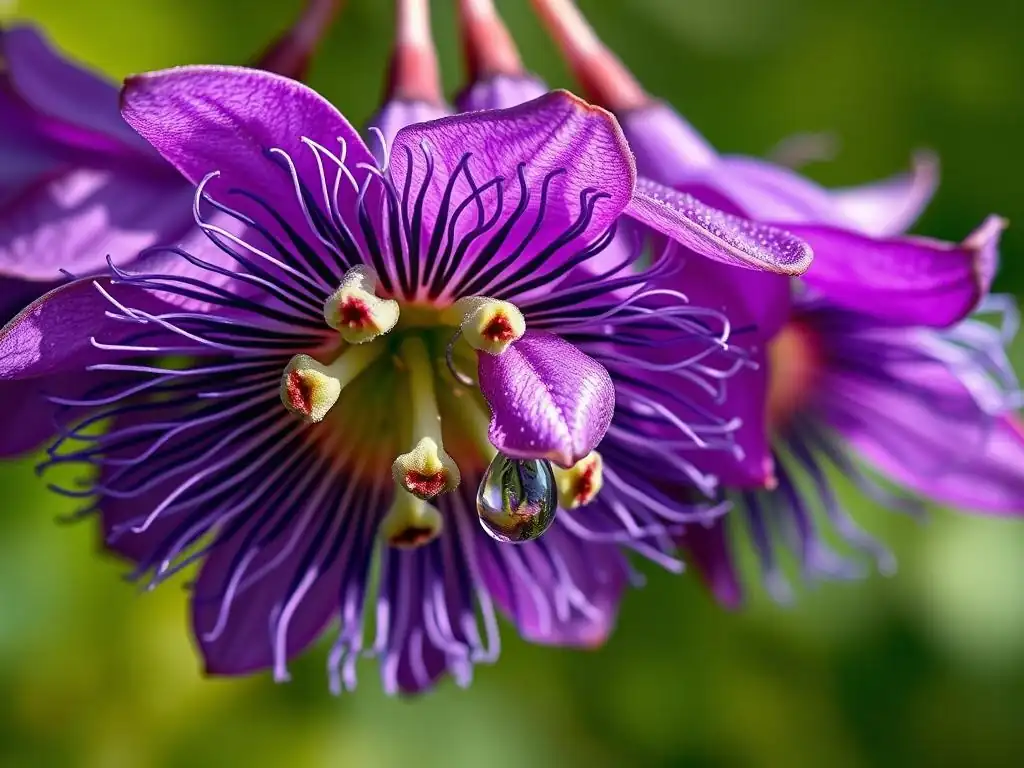
Passionflower Benefits: Reducing Anxiety and Promoting Restful Sleep
Passionflower (Passiflora incarnata) is a climbing vine native to the Americas, traditionally used as a calming agent and sleep aid. Its anxiolytic properties are attributed to various compounds, including flavonoids and possibly alkaloids, which are thought to influence GABA levels in the brain, similar to Lemon Balm. By enhancing GABA activity, Passionflower can help quiet the nervous system, leading to reduced feelings of anxiety and promoting relaxation necessary for sleep.
Research has explored Passionflower's effects on both anxiety and insomnia. A double-blind, randomized controlled trial published in Phytotherapy Research in 2001 compared Passionflower extract to oxazepam (a benzodiazepine medication) for generalized anxiety disorder. The study found that Passionflower was as effective as oxazepam in reducing anxiety symptoms over a four-week period, but without the sedative side effects and impaired job performance associated with the medication.
Passionflower Dosage & Forms: Teas, Extracts
Passionflower can be consumed as a tea, using about 1-2 grams of dried herb steeped in hot water. Drinking this tea before bedtime is a popular traditional method for promoting sleep and calming evening anxiety. Multiple cups can be consumed throughout the day for general anxiety relief.
Liquid extracts and tinctures are also common forms, allowing for more concentrated dosing. Typical dosages for tinctures range from 10-60 drops, taken up to three times daily. Standardized extracts in capsule or tablet form are also available, with dosages often ranging from 100-400 mg, usually taken several times a day. The choice of form depends on individual preference and the desired speed and duration of effect when using this herbal remedy to reduce stress anxiety.
Passionflower for Stress: Comparing its Effects
While Passionflower is often compared to benzodiazepines in studies due to its apparent GABAergic effects, it is important to understand that its mechanism and potency are significantly different. It provides a much milder effect, making it suitable for managing mild to moderate anxiety without the risk of dependence or significant cognitive impairment associated with stronger medications.
Its dual benefit for both anxiety and insomnia makes it particularly useful for individuals whose stress manifests as difficulty falling asleep or staying asleep due to racing thoughts or nervousness. A study published in Phytotherapy Research in 2011 found that drinking a single cup of Passionflower tea produced a significant improvement in sleep quality scores compared to placebo in healthy volunteers. This highlights its potential as a natural anxiety solution that also supports restful sleep.
Option 5: Rhodiola Rosea - Combatting Fatigue and Enhancing Stress Resilience
Rhodiola Rosea Benefits: Increasing Energy and Reducing Mental Fatigue Under Stress
Rhodiola Rosea, also known as Golden Root, is another prominent adaptogen, widely used in traditional Eastern European and Asian medicine to enhance physical and mental performance and reduce fatigue. It is believed to work by influencing neurotransmitters like serotonin and dopamine and helping the body better manage stress responses, particularly those that lead to exhaustion.
Research indicates Rhodiola can be particularly effective in combating the mental and physical fatigue that often accompanies chronic stress. A study published in Phytomedicine in 2007 examined the effects of Rhodiola extract on fatigue and stress symptoms in 60 individuals suffering from stress-related fatigue. Participants taking Rhodiola experienced significant improvements in fatigue, concentration, and overall well-being compared to the placebo group, demonstrating its ability to enhance resilience under pressure.
Rhodiola Rosea Dosage & Forms: Extracts, Capsules
Rhodiola Rosea is primarily available as standardized extracts, typically in capsule or tablet form. These extracts are usually standardized to contain specific amounts of rosavins and salidrosides, the main active compounds. Common dosages for stress and fatigue range from 200 mg to 600 mg per day of an extract standardized to 2-3% rosavins and 0.8-1% salidrosides.
It is often recommended to take Rhodiola in the morning or early afternoon, as its energizing effects can sometimes interfere with sleep if taken too late in the day. Some individuals may start with a lower dose and gradually increase it to find the optimal level for their needs. Consistency is often key with adaptogens like Rhodiola to build resilience over time when using this herbal remedy to reduce stress anxiety.
Rhodiola Rosea for Stress: Scientific Evidence & User Reviews
Multiple clinical trials support Rhodiola's role in managing stress and fatigue. A study published in Planta Medica in 2000 investigated the effects of Rhodiola extract on medical students during an exam period. Those taking Rhodiola showed improved mental performance, reduced fatigue, and better overall well-being compared to the placebo group, highlighting its specific benefit in situations of acute intellectual stress.
User reviews frequently report feeling more energized, mentally clearer, and better able to handle demanding situations without feeling overwhelmed when taking Rhodiola. It is often chosen by individuals who experience stress primarily as burnout, exhaustion, and difficulty concentrating. While it may not directly target anxiety in the same way as Lemon Balm or Passionflower, its ability to improve resilience and combat fatigue makes it a valuable natural anxiety solution for stress-induced burnout.
Choosing the Right Herbal Remedy: Considerations for Anxiety and Stress
Factors to Consider: Individual Needs, Potential Interactions, and Pre-existing Conditions
Selecting the most appropriate herbal remedy for stress and anxiety requires careful consideration of several personal factors.
- Individual Symptoms: Are you primarily struggling with racing thoughts (Lemon Balm, Passionflower)? Physical tension (Lavender, Lemon Balm)? Fatigue and burnout (Rhodiola, Ashwagandha)? Difficulty sleeping (Passionflower, Lavender, Lemon Balm)? Or general overwhelm and heightened stress response (Ashwagandha)? Matching the herb's known effects to your specific symptoms is crucial.
- Lifestyle and Convenience: Do you prefer the ritual of tea (Lemon Balm, Passionflower)? The convenience of capsules (Ashwagandha, Rhodiola, Lavender)? Or the sensory experience of aromatherapy (Lavender)?
- Potential Interactions: This is critical. Herbal remedies, while natural, can interact with prescription medications, over-the-counter drugs, and other supplements. For example, Passionflower might enhance the effects of sedatives, while Rhodiola could potentially interact with stimulants or blood pressure medications. Ashwagandha might affect thyroid medications or immunosuppressants.
- Pre-existing Conditions: Certain herbs may not be suitable for individuals with specific health issues. For instance, Rhodiola might not be recommended for people with bipolar disorder due to potential stimulant effects. Individuals with autoimmune conditions should discuss Ashwagandha use with their doctor. Always disclose all health conditions to your healthcare provider.
Taking the time to assess these factors helps narrow down the options and choose an herbal remedy to reduce stress anxiety that is most likely to be effective and safe for your unique situation.
Consulting with a Healthcare Professional: Ensuring Safety and Effectiveness
Given the potential for interactions and the importance of addressing underlying health conditions, consulting with a healthcare professional before starting any new herbal remedy is strongly recommended. This includes your primary care physician, a psychiatrist, or a licensed naturopathic doctor.
A healthcare provider can:
- Evaluate your specific stress and anxiety symptoms to determine if herbal remedies are appropriate or if other interventions are needed.
- Review your current medications and health conditions to identify any potential interactions or contraindications.
- Advise on appropriate dosages and forms of herbal remedies based on scientific evidence and clinical experience.
- Monitor your response to the herbal remedy and help you make adjustments as needed.
- Ensure that your stress and anxiety are not symptoms of a more serious underlying medical or mental health condition that requires different treatment.
This step is vital for maximizing the potential benefits of natural anxiety solutions while minimizing risks. Do not discontinue prescribed medications in favor of herbal remedies without consulting your doctor.
Combining Herbal Remedies with Other Stress Management Techniques: A Holistic Approach
Herbal remedies are most effective when integrated into a broader, holistic stress management plan. They are powerful tools to support the body's resilience and nervous system, but they work best alongside lifestyle changes and therapeutic techniques.
Combining herbal remedies that reduce stress anxiety with practices like mindfulness meditation, deep breathing exercises, yoga, or regular physical activity can significantly enhance overall well-being. For example, taking a Lemon Balm tincture before a meditation session might help quiet the mind, or using Lavender aromatherapy during a warm bath can deepen relaxation. Ensuring adequate sleep, maintaining a balanced diet, and setting healthy boundaries in personal and professional life are fundamental pillars that support the effectiveness of any herbal intervention. Think of herbal remedies as valuable allies in your stress reduction journey, not as standalone cures.
Maximizing the Benefits of Herbal Remedies for Stress Reduction
Lifestyle Changes to Support Herbal Treatments: Diet, Exercise, and Mindfulness
Integrating healthy lifestyle practices is paramount to enhancing the effectiveness of herbal remedies for stress and anxiety.
- Diet: A nutrient-dense diet provides the foundational support for a healthy nervous system. Focusing on whole foods, fruits, vegetables, lean proteins, and healthy fats can help stabilize blood sugar levels, reduce inflammation, and provide essential nutrients for brain function. Limiting caffeine, alcohol, and processed foods, which can exacerbate anxiety and disrupt sleep, is also crucial. For instance, reducing caffeine intake while using Ashwagandha can help amplify its calming effects and reduce jitteriness.
- Exercise: Regular physical activity is a potent stress reliever. Exercise helps reduce stress hormones like cortisol and adrenaline and stimulates the production of endorphins, natural mood boosters. Aim for at least 30 minutes of moderate-intensity exercise most days of the week. Combining exercise with herbs like Rhodiola Rosea, known for combating fatigue, can help improve energy levels and motivation to stay active.
- Mindfulness and Relaxation Techniques: Practices such as meditation, deep breathing, progressive muscle relaxation, or spending time in nature can significantly lower stress levels. These techniques train the mind and body to enter a state of calm. Using calming herbal teas like Lemon Balm or Passionflower before these practices can help facilitate a deeper state of relaxation and presence.
Incorporating these lifestyle changes creates a synergistic effect, allowing herbal remedies to work more effectively in supporting your natural anxiety solutions journey.
Creating a Personalized Stress Management Plan: Integrating Herbal Solutions
Developing a personalized plan is key to successfully using herbal remedies to reduce stress anxiety. This involves identifying your primary stressors, understanding how they affect you, and strategically incorporating herbal support alongside other coping mechanisms.
Start by identifying 1-2 herbal remedies that align with your main symptoms and preferences, after consulting with a healthcare provider. Decide on the form and dosage based on recommendations and product instructions. Plan when you will take the herbs – for instance, Ashwagandha in the morning for daily resilience, or Passionflower tea in the evening for sleep. Then, integrate this into your daily routine alongside other stress management strategies. This might look like:
- Morning: Rhodiola Rosea capsule with breakfast, followed by a 10-minute mindfulness meditation.
- Afternoon: Ashwagandha capsule to support resilience during the workday.
- Evening: Lemon Balm or Passionflower tea before winding down, followed by gentle stretching or reading.
Keep a simple journal to track your symptoms, dosage, and how you feel. This helps you identify what works best for you and make informed adjustments.
Long-Term Use of Herbal Remedies: Monitoring Progress and Adjusting Dosage
Many herbal remedies for stress and anxiety, particularly adaptogens like Ashwagandha and Rhodiola, are intended for consistent, long-term use to build resilience and maintain balance. However, "long-term" can vary depending on the herb and individual. Some herbs like Lemon Balm or Passionflower might be used acutely during stressful periods or consistently for milder, ongoing symptoms.
It's important to monitor your progress over time. Are your stress levels decreasing? Is your anxiety less severe or frequent? Are you sleeping better? Use your journal to note changes. Periodically reassess whether the chosen herb and dosage are still meeting your needs.
- If symptoms improve significantly, you might discuss with your healthcare provider whether a reduced dosage or a break is appropriate.
- If symptoms persist or worsen, it's essential to consult your healthcare provider again. The herb might not be the right fit, the dosage might be incorrect, or there might be an underlying issue that requires different treatment.
Regular check-ins with a healthcare professional are crucial for safe and effective long-term use of herbal remedies to reduce stress anxiety, ensuring they remain a beneficial part of your overall well-being strategy.
Conclusion: Embracing Natural Solutions for Stress and Anxiety Management
Finding the Right Herbal Remedy for Your Needs: A Mind Care Guide Summary
Navigating the landscape of stress and anxiety can be challenging, but natural approaches offer valuable support. As explored by Mind Care Guide, herbal remedies reduce stress anxiety by working through various mechanisms, from modulating stress hormones like cortisol to influencing neurotransmitters like GABA. Options like Ashwagandha, Lemon Balm, Lavender, Passionflower, and Rhodiola Rosea each offer unique benefits targeting different facets of stress and anxiety, whether it's burnout, restlessness, difficulty sleeping, or general overwhelm.
Choosing the right herbal remedy involves understanding your specific symptoms, considering your lifestyle, and being mindful of potential interactions with existing medications or health conditions. While these natural anxiety solutions offer promising support, they are most effective when selected thoughtfully and used responsibly. This often requires consulting with a healthcare professional who can provide personalized guidance and ensure safety, especially if you have pre-existing conditions or take other medications.
Taking Control of Your Mental Well-being: Resources and Support
Embracing herbal remedies is one step in taking proactive control of your mental well-being. However, it's important to remember that managing stress and anxiety is a multifaceted journey. Mind Care Guide advocates for a holistic approach that combines natural support with lifestyle changes, therapeutic techniques, and, when necessary, professional medical care.
If you are experiencing significant or persistent stress and anxiety, please reach out for support. Resources include licensed therapists, counselors, and medical doctors who can provide diagnosis and treatment. Support groups, mindfulness programs, and community resources also offer invaluable assistance. Herbal remedies can be powerful allies, but they are part of a larger toolkit for building resilience and fostering lasting mental well-being. Explore the options, seek guidance, and empower yourself with knowledge and support on your path to reducing stress and anxiety.
Frequently Asked Questions
What role can herbal remedies play in managing stress and anxiety?
Herbal remedies can act as natural alternatives to manage stress and anxiety symptoms. They often work by influencing the nervous system and promoting relaxation.
Are herbal remedies a substitute for professional mental health treatment?
No, herbal remedies should not be seen as a replacement for professional help. They can be a complementary approach, but seeking guidance from a qualified mental health professional is crucial.
Which herbal remedies are commonly associated with stress and anxiety reduction?
Some popular options include lavender, chamomile, ashwagandha, and passionflower. These herbs have been traditionally used to promote calmness and reduce anxiety symptoms.
How long does it typically take to experience the benefits of herbal remedies for stress and anxiety?
The timeframe can vary depending on the individual and the specific herb. Some may experience noticeable effects within days, while others may require several weeks of consistent use to see improvements.
Are there any potential side effects or interactions to be aware of when using herbal remedies?
Yes, it's crucial to be aware of potential side effects and interactions. Some herbs can interact with medications, and some individuals may experience allergic reactions. Consulting with a healthcare professional is always recommended.
Final Reflection: The Enduring Power of Plants in a Stressed World
The escalating pressures of modern life demand effective stress management strategies, and the ancient wisdom of herbal remedies offers a powerful, natural solution. We've explored a range of potent herbs, from calming chamomile to invigorating lavender, demonstrating their potential to alleviate anxiety and promote a sense of well-being. This isn't just a historical curiosity; it's a vital pathway to holistic health in a world increasingly reliant on quick fixes and pharmaceutical interventions.
The impact of these herbal solutions extends far beyond individual well-being; they represent a return to nature's pharmacy, a reclaiming of traditional knowledge often overlooked in our technologically driven society. The very act of preparing and consuming these remedies can be a meditative practice, a moment of mindful self-care. As Hippocrates wisely observed, Let food be thy medicine and medicine be thy food.
This ancient adage resonates deeply today, reminding us of the profound connection between our physical and mental health, and the power of nature to heal.
Consider the herbs discussed within this article. Think about how you might incorporate them into your daily routine – a calming cup of chamomile tea before bed, a few drops of lavender essential oil in your bath, or perhaps experimenting with a more complex herbal blend. You have the power to cultivate your own sanctuary of calm, to harness the potent healing properties of nature, and to build a life less burdened by stress. Begin today. Your well-being awaits.
Unlock Your Inner Calm: Practical Steps to Stress-Free Living
Thanks for taking the time to explore the power of herbal remedies for stress relief! We hope you gained valuable insights into natural ways to manage anxiety and improve your well-being. Now it's time to put that knowledge into action.
- Try a new herbal infusion: Experiment with calming blends like chamomile or lavender, or try something new. Notice how it affects your mood and energy levels.
- Share your experiences: Connect with our community on social media and share your favorite herbal tea recipe or stress-reducing tip. Let's build a supportive network together.
- Commit to a daily mindfulness practice: Even five minutes of quiet reflection can make a difference. Use guided meditation apps or find a quiet space to breathe and center yourself.
What simple change will you make today to prioritize your mental well-being?