
From Deficiency to Relief: A Scientific Look at Vitamins Helping Depression

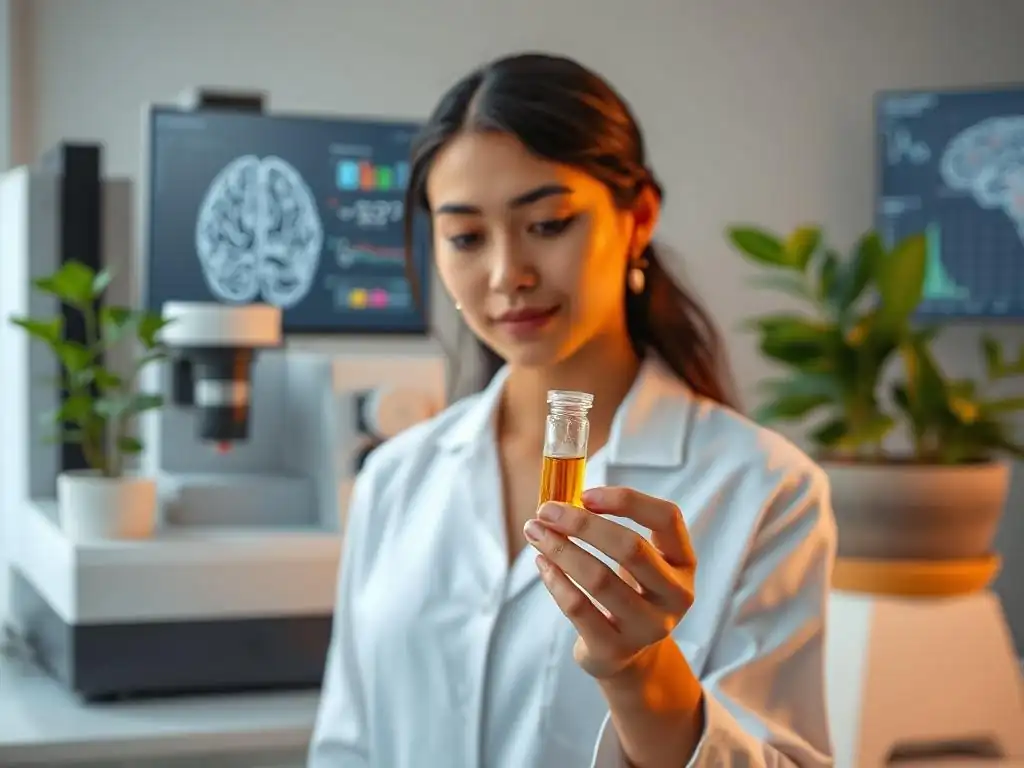
Welcome to Mind Care Guide, a sanctuary for your mental well-being.
Feeling weighed down by depression? You're not alone. Discover the surprising role vitamins can play in easing your symptoms and learn about the science-backed ways to nourish your mind back to a brighter state. Could the answer be simpler than you thought? Let's explore how specific vitamins treating depression symptoms might offer a path to a more hopeful tomorrow.
From Deficiency to Relief: A Scientific Look at Vitamins Helping Depression
- Understanding the Link Between Vitamin Deficiencies and Depression Symptoms
- Addressing Vitamin Deficiencies for Depression Relief: A Science-Based Approach
- Vitamin Supplements as Part of a Holistic Depression Treatment Plan
- Debunking Myths About Vitamins and Depression
- Choosing the Right Vitamin Supplements: Quality and Safety Considerations
- Potential Risks and Side Effects of Vitamin Supplementation for Depression
- Real-Life Success Stories: Vitamins Making a Difference
- Conclusion: Empowering Your Mental Well-being Through Informed Vitamin Choices
-
Frequently Asked Questions
- What are the key vitamins discussed in the article for potentially alleviating depression symptoms?
- How does the article "From Deficiency to Relief" suggest vitamins can help with depression?
- Does the article claim that vitamins are a cure for depression?
- What does the article say about consulting a doctor before taking vitamins for depression?
- Are there any potential risks or side effects associated with taking vitamins for depression, according to the article?
- Final Reflection: The Bright Promise of Nutritional Psychiatry
- Unlock Your Brighter Mood: Take Charge of Your Wellbeing
Understanding the Link Between Vitamin Deficiencies and Depression Symptoms
The Role of Nutrition in Mental Well-being: More Than Just a Feeling
Our mental state isn't solely governed by complex psychological factors; it's deeply intertwined with our physical health, and nutrition plays a foundational role. The brain, a highly metabolic organ, relies on a constant supply of essential nutrients, including vitamins and minerals, to function optimally. These micronutrients are crucial for everything from synthesizing neurotransmitters like serotonin and dopamine, which regulate mood, to protecting brain cells from damage. When the body lacks sufficient amounts of these vital compounds, the intricate biochemical processes necessary for stable mental health can be disrupted, potentially contributing to the development or exacerbation of conditions like depression.
Research consistently highlights the connection between dietary patterns and mental health outcomes. Studies have shown that diets rich in fruits, vegetables, whole grains, and lean proteins, which are naturally packed with vitamins and minerals, are associated with a lower risk of depression. Conversely, diets high in processed foods, sugar, and unhealthy fats, often deficient in key nutrients, are linked to poorer mental health. This suggests that while not a standalone solution, ensuring adequate nutritional intake is a fundamental step in supporting overall well-being and exploring how vitamins treating depression symptoms might fit into a broader health strategy.
Identifying Potential Vitamin Deficiencies Contributing to Depressive States
Identifying specific vitamin deficiencies that may be contributing to depressive symptoms is a complex process, often requiring clinical assessment. Certain populations are at higher risk, including individuals with restrictive diets (vegan, vegetarian without careful planning), older adults, people with malabsorption issues (like Celiac disease or Crohn's disease), those with chronic illnesses, and individuals who consume excessive alcohol. Symptoms of deficiency can be subtle and overlap with symptoms of depression itself, such as fatigue, irritability, poor concentration, and low mood.
Common deficiencies linked in research to mood disturbances include Vitamin D, various B vitamins (especially B12 and folate), and minerals like magnesium and zinc. For instance, a significant portion of the global population has insufficient levels of Vitamin D, particularly in regions with limited sunlight exposure, and studies frequently observe a correlation between low Vitamin D status and increased rates of depressive symptoms.
Similarly, deficiencies in B12 and folate can impair methylation processes vital for neurotransmitter synthesis, and research indicates that individuals diagnosed with depression often have lower levels of these vitamins compared to their non-depressed counterparts. This underscores the importance of considering nutritional status when investigating the potential causes and support strategies, including using vitamins for depression, for individuals experiencing low mood.
Addressing Vitamin Deficiencies for Depression Relief: A Science-Based Approach
Vitamin D and Depression: Sunlight's Crucial Role
Vitamin D, often called the "sunshine vitamin," is unique because our bodies can synthesize it when our skin is exposed to sunlight. Beyond its well-known role in bone health, Vitamin D receptors are found throughout the brain, including areas involved in mood regulation. Research suggests that Vitamin D may influence the production of serotonin and dopamine, neurotransmitters critical for mood. Low levels of Vitamin D are frequently observed in people with depression, and numerous observational studies have found a link between lower serum Vitamin D concentrations and increased severity of depressive symptoms.
While the exact causal relationship is still being explored, some clinical trials investigating vitamins treating depression symptoms have shown promising results with Vitamin D supplementation, particularly in individuals who are deficient. For example, a meta-analysis published in the British Journal of Psychiatry found that Vitamin D supplementation significantly reduced depressive symptoms in adults with depression. However, the effects vary depending on the study design, dosage, and the population studied. It's estimated that potentially hundreds of millions worldwide have insufficient Vitamin D levels, making this a key area to explore when considering nutritional support for mood.
B Vitamins for Mood Regulation: The Power of B12 and Folate
B vitamins are a group of water-soluble vitamins essential for numerous metabolic processes, including those vital for brain function and mental health. Specifically, Vitamin B12 (cobalamin) and folate (Vitamin B9) play critical roles in the synthesis of neurotransmitters like serotonin, norepinephrine, and dopamine. They are also involved in the methylation process, which is necessary for nerve function and detoxification. Deficiencies in B12 and folate can disrupt these crucial pathways, potentially leading to neurological and psychological symptoms, including depression.
Studies have consistently shown a higher prevalence of B12 and folate deficiencies in individuals with depression compared to the general population. For instance, some research indicates that up to 30% of patients hospitalized for depression may have folate deficiency. While B vitamin supplementation may not be effective for everyone with depression, particularly those with adequate levels, research suggests it can be beneficial for individuals with identified deficiencies.
A review of studies on vitamins for depression noted that folate supplementation, often alongside antidepressants, showed some positive effects on mood, especially in those with folate deficiency or genetic variations affecting folate metabolism. Similarly, correcting B12 deficiency has been shown to improve mood and cognitive function.
Omega-3 Fatty Acids and Depression: EPA and DHA's Neurological Benefits
Omega-3 fatty acids, particularly eicosapentaenoic acid (EPA) and docosahexaenoic acid (DHA), are polyunsaturated fats that are integral components of brain cell membranes. They play a crucial role in maintaining the fluidity and function of these membranes, facilitating communication between brain cells. Omega-3s also have anti-inflammatory properties, which is significant because chronic inflammation is increasingly implicated in the pathophysiology of depression. Our bodies cannot produce these essential fats efficiently, so we must obtain them through diet (fatty fish, flaxseeds, walnuts) or supplementation.
Numerous studies have explored the link between omega-3 intake and depression. Populations with high dietary consumption of fish, rich in EPA and DHA, tend to have lower rates of depression.
Clinical trials investigating omega-3 vitamins treating depression symptoms have yielded mixed results, but meta-analyses suggest that supplementation with EPA, especially at doses of 1 gram or more per day, may be effective in reducing depressive symptoms, particularly in individuals with moderate to severe depression. While not classified as vitamins, omega-3 fatty acids are essential nutrients often discussed alongside vitamins due to their vital role in brain health and potential as nutritional support for mood.
Other Essential Vitamins and Minerals for Mood Support
Beyond Vitamin D, B vitamins, and Omega-3s, several other micronutrients are vital for brain function and have been linked to mood. Minerals like magnesium and zinc are cofactors for numerous enzymatic reactions in the brain, including those involved in neurotransmitter synthesis and stress response. Magnesium deficiency is relatively common, and some studies have linked low magnesium levels to increased anxiety and depression. Similarly, zinc is important for synaptic function, and deficiency has been associated with altered mood states.
Other nutrients like iron (essential for oxygen transport to the brain and neurotransmitter synthesis), selenium (an antioxidant involved in thyroid function, which impacts mood), and Vitamin C (an antioxidant and cofactor in neurotransmitter synthesis) also play supportive roles. While research specifically on vitamins helping depression symptoms often focuses on the major players like D and B vitamins, ensuring adequate intake of this broader spectrum of essential nutrients through a balanced diet or targeted supplementation, guided by professional advice, contributes to overall brain health and resilience.
Vitamin Supplements as Part of a Holistic Depression Treatment Plan

Consulting a Healthcare Professional: The Importance of Personalized Assessment
Integrating vitamin supplements into a plan for managing depression symptoms should always begin with consulting a qualified healthcare professional, such as a doctor, psychiatrist, or registered dietitian. Depression is a complex condition that requires professional diagnosis and treatment, which may include therapy, medication, or other interventions. While vitamins treating depression symptoms can offer supportive benefits, they are not a substitute for evidence-based medical care. A professional can evaluate your specific situation, consider your medical history, current medications, and lifestyle factors.
Furthermore, a healthcare provider can order blood tests to check for specific nutrient deficiencies. This personalized assessment is crucial because supplementation should be targeted to address identified deficiencies rather than taken blindly. Taking high doses of certain vitamins without a deficiency can be ineffective or even harmful. Discussing your interest in using vitamins for depression with a professional ensures that any supplementation plan is safe, appropriate for your individual needs, and integrated effectively with other components of your depression treatment.
Combining Vitamins with Therapy and Lifestyle Changes for Optimal Results
Addressing depression effectively often requires a multi-faceted approach that goes beyond any single intervention. While certain vitamins helping depression symptoms can provide nutritional support, they are most impactful when combined with other evidence-based strategies. Psychotherapy, such as Cognitive Behavioral Therapy (CBT) or Interpersonal Therapy (IPT), helps individuals develop coping mechanisms and address underlying psychological factors contributing to their depression. Medication, like antidepressants, may be necessary for moderate to severe cases to help regulate brain chemistry.
Lifestyle changes are also critical components of a holistic plan. Regular physical activity, even moderate exercise like walking for 30 minutes several times a week, has been shown to significantly improve mood. Ensuring adequate sleep (typically 7-9 hours per night) is vital for mental and physical restoration.
Stress management techniques, such as mindfulness or meditation, can help reduce the impact of stress on mood. A balanced diet, rich in whole foods, forms the foundation for optimal nutrient intake. When vitamin supplementation for mood is used alongside these pillars—therapy, medication (if needed), exercise, sleep, and a healthy diet—it can help create a synergistic effect, supporting the body's ability to recover and maintain better mental health.
Monitoring Your Progress: Tracking Mood and Vitamin Levels
Once you begin a treatment plan that includes nutritional support like vitamins treating depression symptoms, monitoring your progress is essential. This involves tracking changes in your mood, energy levels, sleep patterns, and overall well-being. Keeping a mood journal can be helpful, noting daily feelings and any potential correlations with your routine or supplementation. It's important to be patient, as the effects of correcting deficiencies and supplementation may take several weeks or months to become noticeable.
Regular follow-up appointments with your healthcare professional are crucial. They can assess your clinical progress, adjust dosages of any medications, and re-evaluate your need for continued vitamin supplementation based on your symptoms and potentially repeat blood tests to check vitamin levels. For example, if you were deficient in Vitamin D or B12 and started supplements, repeat testing after a few months can confirm whether your levels have normalized. This ongoing monitoring ensures that your treatment plan, including the use of vitamins for depression, remains effective and safe as you work towards improved mental health.
Debunking Myths About Vitamins and Depression
Myth: Vitamins are a Cure-All for Depression
One prevalent myth is that simply taking vitamins can cure depression. This is a dangerous oversimplification of a complex medical condition. Depression is often caused by a combination of genetic, biological, environmental, and psychological factors. While nutritional deficiencies can contribute to or worsen symptoms, they are rarely the sole cause. Believing that vitamins alone are a cure can lead individuals to forgo necessary medical treatment, such as therapy or prescribed medication, which are evidence-based interventions proven to be effective for many people.
While some studies suggest that correcting specific deficiencies with vitamins treating depression symptoms can improve mood, especially in deficient individuals, these effects are typically supportive rather than curative. Vitamins help ensure the body and brain have the raw materials they need for proper function, but they cannot resolve underlying psychological trauma, address complex neurochemical imbalances without other interventions, or replace the coping strategies learned in therapy. Viewing vitamin supplementation for mood as a standalone cure is not supported by scientific evidence and can delay effective treatment.
Reality: Vitamins are a Supportive Tool, Not a Replacement for Professional Care
The reality is that vitamins should be considered a supportive tool within a comprehensive treatment plan for depression, not a replacement for professional medical and psychological care. Think of it like building a house: a strong foundation (professional care) is essential, and the right materials (like vitamins for nutritional support) help ensure the structure is sound and resilient. For individuals with diagnosed deficiencies, correcting those deficiencies with targeted vitamins for depression can alleviate symptoms related to that specific lack.
For others without overt deficiencies, ensuring adequate intake through diet or a general multivitamin can support overall brain health. However, the core treatment for depression typically involves evidence-based therapies like CBT or IPT, and potentially antidepressant medication, as prescribed by a qualified healthcare provider. These treatments directly address the psychological patterns and neurochemical imbalances associated with depression in ways that vitamins alone cannot. Integrating vitamins helping depression symptoms should always be discussed with a doctor to ensure it complements, rather than replaces, necessary professional interventions.
Choosing the Right Vitamin Supplements: Quality and Safety Considerations
Third-Party Testing and Certification: Ensuring Purity and Potency
When selecting vitamin supplements as part of exploring vitamins treating depression symptoms, quality and safety are paramount. The supplement industry is less strictly regulated than the pharmaceutical industry in many regions, meaning product quality can vary significantly. One crucial indicator of a reputable supplement is third-party testing and certification. Organizations like NSF International, USP (United States Pharmacopeia), and ConsumerLab independently test supplements to verify that they contain the ingredients listed on the label, in the stated amounts, and are free from harmful contaminants like heavy metals, pesticides, and microbes.
Supplements that have undergone third-party testing will often bear a seal from the certifying body on their label. Choosing products with such certification provides an extra layer of assurance that you are getting a pure, potent product that matches its claims. This is particularly important when seeking vitamins for depression, as consistency and reliability of dosage are key to potentially seeing supportive effects and avoiding unexpected side effects.
Reading Labels and Understanding Ingredient Lists
Understanding supplement labels is essential for making informed choices. The label should clearly list the active ingredients, their amounts per serving, and other ingredients (excipients, fillers, binders). Pay attention to the form of the nutrient, as some forms are more bioavailable (easily absorbed by the body) than others. For example, methylcobalamin is often considered a more bioavailable form of Vitamin B12 than cyanocobalamin for some individuals, and methylfolate is the active form of folate.
Also, check the serving size and the number of servings per container. Be aware of "proprietary blends," where the exact amount of each ingredient within the blend is not disclosed, making it difficult to know precisely what you are taking. When considering vitamin supplementation for mood, understanding the specific nutrients and their forms is important, especially if you are targeting a known deficiency or trying to achieve a specific dosage recommended by your healthcare provider. Look for clear, transparent labels from brands that disclose their ingredient sourcing and manufacturing practices.
Reputable Brands and Retailers: Where to Buy High-Quality Supplements
Sourcing supplements from reputable brands and retailers is another critical step in ensuring quality and safety. Established brands with a long history, positive customer reviews, and a commitment to quality control and testing (including third-party testing) are generally more reliable. Avoid purchasing supplements from questionable online marketplaces or sources that offer unusually low prices, as the authenticity and quality of these products may be compromised.
Purchasing directly from the brand's website, from well-known pharmacies, health food stores, or reputable online retailers specializing in supplements can help ensure you receive genuine products. Some healthcare practitioners may also recommend specific brands they trust. While the potential benefits of vitamins helping depression symptoms are being explored, ensuring the quality of the supplements themselves is fundamental to both safety and the likelihood of experiencing any positive effects. Doing your research on brands and retailers is a worthwhile investment in your health.
Potential Risks and Side Effects of Vitamin Supplementation for Depression

Understanding Potential Interactions with Medications
While often perceived as harmless, vitamin supplements can interact with prescription and over-the-counter medications. This is a significant concern, especially for individuals taking medication for depression or other health conditions. For example, high doses of Vitamin E can interfere with blood-thinning medications like warfarin, increasing the risk of bleeding. St. John's Wort, a herbal supplement sometimes used for mood (though not a vitamin), is known to interact with a wide range of medications, including antidepressants, potentially reducing their effectiveness or causing adverse effects.
Even common vitamins can pose risks. High doses of certain B vitamins, while generally safe, can sometimes interact with medications for conditions like Parkinson's disease. Iron supplements should be taken cautiously as they can interact with antibiotics and thyroid medications. It is absolutely critical to inform your healthcare provider about all supplements you are taking, including vitamins treating depression symptoms, to identify potential interactions and ensure your overall treatment plan is safe and effective. Never start a new supplement regimen without discussing it with your doctor or pharmacist.
Recognizing Signs of Vitamin Overdose or Toxicity
Taking excessive amounts of certain vitamins, particularly fat-soluble vitamins (A, D, E, K) which are stored in the body, can lead to toxicity. While water-soluble vitamins (like B vitamins and C) are generally excreted in urine if taken in excess, very high doses can still cause adverse effects. For instance, excessive Vitamin D intake can lead to hypercalcemia (high blood calcium levels), causing symptoms like nausea, vomiting, weakness, and kidney problems. Very high doses of Vitamin B6 can cause nerve damage.
Symptoms of vitamin overdose or toxicity vary depending on the specific vitamin but can include nausea, vomiting, diarrhea, abdominal pain, fatigue, headaches, dizziness, skin rashes, and more serious issues like liver damage or nerve damage in extreme cases. When using vitamins for depression, it's essential to stick to recommended dosages, ideally those guided by a healthcare professional based on your specific needs and blood test results. More is not always better, and exceeding safe upper limits can turn a potential support tool into a health risk.
When to Seek Medical Attention: Identifying Adverse Reactions
If you are taking vitamin supplements as part of a strategy for vitamins helping depression symptoms and experience any unusual or concerning symptoms, it is important to seek medical attention promptly. While minor digestive upset can sometimes occur when starting supplements, more severe reactions could indicate an interaction, an allergic reaction, or toxicity.
Signs that warrant immediate medical evaluation include: severe nausea or vomiting, difficulty breathing, hives or rash, swelling of the face or throat, severe headache, vision changes, confusion, muscle weakness, or any symptoms that feel significantly different or worse after starting a supplement. Even if symptoms seem mild but are persistent or bothersome, consult your healthcare provider. They can help determine if the supplement is the cause, adjust your dosage, recommend an alternative, or investigate other potential issues. Your safety is the top priority when exploring vitamin supplementation for mood.
Real-Life Success Stories: Vitamins Making a Difference
Many individuals exploring strategies like vitamins treating depression symptoms have found that addressing underlying nutritional deficiencies, often identified through clinical testing, has played a supportive role in their journey towards improved mental health. While not a magic bullet, correcting specific lacks, such as low Vitamin D or B12 levels, has been reported by some to contribute to reduced fatigue, improved energy, and a subtle lift in mood when combined with their primary depression treatments like therapy or medication.
These accounts, often shared within patient communities or documented in observational studies, highlight the potential for targeted nutritional support to complement traditional care and help pave the way for recovery, though individual responses can vary widely.
Conclusion: Empowering Your Mental Well-being Through Informed Vitamin Choices
Taking Control of Your Health with Knowledge and Action
Understanding the potential links between nutrition, vitamin deficiencies, and depression symptoms empowers you to take a more active role in your mental health journey. While depression is a serious and complex condition requiring professional care, recognizing that foundational elements like nutrient status can play a part opens up avenues for support that complement traditional treatments. Exploring the science behind vitamins treating depression symptoms reveals that specific nutrients, particularly Vitamin D, B vitamins, and Omega-3 fatty acids, are crucial for brain function and mood regulation.
Armed with this knowledge, you can have informed conversations with your healthcare provider about assessing your nutritional status and whether targeted vitamin supplementation for mood might be a beneficial addition to your comprehensive treatment plan. Remember, vitamins are supportive tools, not standalone cures, but ensuring your body has the essential building blocks it needs is a fundamental step towards optimizing both physical and mental resilience. Taking action based on reliable information, in partnership with healthcare professionals, puts you in the driver's seat of your well-being.
Resources for Further Learning and Support
Continuing to educate yourself about the relationship between nutrition and mental health is a valuable step. Reliable resources include websites of national health organizations, reputable mental health foundations, and academic institutions that publish research on nutritional psychiatry. Look for information grounded in scientific evidence and clinical studies.
Remember that support is available. If you are struggling with depression, reach out to a healthcare professional or a mental health hotline. Connecting with support groups, whether in-person or online, can also provide valuable peer support and shared experiences. While exploring the role of vitamins for depression, integrate this knowledge into a broader framework of self-care that includes professional help, therapy, healthy lifestyle habits, and building a strong support network.
Frequently Asked Questions
What are the key vitamins discussed in the article for potentially alleviating depression symptoms?
The article highlights Vitamin D, B Vitamins (especially B12 and Folate), and Omega-3 fatty acids as potentially beneficial for improving mood and reducing depression symptoms. These nutrients play crucial roles in brain function.
How does the article "From Deficiency to Relief" suggest vitamins can help with depression?
The article suggests that correcting vitamin deficiencies may improve depression symptoms. It outlines how these vitamins impact neurotransmitter production and overall brain health, thereby potentially alleviating depressive symptoms.
Does the article claim that vitamins are a cure for depression?
No, the article does not claim vitamins are a cure for depression. It emphasizes that vitamins should be considered as part of a comprehensive treatment plan, alongside therapy and/or medication, as prescribed by a healthcare professional.
What does the article say about consulting a doctor before taking vitamins for depression?
The article strongly advises consulting with a doctor or qualified healthcare professional before starting any vitamin supplementation, especially for depression. This ensures proper diagnosis, dosage, and to rule out potential interactions with other medications.
Are there any potential risks or side effects associated with taking vitamins for depression, according to the article?
Yes, the article likely mentions potential risks. Overdosing on certain vitamins can lead to adverse side effects. It is crucial to follow recommended dosages and discuss potential interactions with existing medications with a healthcare provider.
Final Reflection: The Bright Promise of Nutritional Psychiatry
The crucial role of vitamins in mental health is no longer a fringe theory; it's a burgeoning field of research with increasingly compelling evidence. Understanding the intricate relationship between nutritional deficiencies and depressive symptoms is not just academically interesting, it's vital for improving the lives of millions struggling with this debilitating condition. The potential for accessible, affordable, and effective interventions through nutritional adjustments is simply too significant to ignore.
This exploration into the world of vitamins and depression has profoundly impacted my understanding of mental health treatment. It's easy to focus solely on pharmaceutical solutions, but neglecting the foundational role of nutrition is a critical oversight. The body is a complex ecosystem, and its optimal functioning depends on a delicate balance of nutrients. The doctor of the future will give no medicine, but will interest his patients in the care of the human frame, in diet and in the cause and prevention of disease.
– Thomas Edison. This quote, though from a different era, resonates deeply with the emerging field of nutritional psychiatry, highlighting the power of preventative and holistic approaches.
Consider the implications of this research for your own well-being. Are you prioritizing nutritional intake as a cornerstone of your mental health strategy? This article isn't just about scientific findings; it's a call to action. Take the time to reflect on your diet, consult with a healthcare professional about potential deficiencies, and explore the possibility of supplementing your approach to mental wellness with the power of targeted nutrition. Your journey towards feeling better might begin with a simple vitamin.
Unlock Your Brighter Mood: Take Charge of Your Wellbeing
Thanks for taking the time to explore the science behind vitamins and depression with us! We hope you gained valuable insights into how nutrition can play a role in your mental health journey. Now, let's turn those insights into action.
- Prioritize your vitamin intake: Take a look at your current diet and identify areas for improvement. Consider adding foods rich in B vitamins, Vitamin D, and Omega-3 fatty acids. This is the crucial first step toward feeling better.
- Share this knowledge: Talk to a friend, family member, or colleague who might benefit from learning about the connection between nutrition and mental well-being. Let's spread awareness together!
- Consult a healthcare professional: If you're struggling with depression, schedule a consultation with your doctor or a qualified mental health expert. They can provide personalized advice and support.
Are you ready to make a positive change toward a happier, healthier you?